Categories
Accountability free trade & free markets national politics & policies responsibility

No Set Prices?

“Paul,” an old boss of mine used to say, “there are no set prices.”

He meant that when a vendor said it would cost x, my choice wasn’t just yes or no. Negotiate. I could say, “Boy, I’d sure like that, but golly, I can’t afford to pay x. Any chance you’d consider 4/5ths of x?”

It was amazing how often I bought what was priced at x for less than x.*

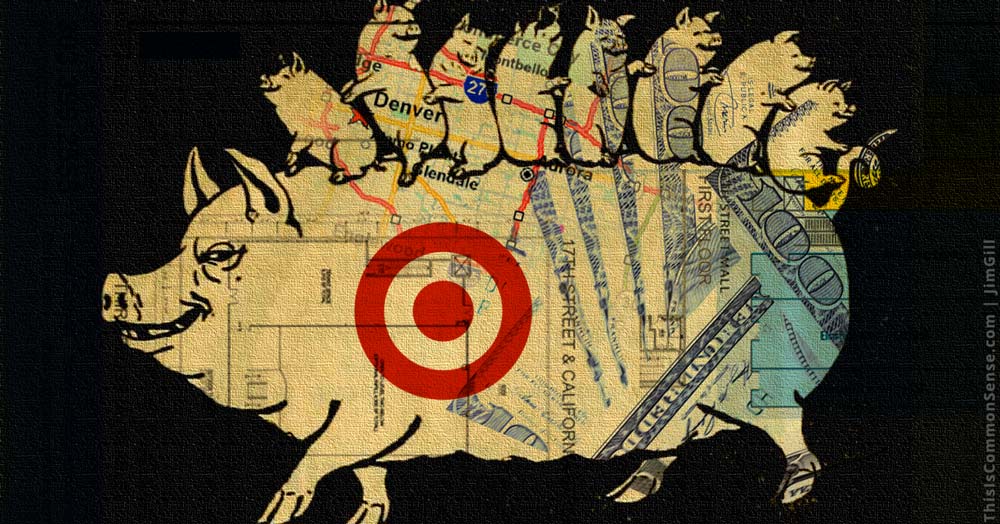
Consider government waste — from the Pentagon’s $400 hammers to millions in cost overruns for weapons systems. Politicians pay lip service to getting waste under control, but actually do something about it?

Yeah, right.

That’s why I took notice last December when then President-Elect Trump tweeted “Cancel order!” in response to the high price of a future Air Force One from Boeing. Then, Trump sent Lockheed stock down 3 percent with another tweet:

Based on the tremendous cost and cost overruns of the Lockheed Martin F-35, I have asked Boeing to price-out a comparable F-18 Super Hornet!

“Mr. Trump . . . would like to squeeze Lockheed for a better deal . . .” the New York Times explained, adding that Trump had “sent shock waves through the military industry.”

Sen. Richard Blumenthal from Connecticut, where the F-35’s engines are manufactured, responded, “The suggestion that costs are out of control is just plain wrong.”

Well, last week, CNN reported that, “Defense giant Lockheed Martin has agreed to sell 90 new F-35 fighter jets to the US Defense Department . . . a deal that amounts to more than $700 million in savings over the last batch of aircraft delivered.”

There are no set prices.

This is Common Sense. I’m skinflint Paul Jacob. 

* Even when a vendor wouldn’t budge on price, I could always call back a day later and say I’d finagled a way to afford it. Even then, the message that cost mattered likely started any future negotiations from a better position. 


Printable PDF

Categories
Accountability free trade & free markets general freedom government transparency nannyism national politics & policies responsibility too much government

Sledgehammer to a Bureaucracy

The media hysterically pushes the line that the new Trump administration is so much “in chaos” it even frightens seasoned (salt-and-pepper?) heads in the Republican Party. But perhaps folks at the Environmental Protection Agency have more reason to panic.

“It looks like the EPA will be the agency hardest hit by the Trump sledgehammer,” writes Julie Kelly over at National Review.

Ms. Kelly offers striking reasons to hit the agency hard, quoting from Steve Malloy, the author of Scare Pollution: Why and How to Fix the EPA. “I can think of no agency that has done more pointless harm to the U.S. economy than the EPA — all based on junk science, if not out-and-out science fraud.” Malloy looks forward to the new president’s promised rethink and restructuring of the agency.

Just how bad is it?

Environmentalists often cry foul over any corporate funding of ecological research. But if one worries about money influencing results, the case against grants funded by regulatory agencies for regulatory purposes is even stronger.

Especially when the agency is run by ideologues.

Trump’s transition team seeks to make all the EPA’s relevant data public, for peer and public review, and would really like to curtail the agency’s research funding entirely.

Pipe dream? Better than the recent nightmare: “For eight years,” writes Kelly, “President Obama used the agency as his de facto enforcer of environmental policies he couldn’t pass in Congress even when it was controlled by his own party.”

The EPA needs to be checked. And balanced. And more.

This is Common Sense. I’m Paul Jacob.


Printable PDF


Categories
Accountability folly free trade & free markets general freedom moral hazard

Oil’s Bad that Ends Bad

Sometimes socialism seems reasonable.

Emphasis on “seems.”

Take natural resource socialism. Ores and oil are “just there in the ground” and “belong to everybody.” So it “just makes sense” that “the people” should “own” the mining and drilling and refining industries, and run these operations to share the profits to help “everybody,” not just a few.

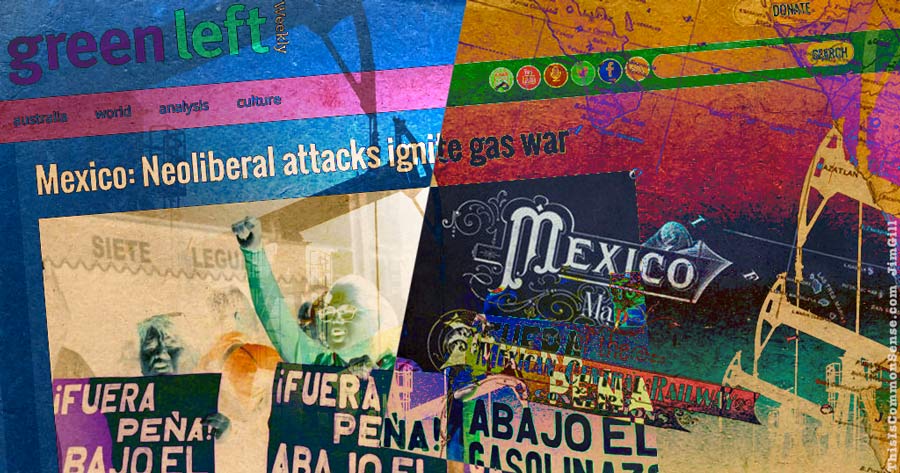
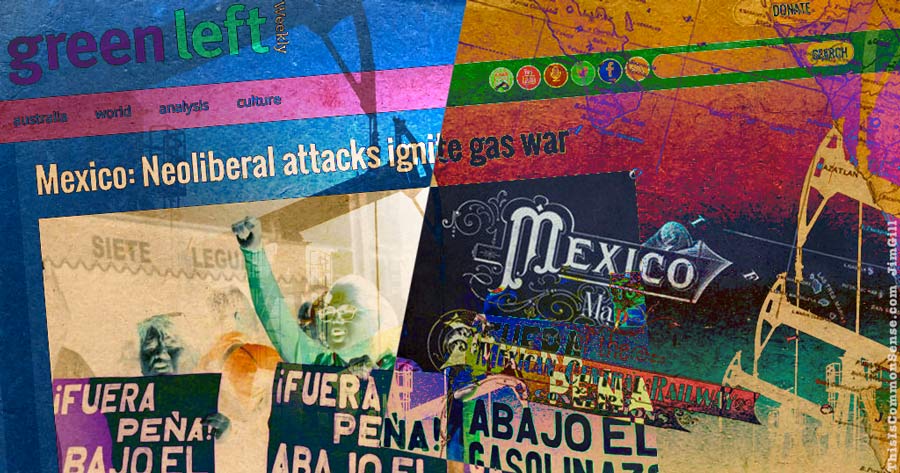
The Mexican government bought into this back in 1938, when it nationalized the U.S.- and Dutch-based oil companies. Today, the industry is under-capitalized, its equipment old and inefficient. Mexico itself is a mess. The government is corrupt and the people far poorer than would have been the case had they not bought into the nationalization mania.

The cause of the problems should not be in dispute. “By cutting off Mexican oil exploration from foreign investment and foreign know-how,” Ryan McMaken writes in an interesting analysis, “the Mexican state has only succeeding in making the Mexican oil industry less efficient, and less capable of taking advantage of the natural resources in Mexico.”

Which is why the government has been making tentative “liberalization” moves, de-monopolizing Pemex, the government’s oil outfit.

Unfortunately, though the damage done by bad government policy and monopolistic privilege is everywhere to see, many people (especially intellectuals) in Mexico blame “neo-liberalism” and non-existent “free markets” for rising prices and the specter of economic collapse.

Once bitten by the natural resource socialism bug, it’s apparently easy to dismiss evidence. Or the common-sense notion that government over-reach has made the mess they now struggle with.

This is Common Sense. I’m Paul Jacob.


Printable PDF

Mexico, oil, nationalize, socialism, neoliberalism


Categories
free trade & free markets general freedom meme moral hazard nannyism national politics & policies Popular too much government

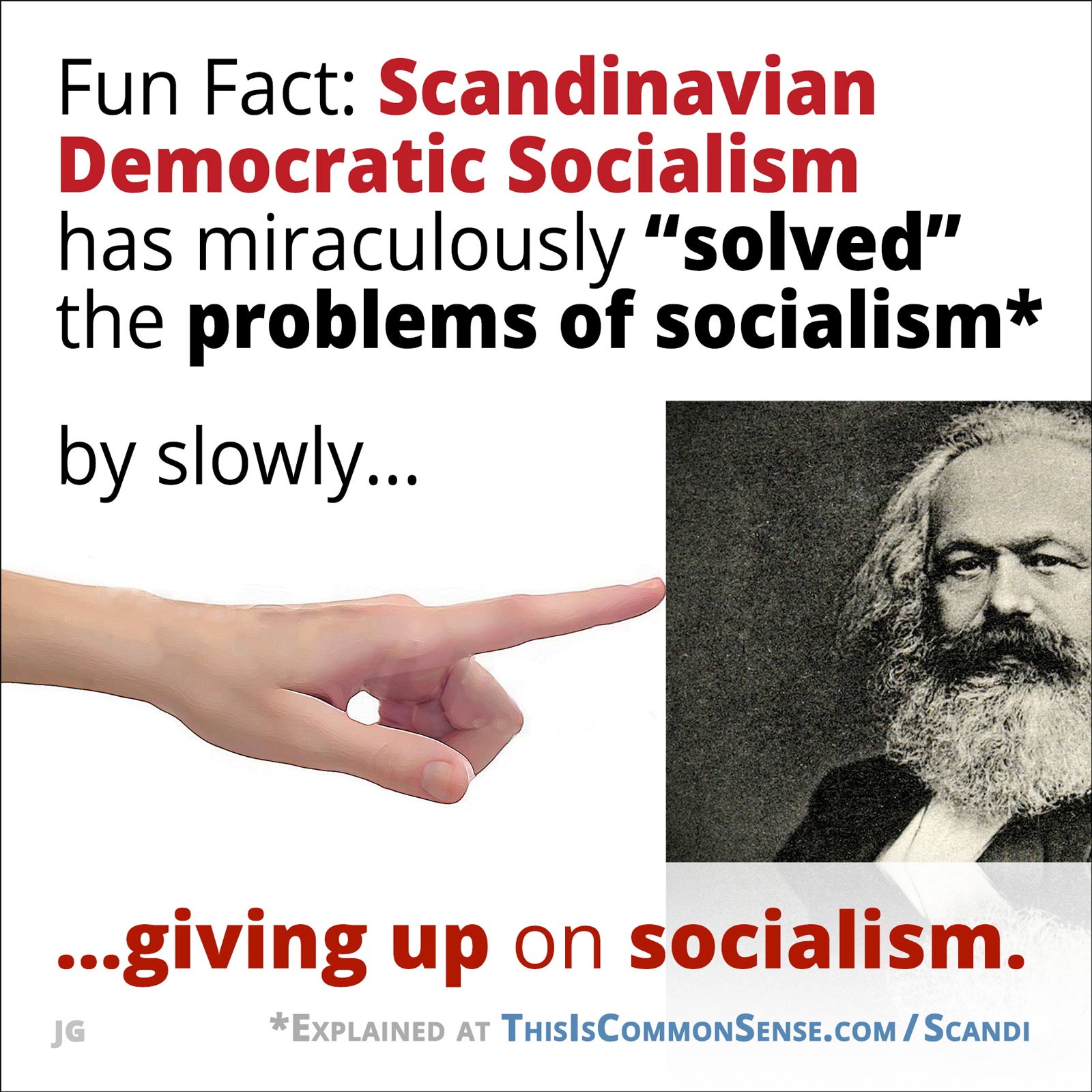
Is Denmark Socialist?

First… some definitions:

Socialism advocates the public ownership (or control) of business and industry in service of a more equal distribution of wealth.

Bernie Sanders and his version of “democratic socialism” places emphasis on redistribution and downplays the public ownership and control part of the system.

However… Bernie seems never to have met a government monopoly he didn’t love, or a free market enterprise he didn’t distrust or despise.

What are the problems (dangers) of socialism?

It idealizes envy.


It rationalizes theft.

It idealizes state power.
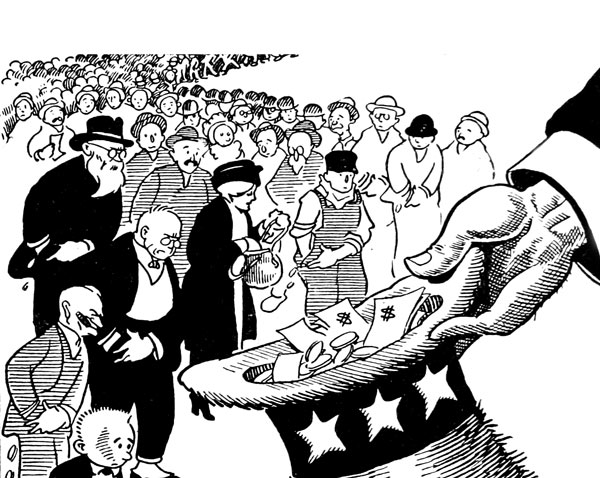

It penalizes accomplishment.
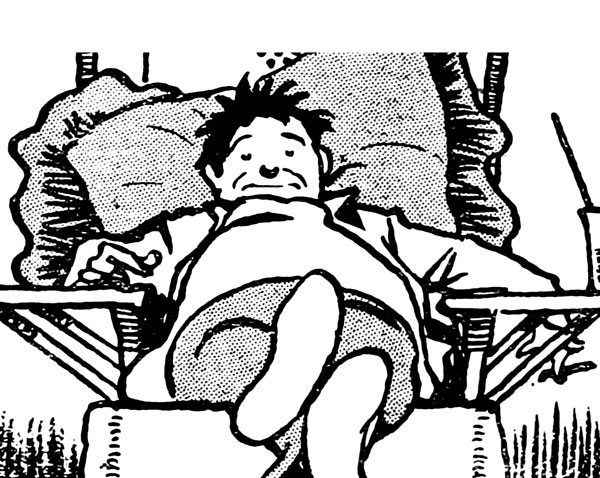

It rewards indolence.


It promotes obedience to the state.
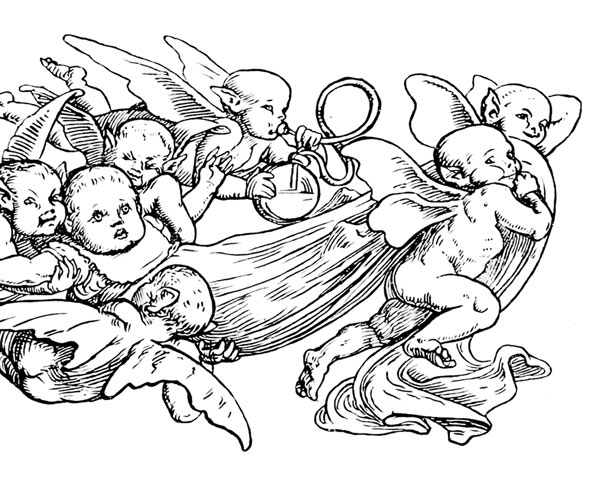

It encourages dependence on the state by treating citizens as children.
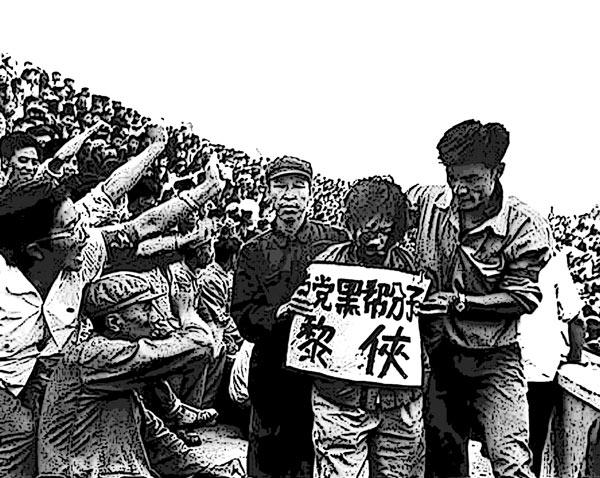
It dismisses the protection of individual rights with a vague appeal to the “collective good” or “public good.”
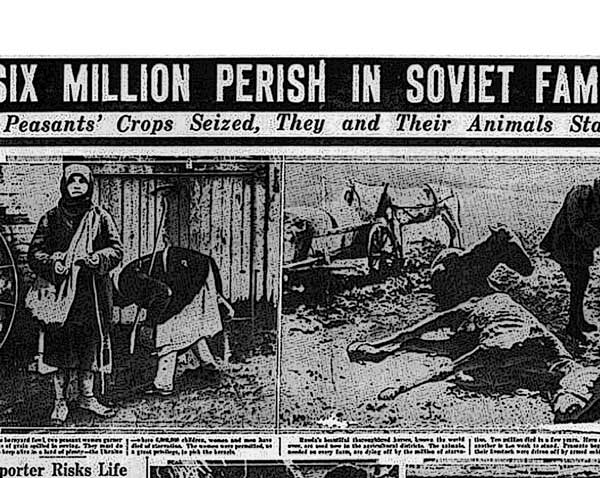

It has repeatedly led to economic collapse, oppression, poverty and starvation. So how have Scandinavian democratic socialists managed to overcome these problems?

Quote from the current Prime Minister of Denmark:

“I know that some people in the US associate the Nordic model with some sort of socialism. Therefore I would like to make one thing clear. Denmark is far from a socialist planned economy. Denmark is a market economy.”
Speech, Harvard Institute of Politics


From “Scandinavian Unexceptionalism” (from the Institute of Economic Affairs):

Today the Nordic economies are again growing, following a return to broadly free-market policies that served them well before policies changed during the 1960s and 1970s.

The countries are changing in the face of serious long-term problems that have developed over the last 30 years.

Finland, Sweden and Denmark have…introduced far-reaching market reforms. These changes include greater openness to trade, clear reductions in the tax burden, private provision of welfare services, the introduction of personal retirement accounts and, in Denmark, even a shift towards a liberal labour market.

—Scandinavian Unexceptionalism (highly recommended!)
And the moral hazards?

The development of Scandinavian welfare states has led to a deterioration in social capital.

Nordic societies have for hundreds of years benefited from  a strong Lutheran work ethic, a strong sense of individual responsibility and high levels of trust and civic participation.

In the early stages of their transition to “democratic socialism”, safety nets DID exist, but few used them. Over time, an increasing share of the population became dependent on government transfers. The welfare states moved from offering services to the broad public to transferring benefits to those who did not work.

The situation that exists in Nordic societies today is one in which ethics relating to work and responsibility are not strongly encouraged by the economic systems. Individuals with low skills and education have limited gains from working. This is particularly true of parents of large families, which gain extra support if on welfare.

It is true that welfare systems have reduced poverty. However, especially in the second generation, they have also created a form of social poverty of the same type that is apparent in the countries from which many of the admirers of the Scandinavian systems come. Detailed research clearly shows that welfare systems have formed a culture of dependency which is passed on from parents to children.

MUCH MORE HERE on the moral and economic capital that preceded the welfare state, and its gradual disintegration over time… 


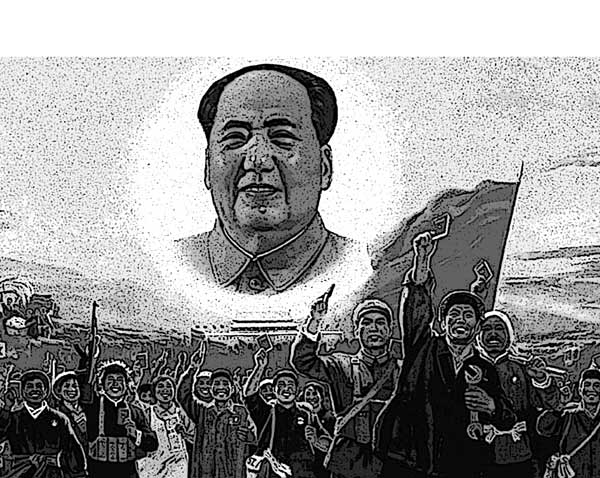
Do you believe that socialism is a good idea that has simply been corrupted by ruthless dictators? Consider the story of the Chinese Cultural Revolution. . .  a mass movement of Chinese youth dedicated to eradicating capitalism and advancing socialism. Its bloody history tells us quite a lot about the logic of this flawed political philosophy. . . “Socialism’s Idealistic Youth”


 Useful References

Scandinavian Unexceptionalism (Institute of Economic Affairs)
This paper is especially valuable because it was written by someone who actually favors a large welfare state. His willingness to concede the problems inherent in such a state are refreshingly honest… and useful for anyone interested in the issues.

What Can the United States Learn from the Nordic Model? (CATO Institute)

Myth: The Scandinavian countries are proof socialism works (Being Classically Liberal)

The Myth of the Scandinavian Model

Economic Freedom of the World: 2013 Annual Report

International government spending (Wikipedia)

Index of Economic Freedom (Heritage Foundation)


A healthy democracy depends on the spreading of good ideas. If you found this article useful,  please share it with friends by clicking on any of the social media icons below.

Also, please consider showing your appreciation by dropping something in our tip jar  (this link will take you to the Citizens in Charge donation page… and your contribution will go to the support of the Common Sense website). Maintaining this site takes time and money. Your help in spreading the message of common sense and liberty is very much appreciated!
Categories
crime and punishment free trade & free markets general freedom meme moral hazard national politics & policies too much government

Which is more dangerous?

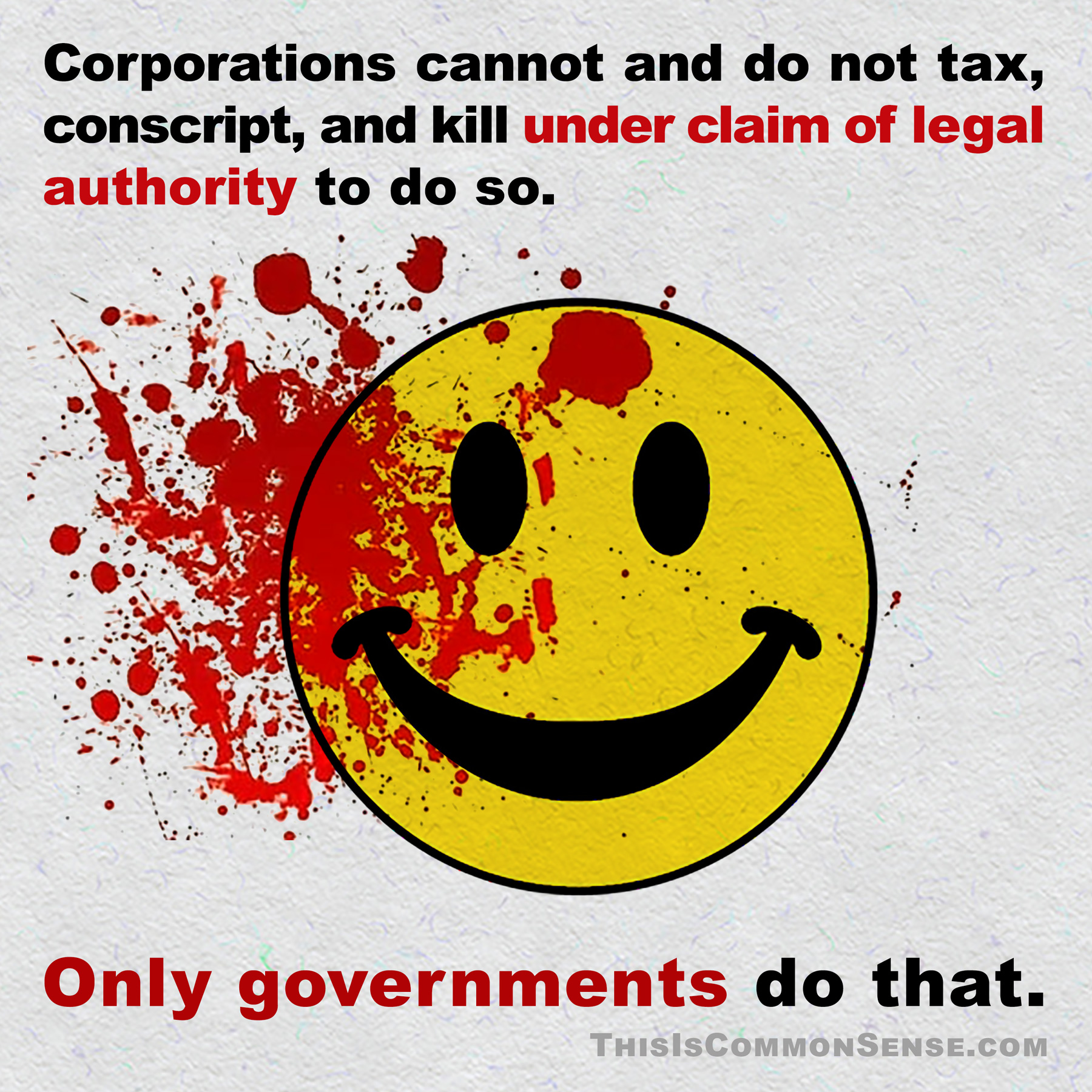
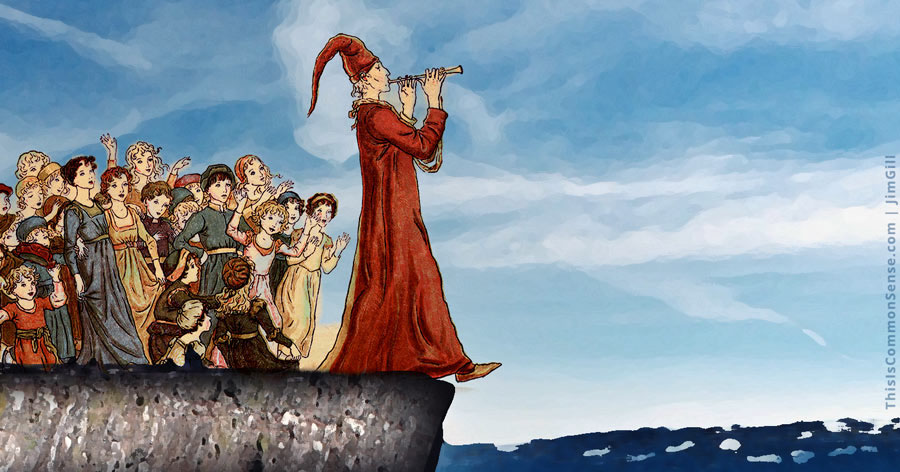
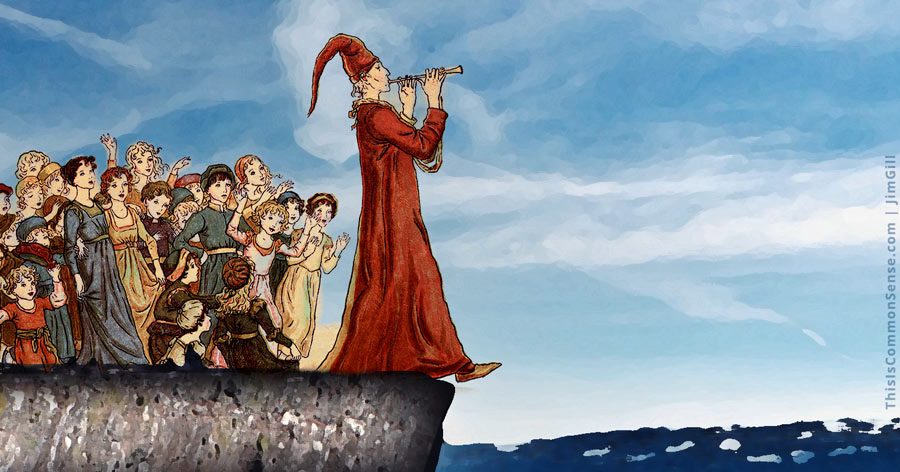
Corporations cannot and do not tax, conscript, and kill under claim of legal authority to do so.
Only governments do that. 

Click below for a high resolution version of the image:
corporations, government, power, danger, government vs. corporation, which is more dangerous, law, corruption, meme, illustration, Jim Gill, Paul Jacob, Common Sense
Categories
free trade & free markets general freedom moral hazard nannyism national politics & policies

Best Plan Is No Plan

“Republicans would create chaos in the health care system because they are stuck,” Senate Minority Leader Chuck Schumer says, “between a rock and a cliché.”

Oh. Off by a word or two. But I don’t need to fix it.

What needs to be fixed is the whole system. “Head clown”* Schumer gloats that it cannot be done. The “delicate balance” that is the Affordable Care Act makes it impregnable. For all Republicans’ talk of repeal, “for five years now they’ve had nothing to put in its place.”

Schumer sees the trap. He set it when he and his comrades voted Obamacare in without reading it. Any new program with any new constituency always presents a set of . . . political hurdles . . . that quickly become “impossible” to jump.

The President-elect, he notes, has supported three of the “most popular” regulations in Obamacare: “pre-existing conditions,” “26-year-olds on parents’ plans,” and sex equality re: insurance rates.

What Schumer fails to mention is that these are three huge drivers of spiraling insurance prices. The Affordable Care Act “delicately balances” medical markets by shifting who pays for what, hoping that the biggest losers† don’t complain too much and the obvious winners never cease protesting‡ any change.

The truth? Obamacare can be repealed. But replacing it would be a disaster. The best plan is no plan. Repeal all the regulations. The federal government should completely deregulate the markets, and prevent states from ruining interstate markets in insurance and health care.

Do what the Commerce clause was designed to do.

Schumer is counting on Republicans to do nothing. Despite signs they’re cooking up something.

This is Common Sense. I’m Paul Jacob.


*What Trump called Schumer. And in the same tweet dubbed Obamacare “a lie.” Truer words never spoken?

† Obamacare presents a huge burden on the self-employed, self-insured, and on the previously insured, since it is these people who most obviously pay for all the newly insureds. Of course, in the end, everybody pays . . . from increasing prices and decreasing rates of progress.

‡ At least they are the focus of advocacy groups. The poor neatly serve as innocent shields of the spoliators.

N. B. Adapted from this weekend’s Townhall column.


Printable PDF

Obamacare, ACA, Healthcare, reform, replace, policy, insurance


Categories
Common Sense folly free trade & free markets general freedom ideological culture meme national politics & policies

Funny how that happened…

Funny how none of the progressive “achievements”happened before capitalism made them possible.


Click below for high resolution version of the image:

capitalism, progressivism, progressive, politics, child labor, 8 hour work day, living wage, achievements, accomplishment, meme, illustration


Categories
Accountability folly free trade & free markets general freedom ideological culture meme nannyism national politics & policies

“The Good Kind of Socialism”

Don’t worry…

Bernie only wants “the good kind of socialism.”


Click here for a high resolution version of this image:

Bernie Sanders, The good kind of socialism, presidential race, progressivism, progressive, socialist, education, meme, cartoon, illustration, Jim Gill, Paul Jacob, Common Sense


Categories
folly free trade & free markets general freedom meme national politics & policies

Robert Reich, Mythed Up

[mks_dropcap style=”letter” size=”62″ bg_color=”#ffffff” txt_color=”#000000″]C[/mks_dropcap]onsumer sovereignty is the idea that in markets consumers call the shots. In capitalism, most mass production is indeed for the masses, and the masses have a big say in what gets done. All profits and wages of successful businesses come from consumers.

But don’t take this too far.

Consumers don’t “create jobs,” for example.

Recently, Clinton-era Labor Secretary Robert Reich has been floating this bizarre notion. To his Facebook audience, last month, he wrote that it is a myth that “the ‘job creators’ are CEOs, corporations, and the rich, whose taxes must be low in order to induce them to create more jobs.

Rubbish. The real job creators are the vast middle class and the poor, whose spending induces businesses to create jobs. That is why raising the minimum wage, extending overtime protection, enlarging the Earned Income Tax Credit, and reducing middle-class taxes are all necessary.”

So, we have people in roles of “producers” and “consumers,” and it is the consumers who “create jobs”? And they do this by “inducing” businesses to, wait, uh, “create jobs”?

Face it: businesses create jobs — out of capital from somebody’s invested savings. Entrepreneurs brace themselves to take big risks, fronting workers’ wages as well as hiring and purchasing capital goods and material.

Before a penny is spent by consumers.

Only when entrepreneurs guess right does the flow of money come full circle.

Reich repeated his quasi-Keynesian rap yesterday: it’s spending consumers who “get businesses to expand and hire.”

Truth is, Reich doesn’t “get” basic economics. But he does understand political equations, which is why folks on the Democratic left think he’s a genius.

This is Common Sense. I’m Paul Jacob.


For a high resolution version of today’s picture (perfect for use as a screensaver), click on the image below to open in new window. Also, please do feel free to share with your friends.

Robert Reich Doublespeak


Categories
Accountability free trade & free markets insider corruption media and media people national politics & policies porkbarrel politics

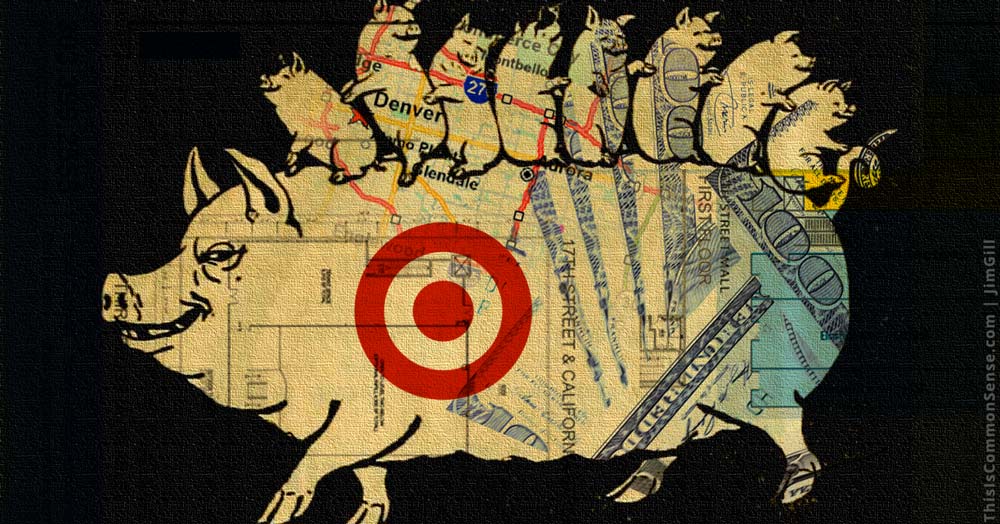
Crony Carrier

Sure, I’ve complained about the over-the-top anti-Trump bias of much of the mainstream media (which may actually have improved Trump’s public standing). But, today, I enthusiastically celebrate that supercilious slant.

Why? Because it means much of the media amazingly finds itself on the right side, panning the recent deal to save 1,000 jobs at the Carrier Corporation.

Saving jobs is good per se. We want jobs to stay here in America. But, at what price?

Thus far, the deal remains secret, but according to Politico, “The agreement reportedly includes $7 million in state tax breaks over ten years offered by the Indiana Economic Development Corporation, a quasi-public entity that doesn’t require legislative approval for its deals.”

“Quasi-public entities” always make me queasy.

“Can American companies now merely threaten to go to Mexico,” asks Chris Rossini in the Ron Paul Liberty Letter, “in order to get a sweetheart deal for themselves?”

This special arrangement’s costs are not merely monetary: Special deals for some companies at the expense of others undermine the whole concept of equality under the law.

File under: crony capitalism.

Even the socialists at The Nation say the agreement “epitomizes corporate socialism at the expense of American taxpayers.”

“I certainly think that, if President Obama had done something like this, conservatives would have been freaking out,” argues Reason’s Peter Suderman.

Many are. Well, maybe not exactly “freaking out” — but vocally opposing the idea of the not-quite-yet-president picking winners and losers in the marketplace.

Crony capitalism didn’t make America great. Our revolution’s justification prompts the antithesis.

This is Common Sense. I’m Paul Jacob.


PDF for printing

Carrier, crony, cronyism, Trump, corporate, illustration