Power does not corrupt. Fear corrupts, perhaps fear of a loss of power.
John Steinbeck, The Short Reign of Pippin IV (1957).
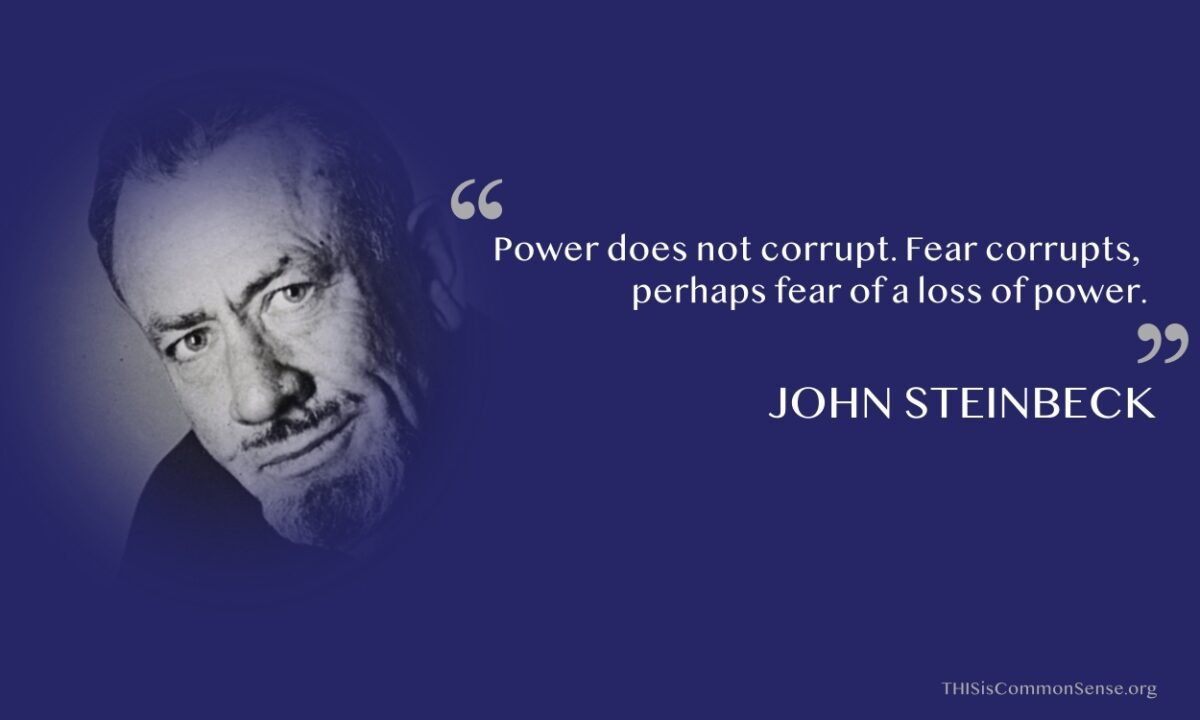
Power does not corrupt. Fear corrupts, perhaps fear of a loss of power.
John Steinbeck, The Short Reign of Pippin IV (1957).
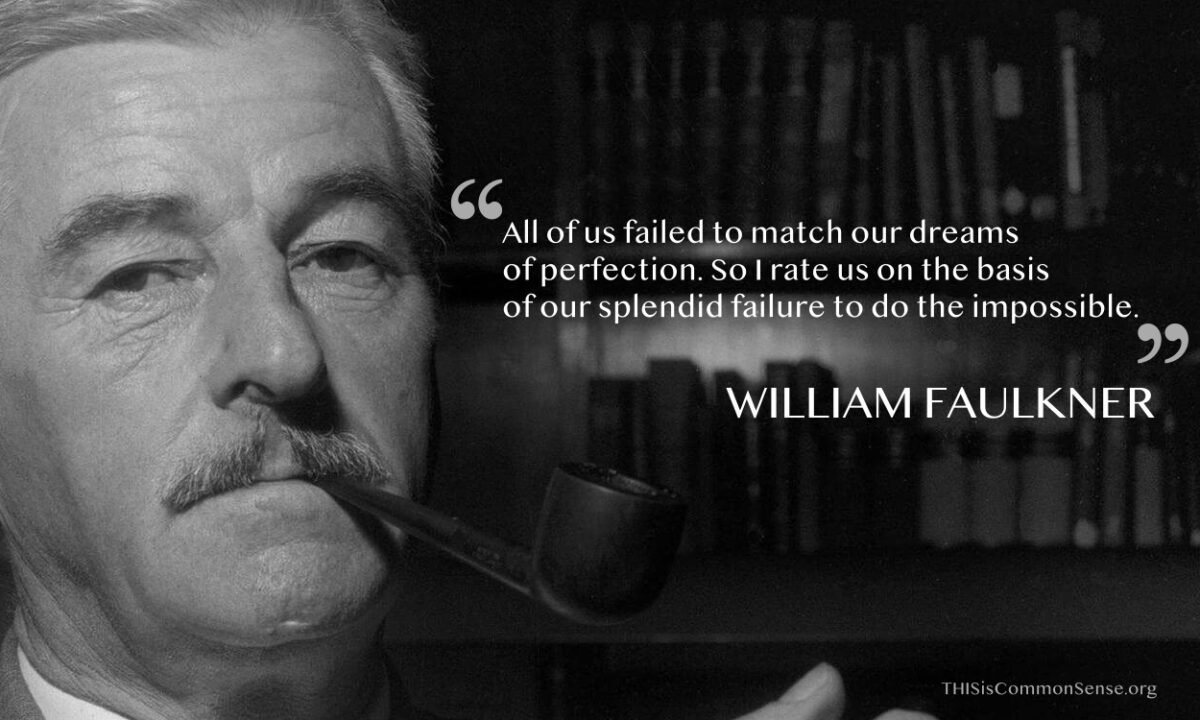
All of us failed to match our dreams of perfection. So I rate us on the basis of our splendid failure to do the impossible.
William Faulkner, Paris Review interview (1958).
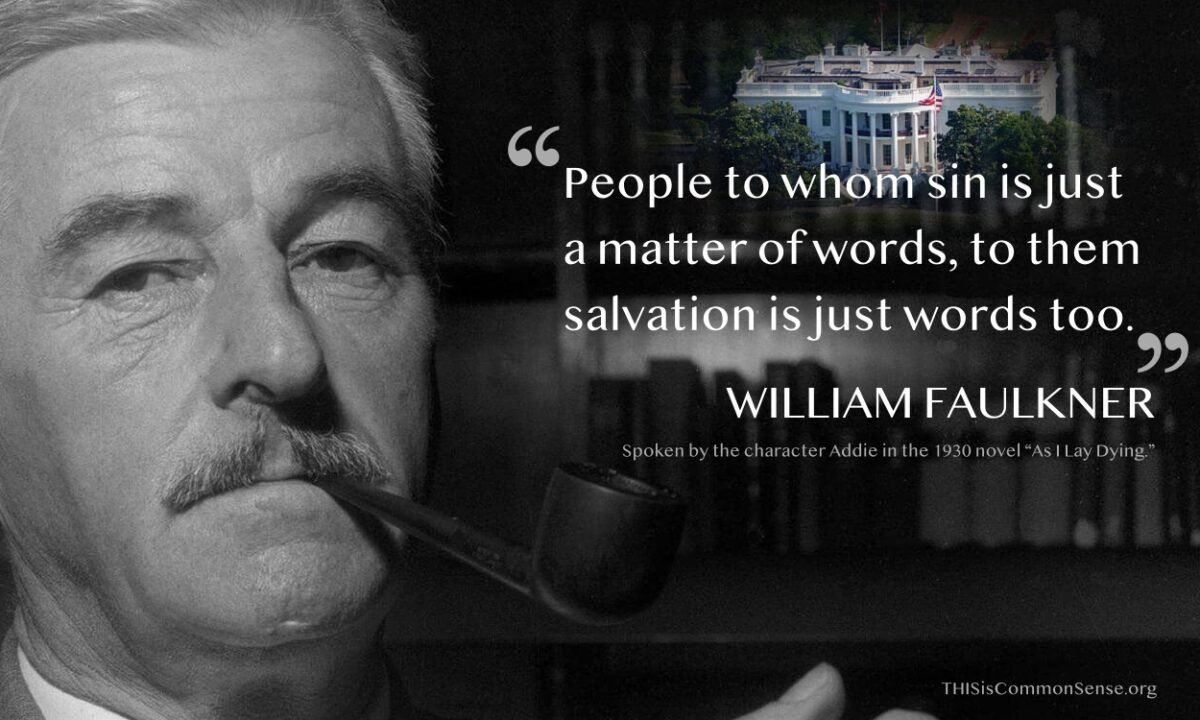
People to whom sin is just a matter of words, to them salvation is just words too.
The character Addie in William Faulkner’s novel As I Lay Dying (1930).
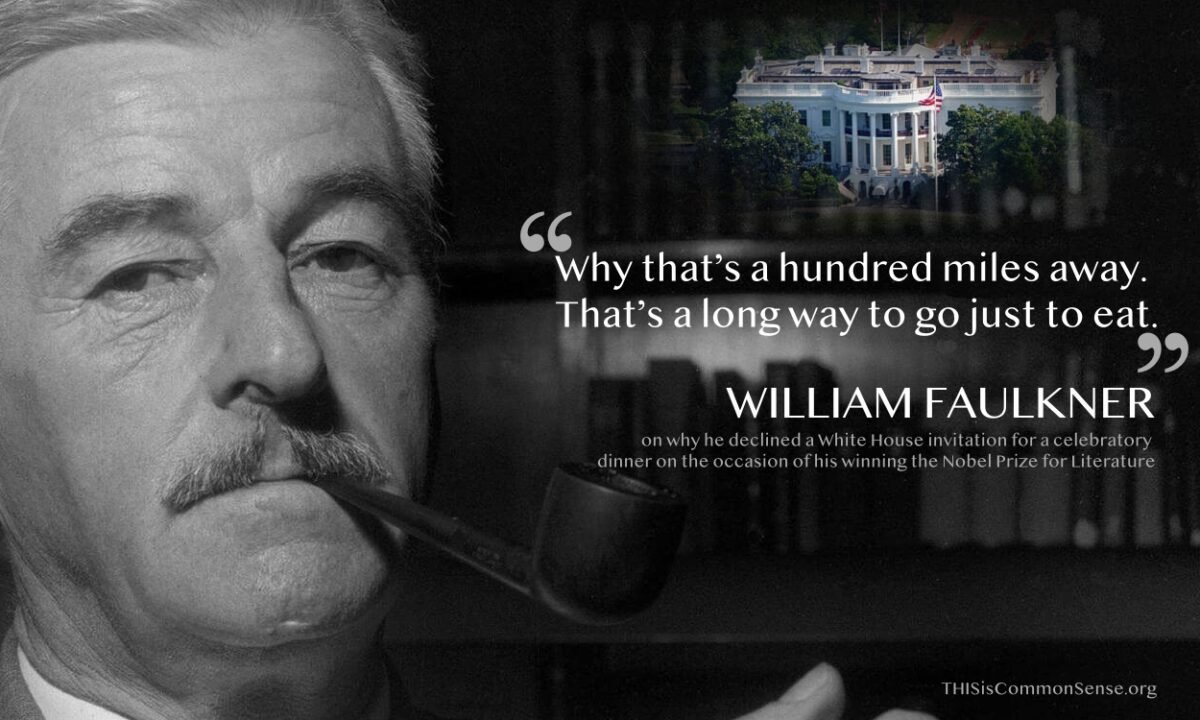
Why that’s a hundred miles away. That’s a long way to go just to eat.
Novelist William Faulkner, on why he declined a White House invitation for a celebratory dinner on the occasion of his winning the Nobel Prize for Literature (1962).
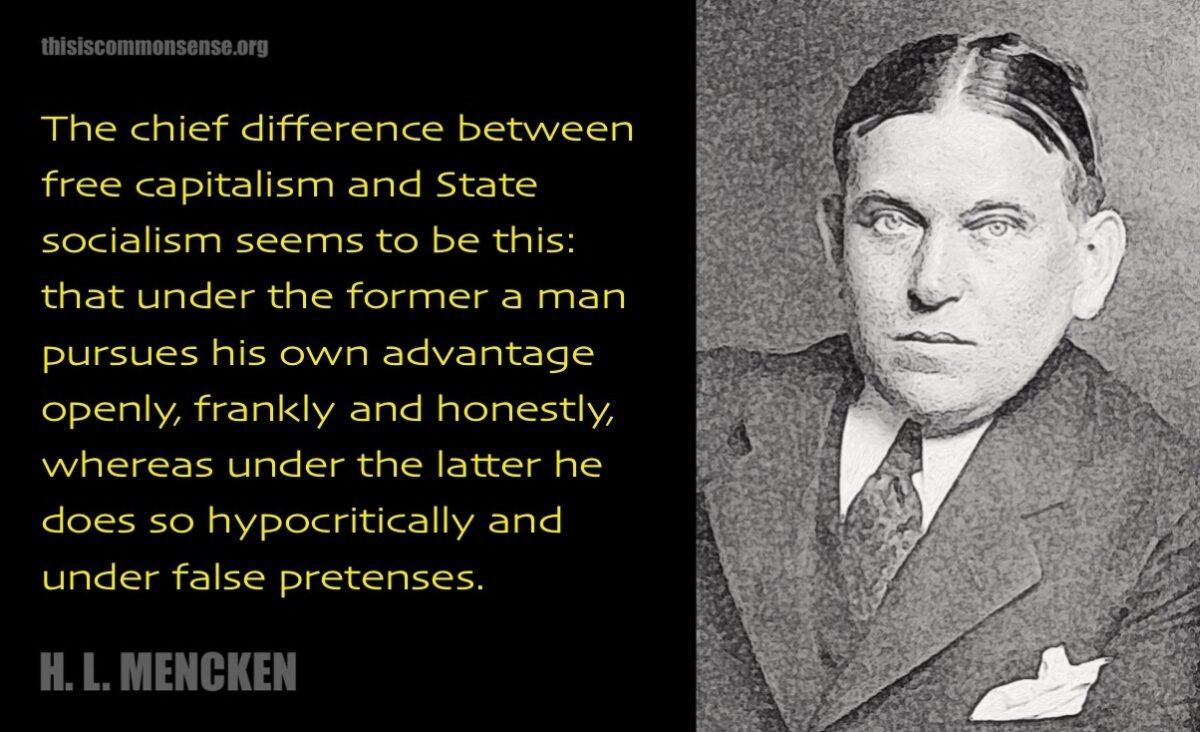
The chief difference between free capitalism and State socialism seems to be this: that under the former a man pursues his own advantage openly, frankly and honestly, whereas under the latter he does so hypocritically and under false pretenses.
H. L. Mencken, Minority Report (1956).
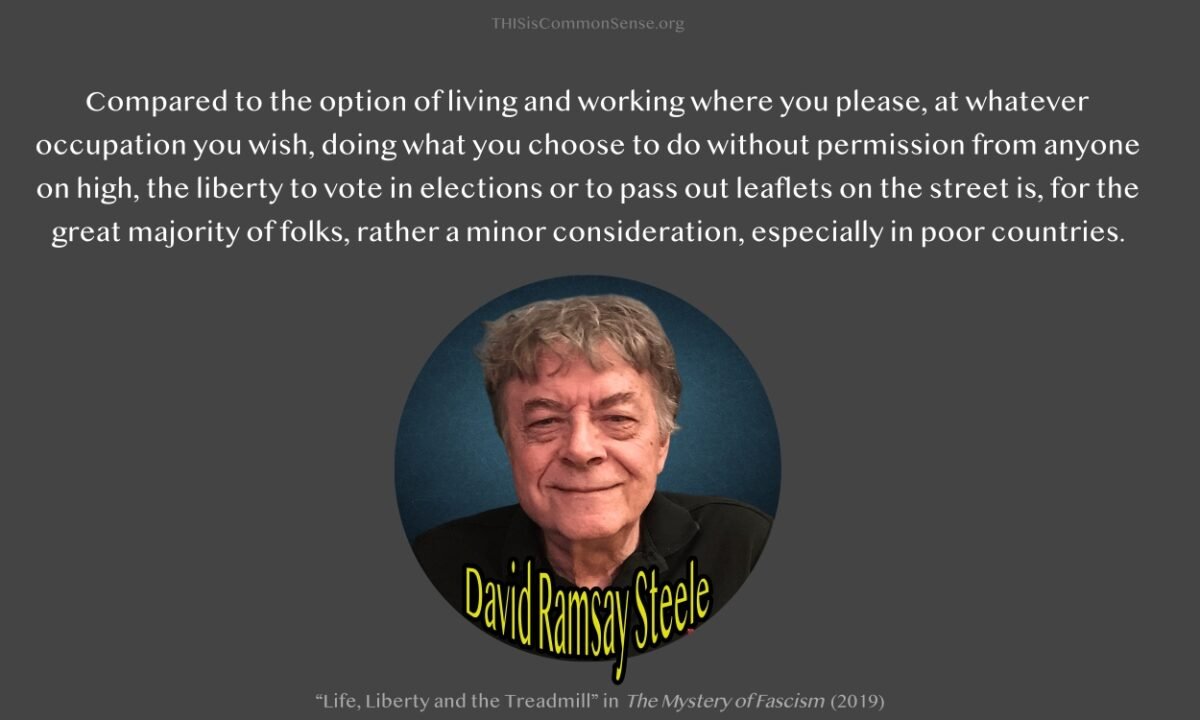
Compared to the option of living and working where you please, at whatever occupation you wish, doing what you choose to do without permission from anyone on high, the liberty to vote in elections or to pass out leaflets on the street is, for the great majority of folks, rather a minor consideration, especially in poor countries.
David Ramsay Steele, “Life, Liberty and the Treadmill,” The Mystery of Fascism (2019).
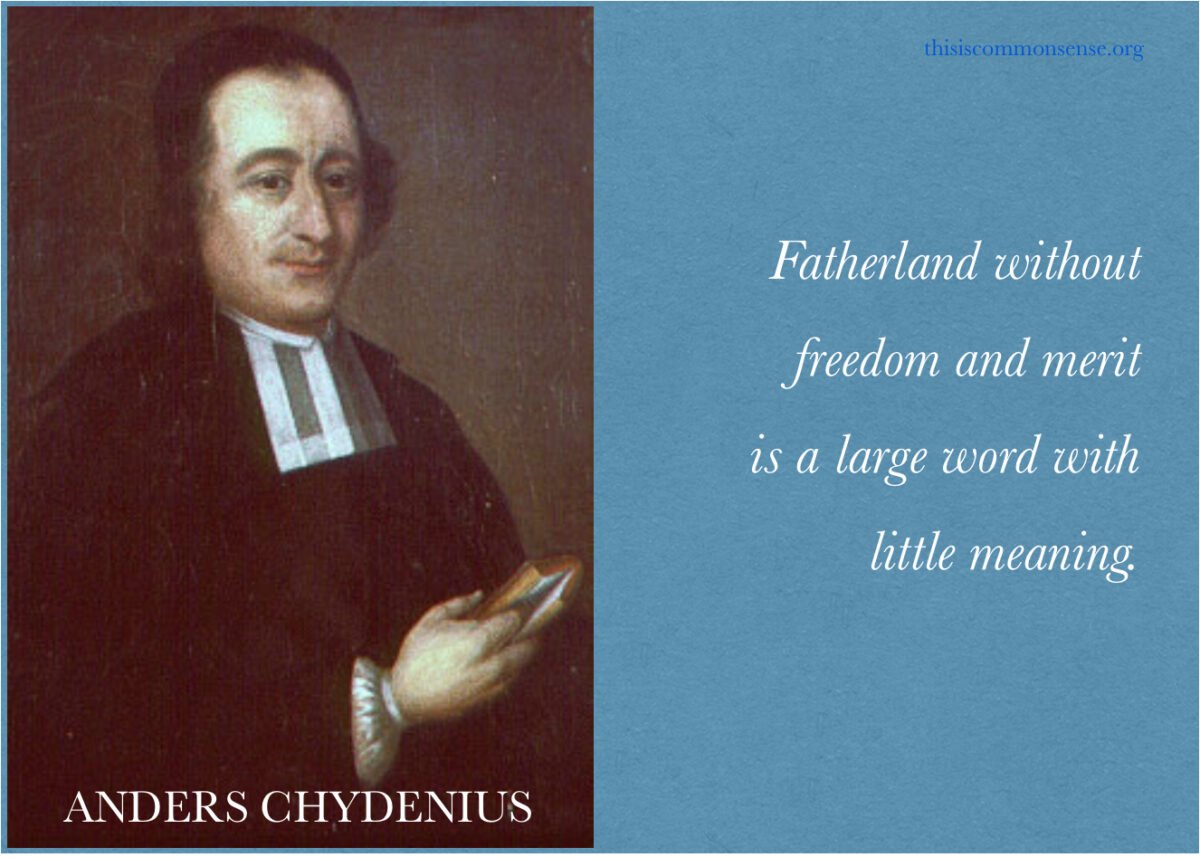
Fatherland without freedom and merit is a large word with little meaning.
Anders Chydenius, For What Reason do so Many Swedes Emigrate Every Year? (1765)
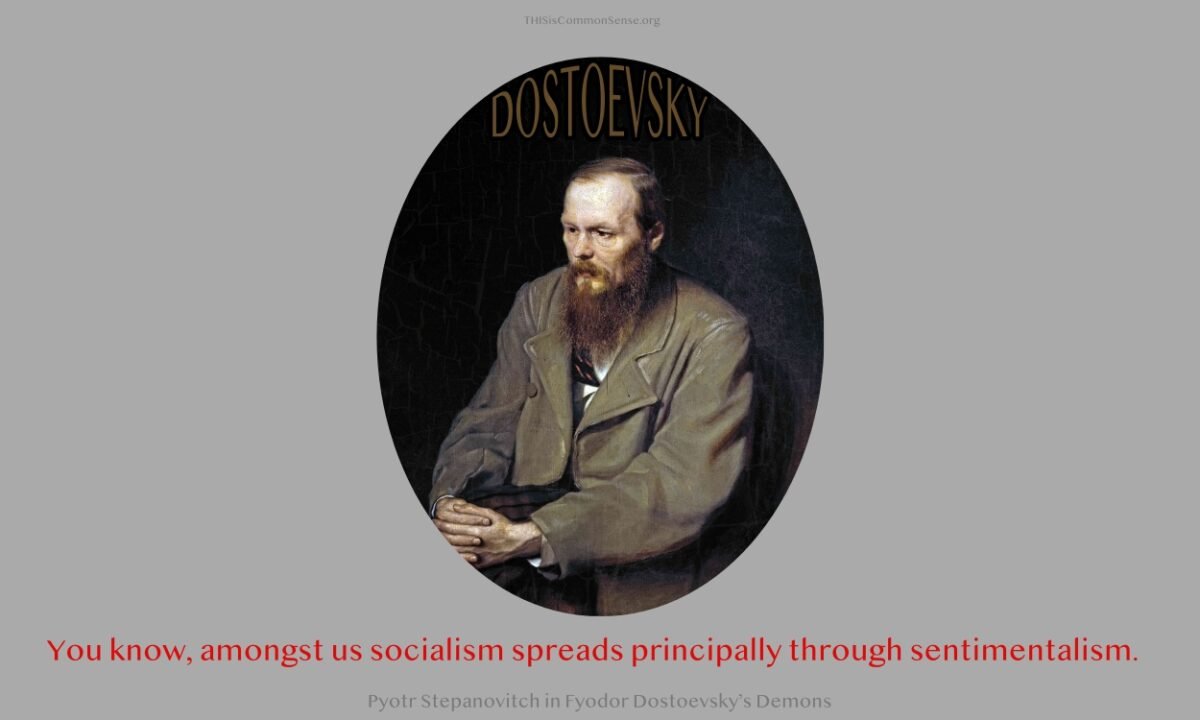
You know, amongst us socialism spreads principally through sentimentalism.
The character Pyotr Stepanovitch in Fyodor Dostoevsky’s Demons (1872), Part Two: VII, Ch. 6.
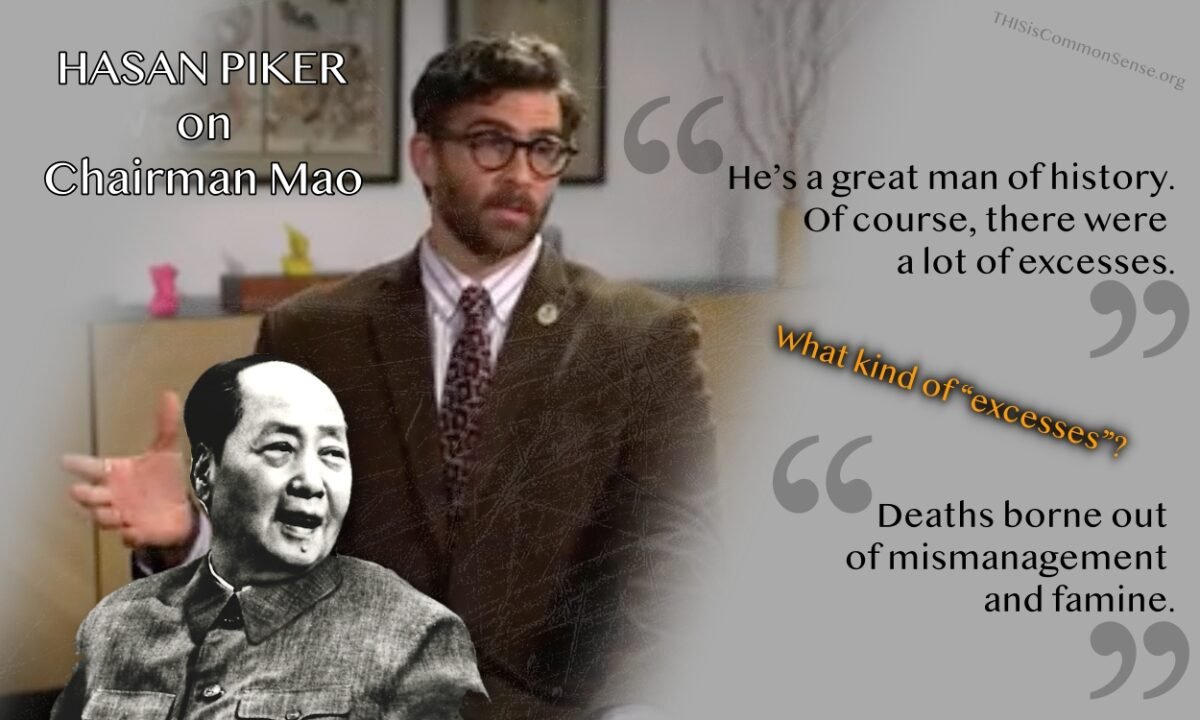
He’s a great man of history. Of course, there were a lot of excesses.
Hasan Piker, in interview with Alex Thompson, on Axios. When asked what kind of “excesses,” he responded: “Deaths borne out of mismanagement and famine.”
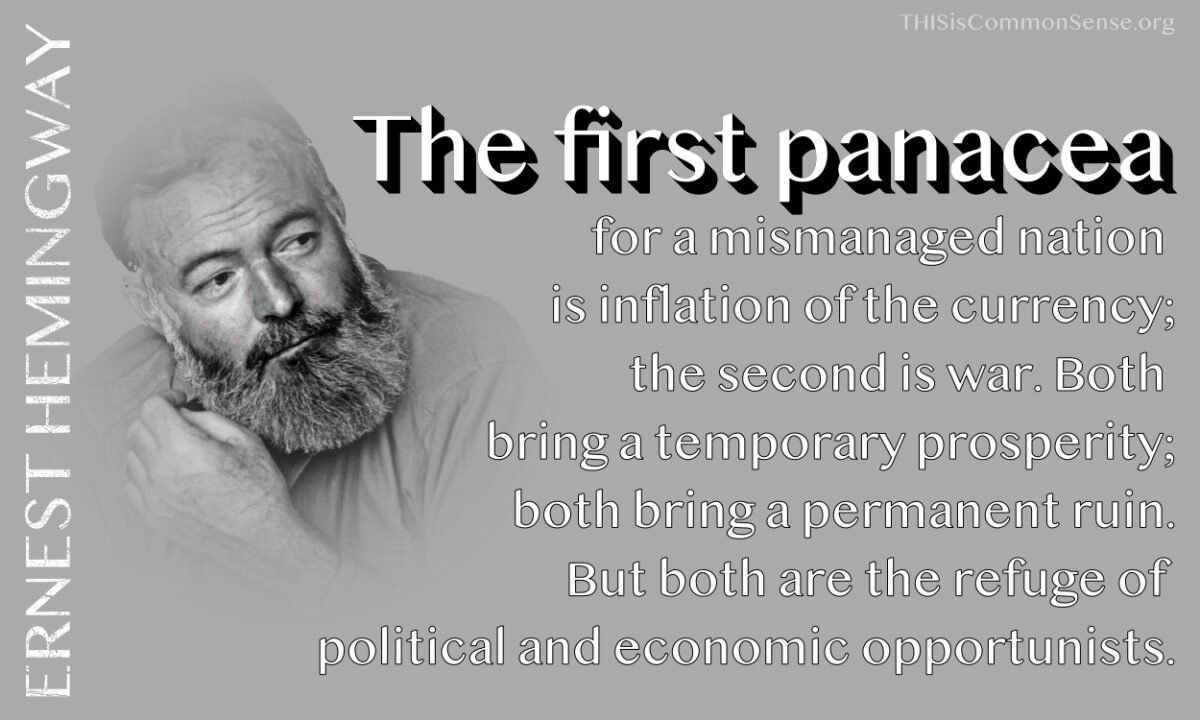
The first panacea for a mismanaged nation is inflation of the currency; the second is war. Both bring a temporary prosperity; both bring a permanent ruin. But both are the refuge of political and economic opportunists.
Ernest Hemingway, “Notes on the Next War: A Serious Topical Letter,” Esquire, Sept. 1935.