Categories
Accountability ideological culture national politics & policies responsibility

Pollsters Are Political Players, Too

Is Trump electable? Can Carson nab the GOP presidential nomination? Does Rand Paul have a chance? Is Chris Christie finished — before a voter has voted?

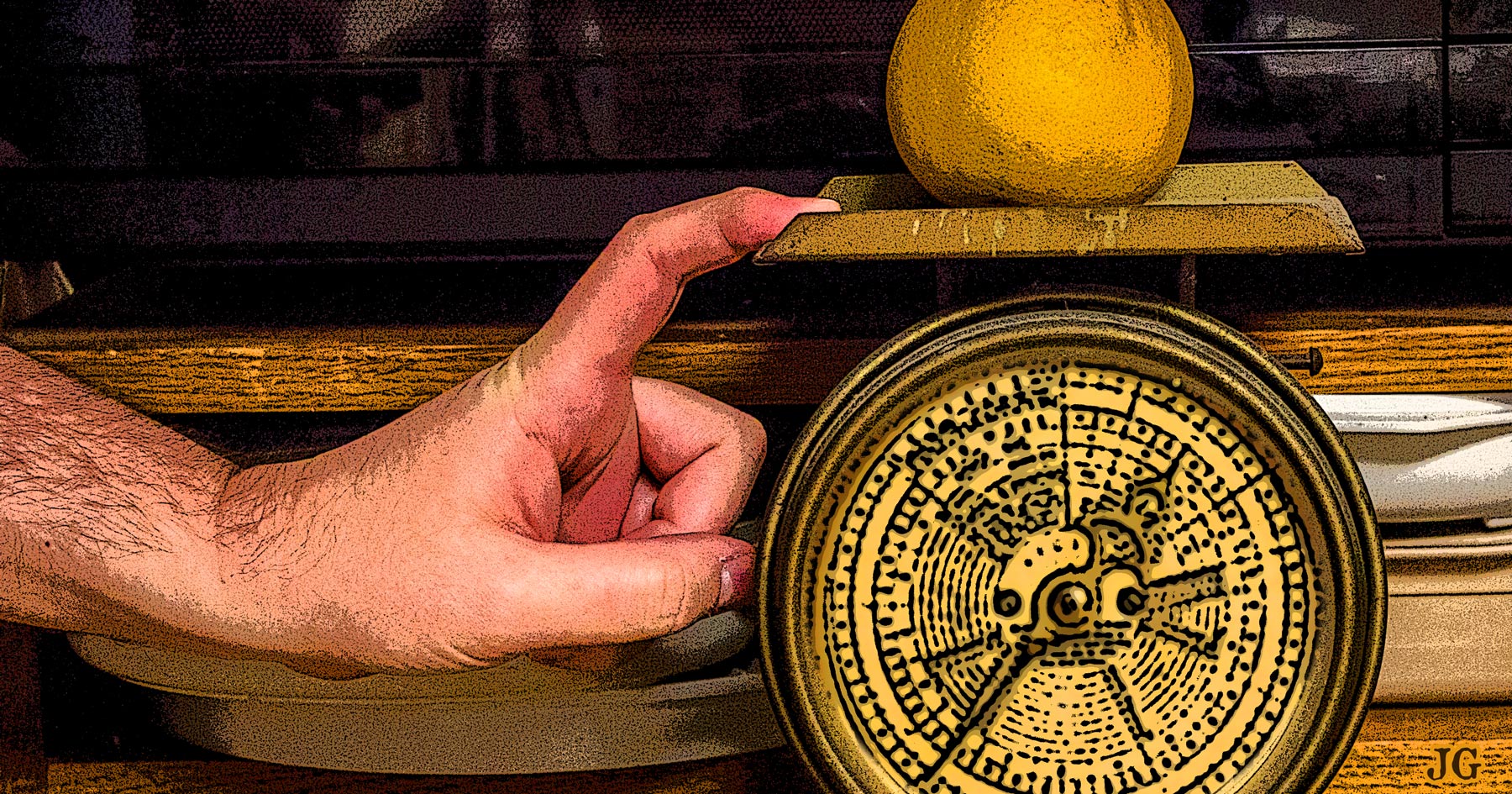
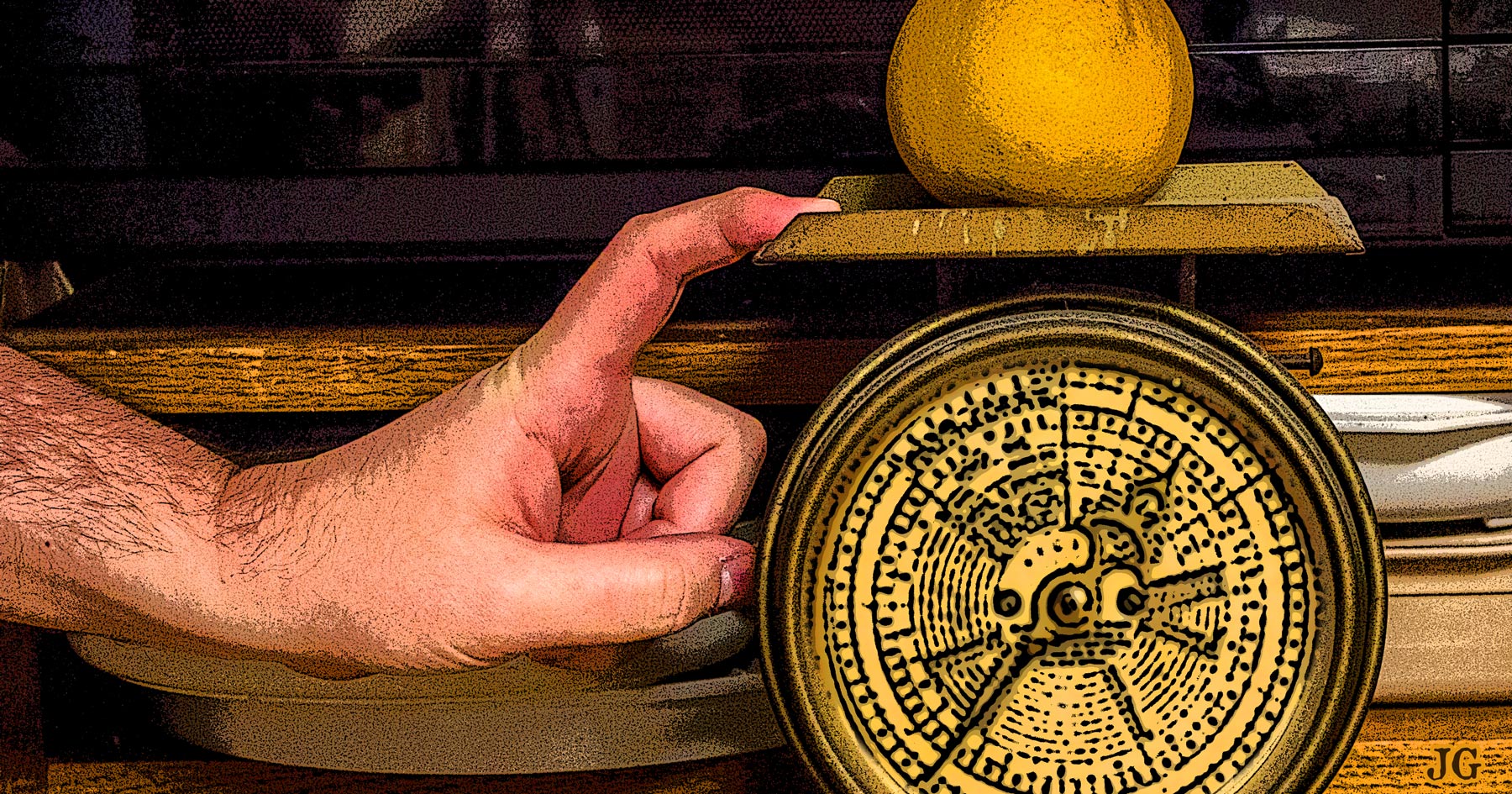
It’s still pre-primary season, and it is worth remembering that — even as we judge candidates on  various capacities, including their ability to “handle the media” — one arm of the media possesses potentially the most influence along with too little scrutiny: the pollsters.

They are allegedly the most scientific and objective folks in the industry, with closest ties to actual intellectual disciplines, statistics and political science.

But they are also, willy nilly, political players, not just observers.

Though tasked to provide data on public opinion about matters of importance, they also influence public opinion in several crucial ways:

  1. By how they phrase poll questions. This is an art, and can be extremely propagandistic. Pollsters can often “get” the information they want — if they want something in particular, perhaps for partisan reasons — by wording those questions carefully.
  2. By ordering questions in particular ways. The first question sets up a context. The second is then interpreted by those polled in that context. Pollsters can nudge people to reverse their usual opinions by providing an alien context.
  3. By presenting the results, skewed or not. People are influenced by others. Voting for candidates, especially, partly depends on second-guessing other voters. Few people wish to vote for someone who “cannot win.” Therefore, a published poll result that shows popularity can increase popularity, in a sort of multiplier effect.

Polls and poll results can provide useful information. Hey, I’ve used professional pollsters. But we all have to be cautious . . . remembering that voting one’s conscience is a high-percentage play.

This is Common Sense. I’m Paul Jacob.

Printable PDF

polling, polls, pollster, democracy, influence, elections, Common Sense, Bias, illustration


Categories
folly free trade & free markets general freedom ideological culture moral hazard nannyism national politics & policies property rights responsibility

Climate Changelings

Worried that the world is going to sacrifice progress for the mess of pottage that is “global climate change”?

Don’t. Years ago, economists specializing in game theory recognized that the governments of the world would be extremely unlikely to agree to reduce carbon dioxide emissions. The incentives are all wrong for that.

Last month, the great debunker of junk climate science, Patrick Michaels, reporting on the recent Paris talks, concurred. The international agreement going forward is so worded as to be “free to be meaningless.” Countries can claim to be “doing something,” but effectively accomplish nothing. Which allows “the world’s largest emitter (China) and the third-largest one (India)” to balk.

But the ole USA? It is doing something . . .

and it’s going to cost. Here’s one reason: Under Obama’s Clean Power Plan, substitution of natural gas for coal in electrical generation isn’t going to increase, even though it produces only half the carbon dioxide per kilowatt of electricity as coal. Instead, his EPA says power companies have to substitute unreliable, expensive “renewables,” mainly solar energy and wind. These are mighty expensive compared with new natural-gas power. And even the Clean Power Plan won’t meet our Paris target.

Obviously, what we have to worry about are our martyrdom-prone environmental zealots and their power-hungry (political power-hungry) friends ensconced in government.

They just can’t leave well enough alone, for, as Michaels notes, even CO2 emissions improve with industrial progress — when markets are free and property rights established.

But anti-capitalists in and out of government don’t want improvements to come naturally. Apparently, they would rather make things worse even by their own standards than let markets work.

This is Common Sense. I’m Paul Jacob.


Printable PDF

Paris, climate change, global warming, natural gas, fracking, Common Sense, illustration


Categories
free trade & free markets general freedom individual achievement property rights responsibility too much government

Roman Rockets?

Is Big Government necessary to accomplish Big Things?

Big government built the pyramids. Big government erected the Great Wall of China. Big government put Man on the Moon.

But humanity could have reached Luna over a thousand years ago, had Roman civilization not gone into a death spiral.

Bill Whittle made this point in some recent talks on Afterburner and guesting on Stefan Molyneux’s philosophy show. He blames the fall of past civilizations on “sexual strategies”: the sociobiology of r/K. (The “r” strategy organisms make lots of babies, invest little in them, accept widespread predation; the “K” strategy makes fewer babies, invests heavily in each, and suppresses predators and parasites.) Civilizations start K-style and decline with r.

It’s a theory.

Whatever the biology, Big Government was integral to Rome’s decline, with its exploitative systems and corruption, monetary inflation and “handouts.”

Rome wasn’t destroyed in a day. There were delays and cost-overruns, like any government job.

But Whittle’s right about progress. Humanity would be a lot further along if it didn’t get caught in government/conflict/exploitation traps. Private companies might be on the Moon today were it not for Big governments that destroyed promising civilization in the past.

But hey: private enterprise is catching up.

“In an historic first,” Popular Science informs us, “the private company founded by Amazon co-founder Jeff Bezos has become the first to land a re-useable rocket that’s traveled to and from space.” The rocket lands as envisioned in old science fiction flicks, vertically — though with the aid of “drag brakes” (parachutes).

Let’s hope our civilization doesn’t once again collapse before we witness (and contribute to) further progress.

This is Common Sense. I’m Paul Jacob.


Printable PDF

Blue Origin, Jeff Bezos, rocket, private, privatize, Common Sense, illustration


Categories
free trade & free markets general freedom government transparency national politics & policies responsibility too much government

Post Dated

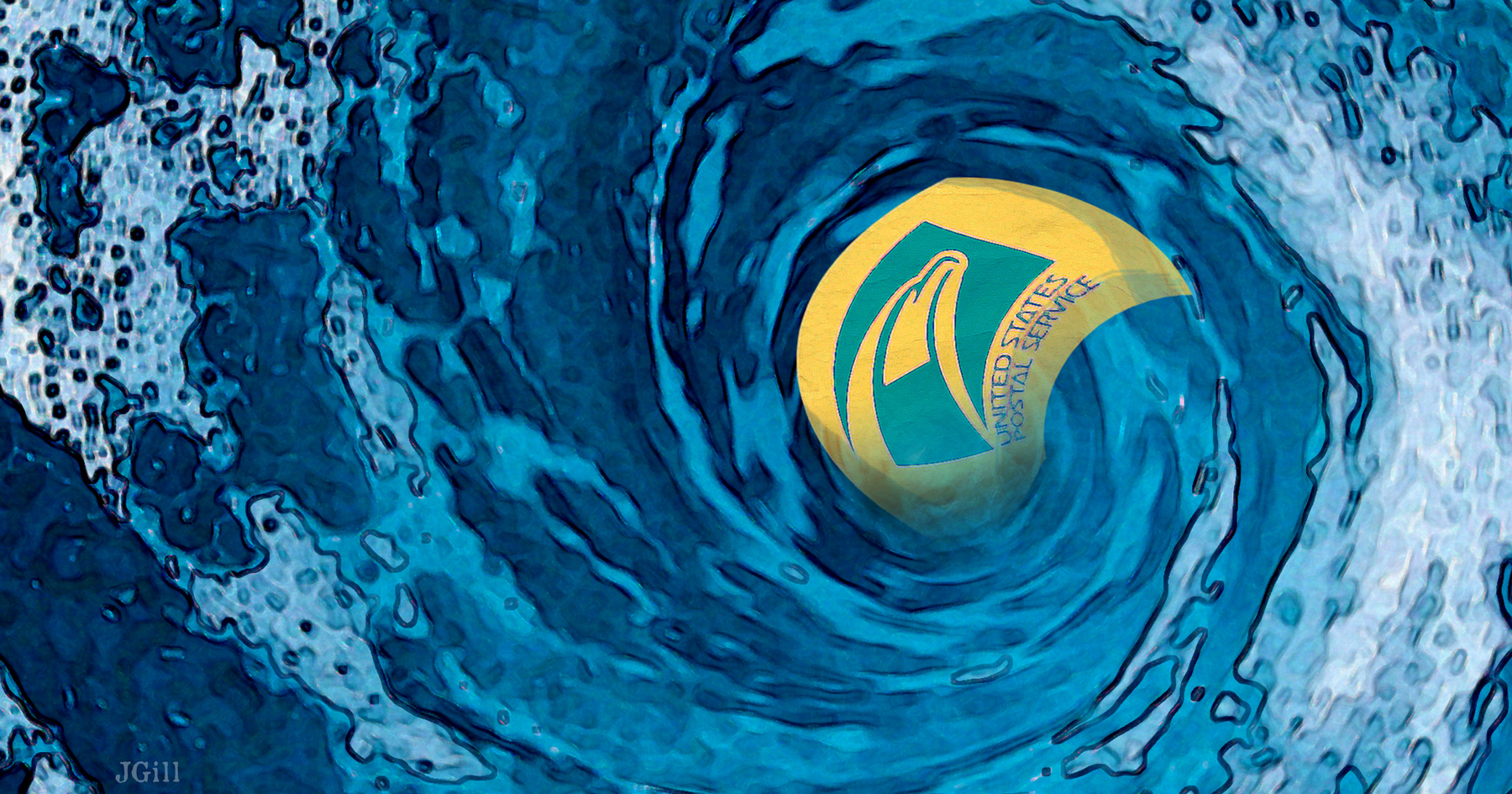
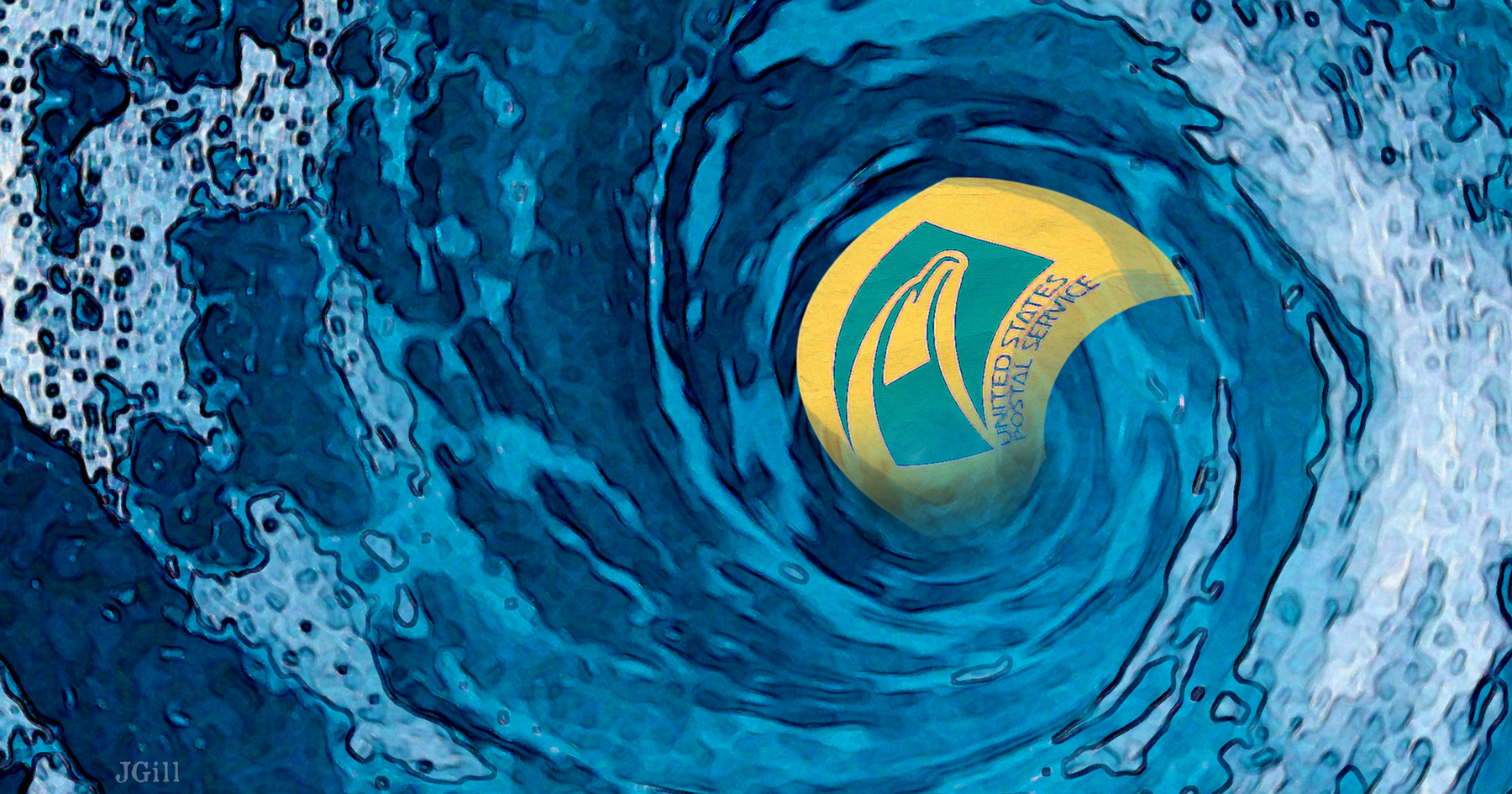
What does a business do whose market share is decreasing, is billions of dollars in debt, and which incurred one-third of that debt just last year?

Realistically, it cannot be sustained. Not as a normal business.

Of course, the business in question has been struggling to reform, has been cutting costs. But can’t cut enough.

I’m referring to the United States Postal Service. Not a “normal business,” either: no “normal business” is authorized in the U.S. Constitution — or must suffer with the 535 members of Congress as its board of directors.

Kevin Kosar, writing at the Foundation for Economic Education, says the “existential crisis is already happening.”

And by this he doesn’t mean that the organization is going through a bout of anxiety leading to Nausea, or is so estranged from humanity that on a beach the company will kill an Arab — though that may be indeed true, “going postal” and all. He means, simply, what his title says: “USPS Is Going Down, and It’s Taking Billions with It.”

Many on the left say the problem is Congress’s insistence that the enterprise fund its employee retirement program. Kosar quotes an economist who figures that, even without current (and still inadequate) levels of pension contributions, the post office would have “lost $10 billion over the past seven years.”

Besides, those pensions must be paid for at some time — postponing them just delays the inevitable, making a future bust that much bigger, less manageable. (Current level of unfunded liability? $54 billion — which is not accounted for in its official debt.)

The Internet is more important than the post, now. Could it be time to junk mail?

This is Common Sense. I’m Paul Jacob.


Printable PDF

USPS, Postal Service, Post Office, Mail, bankrupt, government, inefficiency, Common Sense, Illustration


Categories
general freedom responsibility too much government

Security vs. Compassion?

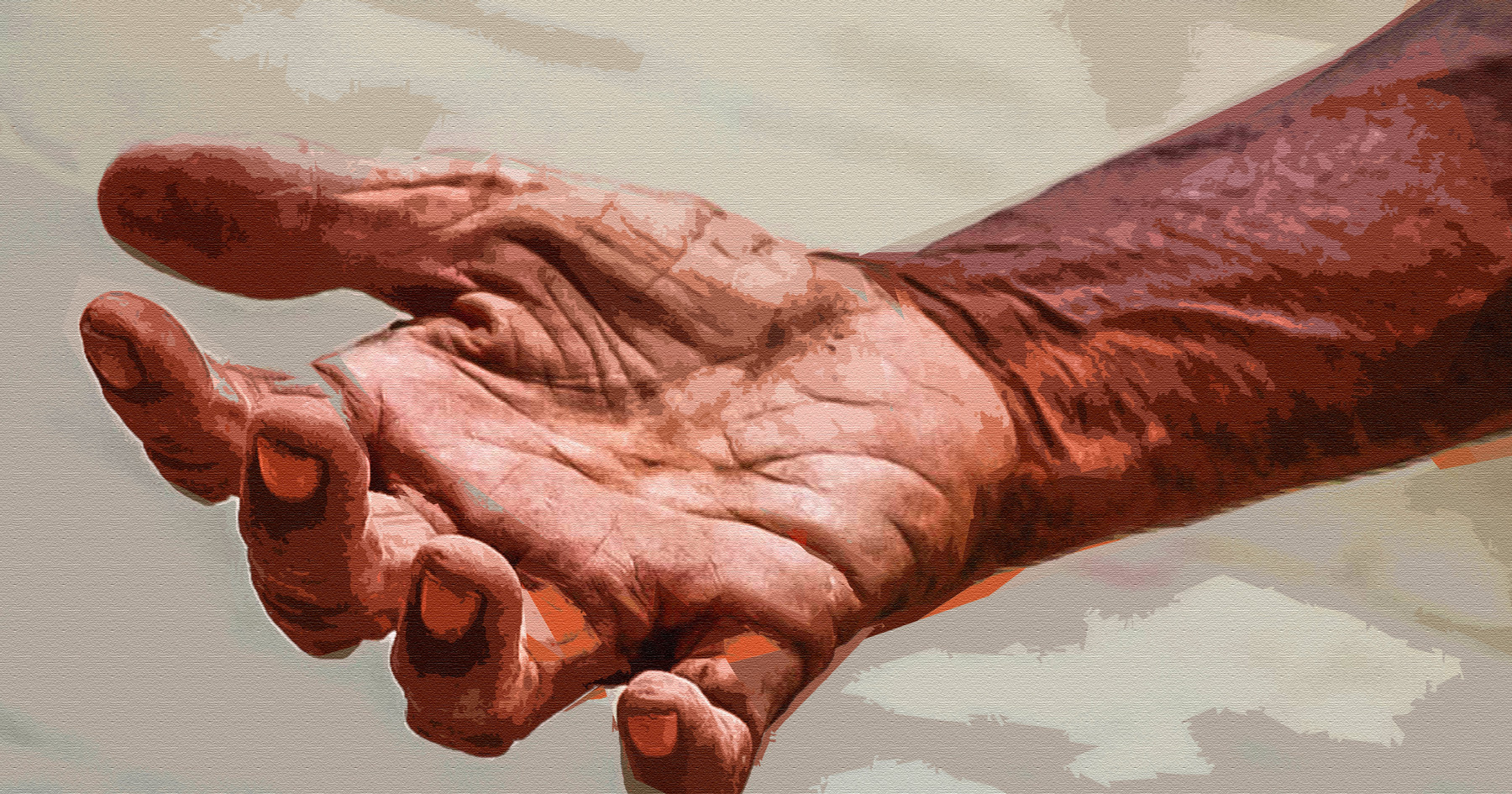
My family isn’t in a position to take in any Syrian refugees.

Not that we’ve been asked.

Months ago, President Obama simply announced that “we” would take 10,000 refugees. After last Friday’s terrorist attack in Paris, and upon evidence that one of the perpetrators came into Europe with other refugees, 31 governors declared that their states will not accept Syrian refugees.

But note: this country doesn’t belong to Obama; those states don’t belong to those governors.

Back in September, I floated a different approach. “If I were president, I’d push for Congress to pass legislation specifically authorizing the acceptance of as many Syrian refugees as [Americans] stepped forward to sponsor. . . .”

“Sponsors could be individuals, families, churches, glee clubs, what-have-you, and would agree to cover costs for the Syrian person or family for one year or two or three,” I proposed. “But no welfare, no food stamps, no government housing. . . .”

Granted, my suggestion came before the latest terrorism. It was aimed not at security concerns but at sparing taxpayers. Why shouldn’t voluntary generosity dictate the extent of “our” generosity?

But come to think of it, my plan offers greater security, too. Why? It involves the personal faces of citizens, not merely a faceless bureaucracy. No matter how much vetting the government does, an ongoing link to an actual American provides another check.

There’s a legitimate debate about security vs. compassion. Millions are in need, displaced by terror — from both Daesh (ISIS) and the Assad regime. The Niskanen Center’s David Bier notes the resistance to accepting Jewish refugees prior to and during World War II, out of fear some might be spies. Christians may find Matthew 25:44-45 compelling.

On the other hand, there is undeniable risk. GOP presidential aspirants have called taking Syrian refugees “insane” and “looney.” Speaker Paul Ryan argues for a “better safe than sorry” pause.

Me? I support accepting the risk . . . but only if committed individual citizens step forward.

Not by any politician’s decree.

This is Common Sense. I’m Paul Jacob.

Printable PDF

Syrian refugees, refugees, Syria, immigration, welfare, food stamps, compassion, charity, Common Sense, illustration


Artwork based on original photo by Phil Warren on Flickr (endorsement of this message is not implied):

Categories
general freedom national politics & policies responsibility U.S. Constitution

Thank You for Your Service

When people risk their lives, saying thanks is the least we can do.

But it’s not enough.

Today on Veterans’ Day, we honor those who have served and are serving in the military.

The holiday was once Armistice Day, marking the peace agreement that concluded World War I at the eleventh hour on the eleventh day of the eleventh month of 1918. That’s where the phrase “the eleventh hour” comes from. It’s also why the holiday has remained on whatever day Nov. 11 falls — not the closest Monday to provide non-military government workers another three-day weekend.

Of course, Woodrow Wilson’s “war to end all wars” didn’t end warfare. Numerous wars have followed. Today, the president goes to war whenever he feels like it, not only without a declaration, without any authorization — or even discussion — by Congress.

So, here’s what I think we owe veterans:

A federal government that keeps its word.

The Veterans Administration’s continued failure to adequately care for returning soldiers is unacceptable. Until the VA is fixed, don’t vote for any incumbent.

Don’t let our uniformed sons and daughters be shipped off to any conflict where (a) our freedoms are not directly threatened, and (b) where there’s no sane plan to end the conflict and bring our troops home.

Don’t trust politicians.

From the sinking of the Maine (Spanish-American War) and the Lusitania (WWI) to the Gulf of Tonkin incident (Vietnam) and the faulty intelligence that greased the path into the Iraq Conquest, distrust is rational, almost a duty.

Disagree over foreign policy? Over whether to go to war or not? Sure, but we cannot leave these decisions to an insulated cabal of politicians. Deinsulate them. Speak your mind.

This is Common Sense. I’m Paul Jacob.


Printable PDF

veteran's day, war, soldiers, peace, politician, Common Sense, Paul Jacob


Categories
folly free trade & free markets general freedom nannyism responsibility

The Uber-Huge Mistake

Uber’s challenge to old-fashioned ride service — to the taxi industry — is at least twofold.

One, it shows government regulation to be counterproductive and kind of witless.

Two, it shows that innovation — particularly by decreasing transaction costs — can rapidly transform a market for the good of consumers.

Recently, politicians who play to special interests — in this case, to taxicab companies and taxi drivers — have made some spectacular blunders. Perhaps the best-known is Bernie Sanders, who claims to see severe “problems” with Uber’s online ride-sharing service, but whose campaign staff uses Uber for ride-sharing . . . and nothing else. Hah!

But the London transit regulators have made the biggest splash.

Their latest proposal? To require Uber drivers to wait five minutes before picking somebody up.

Evens the playing field, you see.

Uber is so much quicker to respond to the paying riders’ needs that taxicabs apparently cannot compete in Old London Town.

The folks at Uber publicized the expected company reaction: the regulation would be a “huge mistake.”

But really, it’s a HUGE ADMISSION.

It shows that Uber’s service is superior, and that government regulators are more interested in protecting providers (taxicabs) than customers (pedestrians seeking rides).

It also shows these regulations for what they really are: protectionism for special interests, not protection for the safety of consumers.

Remember what Frédéric Bastiat said about protectionism: it’s always about placing obstacles in front of some producers (and the market in general) to aid a select (literally privileged) group of producers, regardless of consumer wants and needs.

Hobbling Uber to save taxicabs! What’ll they think of next?

This is Common Sense. I’m Paul Jacob.

Printable PDF

Uber, car, ride, London, taxi, regulation, waiting, Paul Jacob, Common Sense


Categories
Accountability initiative, referendum, and recall responsibility

Democracy on the Sly

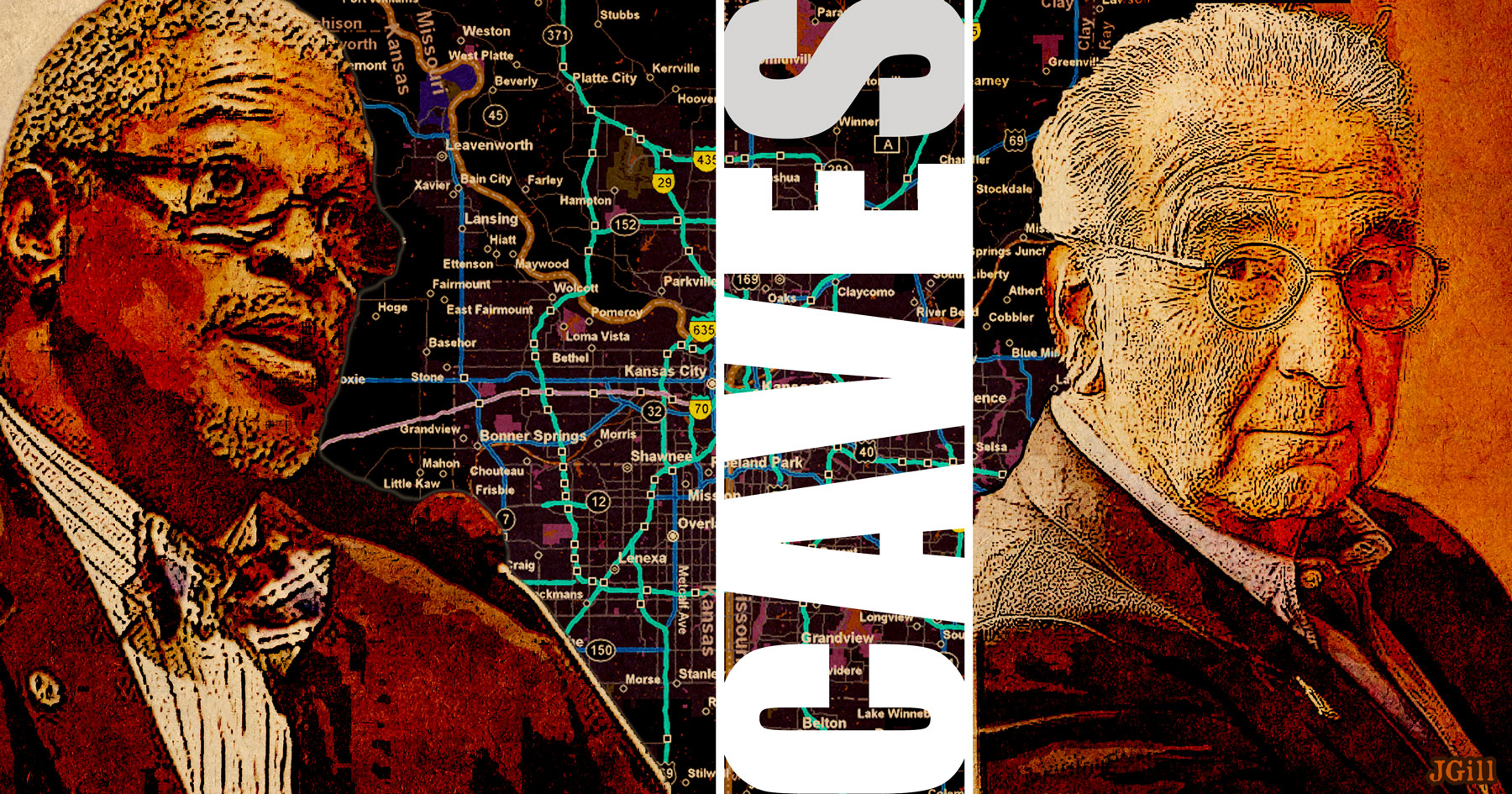
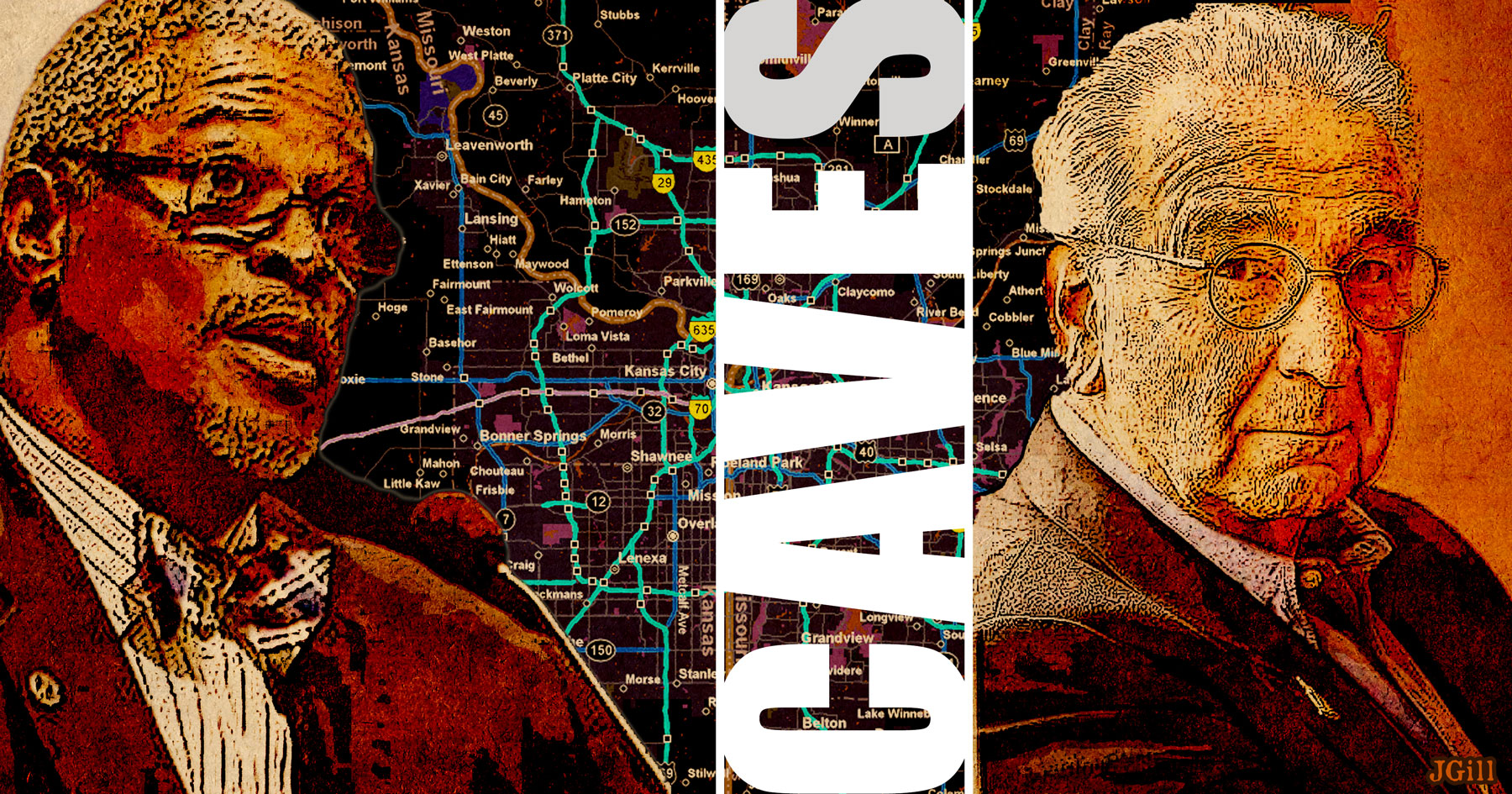
Mayor Sly James loves his city: Kansas City, Missouri.

He dreams of a shining new airport on a hill, a land of milk and honey with a new, luxurious, taxpayer-financed downtown hotel. He envisions it as a harmonious hub in which the thrill of . . . waiting for a richly subsidized streetcar is ubiquitous.

Yet, at every turn, a group of pesky citizens, Citizens for Responsible Government, has dashed the mayor’s dreams.

How?

  • A 2013 initiative petition drive blocked the $1.5 billion airport project.
  • Through a 2014 initiative effort, voters soundly defeated a streetcar expansion.
  • Weeks ago, this same rambunctious mob of retirees turned in enough signatures to force a public vote regarding the $311 million subsidy plan for a new downtown hotel.

“This is democracy at work,” claims Dan Coffey, serving as the group’s spokesperson.

For his part, the mayor offers, “I respect the people’s right to voice their opinion, but . . . I’m going to fight for this hotel deal.”

A man of principle!

Mayor Sly has taken to calling Coffey’s group CAVE — “Citizens Against Virtually Everything.” Coffey only notes that the mayor has left out a letter: the acronym should be CAVES — “Citizens Against Virtually Everything Stupid.”

“We started off a group of interested citizens that didn’t like the way things were going, particularly the way taxpayer money was being spent in Kansas City,” Coffey recently told the Kansas City Star. “Everybody talks about it, but nobody does anything about it.”

Coffey’s group has changed that dynamic . . . using direct democracy.

This is Common Sense. I’m Paul Jacob.

Printable PDF

Citizens for Responsible Government, CAVE, CAVES , Mayor Sly James , Dan Coffey, Kansas City, JGill, Paul Jacob, Common Sense, collage, photomontage


Categories
Accountability national politics & policies responsibility

Assuming the Fix

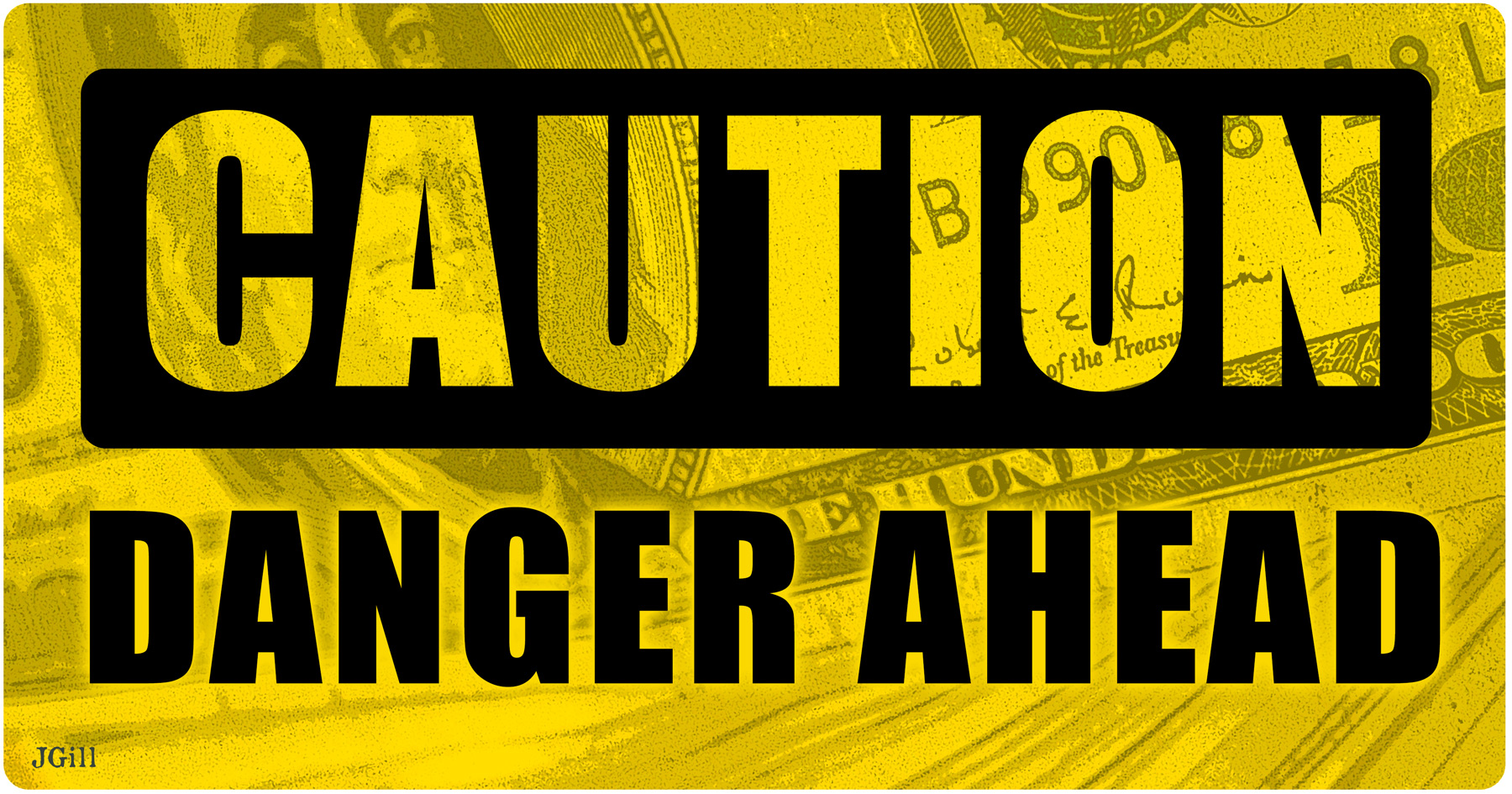
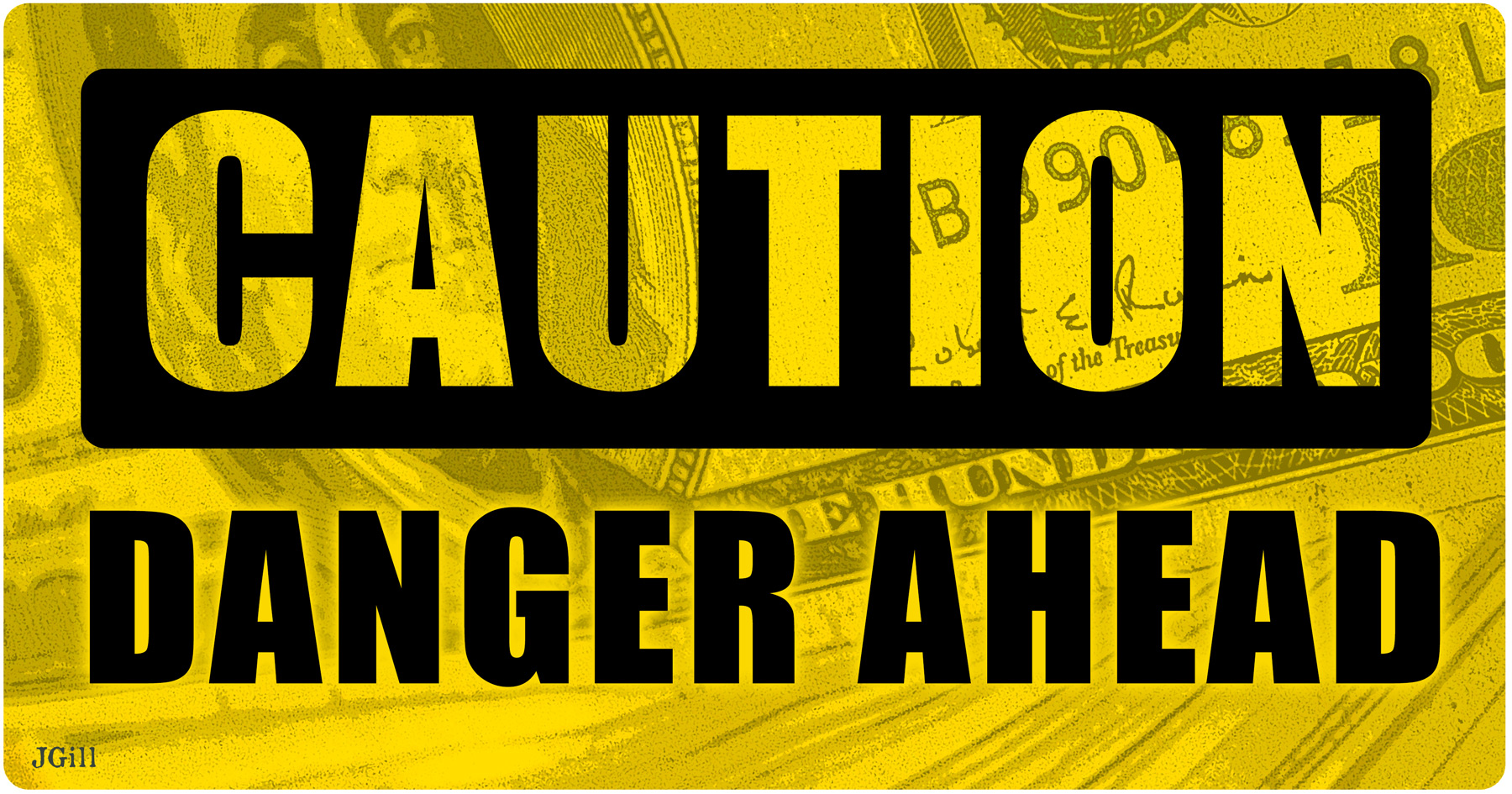
Social Security, like similar systems in Europe, is on a trajectory to insolvency, which could lead to a sovereign debt crisis.

The reason for the crisis? Social Security has always been a pay-as-we-go system, dependent on many workers paying in to a system that sends their contributions to a smaller number of retirees. When the number of retirees expands above the ability of workers to cover at established rates, the system goes broke. Meanwhile, all the system’s budget overages from the beginning to the present date have not been saved and invested. Congress has been taking the overages and spending them, putting IOUs in a notebook.

It is a serious problem.

Or, it isn’t! That is, not if you believe The Nation, which states in a recent article that this is all the result of a legally mandated “bogus” accounting conceit. The Congressional Budget Office, you see,

assumes that Social Security and Medicare Part A will draw on the general fund of the US Treasury to cover benefit shortfalls following the depletion of their trust funds, which at the current rate will occur in 2034.
That would obviously lead to an exploding debt, but it’s a scenario prohibited by law.

The Nation’s somewhat confused author suggests the dire warnings are wrong because “Congress could preemptively pass laws to avert the situation before the deadline; it could take the approach favored by progressives and increase revenue to the programs by lifting the payroll tax cap, or alternatively raise the retirement age and lower benefits.”

Well, yes. But until a fix happens, the doomsday warning stands.

Why does he think we make the warning?

This is Common Sense. I’m Paul Jacob.

Printable PDF

caution, danger, debt, social security, collage, photomontage, illustration, JGill, Paul Jacob, Common Sense


Categories
general freedom individual achievement responsibility tax policy

Plotting Progress

The prestige of the Nobel Peace Prize has been tarnished by some more-than-dubious awards, in our time . . . Henry Kissinger and Barack Obama, most obviously.

Same goes for the Bank of Sweden’s knock-off “Memorial” prize for economics.

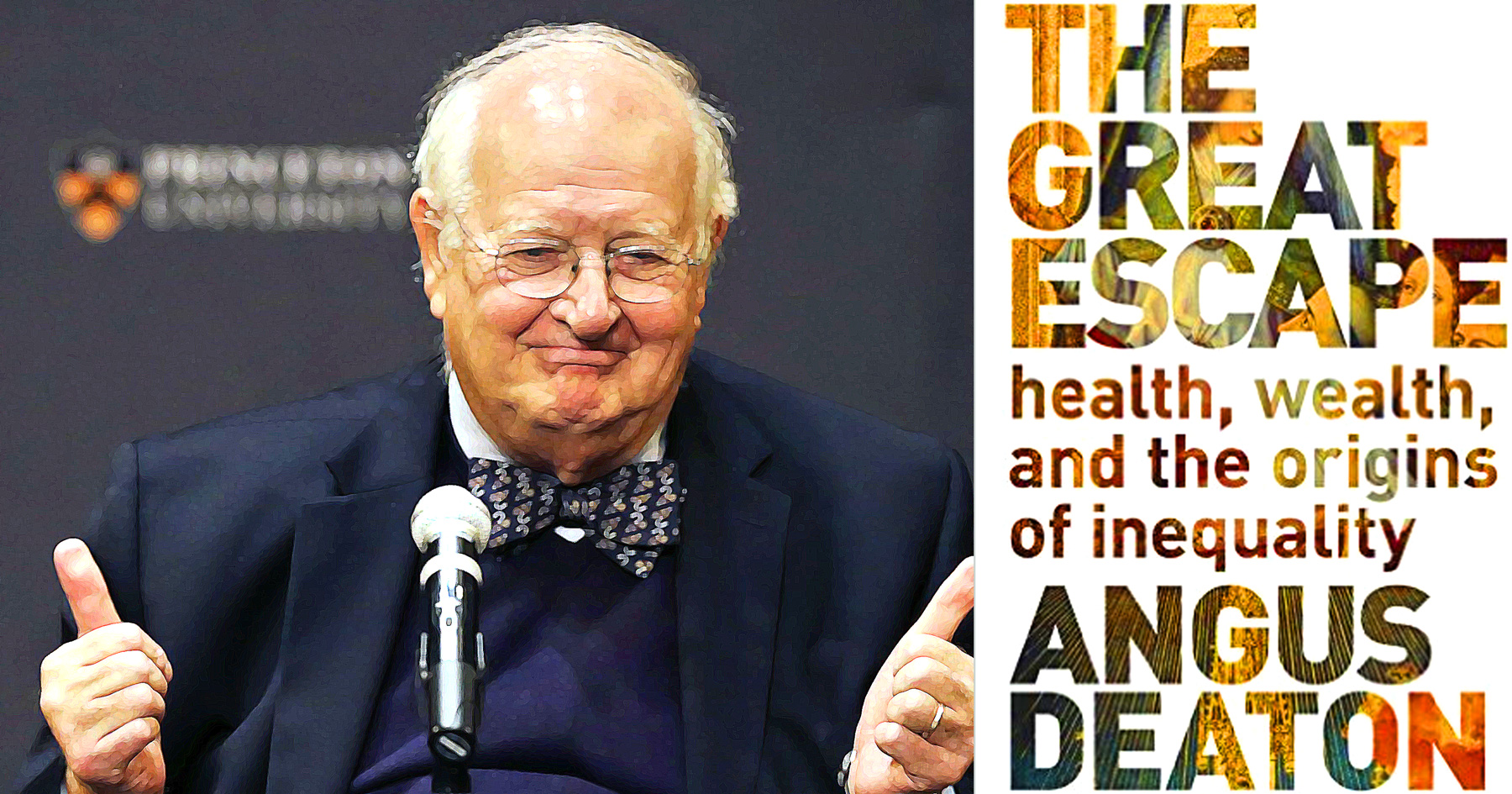
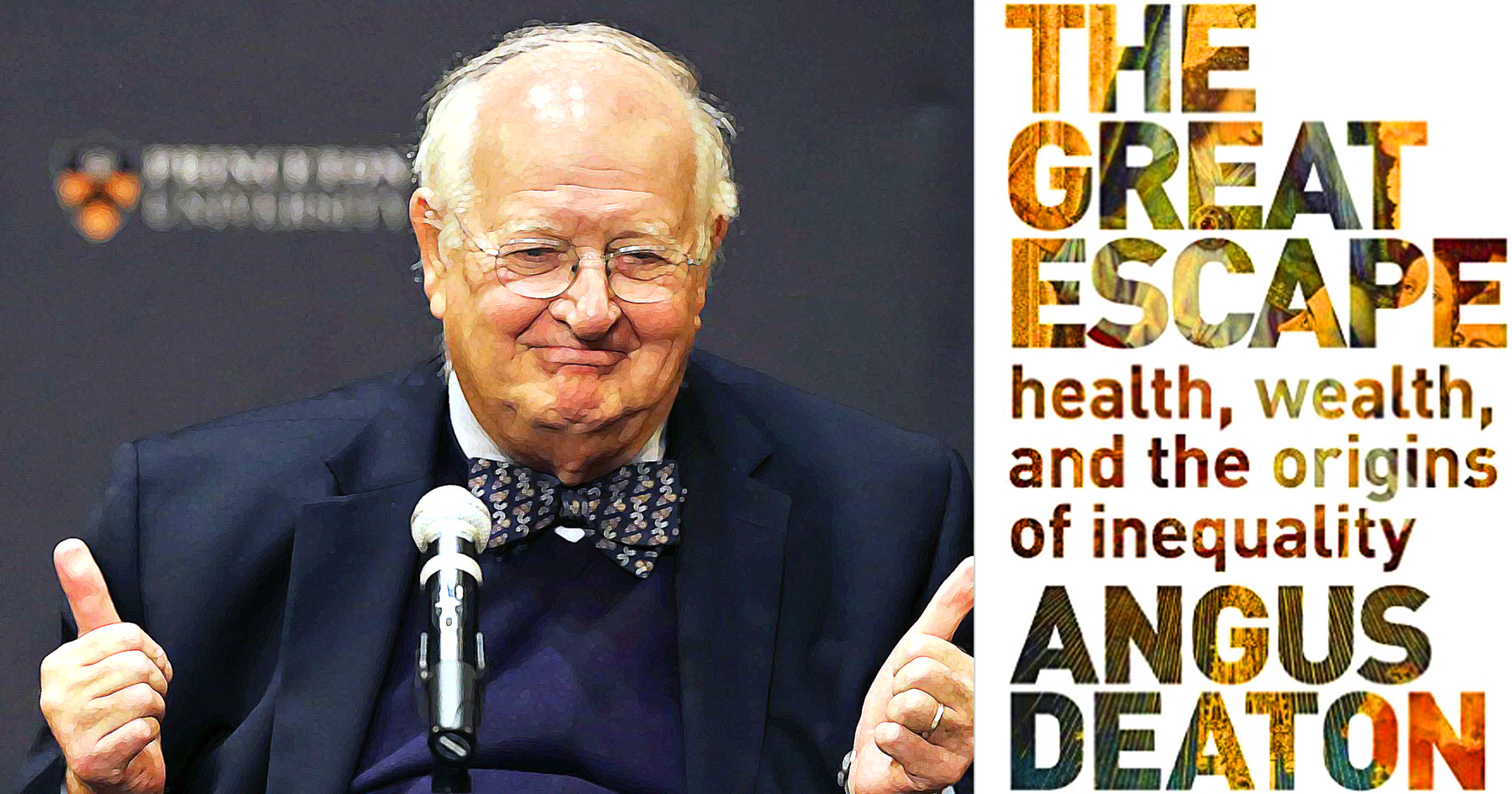
But, according to David R. Henderson, this week’s Nobel nod to Scottish-born Angus Deaton, for his “analysis of consumption, poverty and welfare,” is “a fine pick.”

Deaton is, writes Henderson, “an important chronicler of the market’s abilities to create wealth and improve society.”

While it is all the rage, these days, to complain about increasing inequality, Deaton has been instrumental in showing that wealth, health and welfare have increased as poverty, worldwide, has decreased.

And this has been largely the result of markets. Not big government programs.

Deaton, Henderson tells us, “believes that the approximately $5 trillion given by governments of rich countries to poor countries over the past 50 years has undercut good governance by making poor countries’ leaders less accountable to their own citizens.”

ABC News seconds Henderson’s account:

In his 2013 book, The Great Escape, Deaton expressed skepticism about the effectiveness of international aid programs in addressing poverty. . . . China and India have lifted tens of millions of people out of poverty despite receiving relatively little aid money. Yet at the same time, poverty has remained entrenched in many African countries that have received substantial sums.

Peter G. Klein, at mises.org, identifies a deeper insight by the latest Nobel economist: “aggregate measures of consumption and inequality conceal important differences among individuals.” This explains why Deaton came to his other (controversial) conclusions: he never took his eye off the real player in market life, the individual.

This is Common Sense. I’m Paul Jacob.

Printable PDF

Angus Deaton, Nobel Prize, Economics, The Great Escape, Inequality, collage, photomontage, JGill, Paul Jacob, Common Sense