Categories
free trade & free markets general freedom meme moral hazard nannyism national politics & policies Popular too much government

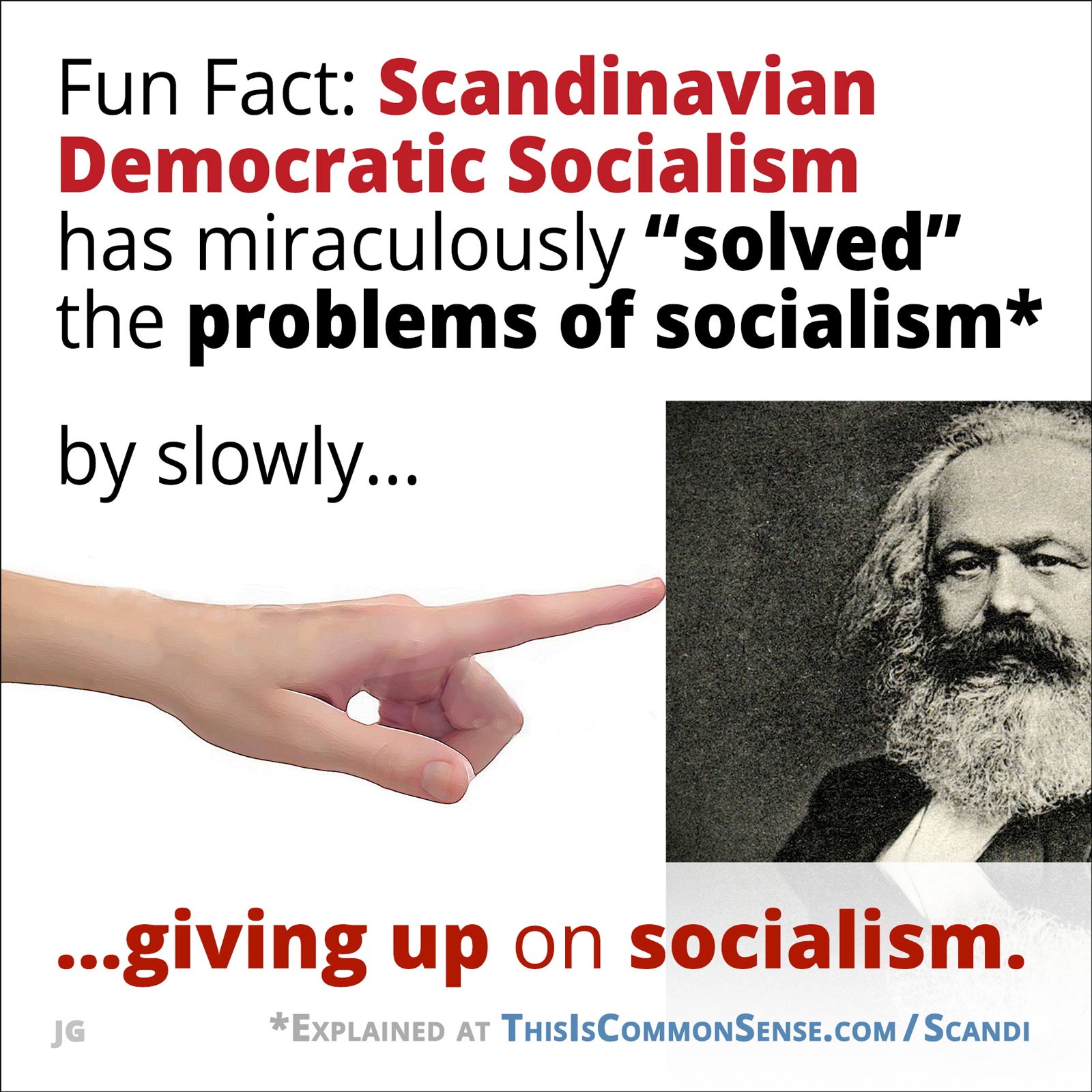
Is Denmark Socialist?

First… some definitions:

Socialism advocates the public ownership (or control) of business and industry in service of a more equal distribution of wealth.

Bernie Sanders and his version of “democratic socialism” places emphasis on redistribution and downplays the public ownership and control part of the system.

However… Bernie seems never to have met a government monopoly he didn’t love, or a free market enterprise he didn’t distrust or despise.

What are the problems (dangers) of socialism?

It idealizes envy.


It rationalizes theft.
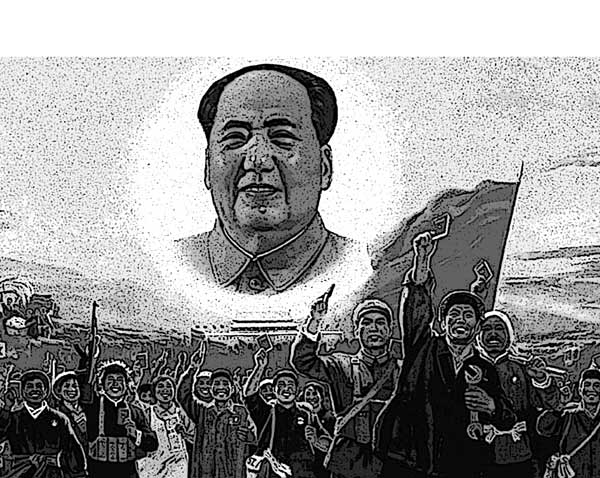

It idealizes state power.
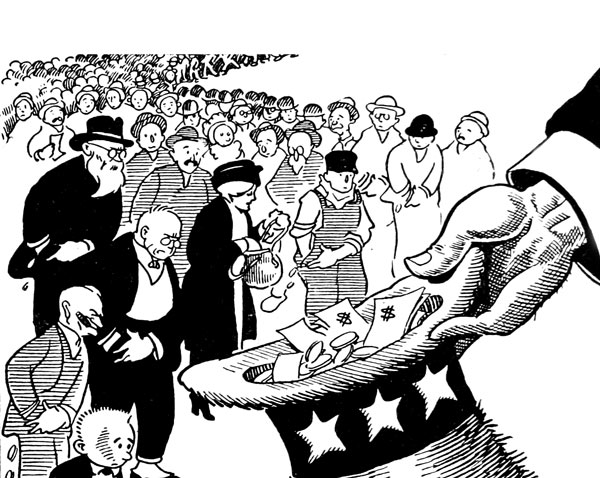

It penalizes accomplishment.
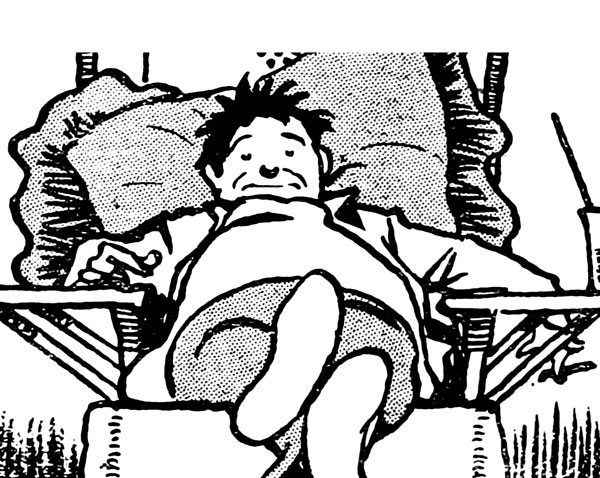

It rewards indolence.


It promotes obedience to the state.
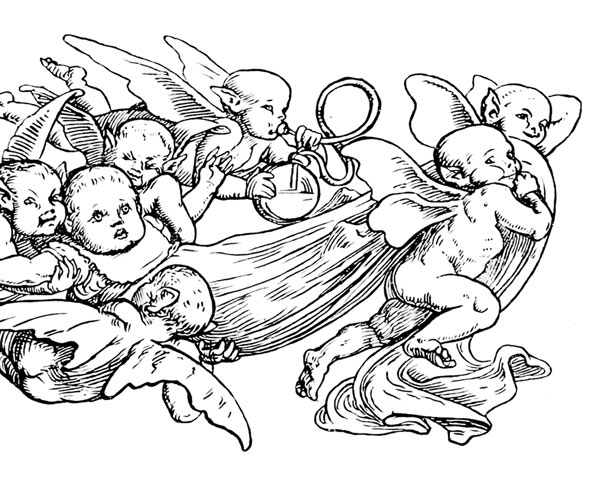

It encourages dependence on the state by treating citizens as children.
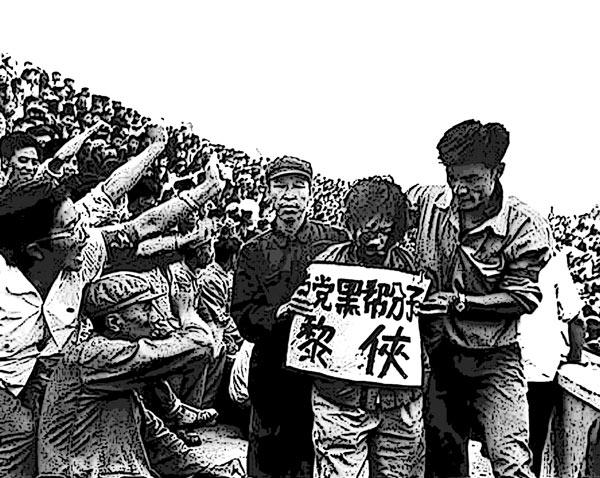
It dismisses the protection of individual rights with a vague appeal to the “collective good” or “public good.”
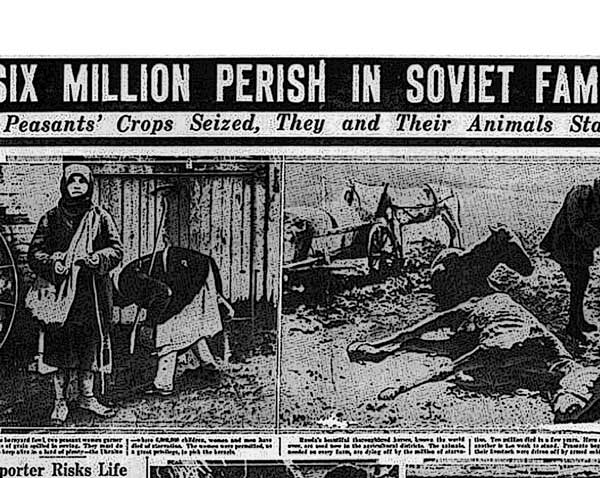

It has repeatedly led to economic collapse, oppression, poverty and starvation. So how have Scandinavian democratic socialists managed to overcome these problems?

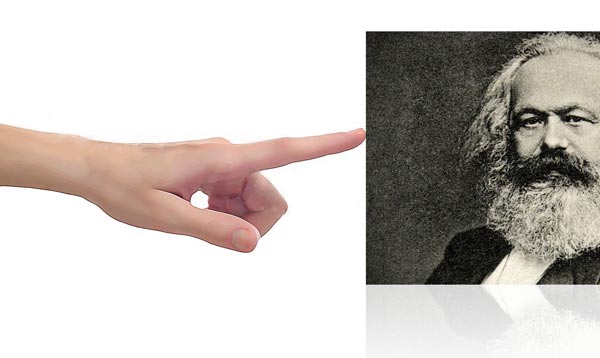
Quote from the current Prime Minister of Denmark:

“I know that some people in the US associate the Nordic model with some sort of socialism. Therefore I would like to make one thing clear. Denmark is far from a socialist planned economy. Denmark is a market economy.”
Speech, Harvard Institute of Politics


From “Scandinavian Unexceptionalism” (from the Institute of Economic Affairs):

Today the Nordic economies are again growing, following a return to broadly free-market policies that served them well before policies changed during the 1960s and 1970s.

The countries are changing in the face of serious long-term problems that have developed over the last 30 years.

Finland, Sweden and Denmark have…introduced far-reaching market reforms. These changes include greater openness to trade, clear reductions in the tax burden, private provision of welfare services, the introduction of personal retirement accounts and, in Denmark, even a shift towards a liberal labour market.

—Scandinavian Unexceptionalism (highly recommended!)
And the moral hazards?

The development of Scandinavian welfare states has led to a deterioration in social capital.

Nordic societies have for hundreds of years benefited from  a strong Lutheran work ethic, a strong sense of individual responsibility and high levels of trust and civic participation.

In the early stages of their transition to “democratic socialism”, safety nets DID exist, but few used them. Over time, an increasing share of the population became dependent on government transfers. The welfare states moved from offering services to the broad public to transferring benefits to those who did not work.

The situation that exists in Nordic societies today is one in which ethics relating to work and responsibility are not strongly encouraged by the economic systems. Individuals with low skills and education have limited gains from working. This is particularly true of parents of large families, which gain extra support if on welfare.

It is true that welfare systems have reduced poverty. However, especially in the second generation, they have also created a form of social poverty of the same type that is apparent in the countries from which many of the admirers of the Scandinavian systems come. Detailed research clearly shows that welfare systems have formed a culture of dependency which is passed on from parents to children.

MUCH MORE HERE on the moral and economic capital that preceded the welfare state, and its gradual disintegration over time… 


Do you believe that socialism is a good idea that has simply been corrupted by ruthless dictators? Consider the story of the Chinese Cultural Revolution. . .  a mass movement of Chinese youth dedicated to eradicating capitalism and advancing socialism. Its bloody history tells us quite a lot about the logic of this flawed political philosophy. . . “Socialism’s Idealistic Youth”


 Useful References

Scandinavian Unexceptionalism (Institute of Economic Affairs)
This paper is especially valuable because it was written by someone who actually favors a large welfare state. His willingness to concede the problems inherent in such a state are refreshingly honest… and useful for anyone interested in the issues.

What Can the United States Learn from the Nordic Model? (CATO Institute)

Myth: The Scandinavian countries are proof socialism works (Being Classically Liberal)

The Myth of the Scandinavian Model

Economic Freedom of the World: 2013 Annual Report

International government spending (Wikipedia)

Index of Economic Freedom (Heritage Foundation)


A healthy democracy depends on the spreading of good ideas. If you found this article useful,  please share it with friends by clicking on any of the social media icons below.

Also, please consider showing your appreciation by dropping something in our tip jar  (this link will take you to the Citizens in Charge donation page… and your contribution will go to the support of the Common Sense website). Maintaining this site takes time and money. Your help in spreading the message of common sense and liberty is very much appreciated!
Categories
crime and punishment free trade & free markets general freedom meme moral hazard national politics & policies too much government

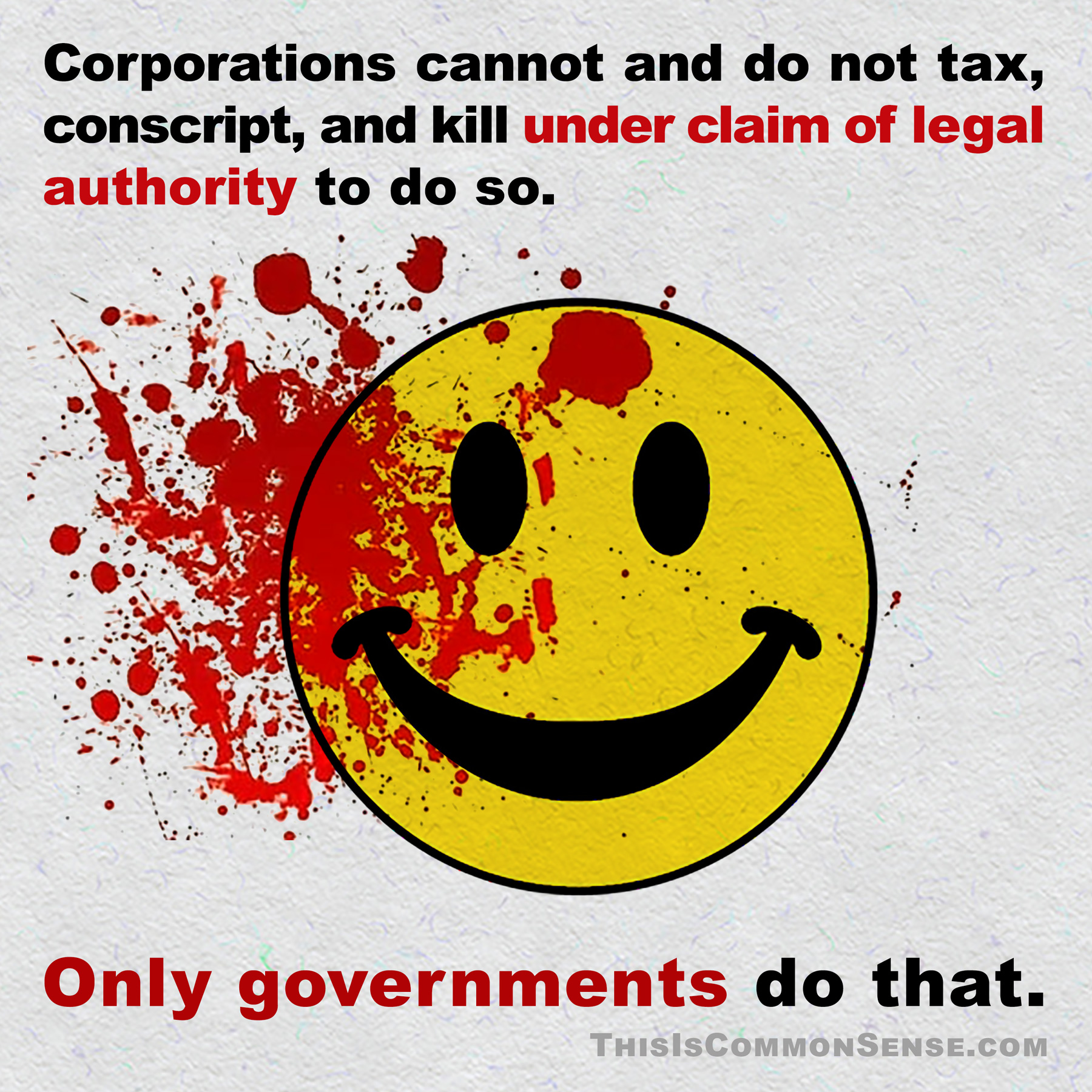
Which is more dangerous?

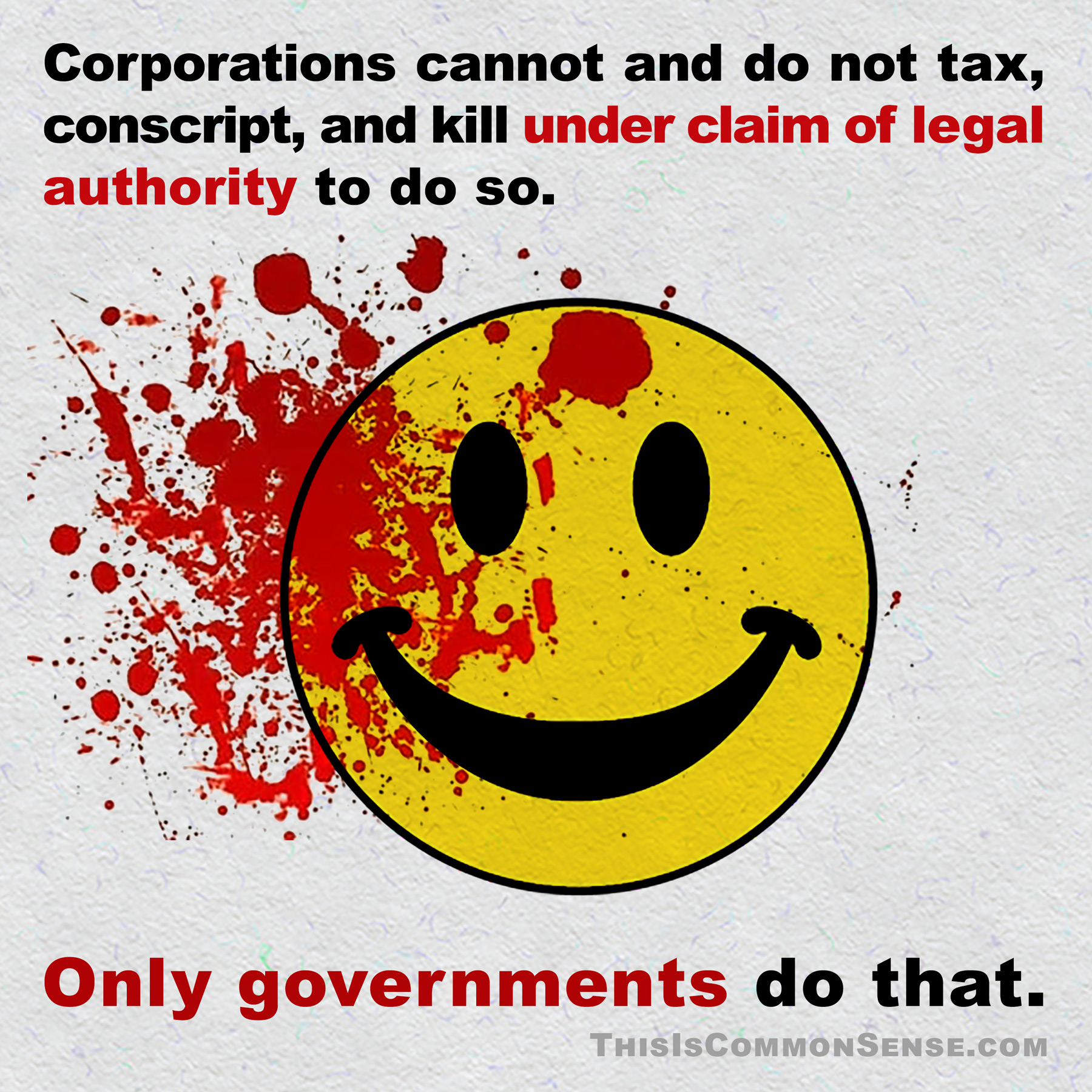
Corporations cannot and do not tax, conscript, and kill under claim of legal authority to do so.
Only governments do that. 

Click below for a high resolution version of the image:
corporations, government, power, danger, government vs. corporation, which is more dangerous, law, corruption, meme, illustration, Jim Gill, Paul Jacob, Common Sense
Categories
free trade & free markets general freedom moral hazard nannyism national politics & policies

Best Plan Is No Plan

“Republicans would create chaos in the health care system because they are stuck,” Senate Minority Leader Chuck Schumer says, “between a rock and a cliché.”

Oh. Off by a word or two. But I don’t need to fix it.

What needs to be fixed is the whole system. “Head clown”* Schumer gloats that it cannot be done. The “delicate balance” that is the Affordable Care Act makes it impregnable. For all Republicans’ talk of repeal, “for five years now they’ve had nothing to put in its place.”

Schumer sees the trap. He set it when he and his comrades voted Obamacare in without reading it. Any new program with any new constituency always presents a set of . . . political hurdles . . . that quickly become “impossible” to jump.

The President-elect, he notes, has supported three of the “most popular” regulations in Obamacare: “pre-existing conditions,” “26-year-olds on parents’ plans,” and sex equality re: insurance rates.

What Schumer fails to mention is that these are three huge drivers of spiraling insurance prices. The Affordable Care Act “delicately balances” medical markets by shifting who pays for what, hoping that the biggest losers† don’t complain too much and the obvious winners never cease protesting‡ any change.

The truth? Obamacare can be repealed. But replacing it would be a disaster. The best plan is no plan. Repeal all the regulations. The federal government should completely deregulate the markets, and prevent states from ruining interstate markets in insurance and health care.

Do what the Commerce clause was designed to do.

Schumer is counting on Republicans to do nothing. Despite signs they’re cooking up something.

This is Common Sense. I’m Paul Jacob.


*What Trump called Schumer. And in the same tweet dubbed Obamacare “a lie.” Truer words never spoken?

† Obamacare presents a huge burden on the self-employed, self-insured, and on the previously insured, since it is these people who most obviously pay for all the newly insureds. Of course, in the end, everybody pays . . . from increasing prices and decreasing rates of progress.

‡ At least they are the focus of advocacy groups. The poor neatly serve as innocent shields of the spoliators.

N. B. Adapted from this weekend’s Townhall column.


Printable PDF

Obamacare, ACA, Healthcare, reform, replace, policy, insurance


Categories
Common Sense folly free trade & free markets general freedom ideological culture meme national politics & policies

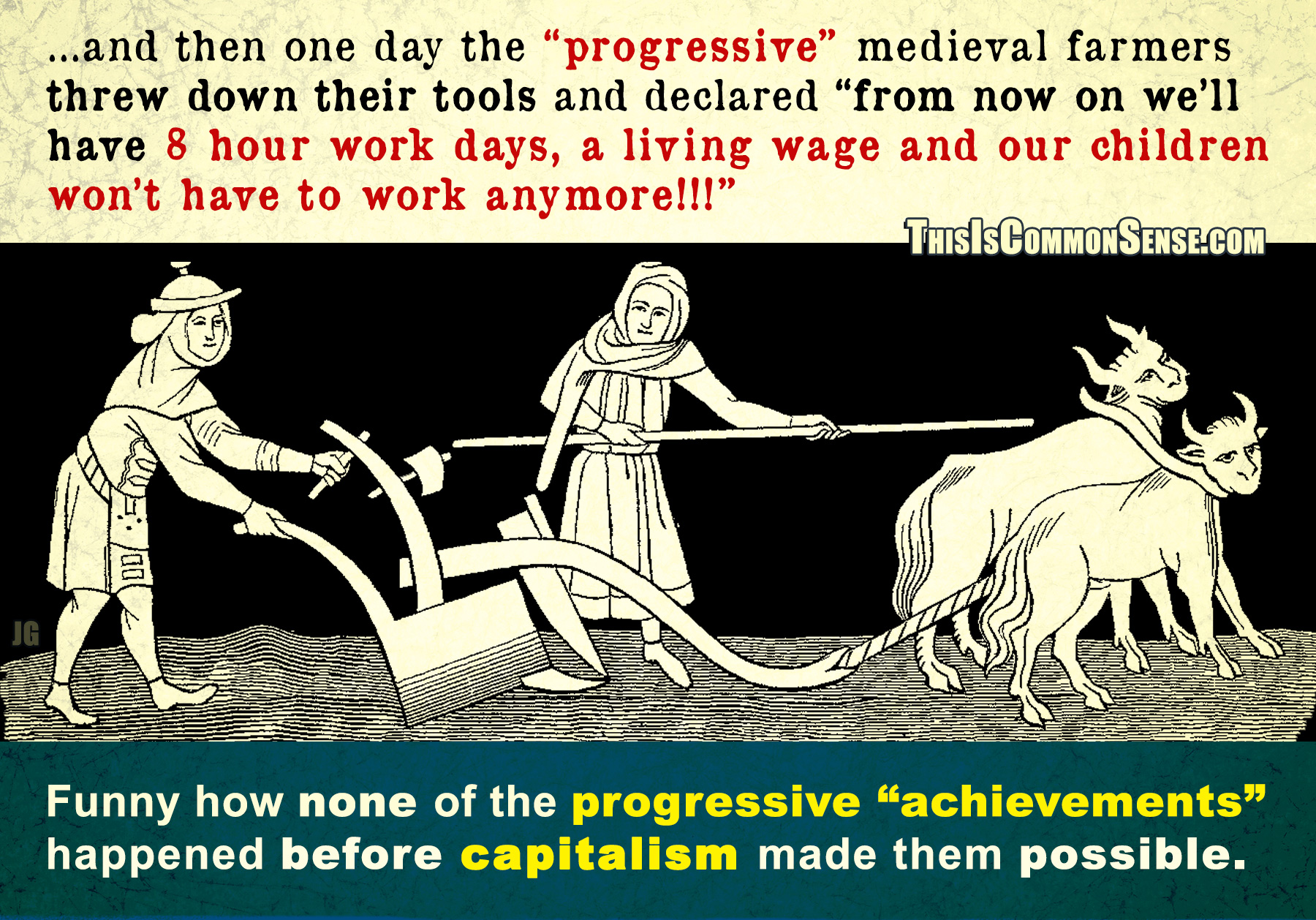
Funny how that happened…

Funny how none of the progressive “achievements”happened before capitalism made them possible.


Click below for high resolution version of the image:

capitalism, progressivism, progressive, politics, child labor, 8 hour work day, living wage, achievements, accomplishment, meme, illustration


Categories
Accountability folly free trade & free markets general freedom ideological culture meme nannyism national politics & policies

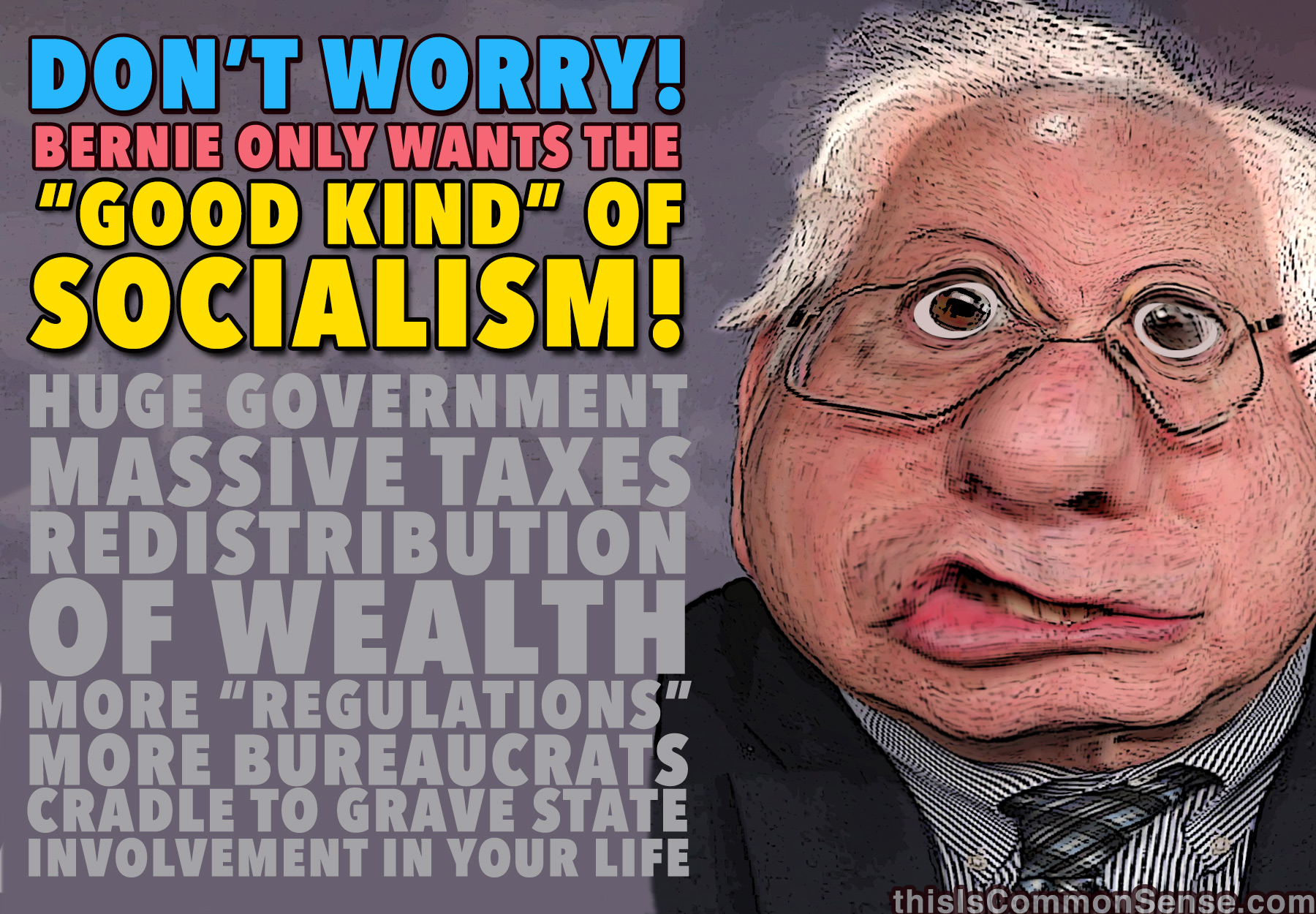
“The Good Kind of Socialism”

Don’t worry…

Bernie only wants “the good kind of socialism.”


Click here for a high resolution version of this image:

Bernie Sanders, The good kind of socialism, presidential race, progressivism, progressive, socialist, education, meme, cartoon, illustration, Jim Gill, Paul Jacob, Common Sense


Categories
folly free trade & free markets general freedom meme national politics & policies

Robert Reich, Mythed Up

[mks_dropcap style=”letter” size=”62″ bg_color=”#ffffff” txt_color=”#000000″]C[/mks_dropcap]onsumer sovereignty is the idea that in markets consumers call the shots. In capitalism, most mass production is indeed for the masses, and the masses have a big say in what gets done. All profits and wages of successful businesses come from consumers.

But don’t take this too far.

Consumers don’t “create jobs,” for example.

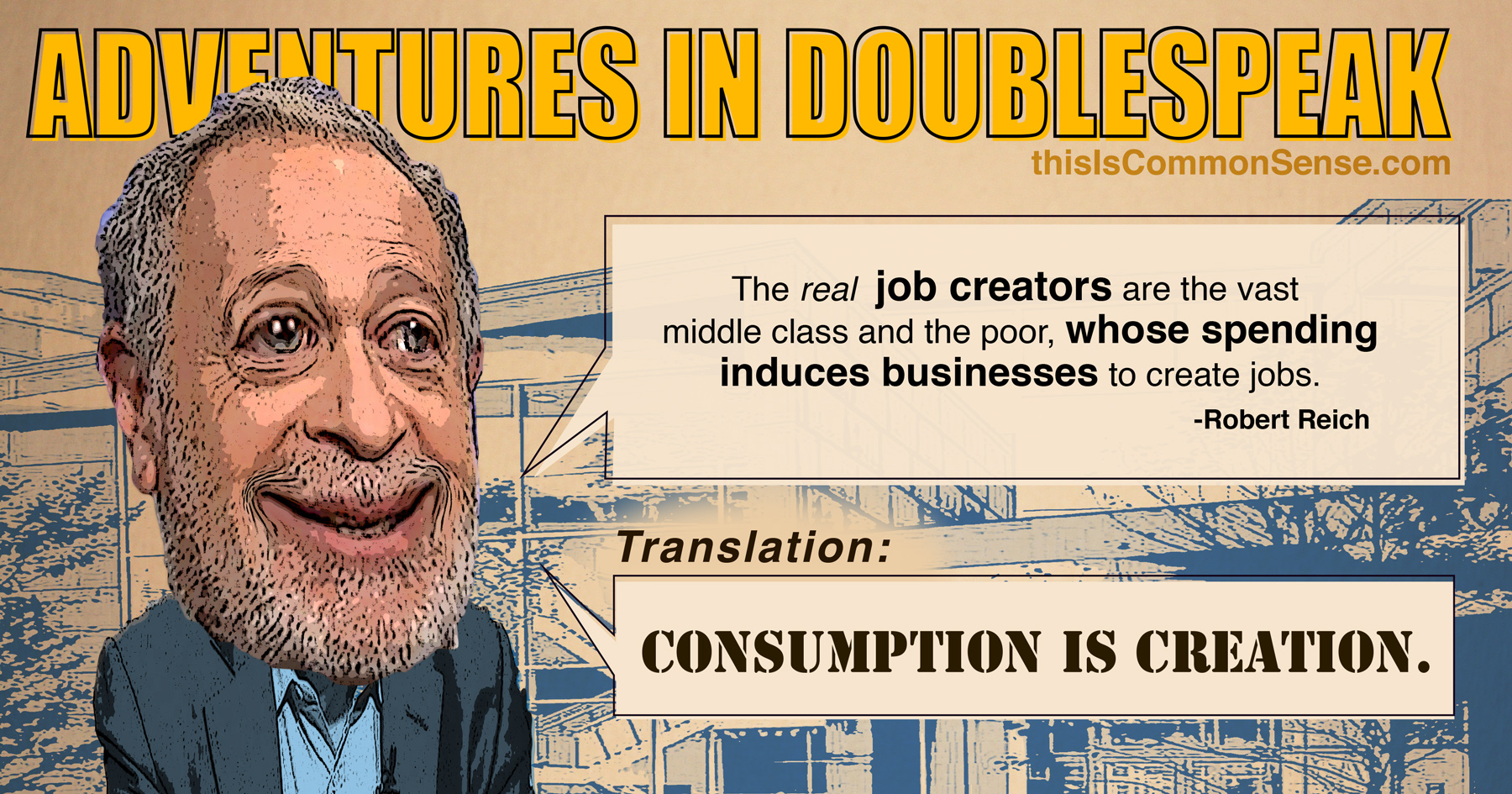
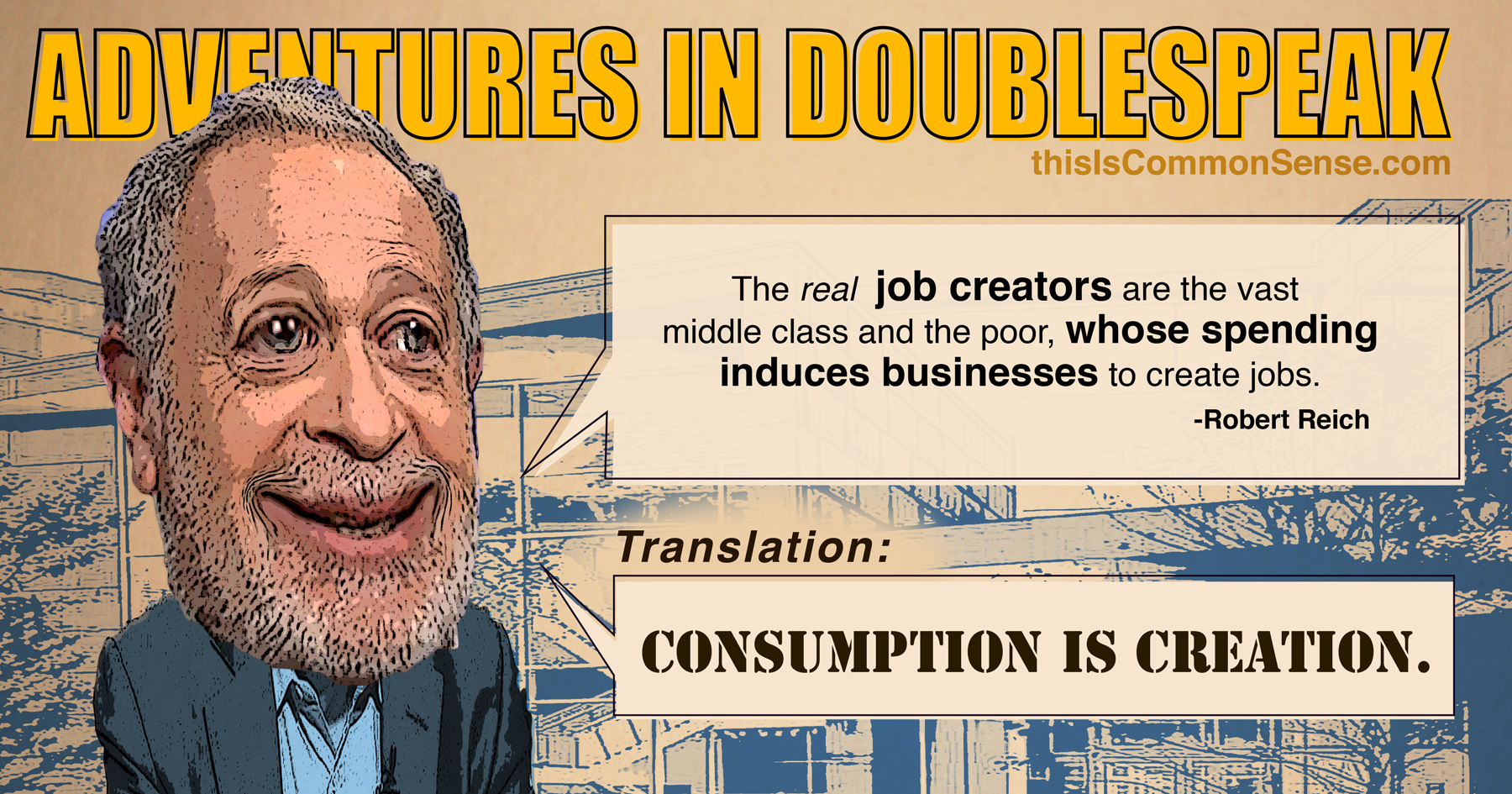
Recently, Clinton-era Labor Secretary Robert Reich has been floating this bizarre notion. To his Facebook audience, last month, he wrote that it is a myth that “the ‘job creators’ are CEOs, corporations, and the rich, whose taxes must be low in order to induce them to create more jobs.

Rubbish. The real job creators are the vast middle class and the poor, whose spending induces businesses to create jobs. That is why raising the minimum wage, extending overtime protection, enlarging the Earned Income Tax Credit, and reducing middle-class taxes are all necessary.”

So, we have people in roles of “producers” and “consumers,” and it is the consumers who “create jobs”? And they do this by “inducing” businesses to, wait, uh, “create jobs”?

Face it: businesses create jobs — out of capital from somebody’s invested savings. Entrepreneurs brace themselves to take big risks, fronting workers’ wages as well as hiring and purchasing capital goods and material.

Before a penny is spent by consumers.

Only when entrepreneurs guess right does the flow of money come full circle.

Reich repeated his quasi-Keynesian rap yesterday: it’s spending consumers who “get businesses to expand and hire.”

Truth is, Reich doesn’t “get” basic economics. But he does understand political equations, which is why folks on the Democratic left think he’s a genius.

This is Common Sense. I’m Paul Jacob.


For a high resolution version of today’s picture (perfect for use as a screensaver), click on the image below to open in new window. Also, please do feel free to share with your friends.

Robert Reich Doublespeak


Categories
Accountability free trade & free markets insider corruption media and media people national politics & policies porkbarrel politics

Crony Carrier

Sure, I’ve complained about the over-the-top anti-Trump bias of much of the mainstream media (which may actually have improved Trump’s public standing). But, today, I enthusiastically celebrate that supercilious slant.

Why? Because it means much of the media amazingly finds itself on the right side, panning the recent deal to save 1,000 jobs at the Carrier Corporation.

Saving jobs is good per se. We want jobs to stay here in America. But, at what price?

Thus far, the deal remains secret, but according to Politico, “The agreement reportedly includes $7 million in state tax breaks over ten years offered by the Indiana Economic Development Corporation, a quasi-public entity that doesn’t require legislative approval for its deals.”

“Quasi-public entities” always make me queasy.

“Can American companies now merely threaten to go to Mexico,” asks Chris Rossini in the Ron Paul Liberty Letter, “in order to get a sweetheart deal for themselves?”

This special arrangement’s costs are not merely monetary: Special deals for some companies at the expense of others undermine the whole concept of equality under the law.

File under: crony capitalism.

Even the socialists at The Nation say the agreement “epitomizes corporate socialism at the expense of American taxpayers.”

“I certainly think that, if President Obama had done something like this, conservatives would have been freaking out,” argues Reason’s Peter Suderman.

Many are. Well, maybe not exactly “freaking out” — but vocally opposing the idea of the not-quite-yet-president picking winners and losers in the marketplace.

Crony capitalism didn’t make America great. Our revolution’s justification prompts the antithesis.

This is Common Sense. I’m Paul Jacob.


PDF for printing

Carrier, crony, cronyism, Trump, corporate, illustration


Categories
Accountability free trade & free markets insider corruption national politics & policies responsibility

United States of Corruption

When Hillary Clinton assured her insider sponsors (as we learned through WikiLeaks) that there would be a crucial difference between what she tells the people and what her actual policies would be, she was not merely admitting to a private and a public face.

The President is legally, and by honor, bound to serve the American people, not Goldman-Sachs. What she was confessing to was more than the mere appearance of a conflict of interests.

She boasted a plan of betrayal.

In that light, President-elect Donald Trump’s international business deals seem . . . what? His first diplomatic meeting — with Japanese Prime Minister Shinzo Abe — included his daughter and partner-in-business Ivanka.

It seems to at least wander into conflict-of-interest territory, if not stake claim and hoist up a flag proclaiming Trumpistan America!

So I was very pleased, yesterday, when the President-elect vowed to step out from the running of his global business and branding empire.

Earlier, he had brushed off conflict-of-interest concerns, saying he could run his empire and . . . ours.

Apparently, his new White House appointees have convinced him that this business dealing while President was a huge problem. “I feel it is visually important,” he explained Wednesday morning, “as president, to in no way have a conflict of interest with my various businesses.”

Thanks, Steve Bannon?

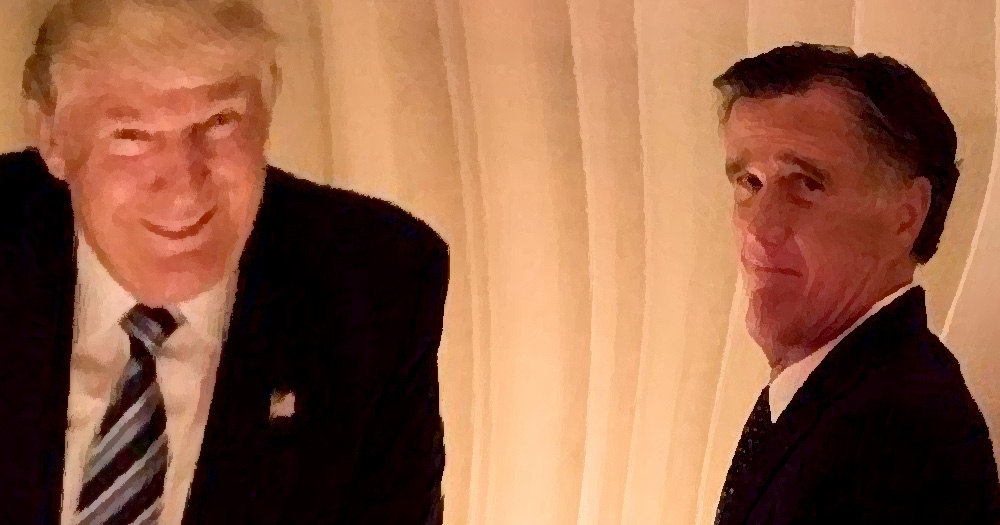
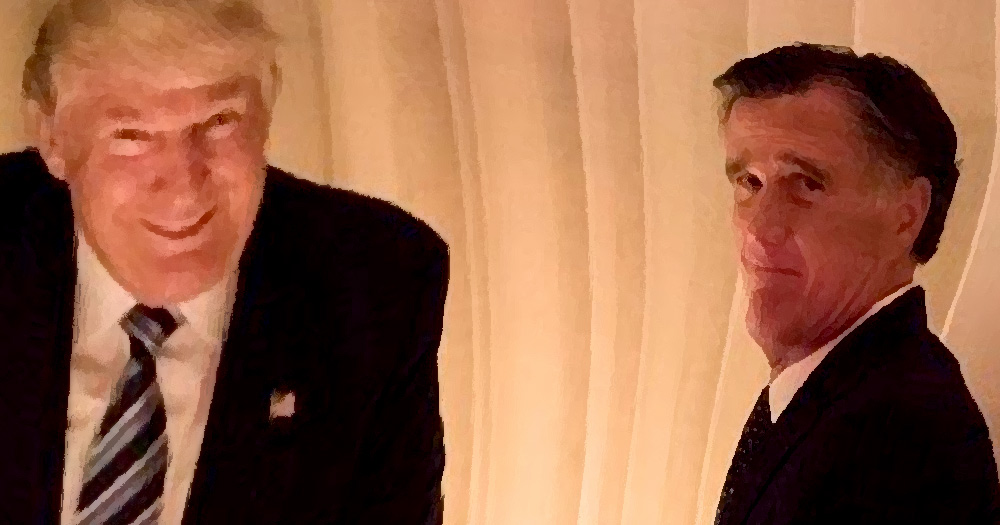
Or, maybe, Mitt Romney, with whom he dined* the night before?

I hope Mr. Trump follows through with this, as well as distance himself from business partner Ivanka as unofficial policy advisor.

Americans did not reject Corrupt Hillary only to wind up with a Corrupt Trump set.

This is Common Sense. I’m Paul Jacob.


Printable PDF

Romney, Trump, crow, corruption, dinner, illustration


Categories
free trade & free markets general freedom ideological culture media and media people

In the Black

“Black Friday,” reads a meme making the social media rounds. “Because only in America [do] people trample each other for sales one day after being thankful for what they already have.”

Thankfulness is vital, I agree. But I’ve been up at the crack of dawn to “cash in” on Black Friday sales, and I’ve never witnessed any violence of any kind. Not a smidgeon. Not that it doesn’t happen — we’ve all seen the videos. It just isn’t the usual experience.

In fact, the camaraderie of strangers is one of the endearing aspects of standing in line waiting for a big box store to open at some forsaken hour.

Trust me, I’m decidedly not an enthusiastic shopper, so participating in Black Friday wasn’t my idea. My youngest daughter wanted to experience it. And taking a businesslike approach to Christmas shopping, she needed the savings. I liked her interest and initiative and so I said, yes, to getting up at 5:00 am.

But after staying up late talking with friends and relatives, that early alarm hit hard.

What I liked, in order, were: being with my daughter, our sleep-deprived sense of humor, the rush of doing something new, and a comforting visit to Starbucks.

For years, I rode this father-daughter Black Friday fast lane. But not this year. At age 17 (her, not me), with her social life and work, she’s got better things to do than partake in dawn shopping raids.

Still, if she ever asks me to go with her on Black Friday, I’ll be up and at ’em, thrilled for the opportunity.

Why? I know what I’m thankful for. What really matters.

This is Common Sense. I’m Paul Jacob.


Printable PDF

Christmas, Black Friday, family, values, trample, hypocrisy


Categories
Accountability folly free trade & free markets general freedom moral hazard nannyism national politics & policies

Thanksgivings, 1623 AD

The Pilgrims we were taught about in school deserve a Paul Harveyesque “Rest of the Story” treatment. Most students were not told about how they tried communism before they wised up, though I actually had a teacher who made a point of it.

Yes, initially, the “community” owned everything, and all worked together for the greater good and the Glory of God.

Of course, it was a disaster.

The commune plan sparked sloth, shirking, family quarrels and resentment — with men regarding their wives’ work for others a “kind of slavery.”

And then near-starvation.

The solution? Privatize! They allotted land, setting “corne every man for his owne perticuler.”*

That worked well, but they still had to endure a late Spring drought, and things looked bleak. Then, after prayers and expressions of humility (as Governor William Bradford explained**), the rain returned:

It came, without either wind, or thunder, or any violence, and by degreese in yt abundance, as that ye earth was thorowly wete and soked therwith. Which did so apparently revive & quicken ye decayed corne & other fruits, as was wonderfull to see, and made ye Indeans astonished to behold; and afterwards the Lord sent them shuch seasonable showers, with enterchange of faire warme weather, as, through his blessing, caused a fruitfull & liberall harvest, to their no small comforte and rejoycing. For which mercie (in time conveniente) they also sett aparte a day of thanksgiveing.

So the most obvious political lesson to be drawn from the Pilgrim experience got lost in stories of rain and corn and Indians and such.

But it’s worth noting that Bradford wrote his discussions of communism — and how very wrong Plato and his ilk were — in his primary text, while his talk of the drought was an afterthought in his mss., and appears as a footnote in the edition I’ve consulted.

Both*** Plymouth stories deserve to be told.

This is Common Sense. I’m Paul Jacob.


*I wrote about this a few years ago, offering some of the juiciest quotations, in “Plymouth’s Great Reform.”

** Bradford’s History of Plimoth Plantation, available for free at Gutenberg.org.

***The traditional date for the first Thanksgiving is given a few years earlier, with Squanto showing up and helping them plant and all. However, Bradford’s memoirs do not use the term thanksgiving (or “thanks-giveing”) or even “thanks” in relation to the harvests of 1621 at Plymouth Colony. But there is talk of plenty of food, including that Thanksgiving specialty, the turkey:

And now begane to come in store of foule, as winter aproached, of which this place did abound when they came first (but afterward decreased by degrees). And besids water foule, ther was great store of wild Turkies, of which they tooke many, besids venison, &c. Besids they had aboute a peck a meale a weeke to a person, or now since harvest, Indean corne to yt proportion. Which made many afterwards write so largly of their plenty hear to their freinds in England, which were not fained, but true reports.


PDF for printing

pilgrims, socialism, communism, thanksgiving, sharing, shirking, illustration