Categories
crime and punishment ideological culture media and media people

Police Supremacy

The homicidal beating of Tyre Nichols by five cops made the news, the reels and the opinion columns, quickly and “bigly.” You know that the first reaction was to cry Racism!, and that then, after it came out that the policemen charged with his murder were all black . . . it was still Racism! 

You might have laughed. If bitterly.

Van Jones’s headline seems, on the face of it, ridiculous: “The police who killed Tyre Nichols were Black. But they might still have been driven by racism” (January 27, 2023).

Yet, the actual arguments aren’t completely absurd.

Just the big picture is.

Today, we’ve been given a new set of definitions. Racism is no longer prejudiced discrimination against individuals based on antipathy against a hated group, now it’s “prejudice plus power,” and . . . somehow the new anti-racists don’t realize that power isn’t just about race.

It wasn’t likely internalized hatred for blacks that these black policemen exhibited. Far more likely it was exasperation and contempt for a man who wouldn’t submit to their control.

Police have a job, and are given a lot of license and leeway to take away our liberty after a suspected crime. Tyre Nichols did not readily submit to an arrest for reckless driving, but bolted, running away. When the cops caught up with him, they gave him a beating. Was it because he was black? Not likely, or at least not primarily. It was most likely because he wouldn’t obey.

This old police attitude is more understandable than racism, no?

But “understandable” isn’t excuse

We can meaningfully talk about reforms — such as getting rid of qualified immunity — but first, let’s stop calling it racism and “white supremacy.” The issue is cop supremacy, and it’s not really a mystery.

This is Common Sense. I’m Paul Jacob.


PDF for printing

Illustration created with Midjourney

See all recent commentary
(simplified and organized)
See recent popular posts
Categories
Accountability crime and punishment

Bodycam vs. Phonecam

When an LA County Sheriff’s deputy pulled over a woman driving a Mercedes, she went on a tear that quickly become infamous. “You’re always gonna be a Mexican,” she scolded the cop, “you’ll never be white, you know that, right?”

Undoubtedly, this racist taunt from a black female motorist, confirmed by Fox News to be an area teacher, was in the name of anti-racism. Wokely, assuming that to be Latino and a cop must mean he “wants to be white.”

She claims that she became afraid of the deputy, who she kept calling a “murderer,” so she started recording him. Indeed, he pulled her over because she had been using her cell phone to record . . . while driving! After the stop, she continued to record him, which she (correctly) said she had every right to do. He persevered and gave her a ticket for having used her phone while driving.

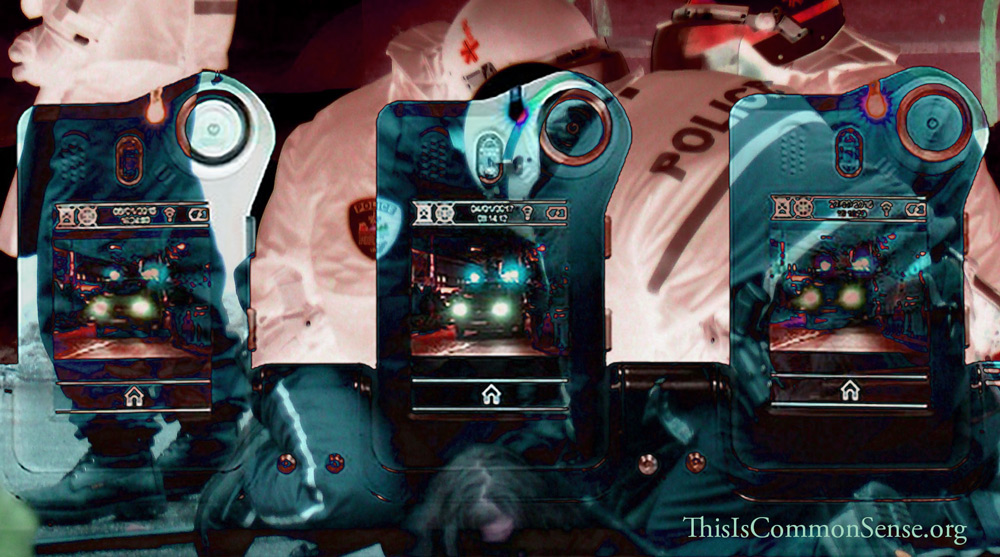
He had a bodycam on, which his department does not require. The video he sent Fox journalist Bill Melugin no doubt got in front of The Narrative.

The woman, a serial complainer about police, did indeed file a complaint about his behavior.

Folks who earnestly worry about police abuse — and not, like this woman, who did so in a paranoiac and ideological and racist manner — might consider getting something for road altercations themselves: one for the dash, but also one on their very own person. And something that is not a phone! At least when driving.

Has the utility of the “cop cam” ever been better demonstrated?

This is Common Sense. I’m Paul Jacob.


PDF for printing

Photo by Yannick Gingras

See all recent commentary
(simplified and organized)
See recent popular posts
Categories
Accountability crime and punishment

Not Above the Law

Should government officials be free to violate the rights of others so long as they are doing their job at the time?

With impunity?

That’s the question that the Institute for Justice is arguing before the Supreme Court in Brownback v. King.

The case concerns James King, whom officers of the law mistook for a fugitive. When they grabbed his wallet and demanded to know his name, King ran, thinking he was being mugged. The officers pursued him and and then viciously assaulted him — nearly killing him.

Later, the government concocted bogus charges to try to force King to accept a plea bargain. The idea was to prevent him from suing the government for the way he had been treated. 

King did not cooperate.

The problem? Many government officials in many circumstances have a get-out-of-prosecution-free card. The doctrine that confers this card is called “qualified immunity.”

In the 1982 case Harlow v. Fitzgerald, the Supreme Court opined that this immunity is warranted by “the need to protect officials who are required to exercise discretion” and “can be penetrated only when they have violated clearly established statutory or constitutional rights.”

In practice, however, the immunity being granted often seems more unqualified than qualified.

IJ’s premise is simple. “Government officials are not above the law,” says IJ President Scott Bullock. “Those who are charged with enforcing our nation’s laws should be more — not less — accountable for their unconstitutional acts.”

In a free society, police cannot brutally beat innocent people and get away with it. Can they?

This is Common Sense. I’m Paul Jacob.


PDF for printing

See all recent commentary
(simplified and organized)
See recent popular posts
Categories
crime and punishment general freedom too much government

Unfriending the Police?

Defund the police?

First, take a moment to celebrate those on the American Left who have finally — miraculously — stumbled onto something they actually want the government to spend less money on. 

Second, consider policing expert and Washington Post columnist Radley Balko’s amply backed-up contention that “the evidence of racial bias in our criminal justice system” is “overwhelming.” 

Nonetheless, Mr. Balko notes that “lots of white people are wrongly accused, arrested and convicted” and “treated unfairly, beaten and unjustifiably shot and killed by police officers. White people too are harmed by policies such as mandatory minimums, asset forfeiture, and abuse of police, prosecutorial and judicial power.”

Even if police violence is “more of a problem for African Americans,” posits David Bernstein at Reason, “it’s not solely a problem for African Americans. Eliminating racism, in short, would still leave the U.S. with far more deaths from police shootings than seems reasonable.”

This is not an argument to ignore racism, but in favor of making effective changes in policy and law.

Maybe the solution to our police violence problems is not defunding departments, in a vast unfriending campaign, but to let up on some of their burdens, require them to do less. De-task.

For starters? Defund the War on Drugs! 

Drug prohibition has been a criminal justice disaster — filling our jails with victimless criminals whose problem is drug addiction. In a myriad of ways, the drug war has spawned greater police corruption and introduced more intrusive and dangerous policing.

Let’s have a frank conversation about . . . making practical changes to our criminal justice system.

This is Common Sense. I’m Paul Jacob.


PDF for printing

See all recent commentary
(simplified and organized)
See recent popular posts
Categories
crime and punishment national politics & policies

Police Incentives Matter

“For every bullet the German police fired on duty in 2016, American police killed 10 people,” writes Jason Brennan for MarketWatch. “Even overwhelmingly white states like Wyoming and Montana imprison citizens at higher rates than authoritarian Cuba.”

What is going on here?

And by here I mean “these United States of America.”

Well, Brennan, who is the Robert J and Elizabeth Flanagan Family Professor of Strategy, Economics, Ethics, and Public Policy at Georgetown University’s McDonough School of Business, has an answer.

“What matters even more than black and white is green,” he writes, referencing the current protests and riots sparked by coverage of the George Floyd killing by Minneapolis police. “Fixing our criminal justice system means fixing the incentives.”

Professor Brennan points the finger at a number of federal programs:

  • The 1981 Military Cooperation with Law Enforcement Act “authorized and incentivized the U.S. armed forces to train police in military tactics” while the 1990 National Defense Authorization Act established a pipeline from the military industrial complex to local police forces.
  • The drug war set up police theft of private property via civil asset forfeiture, and encouraged federal drug warriors to share the loot with local police departments.
  • In many localities, direct election of prosecutors leads to campaign boasts about prosecution stats and long sentences, even when these policies make us less safe.

There’s a lot here to mull over, and you may not agree with everything Brennan argues, but the basic point is quite clear: “Even if we magically erased all racism overnight, the U.S. would still be harsh and violent” — and that because our politics has skewed incentives all wrong.

Getting rid of programs and laws that disincentivize good policing is a must.

This is Common Sense. I’m Paul Jacob.


PDF for printing

See all recent commentary
(simplified and organized)
See recent popular posts
Categories
Accountability crime and punishment

Minneapolis Burning

Minneapolis is up in smoke, after protests became rioting became looting became conflagrations became nightmare. At issue is the police killing of civilian George Floyd.

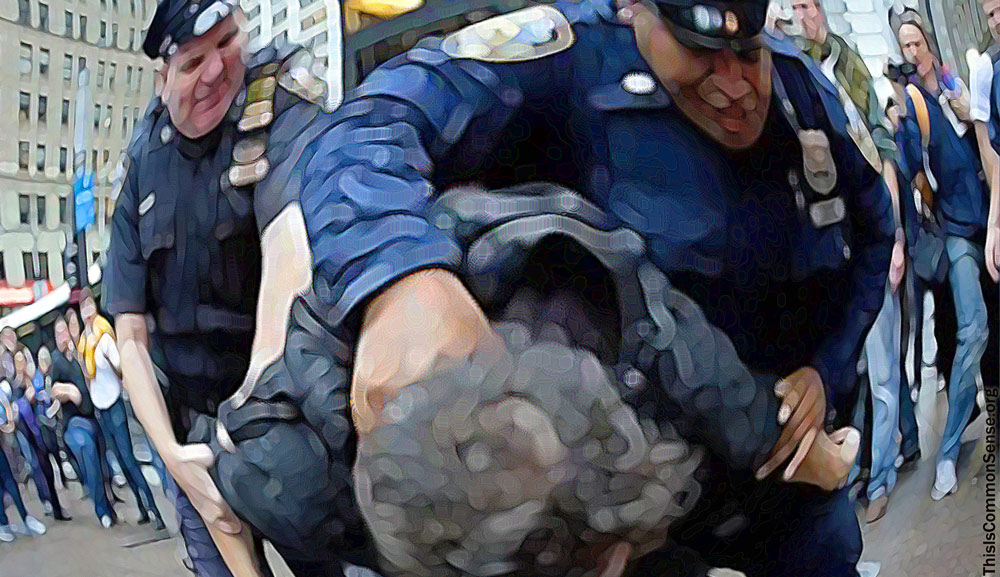
It was the biggest story in the news, this week, and you can see why. Watch the video of a white policeman with his knee on the neck of a black man, Mr. Floyd, as he pled for his life — as bystanders pled for his life.

It is harrowing.

Scott Adams notes that this became a race issue . . . in which everybody agrees that the police were in the wrong. The best kind of race issue?

Except it shouldn’t be merely a race issue. It should also be an issue of accountability. There are too many killings by police where the perpetrators face zero accountability. 

Jay Schweikert, a policy analyst with the Cato Institute’s Project on Criminal Justice, advocates a direct, practical approach for restoring police accountability: End what is known as “qualified immunity.” 

That’s where police and other public officials are held to a lesser legal standard when it comes to court cases charging them with violating our rights. This is the reason, argues Schweikert, that “members of law enforcement routinely get away with horrific misconduct.” 

There are several petitions currently pending before the U.S. Supreme Court that could lead to a legal reconsideration of the idea.* But without regard to any legal judgement, lawmakers in legislatures and citizens by petition can expressly repeal qualified immunity.

And should.

Without police accountability, what freedom is there?

This is Common Sense. I’m Paul Jacob.


* “[Q]ualified immunity is a legal doctrine that was invented from whole cloth by the Supreme Court,” Schweikert explains, “in open defiance of Congress’s decision to provide people with a federal remedy for the ‘deprivation of any right[]’ at the hands of a state actor.”

PDF for printing

Photograph by mpeake

See all recent commentary
(simplified and organized)
See recent popular posts
Categories
Accountability general freedom initiative, referendum, and recall local leaders national politics & policies responsibility term limits

Today’s Leaders

We have a new president. Many people put a lot of trust in him — and many more hate him and seek to bring him down. In both cases, presidential politics takes up an inordinate portion of our brain space.

Over the weekend I twice wrote about four heroic senators, standing up to the insiders in their own party. Getting a lot of deserved attention.

But remember: the real leaders are not in Washington, D.C.

Right now, a half dozen issues are undergoing revolution. Legalized gay marriage swept through state after state; meanwhile, Democratic leaders (Clinton, Obama) lent none of their prestige to the cause.*

It was local and state activists who led. And even wide swaths of “the people” were out in front.

Not politicians.

Marijuana legalization has occurred in state after state, mostly by initiative petitioning. It wasn’t the politicians who pushed this through. It was activists.

And, again, the people.

The politicians — including, now, the new Attorney General — largely obstructed the advance of freedom on this issue.

Much the same can be said for improving police-citizen relations with mandatory cop cams and transparency protocols. In the past, much the same pattern could be seen regarding term limits and tax limitation measures. In most cases of progress, politicians have actually represented the rear guard.

Which should give us something to think about. We face a looming sovereign debt crisis, the pension system bubble, and ongoing culture wars regarding campus (and general) free speech.

If you think something should be done, minds should be changed, don’t look for a national figure. Look locally. Look to yourself. Go online.

Master the mechanisms of social change.

This is Common Sense. I’m Paul Jacob.


*That is, these politicians “became leaders” on the issue at the point the issue needed no leadership. They remained opposed to change until the last moment, when the direction was firmly set and most of the watershed marks had been made.


Printable PDF


Categories
Accountability crime and punishment moral hazard national politics & policies responsibility

Freddie’s Dead

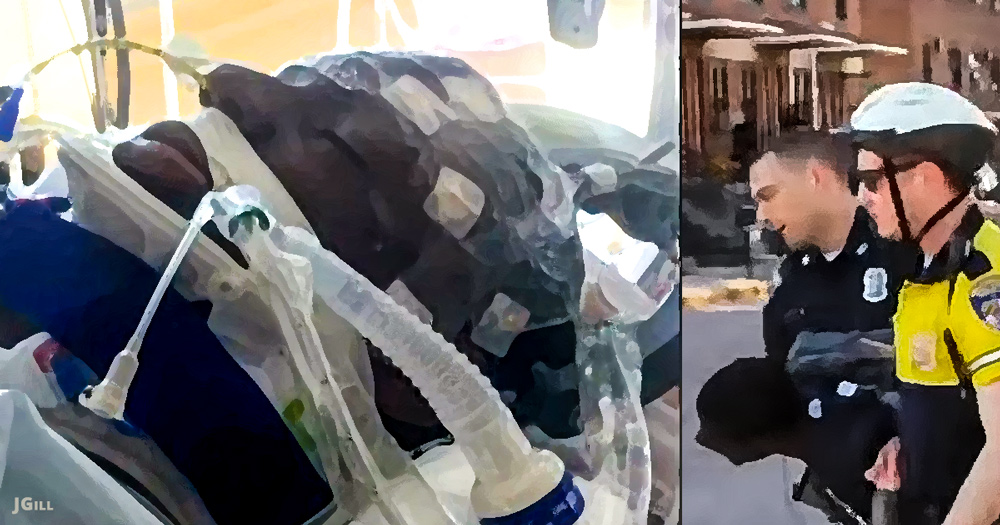
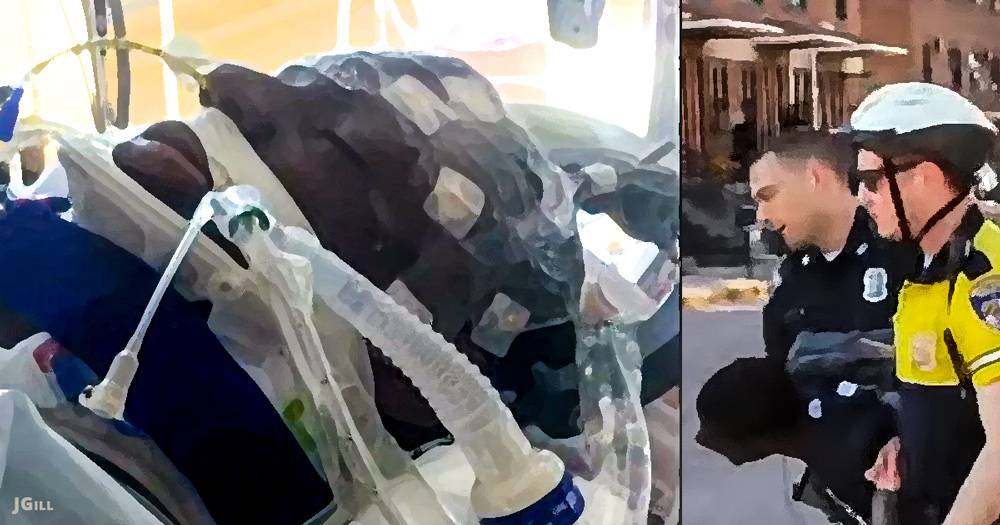
Marilyn Mosley is frustrated. This State’s Attorney in Baltimore, Maryland, angrily dropped charges against the remaining three police officers not already acquitted in the death of Freddie Gray, who died from injuries sustained while in police custody.

Clearly, Mosley lacked the evidence to convict these officers of murder, manslaughter, false arrest, etc. Were the charges politically motivated, as police allege? Or did police impede her investigation, as she charges?

I don’t know. But here’s what we do know:

Upon sighting police April 12th of last year, Gray ran but was apprehended. Police confiscated a knife, which was perfectly legal to carry. Then police called for a van, and video captured police dragging 25-year-old Freddie Gray, screaming in agony, to that van.

Police transported him on a very circuitous route “downtown” that ended up at the hospital, after police discovered during a stop that he wasn’t breathing. A week later Freddie died.

The cause of death was a spinal injury.

The video suggests impairment before the travel therapy administered by police, though the injury could have been worsened in transit. Gray wasn’t wearing a safety belt. In fact, the medical examiner ruled it a homicide based on his not being belted in.

Whether the spinal injury was a freak accident, caused by police misconduct or, as alleged, Gray was trying to injury himself to seek damages, the medical evidence shows no serious bruises or broken bones — just the spinal injury.

We don’t know what happened.

What we do know is that a man was taken into police custody without any legitimate charge, not treated or attended to as he should have been, and he’s dead.

There’s no victory or vindication here for police.

This is Common Sense. I’m Paul Jacob.


AND ANOTHER THING: To what degree is Freddie Gray a casualty of the war of drugs? Back in June, defense attorneys for the police released an email that Prosecutor Mosley’s office had sent to police asking for an “enhanced” police presence to combat drug dealing in the area Freddie Gray was arrested. That was three weeks prior to his arrest.


Printable PDF

Freddie Gray, police brutality, misconduct, Baltimore, illustration


Categories
crime and punishment folly general freedom government transparency

Candid Camera

Support for criminal justice reform, especially the common sense use of body cameras for police, marks a bright spot for the Obama Administration.

Or so I thought.

The president has called on local police to don the video devices. He has even offered $75 million of his own hard-earned money to help communities pay for the cameras. No, wait — turns out that $75M is not his personal stash but rather our tax money.

Oh, well. While I think local taxpayers should fund their own police forces, without federal subsidies, at least President O’s administration supports the right policy. No?

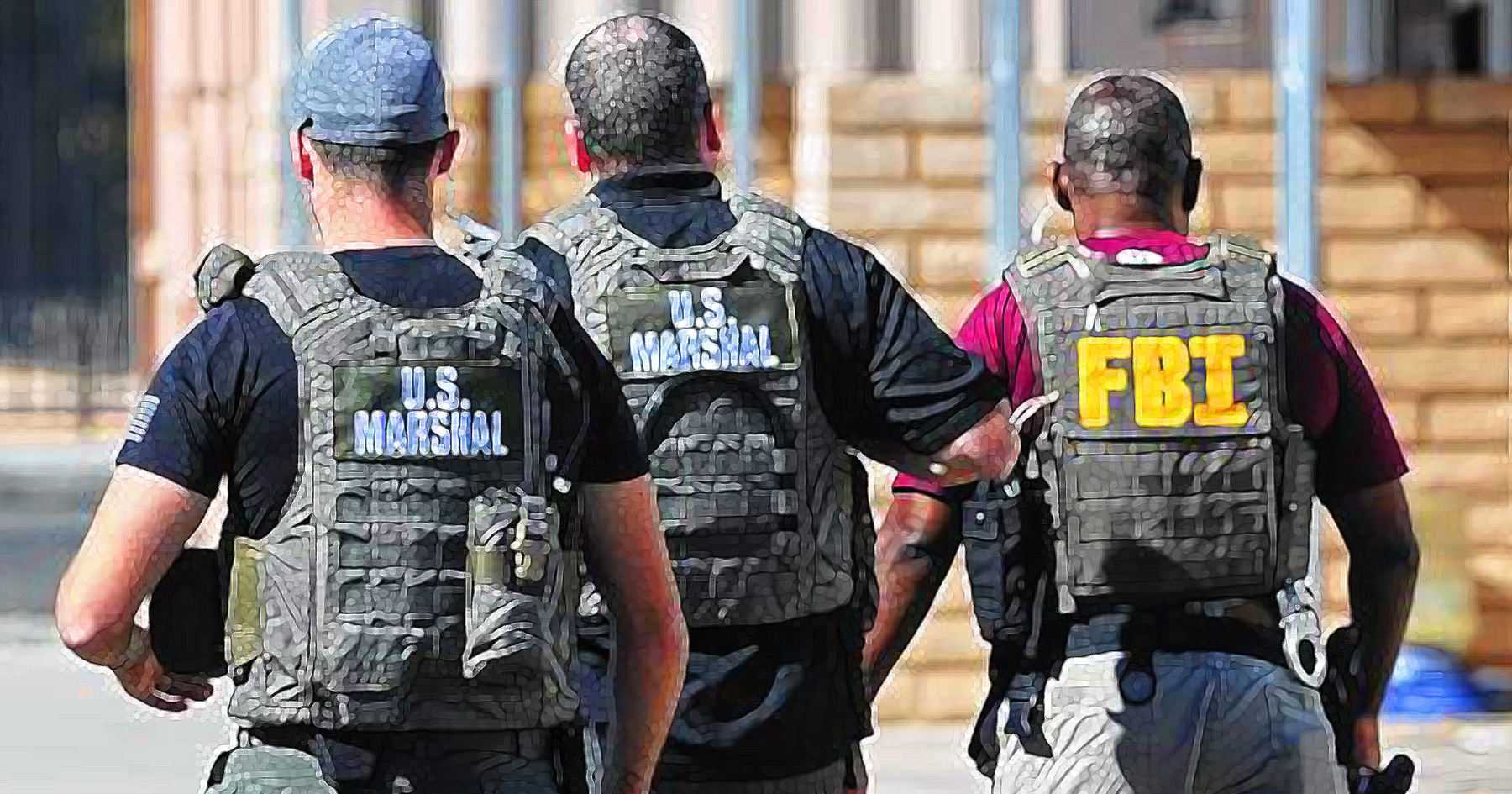
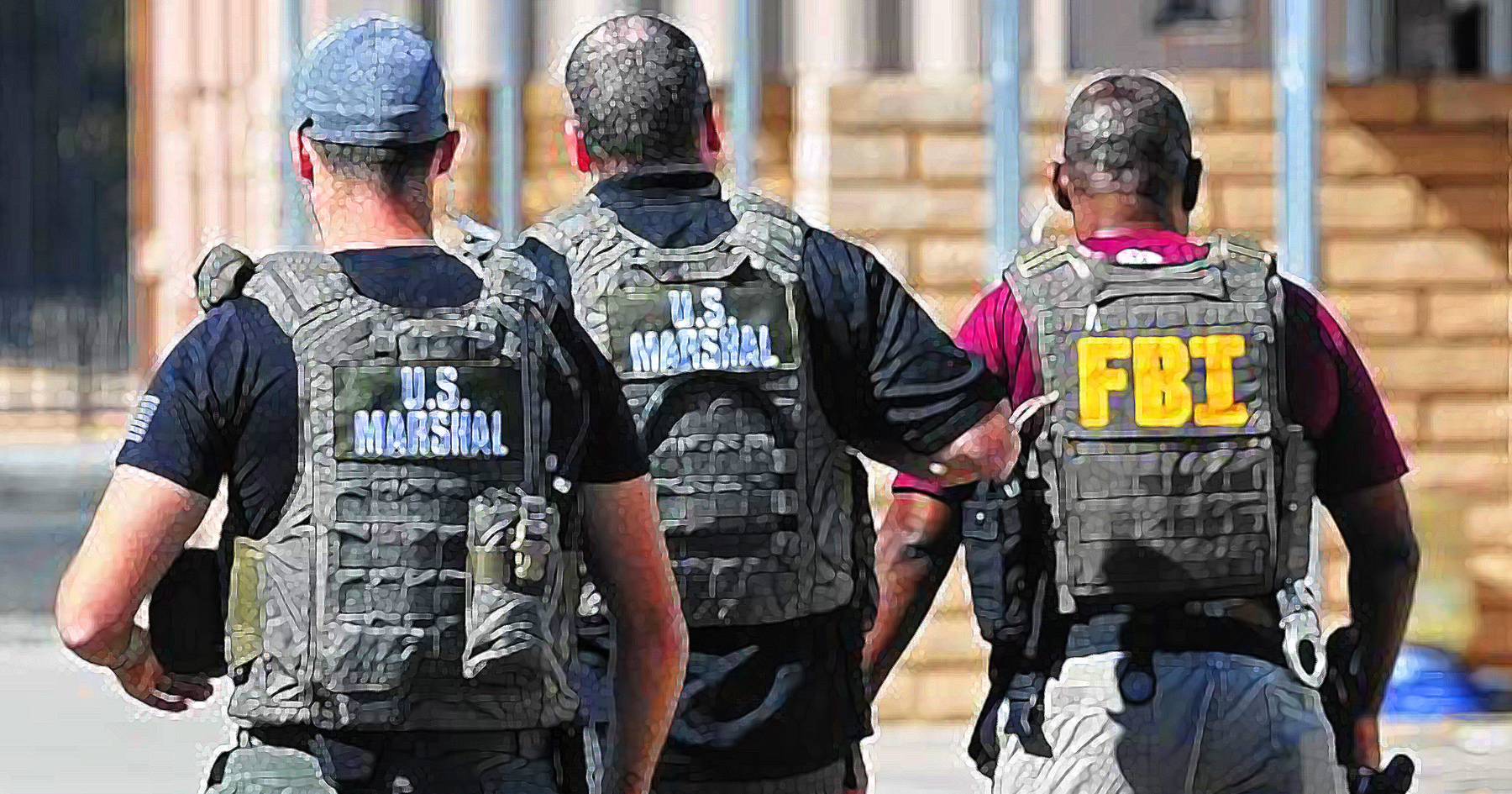
“The Justice Department is publicly urging local police departments to adopt body cameras, saying they are an important tool to improve transparency and trust . . .” reports The Wall Street Journal. “But privately, the department is telling some of its agents they cannot work with officers using such cameras as part of joint task forces . . .”

Weeks ago, the U.S. Marshals “announced that the agency wouldn’t allow any local law-enforcement officers wearing body cameras to serve on Marshals task forces. . . .”

I’m only surprised that I’m surprised. I should have known that while preaching to others to use body cameras, the Obama Administration would completely ignore camera use for federal police agencies. I shouldn’t be shocked that it even failed to establish rules for working with local and state police who might be required to wear cameras, at the administration’s urging.

It’s a very candid snapshot of the utter hypocrisy we’ve come to know and loathe from Washington.

This is Common Sense. I’m Paul Jacob.


Printable PDF

body cam, body cameras, justice reform, feds, federal agents, U.S. Marshals , police, Common Sense


Categories
Accountability crime and punishment

But for a Video

I’ve argued that police be required to wear cameras on the job — for the sake of both the wrongly used and the wrongly accused.

But ensuring that video is recorded and then, if necessary, used in tandem with other relevant evidence to secure justice doesn’t happen automatically. It requires a culture dedicated to upholding ethical standards of professional conduct.

This culture seems in short supply in Prince George’s County, Maryland.

There, explains the Washington Post, “it is now clear that the police, without provocation, can beat an unarmed young student senseless — with impunity. They can blatantly lie about it — with impunity. They can stonewall and cover it up for months — with impunity. They can express no remorse and offer no apology — with impunity.”

Beverly Woodward, the circuit court judge in the case the Post outlines, should have recused herself because of a conflict of interest. She did not. Then, without explanation, she tossed the case’s one modest conviction — which had been obtained only with great difficulty. The matter would not have stretched even that far had a video of the incident not eventually surfaced, exposing the lies of the officers who pummeled the innocent student.

Suspicious circumstances in the case abound. Radley Balko gives the laundry list.

When corruption is this pervasive in a locale, state or federal government must intervene to reform and prosecute. It should be a lot easier at all levels to prosecute and punish those public officials who commit clear wrongdoing.

This is Common Sense. I’m Paul Jacob.