Categories
ideological culture national politics & policies Second Amendment rights

Second Amendment People

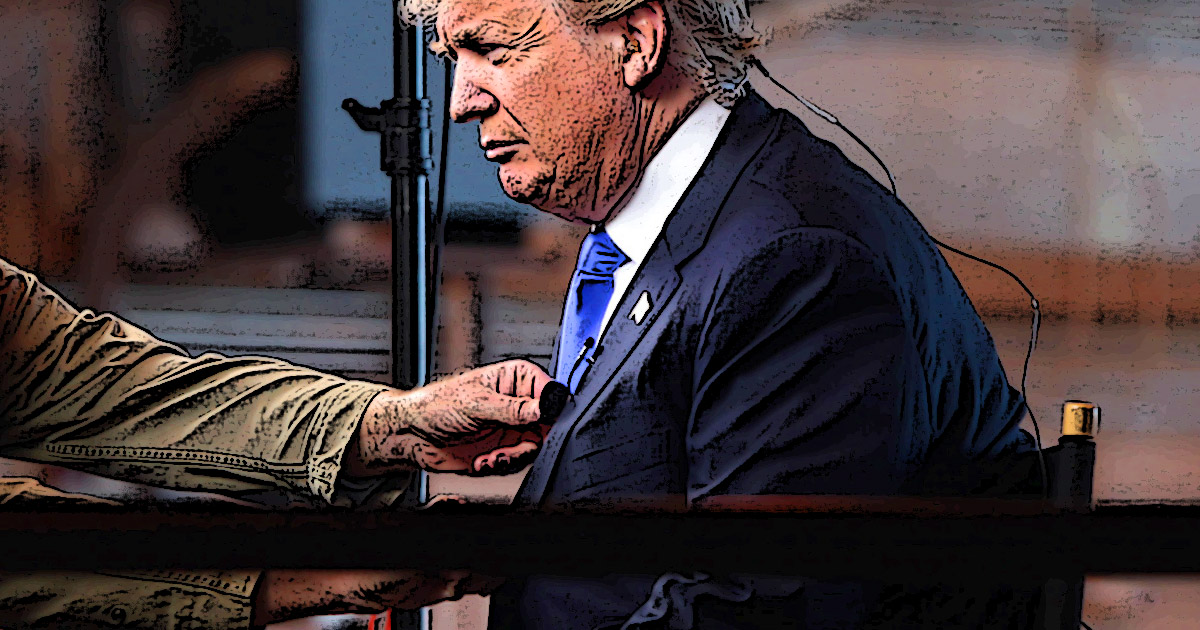
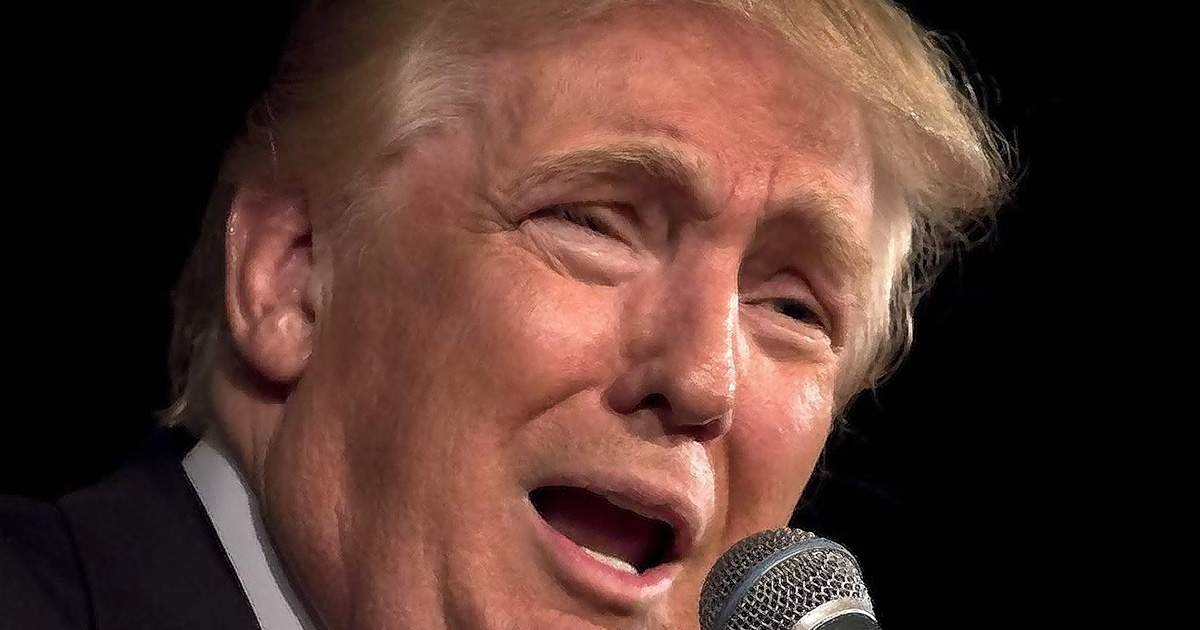
Donald Trump states things in a manner simultaneously ambiguous and incendiary.

Of course, he has help from the media, the Clinton camp and other embittered opponents, all elated to act as firestorm propellants … through as many 24-​hour news cycles as possible.

At a rally this week, Trump claimed that a President Hillary Clinton would appoint justices to the Supreme Court committed to undermining our individual right to bear arms. “If she gets to pick her judges, nothing you can do folks,” he told the crowd, before adding, off-​the-​cuff, “Although the Second Amendment people — maybe there is, I don’t know.”

The Clinton campaign and much of the media (but I repeat myself) immediately took this as a clear call to Second Amendment activists to … well, summarily execute Mrs. Clinton.

A leap? As Hillary would say, “Let’s unpack this.”

Would Mrs. Clinton curtail gun rights as Trump charges? She recently told Fox News that she would not choose justices seeking to overturn the High Court ruling in the Heller case, which interpreted the Second Amendment as guaranteeing an individual gun right.

Do I trust her? Stop laughing and read on.

Was the Donald attempting to incite violence against Hillary? No.

But what should be the people’s response were a future president or court to declare our right to defend ourselves null and void?

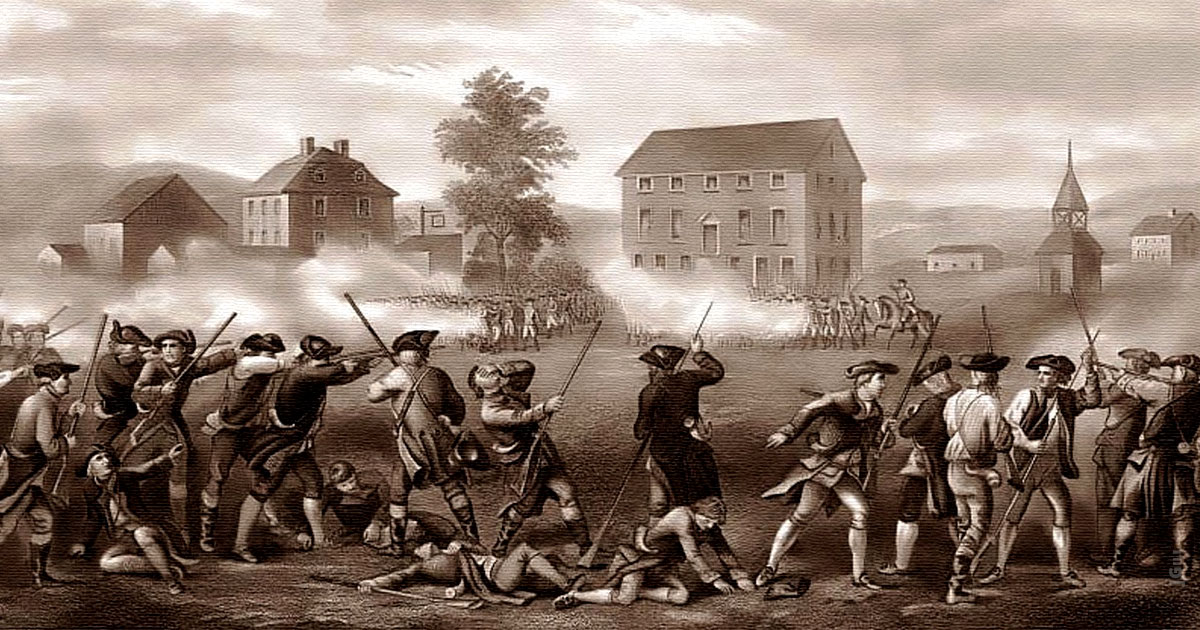
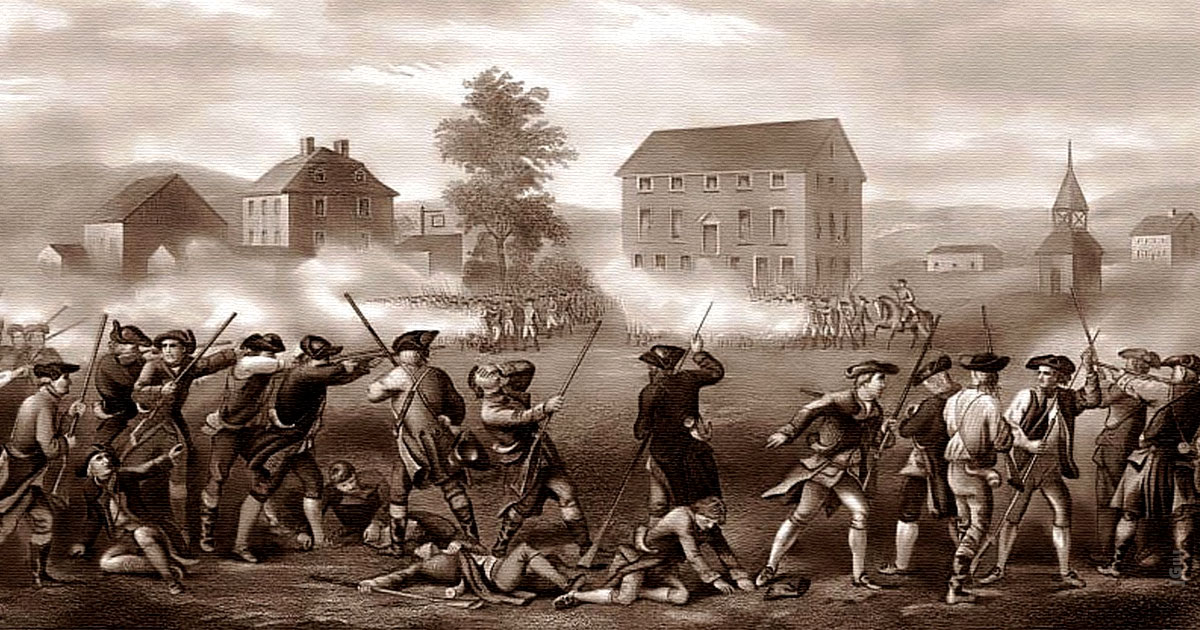
Remember, musket-​armed American patriots met the British redcoats at Lexington and Concord for the shot heard ’round the world. Why? Specifically to stop the Brits from rendering the colonists defenseless by confiscating their arms and ammunition.

The implication? Clear.

So, with a chill down the back of our necks, let’s hone and redouble our peaceful support for our most basic right, self-defense.

This is Common Sense. I’m Paul Jacob.

Printable PDF

Donald Trump, 2nd Amendment, gun rights, Hillary Clinton, assasination


Categories
ideological culture national politics & policies political challengers

Libertarianish, Democratish?

With the two most disliked and distrusted politicians in American history snatching the two major party presidential nominations, lots of voters — free-​market conservatives, libertarians, liberals concerned about civil liberties and war, moderates, decency advocates — are looking for an alternative.

The Libertarian Party, our age’s perennial “third party” on state ballots, has a golden opportunity.

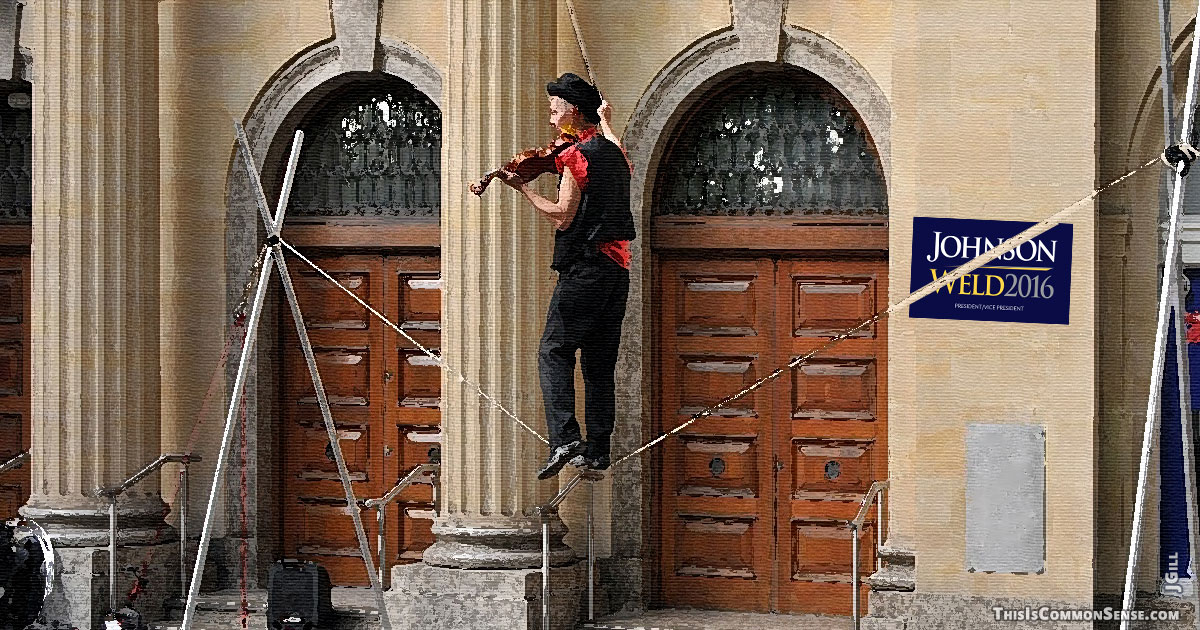
Perhaps that’s why delegates to 2016’s Libertarian Party nominating convention chose two two-​termed former Republican governors to take up the freedom banner: New Mexico’s Gary Johnson and Massachusetts’s Bill Weld.

Both are nice men. They are the most accomplished and credentialed politicians in the race — more than Hillary Clinton; far more than Donald Trump. They don’t seem radical or threatening.

But that might be a problem. They are too nice. They are not threatening enough.

I’m not suggesting they threaten anyone, but in ideological terms they often appear more as moderates than as libertarians, as Ilya Shapiro noticed last week when he asked the pointed question, “Is Johnson-​Weld a Libertarian Ticket?

The Johnson-​Weld take, economist Mark Thornton noted, is more libertarianish than libertarian: the pair are “fiscally conservative and socially liberal for Republicans which is great, but they fall short of Libertarian.”

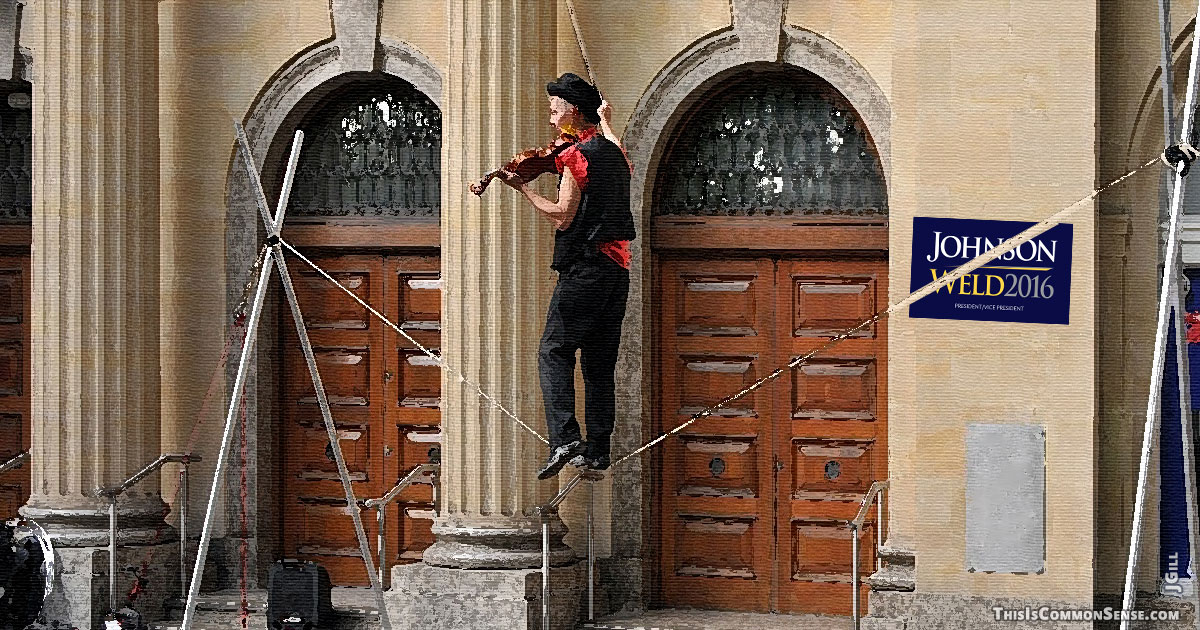
This isn’t exactly a shock. Anyone who watched the bizarre CNN town hall with Johnson and Weld will remember that odd moment when Johnson called Democrat Hillary Clinton “a wonderful public servant” and Weld dubbed her a “lifelong friend.”

No need to attack Mrs. Clinton personally, of course, but when a Libertarian cannot find one discouraging word about what a President Hillary would mean, it seems they want to appear Democratish.

And not libertarian.

Well, it’s a strategy. But it won’t appeal to #NeverHillary voters, or impress many #NeverTrumpers, either.

This is Common Sense. I’m Paul Jacob.   

Printable PDF

Gary Johnson, Weld, Libertarian, moderates, presidential, election, illustration


Categories
Accountability government transparency ideological culture media and media people moral hazard nannyism national politics & policies political challengers porkbarrel politics responsibility Second Amendment rights too much government U.S. Constitution

The Clinton Chasm

Hillary Clinton is roundly disliked by millions of outsiders, but admired by hundreds of politicians and activists. What sets her apart?

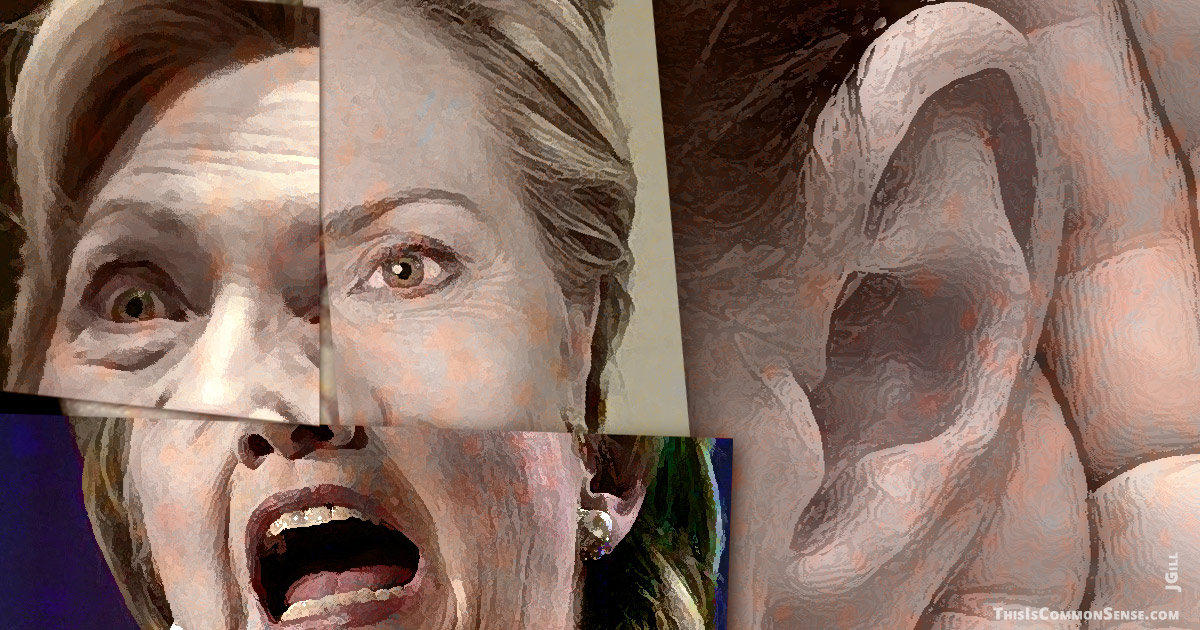
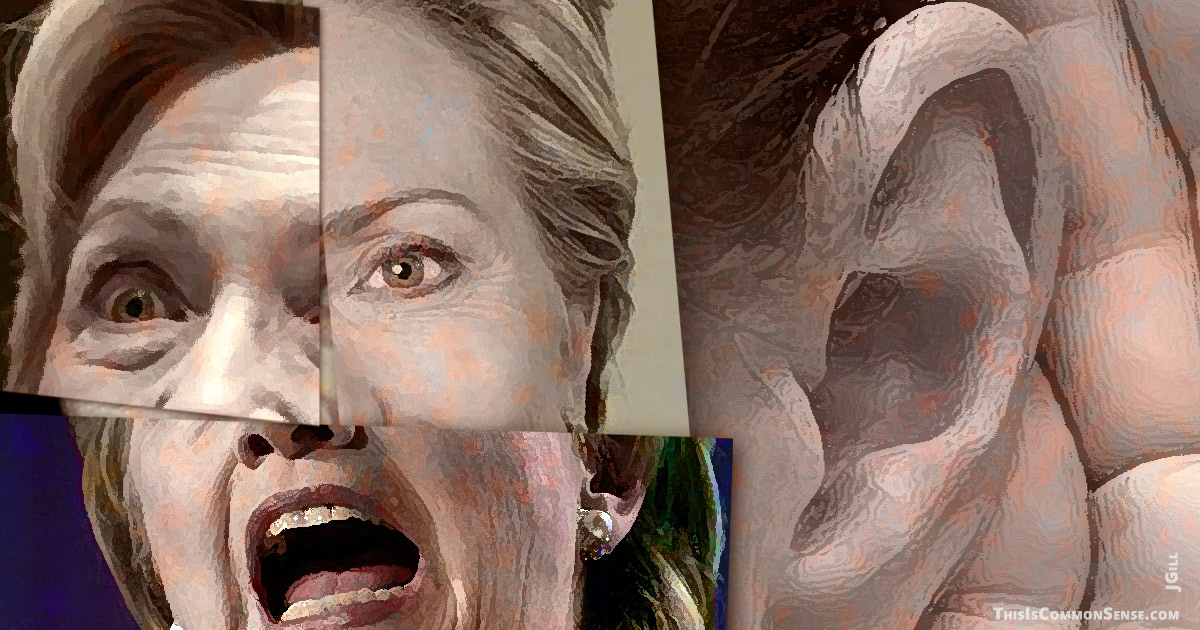
She listens.

Well, that’s Ezra Klein’s take in “Understanding Hillary,” an almost-​believable piece of apologetics courtesy of Vox.

He calls Hillary’s problem “The Gap,” though “Vast Chasm” is more like it.

There’s a huge difference between how the public sees her — “Polls show most Americans doubt her basic honesty” — and how her fellow insiders feel about her. “She inspires a rare loyalty in ex-​staff,” Klein informs us, “and an unusual protectiveness even among former foes.”

Klein emphasizes Mrs. Clinton’s capacity to talk naturally and listen carefully, when dealing one-​on-​one with insiders and constituents, and in small groups. “She gets things done,” he asserts, though I think what he really means is she moves her agenda forward. Actual accomplishments? Open to dispute.

On the crucial issue of trust, Klein buys into what Hillary is selling. She says people doubt her because she’s been so often attacked.

I don’t know about you, but I doubt her because … well, cattle futures, for starters. Her ridiculous “vast right-​wing conspiracy” dodge to all those rich 1990s scandals: the blue dress, President Bill losing his law license, even the crony takeover of the White House travel office. Hillary has led the way more recently with the Benghazi “video” lie and her private server and email scandal. Plus, witness the ongoing conflict presented by the Clinton Foundation raking in millions from unsavory foreign sources..

Klein, on the other hand, argues that the media is against her.

This is Common Sense. I’m Paul Jacob.

Printable PDF

Hillary Clinton, trust, lie, truthful, Ezra Klein, illustration, VOX


Categories
Accountability free trade & free markets moral hazard national politics & policies responsibility

It’s the Stupid Economy

When Bill Clinton ran for president, the slogan inside his campaign’s war room was a blunt reminder to focus on “the Economy, Stupid.” This was Clinton’s first enduring contribution to the American stock of catch-phrases.

Now, Bill’s wife, Hillary, seeks the top banana position. But she has a harder job than Bill: he could fight against a lackluster incumbent caught in a big lie (“No New Taxes,” another slogan). Hillary is almost required to defend the outgoing president, in no small part because she served in his Cabinet.

If she were candid, she’d address the weak recovery and long-​term stagnation.

Her slogan could be, “It’s the Stupid Economy.”

No matter what politicians say, however, secular (long-​term) stagnation is a thing. Lots of people have given up, are off the roles of job-​searchers and so don’t appear in official unemployment statistics, and too many people have taken early retirements on trumped-​up disability claims.

At least, economist Lawrence Summers is decrying it, jet-​setting around the world to meet with financial leaders and political functionaries.

I doubt his diagnosis, however. Summers talks Keynesian, pointing to inadequate aggregate demand. While there may be something to the general shift in the desire to hold monetary assets, leading to deflation and even negative interest rates, I bet the underlying problem is regime uncertainty — when widespread fears of the future and doubts about governmental consistency and follow-​through lead the owners of capital to withhold investing in production.

There are also the effects of general regulatory and redistributionist kludge.

When the problems stem from your favored policies, you can’t revive FDR’s slogan “nothing to fear but fear itself” and let it go at that.

Hillary will surely explain — Thursday night.

This is Common Sense. I’m Paul Jacob.   

Printable PDF

HIllary Clinton, Obama, Bill Clinton, economy, election, illustration


Categories
ideological culture media and media people national politics & policies political challengers

MoveOn2Video

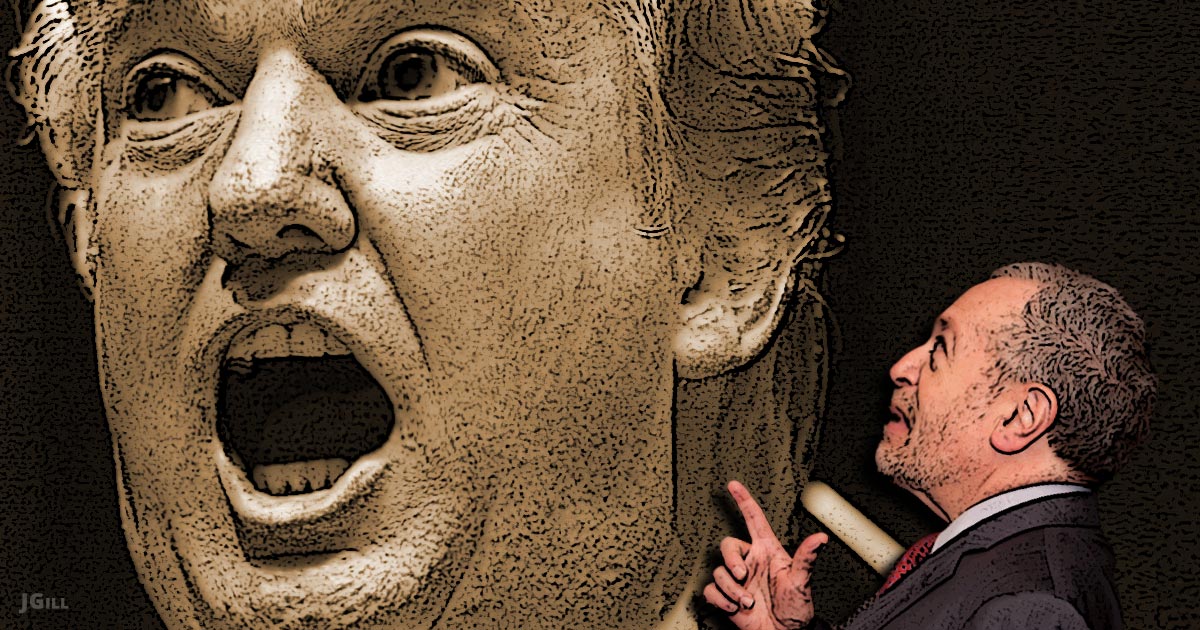
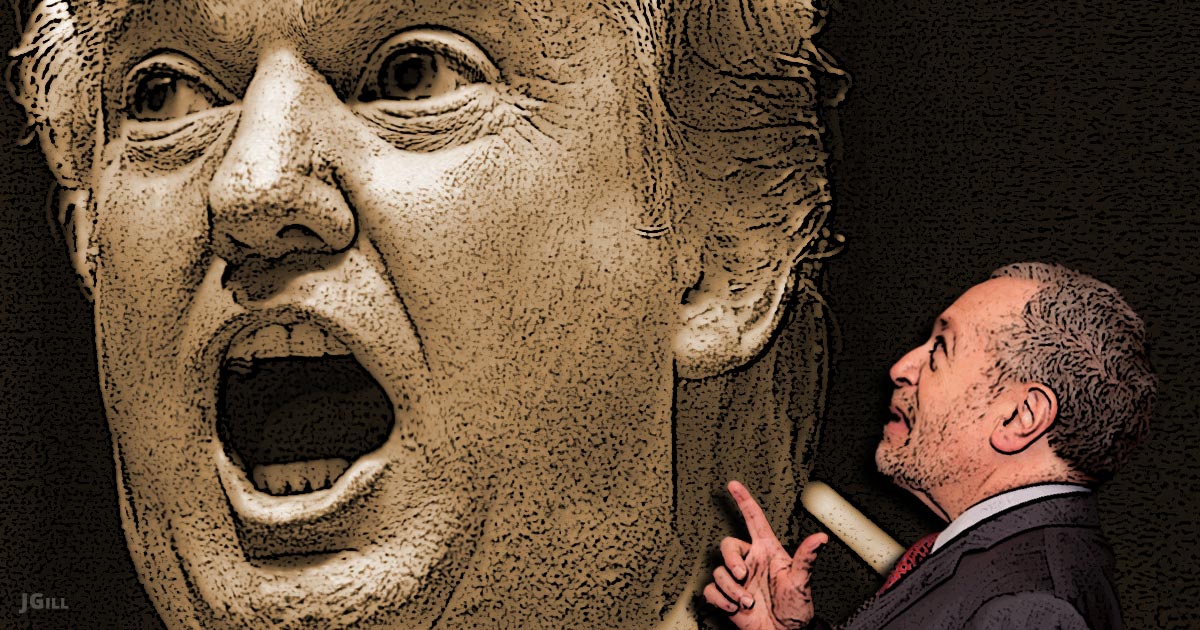
Donald Trump is MoveOn.org’s worst nightmare.

The decades-​old “left-​leaning” organization is still very much a live concern.

The group’s original mission was to urge then-​President Bill Clinton’s censure, rather than his impeachment … and then “move on” to normal governmental business.

Over the years, the organization has backed “progressive” candidates, and promoted causes like campaign finance reform.

Trump annoys MoveOn folks doubly, I gather. Though he’s super-​rich, he parlayed social media to leverage major media to gain billions in free coverage — which is precisely what MoveOn attempts to do.

Trump also sports a tongue that flouts all past decorum, thus making Clinton’s Lewinsky scandal itself seem … almost … quaint.

Oh, and this: Trump seems to stand for everything MoveOn supporters are against. That is, if you can figure what, precisely, Trump stands for on most issues.

Robert Reich wrote an email, the other day, reveling in his role as a video propagandist for the organization for over a year, but fearing that isn’t enough to defeat Trump. So, he explains, “instead of just producing an online video every few weeks, MoveOn’s gearing up to produce one practically every day.” He writes to pitch for money.

MoveOn’s videos may be very effective — at getting progressive types to hate Trump all the more, and to vote against him.

Less certain is their reach. Can the new professional videographers preach beyond the eager choir?

Oh, and it’s worth noting that this is precisely the kind of thing campaign finance reform is designed to squelch.

This is Common Sense. I’m Paul Jacob.

Printable PDF

Robert Reich, Donald Trump, moveon.org


Categories
crime and punishment First Amendment rights general freedom initiative, referendum, and recall nannyism national politics & policies political challengers responsibility too much government

A Private Party

Virginia delegate Beau Correll won’t cast his first ballot vote at the Republican National Convention for Donald Trump, and won’t go to jail, either.

As discussed last Thursday, at issue is a state statute requiring* delegates to vote for the plurality winner of the party’s primary. On the Republican side, that’s Mr. Trump. Yesterday, Federal Judge Robert Payne ruled the law unconstitutional, no law at all, because it violates Correll’s First Amendment rights to speak and associate politically.

“In sum, where the State attempts to interfere with a political party’s internal governance and operation,” the federal judge wrote, “the party is entirely free to ‘cancel out [the State’s] effort’ (Def. Resp. 28) even though the state has expended financial and administrative resources in a primary.”

Love ’em or hate ’em, political parties are private associations, properly protected by the First Amendment.

But is it fair to hold primary elections, at taxpayers’ expense, and then ignore the votes of so many people?

Easy answer: NO.

Sure, Judge Payne correctly struck this statute, but it doesn’t follow that states must foot the bill for party primaries and national conventions or provide legal preference. Up to now, incumbent politicians have quietly legislated a relationship of too-​friendly collusion between government and the major parties.

It’s time for citizens to look at initiatives to mandate separation of political party and state.

More immediately, the implications for the coming GOP convention in Cleveland are obvious and far-​reaching. “The Court’s decision,” as Correll’s attorney David Rivkin summarized, “follows more than 40 years of precedent in firmly rejecting Donald Trump’s legal opinion that delegates are obligated by law to vote for him.”

The delegates are free.

This is Common Sense. I’m Paul Jacob.
 

* Penalty for non-​compliance? One year in prison.


Printable PDF

Donald Trump, delegates, unbound, convention, crime, vote


Original photo credit: Gage Skidmore on Flickr


Categories
Accountability crime and punishment government transparency national politics & policies

The Servers of the Self-Serving

Feel like Charlie Brown? That football … yanked away again.

Yesterday, FBI Director James Comey announced he’s not recommending prosecution of former Secretary of State Hillary Clinton, the presumptive Democratic presidential candidate.

“Although there is evidence of potential violations of the statutes regarding the handling of classified information,” Comey stated, “our judgment is that no reasonable prosecutor would bring such a case.” He saw the evidence as not strong enough, “especially regarding intent.”

It doesn’t appear that Mrs. Clinton purposely divulged classified material, though her “intent” in setting up a private server for State Department work was self-​centered, and purposely not transparent. She was clearly more concerned with shielding her communications from the U.S. Government and the public, than shielding classified information from the Russians, Chinese, Iranians or ISIS.

While the FBI noted that Clinton and her aides lacked any apparent intent “to violate laws governing the handling of classified information,” the investigation discovered ample “evidence that they were extremely careless in their handling of very sensitive, highly classified information.”

Not a sterling report card for someone seeking to be the commander-in-chief.

Donald Trump’s negative standing with voters, 70 percent disapproval in a recent survey, may save Mrs. Clinton. Still, standing in her way remains the fact that a majority of voters just don’t trust her.

That won’t change with yesterday’s news.

“Key assertions by Hillary Clinton in defense of her email practices have collapsed under FBI scrutiny,” read the lead of an Associated Press story, detailing six public statements made by her that the investigation found to be false.

Let’s split the difference: neither prosecute Hillary nor elect her president.

This is Common Sense. I’m Paul Jacob.

Printable PDF

Hillary Clinton, investigation, FBI, crime, server, email


Photo credit: Toms Norde /​ Valsts kanceleja on Flickr

Categories
general freedom media and media people national politics & policies

Why, Journalists, Why?

Complaints about “the mainstream media” are old hat. But that doesn’t mean the complaints have lost validity.

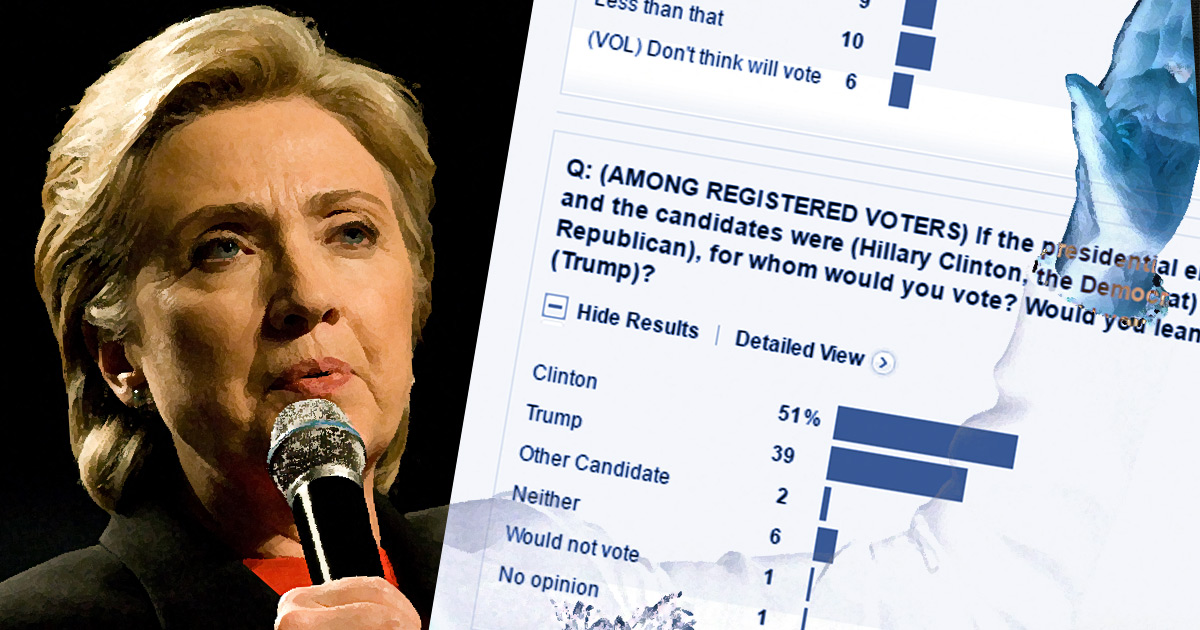
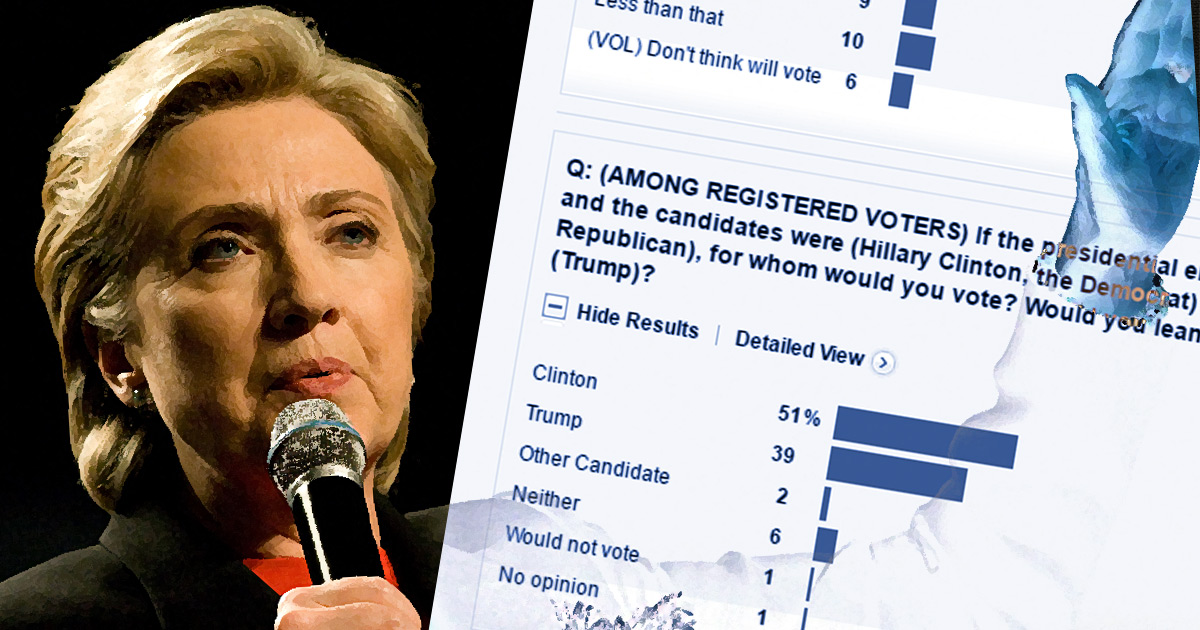
I was struck by this while reading Matt Welch’s warning, at Reason: “Don’t Believe Any Headline Showing Hillary Clinton with a 12-​Point Lead over Donald Trump.”

“There is indeed a 51 percent to 39 percent advantage for Clinton over Trump in newly released Washington Post/​ABC News poll, conducted from June 20 – 23,” Welch concedes. “But that same survey also asked the same pool of voters to react to a far more representative ballot, i.e., one that includes Libertarian Party nominee Gary Johnson … and the Green Party’s Jill Stein.…”

The point is, leaving out Hillary’s and the Donald’s actual competition from poll results — or from poll questions, for that matter — is tantamount to misreporting. It is, in other words, “bad science” and “journalistic malpractice.”

“Clinton has yet to reach 50 percent when her proper competition is included,” Welch explains, “and Trump hasn’t even cracked 40.”

In the latest NBC/​Wall Street Journal poll, Mrs. Clinton was reported to enjoy a seven-​point lead, but when voters were offered all likely ballot options, including Johnson, the Libertarian, and Stein, the Green, Hillary bettered Donald by only one point: 39 – 38 percent.

But why would journalists and editors systematically rig the reporting of politics?

Laziness? Covering four candidates is twice as much work as covering two.

Partisan reasons? The Washington press corps has been embedded with R&D operatives for decades.

Whatever the reason, they’ve missed a huge story: the impact of these minor party candidates is major news.

This is Common Sense. I’m Paul Jacob.

Printable PDF

HIllary Clinton, Donald Trump, Gary Johnson, polls, Washington Post, illustration


Photo credit: Brett Weinstein on Flickr

Categories
Accountability crime and punishment folly government transparency insider corruption national politics & policies

This Too Shall Pass

We are living in what I hope are the latter days of the Watergate Era.

I’m old enough to remember Watergate. The un-​making of President Nixon, before our very eyes, informed Americans in a deep and profound way. It led, in part, to the election of Jimmy Carter, often referred to as one of the least effectual presidents. And the Carter presidency led to Ronald Reagan.

While living under Watergate’s dark shadow, not all of us took away the same lesson.

We outsiders learned, once again, that power corrupts.

Insiders, on the other hand, learned something different: never willingly play a part in your side’s unmasking and un-making.

We tend to forget, what with the economic rebound and end of the Cold War, that the Reagan Administration had significant scandals. At the time, Reagan was dubbed the “Teflon President,” because Reagan & Co. figured out how to react: shrug; stall; deny, deny, deny. For this reason, scandal flowed off him, not sticking, as water off a well-​oiled duck’s back.

Reagan and the Republicans did not allow what Republicans had allowed in Nixon’s day: there was no turning on one’s own, no (or few) breaking of ranks.

Then, President Bill Clinton took the effrontery of denial and stonewalling to new heights. With great help from fellow Democrats.

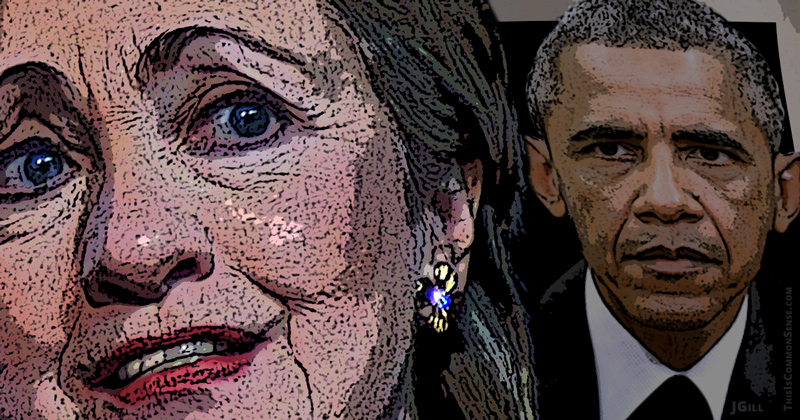
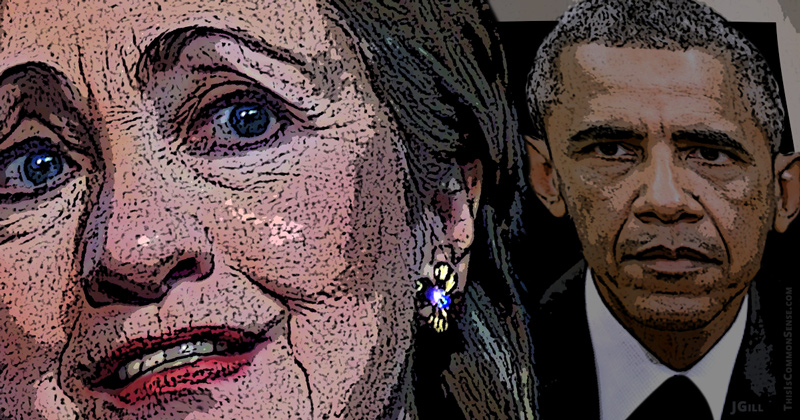
And so it goes, even to the present day, with Hillary Clinton carrying on her husband’s tradition. She, the first candidate to run for the presidency while under official investigation by the FBI, just received the current president’s endorsement. 

The back-​room deal has been made, perhaps? Obama will not allow Hillary to be prosecuted. It would tarnish his legacy.

This is Common Sense. I’m Paul Jacob.

Printable PDF

teflon, white house, Hillary Clinton, Obama, corruption, illustration


Categories
Accountability national politics & policies political challengers

How Does “Unfair” Play?

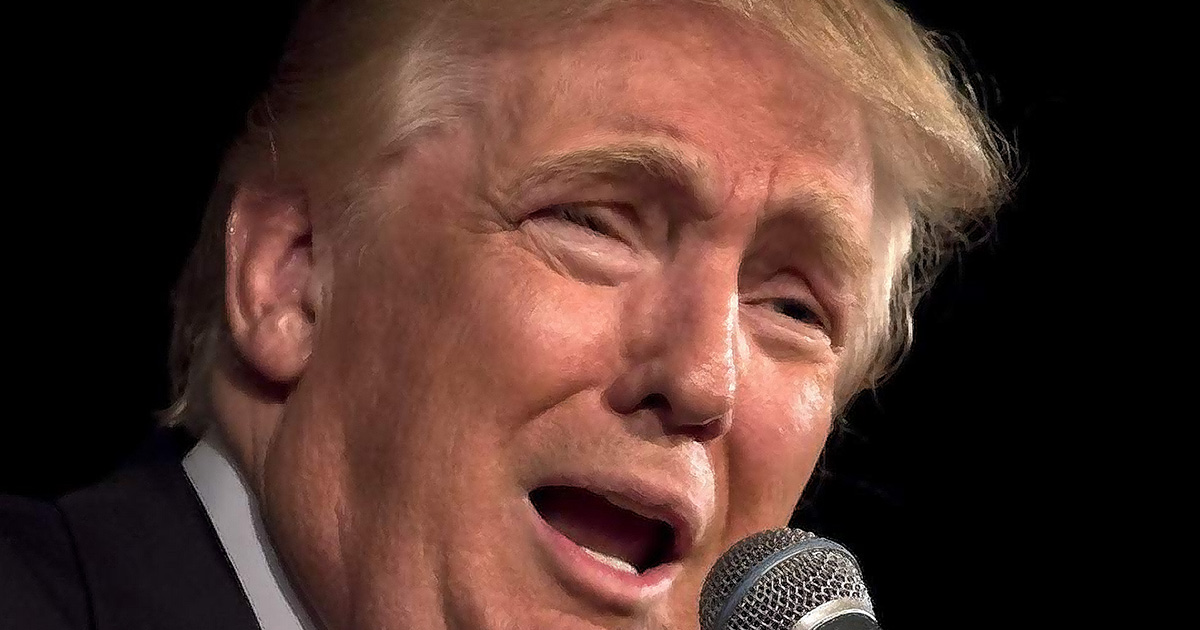
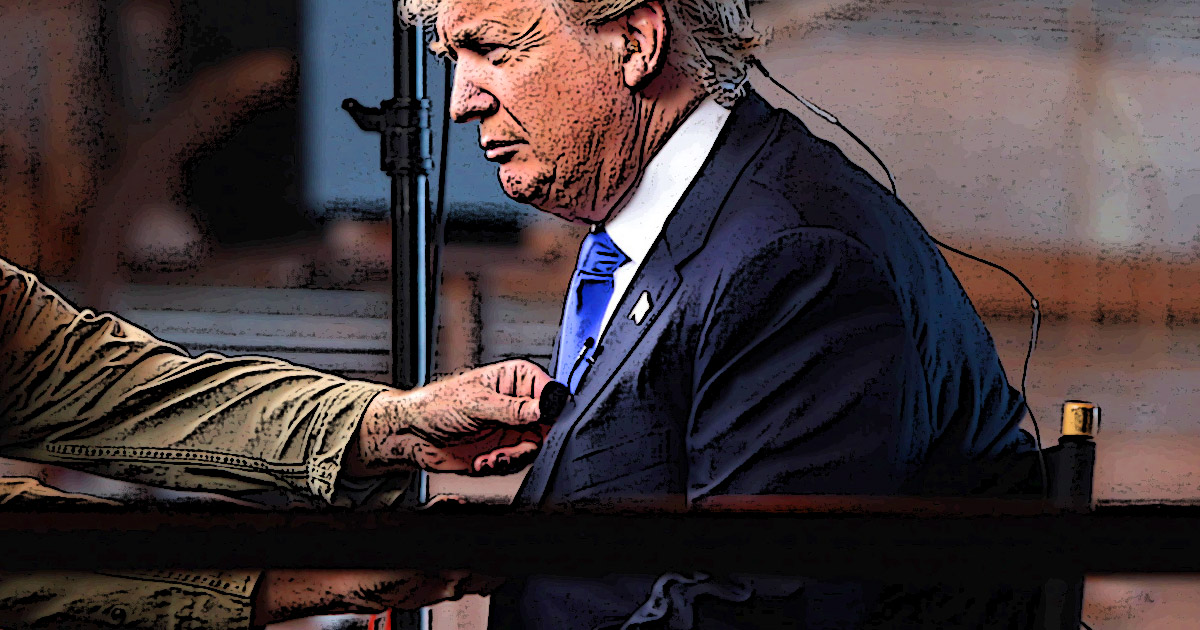
“We’re being treated very unfairly.”

I don’t know about you, but this constant complaint from Donald Trump is getting a bit old.

Even if true.

Maybe I lost some patience for this shtick because my side in the political arena — the 85 percent majority for term limits, for example — has constantly had to bear with undue weights from major candidates, public officials, and other political insiders. This week I’m in Arkansas to help put term limits back on the ballot, after politicians lied to the citizenry in a legislatively referred measure, successfully fooling them to substantially weaken the limits.

It turns out that honest people have always been at a disadvantage in politics, because our enemies often feel free to lie, cheat, steal, etc.

My impatience is that, well, coming from a billionaire, the complaint seems … hollow. To the extent that wealth and fame lead to an unfair advantage over others, Trump has indeed parlayed both into a shot at the White House.

So to talk about how being treated unfairly smacks of narcissism. It is like going to the funeral of a good friend and having to listen to some whiner take the limelight to complain of his lumbago.

It seems inappropriate, in context.

But mainly it reminds me of Bernie Sanders in particular, and the socialist left in general. “Life [or The System] has treated us unfairly — so give us free stuff!”

Trump is not asking for free stuff. He is merely expecting us to forgive his ugly tirades — as in the current mess about the judge sitting on his Trump University case — and nasty escalations of name-calling.

He expects a free pass. And has so far gotten one.

This is Common Sense. I’m Paul Jacob.

Printable PDF

Donald Trump, thin skinned, cry, 2016 Presidential, Hillary Clinton