Categories
Accountability folly free trade & free markets general freedom moral hazard nannyism national politics & policies

Thanksgivings, 1623 AD

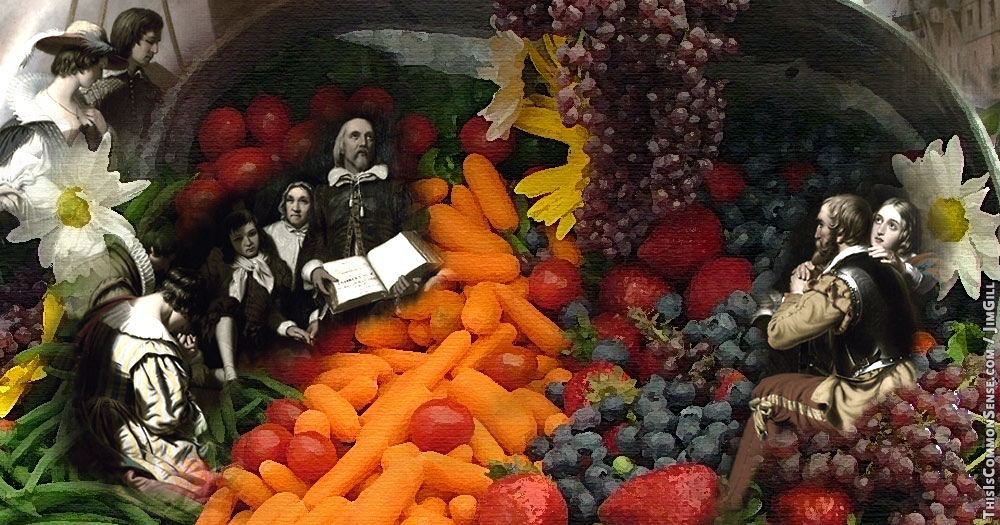
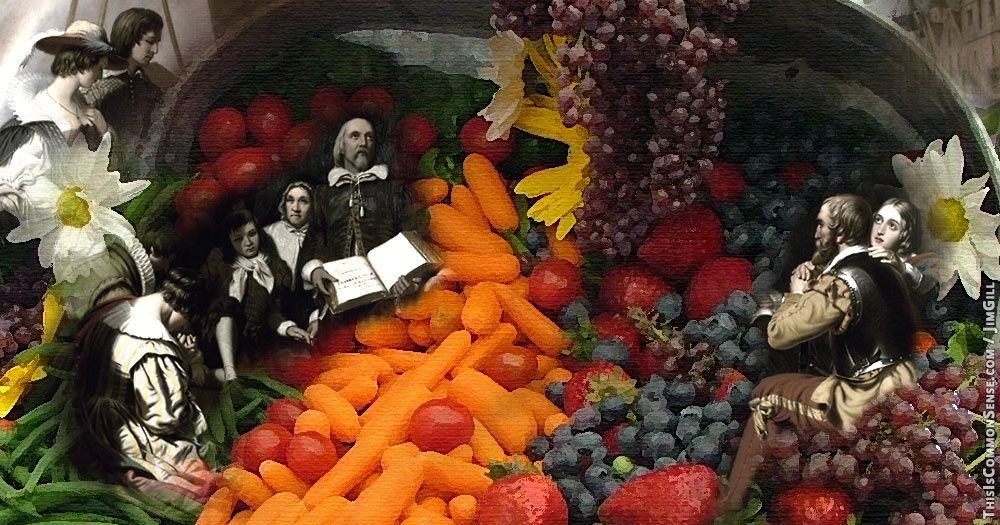
The Pilgrims we were taught about in school deserve a Paul Harveyesque “Rest of the Story” treatment. Most students were not told about how they tried communism before they wised up, though I actually had a teacher who made a point of it.

Yes, initially, the “community” owned everything, and all worked together for the greater good and the Glory of God.

Of course, it was a disaster.

The commune plan sparked sloth, shirking, family quarrels and resentment — with men regarding their wives’ work for others a “kind of slavery.”

And then near-starvation.

The solution? Privatize! They allotted land, setting “corne every man for his owne perticuler.”*

That worked well, but they still had to endure a late Spring drought, and things looked bleak. Then, after prayers and expressions of humility (as Governor William Bradford explained**), the rain returned:

It came, without either wind, or thunder, or any violence, and by degreese in yt abundance, as that ye earth was thorowly wete and soked therwith. Which did so apparently revive & quicken ye decayed corne & other fruits, as was wonderfull to see, and made ye Indeans astonished to behold; and afterwards the Lord sent them shuch seasonable showers, with enterchange of faire warme weather, as, through his blessing, caused a fruitfull & liberall harvest, to their no small comforte and rejoycing. For which mercie (in time conveniente) they also sett aparte a day of thanksgiveing.

So the most obvious political lesson to be drawn from the Pilgrim experience got lost in stories of rain and corn and Indians and such.

But it’s worth noting that Bradford wrote his discussions of communism — and how very wrong Plato and his ilk were — in his primary text, while his talk of the drought was an afterthought in his mss., and appears as a footnote in the edition I’ve consulted.

Both*** Plymouth stories deserve to be told.

This is Common Sense. I’m Paul Jacob.


*I wrote about this a few years ago, offering some of the juiciest quotations, in “Plymouth’s Great Reform.”

** Bradford’s History of Plimoth Plantation, available for free at Gutenberg.org.

***The traditional date for the first Thanksgiving is given a few years earlier, with Squanto showing up and helping them plant and all. However, Bradford’s memoirs do not use the term thanksgiving (or “thanks-giveing”) or even “thanks” in relation to the harvests of 1621 at Plymouth Colony. But there is talk of plenty of food, including that Thanksgiving specialty, the turkey:

And now begane to come in store of foule, as winter aproached, of which this place did abound when they came first (but afterward decreased by degrees). And besids water foule, ther was great store of wild Turkies, of which they tooke many, besids venison, &c. Besids they had aboute a peck a meale a weeke to a person, or now since harvest, Indean corne to yt proportion. Which made many afterwards write so largly of their plenty hear to their freinds in England, which were not fained, but true reports.



PDF for printing

pilgrims, socialism, communism, thanksgiving, sharing, shirking, illustration


Categories
Accountability crime and punishment folly nannyism national politics & policies responsibility too much government

Virtually Useless

Here is something I don’t quite understand about us moderns — we, oh-so-sophisticated citizens of the world; we who say that government is instituted to help us . . . but often we expect almost no real help when it comes to even the basics.

Take this very “virtual” venue: the Internet; “the Web.”

This wasn’t a thing in the first decade of my adult life. I never expected to spend so much time “on” something that did not, then, exist in any meaningful way.

Well, computers opened up brave new worlds for us, but, did you notice? Bad guys were right there from the beginning, making “viruses” and “spyware” and “malware” of all kinds. Destroying billions of dollars of data and equipment, robbing us of the most important thing of all: time.

And what did the United States government do?

Nothing, or next to it.

Belatedly, and haphazardly, it scraped together a digital defense for its own infrastructure, and began to cook up ways to surveil us all.

But did it offer to help? What programs did it provide the public, or the states, to assist us with bad guys trying to steal our savings, credit, and virtual identities?

I haven’t seen anything. And our local governments have stood around useless, too.

Yet I haven’t heard anyone complain.

Our security has been up to us. Long ago, John McAfee invented the first anti-virus software, and an industry grew up from his kernel — and that industry is where we turn to for help.

Government has mostly just stood by — in the sole area of the computer industry that it could plausibly have warrant to “interfere.”

This is Common Sense. I’m Paul Jacob.


Ask the next question.

Questions Answered:

Does government fulfill its main function consistently?

Who do Americans turn to for effective security?

The Next Question:

If government doesn’t even bother doing its main job, why give it more jobs?


Printable PDF

web, crime, virus, government, illustration


Categories
folly government transparency ideological culture media and media people nannyism national politics & policies

The Problem with Ruth Marcus

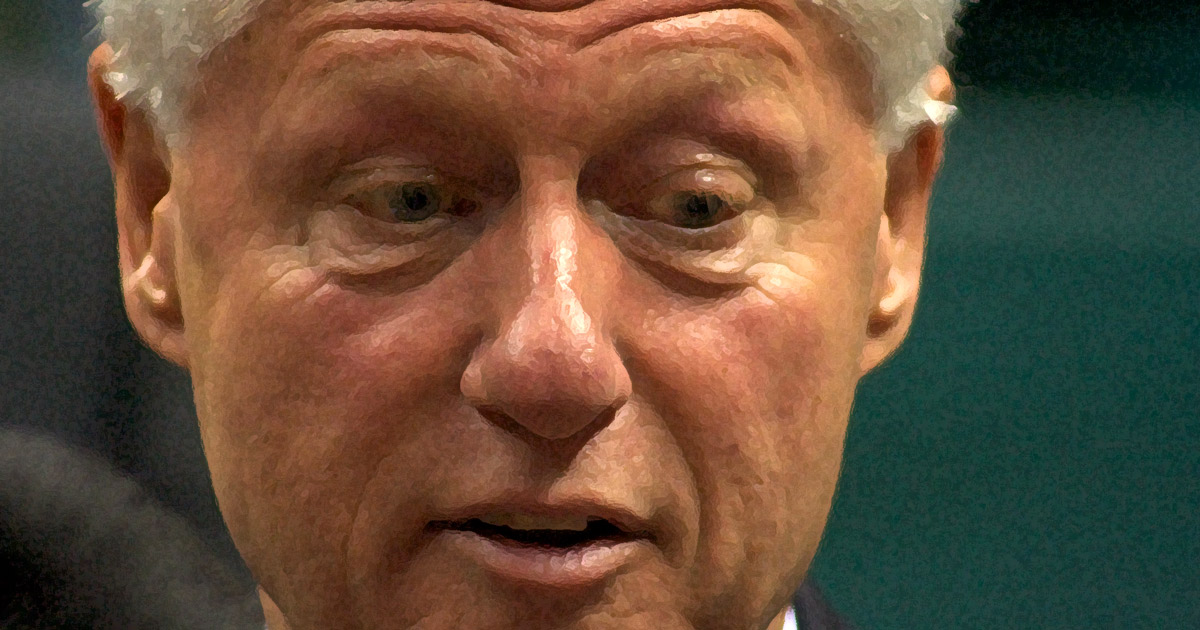
Channeling The Sound of Music’s Mother Superior, Washington Post columnist Ruth Marcus asks, “How do you solve a problem like Bill Clinton?”

Marcus means Bill’s problematic possible return to the White House, the scene of his crimes, as First Dude in a new Clinton Administration — specifically his difficulties with “the twin minefields of sex and money.”

Starting with sex, Marcus argues that, “Trump’s misbehavior with women is a far more important topic than Clinton’s” because “Trump is on the ballot; Bill Clinton is not.”

True, except that Mrs. Clinton has promised to place Mr. Clinton “in charge of revitalizing the economy,” which Mrs. Marcus called “crazy.” Maybe, but it wasn’t Trump’s idea to ballyhoo the old two-for-one Clinton couple “advantage.”

“There is no condoning a record that reflects not just serial adultery, but abuse of power,” writes Marcus. Yet, she does precisely that by adding, “Clinton was a successful president who deserved the two terms for which he was elected, but his misbehavior would disqualify him from a third term even if the Constitution allowed it.”

What?! Quite a convenient drawing of the line, eh?

Of course, the problem isn’t merely Bill, as the columnist admits: “[I]t has become clear that they cannot be trusted to appropriately navigate ethical boundaries between their private interests and public responsibilities.”

Complaining about the “incessant schnorring for private jets, luxury vacation lodging, expensive trifles” by the Clintons, Marcus warns that, “It cannot happen in a new Clinton White House, especially with a Republican Party already drooling over the prospect of congressional investigations.”

But, Ruth, how will electing Hillary Clinton the next president cause Bill & Hill to change their ways?

This is Common Sense. I’m Paul Jacob.


Printable PDF

Bill Clinton, First Gentleman


Categories
Accountability folly media and media people national politics & policies political challengers

The Un-gaffe-able Hillary Clinton

What a troublesome election season. My wife and I have argued for days . . . over which one of us first blurted out that Clinton’s statement about Mosul, Iraq, in the final presidential debate, was flat-out wrong.

Geographically. Map-wise.

Iraqi and Kurdish troops (with U.S. “advisors” and air cover) have set out to re-take Iraq’s second-largest city, under Islamic State control since June 2014. So both presidential candidates were questioned about it.

“What’s really important here is to understand all the interplay,” stated the former Secretary of State, authoritatively. “Mosul is a Sunni city. Mosul is on the border of Syria.”

The problem for Sec. Clinton?

Mosul is not on the Syrian border.

Syria is 100 miles to the west; Turkey, 75 miles north. Mosul is actually closer to the border of Turkey than Syria.

“It going to be tough fighting, but I think we can take back Mosul and then move on into Syria and take back Raqqa,” Mrs. Clinton asserted. “This is what we have to do.”

Really?

“Mrs. Clinton’s comments were uttered in the context of her strategic plan to take on ISIS,” explains Justin Raimondo of Antiwar.com. “If she really thinks that taking Mosul will somehow provide a gateway to ‘press into Syria,’ then she is in for a big surprise.”

Over at Reason.org, Anthony Fisher found that “Hillary Clinton’s foreign policy gaffe at Wednesday’s debate was noticed by almost no one in the mainstream political commentariat.”

Libertarian Gary Johnson of “What is Aleppo?” fame sure noticed, dubbing the massive coverage of his gaffe and the complete non-coverage of hers “a very hypocritical double standard.”

(Psst — they want her to win.)

This is Common Sense. I’m Paul Jacob.


Printable PDF

Hillary Clinton, Gary Johnson, Mosul, Syria, Turkey, illustration


Categories
Accountability folly national politics & policies responsibility

Successful Strategy Fails

A dark cloud hangs over tonight’s debate.

Not the sex assault scandals. Not the WikiLeaks email apocalypse. Not even the banning of Gov. Gary Johnson from the debate stage. I refer, instead, to the obvious failure of American foreign policy.

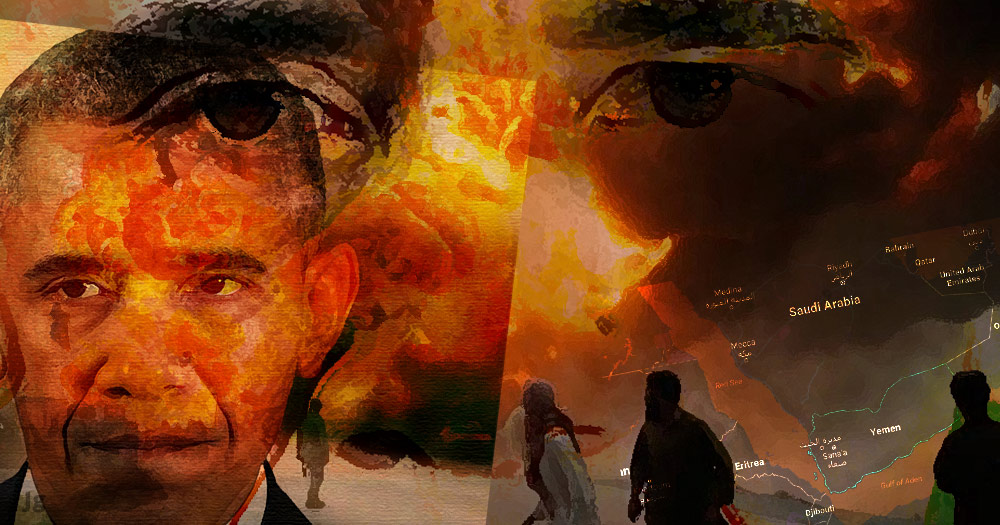
Last week, U.S. warships in the Red Sea received missile fire. Not from a “policy disaster” country, mind you, but flowing from the fruits of our flagship foreign policy success!

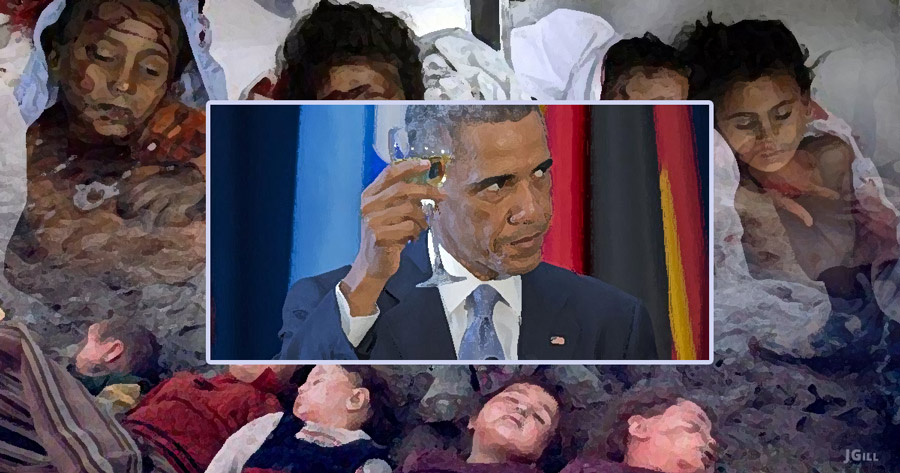
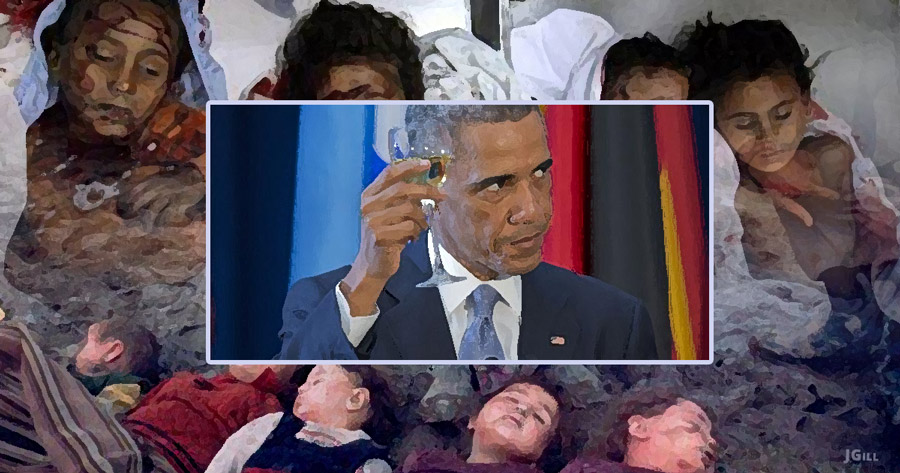
In September of 2014, President Barack Obama spoke directly to the nation about how he would fight ISIS, pointing to the “strategy . . . we have successfully pursued in Yemen and Somalia for years.”

Roughly four months later, Yemen’s U.S.-supported government fell to Houthi rebels allegedly backed by Iran. Still, the Orwellian oasis that is the state department continued to “stand by” the president’s declaration of success there.

Then, Saudi Arabia and a number of other Sunni-run states began bombing and blockading (and then invading) Yemen. With U.S. military support. Amnesty International, aid groups and Congressman Ted Lieu (D-Calif.) allege war crimes, as the bombing campaign targets civilians and medical facilities. Barely a week ago, an errant strike killed 140 members of a funeral party.

Meanwhile, as the U.S. shoots Tomahawk missiles at Yemeni radar installations, our war department spokesman refers to the return fire as “not connected to the broader conflict in Yemen.”

Sure.

And what of Somalia, Obama’s other success? In recent weeks, al-Shabab fighters have twice attacked U.S. soldiers, and a U.S. air strike mistakenly killed 22 Somali soldiers in the country’s north.

Blindly pursuing a failed strategy, Obama’s undeclared wars go on and on. So where does the likely next president stand?

This is Common Sense. I’m Paul Jacob.


Printable PDF

foreign policy, Obama, election, president, illustration


Categories
folly free trade & free markets moral hazard national politics & policies too much government

Trump’s Road Rage

There is no reason why the states shouldn’t handle their own infrastructure. Not only in funding, but in direction and method of production and “distribution.”

But politicians aiming for the presidency tend not to even consider that heresy. And journalists, of course, tend to rah-rah for the nationalist planning notion, too. It’s easier to cover everything from Washington. I remember much talk of “our crumbling infrastructure” back in the 1980s.

Thankfully, Shikha Dalmia has not jumped onto that bandwagon. The Reason writer notes that Trump is trumping Obama’s fling with “shovel-ready jobs,” demanding that the federal government spend up to a trillion in infrastructure “stimulus.”

Forget for the moment the obvious contradiction: pretending to be an outsider, Trump is pushing as “insiderish” a program as imaginable.

I wonder: is Trump playing the cuckoo here, placing an alien idea into his constituents’ nests? Are his supporters about to be “cucked”? (As alt-rightists like to put it.)

Trump looks abroad for models of beautiful roads and bridges and trains and all the rest. If you travel “from Dubai, Qatar, and China,” he bemoans, our biggest cities give off a certain “Third World” vibe.

Dalmia blanches: “the countries Trump is praising as models for a better America are all autocracies that have made a complete hash of things.”

Boy, we do not need to find another way to make a complete hash of things here in the States. And our federal budgets are strained (and pushing us further into debt) as it is.

Besides, it is not written in stone, concrete, or even asphalt, that these United States’ roads and bridges must be made the federal government’s business.

This is Common Sense. I’m Paul Jacob.


Printable PDF

infrastructure, shovel ready, government, roads, illustration


Categories
Accountability folly general freedom moral hazard national politics & policies political challengers responsibility

The Choice That Isn’t

Americans are used to being betrayed by their political representation.

This long series of infidelities has led to the current predicament, where the Republican and Democratic parties present us with the opposite of what most Americans want.

Why this vexing stalemate?

History.

The current Democratic President, Mr. Obama, gained both notoriety and trust for his stance against war. Rank-and-file Democrats rejoiced. The Bush Wars were over!

Nope. Obama grew into his role as war president.

Like his predecessor.

Under his watch, the U.S. expanded regime change to Libya, stretched the Afghanistan incursion into our longest war, and now sends more troops into Iraq. (Sans their boots.)

The peacenik manqué has discovered his talent for killing foreigners. His supporters, in consequence, “cling to” his other paltry achievements: a weak, ephemeral recovery; the imperiled, perilous Obamacare.

And a long series of lectures.

No wonder Democrats are demoralized enough to vote for hawkish Hillary Clinton, the least qualified presidential candidate in American history.

But wait, Obama hath ballyhooed: she is “the most qualified”!

Why “least”?

Because FBI Director James Comey just admitted* that any underling of his that had behaved as recklessly as she had with national security would be “disciplined” and “in big trouble.”

Instead, Americans may wind up hiring her . . . for Commander in Chief!

Republicans, on the other hand, have enthusiastically kicked at that “small government” football so many times, only to witness their “leaders” yank it away. Have they now given up? Donald Trump has no interest in limiting government; he talks of new spending programs.

With a “choice that isn’t” in these two losers, no wonder “we don’t win anymore.”

This is Common Sense. I’m Paul Jacob.


*Comey’s exact words, in July, were “They might get fired, they might lose their clearance” — expertly hedging with those mights — “There would be some discipline.” Though he could find no evidence of intent to commit a criminal act, Comey did judge Mrs. Clinton “extremely careless” and “negligent.”


Printable PDF

politics, Obama, Hiillary Clinton, lies, elections, FBI Director, James Comey, war president


Categories
Accountability crime and punishment folly general freedom media and media people

Crime and Terror and Panic

Many people think crime is going up. But it’s going down.

Similarly, many people think terrorism is “an existential threat” to our very civilization.

Could the latter folks be wrong for the same reason the former folks are?

Because news reporting concentrates on crime, covering it intensely, incessantly — if it bleeds, it leads — we get the wrong perspective on crime. The long-term trend-line shows crime going down since the early 1990s. Though we’re now seeing upticks in certain big cities, it’s simply not all getting worse.

This is not a reason to slack off. It is a reason not to panic.

How is terrorism different?

In 15 years, there has been no repeat of 9/11/01, or anything close to it. Granted, there have been horrific homegrown terror incidents. That threat remains. Though, thankfully, last weekend’s terrorist spree wasn’t more effective: One bomb fizzled, another killed no one, and the mad jihadist knifer was himself put down before anyone was killed.

Some might note that the number of deaths as a result of automobile crashes* is far, far higher than from terrorism. Why worry more about the very small number of terrorist outbreaks in a huge country like ours?

Here’s why: the terrorism is intentional, and could become worse for whatever reasons flip normal Muslim men and women into jihadist radicals. So our vigilance must not abate.

But there’s another difference. Terrorists, unlike normal criminals, want to be noticed. The more we panic, the more they are tempted to seek to cause us to panic.

Terrorism, whether going up or down, requires, along with vigilance, a certain resolute calmness.

This is Common Sense. I’m Paul Jacob.


* Deaths from automobile accidents have been decreasing for decades, a 35 percent drop from 1979 to 2005. However, last year the U.S. had the “highest one-year percentage increase in traffic deaths in half a century.”


Printable PDF

panic, terror, terrorism, media, keep calm, illustration


Categories
Accountability ballot access folly general freedom media and media people national politics & policies Regulating Protest too much government

The Two-Product Economic System

What if our economy worked like our political system?

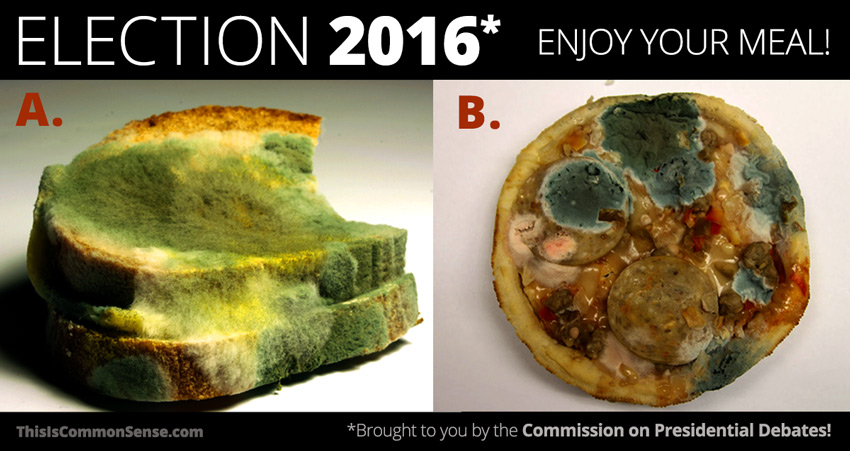
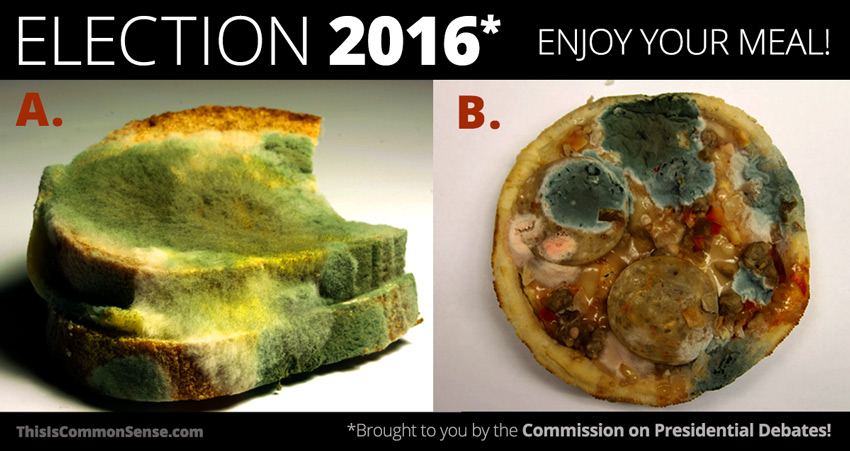
Only two major companies would provide any particular product for sale. But don’t worry — we’d still have a solid choice between “This Product Is Obnoxious” and “I Don’t Trust This Product.”

Those two companies would create a non-profit entity — a Commission on Product Debates — empowered to determine the rules under which any upstart company could present its “third-choice” product to consumers.

That Commission would prevent any third-choice product from standing on the marketplace stage where consumers could compare it face-to-face with the two established choices . . . until it captured 15 percent of the market.

Last week, in real life, the Commission on Presidential Debates announced that its upcoming September 26th debate would feature only Republican Donald Trump and Democrat Hillary Clinton.

Neither Libertarian Gary Johnson, averaging 8.4 percent in the five commission-approved polls, nor Dr. Jill Stein, the Green, at 3.2 percent, met the 15 percent threshold set by the Commission.

Forget that polls also show nearly two-thirds of consumers — er, voters, want Johnson and Stein in the debates. You can’t win ’em all.

Or any at all . . . if you can’t take your product to market. And the presidential debates are an essential space in today’s political marketplace.

No third-party or independent presidential candidate has been allowed on that debate stage since Ross Perot qualified in 1992, at the time polling at 8 percent — below Johnson’s current percentage.

That was before the Commission required a polling threshold. After those debates, one in five Americans voted for Perot on Election Day.

Duopolies do not serve us well. They cannot. That is not even their aim.

This is Common Sense. I’m Paul Jacob.


Printable PDF

election, duopoly, rotten choices, Hillary Clinton, Donald Trumpk


Categories
folly insider corruption moral hazard nannyism national politics & policies porkbarrel politics responsibility

Settled Science?!?

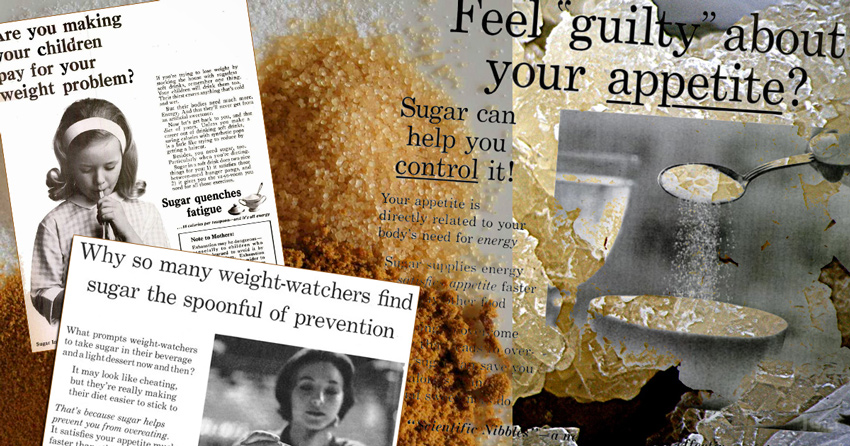
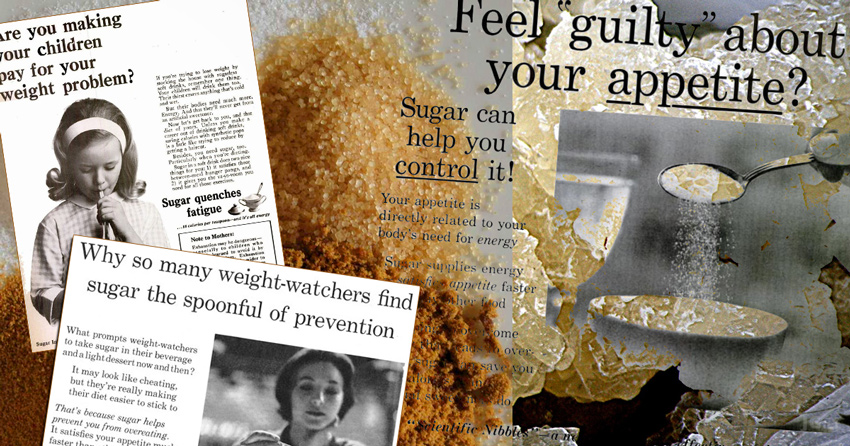
You probably know that America’s sugar industry is protected, making astounding profits because of high tariffs and artificially raised consumer prices.

And you likely know that government has worked hand-in-hand with agribiz interests to cook up (and regulate) a competitive sweetener, high fructose corn syrup. You understand that there are various types of sugar, and almost certainly suspect that refined sugar is bad for you, with high fructose corn syrup perhaps worse.

In fact, the scientific evidence for the danger of a high sugar diet has been around since the 1950s.

Well, what we now know, Elizabeth Nolan Brown writes at Reason, is “how the sugar industry essentially bribed Harvard scientists to downplay sugar’s role in heart disease — and how the U.S. government ate it up.”

Before Reason weighed in, my colleague Eric D. Dixon sent me a New York Times story, which stated the main proposition plainly: “How the Sugar Industry Shifted Blame to Fat.” But Reason’s Brown is right: it was government that really made this a nationwide disaster. The imprimatur of government sanctified the anti-fat craze, and the government’s own dietary guidance (and regulations) proved grossly wrongheaded.

Now we’re the ones who are gross.

Scientists and government (bought off by a protected industry) fed us a line that many swallowed. We increasingly swapped fat for refined sugars, causing health to decline as girths went out and weights went up.

So when I hear outrageous claims for the “settled science of climate change,” I look at my middle and doubt that “settled” part. And I nurture an unsettling thought. . . . it’s the political science that’s settled: government lies to us.

This is Common Sense. I’m Paul Jacob.


Printable PDF

sugar, lobbying, science, corruption, illustration