Categories
initiative, referendum, and recall tax policy

Extraordinarily Unusual

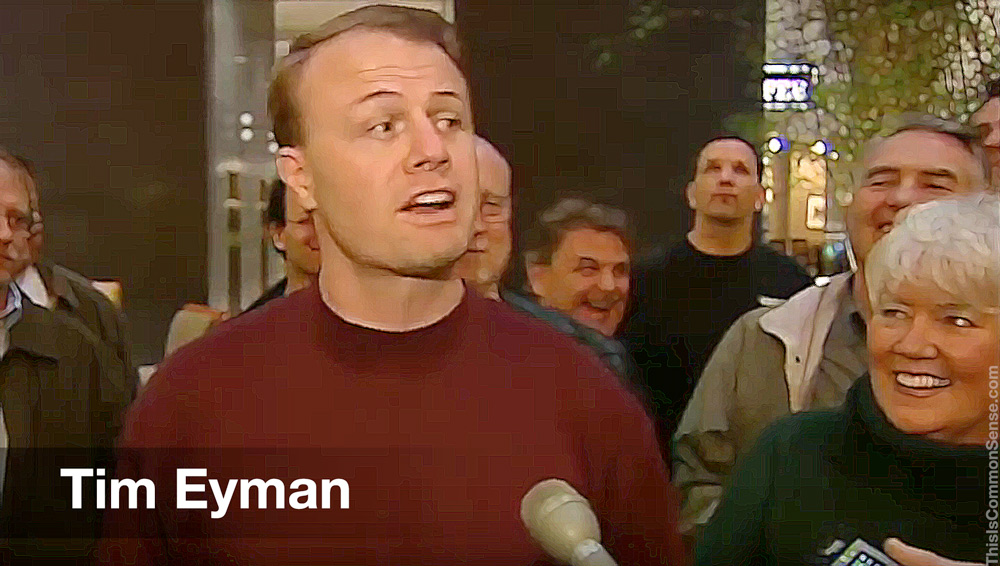
“It’s a government-​on-​government fight,” reports Seattle-​based KOMO News, as the Pierce County Council voted 4 – 3 to provide assistance in defending Initiative 976 in court.

The ballot measure, which limits car license fees among other provisions, passed 53 to 47 percent statewide last month, including a whopping 66 percent affirmative vote in Pierce County. And — you guessed it — I‑976 was immediately swarmed by life-​devouring locusts — er, I mean, sued by “a handful of counties, cities, transportation agencies, and one transit rider.”

In short, many governments seek to undo a vote of the people … along with a lone citizen to serve as fig leaf.

Against only one government, Pierce County, now joining the voters.

Late last month, a judge in King County, one of only four counties (out of the state’s 39) to vote against I‑976, issued a preliminary injunction blocking implementation of the initiative, while the case is being adjudicated. 

The voter-​approved measure does have Attorney General Bob Ferguson lawyering on its behalf. But Mr. Ferguson has been engaged in a multi-​year civil lawsuit against Tim Eyman, the sponsor of 976. The two aren’t friends. And the AG is no friend of lower taxes, either. No surprise, then, for Eyman to talk of “sabotage” and Ferguson’s mere pro forma defense: “he truly doesn’t want it to succeed.”

This isn’t a government-​on-​government fight, but governments-​versus-​voters. With the wonderful exception of Pierce County, where political representation still lives.

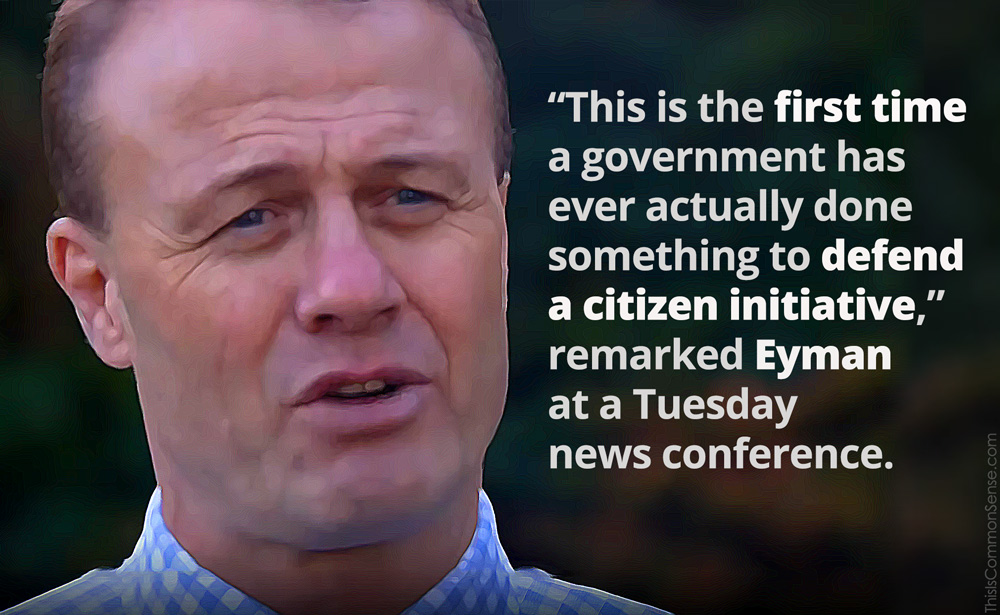
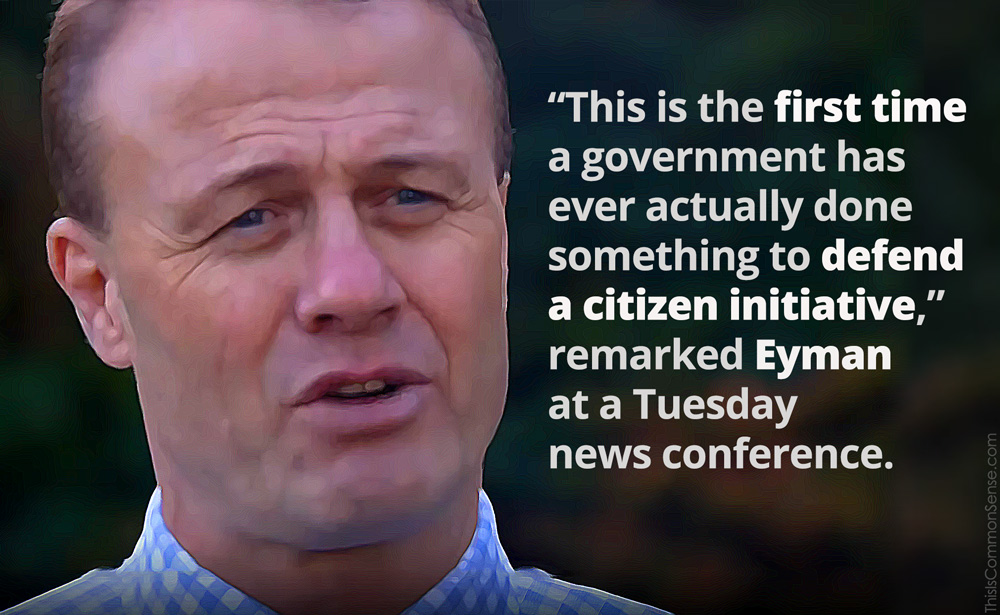
“This is the first time a government has ever actually done something to defend a citizen initiative,” remarked Eyman at a Tuesday news conference. 

“It is really extraordinarily unusual,” he added.

That’s how out-​of-​control government in our “democracy” is. 

This is Common Sense. I’m Paul Jacob.

PDF for printing

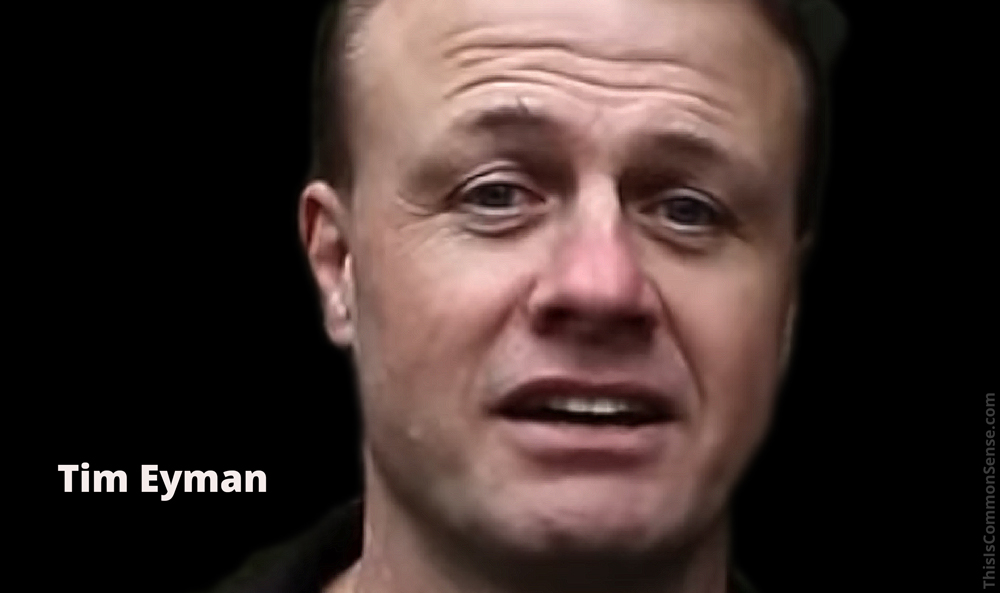
Tim Eyman

See all recent commentary
(simplified and organized)
See recent popular posts

Categories
political challengers

One of Us?

As the Democratic Party presidential campaign began heating up earlier this year, one of the stars faintly streaking across the sky was Washington State Governor Jay Inslee. In the over-​populated ranks of presidential wannabes, he stood out not for being exceptionally nutty, but for so memorably presenting the new Nut Normal of America’s oldest political party.

In August he dropped out for lack of support, but that doesn’t mean his political career is over. He is back in his home state demonstrating the case for term limits. 

That is, he is running for a third gubernatorial term.

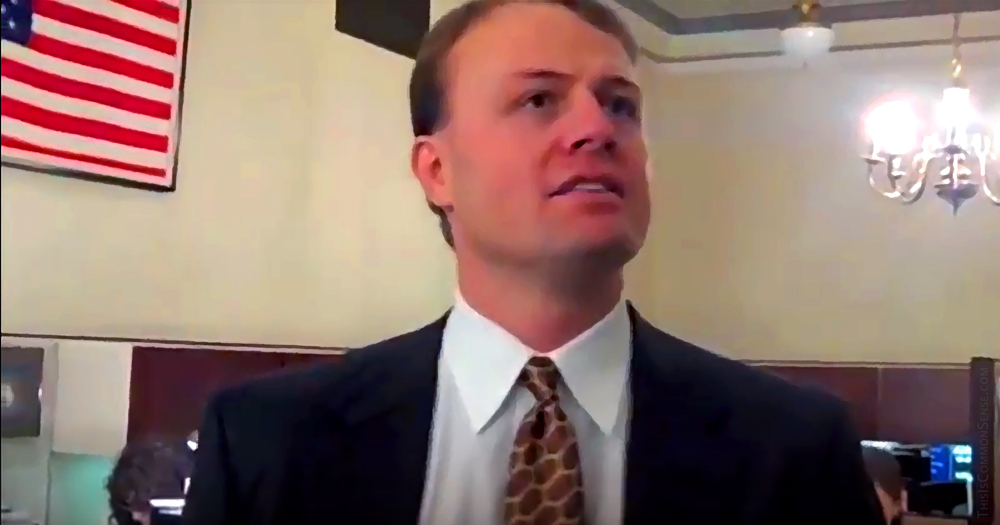
Fortunately for Evergreen State voters, there are alternatives. Indeed, one in particular: Tim Eyman.

I mention Eyman often enough that I could almost get away without introducing him now. He is arguably the most effective user of initiative and referendum in the country — offering common-​sense issues a majority of voters favor, especially tax limitation and reduction measures.

On his campaign website he sports a sweatshirt emblazoned with “Let the Voters Decide,” which is so democratic it almost makes you wonder why the state’s Democratic Party isn’t embracing him.

But we know why — the very last thing Democratic political machines want is democracy!

Running as neither an R nor a D, Mr. Eyman’s campaign slogan is “One of us as Governor!”

And considering the popularity of his many initiative measures designed to combat their elected representatives’ love of raising taxes and “fees” — especially on automobiles — as well as the way politicians in Olympia (including that ultimate insider, Inslee) freak out over the very name “Eyman,” it promises to be a very interesting and entertaining race.

This is Common Sense. I’m Paul Jacob.


Tim Eyman, governor, Washington State, democracy,

See all recent commentary
(simplified and organized)
See recent popular posts

Categories
initiative, referendum, and recall tax policy

My Favorite Control Group

Tim Eyman strikes again. 

In deep blue Washington State, the ballot measure activist celebrated another Election Day victory last week with Initiative 976, limiting vehicle taxes. Not to mention Referendum 88, whereby voters kept a ban on government use of racial preferences, enacted via an initiative Eyman had co-​authored two decades ago.

And still, there were a dozen more issues on last Tuesday’s statewide ballot thanks to Mr. Eyman’s 2007 initiative, I‑960, which mandates “advisory votes on taxes enacted without voter approval.” (Also thanks to state legislators, I guess, for racking up 12 new tax increases this year without bothering to ask voters!)

Yet, perhaps it matters not at all. Nearly two million votes cast on each of these measures? Three supported by a majority? Nine rejected? Two esteemed Evergreen State newspaper columnists pooh-​pooh them as “meaningless.”

“The Legislature has never taken the voters’ advice when they say a tax should be repealed,” writes Spokane Spokesman Review columnist Jim Camden. 

That’s a failing of the Legislature, Jim,* not these advisory measures … which you seem to acknowledge when you write that these votes at least “provide a good control group for any experiment on the voters’ knee jerk reaction to higher taxes.”

If legislators cared to know. 

While dumping on the dozen measures as “an empty remnant of an earlier initiative,” The Columbian’s Greg Jayne notices that “their presence on the ballot this year reminded voters, over and over again, of the Legislature’s spendthrift ways.”

Helping create an anti-​tax mood that spurred support for I‑976.

Not bad for being meaningless.

This is Common Sense. I’m Paul Jacob.


* I use his first name because I know Mr. Camden from decades ago when he was a reporter covering House Speaker Tom Foley, who after suing to overturn the 1992 citizen initiative for term limits became the only Speaker defeated for reelection since the Civil War. 

PDF for printing

Tim Eyman

See all recent commentary
(simplified and organized)
See recent popular posts
Categories
initiative, referendum, and recall insider corruption

Revolt of the Desk Jockeys

Our Constitution guarantees that each state of the union provide a republican form of government.

Does that mean that all that is prohibited is … monarchy?

No. 

One very common form of modern governance is deeply anti-​republican, requiring — at the very least — strict regulation to prevent it from usurping our form of government. And what is this dangerous variety? The kind an economist defined centuries ago: “We have an illness in France which bids fair to play havoc with us; this illness is called bureaumania.” He called it “government by desk,” or, “bureaucratie.”

Yes, bureaucracy.

You might think I’m about to launch into another attack upon the Deep State, perhaps in relation to the ongoing coup-​by-​desk of the Trump Presidency.

But no. Let us turn to the other Washington, the one with the capital named Olympia.

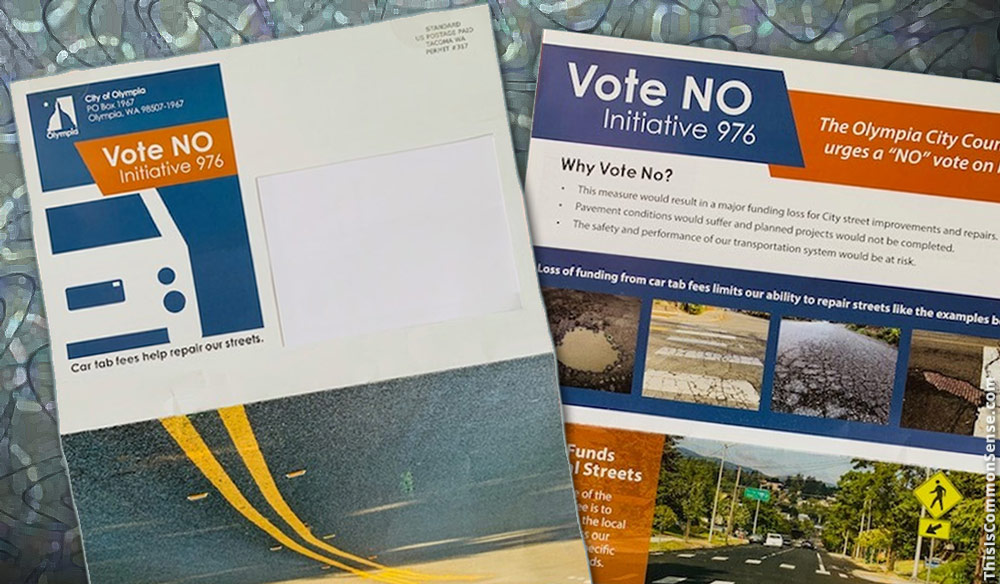
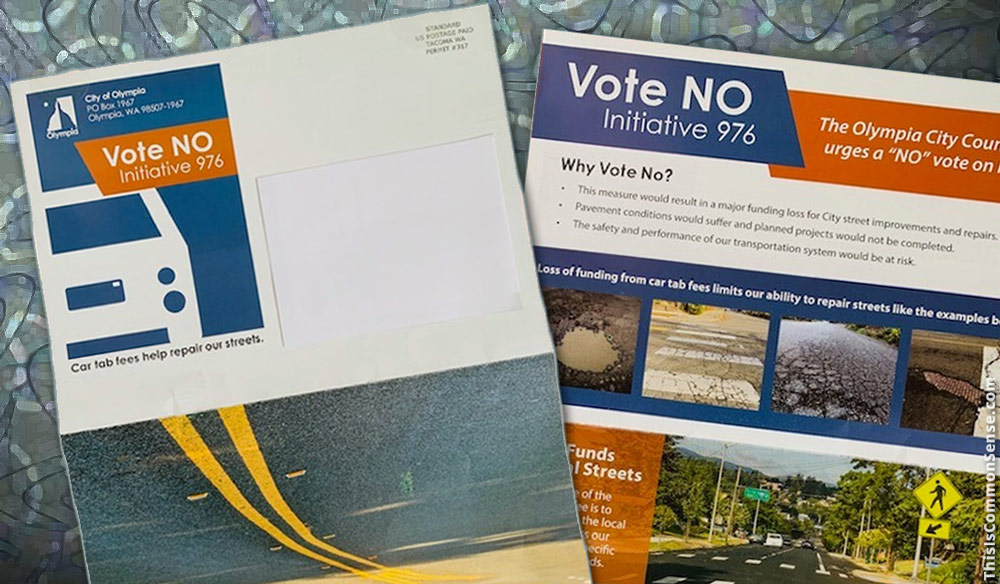
In that hotbed of politics-​as-​usual, the city government printed out and mailed — on the public dime — a pamphlet entreating voters to vote against I‑976, a state-​wide initiative that had been advanced onto the ballot by Tim Eyman* and hundreds of thousands of voter signatures.

Even if it had been a broadside for the initiative this would have been very, very bad.

In republics, those who inhabit public desks must not be allowed to hijack election campaigns from those who are, ultimately, in charge: the citizens.

And in Washington State by law: RCW 42.17A.555 broadly and strictly prohibits using public resources for campaigning.

Apparently, public servants in the Evergreen State (as elsewhere) do not see that they themselves can corrupt our form of government.

Which makes this government-​printed pamphlet a very serious breach of law indeed. 

This is Common Sense. I’m Paul Jacob.


* You may remember me talking about Eyman before — often. I have called him the most effective limited-​government activist in these United States. And it is from Eyman himself that I learned of this story.

PDF for printing

See all recent commentary
(simplified and organized)
See recent popular posts
Categories
initiative, referendum, and recall tax policy

The Legislature That Couldn’t Tax Straight

“If you lost count of how many new and higher taxes state lawmakers passed this year,” begins Jerry Cornfield’s recent column in the Everett Herald, “it was 12.”

Cornfield doesn’t appear too distressed about the tax hikes, however, worrying instead that Evergreen State voters will be “awash in tax advisory measures this fall.”

That’s because for every tax increase the Washington State Legislature enacts without putting it to a vote of the people of Washington, an advisory vote is mandated by Initiative 960, passed by voters back in 2007.

So 12 tax increases = 12 tax advisory votes. 

“We wouldn’t be talking about advisory votes and providing Eyman a platform for politicial [sic] ministering,” Mr. Cornfield complains, “had Democratic lawmakers gotten rid of them by passing Senate Bill 5224.”

Seems odd somehow that a newspaper columnist would be berating politicians for not passing a law to silence voters regarding tax hikes. Democrats could have done so without a single Republican vote. SB-​5224 did pass the Senate, but it was blocked in the House by the Democratic Speaker — “democratic,” thankfully, in more ways than one.

Eyman is Tim Eyman, the state’s anti-​tax initiative leader. His group, Voters Want More Choices, spearheaded Initiative 960, which from 2008 to 2018 required 19 tax advisory votes. Voters have expressed opposition to 12 of the 19 tax increases passed by the legislature — 63 percent — and support for seven. 

“It’s a tax increase report card,” explains Eyman, “and the Legislature this year gets an F.” 

A grade that was certainly earned.

This is Common Sense. I’m Paul Jacob.


PDF for printing

Tim Eyman, Senate Bill 5224, taxes, vote, democracy,

See all recent commentary
(simplified and organized)
See recent popular posts

Categories
Popular tax policy term limits

Terms for Taxes

Years ago, I dubbed Tim Eyman “America’s #1 freedom fighter,” and how does he repay me? Washington State’s anti-​tax crusading initiative guru has gone and stolen my bread-​and-​butter issue, term limits … and married it up with another one of his tax initiatives. 

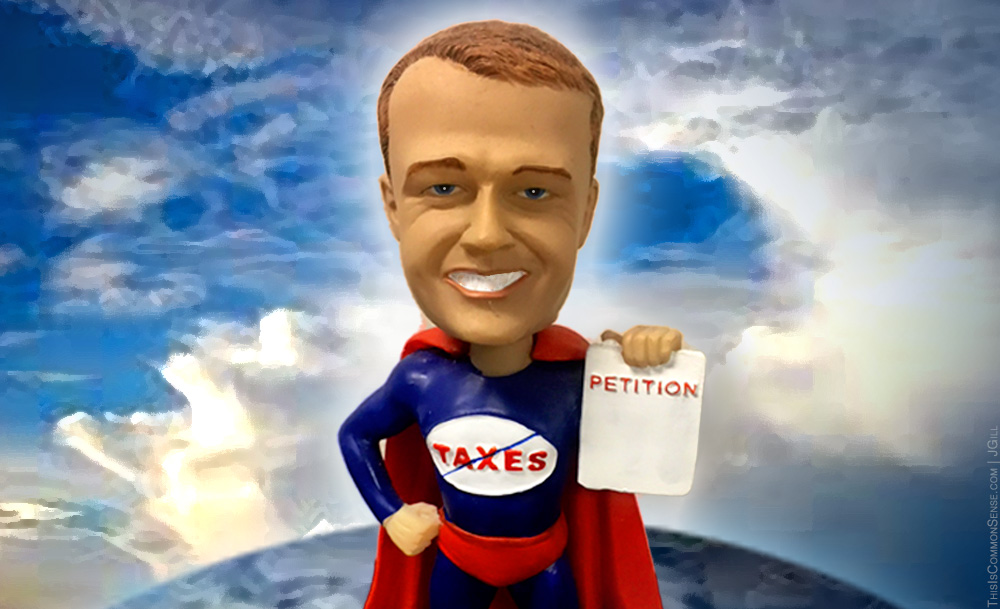
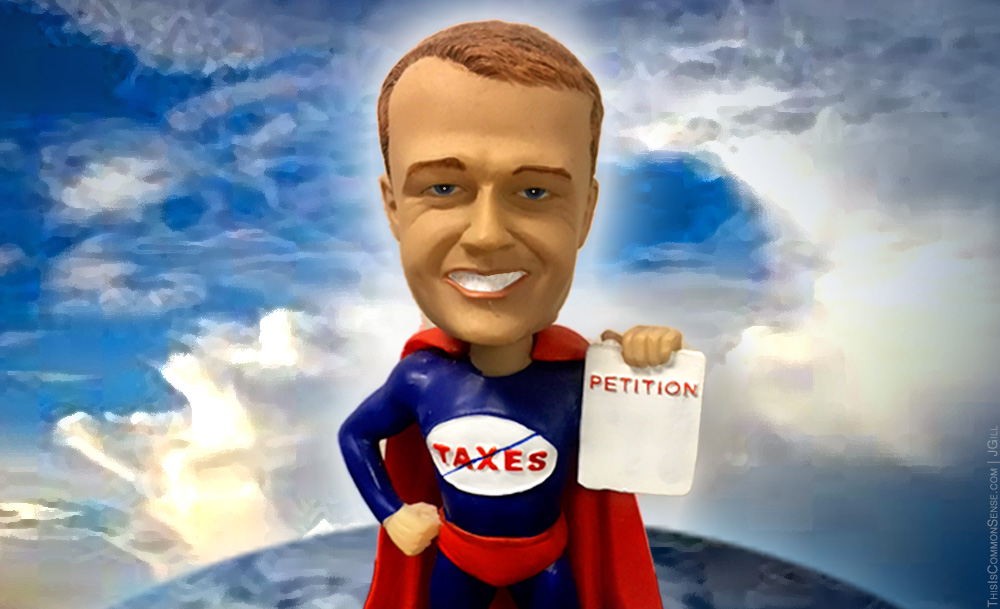
He’s calling Initiative 1648: Term Limits on Taxes

“This measure would require state tax increases to expire after one year unless approved by a majority vote of the people,” informs the official ballot title, “and immediately terminate any tax increases imposed in 2019 without such approval.”

Did someone say “tax increases”? 

“They went absolutely bonkers this legislative session,” Eyman told radio host Lars Larson recently. “There were 11 tax increases; they totaled over $27 billion over the next ten years. And there’s just no checks and balances.”

Speaking with Dori Monson of KIRO Radio, he noted that “all of them were passed without a vote of the people. This initiative says whenever they raise taxes without a vote of the people, we’re going to put it on a strict time limit.”

But with a July 5th deadline, supporters have less than two weeks left to gather the 320,000 voter signatures required on the petition.

It is terrible that Evergreen State voters can’t term-​limit their state legislators directly. But in 1998, the state supreme court struck down a term limits initiative passed by voters, ruling that a constitutional amendment was required — something only legislators can propose. 

Now, thanks to Mr. Eyman, at least voters can slap term limits on their legislators’ tax increases. 

Still, he stole the idea from me.

This is Common Sense. I’m Paul Jacob.


tax man, taxes, Tim Eyman, term limits,

See all recent commentary
(simplified and organized)
See recent popular posts
Categories
initiative, referendum, and recall

Advice & Conceit

The core idea behind the institutions of representative government — state legislatures, city councils, Congress — is that lawmakers, sometimes called “representatives,” endeavor to implement “the will of the people.”

To do so … necessarily entails knowing the public’s preferences.

Hmmm. How to find out what people want? Or don’t?

A ballot initiative sponsored by Tim Eyman and Voters Want More Choices offered one method, mandating advisory votes for Washington State’s electorate to approve or disapprove the last 19 tax increases passed by legislators.

These advisory tax questions sometimes garnered more votes than races for superintendent of public instruction and the state supreme court. Results? Mixed. Seven times voters favored the legislators’ tax hikes, while opposing the other 12. 

Either way, good info for legislators to know, no? 

No … apparently. Conceited Washington state politicians don’t want to know what voters think. The core idea behind Senate Bill 5224 is stopping voters from officially expressing their will on taxes by getting rid of these pesky advisory votes.

In testimony last week, Tim Eyman reminded legislators that voters have four times mandated advisory votes on tax increases (2007, 2010, 2012, 2015); have six times voted to require a two-​thirds legislative majority to raise taxes, only to have those measures overturned in court; and that legislators have prevented citizens from using the state’s referendum process by attaching phony emergency clauses to tax hikes.

“Give the peasants a couple of crumbs,” Eyman beseeched, “and let them at least express an opinion at the ballot box.”

This is Common Sense. I’m Paul Jacob. 


PDF for printing

Tim Eyman, democracy, initiative

See all recent commentary
(simplified and organized)
See recent popular posts

Categories
initiative, referendum, and recall local leaders term limits

The Seinfeld Referendum

There is an unmistakable connection between Washington State initiative guru Tim Eyman and New York City comedian Jerry Seinfeld.

Mr. Seinfeld gave viewers what they wanted for nine seasons as the star of the self-​named 1990s hit television sitcom, Seinfeld. It was slyly defined as “a show about nothing.”

Meanwhile, Mr. Eyman has been giving voters what they want (psst: more choices) for even longer — initiating ten successful ballot measures in the last two decades. And, believe-​it-​or-​not, Eyman’s latest ballot measure is also “about nothing.”

The Washington State Citizens’ Commission on Salaries for Elected Officials “is recommending raises over the next two years totaling 17.6 percent for legislators, 17.8 percent for judges, 6.6 percent for Gov. Jay Inslee, 13 percent for Lt. Gov. Cyrus Habib as well as increases for others,” the Statesman-​Examiner (Colville, Washington) reports.

This is one of those faux citizens’ commissions. “It’s totally rigged,” Eyman tells supporters, adding that “one of [the commissioners] is actually the husband of a state supreme court justice!”

Eyman reminds his fellow citizens of the Evergreen State that, regardless of the size of any proposed pay hike, they possess “the absolute right” to a referendum vote on the matter.

“Politicians say they are just scraping by. I think they can make it,” mocks Eyman to reporters. “[Governor] Jay Inslee will have to scrape by with $354,000 over the next two years.”

Along with Spokane resident Jack Fagan and Spokane City Councilman Mike Fagan, Eyman prefiled a referendum to reverse these pay raises. It’s called the “Give Them Nothing!” Referendum.

Has a nice ring to it, no?

This is Common Sense. I’m Paul Jacob.


PDF for printing


» See popular posts from Common Sense with Paul Jacob HERE.


Categories
Accountability general freedom government transparency initiative, referendum, and recall local leaders moral hazard nannyism national politics & policies

Principle and Compromise

Last Friday, Tim Eyman — the Evergreen State’s best-​known ballot initiative practitioner — won an important court case.

But he also scuttled an amazingly impressive compromise between state legislators, police, and the proponents of Initiative 940.

The measure was written and promoted by De-​Escalate Washington, a group that includes several relatives of deceased victims of recent controversial police shootings. I‑940 would implement violence de-​escalation and mental health training for police, and require law enforcement personnel to provide first-​aid to save lives. Most likely Washington voters tell pollsters they approve.

De-​Escalate Washington got the required signatures, sending this “indirect initiative” to Olympia. The Legislature was faced with three choices:

  • approve the initiative as written; 
  • not act, letting the measure go to the ballot; or 
  • approve an alternative and place both proposals on the ballot.

The Legislature tried to “create a fourth option”: it passed the measure with amendments.

And that’s what Thurston County Superior Court Judge Christine Schaller found unconstitutional. She sent the measure, un-​amended, to the ballot for a vote of the people.

Interestingly, those amendments were the result of negotiations among the measure’s advocates, the police, and the Legislature. There had been many congratulations all around on the “historic” compromise. But, “historic” or no, legislatures must follow the law.

Tim Eyman is pleased that the court defended the constitutionally defined initiative process by definitively siding against the backroom compromise.

And voters will still get the chance to vote on the proposal.

This is Common Sense. I’m Paul Jacob.


PDF for printing


Categories
Accountability ballot access general freedom government transparency initiative, referendum, and recall local leaders national politics & policies political challengers responsibility tax policy term limits too much government

What Unlimited Government Costs Us

“Olympia can’t restrain itself,” Tim Eyman wrote the other day, a judgment on legislative irresponsibility hardly unique to the Evergreen State. Citizens around the country have cause to lament the difficulty of obtaining anything close to a good legislature. 

Too often the merely “bad” would constitute a significant improvement.

Which is why legislators need to be put on a short leash. Limits on government must be written into law, where possible into either the U.S. Constitution or state constitutions, so the limits cannot be tampered with by legislators, good or bad.

Washington State initiative guru Tim Eyman, cited above, has made a career of working for just those kinds of limits. In 2007, Eyman and the citizen group Voters Want More Choices petitioned onto the statewide ballot a requirement that any tax increase must receive a two-​thirds vote from both legislative chambers. 

Voters passed the measure* in 2007, 2011 and 2012. 

In an email to supporters this month, Eyman presents data — an “amazing real-​world comparison” — to help us understand how effective the limits were … while they lasted.

He notes that “with the 2/​3 rule in effect from 2008 – 2012, those 5 legislative sessions cost the taxpayers $6.894 billion” in increased taxes.

And he compares that to the five years (2013 – 2017) since the state’s highest court struck down the voters’ two-​thirds mandate: “WITHOUT the 2/​3 rule, those 5 legislative sessions cost the taxpayers $23.679 billion.”

“Without the fiscal discipline imposed by citizen initiatives,” Eyman concludes, “politicians cannot hold back.”

Now we have hard evidence for what unlimited government costs us: more than three times more!

This is Common Sense. I’m Paul Jacob.


* Washington State’s ballot initiative process allows voters to pass simple statutes but not constitutional amendments. For two years after passage, legislators must garner a two-​thirds vote to override a ballot initiative. After those two years, only a simple majority is required.


PDF for printing