Categories
ideological culture political economy Popular

Test of Humanity

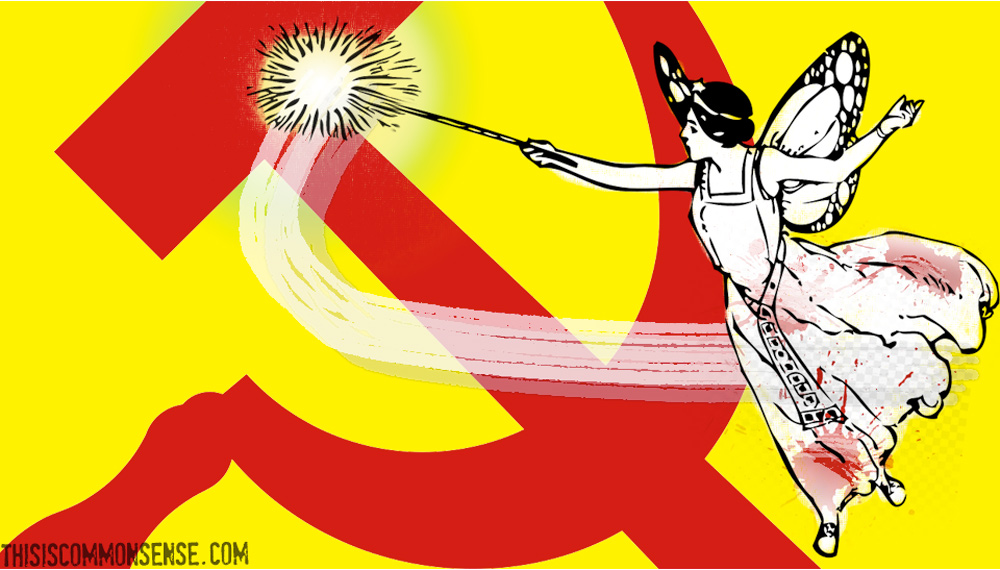
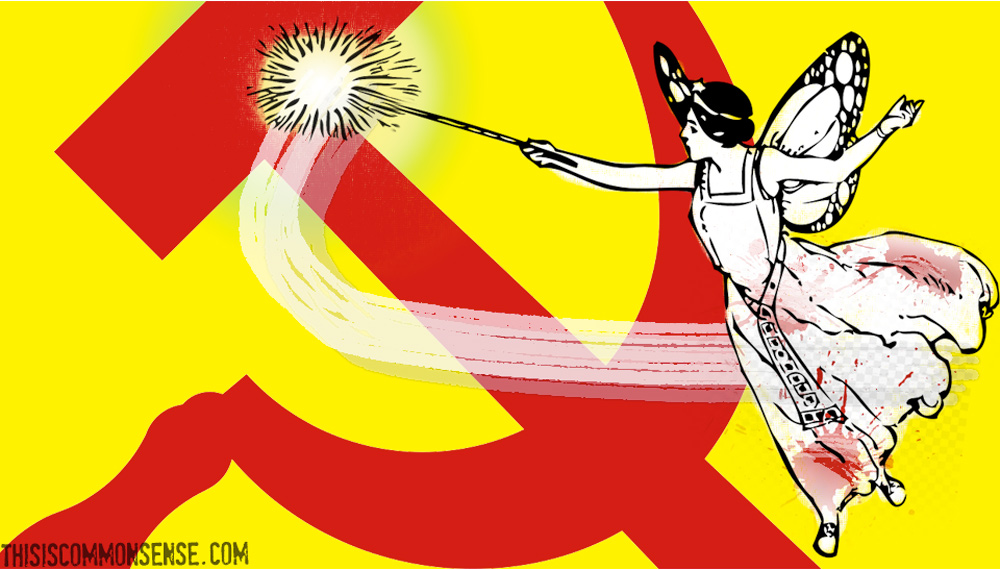
It has been a big week for socialism — or, rather, anti-socialism.

The high point was probably President Trump’s State of the Union Address, in which he opposed not only the murderous, ruinous regime in Venezuela, but also the rising tide of socialism in the Democratic Congress — with Senator Sourface, er, Bernie Sanders, trying not to explode as he heard that taboo word “free” applied to America . . . not goodies.

Meanwhile, Panera Bread announced, The Blaze reports, that it is closing “its last pay-what-you-can restaurant, located in Boston, on Feb. 15.”

“Panera Cares” was, it appears, “initially created to serve food to low-income people nine years ago in 2010,” but sure seemed to be itching to prove a sort of post-capitalist point. The company’s founder, Ron Shaich, said that “the program’s aim was a ‘test of humanity.’”

More like a test of gullibility.

No branch of the “experiment” ever ran in the black. Like experiments in society-wide socialism, it relied upon subsidy to carry on — but unlike in socialism, Panera could not force people to cough up the dough needed to keep it going.

Once upon a time, the great economist Vilfredo Pareto, during a lecture, was repeatedly interrupted by one Gustav von Schmoller, who denied that economists had discovered any enduring principles, especially ones that would undermine his beloved socialism. So Pareto dressed down as a bum and approached Schmoller on the streets, inquiring about a restaurant that served meals for free. When Schmoller told him that there were only cheap, but no free meals, at restaurants, Pareto stood up with the ultimate gotcha: 

“So there are laws in economics!”

Socialism fails reality’s test. 

Humanity has not failed socialism’s.

This is Common Sense. I’m Paul Jacob.

PDF for printing

Velfredo Pareto, economics,laws, socialism

See all recent commentary
(simplified and organized)
See recent popular posts

Categories
Accountability free trade & free markets general freedom ideological culture media and media people national politics & policies

Driven to Sanity

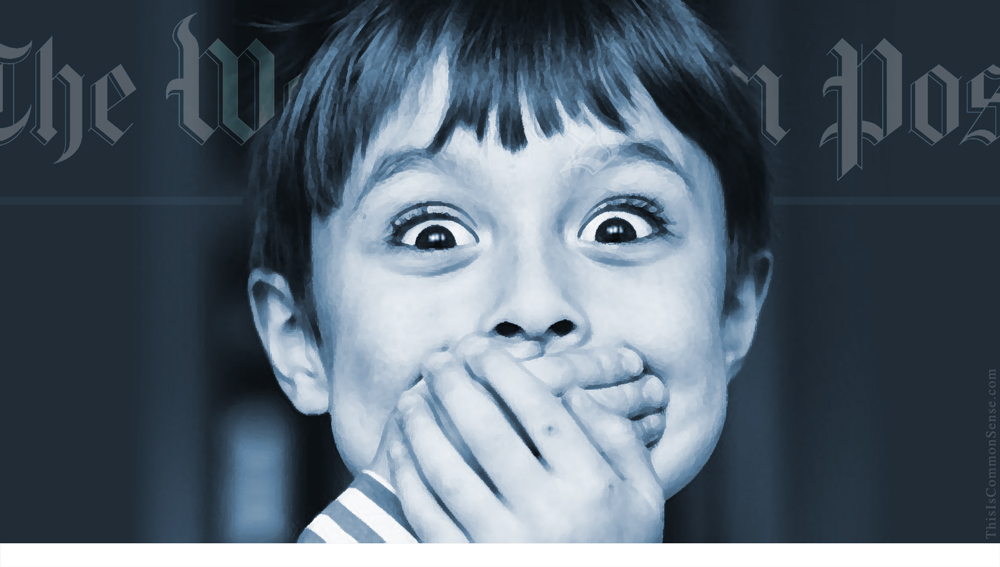
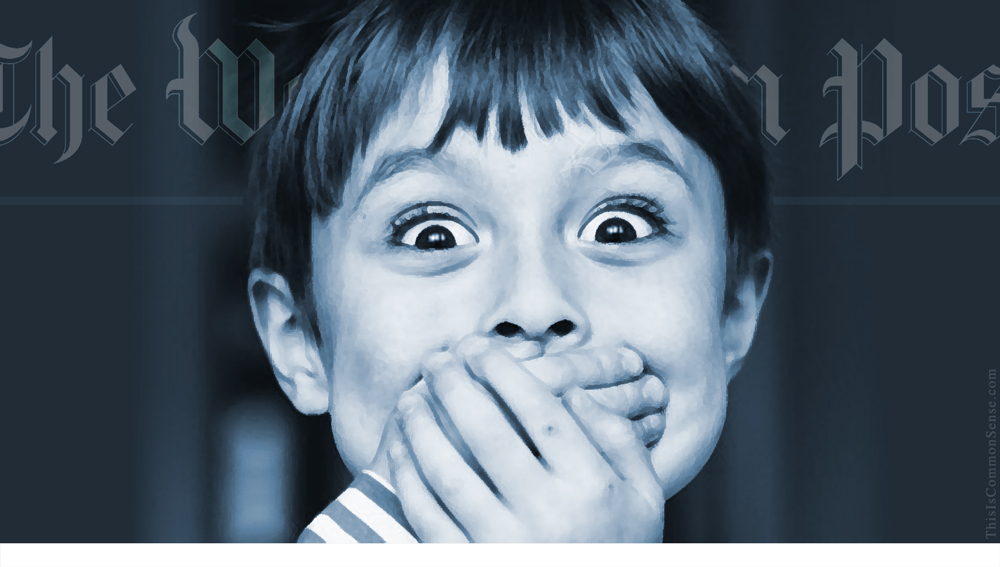
Having the federal government centrally plan the economy is “a huge waste of everyone’s time and resources” states an amazingly common-sensical Washington Post editorial.

“In a well-functioning modern economy, businesses are generally free to buy and sell the things they need, absent a compelling public need for government intervention,” the editors further expound.

Hmmm, a capitol-town rag that regularly extols the virtues of big government regulation of everything now notices the importance of freedom.

Of avoiding, especially, a system where bureaucrats and other government bullies micromanage commerce.

“Were we directed from Washington when to sow and when to reap,” Thomas Jefferson wrote long ago, “we should all want for bread.”

And aluminum.

“Worse,” the Post argues, the system “also politicizes — and, indeed, corrupts — economic life. Companies that feel threatened by any particular tariff exclusion request have the right to present their objections to the Commerce Department, meaning that each decision represents a high-stakes competition for federal favor between at least two companies with every incentive to influence it through lobbying, campaign contributions, you name it.”

Correct. It seems we may have Donald Trump to thank for opening the Post’s eyes. 

“[T]he way to get ahead in Mr. Trump’s economy,” those editors conclude, “is not making better products for the people, but making better connections in Washington.”

Tragically true.

But, sadly, true long before Mr. Trump entered the White House. No new powers have been given to Trump. 

Let’s drain the stinking Washington swamp. Let’s end the corrupting influence of a regulatory state run amok. Let’s limit the power of the people wielding political power.

How?

Free the markets!

This is Common Sense. I’m Paul Jacob.


PDF for printing


Categories
Accountability folly general freedom government transparency moral hazard national politics & policies porkbarrel politics responsibility too much government

While the Clock Ticks

Pushing annual federal spending over a trillion bucks into the red?

It has consequences.  

“Our debt is growing, and it’s growing fast,” writes Veronique de Rugy at Reason. “Though it’s a shame that lawmakers passed tax cuts without cutting spending to offset short-term losses in revenue, there’s no doubt that Social Security and Medicare deficits are almost entirely to blame for our impending debt crisis.”

Ms. de Rugy, a senior research fellow at the Mercatus Center, has a typo in the version of her article that I read (it has probably since been corrected): “Based on current trends, the debt held by the public is set to reach $15.7 trillion by the end of this year and continue rising to $28.7 trillion by 2028.” She surely meant “$25.7 trillion,” since the current debt clock figure shows the U.S. public debt at over $21 trillion. Still, $25.7 seems a bit high . . . but at this point we can leave the exact numbers to the professionals.

We just know that the debt’s too damn high.

As de Rugy explains, it has present as well as future cost. And, yes, entitlements are the biggest problem — but even more than Ms. de Rugy suggests. Congress owes the Social Security “trust fund” (in Al Gore’s infamous and non-existent “lock box”) nearly $3 trillion.

Our solons would have to (painfully) switch from revenue deficits to revenue surpluses just to pay off its debt to a much-relied upon institution.

What will happen, though, is surely this: Congress will borrow more from elsewhere to pay what Social Security needs — which all too soon will be a lot more than $3 trillion.

That’s not Common Sense. (But I am Paul Jacob.)


PDF for printing


Categories
Accountability free trade & free markets general freedom national politics & policies tax policy

Death and . . .

It’s a sure thing — that most folks will like President Trump’s tax cuts. Though we don’t yet know all the details.

When it comes to taxes, less is more

That is, if you’re paying taxes. It is no great mystery that people like it when their own taxes are reduced.

But what about reducing other people’s taxes?

“The core economic case for tax cuts is that they reduce the obstacles to creative and productive activities,” economist Don Boudreaux explained yesterday at the Café Hayek blog.

Cutting the corporate tax rate — which even former President Bill Clinton supported during last year’s campaign — won’t immediately appear in people’s paychecks, but can stimulate economic growth helping everyone. Recent experiences in both Britain and Canada bear this out.

Cutting taxes, of which “the rich” pay more, can also spur growth.

Yet, these ideas do not dominate popular discussions of tax cuts. Boudreaux lamented media reporting that treats any tax reduction as simply a “‘gift’ to high-income earners,” dubbing the coverage: “Biased. Benighted. Blind.”

“Suppose that freedom of the press were reported in the same way as . . . a ‘giveaway to the press’?” he asked. “Most people, of course, do not own newspapers or other media outlets.”

Boudreaux concluded, “When the press is free, the chief beneficiaries are the general public.”

Freedom — of both the press and to keep more of the fruits of our labors — helps the common man. As well as the uncommon man. A tax cut for me helps me directly, and you indirectly. And vice versa. Just as a free press is great for those in journalism as well as those of us not in journalism.

That is not blind, but eyes open; not benighted, but enlightened; not biased, but . . .

. . . Common Sense. I’m Paul Jacob. 


Printable PDF


Categories
Accountability free trade & free markets national politics & policies property rights too much government

Three, Three, Three Mints in One!

Microsoft just announced an innovation that might give folks who fear business behavior — or are extremely skeptical of the positive public outcome of markets pause.

The Bellevue, Washington, company is adding Google calendar connectivity for its Macintosh users of Outlook 2016.

[Pause.]

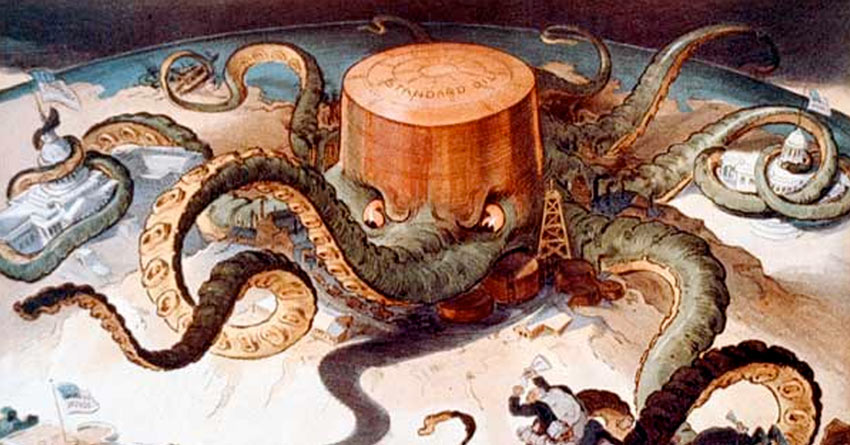
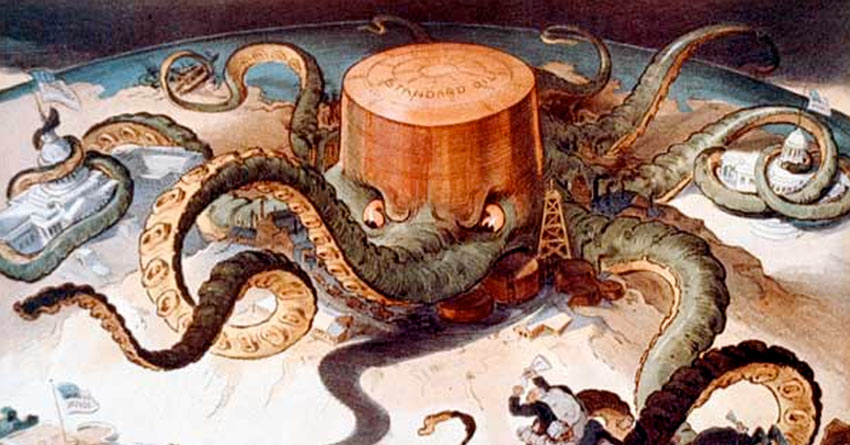
You see, monopolies give us the willies. We do not trust them. Yet, despite our fears and suspicions, big business activity in a free market does not lead inevitably to One Corporation Ruling Them All. Or chaos.

Why believe that? This Microsoft Outlook story.

Most folks’ worries about monopoly come down to fear of out-of-control competition. In many industries, for the industry to work, there must be general cooperation among competitors. (Think of telephones and electricity distribution, etc.) The reason many people* want to regulate “natural monopolies” is that it seems only natural that businesses would balk at working together on shared standards — they would balk at any form of cooperation . . . they’re competitors, dagnabbit!

But evidence of competitors cooperating for consumer good is all around us. The classic case? Railroads, when the rail gauges in America were standardized to 4′ 9″ — without government edict.

The current case? This, where one of the three biggest computer outfits in the world offers customers on a competitive platform (Apple) easy syncing with a company that competes directly with it as well as its platform competitor (Google).

Why do this?

The better to serve their customers. As much as Microsoft might want to shun their competitors’ products, its customers do not share that view.

And that is enough.

Welcome to free-market capitalism.

This is Common Sense. I’m Paul Jacob.**


* It is worth noting that economists have a different concern regarding natural monopolies. Something about “cost curves.” Meanwhile, the opposite fear — of cooperation among businesses when cooperation would be generally harmful (price fixing) — has been an issue dealt with by economists since Adam Smith.

** Full disclosure: this came to my attention courtesy of a story on Apple’s News app.


Printable PDF


Categories
folly free trade & free markets general freedom meme national politics & policies

Robert Reich, Mythed Up

[mks_dropcap style=”letter” size=”62″ bg_color=”#ffffff” txt_color=”#000000″]C[/mks_dropcap]onsumer sovereignty is the idea that in markets consumers call the shots. In capitalism, most mass production is indeed for the masses, and the masses have a big say in what gets done. All profits and wages of successful businesses come from consumers.

But don’t take this too far.

Consumers don’t “create jobs,” for example.

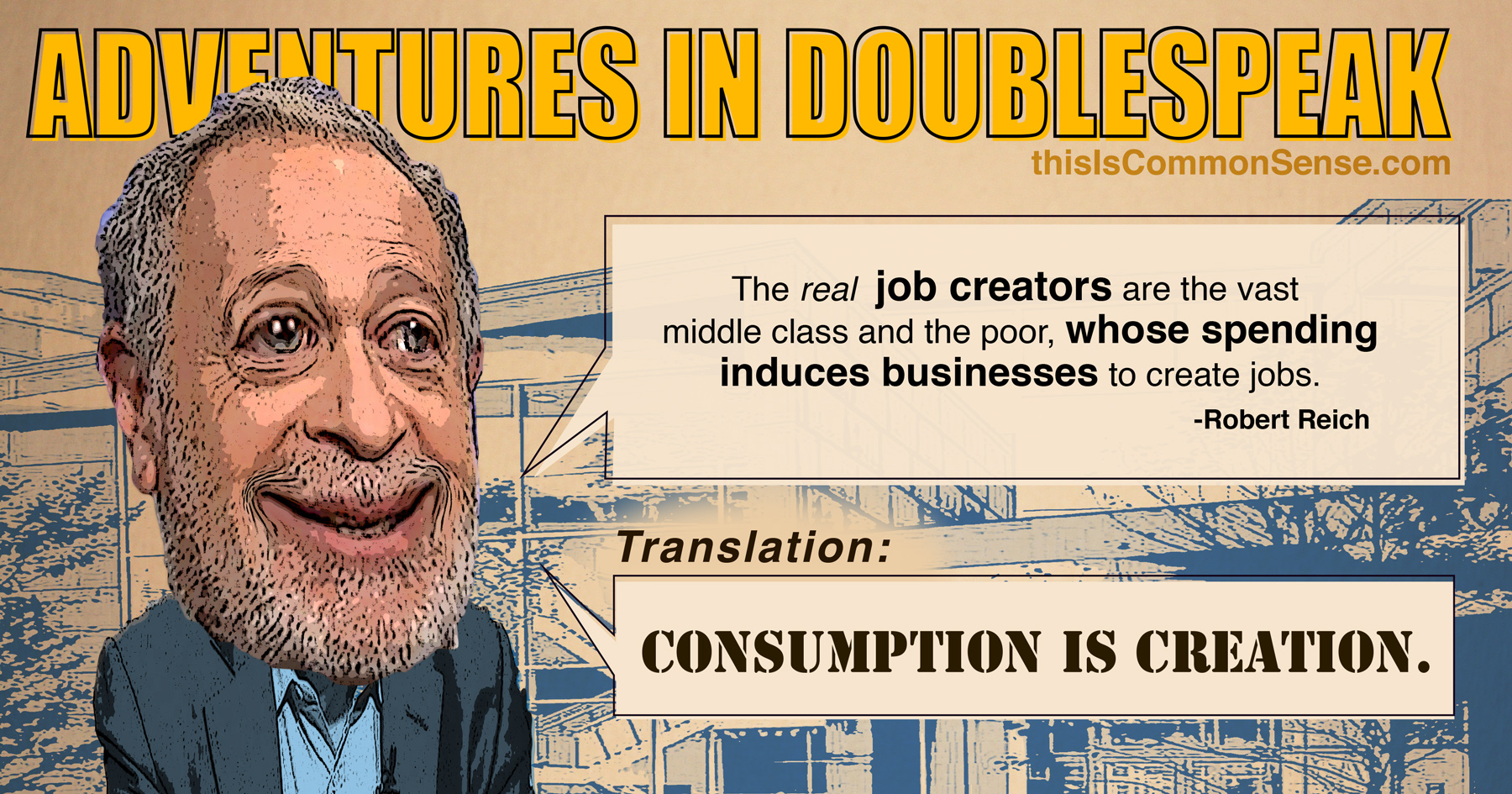
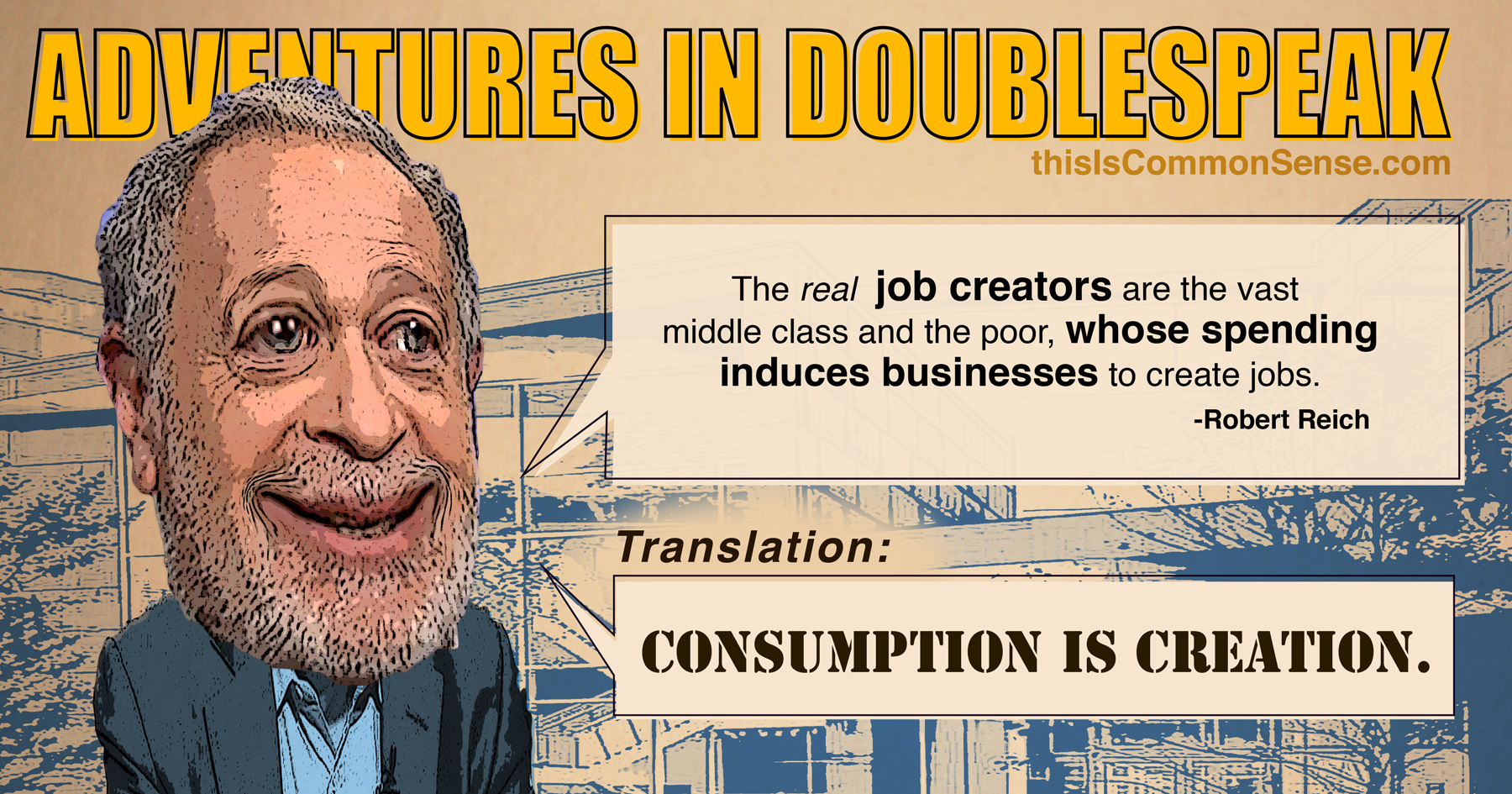
Recently, Clinton-era Labor Secretary Robert Reich has been floating this bizarre notion. To his Facebook audience, last month, he wrote that it is a myth that “the ‘job creators’ are CEOs, corporations, and the rich, whose taxes must be low in order to induce them to create more jobs.

Rubbish. The real job creators are the vast middle class and the poor, whose spending induces businesses to create jobs. That is why raising the minimum wage, extending overtime protection, enlarging the Earned Income Tax Credit, and reducing middle-class taxes are all necessary.”

So, we have people in roles of “producers” and “consumers,” and it is the consumers who “create jobs”? And they do this by “inducing” businesses to, wait, uh, “create jobs”?

Face it: businesses create jobs — out of capital from somebody’s invested savings. Entrepreneurs brace themselves to take big risks, fronting workers’ wages as well as hiring and purchasing capital goods and material.

Before a penny is spent by consumers.

Only when entrepreneurs guess right does the flow of money come full circle.

Reich repeated his quasi-Keynesian rap yesterday: it’s spending consumers who “get businesses to expand and hire.”

Truth is, Reich doesn’t “get” basic economics. But he does understand political equations, which is why folks on the Democratic left think he’s a genius.

This is Common Sense. I’m Paul Jacob.


For a high resolution version of today’s picture (perfect for use as a screensaver), click on the image below to open in new window. Also, please do feel free to share with your friends.

Robert Reich Doublespeak


Categories
general freedom nannyism national politics & policies Popular privacy too much government

Inconvenient Cash?

Everywhere I turn these days, I am hearing something about the push to get rid of cash.

Yes, cash. Greenbacks. Federal Reserve Notes.

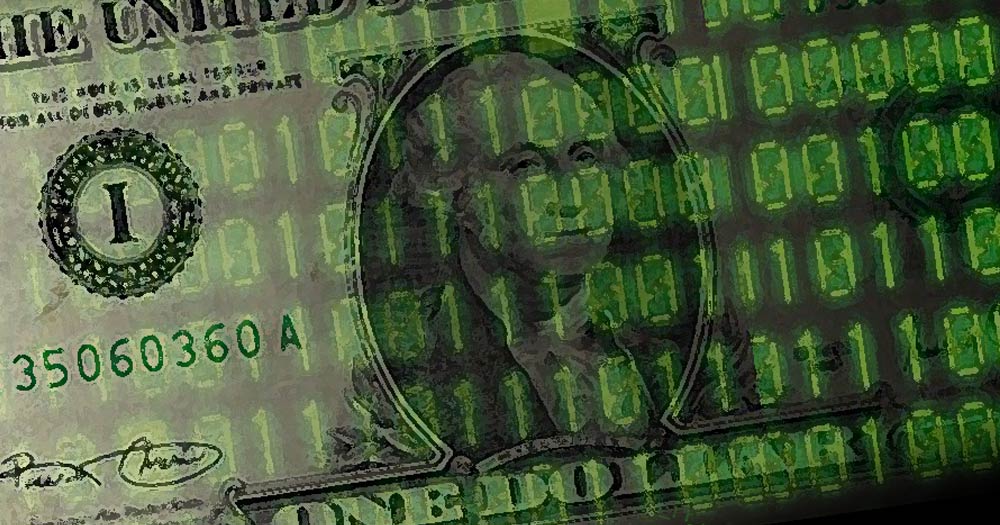
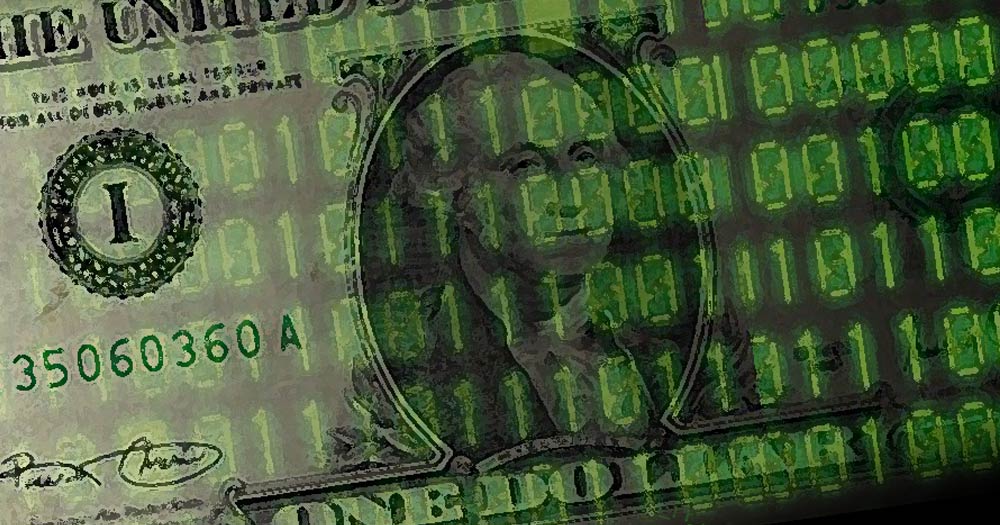
You might think that getting rid of cash is a no-brainer. Cash makes up only 11 percent of the money supply. Most of the money stock is already those 1s and 0s in bank computers, on debit cards, and the like. So why not go all the way?

It is the “logical next step,” after all!

But not every “next step” is advisable. When walking towards a cliff, that next step might be a doozy. And when you are dealing with government and the banks, jumping off a cliff proves an apt metaphor.

Don’t go lemming on me, man.

You can probably guess the usual arguments for getting rid of cash. Convenience, for one. It sure would be convenient for government and central bankers if they could just seize control of money “magically” in the banks’ computers.

Somehow, I am not persuaded. Neither is economist Pierre Lemieux, who provides us with a helpful survey of anti-cash arguments. And when the experts argue that it would be more convenient for consumers, incredulity is the best response. “To argue against the usefulness of cash is to deny the revealed preferences of many individuals,” Lemieux insists. “The fact that cash has not disappeared even in non-criminal hands means that it is convenient for many individuals.”

He expands the thought with an important truth: “Economic efficiency is defined in terms of what individuals want.”

And the purpose of governments is to follow individuals, not corral them, manipulate them . . . for bureaucratic convenience.

Let’s keep cash.

This is Common Sense. I’m Paul Jacob.


Printable PDF

currency, money, binary, electronic, cash, illustrattion


Originally (cc) photo by FamZoo Staff on Flickr

Categories
education and schooling folly free trade & free markets general freedom ideological culture national politics & policies responsibility too much government

Miseducated and Unemployed

The persistence of the issue of raising the minimum wage is an indictment of public education, for at least two reasons:

  1. It shows that “our” schools are not teaching basic economics. Generally, those who think minimum wages help the poor do not understand what wages are (price of labor), why they are paid (worker productivity bolstering the bottom line) and what a minimum wage law is (a prohibition on contracting for work below the arbitrary government-prescribed rate).
  2. It shows that schools aren’t preparing the young for real-world activity. Wages track productivity. If disturbingly large numbers of people are affected by the minimum, that means they haven’t been adequately trained in the skills they need.

Bernie Sanders wanted a 15-buck minimum. Hillary went on record supporting a 12-buck rate. Donald Trump would prefer that the minimum wage regulations be enacted by the states, though he says a hike to ten dollars per hour would really help the less fortunate.

It wouldn’t.

That is the tacit theme in a Wall Street Journal piece on the recent minimum wage rate hikes in 14 American cities, including the nation’s capital. A classic, succinct article on BET makes the point even more stark: a duo of economists from Trinity University “report that when a state, or the federal government, increases the minimum wage, Black teens are more likely to be laid off. The duo analyzed 600,000 data points, which the Employment Policies Institute says included ‘a robust sample of minority young adults unprecedented in previous studies on the minimum wage.’”

Just as theory predicts.

Could it be that politicians promise a raise because they believe government-schooled Americans too miseducated to know better?

This is Common Sense. I’m Paul Jacob.


Printable PDF

minimum wage, illustration, money, economics


Categories
free trade & free markets general freedom national politics & policies

Why Protectionism

Why do so many people (especially politicians) favor high tariffs, “managed trade,” embargoes and domestic subsidies, all of which — first as “mercantilism” and then as “protectionism” — have been debunked, repeatedly (demonstrated as ineffective economic policy), since Adam Smith’s famous 1776 attack?

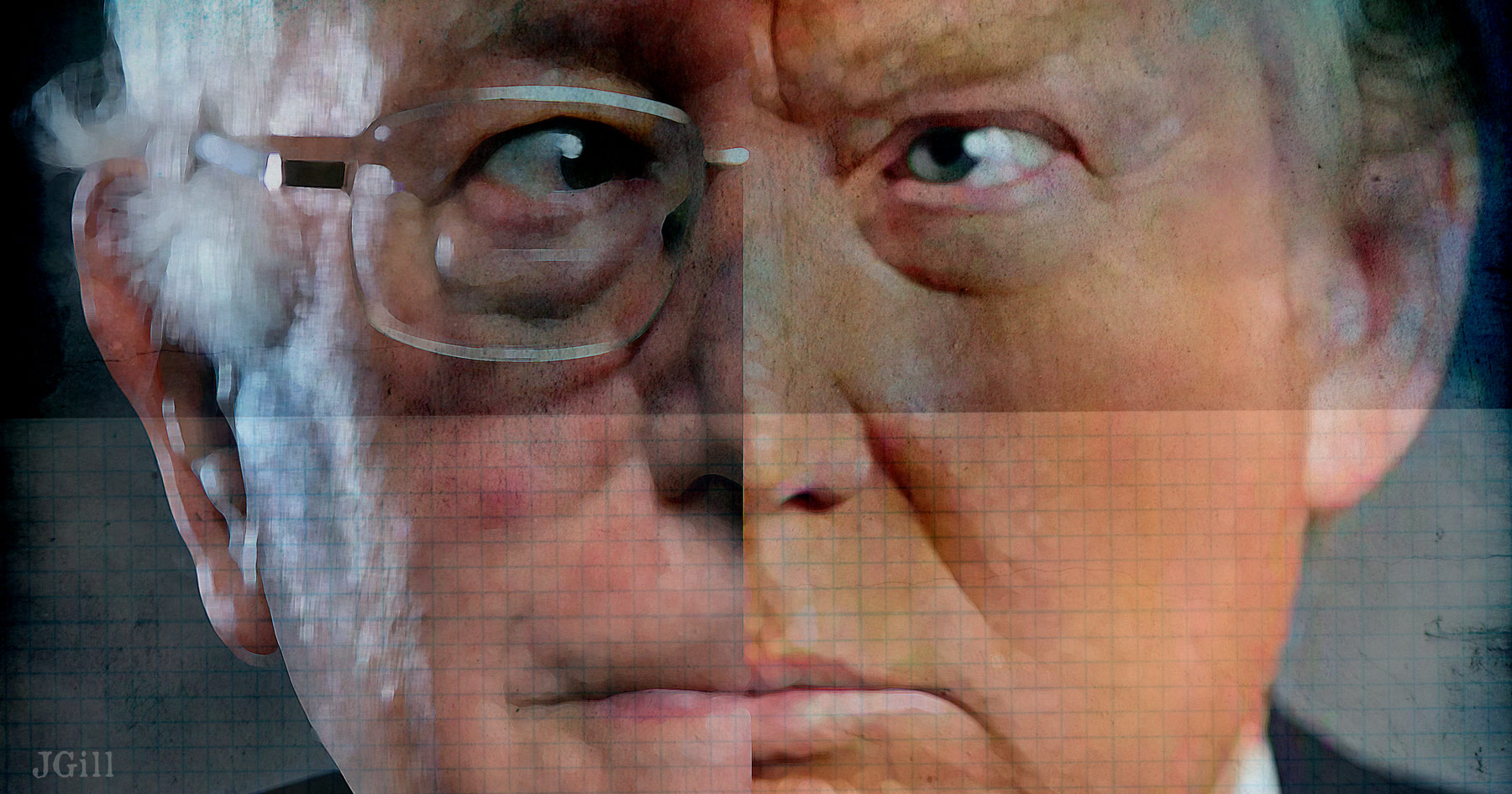
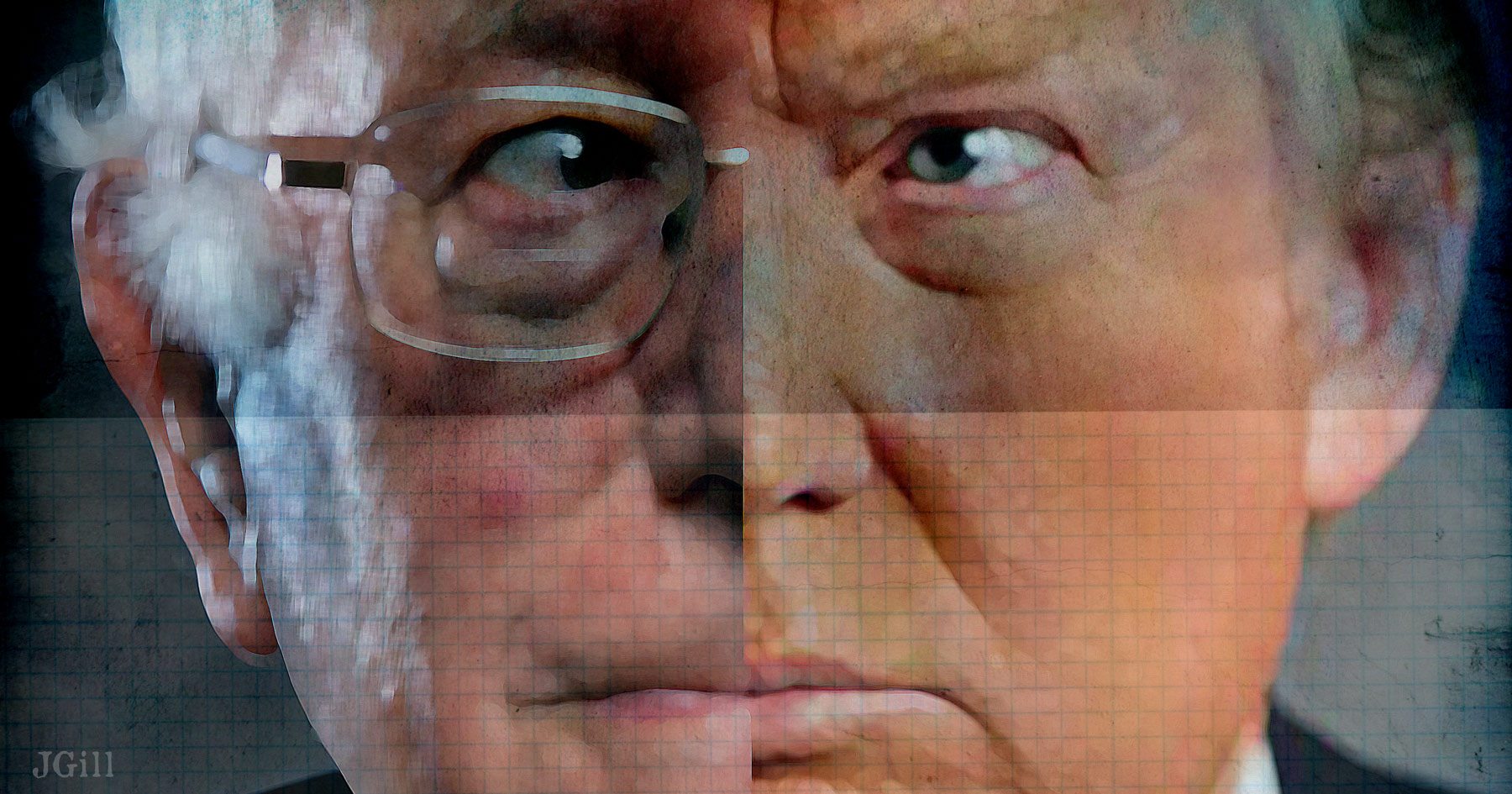
Economist Donald Boudreaux, in an excellent defense of economic principles, explains why the Bernie Sanderses and Donald Trumps of this world support anti-free trade nostrums — out of sheer ignorance:

The typical politician opposes free trade because he . . . doesn’t understand that the purpose of trade — any trade — is to enrich people as consumers and not to enrich people as producers. He doesn’t understand that exports are a cost and that imports are a benefit; he thinks that it’s the other way ’round. He doesn’t understand that the specific jobs lost to imports are not the only employment consequences of trade; he doesn’t understand that trade also “creates” jobs in the domestic economy. . . . He, in short, doesn’t understand the first damn thing about the economics of trade.

But what protectionists do understand are direct appeals to “good results” (like more and better high-paying jobs). The fact that their proposals throw a monkey wrench into the diverse mechanisms of trade, yielding worse results?

They just don’t see them.

Why? Because real economies are complex, and protectionists lack the science that would help them trace the consequences of their policies.

The fact that they’ve focused their whole attention on the business of “governing,” and making simplistic, direct appeals to people who are also uneducated in economic principles, doesn’t help.

This is Common Sense. I’m Paul Jacob.


Printable PDF

Donald Trump, Bernie Sanders, economics, free trade, collage, photomontage, Jim Gill, Paul Jacob, Common Sense


Categories
Accountability national politics & policies responsibility

Assuming the Fix

Social Security, like similar systems in Europe, is on a trajectory to insolvency, which could lead to a sovereign debt crisis.

The reason for the crisis? Social Security has always been a pay-as-we-go system, dependent on many workers paying in to a system that sends their contributions to a smaller number of retirees. When the number of retirees expands above the ability of workers to cover at established rates, the system goes broke. Meanwhile, all the system’s budget overages from the beginning to the present date have not been saved and invested. Congress has been taking the overages and spending them, putting IOUs in a notebook.

It is a serious problem.

Or, it isn’t! That is, not if you believe The Nation, which states in a recent article that this is all the result of a legally mandated “bogus” accounting conceit. The Congressional Budget Office, you see,

assumes that Social Security and Medicare Part A will draw on the general fund of the US Treasury to cover benefit shortfalls following the depletion of their trust funds, which at the current rate will occur in 2034.
That would obviously lead to an exploding debt, but it’s a scenario prohibited by law.

The Nation’s somewhat confused author suggests the dire warnings are wrong because “Congress could preemptively pass laws to avert the situation before the deadline; it could take the approach favored by progressives and increase revenue to the programs by lifting the payroll tax cap, or alternatively raise the retirement age and lower benefits.”

Well, yes. But until a fix happens, the doomsday warning stands.

Why does he think we make the warning?

This is Common Sense. I’m Paul Jacob.


Printable PDF

caution, danger, debt, social security, collage, photomontage, illustration, JGill, Paul Jacob, Common Sense