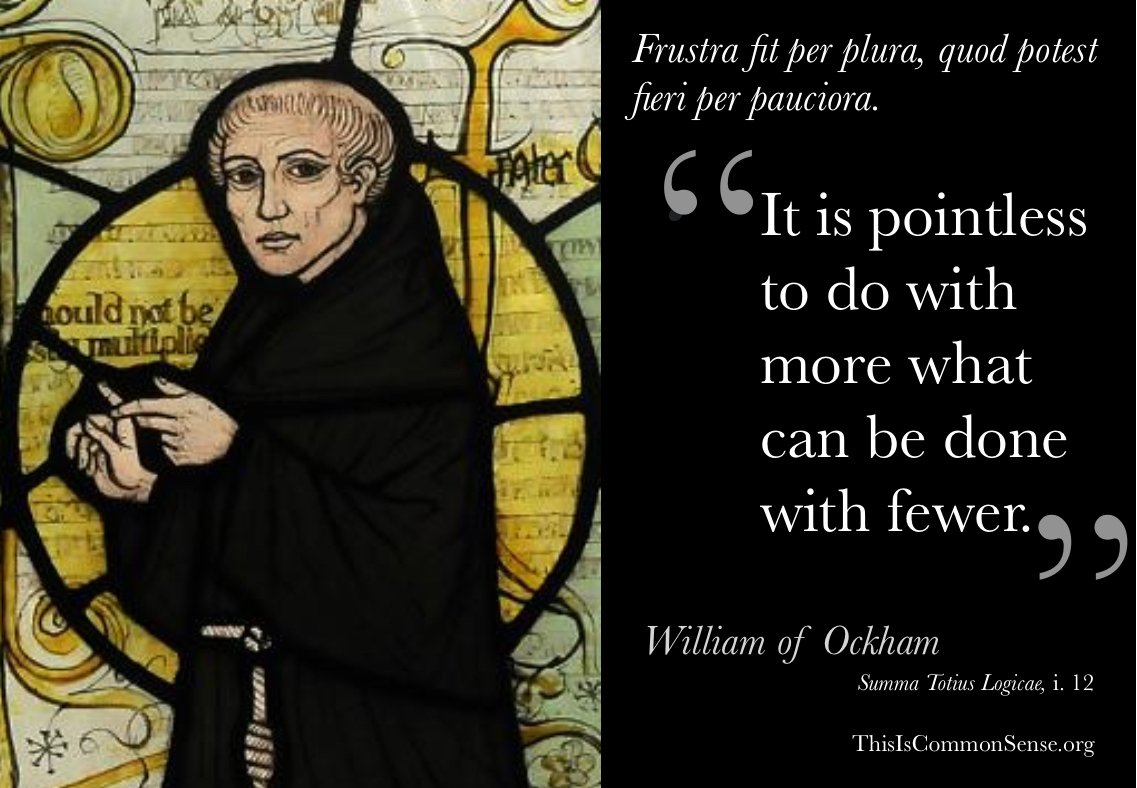
Frustra fit per plura, quod potest fieri per pauciora.
It is pointless to do with more what can be done with fewer.
William of Ockham (c. 1287 – 1347) — he of “Occam’s Razor,” one of its expressions here presented — in Summa Totius Logicae, i. 12.
Frustra fit per plura, quod potest fieri per pauciora.
It is pointless to do with more what can be done with fewer.
William of Ockham (c. 1287 – 1347) — he of “Occam’s Razor,” one of its expressions here presented — in Summa Totius Logicae, i. 12.
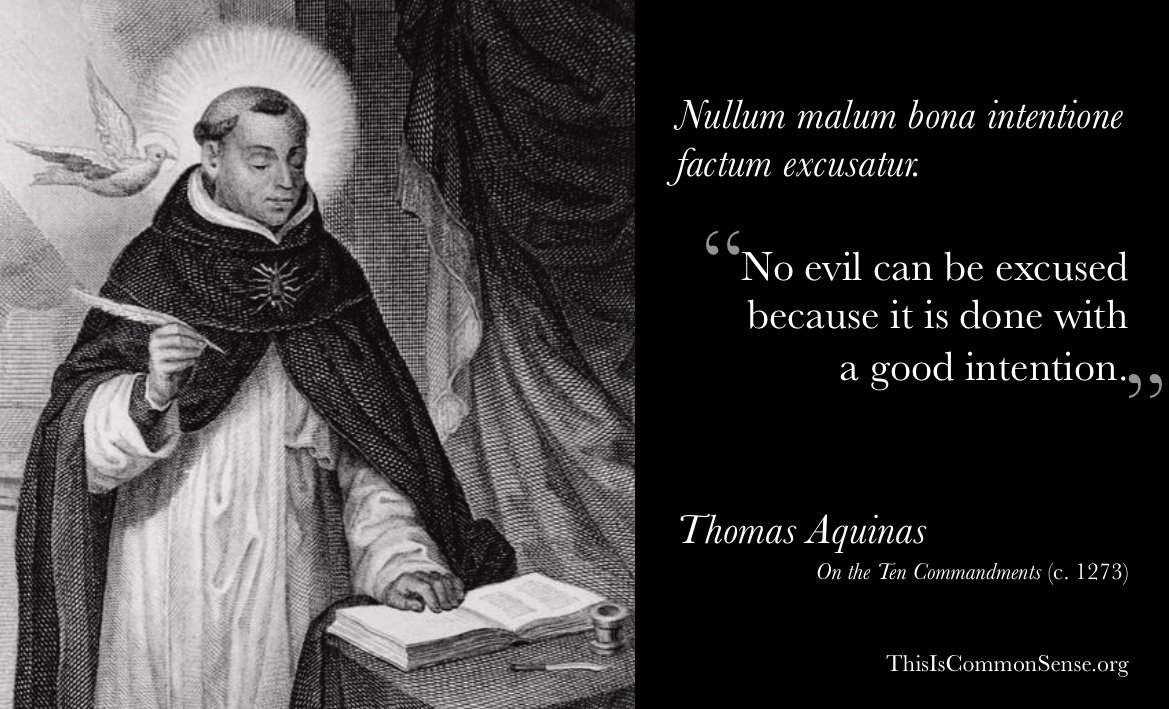
Nullum malum bona intentione factum excusatur.
No evil can be excused because it is done with a good intention.
Thomas Aquinas, On the Ten Commandments (c. 1273).
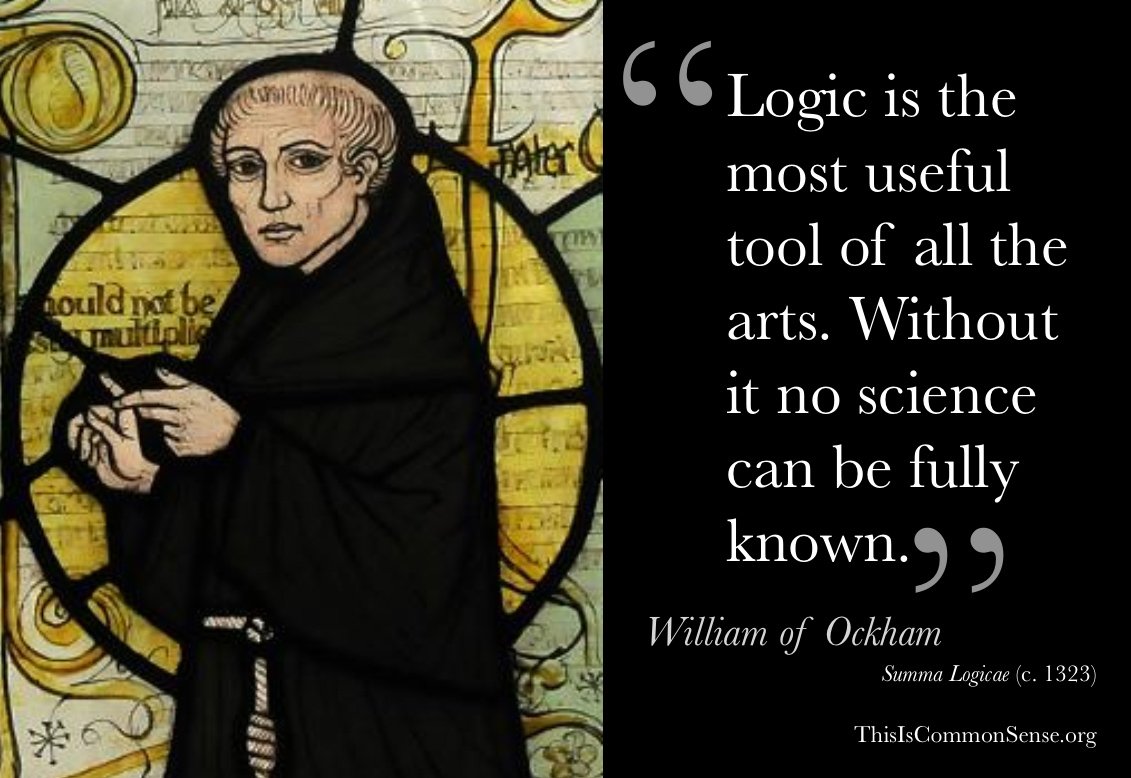
Logic is the most useful tool of all the arts. Without it no science can be fully known.
William of Ockham (c. 1287 – 1347) — he of “Occam’s Razor” — in Summa Logicae (c. 1323).
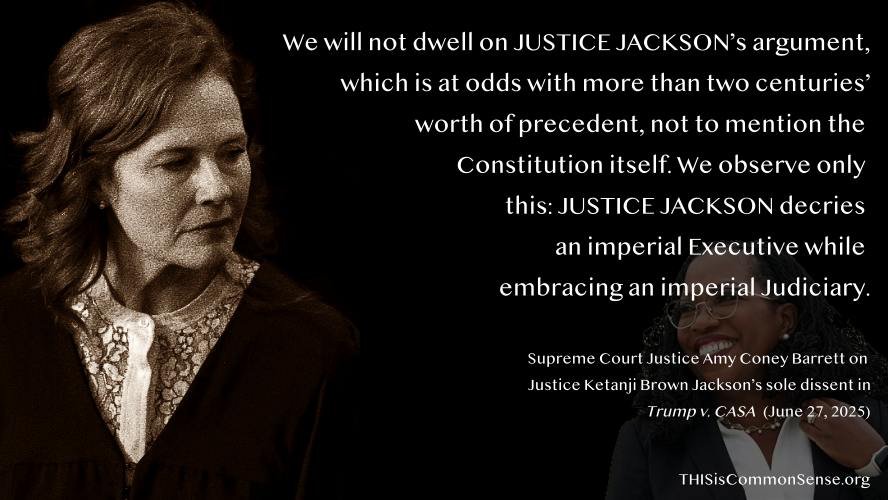
We will not dwell on JUSTICE JACKSON’s argument, which is at odds with more than two centuries’ worth of precedent, not to mention the Constitution itself. We observe only this: JUSTICE JACKSON decries an imperial Executive while embracing an imperial Judiciary.
Justice Amy Coney Barrett on Justice Ketanji Brown Jackson’s argument in Trump v. CASA (June 27, 2025), as quoted by Jonathan H. Adler, Volokh Conspiracy (June 27, 2025).
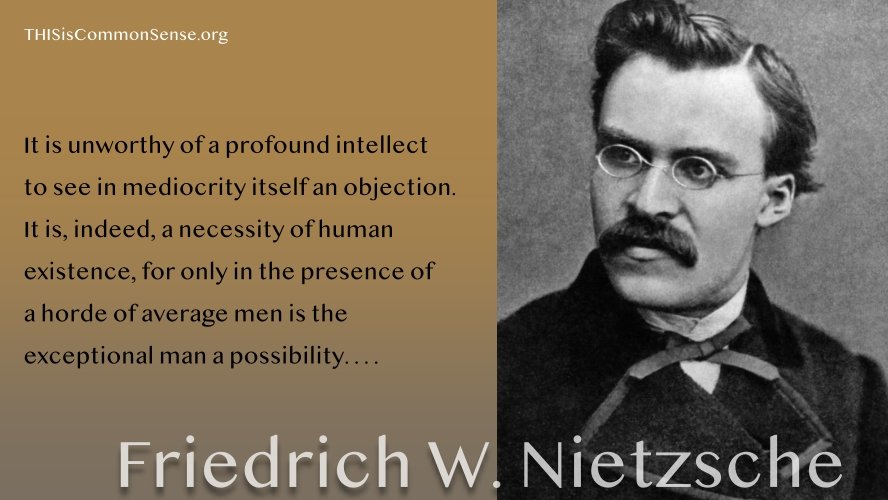
It is unworthy of a profound intellect to see in mediocrity itself an objection. It is, indeed, a necessity of human existence, for only in the presence of a horde of average men is the exceptional man a possibility. . . .
Friedrich W. Nietzsche, as quoted and translated by H.L. Mencken, The Philosophy of Friedrich Nietzsche (1913), from The Antichrist (Der Antichrist, § 57).
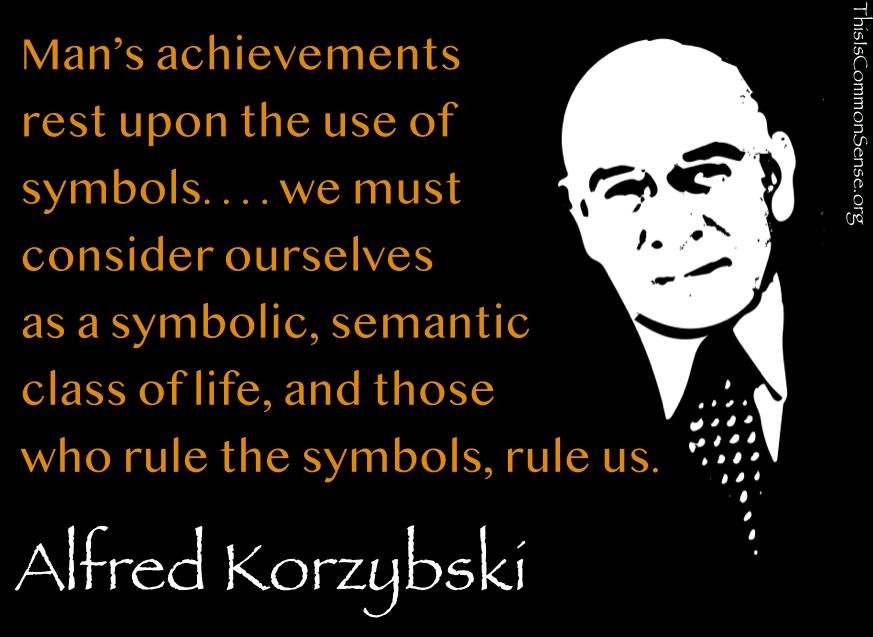
Man’s achievements rest upon the use of symbols. . . . we must consider ourselves as a symbolic, semantic class of life, and those who rule the symbols, rule us.
Alfred Korzybski, Science and Sanity (1933).
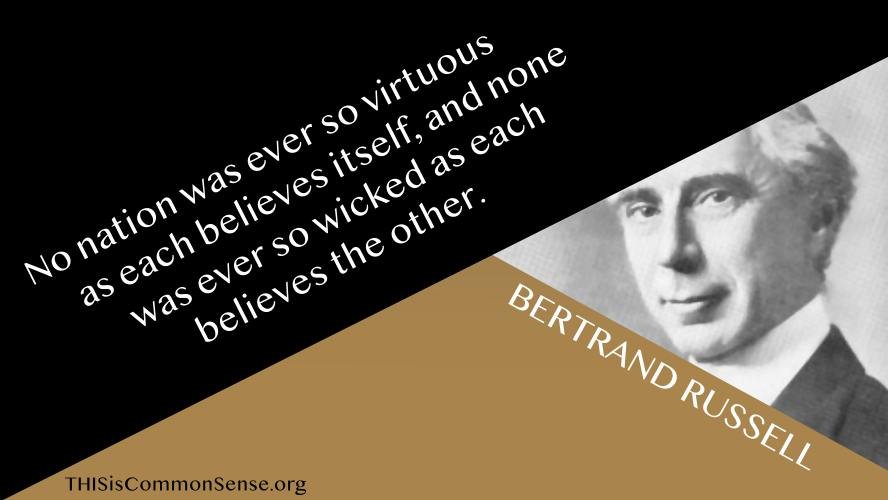
No nation was ever so virtuous as each believes itself, and none was ever so wicked as each believes the other.
Bertrand Russell, Justice in War-Time (1916), p. 70.
It only takes 20 years for a liberal to become a conservative without changing a single idea.
Robert Anton Wilson, The Illuminati Papers (1980).
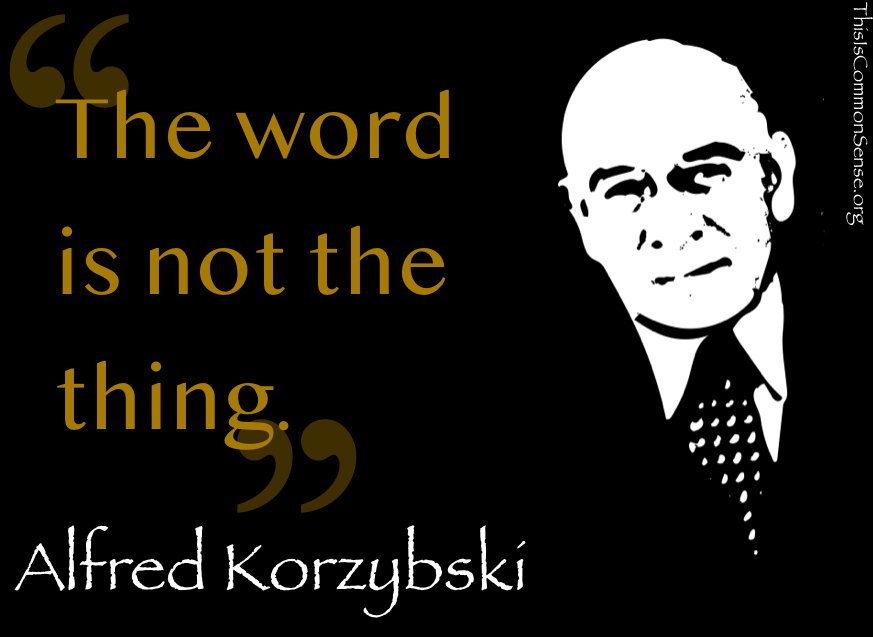
The word is not the thing.
Alfred Korzybski, Science and Sanity (1933).
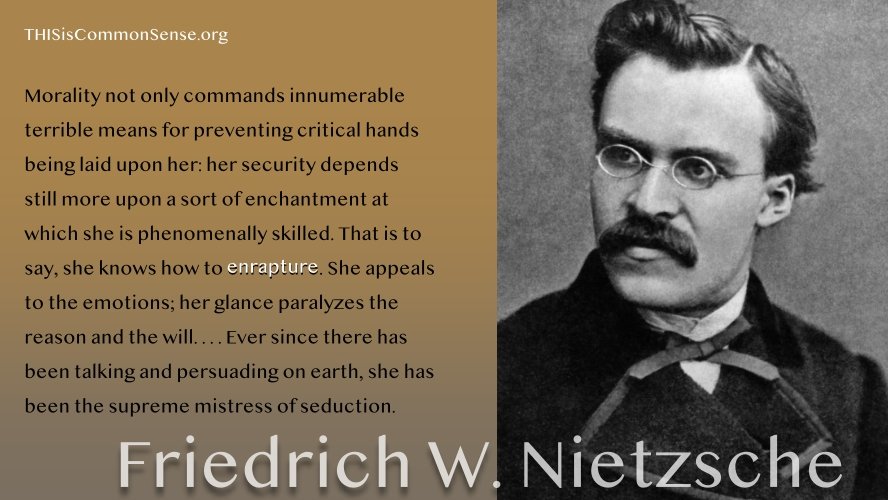
Morality not only commands innumerable terrible means for preventing critical hands being laid upon her: her security depends still more upon a sort of enchantment at which she is phenomenally skilled. That is to say, she knows how to enrapture. She appeals to the emotions; her glance paralyzes the reason and the will. . . . Ever since there has been talking and persuading on earth, she has been the supreme mistress of seduction.
Friedrich W. Nietzsche, as quoted and translated by H.L. Mencken, The Philosophy of Friedrich Nietzsche (1913), from Daybreak (“Morgenröte,” preface, § 3).