Categories
national politics & policies political challengers

Reality TV 2020

It shocked some, surprised virtually all — save Scott Adams — when mega-branding braggart, businessman, and reality TV star Donald “You’re Fired!” Trump slapped his way to a trifecta, winning in decades-long bastions of blue — Michigan, Pennsylvania, Wisconsin — en route to his “landslide” Electoral College win.

How could a candidate viewed negatively by 61 percent of voters mere days before the election possibly win? 

Well, consider the alternative: Hillary Clinton’s negatives were 52 percent in that same poll. Moreover, two-thirds of voters harboreddoubts about her trustworthiness.” 

Entering Trump Year IV, the president’s approval rating remains under water, and, following the House impeachment, he’s being tried in absentia in the Senate. Plus, the Democrats get to choose a low-negatives/high-positives candidate to run against him.

What could go wrong?

Everything.

Except for promising to give away free stuff to everyone, it’s all very unsettled. Even The New York Times, “in a break with convention,” if not reality, has endorsed two candidates: Senators Elizabeth Warren and Amy Klobuchar.

Klobuchar? She’s stuck in seventh place in New Hampshire. 

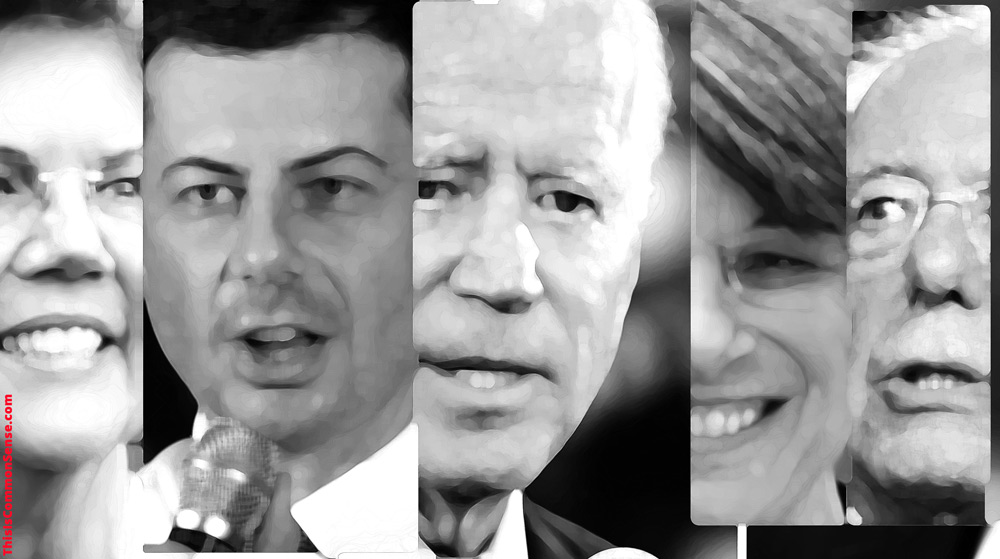
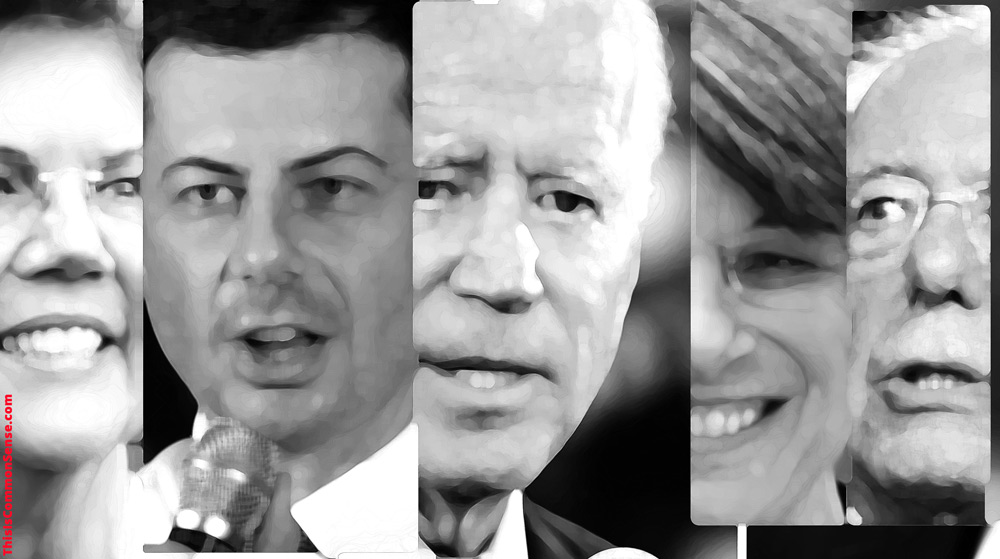
Four candidates vie for the lead two weeks before Iowa and three weeks before New Hampshire: former Vice-President Joe Biden, South Bend Mayor Pete Buttigieg, Senators Sanders and Warren. “Sleepy Joe” tops the latest Iowa poll while self-declared socialist Bernie leads in New Hampshire — and pushes ahead of Biden nationally

And to meet Sanders’ surge? 

Mrs. Clinton. 

Being lovable. 

As always.

Of the current Democratic front-runner, “Nobody likes him,” Hillary sniped, channeling her inner Mean Girl. “Nobody wants to work with him, he’s got nothing done. He was a career politician. It’s all just baloney and I feel so bad that people got sucked into it.”

Cluster-yuck 2020 is Reality TV at its best.  

This is Common Sense. I’m Paul Jacob.

PDF for printing

Reality TV, cat,

See all recent commentary
(simplified and organized)
See recent popular posts

Categories
political challengers

Vermin Competition

Should Lincoln Chafee invert a boot and place it on his head? 

It might help him compete. The famous Republican turned Democratic politician from Rhode Island — former U.S. Senator and Governor, both, and sometime presidential hopeful — has filed to run for the presidency.

But as a Libertarian.

The Libertarian Party started out nearly fifty years ago as a venue for libertarians disgusted with Richard Nixon and the Republican Party to make a pitch to the American people to abandon the lying, thieving, murderous statism of our times and swap it for freedom. In the words of its first presidential nominee, philosopher John Hospers, the idea was to “challenge the cult of the omnipotent state and defend the rights of the individual.”

The Libertarian Party has pulled in supporters from left, right and center, but mostly from the GOP, as seen in a solid one third of its past presidential runs: 

  1. former Republican elector Roger MacBride (1976)
  2. former and future Republican U.S. Representative Ron Paul (1988) 
  3. former Republican U.S. Representative Bob Barr (2008)
  4. former Republican New Mexico Governor Gary Johnson (2012; 2016)

The Libertarians are an earnest lot, trying to get the attention of earnest American voters by putting up men with political credentials. In the case of Gary Johnson’s last campaign, the strategy “paid off” with over 4.4 million votes. The LP attracts ambitious politicians and publicity seekers who do not quite fit in with the two parties, in no small part because Libertarians have done a great job of obtaining all-important ballot status in most if not all 50 states in presidential elections.

Libertarian Party members have so far avoided non-political celebrity candidates, such as the late activist and actor Russell Means (1988) and gonzo millionaire John McAfee (2012). Chafee would be the first Democratic pol to get the nomination. But he is running against some strong libertarian activists (Kim Ruff, Jo Jorgensen, Jacob Hornberger, et al.) as well as a return bid from McAfee (who also happens to be on the run from the IRS). 

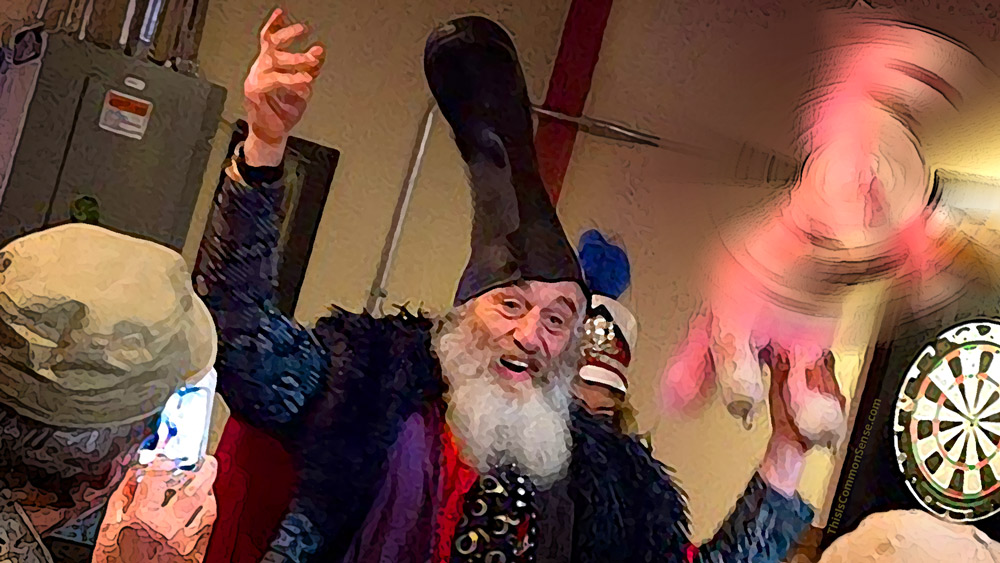
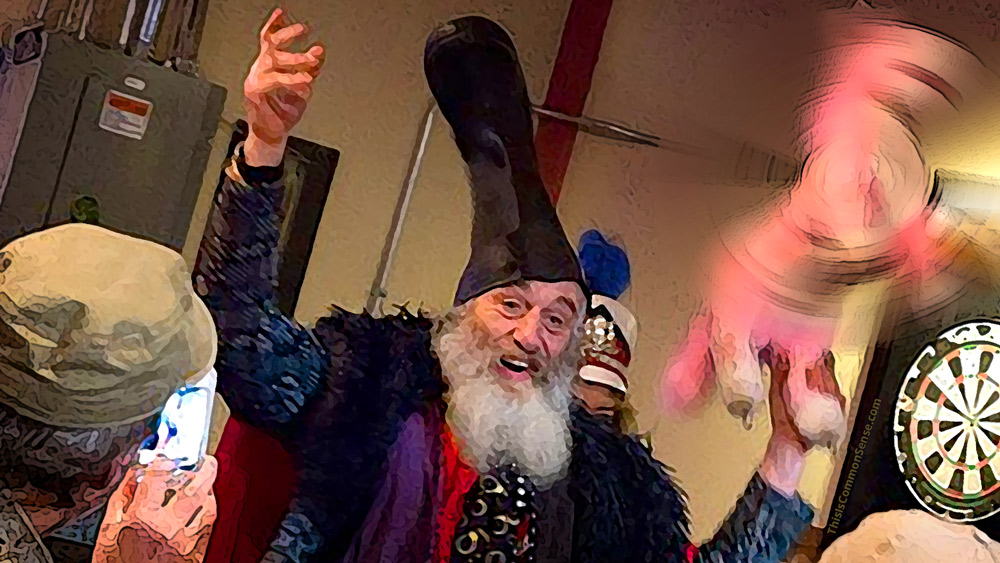
A parody candidate calling himself “Vermin Supreme” and running on a joke (and quite anti-freedom) platform (mandatory ponies for everyone!), has just won the Libertarian position in the New Hampshire Primary’s non-binding preference poll — 26 to Chafee’s 4, perhaps because he wears a boot on his head.

Tough competition for Chafee, who seems only a little more libertarian than Vermin.

This is Common Sense. I’m Paul Jacob.


PDF for printing

Vermin Supreme,

See all recent commentary
(simplified and organized)
See recent popular posts

Categories
ideological culture political challengers

Discriminating Democrats

In ten days, the Democratic Party will hold a presidential debate that, according to the rules established by the Democratic National Committee, includes six qualified candidates all of whom are white.

Which is apparently not the right color.

“Of course, there is nothing wrong with Democrats selecting a white presidential candidate to represent the party,” writes David de la Fuente at The Daily Beast. “But that should be up to the voters, and not the DNC by means of their debate inclusion practices.”

Those “practices” or rules seem straightforward enough — at least, they did . . . until the results were not to the liking of some. To earn a place on the Dec. 19 debate stage, a candidate must have garnered donations from 200,000 individuals, while also reaching 4 percent or higher in four recognized polls, or 6 percent in two polls.

The six qualified pale-faced candidates are: former Vice-President Joe Biden, South Bend Mayor Pete Buttigieg, Sen. Amy Klobuchar (D-Minn.), Sen. Bernie Sanders (I-Vt.), billionaire activist Tom Steyer, and Sen. Elizabeth Warren (D-Mass.).

A seventh candidate, California Sen. Kamala Harris, a woman of color, had also qualified for the debate stage — before she dropped out of the race.

Not yet able to jump all the hurdles? African-American Sen. Corey Booker (D-N.J.); Asian-American entrepreneur Andrew Yang; and Samoan-American Rep. Tulsi Gabbard (D-Hawaii). They have all reached the donation requirement, but not yet met the polling threshold. 

I wish them luck, especially my favorite, Gabbard. 

Still, the choice is rightly up to Democratic voters. If enough speak up for Booker, Yang or Gabbard in polls, “diversity” will obtain its place. 

If not, should Democrats use a racial quota system?

This is Common Sense. I’m Paul Jacob.


PDF for printing

Democrat, Democratic, candidates, presidential, president, debate, race, quota,

See all recent commentary
(simplified and organized)
See recent popular posts

Categories
political challengers

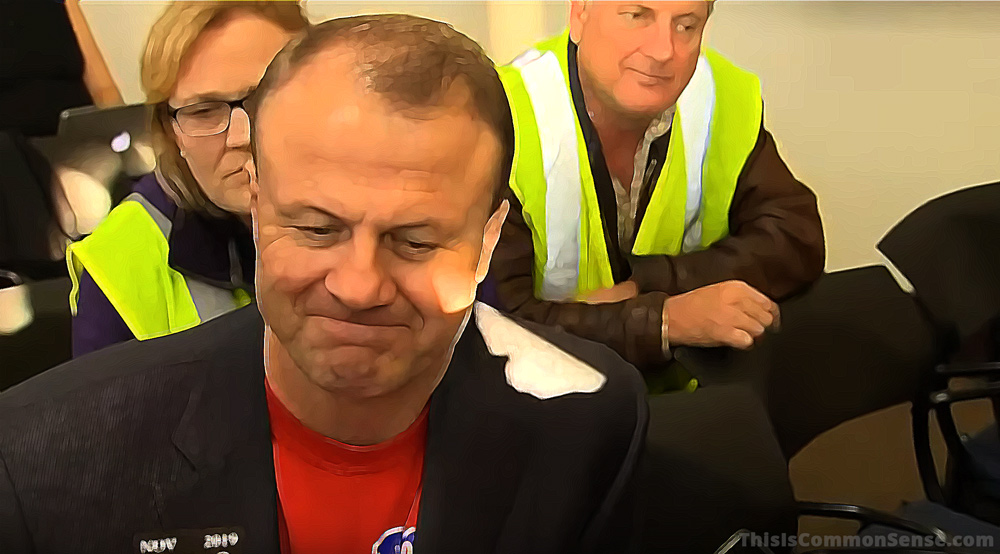
One of Us?

As the Democratic Party presidential campaign began heating up earlier this year, one of the stars faintly streaking across the sky was Washington State Governor Jay Inslee. In the over-populated ranks of presidential wannabes, he stood out not for being exceptionally nutty, but for so memorably presenting the new Nut Normal of America’s oldest political party.

In August he dropped out for lack of support, but that doesn’t mean his political career is over. He is back in his home state demonstrating the case for term limits. 

That is, he is running for a third gubernatorial term.

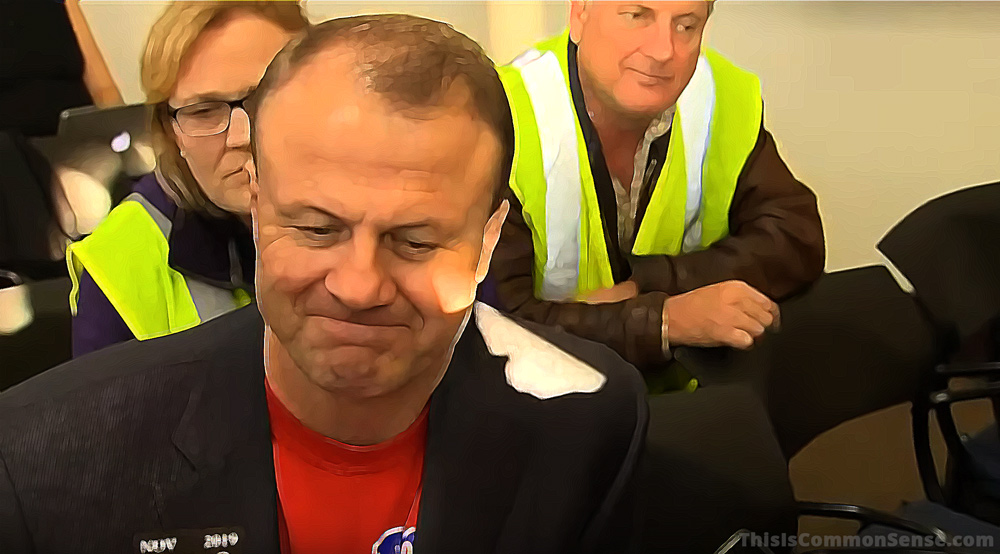
Fortunately for Evergreen State voters, there are alternatives. Indeed, one in particular: Tim Eyman.

I mention Eyman often enough that I could almost get away without introducing him now. He is arguably the most effective user of initiative and referendum in the country — offering common-sense issues a majority of voters favor, especially tax limitation and reduction measures.

On his campaign website he sports a sweatshirt emblazoned with “Let the Voters Decide,” which is so democratic it almost makes you wonder why the state’s Democratic Party isn’t embracing him.

But we know why — the very last thing Democratic political machines want is democracy!

Running as neither an R nor a D, Mr. Eyman’s campaign slogan is “One of us as Governor!”

And considering the popularity of his many initiative measures designed to combat their elected representatives’ love of raising taxes and “fees” — especially on automobiles — as well as the way politicians in Olympia (including that ultimate insider, Inslee) freak out over the very name “Eyman,” it promises to be a very interesting and entertaining race.

This is Common Sense. I’m Paul Jacob.


Tim Eyman, governor, Washington State, democracy,

See all recent commentary
(simplified and organized)
See recent popular posts

Categories
First Amendment rights media and media people political challengers

The Silence Option

“While internet advertising is incredibly powerful and very effective for commercial advertisers,” Twitter CEO Jack Dorsey said last month in announcing a complete ban on political advertising for candidates or issues, “that power brings significant risks to politics, where it can be used to influence votes to affect the lives of millions.”

But is it the risk to “the lives of millions” that is at issue here?

Really?

Pressure for social media companies to police “renegade” voices came mainly from the left . . . in Congress and major media. These are the groups with the most to lose by the free flow of political debate, as spurred by paid political advertising, which is what challengers often use to break through the incumbents’ natural advantage. 

Congress is filled with incumbents, by definition.

Major media sees itself as gatekeeper for political discourse, and feels threatened by an unregulated online culture.

Accordingly, Twitter’s ban received rave reviews from the political left. “Good call,” progressive Congresswoman Alexandria Ocasio-Cortez responded. A spokesperson for former Vice-President Joe Biden’s campaign called it “encouraging.”*

“Good,” tweeted Montana Gov. Steve Bullock (also sort of a presidential candidate). “Your turn, Facebook.”

But Facebook is thankfully not bending to pressure.

“[I]f Facebook were to cut off political ads, it could end up undercutting the scrappy, first-time candidates . . .,” reports The Washington Post. “Voters are more likely to see Facebook ads than television ads from challengers, according to the findings, published in a working paper whose first author is Erika Franklin Fowler of Wesleyan University.”

“Online advertising lowers the cost and the barriers to entry,” Fowler told The Washington Post.

Which is bad for the political establishment because it is good for challengers, the outsiders.

This is Common Sense. I’m Paul Jacob.


Perhaps the ban encourages top Democrats for the same reason the president’s campaign manager sounded the alarm: “This is yet another attempt to silence conservatives since Twitter knows President Trump has the most sophisticated online program ever known.”

PDF for printing

gatekeeper, Twitter, Facebook, censorship, political advertising,

See all recent commentary
(simplified and organized)
See recent popular posts
Categories
national politics & policies political challengers

Billions Of, By and For Bloomberg

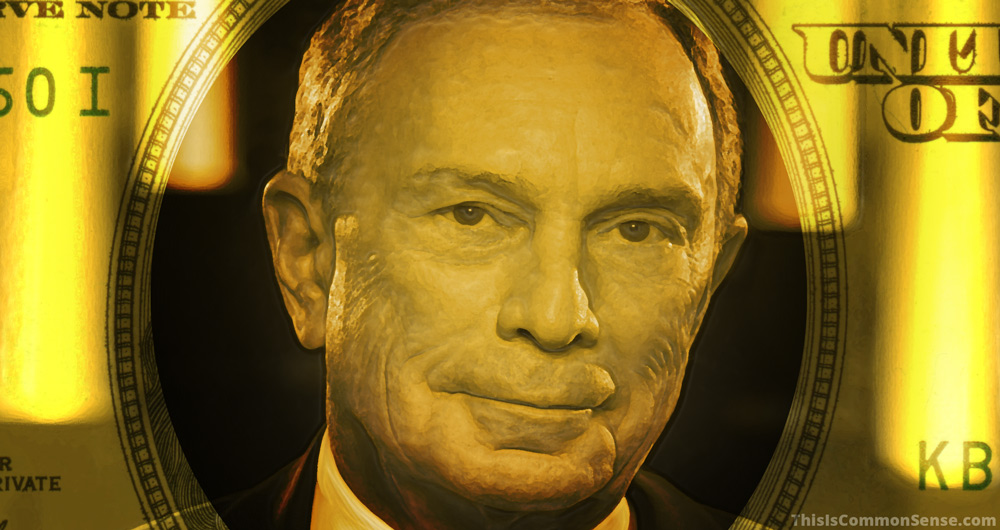
Might Gotham’s gun-and-Big-Gulp-grabber-in-chief catapult to Commander in Chief? 

Michael Bloomberg, the former New York City mayor, “is actively preparing to enter the Democratic presidential primary,” writes Alexander Burns in The New York Times.

Bloomberg’s estimated $53 billion could financially pummel even Democratic candidate Tom Steyer, working with a mere $1.6 billion. 

“More billionaires seeking more political power surely isn’t the change America needs,” chimed in Faiz Shakir, presidential campaign manager for Vermont socialist and Senator Bernard Sanders. 

Billionaires are the really evil ones. 

Millionaires? Not so bad anymore. 

In 2016, Bernie badmouthed both “millionaires and billionaires” . . . until found to be a millionaire himself — worth $2.5 million to be specific

Massachusetts Senator Elizabeth Warren, Mr. Sanders’ rail-against-the-rich presidential rival, offered Mayor Bloomberg her “Calculator for Billionaires” — showing how much those sorts of people would have to pay per her Wealth Tax. 

No mention of what her own family, worth $12 million would pay.

Bloomberg’s entrance into the race is expected to hurt former Vice-President and multimillionaire Joe Biden the most, both appealing to the more “moderate” wing of the Democratic Party.

Still, Bloomberg is no Democrat messiah, however. He’s not particularly popular. In fact, Bloomberg’s last political campaign for a third term as New York mayor ten years ago was “the most expensive campaign in municipal history.” After double-crossing voters on term limits by supporting a council change allowing him (and them) a third term, Bloomberg had to spend a whopping $183 per vote to win an “unexpectedly close race.”

To garner as many votes for president as Hillary Clinton’s 2016 effort, at that same cost, adds up to $12 billion!

Bloomberg’s good news? He has it.

Bloomberg’s bad news? Hillary lost.

This is Common Sense. I’m Paul Jacob.


PDF for printing

Michael Bloomberg, president, democracy,

See all recent commentary
(simplified and organized)
See recent popular posts

Categories
media and media people political challengers

Twitter Abuse

“Look,” tweeted Sen. Kamala Harris, “let’s be honest. . . .”

When a politician talks about being honest — presumably “for a change” — it’s gonna be a doozy.

President Trump’s “Twitter account should be suspended.”

“What?” the reader will likely object, “Trump’s Twitter account is the second-best thing about the his presidency!”

The reader wouldn’t be wrong. 

We may disagree about the actual best thing, but the presidential Twitter account is indeed one of the things that makes the current chaos bearable. Sure, it is the cause of much of the chaos, but, well, we take our chuckles where we can get them. At least Trump’s tweets are not articulated in standard insiderese.

So, what did Trump tweet that so upset the former California prosecutor?

This: he had come to the “conclusion that what is taking place is not an impeachment, it is a COUP, intended to take away the Power of the People, their VOTE, their Freedoms, their Second Amendment, Religion, Military, Border Wall, and their God-given rights as a Citizen of The United States of America!”

Harris publicly called upon Jack Dorsey, Twitter’s CEO, to “do something” about the tweet.

He did nothing.

Understandably. 

Suspending the account of the United States President because a failing opposition candidate was offended by typical Trumpian hyperbole would br idiotic. Mr. Dorsey has a lot to answer for, sure. But complete and utter idiocy? Not that.

For he knows something: Donald Trump has it within his powers to command every federal agency to cease using Twitter. Trump himself could switch to Gab or Minds or even MeWe — perhaps he should

The federal government is not required to use a particular social media platform over another, is it?

This is Common Sense. I’m Paul Jacob.


Donald Trump, twitter, censorship, Kamala Harris threat,

See all recent commentary
(simplified and organized)
See recent popular posts

Categories
insider corruption political challengers

Straw Candidacy

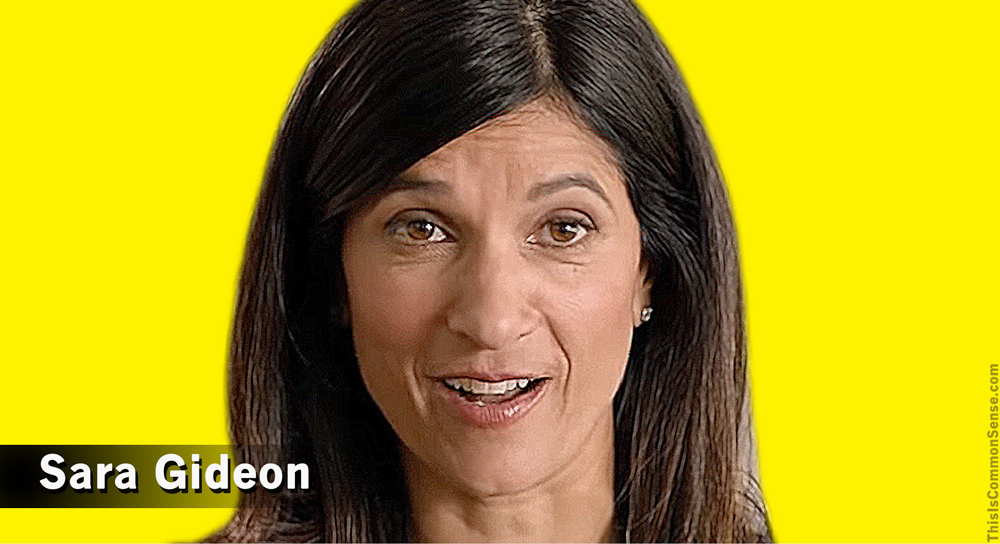
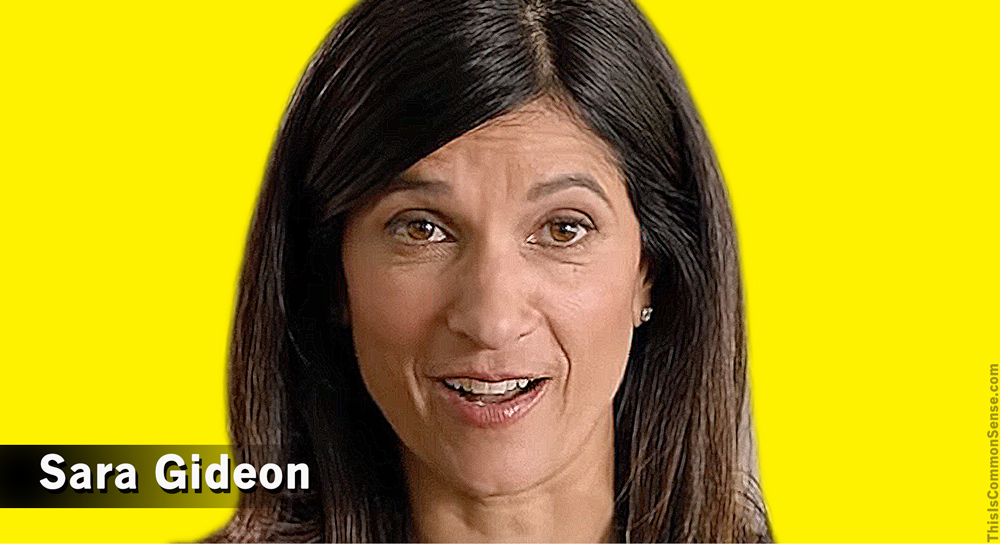
“No Corporate PACs,” says a Facebook ad by the Sara Gideon for U.S. Senate campaign, “Just You.”

“Gideon is running to unseat Republican Sen. Susan Collins in 2020,” the Portland Press Herald reports, noting that “fighting corporate money in politics” has been a prime “focus of her campaign.”

Yet, as Democratic Speaker of the Maine House, the challenger ran something called the Gideon Leadership PAC that raked in a majority of its funds from corporations such as Aetna, American Express, AT&T, Comcast, Eli Lilly, Time Warner, Verizon, Visa, and Walmart. The Maine Examiner informs that “records from the Maine Ethics Commission show she has built her career, and funded efforts to boost her statewide support, with contributions from large corporations.”

Last month, Gideon was slapped with a Federal Election Commission complaint for violating campaign finance law forbidding one person or entity from making contributions that are reimbursed by another. Gideon made numerous personal contributions to Democrats running for federal office only to turn around and have her leadership PAC reimburse her for the expense.

Her PAC being the true donor, Speaker Gideon is what’s known as a straw donor.

But it gets worse, explains Erin Chlopak, a former FEC official and currently with the Campaign Legal Center. “Corporations cannot make contributions to a federal campaign, and you can’t circumvent that ban by using a straw donor to funnel money originally from a company to a federal candidate.”

A spokesperson for Gideon’s campaign blamed “incorrect advice.” 

At her level of corporate involvement, I’d say the “incorrect advice” was to emphasize the anti-corporate money pledge.

This is Common Sense. I’m Paul Jacob.


PDF for printing

Sara Gideon, candidate, Portland,

See all recent commentary
(simplified and organized)
See recent popular posts

Categories
partisanship political challengers

Such Is Today’s Politics

“You do have a problem with a President demanding the federal government go ahead and seize private land and then promising to pardon those who seized the land,” challenged Joe Walsh, the former Illinois congressman running in the Republican Party primaries against Donald Trump. 

“Don’t you?”

Matt Welch, writing in the LA Times, quoted this Walsh tweet (three days after the Walsh2020 campaign announcement) to express alarm about where the GOP is heading. “We are accustomed to some ideological shape-shifting when the White House changes teams,” writes Welch. “But what’s so striking about this week’s slate of immigration-related controversies — including the one that supplanted the land-grab pardon: the administration’s new rules governing potential citizenship for the children of U.S. service people abroad — is that none of it should come as a surprise.”

Because Trump is doing (sorta) what he promised to do. Which includes taking land by eminent domain. 

Before his election, Trump had proclaimed his support for the Kelo decision that signed off on governments nabbing land to give to private developers. At issue now is condemning land to build The Wall — at least an arguably public use. 

While “private property rights used to be foundational to the conservative movement,” Welch bemoans that Trump “didn’t care. And that Republicans cared a hell of a lot less than they claimed to.”

Again, unsurprising. Republican pols did little to nothing for property rights or limited government pre-Trump. So these anti-leftist voters went for someone — anyone? — who could deliver something.

I doubt that candidate Walsh will convince many that he can deliver much of anything.

This is Common Sense. I’m Paul Jacob.


PDF for printing

land grab, eminent domain, theft, property, border,

See all recent commentary
(simplified and organized)
See recent popular posts

Categories
political challengers too much government

Recognizing a Problem

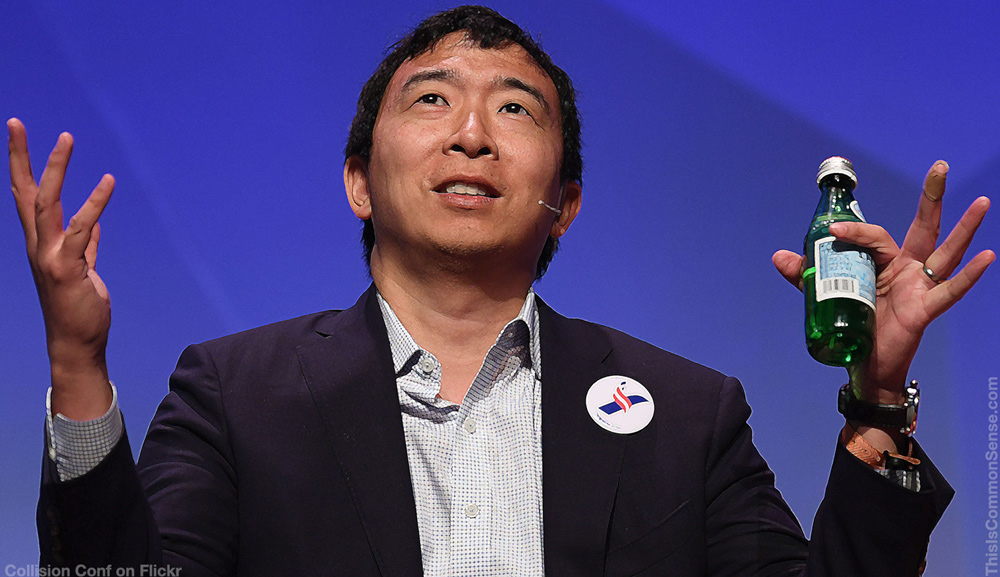
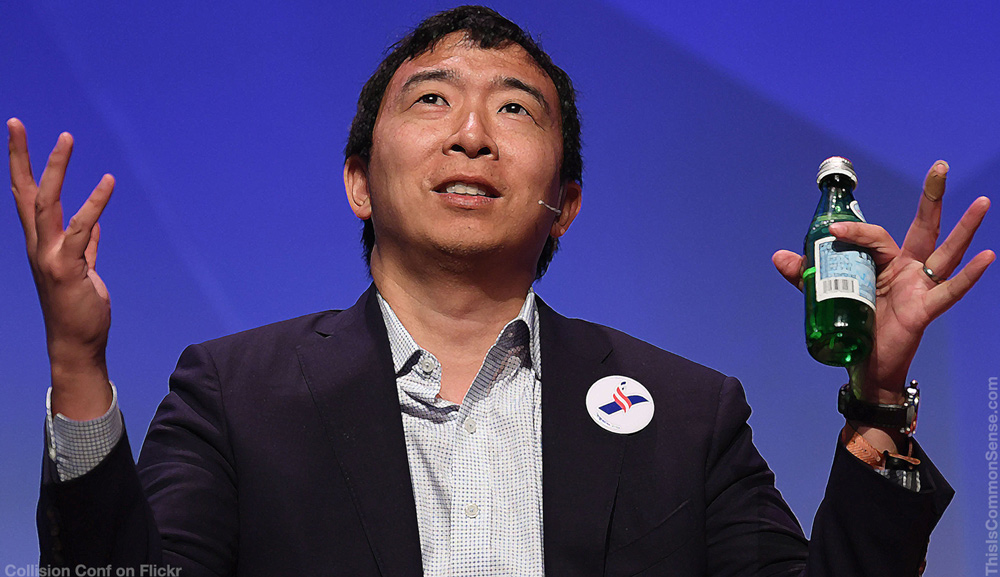
Democratic Presidential candidate Andrew Yang has at least one good policy preference: he opposes tough land use and zoning regimes.

And he is not alone. 

“Yang’s criticism of zoning is pretty close to what other Democratic primary candidates have said on the subject,” writes Chistian Britschgi at Reason. “Sens. Cory Booker (D–N.J.), Elizabeth Warren (D–Mass.), and Amy Klobuchar (D–Minn.), and former Housing and Urban Development Secretary Julian Castro have all targeted restrictive local land use regulations as a cause of high housing costs.”

Mr. Yang’s website clarifies the problem: “Those who already own homes have made it significantly harder for those who don’t to recognize that dream. Through NIMBY (not in my backyard) and zoning laws, the ability of new housing to be built in certain areas has been impeded to the point where the vast majority of Americans can’t afford to live in the largest cities.”

But while Yang recognizes that zoning is best dealt with on a local and state level, his more famous competitors offer fixes, Britschgi notes, that “require the federal government to either spend more money or attach more regulations to the money it already spends.”

Here’s the bottom line: Several Democrats competing for the highest office in the land recognize government interference as the leading cause of the housing crunch and its high prices.

Yet, instead of fighting bad policies at the state and local source, they advocate more federal spending. And they most decidedly do not apply their housing regulation realism to other problems we face.

This is Common Sense. I’m Paul Jacob.


Andrew Yang, zoning, land use, visionary, presidential, election,

Photo by Collision Conf

See all recent commentary
(simplified and organized)
See recent popular posts