Categories
ballot access Common Sense general freedom initiative, referendum, and recall national politics & policies responsibility term limits U.S. Constitution

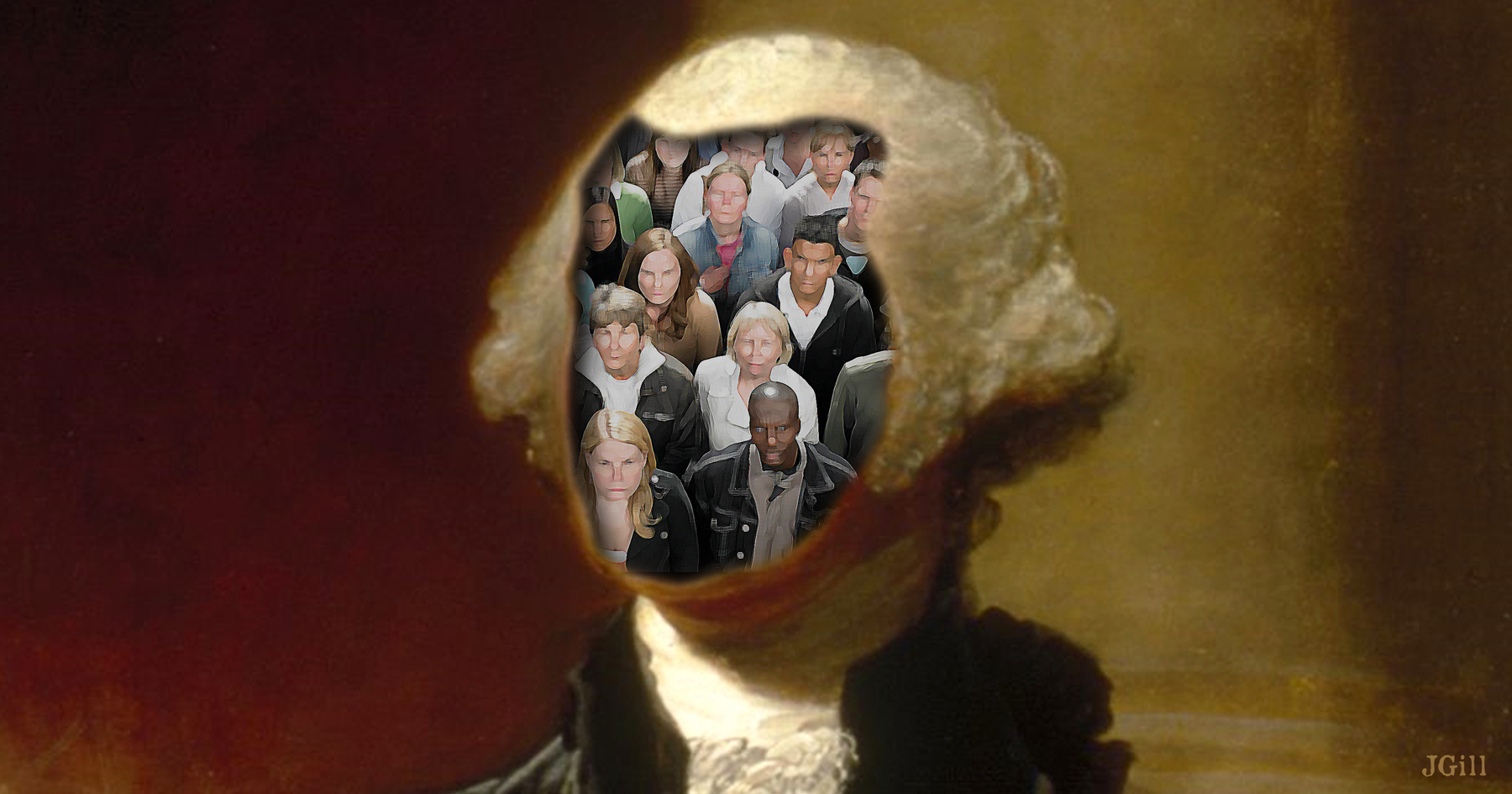
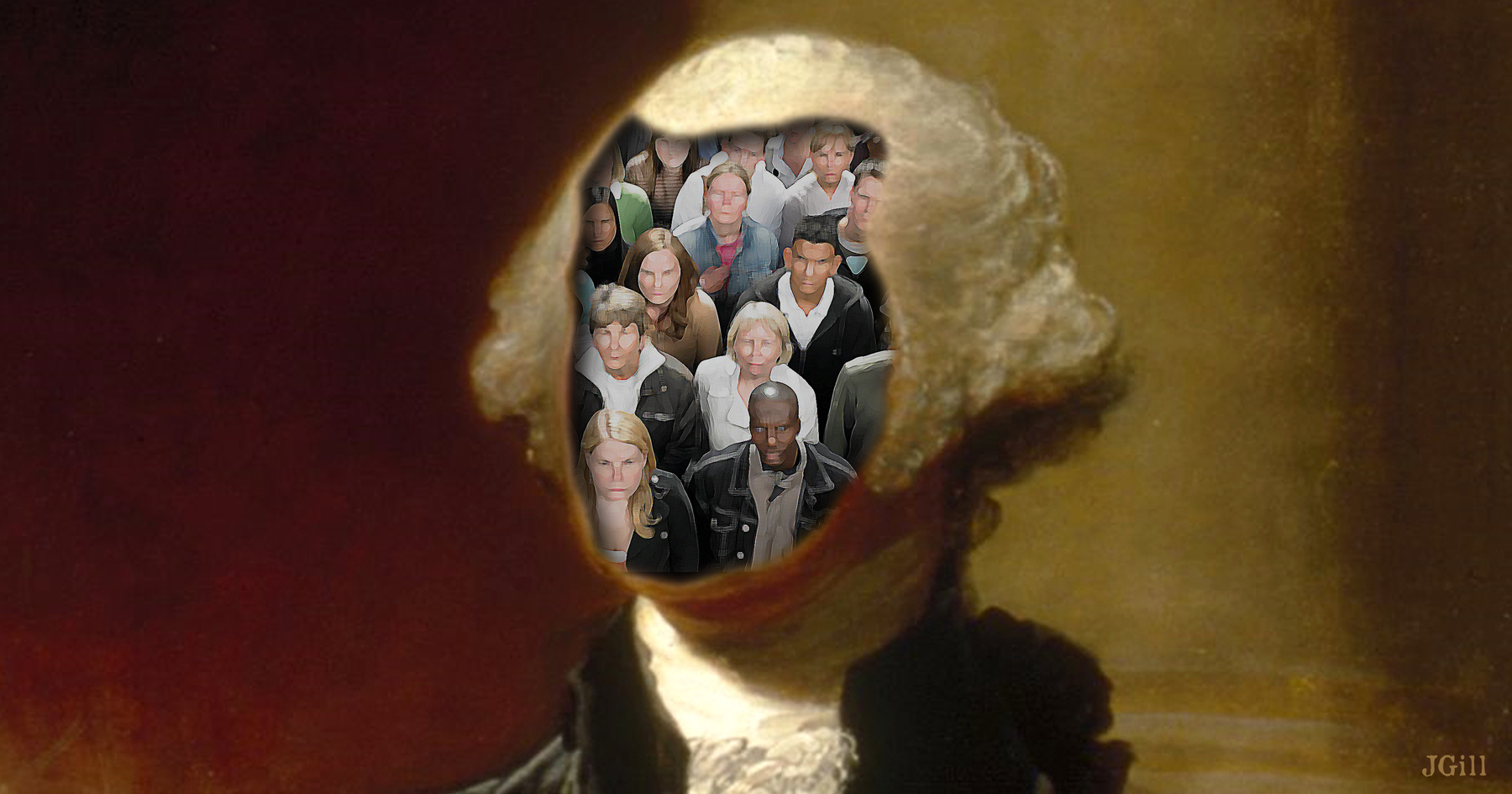
The Quadrennial Distraction

As the leading Republican candidate for the presidency ascends into the air in a helicopter filled with kids, and makes his most astute declaration yet — “I am Batman” — it becomes clearer than ever how distracting these presidential campaigns are.

Much of American Big League politics is theatrics, with some pandering for good measure. Of course, all people running for the presidency are by definition over their heads, at best . . . posturing attention-seekers at worst. Fretting about what they believe and “would do” if voted in as President of these United States is mostly a waste of time. Experience tells us that what they promise is perhaps the least likely outcome of all.

What is more effective? Affecting the political environment by getting together with like-minded folk to advance principled causes closer to home. As a side effect of your activism, a successful issue in a single city or region — especially one that spreads — can have a dramatic influence on present and future presidential wannabes.

With organization and consistent activity at the local level, your voice can be heard. But you have to do something. That activity doesn’t have to be to “run for office”; you can turn up the volume by proposing (and sometimes opposing) ballot initiatives, constitutional and charter amendments in the state, county and city where you live.

There is so much to be done at this level that could create political climate change, which in turn would invariably make federal-level candidates better, that it seems a shame to see us so focused on long shot bets.


Printable PDF

Citizen Action


Categories
Accountability initiative, referendum, and recall responsibility

Gold Medal Worthy

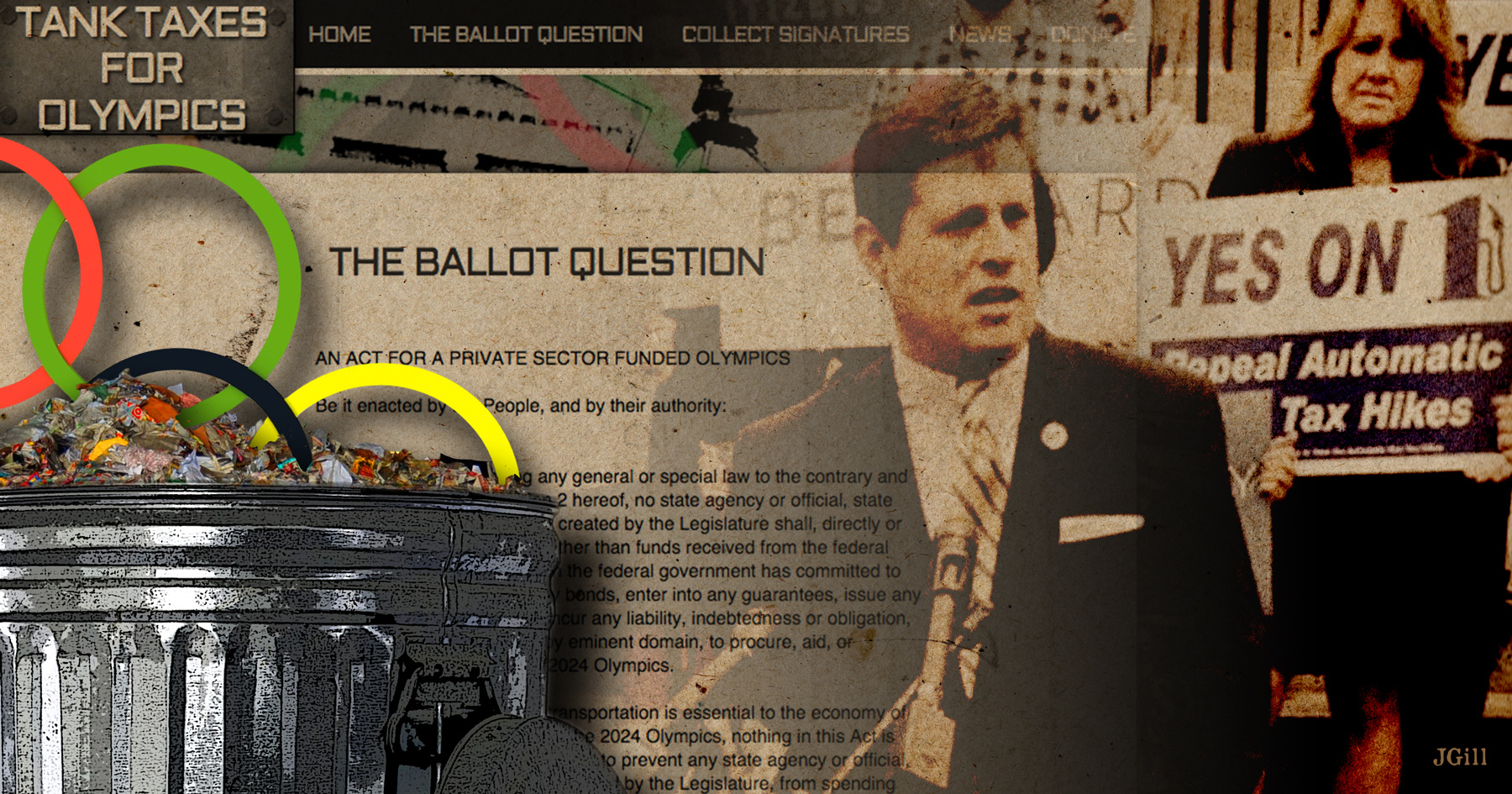
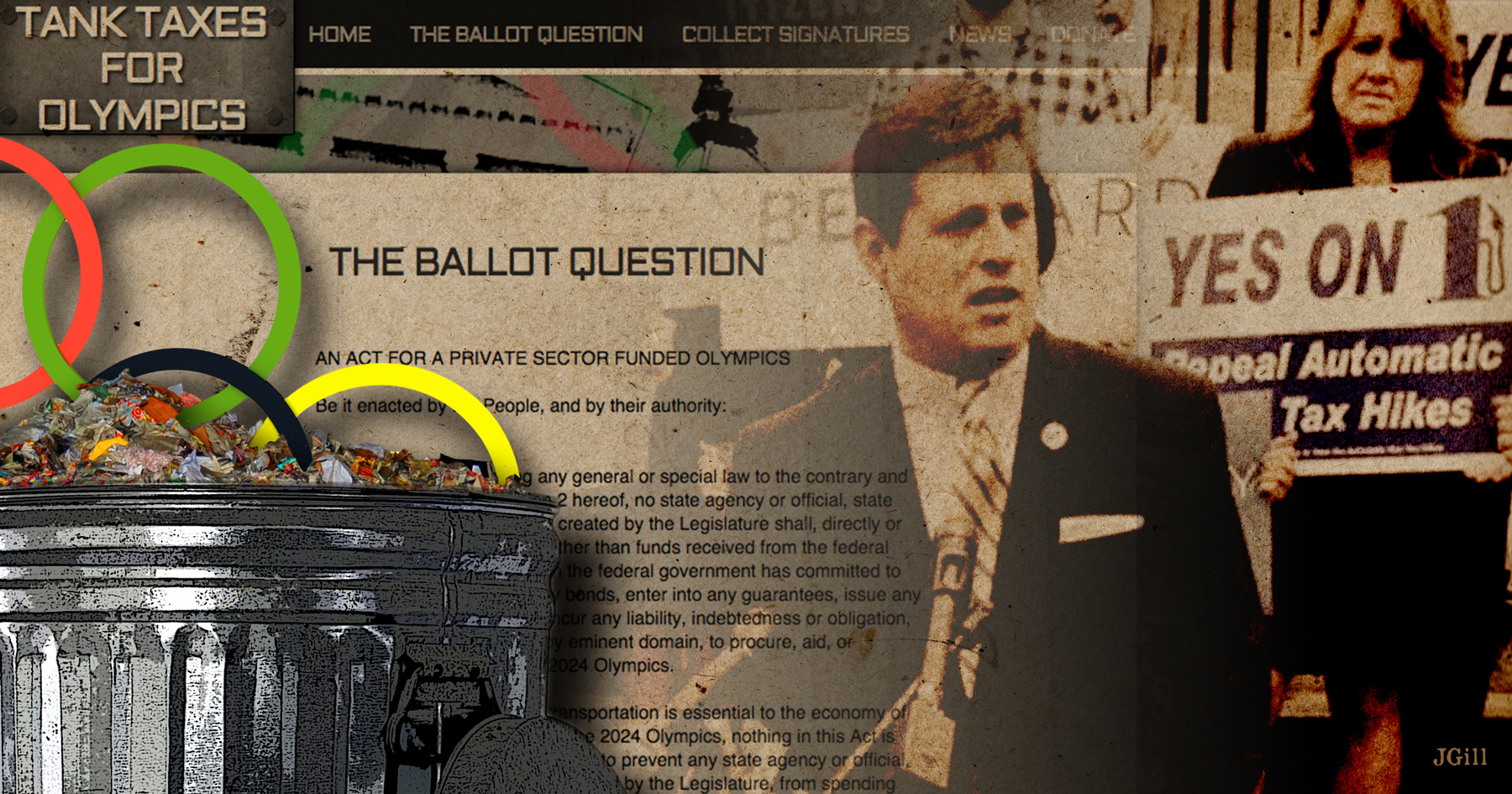
The 2024 Summer Olympics will not be held in Boston.

Beantown abandoned its bid to host the games after Mayor Marty Walsh refused to sign a contract that would have left the city responsible for billions in possible cost overruns.

Did I say possible?

Call it seemingly inevitable.

“I cannot commit to putting the taxpayers at risk,” declared Walsh.

People throughout the Bay State can now rest easy — no tax hike or debt burden to build expensive infrastructure . . . and produce bigger traffic jams. Of course, polls had long shown voters opposed to the idea. But that doesn’t matter to career politicians. Nor to the mayor — until recently.

Mayor Walsh’s deep concern for taxpayers notwithstanding, citizen activism made the difference. A month ago, the Yes on 1 committee joined together with Evan Falchuk, chairman of Citizens for a Say, in supporting a ballot measure to prohibit spending any tax dollars on the Olympics.

Last year, I worked with Yes on 1 — led by Steve Aylward, Rep. Geoff Diehl, Marty Lamb and Rep. Shaunna O’Connell — to pass Question 1, ending automatic gas tax increases in Massachusetts. Olympic officials had been assured a ballot measure was unlikely to get in the way; then came the Yes on 1 folks with the know-how to petition just such a measure onto the ballot.

Walsh claimed this opposition had nothing to do with his decision, calling them “about ten people on Twitter and a couple people out there who are constantly feeding the drumbeat.”

Dancing to a different drummer, Mr. Mayor.

Bostonians can thank the state’s ballot initiative process, which provides a way for the people to be heard. And, of course, citizen leaders who take the initiative.

This is Common Sense. I’m Paul Jacob.

Printable PDF

Yes On 1


Categories
government transparency initiative, referendum, and recall

Temporal Redistricting

They must be proud of themselves, the Little Rock insiders who pushed through a vote on a bond measure in hot-as-Hades mid-July.

Less than 4 percent of eligible voters turned out for the off-cycle exercise in 100-degree democracy. The measure, which refinances previous library bonds and puts an influx of cash into Little Rock public library branches, passed with over four-fifths of the minuscule turnout.

Now, as bond measures go, this one sure seems like a dream; its advocates say it will reduce, not increase, taxes.

But that July 14 vote!

“There was no organized opposition to the bond refinancing campaign,” we read, courtesy of the Arkansas Democrat-Gazette. “Still, Pulaski County Election Commission Executive Director Bryan Poe expected a higher voter turnout.” He thought they would get at least 6,000 voters. Still, even that many votes would have amounted to less than 5 percent of the over 126,000 registered city voters.

It certainly wasn’t any surprise, then, that turnout would be tiny and democratic decision-making left to a tiny fraction of the public.

Detect a certain odor?

It stinks of redistricting. When politicians redistrict voters so that predictable partisan outcomes can be reached — somehow to the benefit of those doing the redistricting — the insiders are not really trying to provide representation to voters. They are trying to continue their business as usual.

“Insiders know best”?

By selecting a summer date for the vote, insiders in effect redistrict the voters using time as the gerrymandering boundary. Call it temporal redistricting, advantaging those with the most at stake in the vote’s outcome.

Call it democracy for the 1 (or 3½) percent.

This is Common Sense. I’m Paul Jacob.

Printable PDF

Sneaky Democracy


Categories
crime and punishment initiative, referendum, and recall

No Part Justice

Dr. Annette Bosworth was convicted last week on twelve felony counts. She now faces as many as 24 years in prison, $48,000 in fines . . . and the likely loss of her medical license.

Her crime? She circulated six nominating petitions to get on the South Dakota ballot in 2014. Thirty-seven people signed — at her medical office and at a Hutterite colony (where she sees patients) — while she was on a medical mission to help typhoon victims in the Philippines.

Dr. Bosworth’s sister was one.

But the affidavit on the petition reads that the circulator must actually witness each person’s signature being affixed. Bosworth should not have signed it.

Hence six counts of perjury and six more, one for each false document filed.

In court, Bosworth testified that her attorney — who legally notarized the petitions — told her she met the legal definition of a circulator.

Last month, I traveled to South Dakota to release a Citizens in Charge Foundation report on this prosecution. One key finding? While the threatened penalty is the most severe any American has ever faced in a petition-related case, Dr. Bosworth submitted signatures of people she knew and who very much did support her. No forgery, no fraud . . . against the voters.

In response, the state’s largest newspaper reported that, “[Attorney General Marty] Jackley said that it’s ‘well understood in state law’ that the offenses Bosworth faces are punishable by probation and not jail time.” Then after her conviction, Jackley suggested a presumption for “either no or limited actual jail time,” adding, “but that presumption can be overcome by a defendant’s conduct.”

Annette Bosworth should be held accountable. But aiming to ruin her life isn’t any part of justice.

This is Common Sense. I’m Paul Jacob.

Printable PDF

Dr. Bosworth


Categories
ballot access initiative, referendum, and recall national politics & policies

Anti-Democratic Republicans?

The Republican Party of Ohio paid lawyers $300,000 to keep a competitor off the ballot.

Typical two-party corruption. We can blame the party, yes — but also blame the system.

A “two-party system” is, mathematicians tell us, the logical result of simple plurality/winner-takes-all elections. That is, when the first candidate “past the post” wins enough votes to best any other, that candidate wins.

When you count votes like this, two parties emerge to dominate.

But to really rule the roost, those parties are incentivized to pile on . . . to make it hard for “minor-party” challengers. Ballot access becomes a nasty business.

Last year Charlie Earl ran for the governorship of Ohio as a Libertarian Party candidate. But he was blocked from the ballot. And when the Ohio LP “filed a federal lawsuit to try to force Earl’s name on the ballot,” Ohio Republican Party Chair Matt Borges testified that his party had nothing to do with the legal maneuvers involved.

As Borges put it at the time, “Anyone who’s looking for the conspiracy behind it — it’s just not there.”

Now, it turns out, the conspiracy was there. His party paid the bills.

Whether Borges was lying or not — maybe he was clueless about these shenanigans — the deed got done.

More important than whether Borges himself can be held culpable for the ballot-access conspiracy, it’s the system that encourages such anti-democratic nonsense that needs changing. First-past-the-post elections must go. There are alternatives, as my friends at FairVote.org champion.

As Ohio GOP leaders stand shame-faced with the evidence of evildoing, it’s time to press such reforms.

This is Common Sense. I’m Paul Jacob.


Printable PDF

2 Party Lockout


Categories
ballot access initiative, referendum, and recall

Finished Business

The civil war is over!

I mean Nebraska’s civil war, a 23-year schism between its unicameral legislature and what’s known as the state’s “second house” — that is, the people, acting through the initiative and referendum process, often checking the power of the first house.

Hero of the day? State Senator Mike Groene of North Platte, who championed Legislative Bill 367. Kudos also to the 42-0 vote of the Nebraska Legislature that enacted the measure, as well as to Governor Pete Ricketts for signing it into law.

Groene, who has been politically active for years with the Western Nebraska Taxpayers Association, got into office as a result of term limits. His LB 367 reverses the state’s seven-year ban on paying petition circulators according to the number of signatures they gather. He convincingly argued that the ban had “really broken the back of people trying to take part in their government through the petition process.”

“It’s time for this body to call a truce,” Groene told fellow lawmakers, declaring that since term limits were first passed, citizens and their representatives had been locked in a “civil war.”

During that war, State Sen. Diane Schimek, a 20-year legislator about to be term-limited, successfully pushed legislation to restrict citizen petitions. Part of her measure was struck down as unconstitutional in Citizens in Charge v. Gale.  Now the rest has been unanimously repealed by the state legislature.

Sen. Paul Schumacher of Columbus favored Groene’s bill, saying that legislators could use a more viable initiative check on their power. The unicameral’s attacks on citizen petitions were, he said, “reflective of a government that was afraid of its people.”

Now it’s peacetime in Nebraska.

This is Common Sense. I’m Paul Jacob.


Printable PDF

Nebraska Win


Categories
Accountability ballot access Common Sense First Amendment rights general freedom initiative, referendum, and recall

Really Protecting Our Rights

Incentives matter. Which is why Ohioans have much to celebrate
this week
.

Federal District Judge Michael Watson turned his previous temporary injunction against enforcement of Senate Bill 47 into a permanent injunction. That statue outlawed non-residents from helping Buckeye State residents by gathering petition signatures for an initiative or referendum.

The case is Citizens in Charge v. Husted. Citizens in Charge — where I work — protects initiative rights. Jon Husted is the Ohio Secretary of State.

But Judge Watson went further, declaring Sec. Husted’s office liable for damages to one of our co-plaintiffs, Cincinnati for Pension Reform. The judge found that “a reasonable official would have understood that enforcement of the residency requirement would violate plaintiffs’ First Amendment right to engage in political speech.”

Public officials have what’s known as “qualified immunity,” which protects them from liability when acting in good faith. A spokesman for Husted offered a defense: they were acting “on the assumption that the law is constitutional.”

“Some qualified-immunity cases are difficult,” countered election-law expert Daniel Tokaji. “Not this one.”

Ohio’s residency law was ruled unconstitutional in 2008, after Ralph Nader’s presidential campaign sued. In 2009, the previous secretary of state officially acknowledged the law unenforceable regarding all petitions. Yet, seeking to block citizen petitions, legislators passed it again, and Husted was quick to enforce.

Maurice Thompson of the 1851 Center for Constitutional Law, our attorney, cheered the “deterrence” this decision provides.

“If public officials from the governor down through the police know that they will be liable for enforcing an unconstitutional law,” he explained, “they are far more likely to take Ohioans’ constitutional rights seriously.”

This is Common Sense. I’m Paul Jacob.


Printable PDF

Categories
Accountability folly government transparency incumbents initiative, referendum, and recall meme term limits too much government

Stop Phony Crony Pay Grab

Are people in Arkansas as stupid as their legislators think?

Last November, legislators tricked enough voters to narrowly pass Issue 3.

Ive addressed before the measures dishonest ballot language, mis-identifying a doubling of allowed terms as the setting of term limits.And about a much-ballyhooed gift ban that has proven so weak that now most legislators are offered free meals nearly every day.

Perhaps the biggest of the tricks used to pass the measure was this: Hide from voters the measures establishment of an Independent Citizens Commission . . . a majority hand-picked by those same legislators.

This Legislative Cronies Commission(as it should be called) has announced it will unilaterally hike pay by an outrageous 150 percent!

The commission claims to have looked at legislative salaries in nearby states, except Texas and Mississippi two states that just so happen to pay lower salaries. Economic factors were also considered, supposedly, but household income in Arkansas has actually dropped in the last decade.

The commission held only one poorly publicized hearingat, get this, 10:00 am on a Monday, when most folks were working. No surprise, public comments have run ten to one negative. Letters and emails contain words and phrases such as shameful,” “insult,” “actually sick to my stomach,” “a joke,” “ludicrous,” “appalledand slap in the face.

This led Larry Ross, chief crony on the commission, to rudely dis citizens, telling the Arkansas Democrat-Gazette that he would look at the qualityof comments, not the quantity.

Only a tsunami of public anger can stop this rip-off of Arkansas taxpayers. Act fast. A March 16 meeting is set to finalize the increase.

Tell the Independent [sic] Citizens [yeah, right] Commission what you think: call (501) 682-1866.

This is Common Sense. Paul Jacob.


 Printable PDF

Categories
ballot access initiative, referendum, and recall

Black Mark for Brown

“The outrage over the Brown Bill, and it is outrage,” wrote The Argus Leader’s Jonathan Ellis, “is being voiced across the political spectrum.”

The Brown Bill, Senate Bill 166, is legislation introduced by South Dakota State Sen. Corey Brown (R-Gettysburg) to nearly double the number of signatures citizens must gather on petitions to place issues on the ballot.

Sen Corey Brown NOEr, I mean, it was legislation.

“I’m quite surprised that a lot of folks are willing to not engage in an intellectual conversation,” Sen. Brown said in scuttling a hearing where such a conversation might take place. He asked that his own bill be tabled and fellow legislators obliged, of course, meaning an inglorious demise for what had been “emergency” legislation.

Perhaps what surprised the good senator were so many folks lighting up the state capitol switchboard — fervently opposed to his move to make it more difficult for voters to have a say. An online Argus Leader poll showed 87 percent of South Dakotans against making it “harder for citizens to initiative measures.”

Then again, maybe public opposition to his bill didn’t surprise Sen. Brown one little bit. Legislators routinely slap emergency clauses onto legislation because that prevents voters from petitioning to refer that legislation onto the general election ballot.

South Dakota became the first state to enact statewide initiative and referendum back in 1898. The people cherish this process.

Not surprisingly, their politicians despise it.

Eternal vigilance.

This is Common Sense. I’m Paul Jacob.

Categories
initiative, referendum, and recall tax policy

Two-Thirds to Raise Taxes

You can’t keep a good Eyman down.

“Who says politicians don’t listen?” asked Tim Eyman in a recent email to his Washington State supporters.

“OK, you got me: we normally do. 😉  But not today.”

Pleased as punch, Eyman announced the resurrection of the two-thirds requirement for legislators to raise taxes. Three times voters have passed initiatives promoted by Mr. Eyman mandating a 2/3 legislative vote or a vote of the people before taxes can rise — in 2007, 2010 and again in 2012, the last two times by a whopping 64 percent vote.

But in 2013, the state supreme court ruled voters could not so limit their state legislature, short of a constitutional amendment. And — you guessed it — the Evergreen State lacks a statewide initiative process for voters to amend the constitution . . . without the permission of their legislators.

Eyman was blocked; the voters thwarted. Legislators could go back to raising taxes as usual.

Not so fast!

Enter State Sen. Mike Baumgartner (R-Spokane), who helped motivate a narrow GOP majority to pass a new Senate rule, 26-23, that no new tax may pass the chamber without garnering a 2/3 vote.

Democrats are livid. “Going around the voters is not only disingenuous,” bemoaned Washington State Democrats Chairman Jaxon Ravens, “it is wrong.”

Going around the voters? Really? It must have slipped his mind that “the voters” had previously voted (and been thwarted) three times.

“[H]as the Senate already nullified any attempt by Gov. Jay Inslee to create a carbon emissions charge or a capital gains tax — solely by rearranging its own internal rules?” asked John Strang at Crosscut.com.

Yes is the answer from those pesky voters.

And from their representatives who listen.

This is Common Sense. I’m Paul Jacob.