Categories
international affairs meme Popular too much government

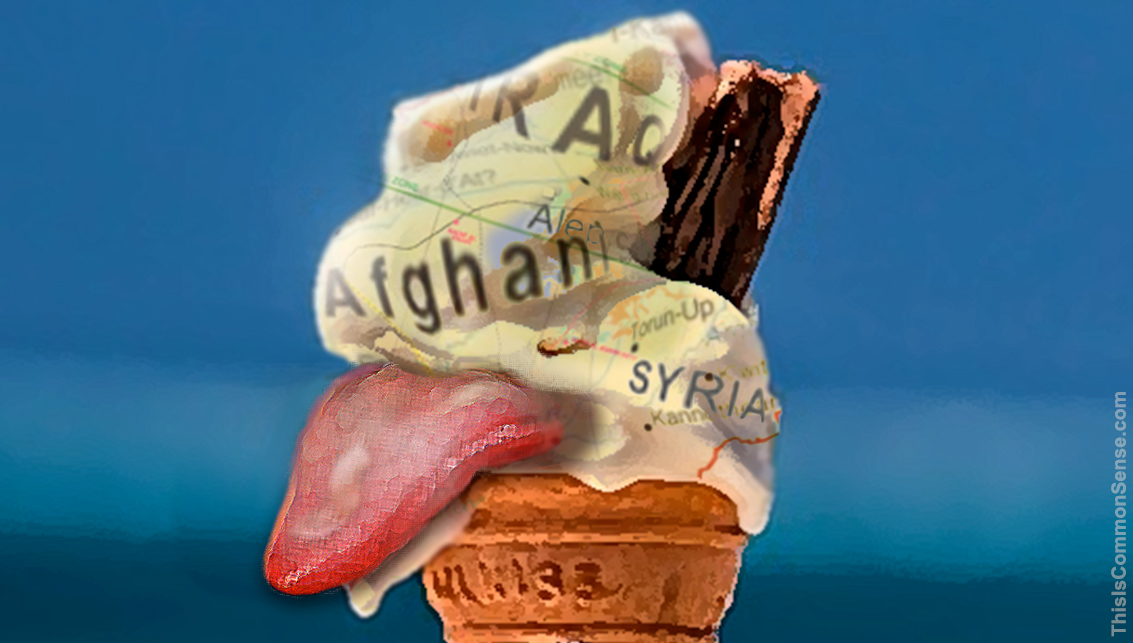
What Kind of Ice Cream Cone?

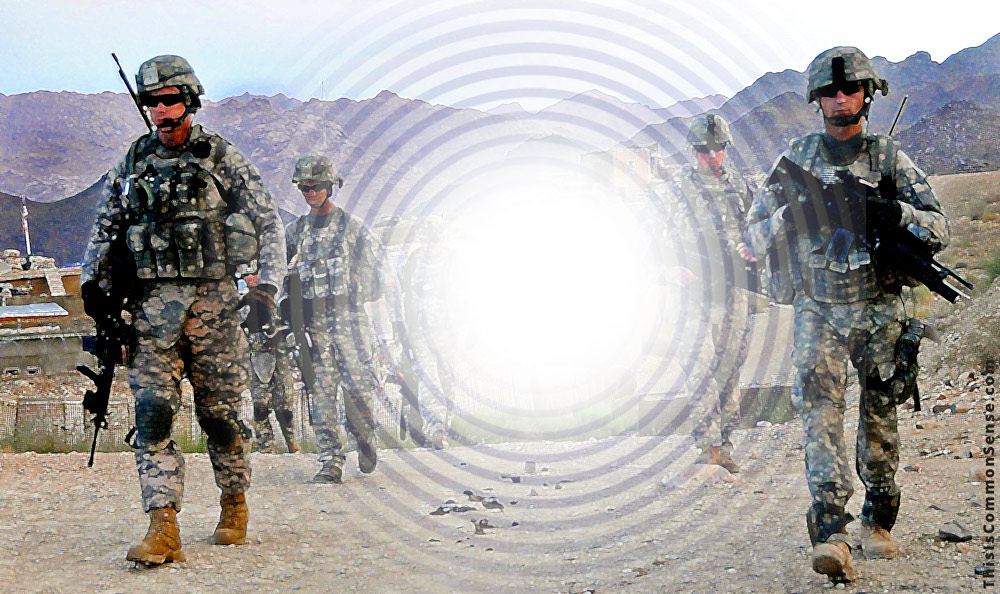
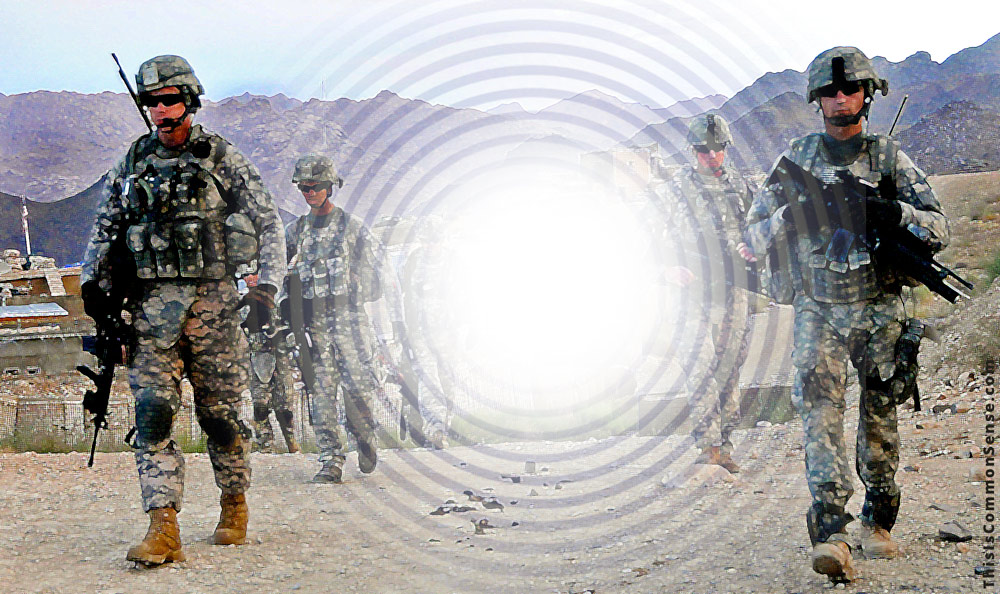
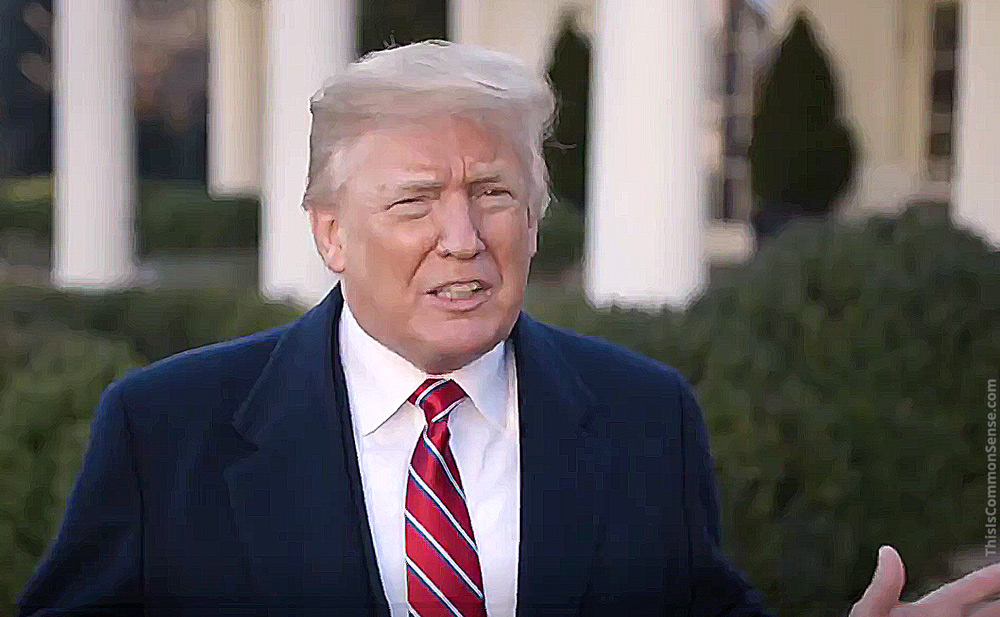
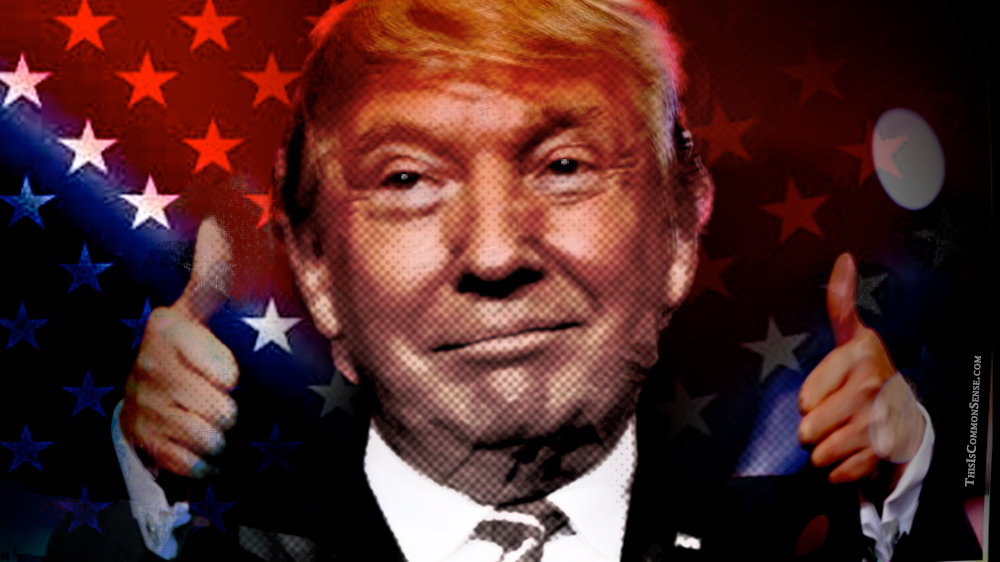
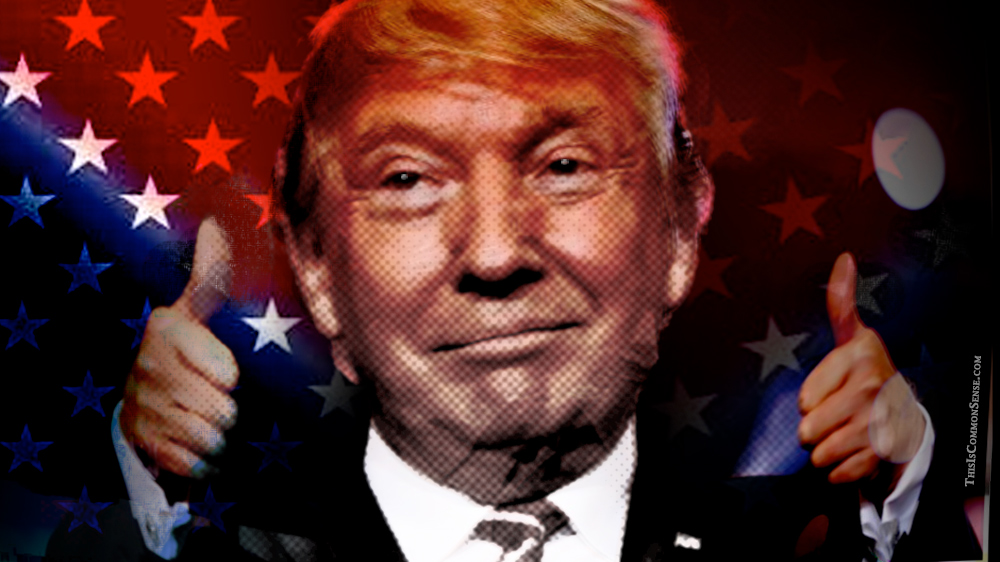
When I wrote about the Donald’s change of troop positions abroad last week, it was less than completely clear that the US President aimed to withdraw troops from Afghanistan as well as Syria. But multiple reports on the day I posted “Strategic Disengagement” make it clearer: about half of America’s 14,000 troops stationed there are scheduled to exit.

Why not all?

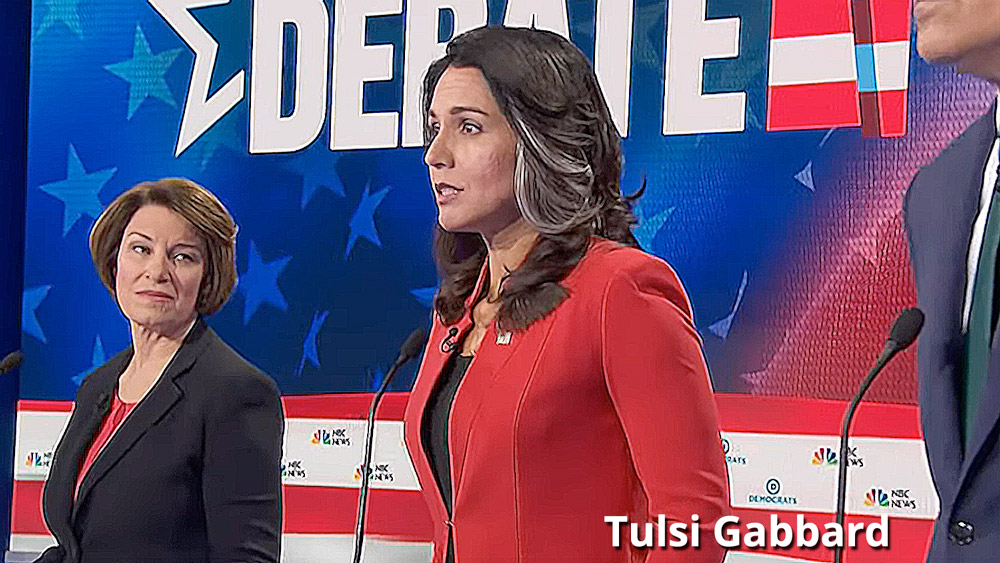
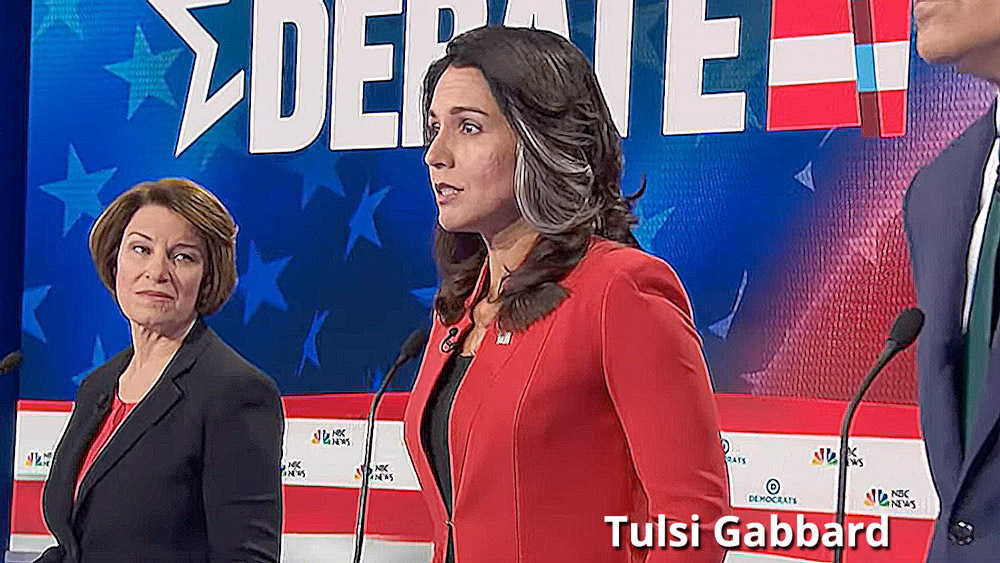
Well, you can see how entrenched foreign intervention is for American leaders. While most of the GOP policy establishment howled at Donald Trump’s betrayal of the cause (whatever that cause is, exactly), so, too, did many of the Democrats. And they seem awfully earnest. More earnest than one has reason to expect from the objectors to “George W. Bush’s wars.”

Even Noam Chomsky came out saying that the U.S. should stay in Syria to save the Kurds, and Howard Dean tweeted that American troops must remain in Afghanistan for the sake of women’s rights.

What we are witnessing are eternal programs that do not ever — and cannot ever — fulfill their basic purpose. No amount of occupation of Syria or Afghanistan or Iraq is going to give us what the neoconservatives promised: freedom and democracy and jubilation in the streets.

Freedom and democracy do not work that way.

There is a term for such impossible-to-win/impossible-to-stop policy messes: “self-licking ice cream cones.”

The term means a “self-perpetuating system that has no purpose other than to sustain itself,” which is just standard operating procedure for domestic bureaucracies.

But in foreign military action?

Awfully cold imagery, and too comic . . . for tragedy.

This is Common Sense. I’m Paul Jacob.


PDF for printing

self licking ice cream, war, foreign policy, government

See all recent commentary
(simplified and organized)
See recent popular posts

Categories
international affairs Popular too much government

Strategic Disengagement

The policy was announced in a Tweet: President Trump said it was time to pull out of Syria. We won, he explained. “After historic victories against ISIS, it’s time to bring our great young people home!”

There is, of course, much outcry among Republicans, Sen. Lindsey Graham (R-SC) and pundit Ben Shapiro making the same point: this is, in the senator’s words, “a huge Obama-like mistake.”

But not a few are supportive. “U.S. forces should not be engaged in Syria — or any country,” explained Rep. Justin Amash (R-Mich), “without legitimate military justification AND proper congressional authorization.”

And there is no doubt that after pulling out of the region — and yes, it looks like Trump is readying forces for a pull-out of the expensive and ridiculous Afghanistan occupation — there will be outrageous horrors. But are they America’s? 

Should they be?

The problem with trying to solve every worldwide conflict is clear: by intervening, we make those conflicts ours.

The idea that the American military can successfully micromanage conflicts around the world seems implausible. And increasingly counter-factual. 

The same logic against intervening in the domestic economy to “wisely” promote some businesses and demote others also applies against most foreign military intervention: “unintended” consequences get conjured up, and even blowback.

Also, somehow, almost no one ever consults Just War theory to test various proposed interventions. Instead, military interventionism is all audacious hope and lofty language.

No realism, despite “Mad Dog” Mattis’s protests to the contrary.

Foreign policy scholar Earl Ravenel had the perfect term for what Trump may be and should be doing: strategic disengagement. We have much to gain from a more restrained — and constitutional — foreign policy.

This is Common Sense. I’m Paul Jacob.


PDF for printing

Donald Trump, Trump, Syria

See all recent commentary
(simplified and organized)
See recent popular posts


Categories
international affairs

The Grateful President

What are you thankful for?

Surely you were asked over Thanksgiving by friends or relatives — just as the president was by reporters. No doubt you had more social grace than to launch into a full-throated self-endorsement.

In his defense, President Trump first answered, “For having a great family,” before quickly pivoting to “and for having made a tremendous difference in this country. . . . This country is so much stronger now than it was when I took office that you wouldn’t believe it.”

Yes, hard to believe.

Thankful for Saudi Arabia? The Donald is. Oil prices are down.

Controversially, Trump also decided that Saudi Arabia has suffered enough for their grisly state murder of Washington Post contributor Jamaal Khashoggi. U.S. sanctions have indeed been firmly placed on 17 Saudis accused of involvement in the murder, but no action taken against Crown Prince Mohammed bin Salman, who the CIA “assesses” was “likely responsible.” 

“It’s a very complex situation,” the president told reporters. “It is what it is.

“We’re not going to give up hundreds of billions of dollars in orders and let Russia, China and everybody else have them,” Trump continued. “It’s America first.”

“Our relationship with Saudi Arabia has always been transactional,” explained the American Enterprise Institute’s Danielle Pletka on NBC’s Meet the Press. “Our relationship with Saudi Arabia has always been about our larger goals in the region, not out of admiration for Saudi Arabia’s rule of law, human rights record, or anything else.”

“Transactional” is a pretty word for this foreign policy, with pretense about human rights or without.

How thankful should we be for that?

This is Common Sense. I’m Paul Jacob.



PDF for printing


» See popular posts from Common Sense with Paul Jacob HERE.


Categories
Accountability folly general freedom government transparency ideological culture moral hazard national politics & policies responsibility too much government U.S. Constitution

Not Even with a Straight Face

Is American foreign policy so foreign to our values that even those who have served at the very pinnacle of national intelligence agencies have trouble telling the truth?

“Have we ever tried to meddle in other countries’ elections?” Laura Ingraham, host of Fox News’ The Ingraham Angle, asked James Woolsey, director of the Central Intelligence Agency (CIA) from 1993 to 1995.

“Oh, probably,” Mr. Woolsey replied. “But, uh, it was for the good of the system, in order to avoid communists from taking over. For example, in Europe in ’47-’48-’49, the Greeks and the Italians, we, the CIA—”

“We don’t do that now, though?” Ingraham interjected. “We don’t mess around in other people’s elections, Jim?”

“Well . . . urrrrr, yum, yum, yum, um, um,” the old spymaster offered to laughter from both Ingraham and her studio cameramen. “Only for a very good cause,” he added with a sly grin, “and the interests of democracy.”

Interests. Of. Democracy.

Ha. Ha ha. Laughing yet?

Foreign Policy tells us that documents declassified in 2017 “shed light on the Central Intelligence Agency’s central role in the 1953 coup that brought down [elected] Iranian Prime Minister Muhammad Mossadegh . . . poisoning U.S.-Iran relations into the 21st century.”

Need more? There’s a handy database that lists undemocratic and illegal* shenanigans going on and on through the ’60s, ’70s, ’80s, up through President Obama to today.

“This broader history of election meddling has largely been missing from the flood of reporting on the Russian intervention . . .” noted the New York Times last December.

Of course, our government’s interference doesn’t justify Russian government interference. But, we can only (possibly) control our politicians.

This is Common Sense. I’m Paul Jacob.


* “Meddling in other’s elections is a violation of international law,” Steve Baldwin writes in The American Spectator. “More importantly, U.S. law prohibits the use of tax dollars to influence foreign elections.”


PDF for printing


Categories
Accountability folly general freedom moral hazard national politics & policies

Of Course, You Know, This Means War

When Steve Bannon was booted out of the White House, my thoughts turned immediately to war. As I wrote in frustration on Friday,

Bannon’s departure probably means the slim chance that the US might withdraw from “our” open-ended, never-ending occupation of Afghanistan has been foreclosed.

If we don’t win the war by ushering in a completely transformed, modernized and westernized Afghanistan, at least our children and grandchildren and great grandchildren, etc., etc., will each have. their turn.

Of course, if the fabled “Graveyard of Empires” continues to work its historic magic, maybe future generations won’t face that burden: the United States could fall . . . as a worldwide imperial presence. And, if our global military archipelago fails — for, say, want of wealth to throw overseas — do we have any reason to believe that our republic would bounce back?

There remains more than enough reason to work for foreign policy sanity.

Prior to his evening national address on the day of the eclipse, Trump explained what he intends to do in Afghanistan — send 4,000 more troops.

Meanwhile, Steve Bannon’s door-slapped rump did not dissuade him from tweeting out what he intends to do “on Capitol Hills, in the media, and in corporate America”:

If there’s any confusion out there, let me clear it up: I’m leaving the White House and going to war for Trump against his opponents. . . .

Call this the Bugs Bunny Policy: “Of course, you know, this means war!

And considering the promises made in the President’s speech, we can amend that to “of course, this means never-ending war.”

This is Common Sense. I’m Paul Jacob.


PDF for printing


Categories
Accountability folly national politics & policies responsibility

Successful Strategy Fails

A dark cloud hangs over tonight’s debate.

Not the sex assault scandals. Not the WikiLeaks email apocalypse. Not even the banning of Gov. Gary Johnson from the debate stage. I refer, instead, to the obvious failure of American foreign policy.

Last week, U.S. warships in the Red Sea received missile fire. Not from a “policy disaster” country, mind you, but flowing from the fruits of our flagship foreign policy success!

In September of 2014, President Barack Obama spoke directly to the nation about how he would fight ISIS, pointing to the “strategy . . . we have successfully pursued in Yemen and Somalia for years.”

Roughly four months later, Yemen’s U.S.-supported government fell to Houthi rebels allegedly backed by Iran. Still, the Orwellian oasis that is the state department continued to “stand by” the president’s declaration of success there.

Then, Saudi Arabia and a number of other Sunni-run states began bombing and blockading (and then invading) Yemen. With U.S. military support. Amnesty International, aid groups and Congressman Ted Lieu (D-Calif.) allege war crimes, as the bombing campaign targets civilians and medical facilities. Barely a week ago, an errant strike killed 140 members of a funeral party.

Meanwhile, as the U.S. shoots Tomahawk missiles at Yemeni radar installations, our war department spokesman refers to the return fire as “not connected to the broader conflict in Yemen.”

Sure.

And what of Somalia, Obama’s other success? In recent weeks, al-Shabab fighters have twice attacked U.S. soldiers, and a U.S. air strike mistakenly killed 22 Somali soldiers in the country’s north.

Blindly pursuing a failed strategy, Obama’s undeclared wars go on and on. So where does the likely next president stand?

This is Common Sense. I’m Paul Jacob.


Printable PDF

foreign policy, Obama, election, president, illustration


Categories
Accountability ideological culture moral hazard national politics & policies political challengers too much government

Bernie’s Problem?

Sen. Bernie Sanders has a problem. With Hillary Clinton.

Asked about the Clinton Foundation, yesterday, by CNN’s Jake Tapper, host of State of the Union, Bernie re-questioned himself:

Do I have a problem when a sitting secretary of state and a foundation run by her husband collects many millions of dollars from foreign governments, governments which are dictatorships?

And Bernie answered, “Yeah, I do.”

How many roads must mainstream media reporters walk down before they investigate and report on the myriad of ethical cracks in the Clinton Foundation?

To the most obvious conflict of interest in the history of the human race, add the fact that even after promising President Obama that the Clinton Foundation would at least be totally transparent with an annual report of all donations . . . well, Hillary welched on the deal, not revealing the donors.

While Bernie’s condemnation of Hillary’s ethical shortcomings was big news, less reported were the senator’s comments regarding whether Mrs. Clinton is “too quick on the draw, too eager to use military force.”

Bernie again was clear: “I worry about that. Yeah, I do. Her support for the War in Iraq was not just an aberration.” Sanders went on to cite Secretary of State Clinton’s role in pushing President Obama to overthrow Gaddafi in Libya and to intervene in Syria.

Hillary’s judgment on issues of war and peace is questionable . . . especially when we don’t know whether or not a foreign leader or his cronies have written big checks to the Clinton Foundation.

This is Common Sense. I’m Paul Jacob.


Printable PDF

Hillary Clinton, Bernie Sanders, war, foreign policy, blood stained, death, military, illustration


Categories
folly national politics & policies

A Tunnel with No Light

President Barack Obama pledged we’d be out of Afghanistan by 2016, but yesterday announced a “modest but meaningful extension of our presence” — keeping the 10,000 troops currently stationed there for all of 2016, and then, in perpetuity, maintaining a force five times larger than previously planned.

Why? Because, after 14 years of conflict and nation-building, Afghanistan is still neck-deep in violence. Last month, the Taliban briefly captured Kunduz, a city of over 250,000 people. Going forward, Obama admitted, “There will continue to be contested areas.”

The Afghan government is not self-sustainable and nobody seems to know how many years or decades or centuries that might take to achieve.

Meanwhile, over in Syria, the U.S. cannot train more than four or five moderate soldiers after much bluster and promise — and splurging a cool $500 million.

The U.S. invaded and “regime-changed” Iraq, helping shape a new government and national army. With all that effort — a cost of thousands of lives — once our soldiers weren’t doing the daily fighting to tamp down the bloody sectarian chasm, ISIS formed, the Iraqi army ran away and the country soon collapsed into civil war.

The Iraq Conquest put southern Iraq into Iranian orbit. How many lives was that worth?

The problem? Not military incompetence. The mission is the problem. Has any politician or military leader plausibly put forth a plan whereby our country’s intervention actually creates an improved and sustainable political order in any of these nations?

If so, let’s see it.

If not, why are our soldiers still in harm’s way?

This is Common Sense. I’m Paul Jacob.


Printable PDF

Obama, quagmire, foreign policy, Afghanistan, Syria, war, collage, photomontage, JGill, Paul Jacob, Common Sense


Categories
folly ideological culture

Wrong Lesson Learned

Last week’s interview with New York Times columnist Thomas Friedman brought a rare admission from President Barack Obama.

Friedman asked, “What’s the biggest thing you’ve learned doing foreign policy?”

“I’ll give you an example of a lesson I had to learn that still has, you know, ramifications to this day,” Obama replied, “and that is our participation in the coalition that overthrew Gaddafi in Libya.”

The president was quick to defend the “lead from behind” 2011 intervention, itself, as “the right thing to do,” because “had we not intervened, it’s likely that Libya would be Syria, right?”

Or Iraq, perhaps?

He decided to attack Libya militarily, Mr. Obama went on to explain, precisely “because Gaddafi was not going to be able to contain what had been unleashed there” (via the Arab Spring) and thus, “there would be more death, more disruption, more destruction.”

Does that make any sense? Was Gaddafi’s inability to wield more complete and total power over his rivals within the country plausibly be the rationale behind the NATO intervention?

In acknowledging his error, the president said, “What is also true is, I think we underestimated . . . the need to come in full force — if you’re going to do this. Then it’s the day after Gaddafi’s gone, when everyone’s feeling good, everybody’s holding up posters saying ‘Thank You, America!’ At that moment, there has to be a much more aggressive effort to rebuild societies that don’t have any civic traditions.”

Of course, it isn’t possible to “re-build” that which you admit never existed.

And it isn’t the role of the U.S. Government.

This is Common Sense. I’m Paul Jacob.