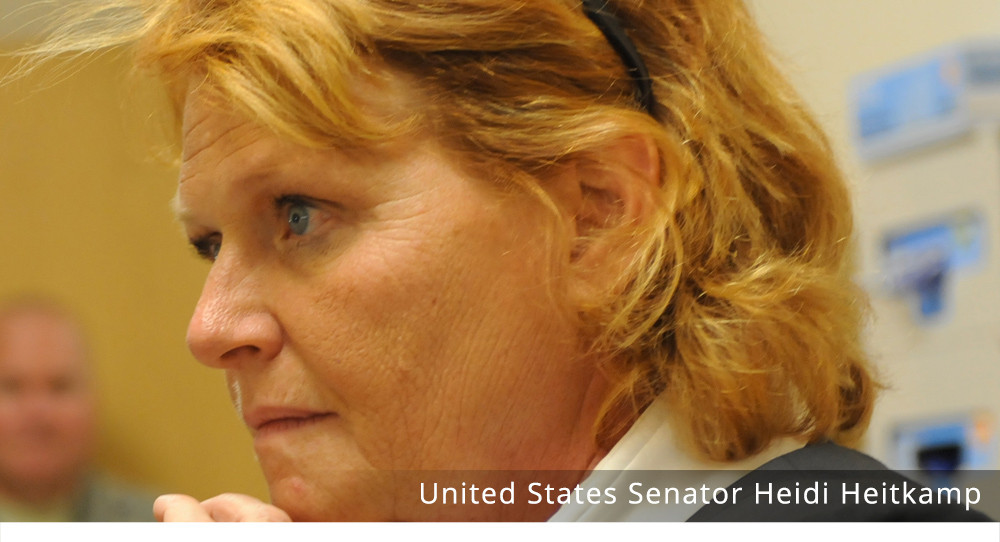
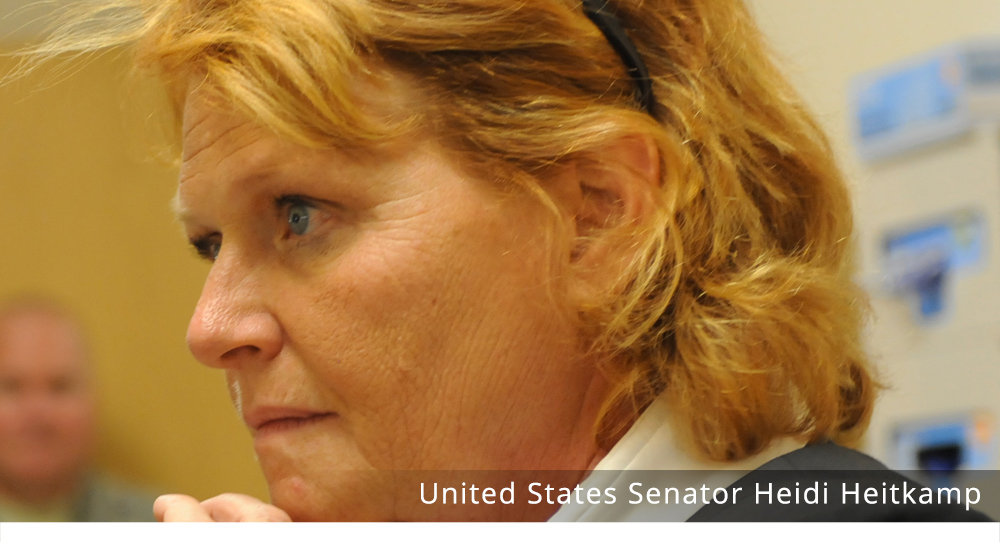
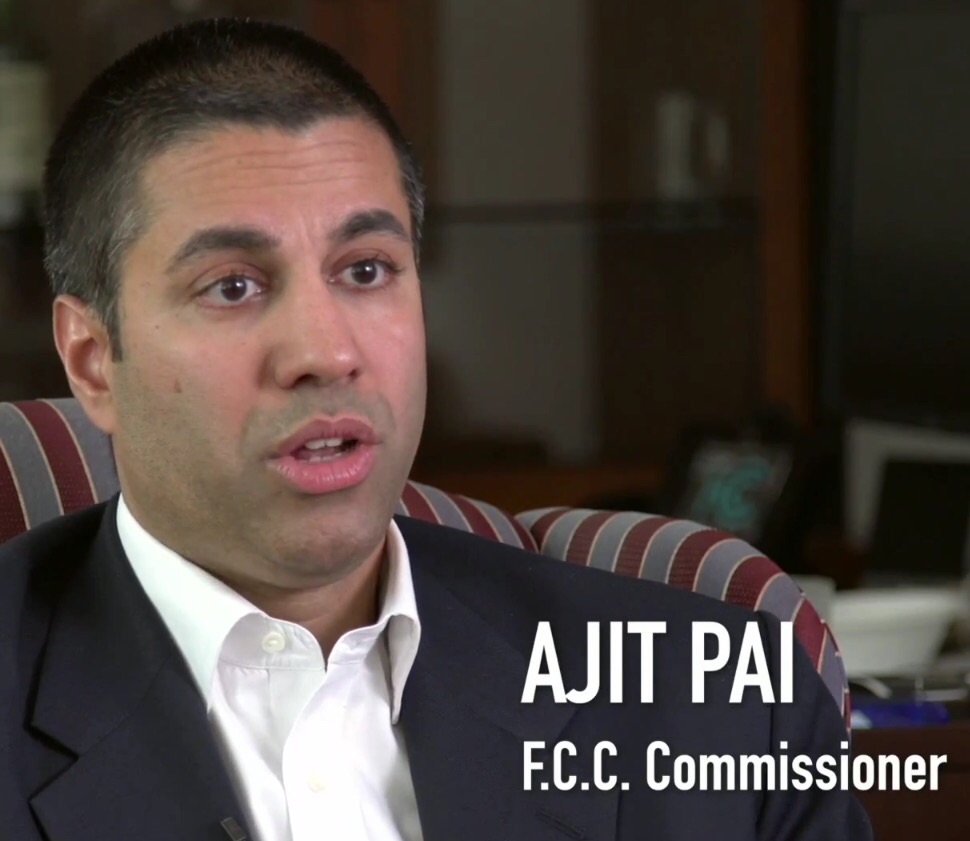
“The Fairness Doctrine was controversial and led to lawsuits throughout the 1960s and ’70s that argued it infringed upon the freedom of the press,” explained FCC commissioner Ajit Pai for the Wall Street Journal, in an op-ed I quoted yesterday.
“The FCC finally stopped enforcing the policy in 1987, acknowledging that it did not serve the public interest. In 2011 the agency officially took it off the books. But the demise of the Fairness Doctrine has not deterred proponents of newsroom policing. . . .”
Thankfully, this is old news. The former FCC commissioner’spiece was actually published nearly twelve years ago. Mr. Pai has since moved on to the private sector, in April becoming President and CEO of CTIA, the wireless industry trade association.
We can breathe a sigh of relief. The FCC is not planning on regulating the news for biased content.
Well, supposedly, anyway.
So why rehash an old issue — why revive something from the proverbial slush pile?
To compare and contrast. Bias is a continuing problem, but the biggest threat to news reporting and dissemination since that time has revealed itself in a very different form, not as “abridgments” to press freedoms but as secret government commands and direction.
Remember what we learned in the Trump-and-pandemic years?
During the recent pandemic, and the release of the Twitter Files, we learned of a massive effort of government and “ex-government” personnel directing social media outlets to platform-censor dissent, going so far as to squelch new sources . . . as happened regarding the New York Post Hunter Biden laptop story.
The FCC Fairness Doctrine was nothing compared to the meddling that has more recently occurred behind the scenes, but which we all experienced, on social media. It played a role in the election results favoring Biden in 2020, and in the dysfunctional, disastrous public health response to COVID-19.
The FCC doesn’t handle that level of biased manipulation of news.
So who does?
This is Common Sense. I’m Paul Jacob.
Illustration created with Nano Banana and ChatGPT
See all recent commentary
(simplified and organized)
See recent popular posts