Categories
education and schooling folly international affairs

Doctor-​to-​Be of Theology

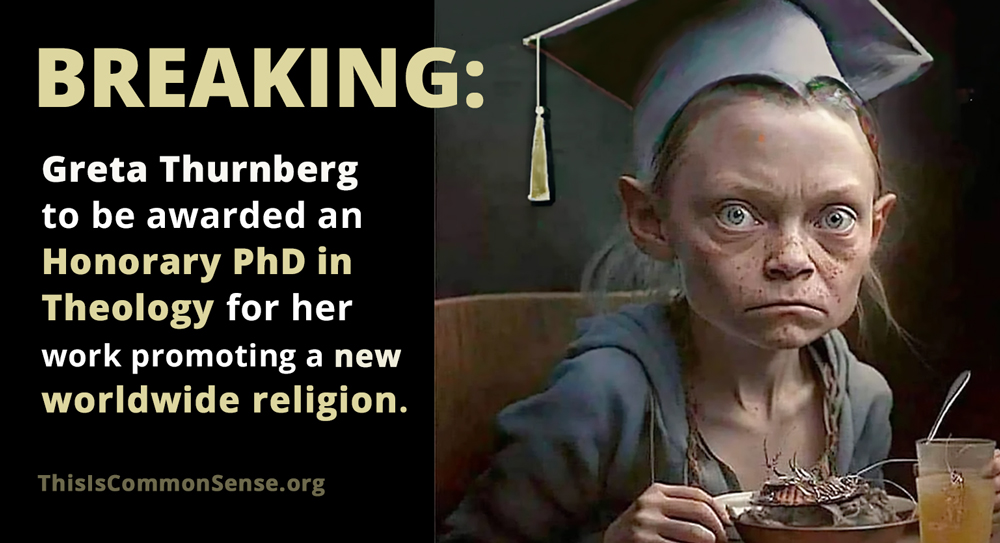
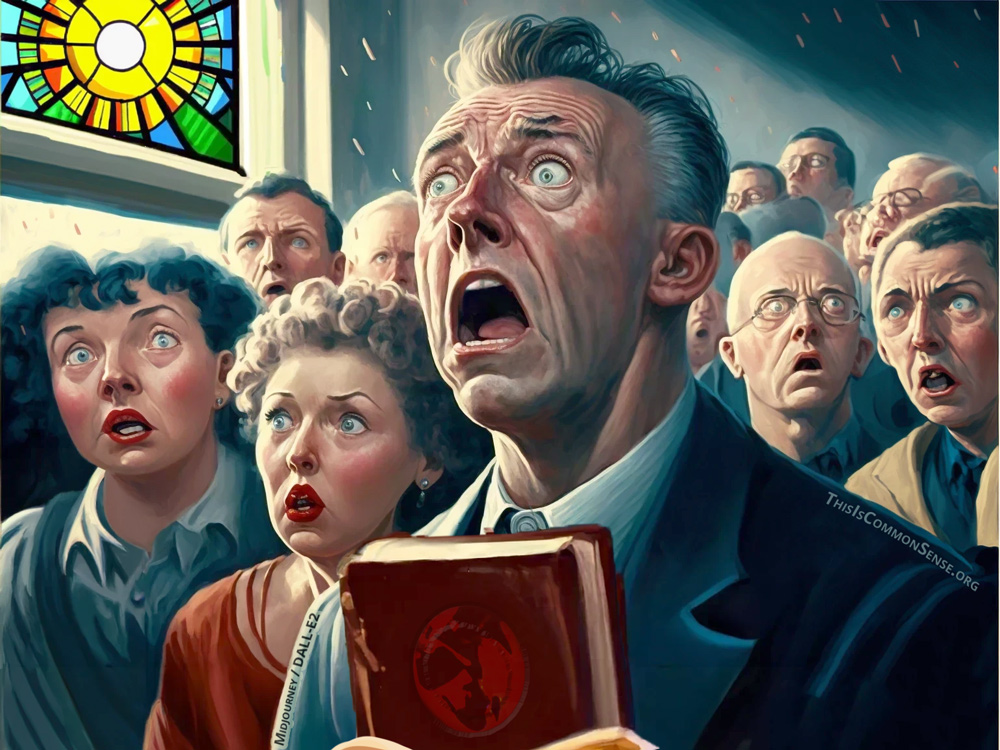
“The year 2023 is the centenary of the passing of the Freedom of Religion Act in Finland,” writes “conferer” Martti Nissinen, promoting a future ceremony of the University of Helsinki’s Faculty of Theology — in which one degree will go to … Greta Thunberg.

Much has been made, online, of theologians, of all people, awarding an honorary degree to a young environmental activist demonstrating no academic much less godly accomplishments. The obvious suggestion: “what she’s selling is a religion”! 

But what stands out to me? Mr. Nissinen’s declaration of this year’s ceremonial theme: “Freedom.”

Ms. Thunberg has been pestering and entreating leaders of the world to “do something” to “save the planet” from “climate change.”

What she demands is not freedom, but more

  • taxes
  • mandates
  • prohibitions. 

Whatever the actual threat may be, there is no hint of freedom in her agenda. And if you want more of that message, consult the latest alarm from the IPCC.

The Intergovernmental Panel on Climate Change has issued a bizarre restatement of past pronouncements, warning “that we are almost half way through the ‘last chance decade’ to pull the brakes on climate change.”

“The world is only a few tenths of a degree away from the globally accepted goal of limiting warming to 1.5C above pre-​industrial levels,” explains The Guardian. “On current trends, we will shoot past the target within a decade.” 

Dooming the planet

Pushing this fake “global accepted goal” has a historical context. Many similar past warnings that haven’t come true. But, more pressingly, the worldwide panic over a pandemic that even to politicians increasingly appears to be a complete failure of the experts.

Why trust the Expert Climatologists when the Expert Epidemiologists have so disastrously failed us?

Just don’t ask Dr. Greta.

This is Common Sense. I’m Paul Jacob.

PDF for printing

See all recent commentary
(simplified and organized)
See recent popular posts
Categories
Accountability meme responsibility

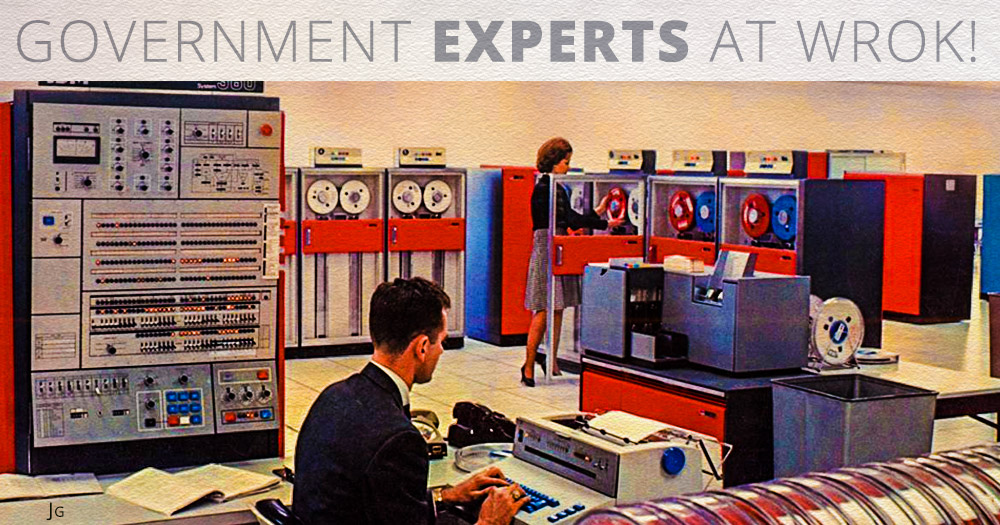
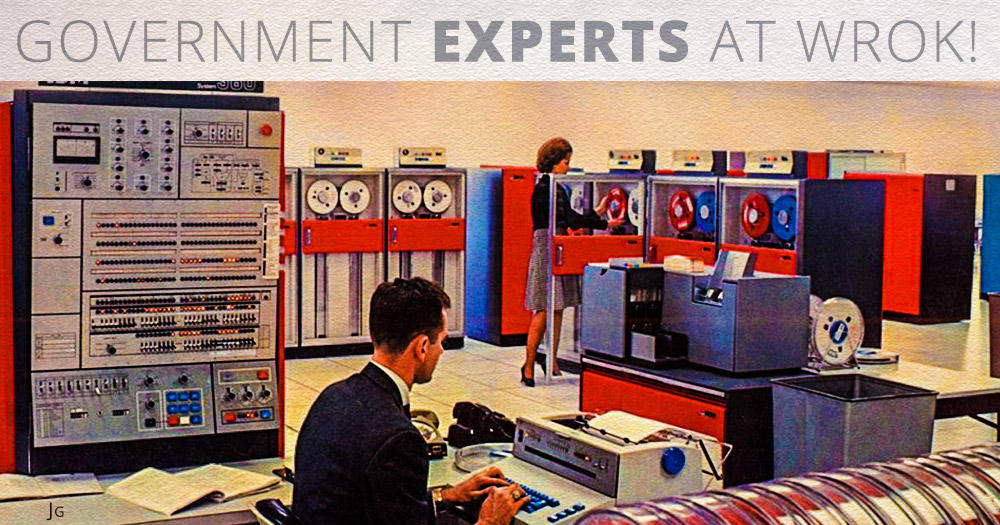
Governments and Experts

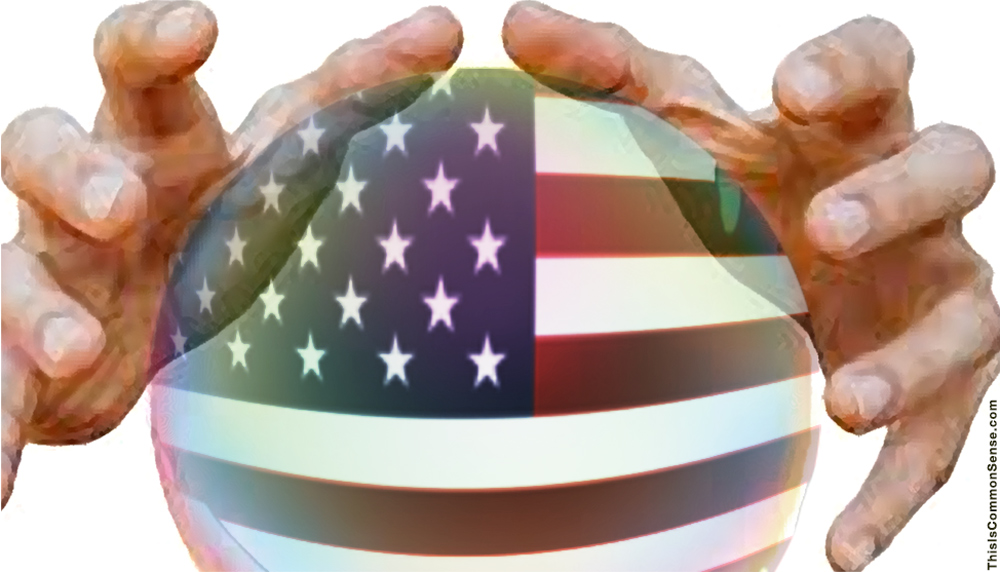
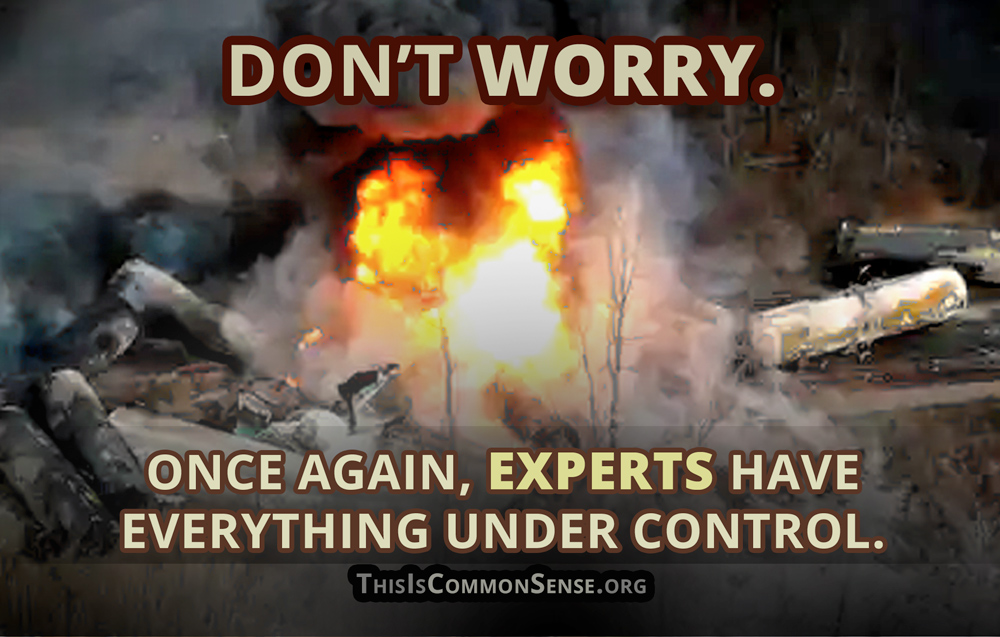
(pictured above: mostly peaceful explosion)

Categories
national politics & policies

Bipartisan Daylight?

Is there a case for switching back and forth to “save daylight”? To me, it seems a typically dumb thing governments do.

I can quote experts who argue that Daylight Saving Time doesn’t save much, and causes no small amount of harm, while others could quote experts saying the opposite.

It really comes down to holding to respectable standards. The reason to oppose Daylight Saving Time is that our time zones should have a touch of truth about them. 

Before railroads stretched across America, words like “noon” and “midnight” and “ante meridiem” and “post meridiem” possessed clear meanings in every locality. The morning ended when the Sun was directly overhead (solar noon), and the afternoon began just after. 

The hours of the day corresponded to this.

But with railroads, traveling quickly west or east engendered chaos as engineers’ pocket watches provided no real manageable time to schedule trains and keep them to schedule. So time zones were invented, grouping longitudinal neighbors together to make it easy to know when to adjust moving clockwork mechanisms. Still, there was a connection between clocks’ noontime and true noon somewhere in each time zone.

Anyway, Daylight Saving Time (which I’ve written about before) was invented to nudge us to get to work earlier, allowing us more leisure time at day’s end. 

On Tuesday, the U.S. Senate voted unanimously to extend Daylight Saving Time the whole year around. No more “Spring forward/​Fall back” nonsense.

But also: no more true noon anywhere in America, ever again. Well, considering how gerrymandered the time zones are: far fewer true, solar noon locations.

Another chasm between Man and Nature, courtesy of Government.

This is Common Sense. I’m Paul Jacob.


PDF for printing

bird and red

See all recent commentary
(simplified and organized)
See recent popular posts
Categories
Accountability First Amendment rights social media

The Expert De-Platformed

Dr. Robert Malone researched mRNA technology in the 1980s at the Salk Institute for Biological Studies. He helped develop mRNA vaccines. He is a founder of Atheric Pharmaceutical. He’s got plenty of credentials. 

So you might think social media companies would respect his voice in the area of his expertise.

But no: for disputing official government assurances about the super-​safeness of the vaccines, he’s been banned by Twitter (and copycat LinkedIn).

What precisely did he say that triggered the social media giants?

Well, Dr. Malone argues that for many youngsters the risks (like myocarditis) of being vaccinated outweigh the benefits of being vaccinated against what is a very low-​risk infection for most younger people.

“I may be one of the very few that has this depth of understanding of the technology that doesn’t have a direct financial conflict of interest,” says Dr. Malone, who is himself vaccinated. “If I’m not allowed to speak about my concerns, whether they’re right or wrong . . . who is a valid person to participate in the dialogue?”

Nobody, doc. It’s because you’re so credible that you finally had to be stomped by the likes of Twitter. You’re too credible.

At the strongholds of official government doctrine, it’s not about figuring out the truth, encouraging independent judgment of risks and alternatives, or logical persuasion. Argue all you want, as rationally or irrationally as you want — just as long as you hew to the protean prescribed dogma.

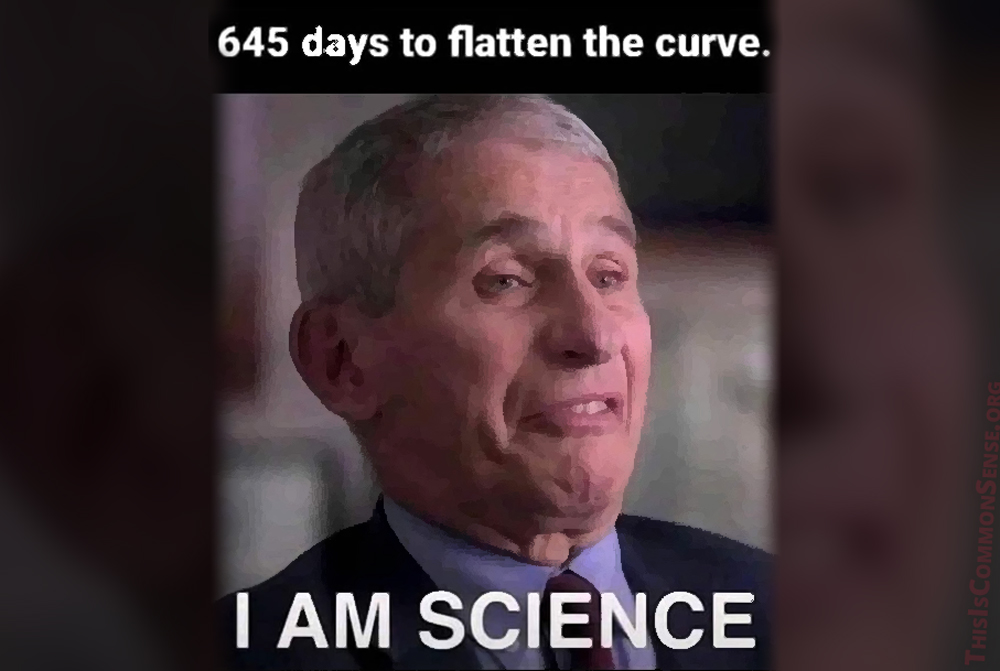
Unsure what the set-​in-​stone dogma du jour is, precisely, on matters pandemical and vaccinatory? That’s easy. Just look up the very latest utterances of one Anthony Fauci.

This is Common Sense. I’m Paul Jacob.


PDF for printing

See all recent commentary
(simplified and organized)
See recent popular posts
Categories
ideological culture media and media people national politics & policies

When Experts Are Wrong

Standard theory has it that “mid-​term elections” serve as a “referendum on the President.”

In a typical article this weekend, a political scientist trotted out that common wisdom and then went on to say that “control of the referendum has shifted. It is now a referendum on leadership, on character … and that’s not good news for Donald Trump.”

My crystal ball is in the repair shop, but I have my doubts. The “experts” got the 2016 election so wrong in no small part because they were leveraging their expertise to influence the outcome more than understand the contest.

Academics, journalists and other Democrats want today’s votes to serve as a “referendum on leadership” because they yearn for their leaders and not Trump. 

In a Wall Street Journal op-​ed and a Slate follow-​up interview, Yale computer scientist David Gelernter explored the lack of “rapport between the left and what I consider the average American.” He also dismissed as absurd the idea that Donald Trump is racist — a mainstay of the Democratic critique of the president. What Trump is, instead, is “the average American in exaggerated form — blunt, simple, willing to fight, mistrustful of intellectuals” but completely without “constraints to cramp his style except the ones he himself invents.”

The Democrats, meanwhile, “have no issues” — except their hatred of Trump, argues Gelernter.

Thankfully, the mid-​terms often serve as a check on the power of sitting presidents. But if “average Americans” hear the reasons to vote for the opposition party as all about how racist and xenophobic Trump is, it may work no better than in the last election.

Prophecy’s a tricky business.

This is Common Sense. I’m Paul Jacob.


PDF for printing


Categories
education and schooling ideological culture meme too much government

The Ignorance of Experts

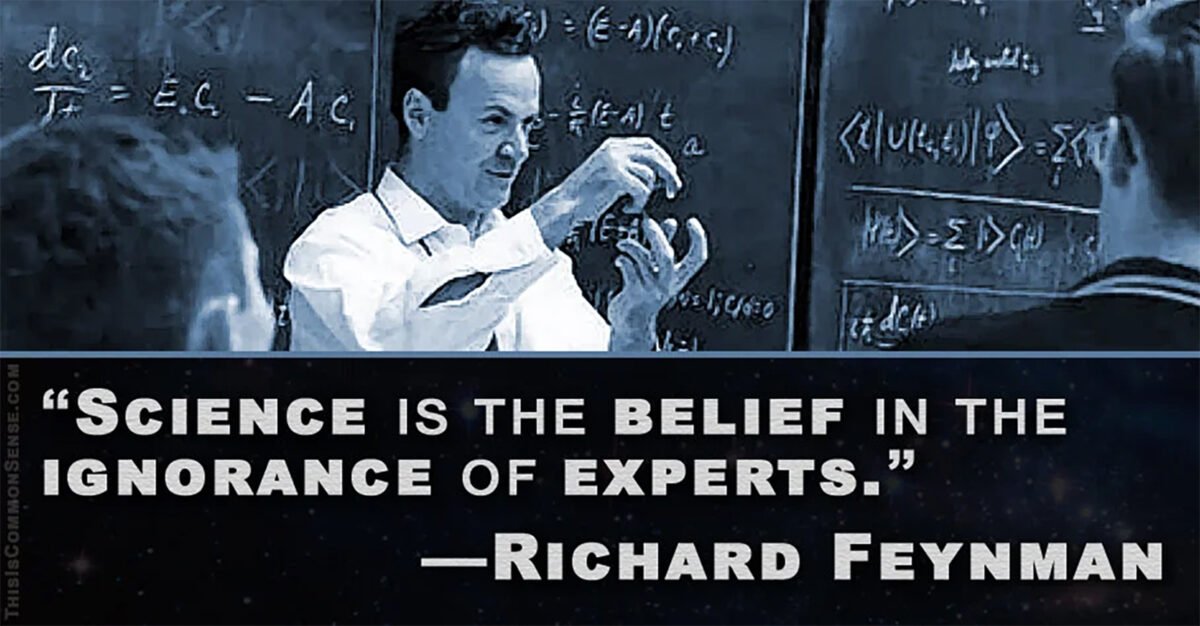
Richard Phillips Feynman May 11, 1918 – February 15, 1988) was an American theoretical physicist known for his work in the path integral formulation of quantum mechanics, the theory of quantum electrodynamics, and the physics of the superfluidity of supercooled liquid helium, as well as in particle physics for which he proposed the parton model. For his contributions to the development of quantum electrodynamics, Feynman, jointly with Julian Schwinger and Sin-​Itiro Tomonaga, received the Nobel Prize in Physics in 1965.

MORE…


“Science is the belief in the ignorance of experts.”

—Richard Feynman

(address “What is Science?”, presented at the fifteenth annual meeting of the National Science Teachers Association, in New York City (1966), published in The Physics Teacher, volume 7, issue 6 (1969), p. 313 – 320)


Categories
Accountability folly free trade & free markets general freedom government transparency initiative, referendum, and recall moral hazard nannyism national politics & policies property rights

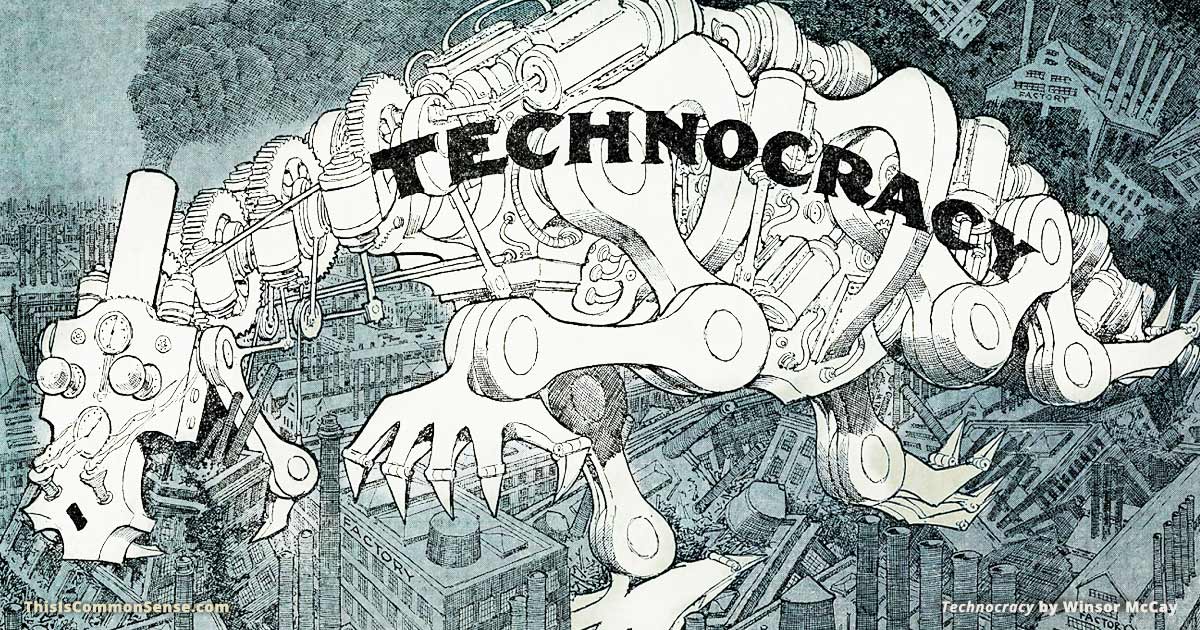
The Return of the Philosopher King

On Sunday, at Townhall, I addressed the whining attacks on referendums and “democracy” that followed the Brexit referendum.

The most outrageous? A broadside from Jason Brennan.

“To have even a rudimentary sense of the pros and cons of Brexit,” argues this Robert J. and Elizabeth Flanagan Family Associate Professor of Strategy, Economics, Ethics, and Public Policy at the McDonough School of Business at Georgetown University, “a person would need to possess tremendous social scientific knowledge. One would need to know about the economics and sociology of trade and immigration, the politics of centralized regulation, and the history of nationalist movements.”

In other words, most Brits needn’t worry their pretty little heads about deciding their future; experts have everything under control.

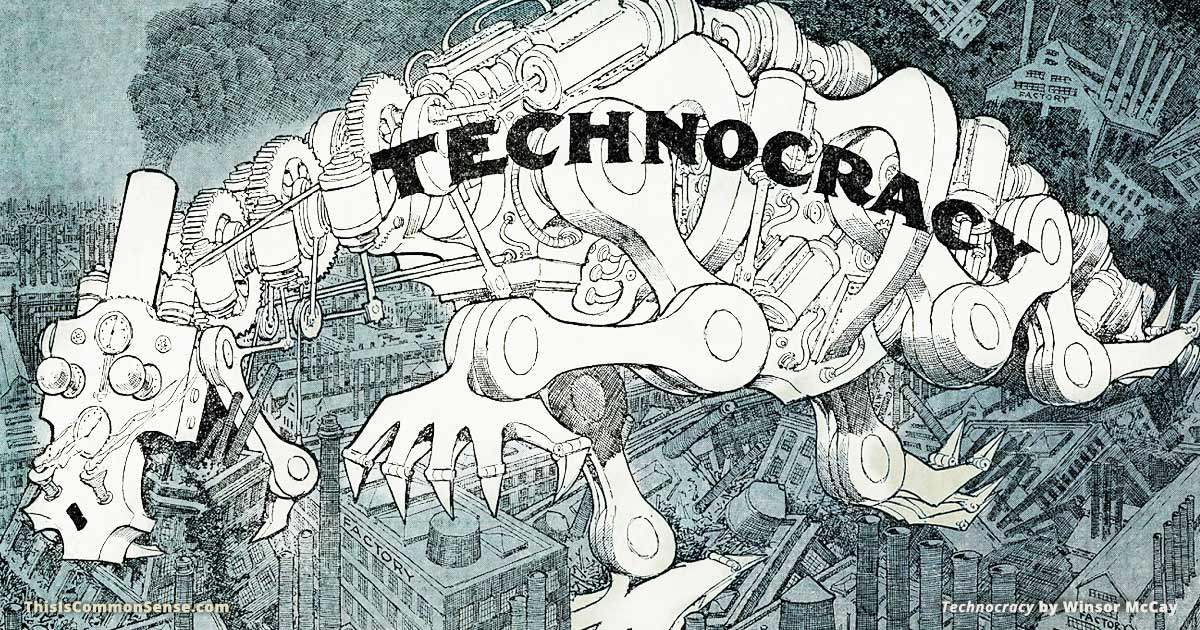
Brennan has a new book coming out, Against Democracy, wherein he posits that we need “a new system of government — epistocracy, the rule of the knowledgeable.”

Sound familiar? ’Tis the old Platonic whine in new wineskins.

This Philosopher King is necessary, you see, because citizens don’t posses the advanced degrees to judge whether Brennan is right or wrong. We can’t even find a Holiday Inn Express in the phonebook. Or a phonebook.

Nonetheless, why not consult other known knowers?

The late William F. Buckley, Jr., well-​educated and well-​spoken on political matters, once declared that he would “rather entrust the government of the United States to the first 400 people listed in the Boston telephone directory, than to the faculty of Harvard University.”

“Incestuous, homogeneous fiefdoms of self-​proclaimed expertise are always rank-​closing and mutually self-​defending, above all else,” warned journalist Glenn Greenwald, an expert on such hooey.

“I know no safe depositary of the ultimate powers of the society but the people themselves,” wrote Thomas Jefferson, “and if we think them not enlightened enough to exercise their control with a wholesome discretion, the remedy is not to take it from them, but to inform their discretion by education.”

Most decisions in a free society are thankfully made by individuals (not voters, bureaucrats, or academics) about their own lives.

But when legitimate decisions of governance must be made, I’ll take democracy over rule by experts.

This is Common Sense. I’m Paul Jacob.


Printable PDF

technocracy, expert, epistocracy Brexit, illustration
Categories
Accountability folly free trade & free markets general freedom moral hazard nannyism national politics & policies

Bailed — Before Bailout

Last Wednesday, UnitedHealthcare Group Incorporated (UNH) announced that it will drop coverage of plans under Obamacare in all but a few states by 2017.

The market signaled a thumb’s up: UNH stock prices shot up over 2 percent.

The company, described in the news, somewhat vaguely, as the country’s largest insurer, is sending us a signal: the Affordable Health Care Act and its “Obamacare”?

Not affordable.

An insurance policy must make sense to both parties, the insured and the insurer. The insured gets peace of mind … and coverage when the rare events insured-​for take place. The insurer has written enough insurance contracts out there, prices based on actuarial risk, to allow it to make a profit even with payouts.

The problem with the ACA is that it raised costs (in part by forcing insurers to take on patients with pre-​existing conditions) while regulating terms of policies offered … and prices, too.

Plus, face it: the idea that one should insure for regular checkups is just one of the many absurdities built into the system.

It’s just too much meddling to work, in the long run. Bailouts and subsidies of those insurance companies that stick with the plan will then make the program unaffordable … for America’s taxpayers.

Over-​regulated and over-​subsidized, Obamacare suffers from the preposterous idea that a bird’s eye view of the economy from the politicians’ perch gives enough information to run complex systems servicing millions of people with diverse needs.

Expect more big stories with tags lines ballyhooing a “serious blow to Obamacare.”

This is Common Sense. I’m Paul Jacob.


Printable PDF

health insurance, experts, obamacare, insurance, costs, illustration, meme


Common Sense Needs Your Help!

Also, please consider showing your appreciation by dropping something in our tip jar  (this link will take you to the Citizens in Charge donation page… and your contribution will go to the support of the Common Sense website). Maintaining this site takes time and money.

Your help in spreading the message of common sense and liberty is very much appreciated!