Categories
general freedom

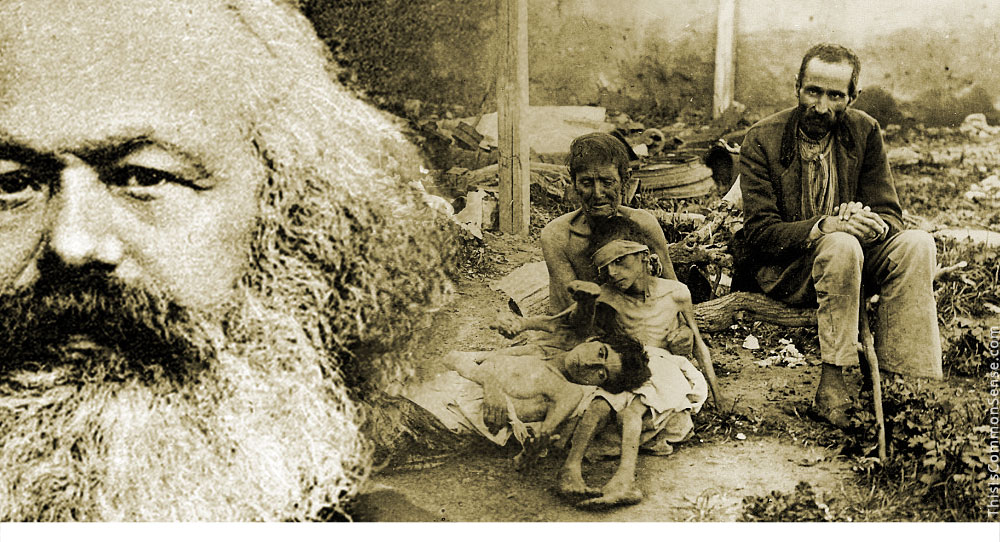
The Most Deadly Disease

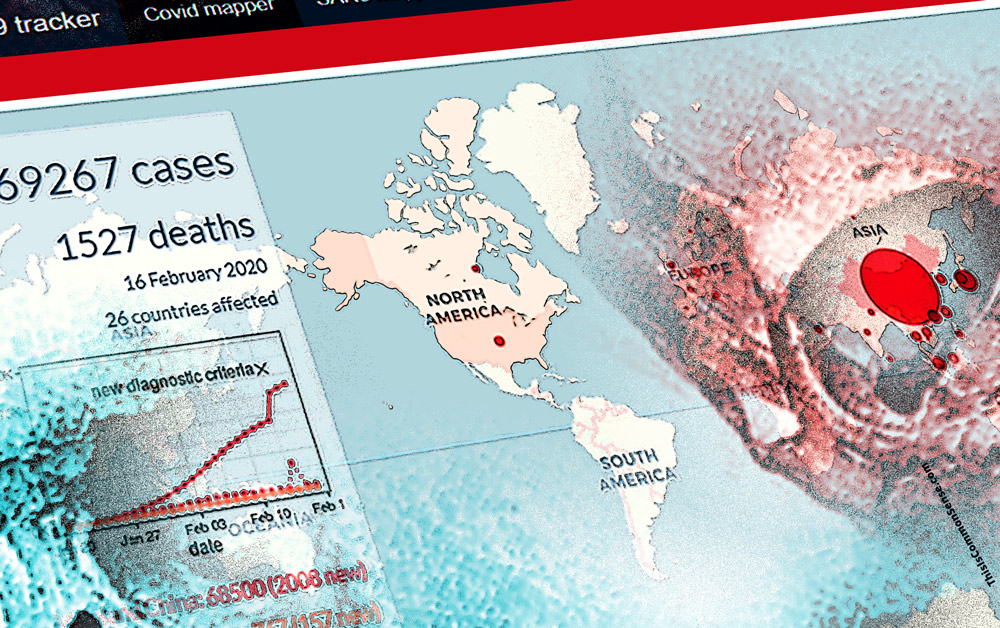
Anyone knowledgeable about medicine — or history, for that matter — is taking very, very seriously the coronavirus outbreak in China, and its subsequent spread across the globe, including to the U.S.

More than 70,000 Chinese have been diagnosed and over 1,700 have died, along with one death in each of France, Japan, Hong Kong and the Philippines. 

Over the weekend, Taiwan — the independent island nation a hundred miles off the coast of a hostile, threatening People’s Republic of China (PRC) — announced its first fatality. The deceased Taiwanese taxi driver, whose health was already compromised by diabetes and hepatitis B, likely caught the virus from customers traveling from China. 

Last week, China finally allowed the World Health Organization to allow Taiwanese experts to participate in discussions about containing the virus. Unlike China, Taiwan boasts one of the best medical systems in the world.

Also over the weekend, news broke that Chinese President Xi Jinping had mentioned the coronavirus in a speech given many weeks before officials first alerted the public

That’s how the totalitarian PRC rolls. At all levels. One victim of the virus is Dr. Li Wenliang, who warned back in December that the disease was spreading. First, he was reprimanded and then “apprehended by Wuhan police for spreading ‘rumours,’” reported Aljazeera. 

“As more information leaks out from Wuhan, the epicenter of the outbreak,” a recent Taipei Times editorial argues, “it is clear that Beijing was unable to prevent the virus from spreading out of control precisely because it lacks the accountability, freedom of speech and free flow of information that form the bedrock of democracies.”

Yet another way that freedom affirms life and totalitarian tyranny kills. 

This is Common Sense. I’m Paul Jacob.

PDF for printing

See all recent commentary
(simplified and organized)
See recent popular posts

Categories
general freedom

Tough Time for Tyrants

How much longer does the Chinese Communist Party (CCP) have to put up with freedom-loving loudmouths?

Thoughtful Party rulers can’t even entertain their subjects with NBA basketball or English Premier League soccer without fear that Chinese fans will then discover the tweet of some busybody droning on against Chinese repression in Hong Kong or complaining about a scant million or so Uighurs checked into friendly re-education camps. 

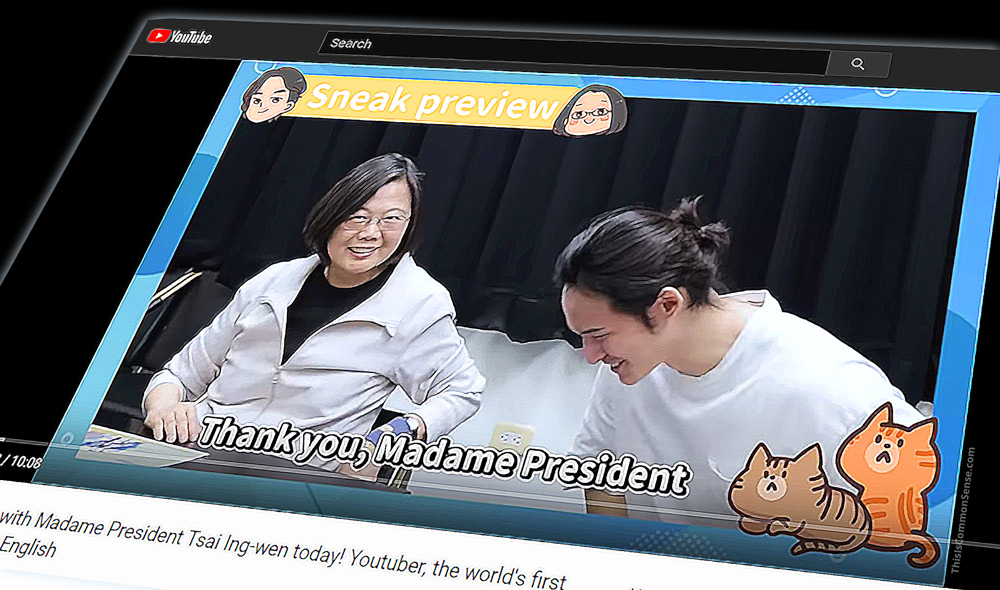
Last month, Chen Chia-chin, a Taiwanese YouTuber known as the Potter King, with a “considerable following on both sides of the Taiwan Strait,” dared post a video featuring Taiwanese President Tsai Ing-wen. She is the first female president of that island nation, and on the ballot for re-election this Saturday. 

Moreover, she has quite ungraciously declined China’s magnanimous offer to take over Taiwan, by force if necessary, under the “One China, Two Systems” banner. And the CCP even offered to toss in tear gas for free!

Back to the vicious attack on Chinese sovereignty by this Potter King fellow, he also referred to President Tsai as . . . [are you sitting down?] . . . “president.” 

“Chinese media avoids mentioning ‘Taiwan president,’” explains Mothership, a Singapore-based news site, “as it implies that Taiwan is an independent, sovereign country.”*

Bad enough to say something the CCP doesn’t want said, but the Potter King went further — refusing to un-say it. His videos are still watched by half a million subscribers on YouTube. 

Of course, China beneficently bans YouTube. And Papitube, the Chinese agency marketing his program, has now nullified his contract.

Chen Chia-chin’s prioritization of freedom mustn’t be allowed. But what if the prioritization of Taiwanese voters tomorrow cannot be stopped?

This is Common Sense. I’m Paul Jacob.


* Not to mention that Taiwan suffers from the twin political ailments, in the CCP’s view, of freedom and democracy.

PDF for printing

Potter King, Taiwan, China,

See all recent commentary
(simplified and organized)
See recent popular posts

Categories
general freedom international affairs

Totalitarianized

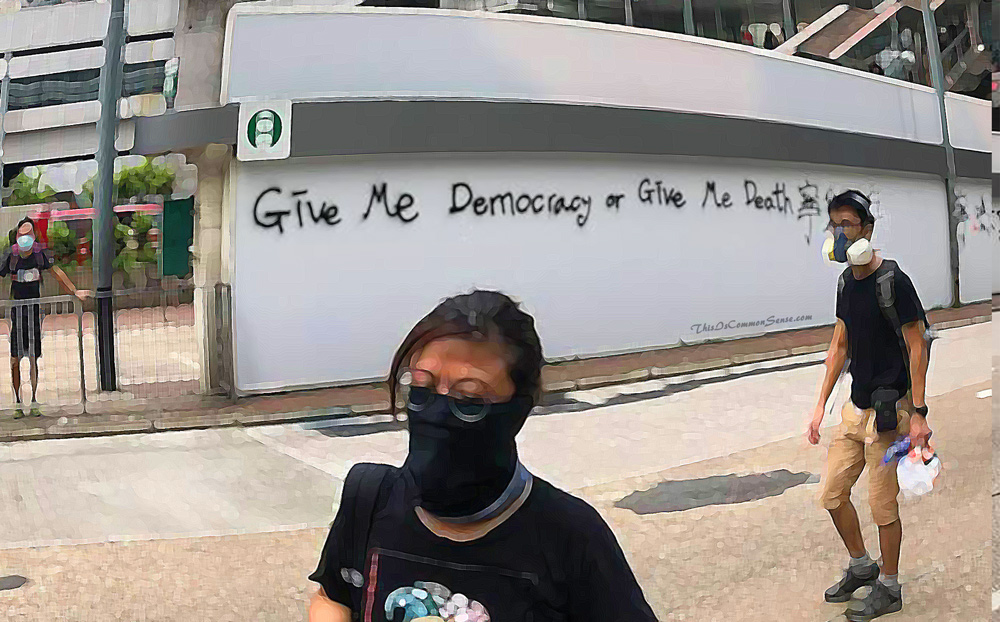
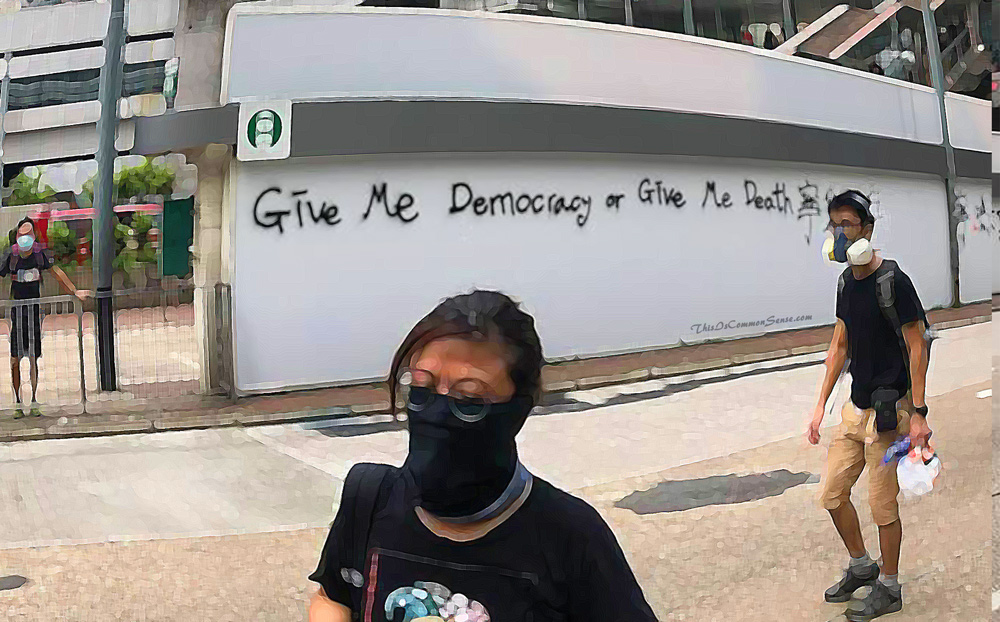
Legislation introduced last April to allow the extradition of criminal suspects from Hong Kong to mainland China motivated millions into the streets in protests that have not yet ended . . . 

. . . including a major pro-democracy rally scheduled for tomorrow in Causeway Bay.

Traveling to Hong Kong and Taiwan months ago, the glimpse I caught of Hongkongers’ courageous struggle spurs me to applaud George Will’s judgment in Sunday’s Washington Post: “Nothing more momentous happened” in 2019. 

The extradition bill has been withdrawn, sure, but Hongkongers know well that without real democracy they have no long-term hope of avoiding the repressive rule of the Chinese Communist Party . . . which may no longer be “communist,” but remains totally totalitarian.

Ask a million Uighurs

Carrie Lam, the city’s Beijing-installed chief executive, has long labeled the protesters “selfish rioters.” But new pro-democracy candidates won nearly 90 percent of seats in last month’s local elections, demonstrating which side the public is on. 

This year began with newly un-term-limited Chinese President Xi Jinping threatening military action against Taiwan. The island nation of 24 million, some 100 miles off the coast of the mainland, has been offered the same “one country, two systems” arrangement China has with Hong Kong . . . what Mr. Will dubbed “a formula for the incremental suffocation of freedom.”

Taiwan’s president, Tsai Ing-wen, is “loathed by Beijing,” reports the South China Morning Post, “because her party refuses to accept the idea that Taiwan is part of the so-called one-China principle which denies the island’s independence.” 

Her opponent in the upcoming national election on the 11th, like some in the NBA, “favours much warmer relations with mainland China.”

The Taiwanese, however — like Hongkongers — appear increasingly resistant to being totalitarianized.

This is Common Sense. I’m Paul Jacob.


2019 Commentaries on Hong Kong and Taiwan

PDF for printing

Hong Kong, China, Taiwan, democracy, freedom,

See all recent commentary
(simplified and organized)
See recent popular posts
Categories
international affairs Popular

Beacon of Liberty

What part should we play in terror, torture, oppression?

Asking for a friend. 

Well, friends . . . some three-hundred-and-thirty million of them.

Egypt. The government of President Abdel Fattah el-Sisi just stormed the newsroom of one of Egypt’s few remaining independent media outlets, Mada Masr

“Mada has shown nothing but courage in reporting the news against all odds,” a representative of the Committee to Protect Journalists (CPJ) offered bitterly, “and in the face of brutal repression.” 

According to the CPJ, Egypt is the world’s top jailer of journalists. And that repression is not just well-documented, it is also well-funded. By . . . well . . . Sisi’s state receives roughly $1.5 billion in annual U.S. military and economic assistance, while Egyptians must “forgo democratic liberties” as “authorities” maintain “a constant crackdown . . . encompassing anyone criticizing the government,” informs a Congressional Research Service report updated last week. 

Iraq. Anti-government protests are in full swing, with Iraqis “demanding an end to corruption, more jobs and better public services,” the BBC informs. More than 300 people have been killed by the government the American military set up, and nearly 15,000 injured as Iraqi Security forces have used tear gas and live bullets against protesters.

Hong Kong. The smashing victory for pro-democracy candidates in the former British colony, who “won almost 90 percent of the seats” in local elections, was the weekend’s bright spot. Voters sent an unequivocal message.

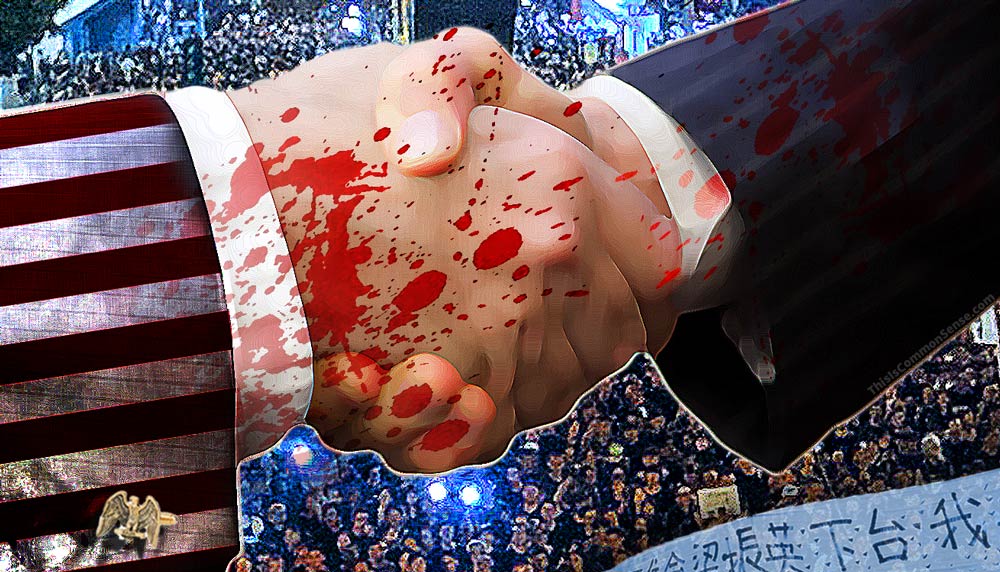
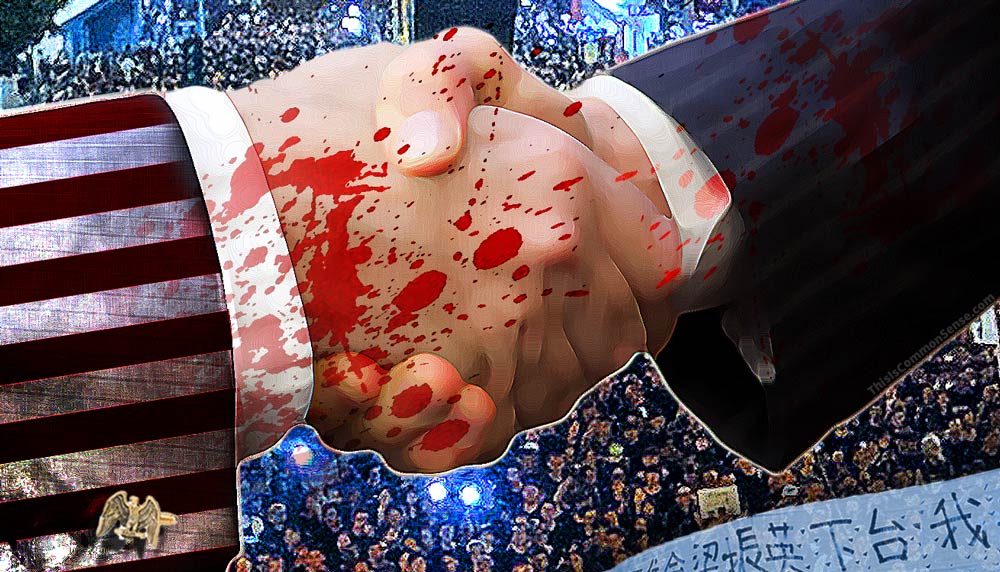
Now on President Trump’s desk is the Hong Kong Human Rights and Democracy Act (H.R.3289), which puts the territory’s special trading status at risk should China impinge on its autonomy.

Will our president sign the legislation or exchange it with Chinese leader Xi Jinping for a better trade deal?

Funding, facilitating oppression is no way to serve as a beacon of liberty to the world.

This is Common Sense. I’m Paul Jacob.


PDF for printing

handshake, China, US, foreign policy, China, Hong Kong,

Photo: Studio Incendo / Photo: Flazingo Photos

See all recent commentary
(simplified and organized)
See recent popular posts

Categories
First Amendment rights general freedom ideological culture

The King’s Airball

“The thing is, LeBron, we’ve come to expect more of you,” writes Dan Wolken in USA Today, taking the National Basketball Association star to task for his comments taking Houston Rockets executive Daryl Morey to task for having tweeted “Fight for freedom, stand with Hong Kong.”

Morey’s pro-protester statement had caused a backlash against the NBA from the totalitarian Chinese government, threatening the league’s — and LeBron’s — continued access to China’s large and lucrative market of basketball fans.

LeBron James told reporters that Morey was “misinformed, not really educated” about the Hong Kong situation, before adding, witlessly, “I have no idea but that’s just my belief.”

“Yes, we all do have freedom of speech,” acknowledged James, “but at times there are ramifications for the negative that can happen, when you’re not thinking of others and you’re only thinking about yourself.”

Ramifications for whom? The people of Hong Kong yearning for freedom and democracy? Or was Mr. James . . . only thinking about himself?

Criticism came fast and furious. “@KingJames — you’re parroting communist propaganda. China is running torture camps and you know it,” tweeted Nebraska Senator Ben Sasse. 

“Let me clear up the confusion,” responded the King of Basketball, if not public relations. “I do not believe there was any consideration for the consequences and ramifications of the tweet.  I’m not discussing the substance.”

And then LeBron further clarified, “My team and this league just went through a difficult week. I think people need to understand what a tweet or statement can do to others. . . . Could have waited a week to send it.”

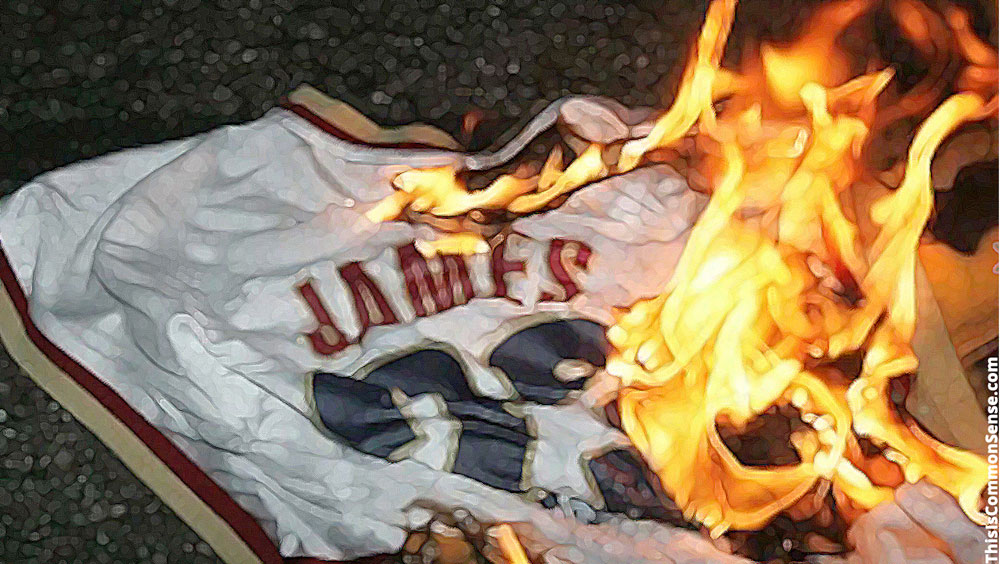
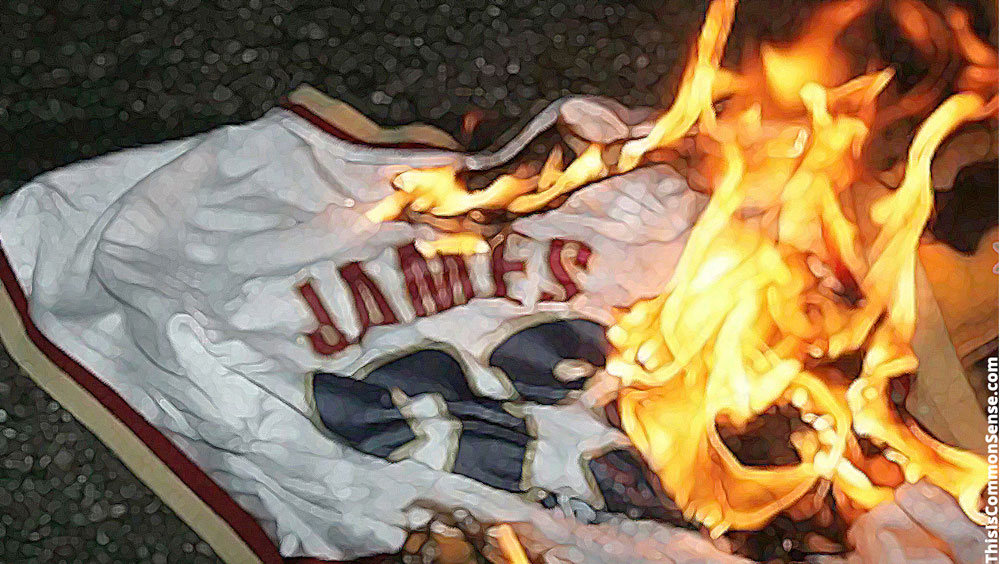
Hong Kong protesters are now burning LeBron’s No. 23 jersey. 

Apparently, their freedom can’t wait a week.

This is Common Sense. I’m Paul Jacob.


PDF for printing

LeBron James, Hong Kong, China, freedom, free speech,

See all recent commentary
(simplified and organized)
See recent popular posts

Categories
general freedom ideological culture international affairs

Stand By Your Tweet

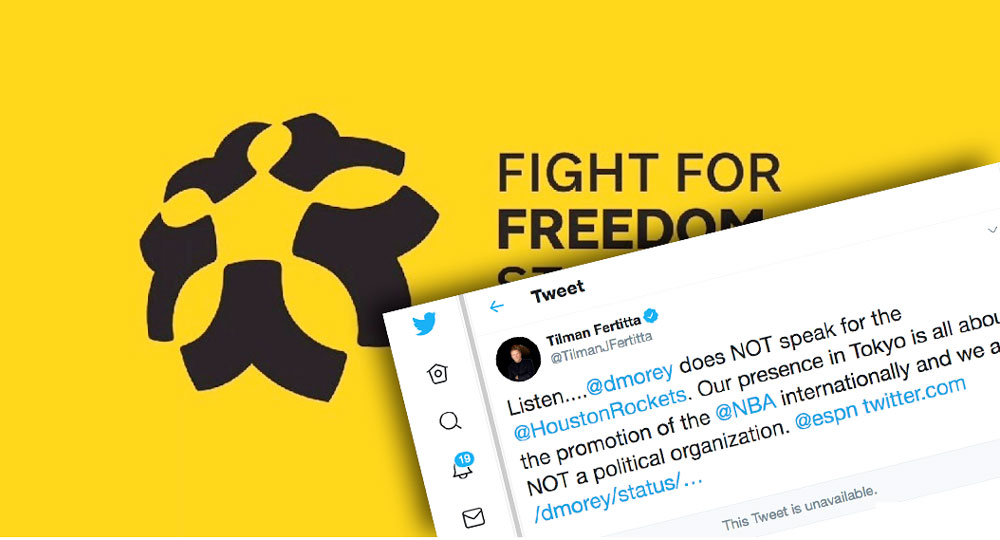
Last Friday, Daryl Morey, the general manager of the National Basketball Association’s Houston Rockets, tweeted a graphic repeating the Hong Kong protesters’ chant, 

“Fight for freedom!

“Stand with Hong Kong!”

But before I could hit “like,” he deleted it amid the massive backlash from the Chinese Communist Party (CCP) and the Chinese companies it rules. 

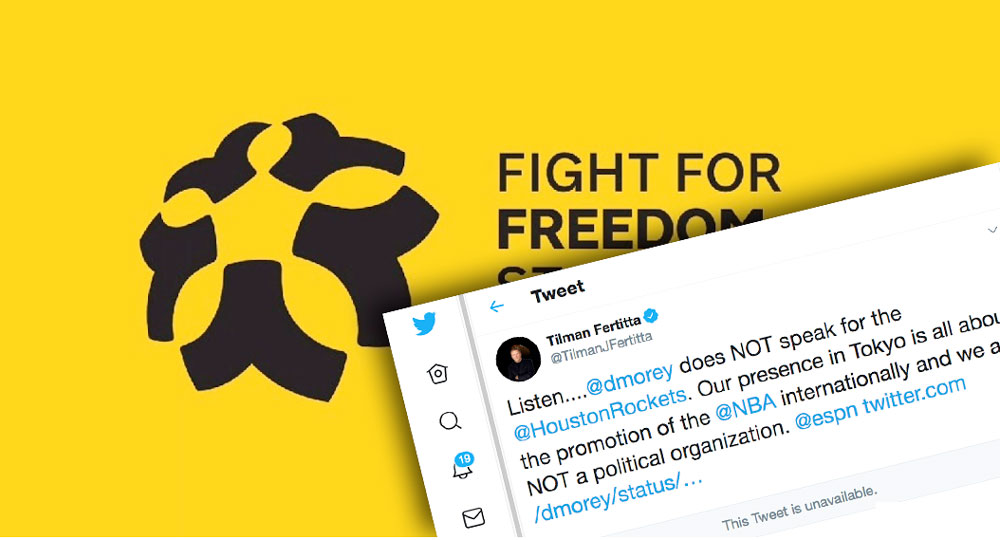
The owner of the Rockets, with billions in NBA business at stake, immediately distanced himself from his GM — and human rights — tweeting that, “@dmorey does NOT speak for the @HoustonRockets” and “we are NOT a political organization.”

Rockets star James Harden apologized on Chinese state television, adding, “We love China. We love playing there.”

Despite suggesting that it does not “Stand with Hong Kong,” the NBA did reiterate that “the values of the league support individuals’ educating themselves and sharing their views on matters important to them.”

“I did not intend my tweet to cause any offense to Rockets fans and friends of mine in China,” GM Morey penitently explained in yet another tweet. “I was merely voicing one thought, based on one interpretation, of one complicated event. I have had a lot of opportunity since that tweet to hear and consider other perspectives.”

On Facebook, Brooklyn Nets owner Joe Tsai posted a defense of China’s anti-democratic action in Hong Kong. “Supporting a separatist movement in a Chinese territory is one of those third-rail issues,” the Taiwan-born businessman wrote.

Let’s hope Hongkongers — for the last 18 weeks risking life and limb by demanding basic democracy, rather than totalitarian control by China — were not counting on a more steadfast commitment from Morey. 

Or the wealthy owners of the Rockets or Nets. 

Or the NBA. 

This is Common Sense. I’m Paul Jacob.


PDF for printing

Fight for Freedom, Stand by Hong Kong,

See all recent commentary
(simplified and organized)
See recent popular posts

Categories
general freedom term limits

What Tiananmen Inspired

Why did term limits spring up in the 1990s?

Term limitation has a long history in America, of course — and all the way back to Aristotle — but why the resurgence? I remember opponents suggesting that Americans were frustrated with slow economic growth. 

Not likely. 

In “Restoring Faith in Congress,” a 1993 article in the Yale Law & Policy Review, authors Kimberly Coursen, Thomas Mann, Norman Ornstein and Todd Quinn recognized that “the 1990s are different” because “the climate for far-reaching political reform is ripe.”

But why?

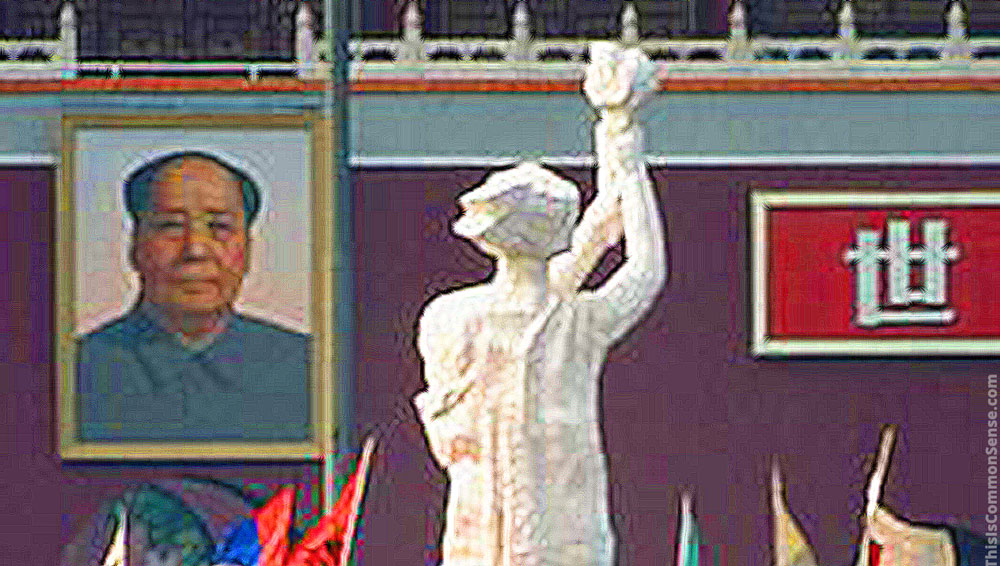
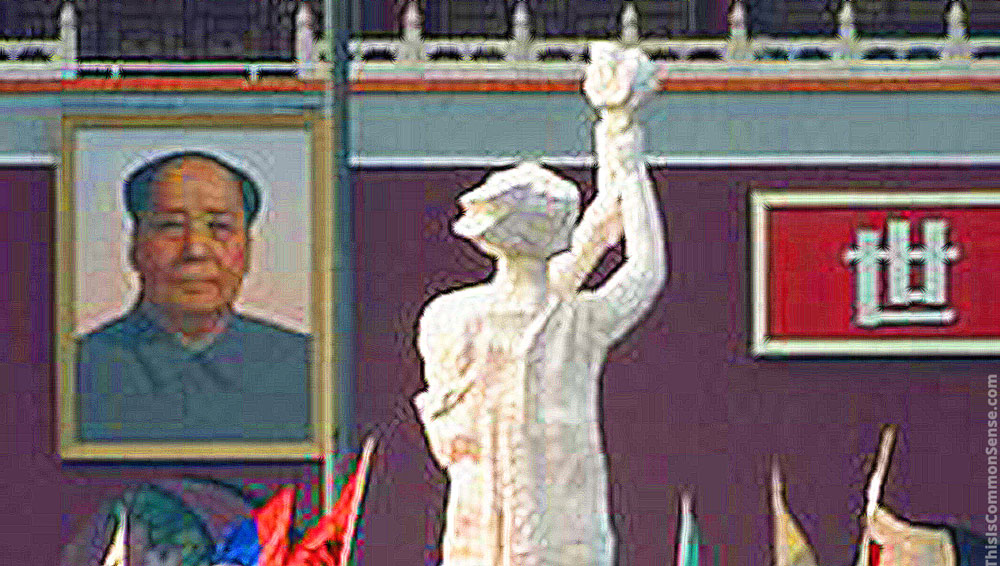
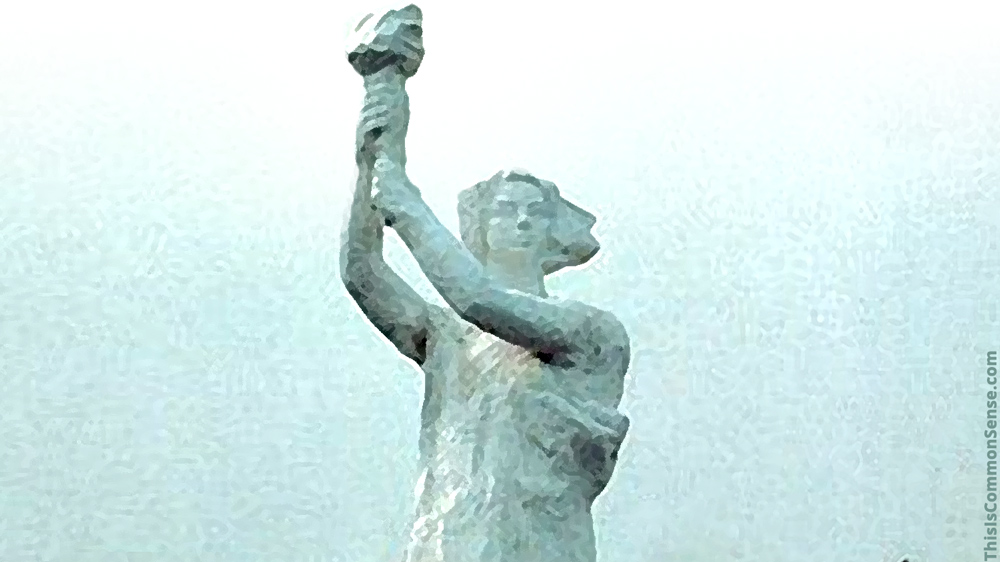
For seven weeks in 1989, Chinese students protested for freedom and greater democracy, joined by others until more than a million people filled Tiananmen Square. Americans were deeply moved by their makeshift Goddess of Democracy, resembling our Statute of Liberty, as well as by the students’ demands, which read much like our Declaration of Independence. 

Then, all that hope was doused, courtesy the Butchers of Beijing.

Five months later, the Berlin Wall came down, followed by the overthrow of communism throughout Europe, then the fall of the Soviet Union in 1991.

No more Cold War. 

Americans, lacking an external enemy for the first time in decades, and with Tiananmen’s “tankman” fresh in our minds, could at last safely take a good look at our own government. 

We did not like what we saw.

In 1990, Americans in three states — California, Colorado and Oklahoma — used direct democracy by petitioning term-limit initiatives onto the ballot. All three won. In 1992, U.S. Term Limits rallied voters to pass initiatives in a record 14 states.  

Sadly, the 1989 Tiananmen Square protests did not usher in freedom for China. Yet, they lit fires in hearts across the globe.

Including mine.

This is Common Sense. I’m Paul Jacob.


PDF for printing

Tiananmen Square, China, Goddess of Democracy, term limits, freedom,

See all recent commentary
(simplified and organized)
See recent popular posts

Categories
general freedom ideological culture Popular

What It Means

The most inspiring political event of my six decades on this planet remains the pro-freedom and democracy protests of three decades ago, when for seven weeks first students and then other Chinese citizens occupied iconic, historic Tiananmen Square in Beijing.

“In the history of communist China,” said a CNN correspondent as a million people swelled into the square, “there has never been anything like this.”

The students’ demands were strikingly similar to those articulated in America’s Declaration of Independence, and their symbol was the Goddess of Democracy and Freedom, something of a replica of our Statue of Liberty.

Now, one might ask what the protestors knew of liberty and democracy. “To them,” offered Princeton Professor Perry Link, “democracy just meant ‘get off our back.’”

What, it doesn’t mean that?

“We probably don’t know what democracy is, living in China,” acknowledged student leader Wuer Kaixi, “but we have a pretty good idea what totalitarianism, what non-democracy, is.”

That totalitarian tyranny exploded late this very evening 30 years ago, when Chinese troops fired on unarmed protesters and tanks rolled; the massacre continued into the wee hours of June 4, 1989. Death counts range from 300 to several thousand, and there’s uncertainty as to whether the carnage took place in or out of the square, killing mostly workers or students. Regardless, it is all-too-typical behavior from an illegitimate regime.*

The saddest news is that, as a survivor told the South China Morning Post, “What happened [30] years ago in China . . . is still happening now in China.”

Over a million Uighur Muslims are, reportedly, confined in concentration camps right now.

What can we do? Remember, for starters.

This is Common Sense. I’m Paul Jacob.


*Firing on one’s own citizens is far too common, and delegitimizes any regime that practices it, as I have pointed out per Nicaragua, Venezuela, and U.S.-subsidized Egypt — the list goes on and on.

PDF for printing

Goddesss of Democracy, China, freedom, protest,

See all recent commentary
(simplified and organized)
See recent popular posts
Categories
First Amendment rights general freedom ideological culture media and media people moral hazard privacy

Google Goes Bad

Good Google’s evil twin, Bad Google, is at it again.

In addition to doing bad things to advance its political agenda, Google is willing to work with bad governments do bad things. 

For example, the authoritarian Chinese government.

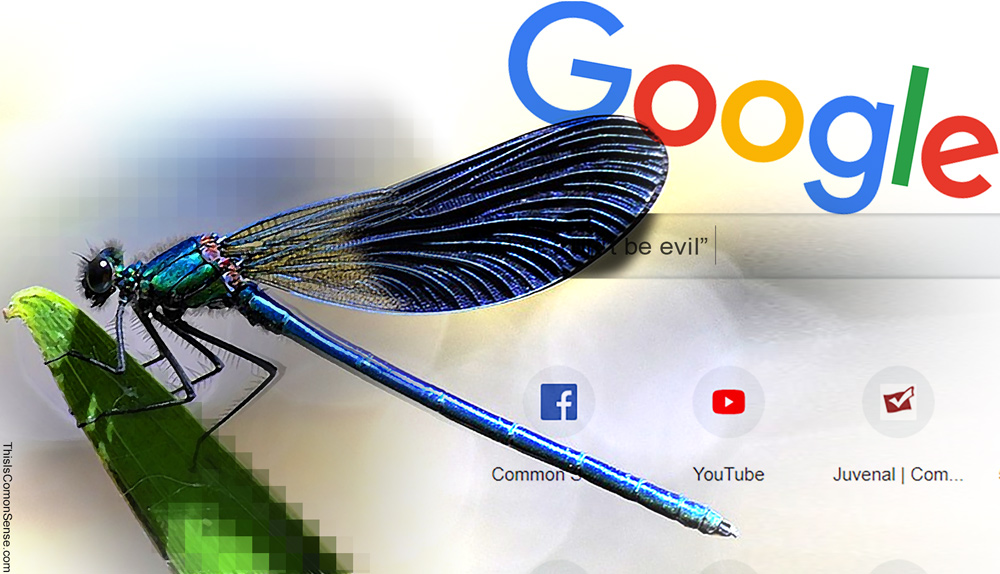
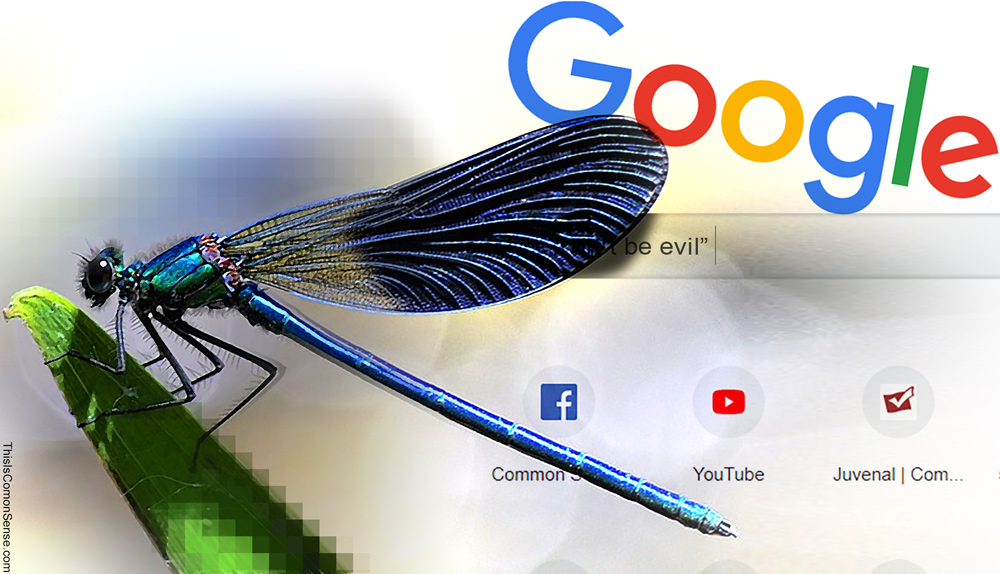
Google is working on a mobile version of its search engine, code-named Dragonfly, which would censor search results the way the Chinese government wants. The company is doing so even though it shut down its Chinese-mainland search engine back in 2010 because it “could no longer continue censoring our results” in China. At the time, I praised Google for moving in the right direction.

Now it’s regressing.

And more than regressing. The Intercept reports that Dragonfly goes beyond censorship. How? By linking a user’s search results to his phone number. Critics note that this would abet human rights violations, since users could easily be detained and even jailed for searching for the “wrong” terms.

At least five Google employees have resigned in protest. One, Jack Poulson, a research scientist, says that he regards “our intent to capitulate to censorship and surveillance demands in exchange for access to the Chinese market as a forfeiture of our values and governmental negotiating position across the globe.”

Google no longer promotes what used to be its motto and guide: “Don’t be evil.” 

To be sure, that motto did not put a very positive spin on the company’s moral stance. “Always be good” might be better. But I agree with both. 

Be good, not evil.

This is Common Sense. I’m Paul Jacob.


PDF for printing


Categories
Accountability folly general freedom ideological culture moral hazard responsibility U.S. Constitution

China Marks Marx Anniversary

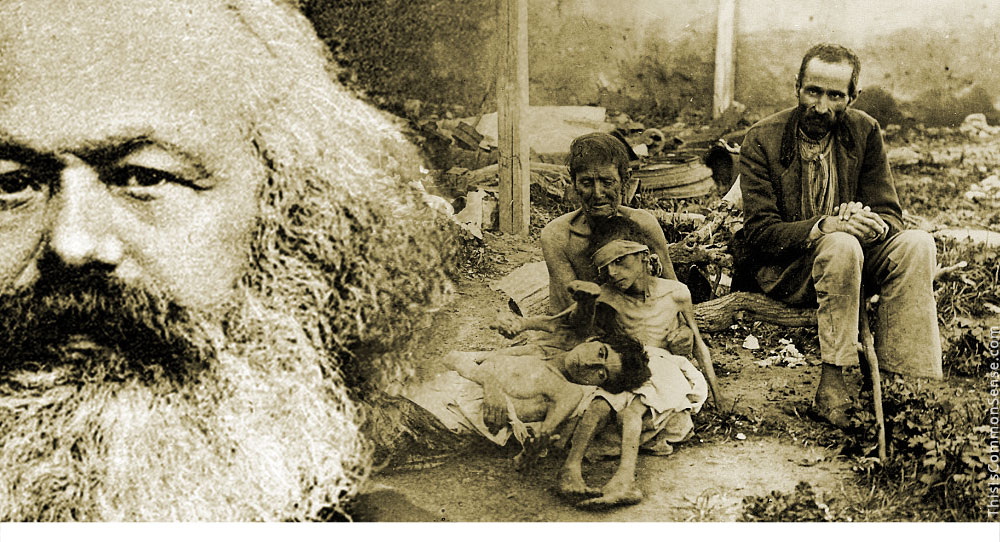
The Chinese government has sought to honor the birth of Karl Marx (1818-1883) by giving a giant bronze statue of the social philosopher and pseudo-economist to the German city of Trier, his birthplace.

Agreeing that Trier and Marx should be thus honored, local officials shamefully accepted the donation.

Marx was a bad guy. His willfully destructive anti-capitalist theorizing and polemics have been enlisted to enslave and murder many millions of people in the Soviet Union, China, Cambodia, Cuba and elsewhere. The story is told in works like Modern Times and The Black Book of Communism. One effective critique of Marxian ideas may be found in the second volume of Murray Rothbard’s History of Economic Thought.

We often hear that Communist implementation of Marxian theory poorly translates “real” communism/socialism/collectivism. No government unswervingly enacts all the ideas and prescriptions of a single intellectual founding father. But there is much in Marx’s volumes that openly demands the razing of the division of labor, profit-seeking, and other requirements of civilization.

In one article, Marx scribbled that “there is only one way in which the murderous death agonies of the old society and the bloody birth throes of the new society can be shortened, simplified and concentrated, and that way is revolutionary terror.” There’s plenty more where this came from.

When a major nation-state gives a town a statue, it’s hard to say no. But one needn’t accept it at face value. Install it on a base that lists the separate bouts of Marx-inspired mass murder. Or use it as a target in paintball tournaments.

Or just place it in the local cemetery. Where deadly ideologies should go.   

This is Common Sense. I’m Paul Jacob.


PDF for printing