Categories
Today

The 27th on the Seventh

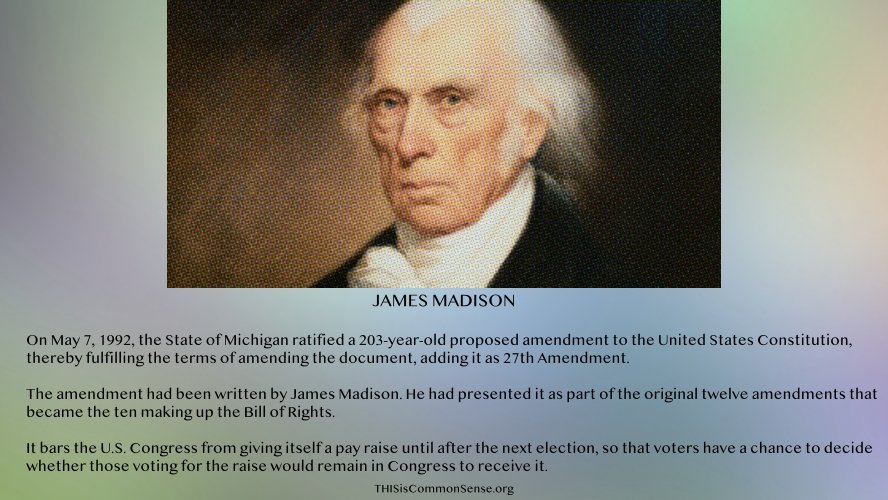
On May 7, 1992, the State of Michigan ratified a 203-year-old proposed amendment to the United States Constitution, thereby fulfilling the terms of amending the document, adding it as the 27th Amendment.

The amendment had been written by James Madison. He had presented it as part of the original twelve amendments that became the ten making up the Bill of Rights.

It bars the U.S. Congress from giving itself a pay raise until after the next election, so that voters have a chance to decide whether those voting for the raise would remain in Congress to receive it.

Categories
election law U.S. Constitution Voting

Expanding the Electorate

Who should vote? Ought we expand the electorate? 

To everyone . . . on the planet?

Do folks from other countries, who have come to America, legally or not, and reside in a community for 30 days, have a right to vote?

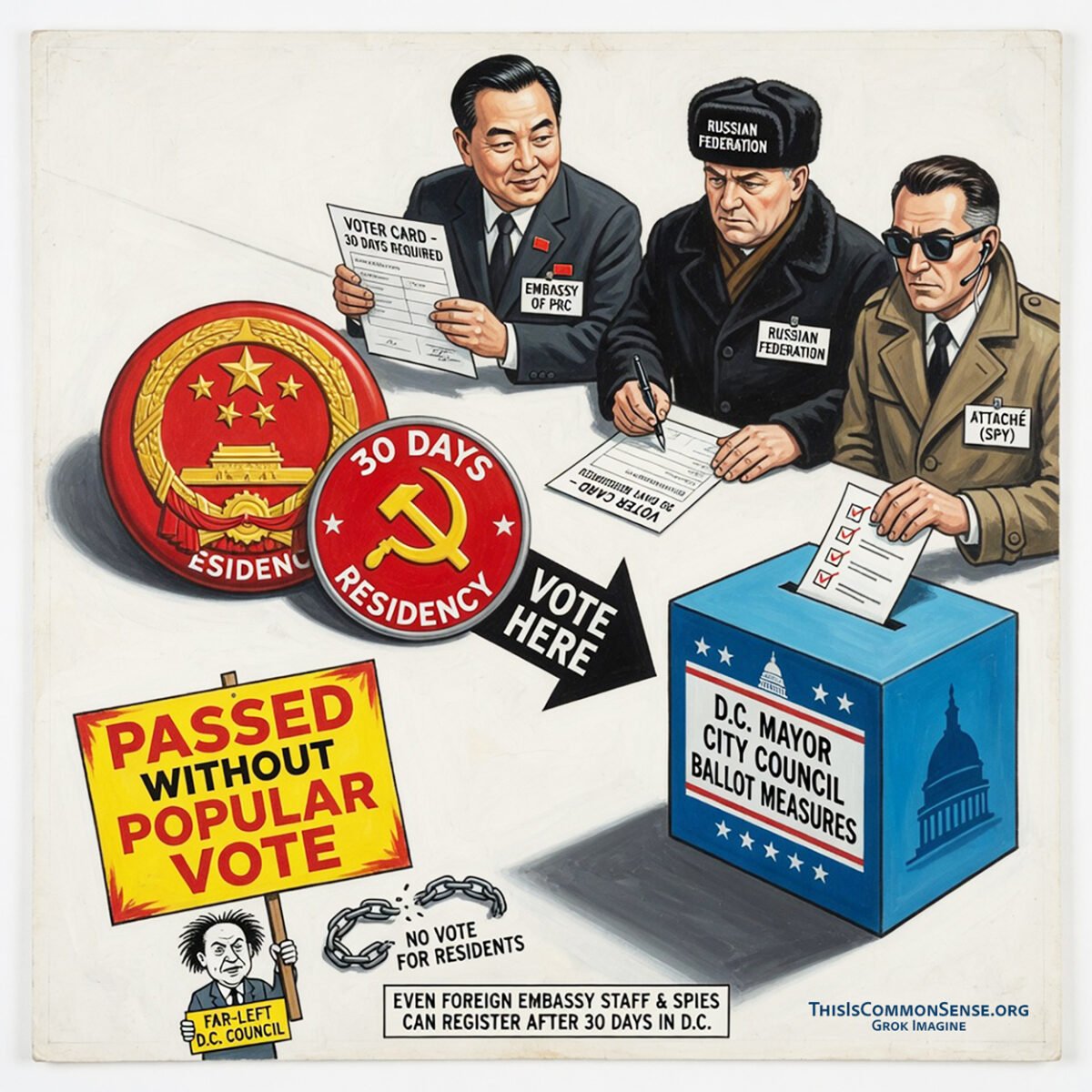
Well, they do under a crazy law in our nation’s capital. Even the ambassadors and embassy workers (and spies) that China and Russia send to represent their regimes, could, if they so desired, register and vote for the next mayor, city council-member and ballot measure in the federal capital . . . if those foreign nationals have been here (working for another country) for 30 days. 

The far-left-of-sanity Democrats on the D.C. City Council passed it — without a popular vote. 

At least in Los Angeles there will be a public vote — should the push by Democratic Socialists of America-backed Democrats on that City Council advance a measure to allow noncitizens in L.A., legally or not, to vote in local elections. 

Citizenship seems a wiser qualifier at all levels of government.*

“Federal law prohibits noncitizens from voting in federal elections,” The Los Angeles Times reports. “However, states are allowed to set their own local and statewide election rules.”

Note that The Times does not inform readers that states, such as California, determine who is qualified to vote in federal elections in those states. Were California to allow noncitizens to vote in its state legislative elections — not too giant a leap from noncitizen voting in L.A. and San Francisco — those noncitizens would be legally qualified to vote for California’s representatives in Congress and the U.S. Senate. 

The U.S. Constitution’s “Qualifications Clause” is clear.

This state “loophole” is something worth closing through Florida Rep. Laurel Lee’s constitutional amendment

Locally, statewide, nationally: let the people decide.

This is Common Sense. I’m Paul Jacob. 


* I serve as chairman of Americans for Citizen Voting. We have worked to pass Citizen Only Voting constitutional amendments in 15 states and to place these measures on six more state ballots this November. We now ask Congress to consider and propose a federal constitutional amendment, HJR 152, the U.S. Citizens Vote Amendment.


PDF for printing

Illustration created with Grok Imagine

See all recent commentary
(simplified and organized)
See recent popular posts

Categories
Thought

Tacitus

Auferre, trucidare, rapere, falsis nominibus imperium,
atque, ubi solitudinem faciunt, pacem appellant.

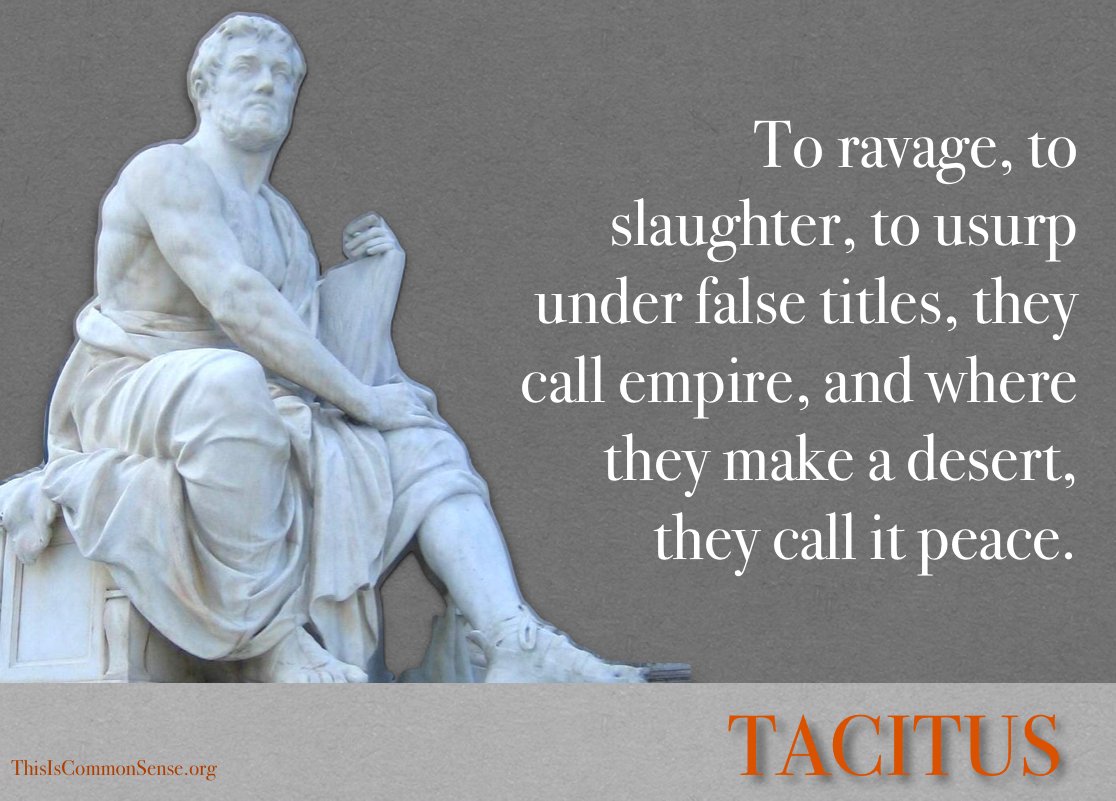
To ravage, to slaughter, to usurp under false titles, they call empire, and where they make a desert, they call it peace.

Publius Tacitus, De vita et moribus Iulii Agricolae (A.D. 98), Chapter 30, conclusion.

Categories
Today

Now Comes Good Sailing

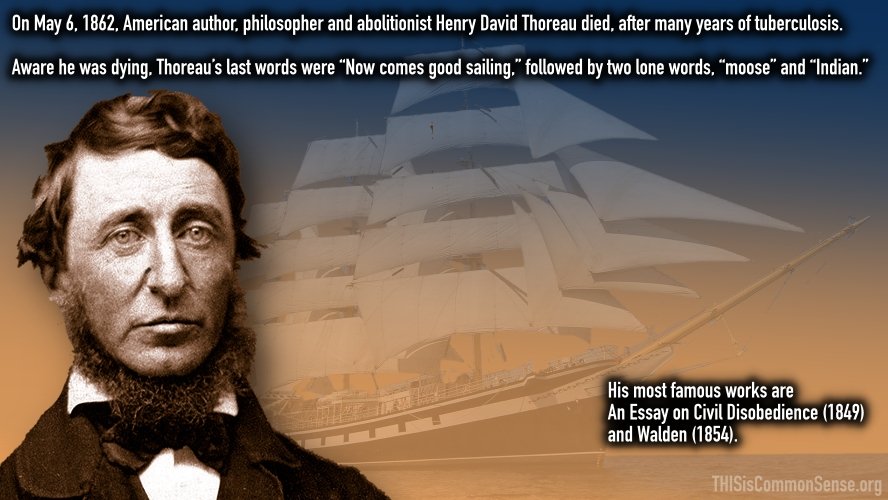
On May 6, 1862, American author, philosopher and abolitionist Henry David Thoreau died, after many years of tuberculosis. 

Aware he was dying, Thoreau spoke his last words: “Now comes good sailing,” followed by two lone words, “moose” and “Indian.” Bronson Alcott planned the service and read selections from Thoreau’s works, and Ralph Waldo Emerson wrote the eulogy spoken at his funeral. 

His remains, as well as those of members of his immediate family, were eventually moved to Sleepy Hollow Cemetery in Concord, Massachusetts.

His most famous works are An Essay on Civil Disobedience (1849) and Walden (1854).

Categories
Today

Now Comes Good Sailing

On May 6, 1862, American author, philosopher and abolitionist Henry David Thoreau died, after many years of tuberculosis. 

Aware he was dying, Thoreau spoke his last words: “Now comes good sailing,” followed by two lone words, “moose” and “Indian.” Bronson Alcott planned the service and read selections from Thoreau’s works, and Ralph Waldo Emerson wrote the eulogy spoken at his funeral. 

His remains, as well as those of members of his immediate family, were eventually moved to Sleepy Hollow Cemetery in Concord, Massachusetts.

His most famous works are An Essay on Civil Disobedience (1849) and Walden (1854).

Categories
general freedom nannyism regulation

Killer Cars for Your Safety

“It is in my memory banks,” Eric Peters wrote last month, referencing an android on an old Star Trek episode, “the long-ago time when GM was a car company.”

Yes, in the “long-ago” they “made an almost infinite variety of vehicles to suit almost any need and budget, all of them designed and engineered to free their owners. Some were utilitarian. Others were beautiful. Some were arrogant. None were parenting. They were made by adults who respected other adults. What became of that GM?”

The answer? Government.

Specifically, the National Highway Traffic Safety Administration, as directed by Section 24220 of 2021’s Bipartisan Infrastructure Law. 

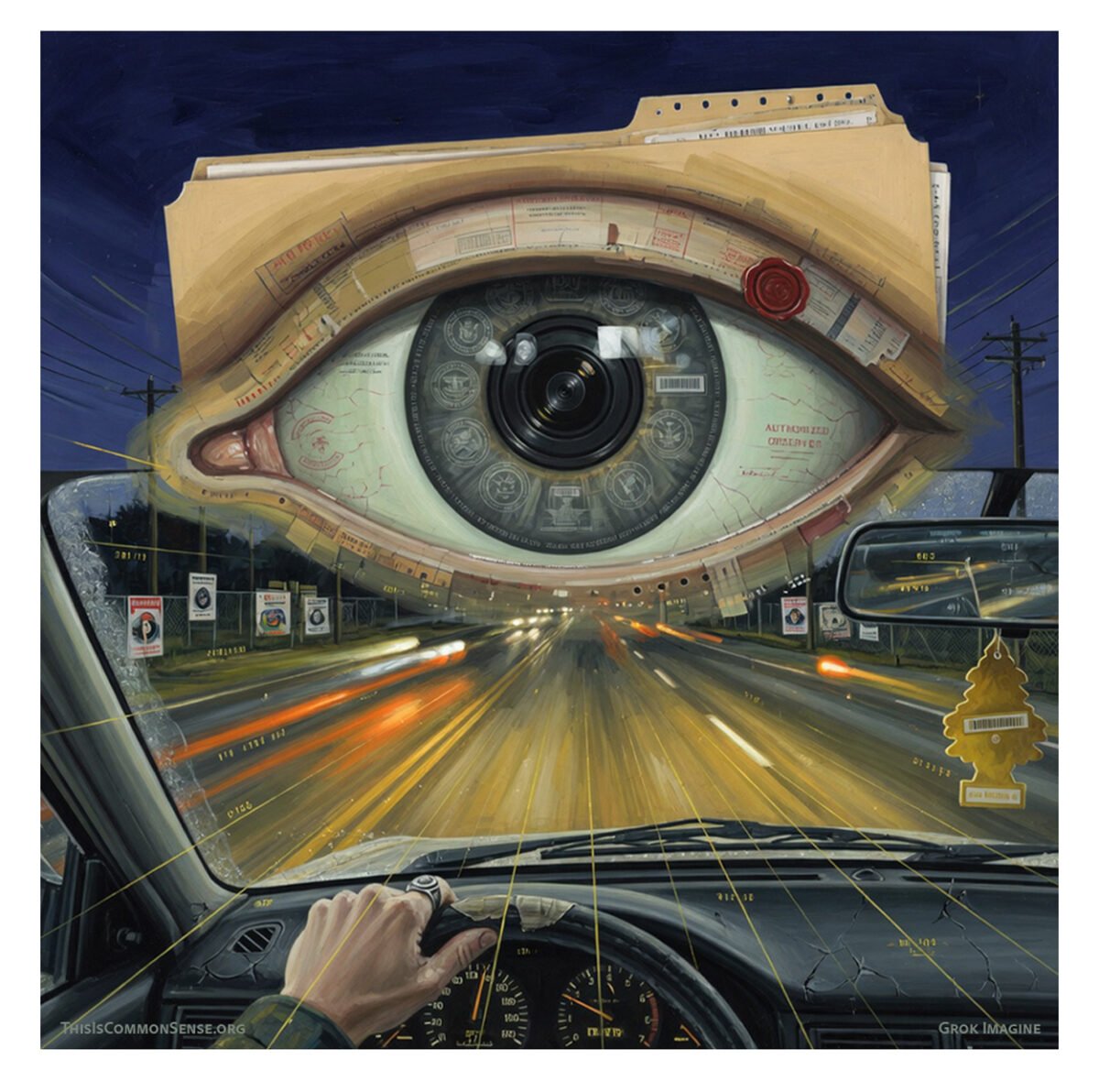
“By 2027, every new car sold in the United States could be required to actively monitor the person behind the wheel,” explained Shawn Henry, the Chief Security Officer at CrowdStrike until last year. “That means watching your eyes, tracking your behavior, and constantly evaluating whether you’re alert enough to drive. For a lot of drivers, that starts to feel less like safety and more like surveillance.”

The idea is for your car to remove you from control.

The excuse for this nanny-state totalitarianism — a human-made robot take-over! — is that it will save lives. If you are too tired, too excited, too sleepy, or just walking erratically, the idea is for your smart car to prevent you from taking the wheel. 

But it would only save lives under normal conditions. In an emergency, your actions — watched over with loving grace by your ultra-smart car — could look like you’re on drugs or worse, and the car, not understanding the emergency, blocks your escape.

That is, if the NHTSA ever finalizes the regulation.

In a world where the CIA can execute you by making your car drive off the road (yes, it’s a thing), adding more overriding tech?

The wrong direction.

This is Common Sense. I’m Paul Jacob.


PDF for printing

Illustration created with Grok Imagine

See all recent commentary
(simplified and organized)
See recent popular posts

Categories
Thought

Machiavelli

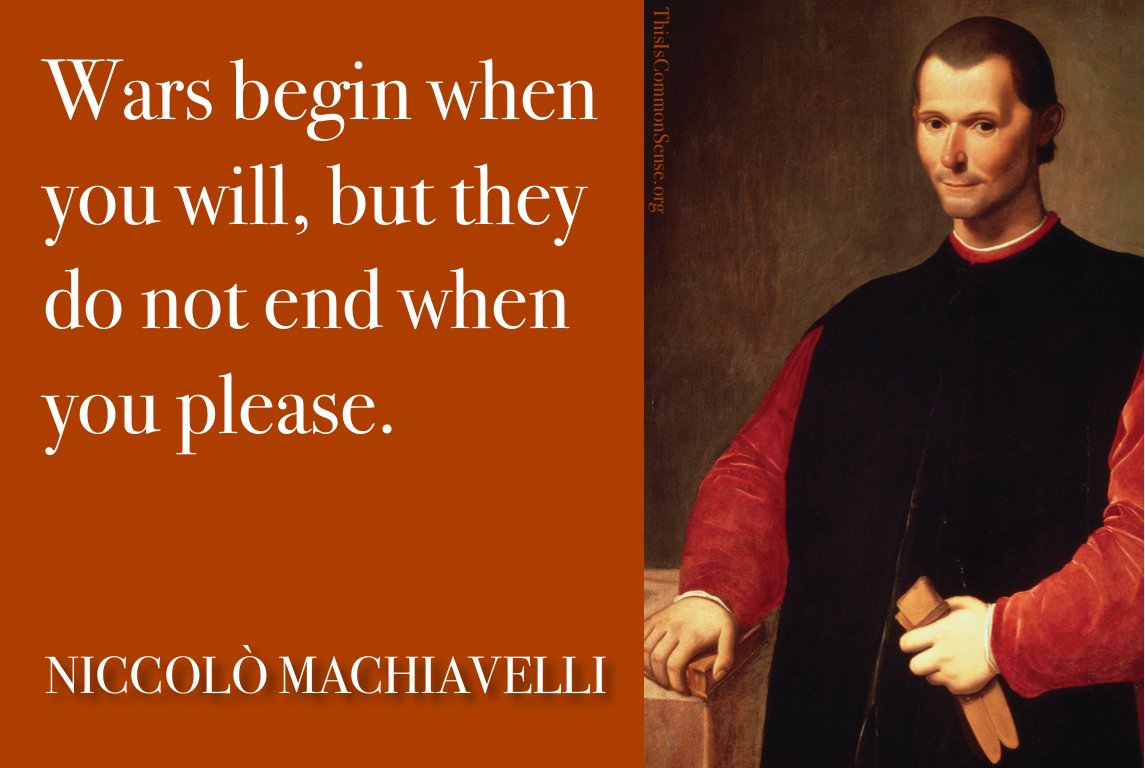
Comincionsi le guerre quando altri vuole,
ma non quando altri vuole si finiscono

Wars begin when you will, but they do not end when you please.

Niccolò Machiavelli, from the Florentine HistoriesIstorie fiorentine (A.D. 1526).

Categories
Today

Endings

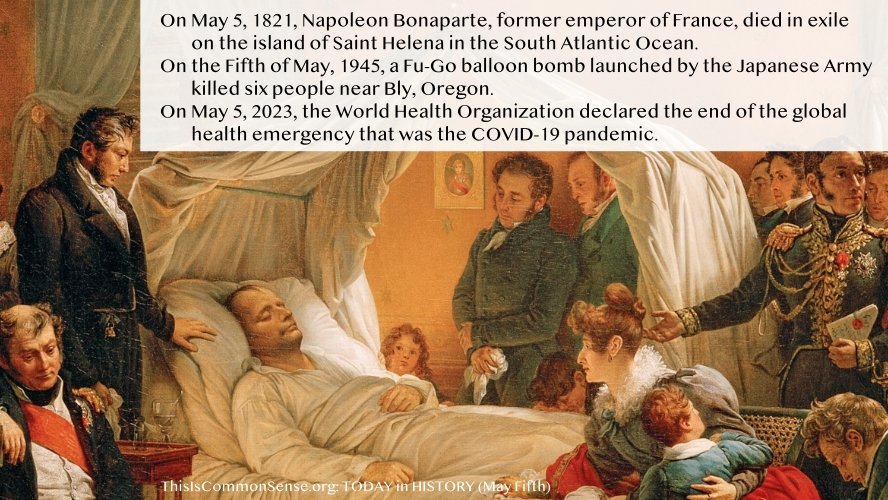
    On May 5, 1821, Napoleon Bonaparte, former emperor of France, died in exile on the island of Saint Helena in the South Atlantic Ocean.
    On the Fifth of May, 1945, a Fu-Go balloon bomb launched by the Japanese Army killed six people near Bly, Oregon.
   On May 5, 2023, the World Health Organization declared the end of the global health emergency that was the COVID-19 pandemic.

Categories
ideological culture political economy too much government

Super Under-Blown

Just 60 years ago, we were talking the end of ideology. Thirty years ago, we were talking about the end of socialism — and of history itself! — as capitalist democracies seemed triumphant after the fall of the USSR.

But here it’s A.D. 2026 and we have socialist mayors in New York and Seattle and . . . we don’t need to argue about definitions. They call themselves socialist.

While New York’s Mamdani has grabbed much of national attention, let’s not forget the Evergreen State’s Emerald City. Seattle Mayor Katie Wilson showed her defiance of economic common-sense in her defenses of many anti-business, anti-rich tax and regulation policies by her city and the state.

“I think the claims that millionaires are going to leave our state are,” she asserted, “like, super overblown.”

Her notion being that, since Washington State has a sales-tax-dominated “regressive tax system,” adding a progressive layer wouldn’t matter. New high-income-focused taxes would only make things better!

Not to those targeted by the tax, though. Not with socialists in charge. After all, she’s showing her true colors, taking photos with antifa terrorists, pooh-poohing welfare fraud (and refusing to investigate), expressing solidarity with Somali immigrants accused of fraud in Washington, and pushing for non-citizen voting.

Mayor Wilson’s response to those who have exited the soviet of Washington has been a chuckle, a wave, and a cheerful “bye.”

But then a major Democratic funder in the state, Nick Hannauer, wrote a think-piece for GeekWire suggesting that both the city, Seattle, and the state, Washington, were going too far. “Making the total tax burden here 5–10 times the alternatives isn’t progressivism; it’s stupidity.” The Daddy Warbucks, who’d promoted capital gains taxes and opposed Tim Eyman’s tax limitation measures, wants to put the brakes on Evergreen State spoliationplundering— noting that “virtually every wealthy friend I have has either left or is planning to.”

Seattlites and Washingtonians sure seem stuck with “the usual Socialist disease — they’ve run out of other people’s money.” For the “other people” are fleeing fast.

This is Common Sense. I’m Paul Jacob.


NOTE (first paragraph references): Daniel Bell, The End of Ideology (1960), Francis Fukuyama, The End of History and the Last Man (1992), and Robert Heilbroner, “The Triumph of Capitalism,”The New Yorker (January 23, 1989). Concluding allusion: Maggie Thatcher on socialism.

PDF for printing

Illustration created with Nano Banana

See all recent commentary
(simplified and organized)
See recent popular posts
Categories
Thought

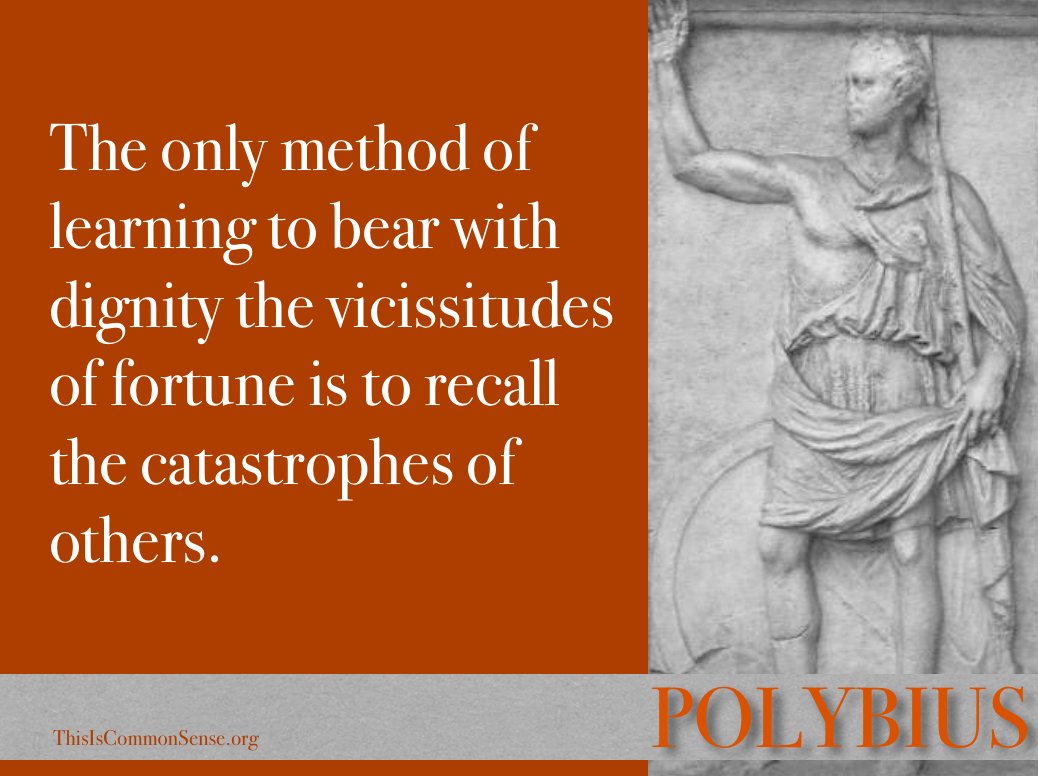
Polybius

The only method of learning to bear with dignity the vicissitudes of fortune is to recall the catastrophes of others.

Polybius, as in The Histories of Polybius, trans. Evelyn S. Shuckburgh (1889), Book I, Chapter 1.