
Categories
Accountability Common Sense general freedom government transparency too much government

(Un)Intended System Failure

The system worked. The problem? The system doesn’t work.

Last year’s successful term limits ballot initiative in Grand Rapids pitted two pro-limits ladies with scant political experience against a united big business/big labor opposition campaign, sporting Dr. Glenn Barkan, professor emeritus of political science at Aquinas College, as treasurer.

Just before Election Day, Professor Barkan’s group stuffed mailboxes with advertisements warning residents: “Don’t let your vote be shredded.” The mailings seemed odd in two more respects: (1) there was no mention of “term limits,” and (2) according to campaign finance reports, the professor’s committee didn’t have enough money for mass mailings.

Then, after the election, the committee filed reports acknowledging big money raised and spent prior to the election.

“It just seemed odd that they could do all the mass mailings with little money,” said term limits advocate Bonnie Burke. “We ran a totally above-board campaign and they have these seasoned people and they weren’t sticking to the rules.”

Michigan’s Bureau of Elections concluded the professor’s committee “deprived voters from knowing the source and amount of more than half of the contributions it received. . . .” The group was fined $7,500.

The system worked! Reporting led to a violation, which led to a complaint, which led to an investigation, which led to the imposition of a fine.

But to what point?

As my colleague at Liberty Initiative Fund, Scott Tillman, who filed the complaint, explains, “Campaign finance laws do not stop connected insiders from gaming the system and hiding donations. Big money can ignore the laws and pay the fines if they get caught.”

Even worse, Tillman warned, “Campaign finance laws intimidate and discourage outsiders and grassroots activists from becoming active in politics.”

Is either result unintended?

This is Common Sense. I’m Paul Jacob.


Printable PDF

Campaign Finance Follies


Categories
Accountability government transparency term limits

Listen to Lobbyists

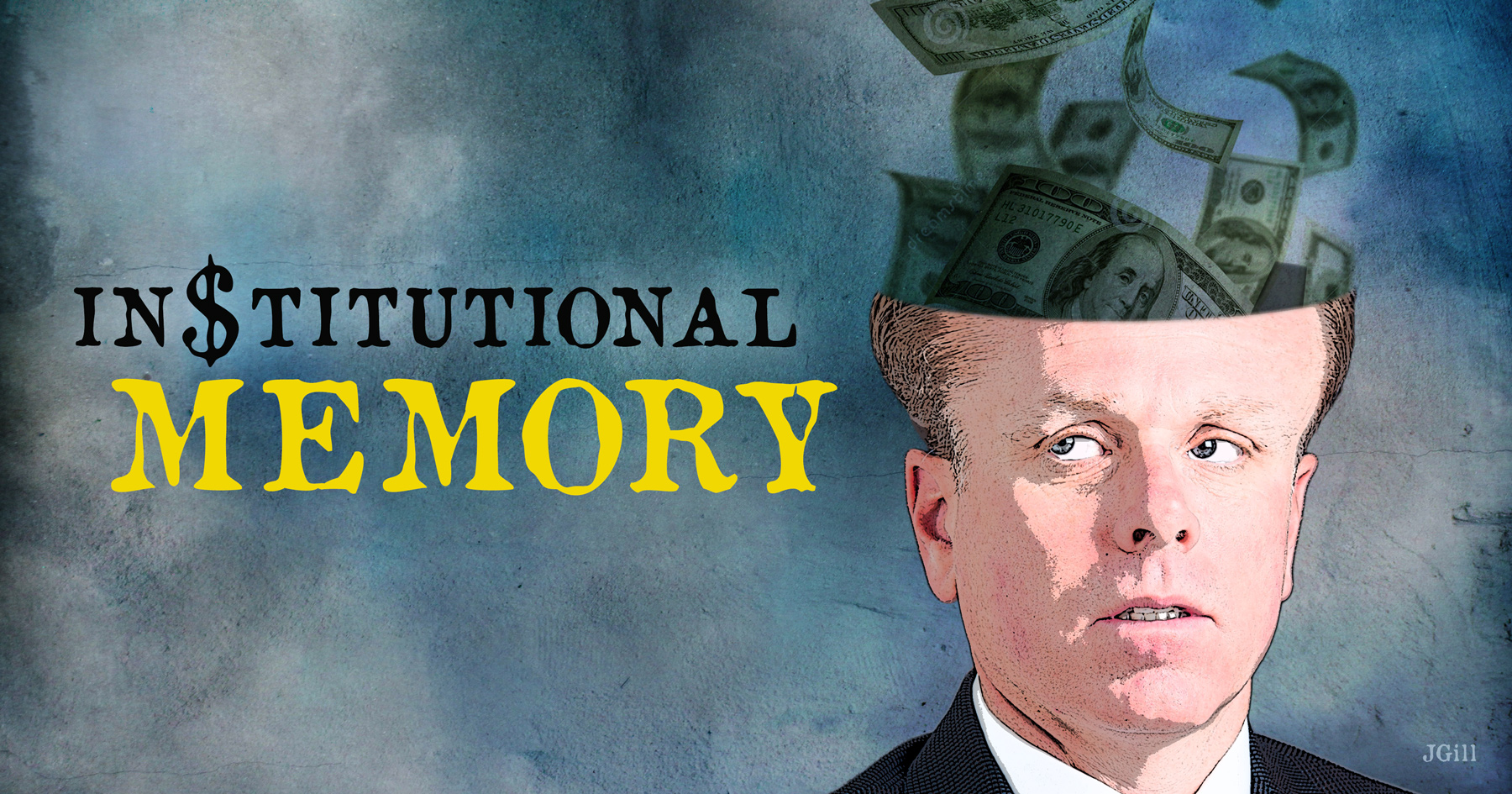
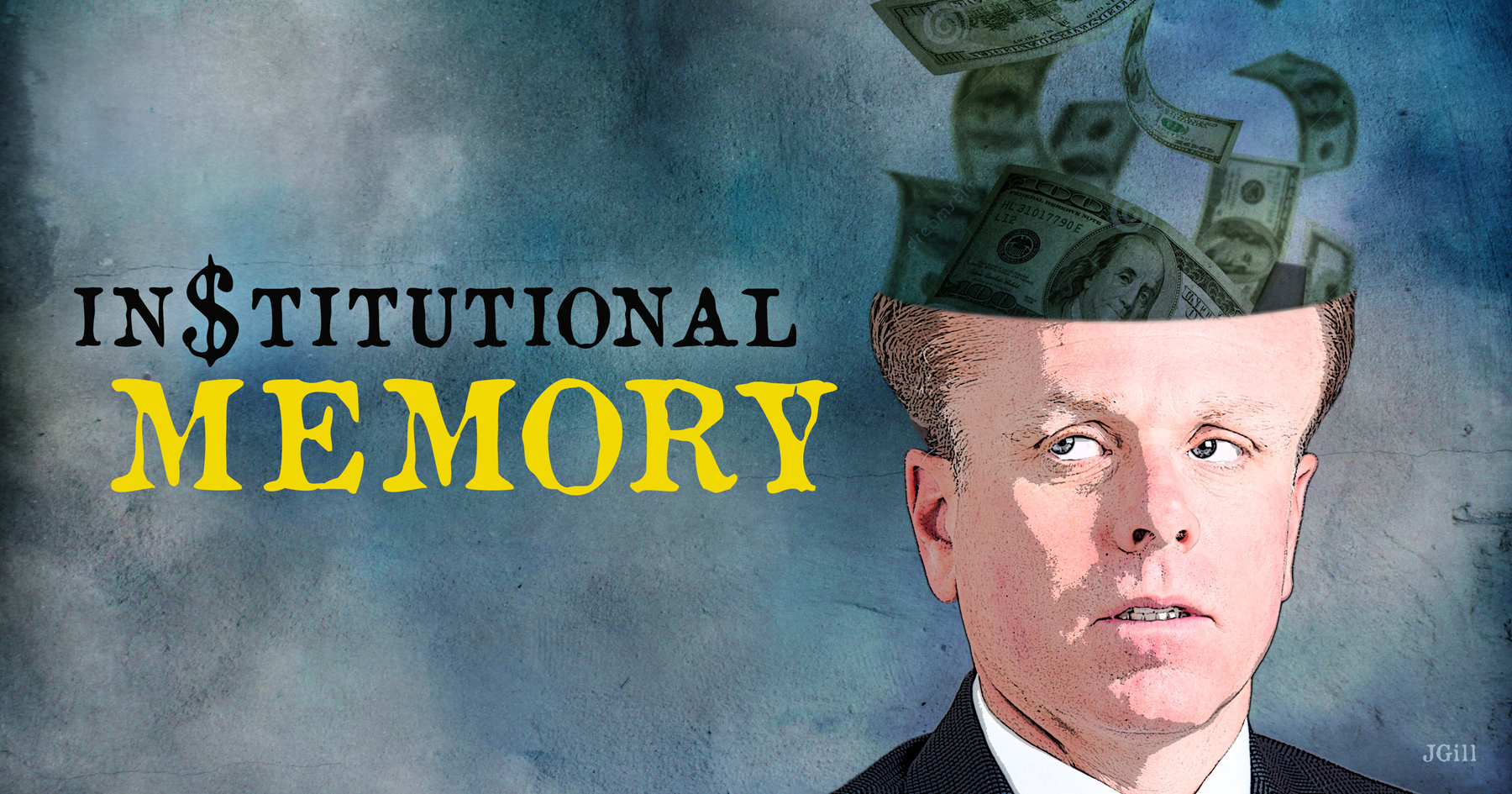
With 25 of 40 council seats turning over, “term limit advocates are enthusiastic about the influx of new folks and ideas,” explains Tennessean columnist Frank Daniels III, “but many council members are worried about the loss of knowledge and institutional memory.”

More precisely, “many council members” fret that the city cannot afford the loss of their “knowledge.” Politicians so want to kill such thinking that on today’s Nashville ballot is not one, but two measures to weaken the “eight is enough” council limit. Amendment 1 weakens the limits by 50 percent — from two terms, eight years to three terms, twelve years.

Amendment 2 weakens term limits just like Amendment 1 does. But Amendment 2 also reduces the size of the metro council from 40 representatives to 27. Reducing the number of “politicians” has some popular support, but what’s needed is closer representation. Which means more representatives, not fewer.

Nevertheless, when Amendment 2’s proponent, Councilwoman Emily Evans, was asked why the reduction in the council was combined with weakening term limits, she replied, “You have to give the voters something.”

The perennial argument against term limits asserts that lobbyists, special interests and the bureaucracy will have greater “institutional memory” and, therefore, take advantage of council members.

Talk about hollow! The group pushing Amendment 2 just released their campaign finance report. Their largest donor is the Service Employees International Union, representing city workers — followed by lobbyist after lobbyist, after developer, after payday loan company CEO, and a horde of politicians.

The open secret of our age: lobbyists hate term limits, voters love ’em.

This is Common Sense. I’m Paul Jacob.

 

P.S. And if you live in Nashville, don’t forget to vote today, yet again, to keep the citizen-initiated, voter-enacted, three times voter re-affirmed term limits against the latest ballot schemes of politicians and their cronies


Printable PDF

Institutional Memory


Categories
Accountability initiative, referendum, and recall responsibility

Gold Medal Worthy

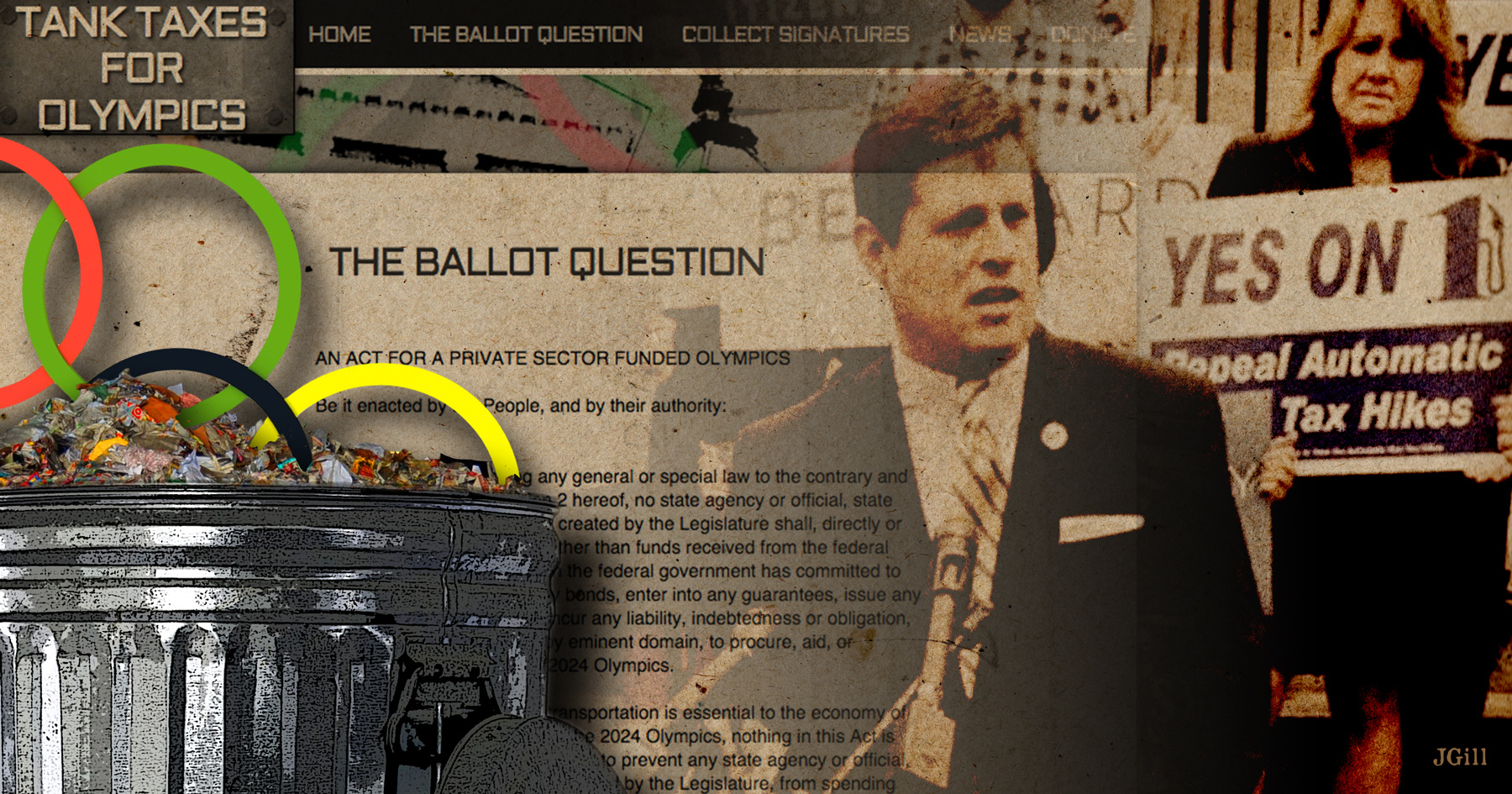
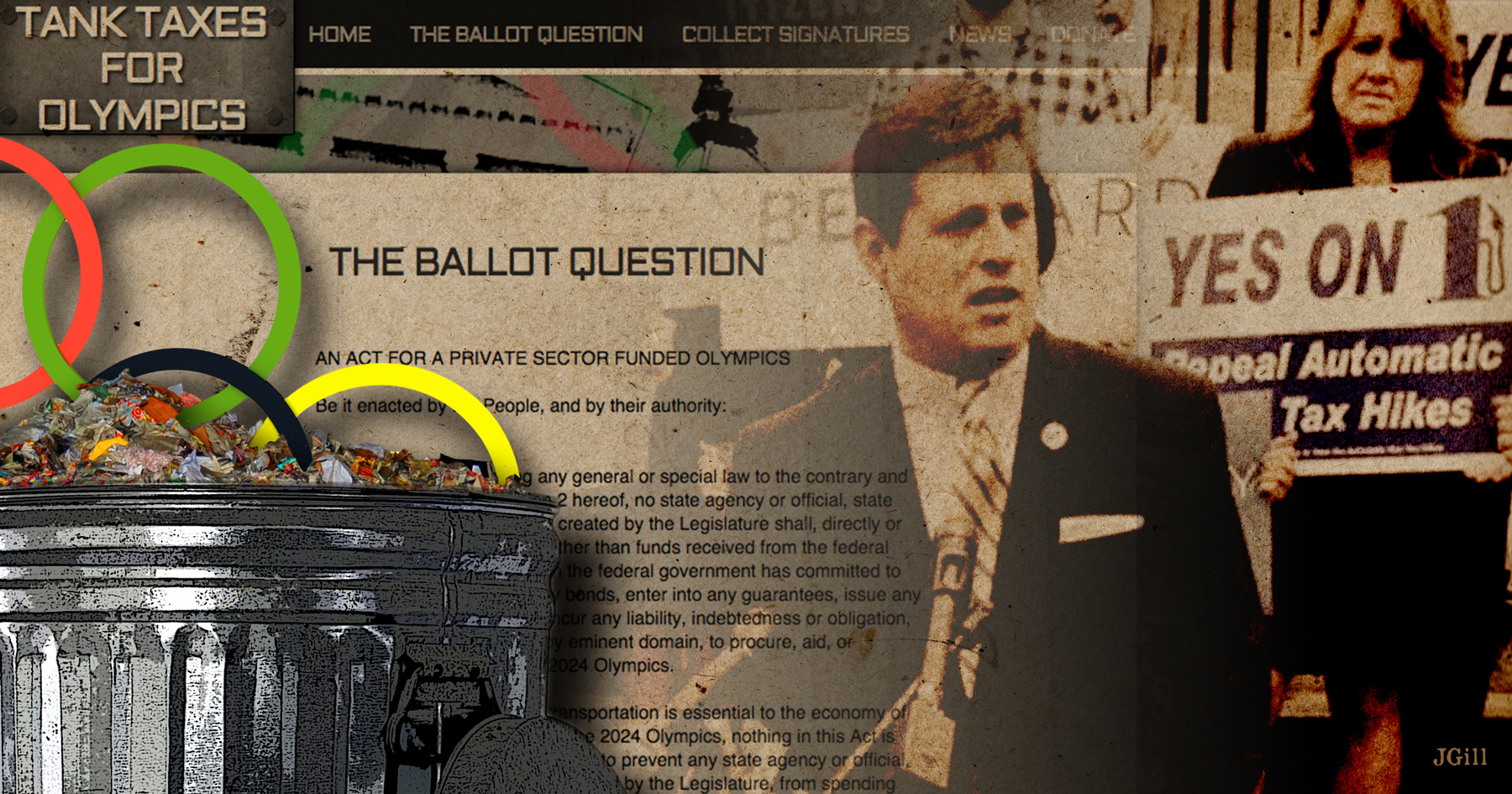
The 2024 Summer Olympics will not be held in Boston.

Beantown abandoned its bid to host the games after Mayor Marty Walsh refused to sign a contract that would have left the city responsible for billions in possible cost overruns.

Did I say possible?

Call it seemingly inevitable.

“I cannot commit to putting the taxpayers at risk,” declared Walsh.

People throughout the Bay State can now rest easy — no tax hike or debt burden to build expensive infrastructure . . . and produce bigger traffic jams. Of course, polls had long shown voters opposed to the idea. But that doesn’t matter to career politicians. Nor to the mayor — until recently.

Mayor Walsh’s deep concern for taxpayers notwithstanding, citizen activism made the difference. A month ago, the Yes on 1 committee joined together with Evan Falchuk, chairman of Citizens for a Say, in supporting a ballot measure to prohibit spending any tax dollars on the Olympics.

Last year, I worked with Yes on 1 — led by Steve Aylward, Rep. Geoff Diehl, Marty Lamb and Rep. Shaunna O’Connell — to pass Question 1, ending automatic gas tax increases in Massachusetts. Olympic officials had been assured a ballot measure was unlikely to get in the way; then came the Yes on 1 folks with the know-how to petition just such a measure onto the ballot.

Walsh claimed this opposition had nothing to do with his decision, calling them “about ten people on Twitter and a couple people out there who are constantly feeding the drumbeat.”

Dancing to a different drummer, Mr. Mayor.

Bostonians can thank the state’s ballot initiative process, which provides a way for the people to be heard. And, of course, citizen leaders who take the initiative.

This is Common Sense. I’m Paul Jacob.

Printable PDF

Yes On 1


Categories
Accountability term limits

A New Tammany?

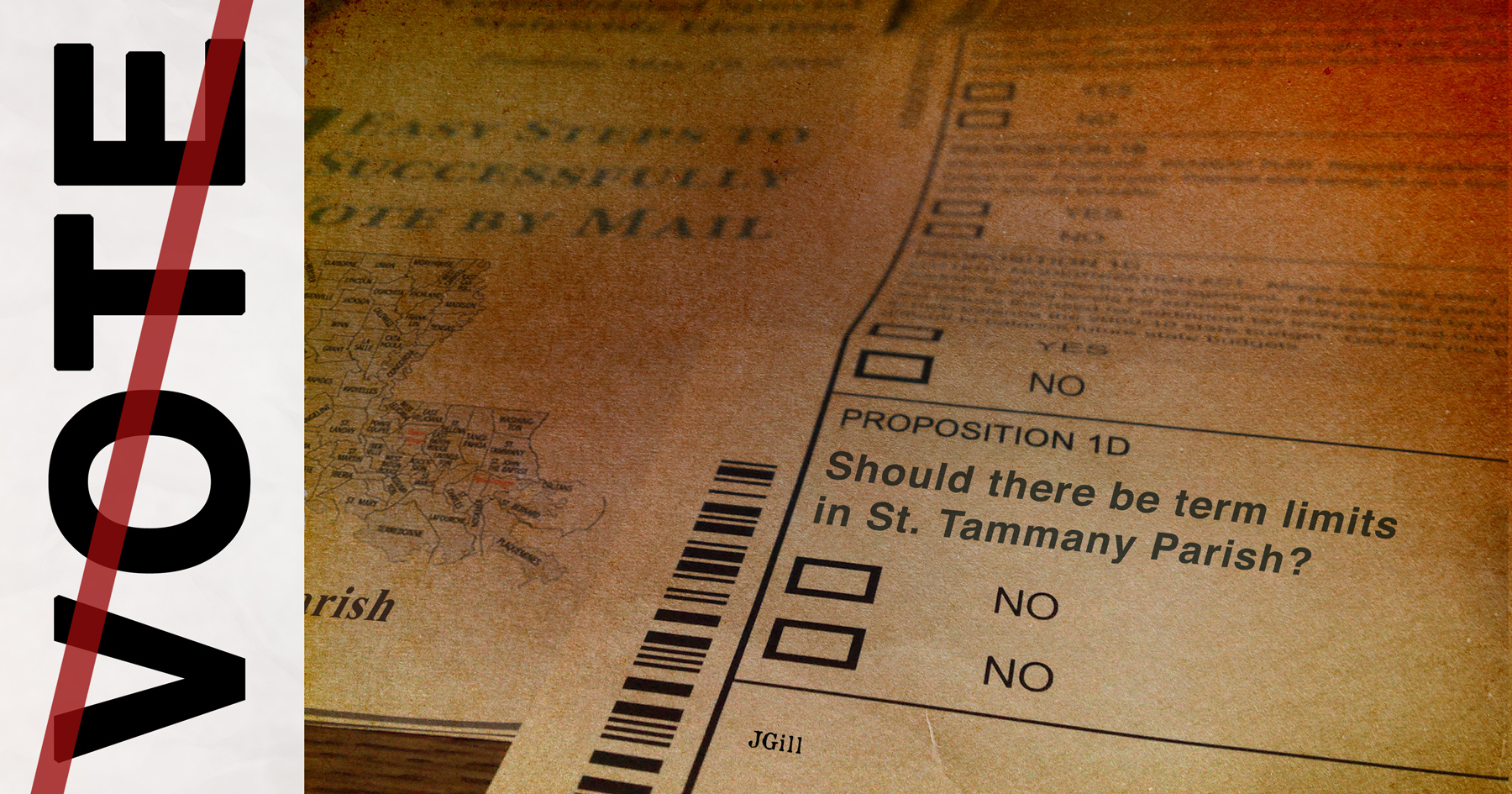
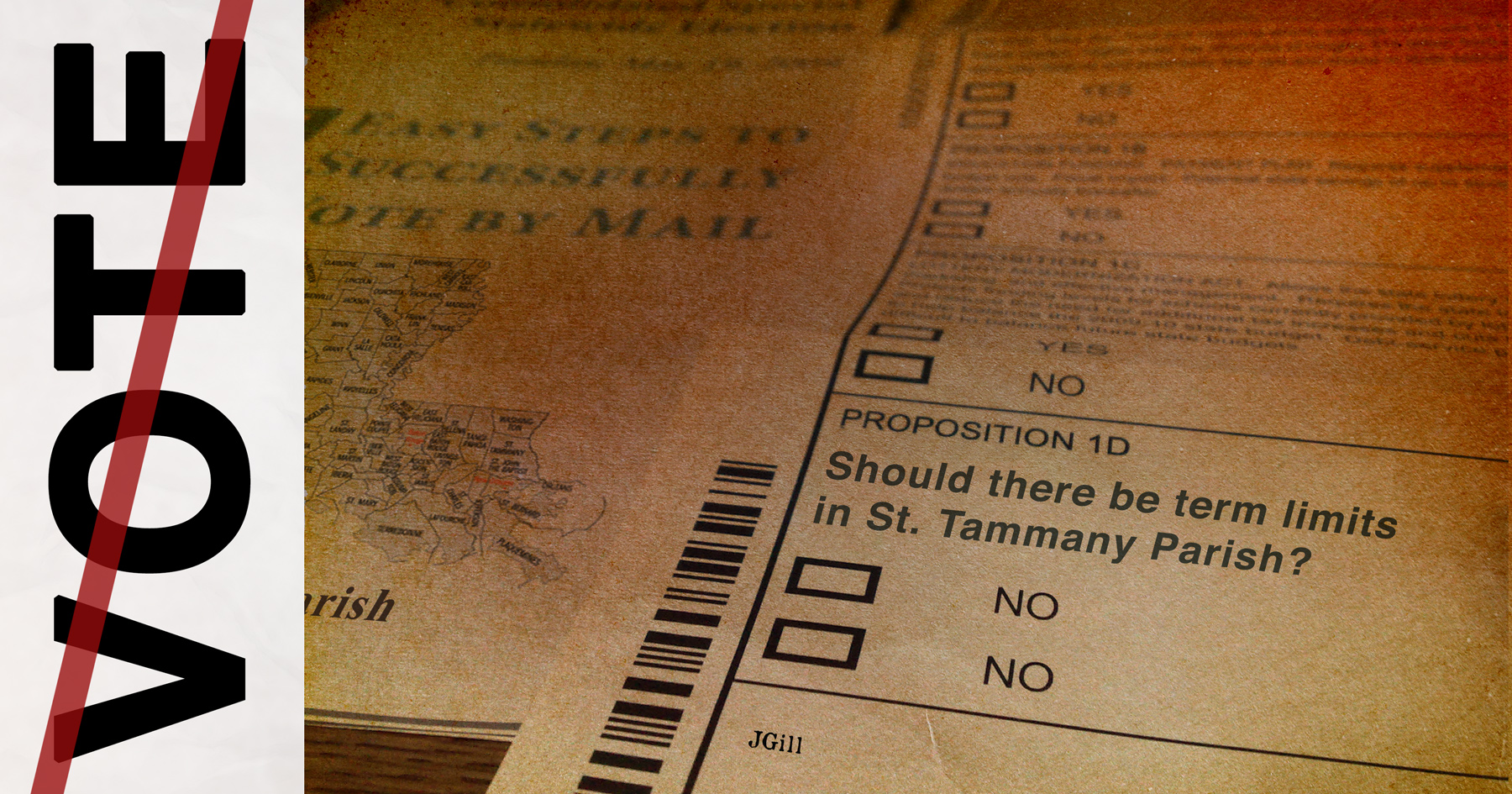
“We’ve been there and done that and voted not to do it,” St. Tammany Parish Council Chairman Richard Tanner explained last week. “I don’t know why we’d do it again.”

There’s a lot Tanner doesn’t know.

Like that his job is representing the people. You see, Tanner wasn’t one of the three members of the 14-member council who favored a public vote on enacting term limits.

“What are the other 11 worried will happen?” asked a New Orleans Times-Picayune editorial. “They must be afraid that voters will like the idea. What reason other than self-preservation could they have for refusing to even put the question on the ballot?”

According to a 2014 poll commissioned by Concerned Citizens of St. Tammany, a group that has long urged the council to put a term limits measure on the ballot, just a mere 92 percent of residents favor term limits.

The Home Rule Charter Committee and the St. Tammany West Chamber of Commerce have also implored the parish council to permit a democratic vote.

“Our members believe firmly that voters should be allowed their constitutional right to vote on this issue, rather than have this right outright denied,” read the Chamber’s resolution.

The old Tammany Hall political machine that once ruled New York City was corrupt. Criminally so. No one has suggested criminal wrongdoing by the gang running St. Tammany Parish.

No, theirs is an intellectual corruption, an embracing of power and self-interest and a rejection of republican and democratic principles.

Either form of corruption makes a strong case for term limits.

This is Common Sense. I’m Paul Jacob.

Printable PDF

Louisiana Term Limits


Categories
Accountability folly national politics & policies responsibility

Failing in the Future Biz

If you can’t sell us the future, you’re doing it wrong. We all want to get there in one piece.

Right now, a horde of Republican presidential candidates and a small cohort of Democrats vie to present themselves as visionaries, leaders.

Yet, what they all have in common is that they ignore the most serious issue facing us. Bigger than borders and terror and ISIS and gay marriage and all that, is the financial stability of the United States. Our future is in peril because of the continual Washington stalemate of never-ending deficit spending and continual debt growth — total debt being around $100 trillion.

The reason for this enormity? Politicians like to promise things, lots of things, very expensive things like wars and entitlements, to win our votes. But these same promiscuous over-promisers have more than a little difficulty agreeing on the taxes that would pay for all those “things.”

Why the difficulty? Because Americans already pay plenty in taxes and very few of us non-Omaha-based non-billionaires care to fork over even more of our hard-earned pay to a wasteful leviathan.

Any respectable vision of the future must acknowledge the current predicament, and provide a way out — before it’s too late, like it may very well already be . . . for Greece.

Wanting something for nothing isn’t Greek to any of us, unfortunately. That’s why we need leaders with the honesty and courage to present a vision more real than government providing ever more goodies on credit ad infinitum.

Credit just doesn’t add up, infinitely. The more you rack up debt, the more finite your future.

This is Common Sense. I’m Paul Jacob.

Printable PDF

Future Fail


Categories
Accountability general freedom tax policy

The People Supreme

“We’re the only state in the nation,” wails Wade Buchanan of the liberal Bell Policy Center, “where you can only raise revenues, taxes, by a vote of the people.”

Buchanan is talking about his state of Colorado and defending his side in the Kerr v. Hickenlooper case, which features 34 card-carrying members of Colorado’s political elite — sitting legislators, former legislators, former U.S. congressmen, local politicians and other assorted bigwigs — suing the voters of Colorado for having the gall to pass the state’s Taxpayer Bill of Rights (TABOR) initiative back in 1992.

Lovers of big government call TABOR a disaster; most Colorado voters like TABOR and will vote to keep it.

The crux of the case? The ridiculous notion that legislators have some cockamamie constitutional right to levy taxes and spend money without the people empowered with any veto. “When the power to tax is denied,” the suit alleges, “the legislature cannot function effectively to fulfill its obligations in a representative democracy and a Republican Form of Government.”

Immediately, however, the legal issue is whether the politically powerful Kerr plaintiffs even have standing to bring the lawsuit.

Last week, the U.S. Supreme Court vacated a 10th Circuit Court of Appeals decision that had granted standing, returning the case to the appeals court “for further consideration in light of Arizona State Legislature v. Arizona Independent Redistricting Commission.”

That’s good news.

“Most tellingly,” constitutional scholar Rob Natelson points out in a Denver Post column, in that Arizona case “the court praised direct democracy and held that it was ‘in full harmony with the Constitution’s conception of the people as the font of governmental power.’”

Font? We’re the boss.

This is Common Sense. I’m Paul Jacob.

Printable PDF

Tax Vote


Categories
Accountability crime and punishment government transparency

Impeach IRS Boss Now

Last week National Review reported that Republicans in the U.S. House have long been pondering impeachment of IRS Commissioner John Koskinen for stonewalling about whether Lois Lerner’s emails were lost and irretrievable.

Lerner is the former IRS official who oversaw the obstructing of applications for non-profit status by right-leaning and Tea Party organizations. The timeline that has the GOP considering impeachment of the IRS boss goes like this:

  • March 2014: Koskinen testifies before Congress to the effect that it would take quite a while to retrieve Lois Lerner’s archived emails.
  • June 2014. Koskinen tells Congress (eliciting “audible gasps”) that many of Lerner’s scandal-relevant emails had been lost in a “computer crash.” (What happens when you hit hard drives with hammers. . . .)
  • June 2015. Congress learns from the Treasury Department’s inspector general that IRS wasn’t merely lethargic about finding the emails, and didn’t accidentally lose them to a sweeping Lerner-targeting technical glitch, but actively sought to destroy files “most likely to have contained Lerner’s emails.”

However, investigators have recovered data, including 30,000 Lerner emails, that probably do contain many scandal-related epistles. Which anybody who knows anything about the Internet and servers and backups knows had never been lost to begin with — not prior to specific attempts to lose them.

How many weeks must drag on before Congress does what is necessary? Koskinen strung Congress along for his benefit, not ours — giving him more time only plays into his hands.

Stop procrastinating, Congress. Do it. Now.

This is Common Sense. I’m Paul Jacob.

Printble PDF

Impeach him


Categories
Accountability free trade & free markets

The Fed Feeds a Scam

Real and effective “anti-establishment” ideas come from unexpected places. That is, they are unexpected if you read only the dominant media and its insider sources, or follow politics only during the quadrennial presidential farce.

Quite a few news junkies would be surprised at David Stockman’s critique of current Federal Reserve behavior and policy, for example. In “Why Ronald Reagan Is Rolling In His Grave: The Keynesian Putsch At The Fed,” he charges the central bank with having managed “an economic coup d’etat” by engaging in an ongoing wealth redistribution scam — shoveling wealth to the rich.

Stockman sees the confidence of Fed Chair Yellen’s macro-policy micromanagement agenda as a scary case of hubris, of self-appointed effrontery. “Yellen & Co believe they are in charge of virtually everything on the main street economy . . . based on nothing more than their own subjective and unexplained wisdom.”

Stockman is in high form, here. Yellen’s latest pronouncement, he says, is “unaltered Keynesian claptrap. It is the arrogant over-reach of a model-obsessed academic zealot who has no respect whatsoever for the real main street economy and for the historically proven truth that free markets are the best route to prosperity and higher living standards for the people. . . .”

Her policies, he claims, amount to “‘trickle down’ economics with malice of forethought.”

Does that sound Bernie Sanderish to you? It shouldn’t.

The case for limited government and against the Fed (and federal government management in general) are that it is modern unlimited government that serves the few at the expense of the many. Stockman is just restating very old wisdom.

Remind your Occupier friends of this. They are on the wrong team.

This is Common Sense. I’m Paul Jacob.

Printable PDF

D. Stockman


Categories
Accountability crime and punishment

Judge by the Results

The law exists to ensure responsibility. When someone does wrong, the police and courts are here to correct for the lapses and crimes.

That’s how law “holds us responsible” for our actions.

The War on Drugs is fought, it has been argued, because recreational drug use makes people irresponsible. So police and courts must punish, etc., etc.

But Theory must be judged not on intent, but on results.

Which are too often atrocious.

When I wrote about Bounkham “Bou-Bou” Phonesavanh before — a toddler horribly maimed and almost killed by an incendiary during a completely fruitless drug raid on a home full of innocents — I identified the War on Drugs as the root problem: “Waging that war permits endless ‘botched raids’ like the one that almost killed Bou Bou,” I wrote last February. “So long as such invasions remain a standard means of trying to catch dealers with their stash — indeed, so long as the War on Drugs is being waged at all — innocent persons will always be needlessly at risk. . . .”

Now that the trial is over and the family has been rewarded not quite a million bucks in recompense, we can see, clearly, what’s wrong here.

Irresponsibility.

The police who did the foul deed? Unrepentant in court, offering bizarre excuses. What the police assailants claimed, the Pro Libertate blog summarized, “is that while he was sleeping, Baby Bou-Bou ambushed them.” An overstatement? Perhaps — but very slight.

Meanwhile, who pays? The taxpayers. Not the guilty cops.

If we continue to allow this “war” we will continue getting unaccountable policing and the tragedies that necessarily result.

In a word: irresponsibility.

This is Common Sense. I’m Paul Jacob.

Printable PDF

Drug war results


Categories
Accountability Common Sense crime and punishment First Amendment rights

Wisconsin Raids Speak Volumes

Where’s the outcry among campaign finance “reformers”?

Silence.

In Wisconsin, laws regulating political speech, along with the clamor for stepped-up “enforcement,” have facilitated an awesomely powerful prosecutor to launch dawn SWAT raids, dragging men, women and children out of their beds, stealing their computers and cell phones and ransacking their homes.

For what crime?

Supporting an act passed by the state legislature and signed into law by the governor.

And for having the bravery, or naïveté, to think we live in a free republic where organizing with others to promote ideas about public policy is a noble pursuit.

Not a one-way ticket to Room 101.

Here at Common Sense we’ve been following these dystopian John Doe raids since 2013, when my friend and hero, Eric O’Keefe, refused to be bullied into silence: he violated a gag order to tell the Wall Street Journal and other media about secret investigations tying up 29 conservative groups.

O’Keefe’s courage inspired several suffering the dawn raids to finally speak out. An article by David French in the May issue of National Review tells their stories, which sparked attention last week from Rush Limbaugh and on Fox News’s The Kelly File.

Milwaukee County District Attorney John Chisholm “correctly identified some of the most important communicators of political messages in Wisconsin,” O’Keefe told Meghan Kelly, “and they raided their family homes, with kids at home . . . . They came in the dark.”

“Put aside whether people should have filed different campaign finance reports, is this an appropriate tactic for any kind of campaign finance question?” he asked.

O’Keefe has fought back, suing Chisholm in federal court. Today, we may discover whether the U.S. Supreme Court will hear an appeal in his case and determine whether a federal district court judge’s injunction against Chisholm’s witch-hunt will stand.

We all know what this is really about. Chisholm was retaliating against individuals and groups that supported Governor Scott Walker’s ultimately successful moves to curb Wisconsin’s public employee unions. It’s a grand example of our age’s real class warfare: between insiders with power and outsiders trying to curb that power.

This is Common Sense. I’m Paul Jacob.

Printable PDF

Assault on Free Speech in Wisconsin