Categories
Accountability general freedom national politics & policies responsibility

The First Casualty

Former Marine Lt. Gen. H.R. McMaster, President Trump’s current national security advisor, is the author of Dereliction of Duty, a look at how President Lyndon Johnson conducted the Vietnam War. 

Last Sunday, the Washington Post’s Carlos Lozada reviewed the 1997 non-fiction book, noting that McMaster hadn’t minced words. 

McMaster argues, for instance, that LBJ had a “real propensity for lying.” McMaster also takes Defense Secretary Robert McNamara and the Joint Chiefs of Staff to task for not telling Johnson hard truths about the war, and going along with what they knew were poor policies. 

Life-and-death policies. 

“McMaster explains how a culture of deceit and deference, of divided and misguided loyalties, of policy overrun by politics, resulted in an ever-deeper U.S. involvement in Vietnam,” Lozada reports. 

Lozada then compares the dishonest bubble within which LBJ made decisions about Vietnam to the people around President Trump today, fearing they too will fail to tell the president inconvenient truths or dare risk his wrath by opposing his policy whims. 

That tilted Trump focus is the 24/7 obsession of the national press corps.

But this problem isn’t new with Trump. It’s universal. 

The wise have long understood that truth is the first casualty of war. If not taken out before hostilities even begin.

It is critical to find people of integrity to work at the White House and tell presidents the unvarnished truth. And even more critical is to pick presidents with integrity to tell the American people — the ultimate decision-makers — the truth. 

It’s long past time that U.S. foreign policies be publicly discussed — and decided — by an informed electorate.

This is Common Sense. I’m Paul Jacob.

Printable PDF


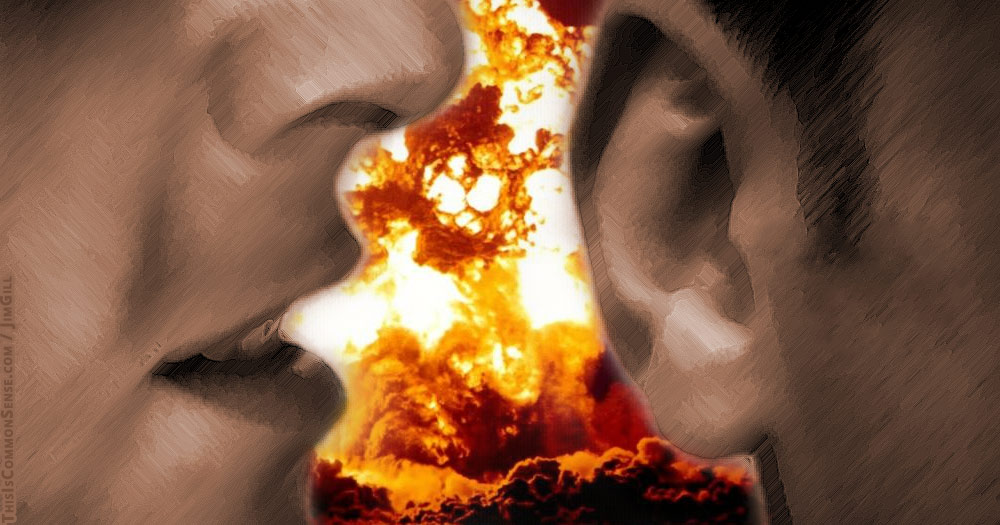
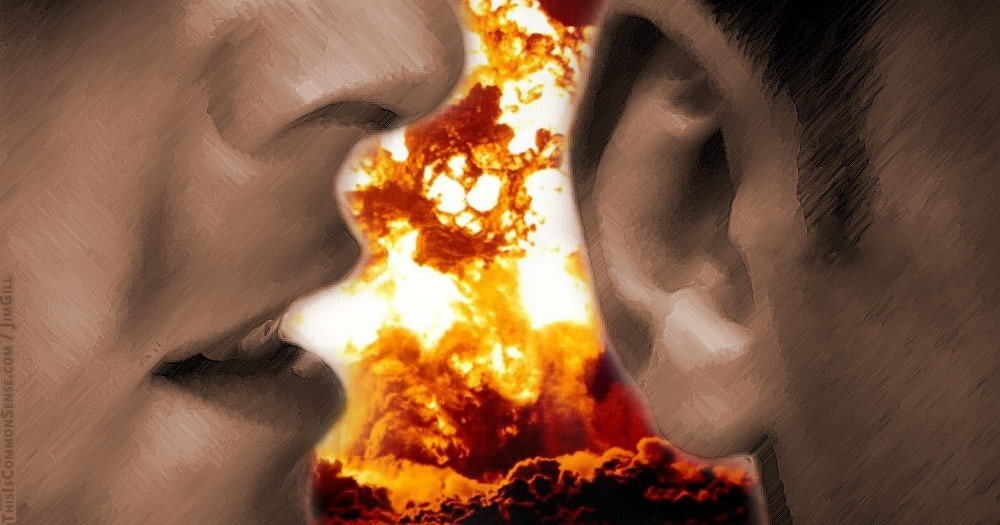
Whisper cc photo by Jamin Gray on Flickr

Categories
Accountability folly moral hazard national politics & policies

Hotel Afghanistan

“You can check out any time you like, but you can never leave.”

Is Afghanistan becoming the Hotel California?

Back in 2014, Obama declared victory — well, he called it “over.” We even informed our enemies ahead of time that we were leaving, to show good manners.

But as wars are known to do, it keeps not stopping. That is, bullets whiz by and bombs explode . . . and our American military hasn’t left. 

Obama feared that if we pulled out completely from the longest war in our history, the Afghan government would soon collapse and the Taliban would rush back to power. Last year the Taliban controlled more of the country than at anytime since 2001, when we first . . . “won.”

Now President Trump, the purported isolationist, stares at a report from military commanders on what to do. Their answer, according to the Washington Post, is to send “at least 3,000” more soldiers to Afghanistan, in addition to the 8,500 currently stationed there. And to allow US troops to engage in greater combat.

“The plan would also increase spending on Afghanistan’s troubled government,” the Post reported. But more money won’t un-corrupt the system.

Afghanistan expert Andrew Wilder with the U.S. Institute of Peace predicts that, “the U.S. is going to send more troops, but it’s not to achieve a forever military victory. Rather, it’s to try to bring about a negotiated end to this conflict.”

Will American soldiers be laying down their lives merely to better the odds for negotiating an improbable “good deal” with the Taliban?

This is Common Sense. I’m Paul Jacob.

Printable PDF


Categories
Accountability folly incumbents national politics & policies term limits

Authority and Accountability

Roll, Founding Fathers, roll over. The situation with Congress is grave.

You designed three branches of government, each to check the others’ power. The first branch, and the most essential, is Congress. It not only controls the purse strings, but also the power to declare war.

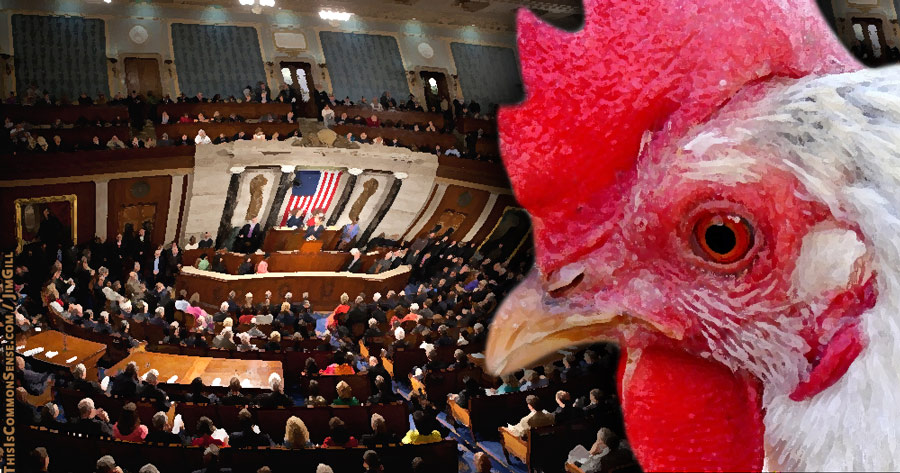
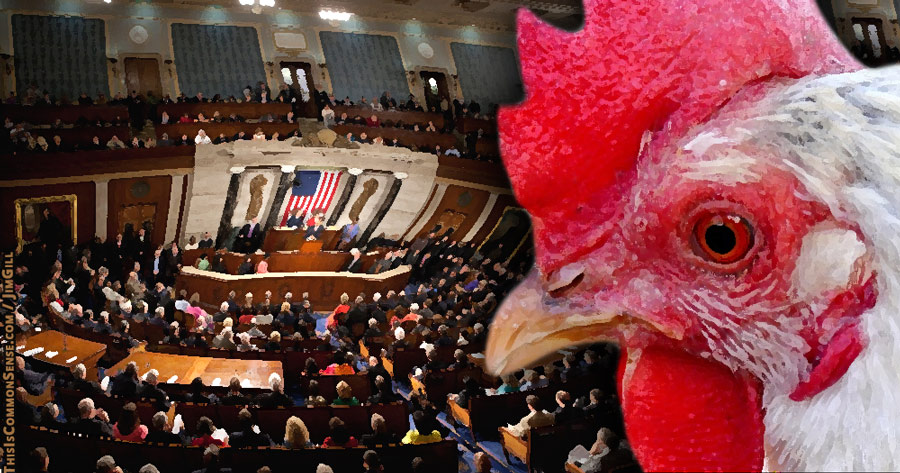
But today’s Congress cannot even muster the courage to regulate the use of military force through legislation such as the War Powers Act or by passing an AUMF — an Authorization for the Use of Military Force.*

Yesterday on NBC’s Meet the Press, host Chuck Todd raised the issue of whether a new AUMF was necessary after the attack on Syria, especially for any further action. And would Congress dare to debate a new AUMF? 

“I don’t think anybody wants a vote on this,” remarked Danielle Pletka, a defense and foreign policy expert at the American Enterprise Institute. She pointed out that any action would put Congress in line for blame should problems arise. “Look, the problem for Congress is . . . There’s no percentage for them.”

“If Congress doesn’t exert its authority here,” Todd offered, “then they’re ceding it.”

“Yes,” agreed National Review Editor Rich Lowry. “This is something the founders never counted on, that you’d have one branch of government that didn’t want to protect its prerogatives because too much accountability would be involved.”

Must the very foundation of our Republic always take a backseat to the personal political interests of professional politicians? Career congressmen disdain leadership, preferring to lead the cheers when things go well and criticize when they don’t.

Another important reason for term limits.

This is Common Sense. I’m Paul Jacob. 
 

*The AUMF passed after 9/11 gave the president authority to go after Osama Bin Laden and al-Qaeda. It has become a catch-all authorization due to congressional fear of being held accountable for authorizing — or not — any new use of military force. Instead, Congress has simply pretended that President Obama’s regime-change military intervention in Libya and the military actions against the Islamic State fit under the post-9/11 AUMF. 


Printable PDF


Illustration includes photo by Petras Gagilas on Flickr


Categories
meme

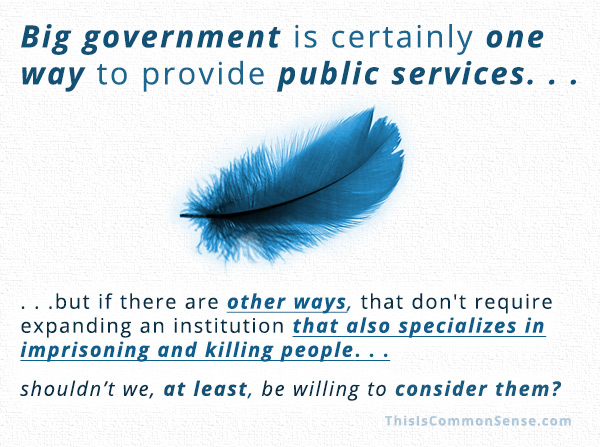
A simple question. . .

Government is a dangerous servant. . . as the American left has recently discovered.


Categories
Accountability media and media people moral hazard national politics & policies responsibility

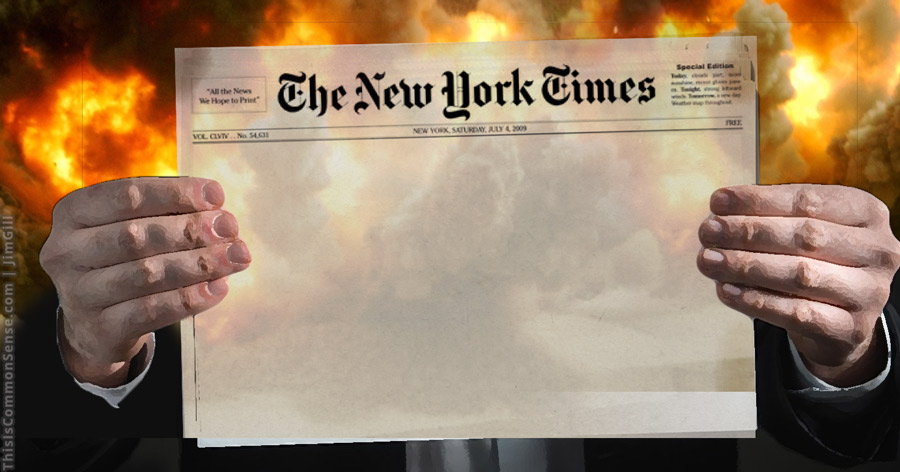
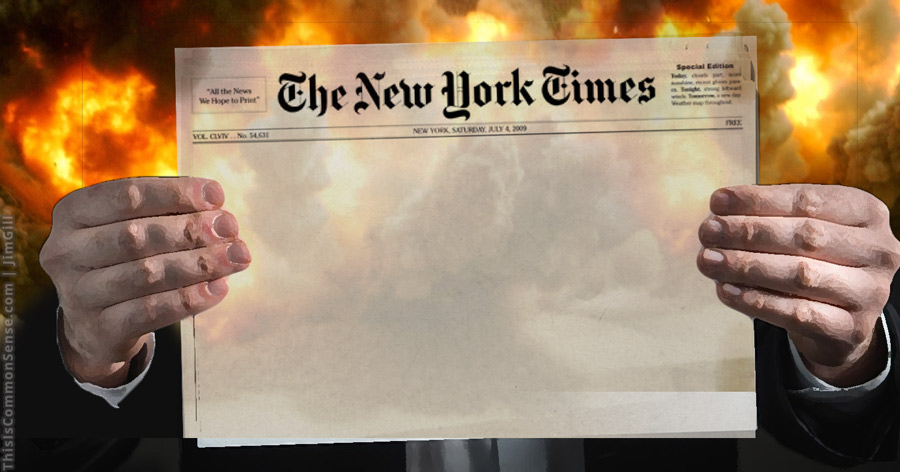
War on Page A-10

War was once big news. Now? Not so much.

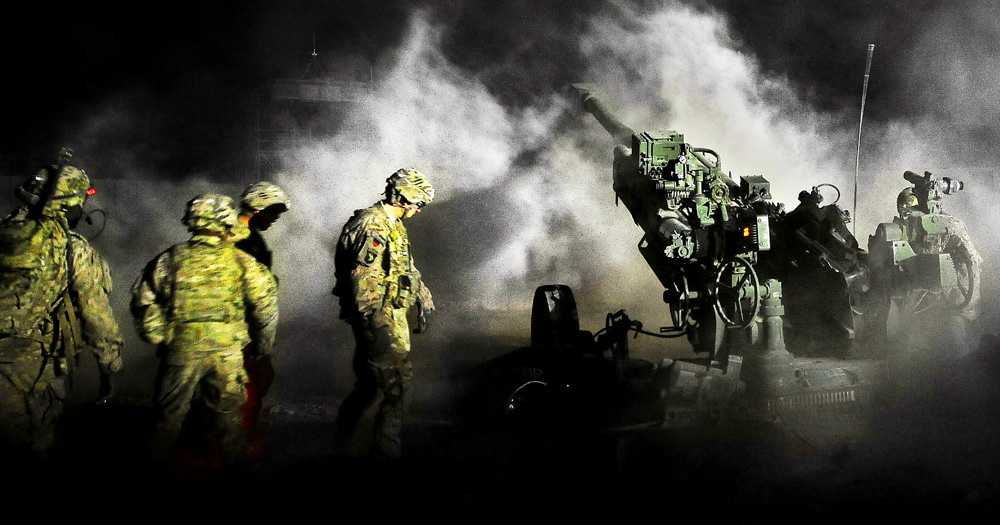
Which may be a function of the never-ending War on Terror, no end in sight in Afghanistan and an Iraq War that is officially over . . . except for the fighting.

Last October, Green Party presidential candidate Jill Stein busied fact-checkers by claiming the U.S. was “bombing seven countries.” True, declared PolitiFact: Afghanistan, Iraq, Libya, Pakistan, Somalia, Syria and Yemen.

Yemen is better known after January’s raid that killed Navy SEAL Ryan Owens, wounded three other SEALs, and killed 14 to 25 Yemeni civilians, including children. Last week, during President Trump’s speech to Congress, Owens’s widow, Carryn, received a thunderous ovation.

But, as I argued at Townhall, “Ryan Owens and his widow and her three now fatherless children deserve more than applause.“ How about thoughtful policies and a Congress that holds the executive branch accountable?

Invading Iraq was a mistake. So was President Obama’s swerve over to destabilize Libya.

“We are not about to send American boys 9 or 10 thousand miles away from home to do what Asian boys ought to be doing for themselves,” President Lyndon Johnson once said . . . right before he sent more American soldiers to Vietnam.

Consider that U.S. Special Forces were deployed to 70 percent of the world’s nations in 2016. And, in recent weeks, President Trump asked for a $54 billion increase in military spending, and we have learned of Pentagon plans to seek a “significant increase in U.S. participation” against ISIS.

We owe it to those in uniform to ask tough questions, including: Is what we’re doing really worth a single American life?

This is Common Sense. I’m Paul Jacob.
 

Further reading:

Reason: Is the Military Really “Depleted” After Years of Record-High Spending?

The Atlantic: Fighting Terrorism With a Credit Card

The National Interest: America Is Never (Ever, Ever) Ending the War on Terror


Printable PDF


Categories
Accountability government transparency national politics & policies responsibility

Overkill, Not Parsimony

Two truths: national defense is a necessity; national defense is a racket.

The latter is the case because the former is the case. Big spenders rely on “better safe than sorry” to always push the envelope, over-investing rather than under-investing.

So, we are trapped — and our new president knows this. Before Trump ran for office, he said that sequestration cuts to the Pentagon budget had not gone far enough. But when he threw his hat into the ring, he promised to “make our military so big, so powerful, so strong that nobody — absolutely nobody — is going to mess with us.”

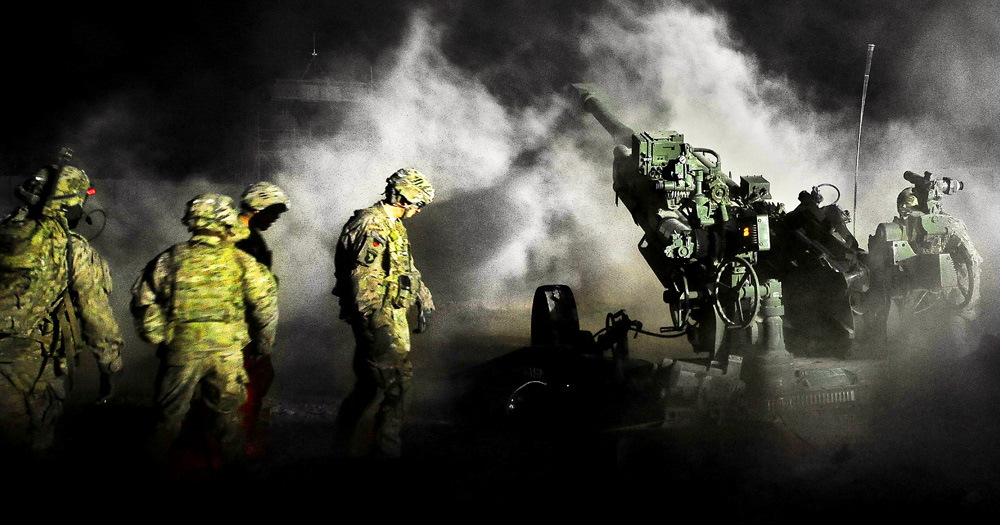
President Trump now proposes over fifty billion dollars in new defense spending. More soldiers, more ships, more fighter jets.

John Stossel argues that Americans are not necessarily suckers for this game. At least, a majority does not support increasing military spending.

More importantly, Stossel challenges the whole “overkill always” strategy. “America is going broke, and our military already spends almost $600 billion dollars [annually],” Stossel says. “That’s more than the next seven nations spend — combined.”

Now would be a good time to not only rethink Middle East policy, but to re-consider our expensive role as world policeman (speaking of “national” defense). During the campaign, Trump was criticized for questioning our alliances and demanding more of our allies. But he was right. I hope he’ll get tough in prodding our allies to ultimately provide their own defense.

Even more basic? Demand an audit of the Pentagon before new funds are thrown into the five-sided money pit.

This is Common Sense. I’m Paul Jacob.

Printable PDF


Categories
general freedom meme nannyism too much government

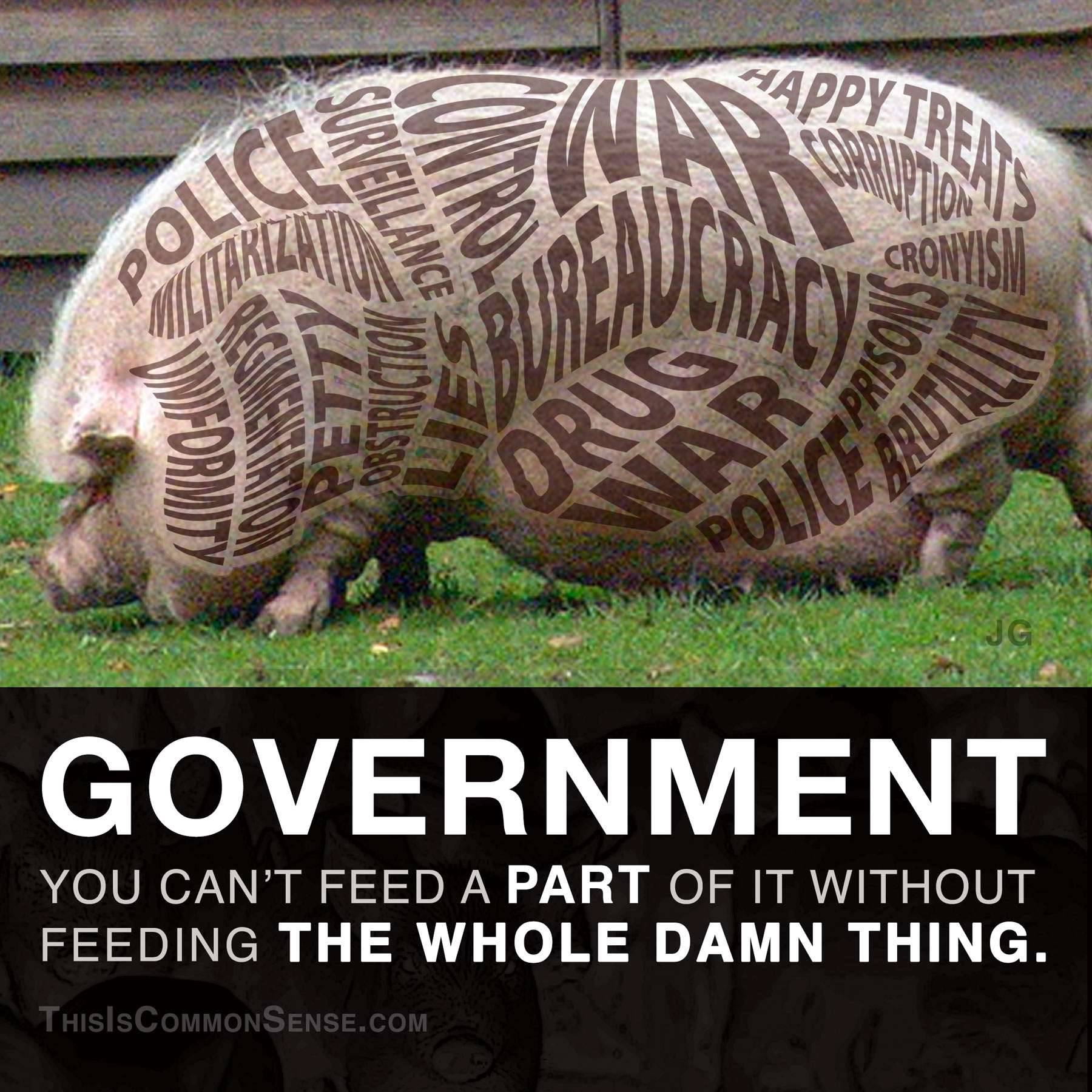
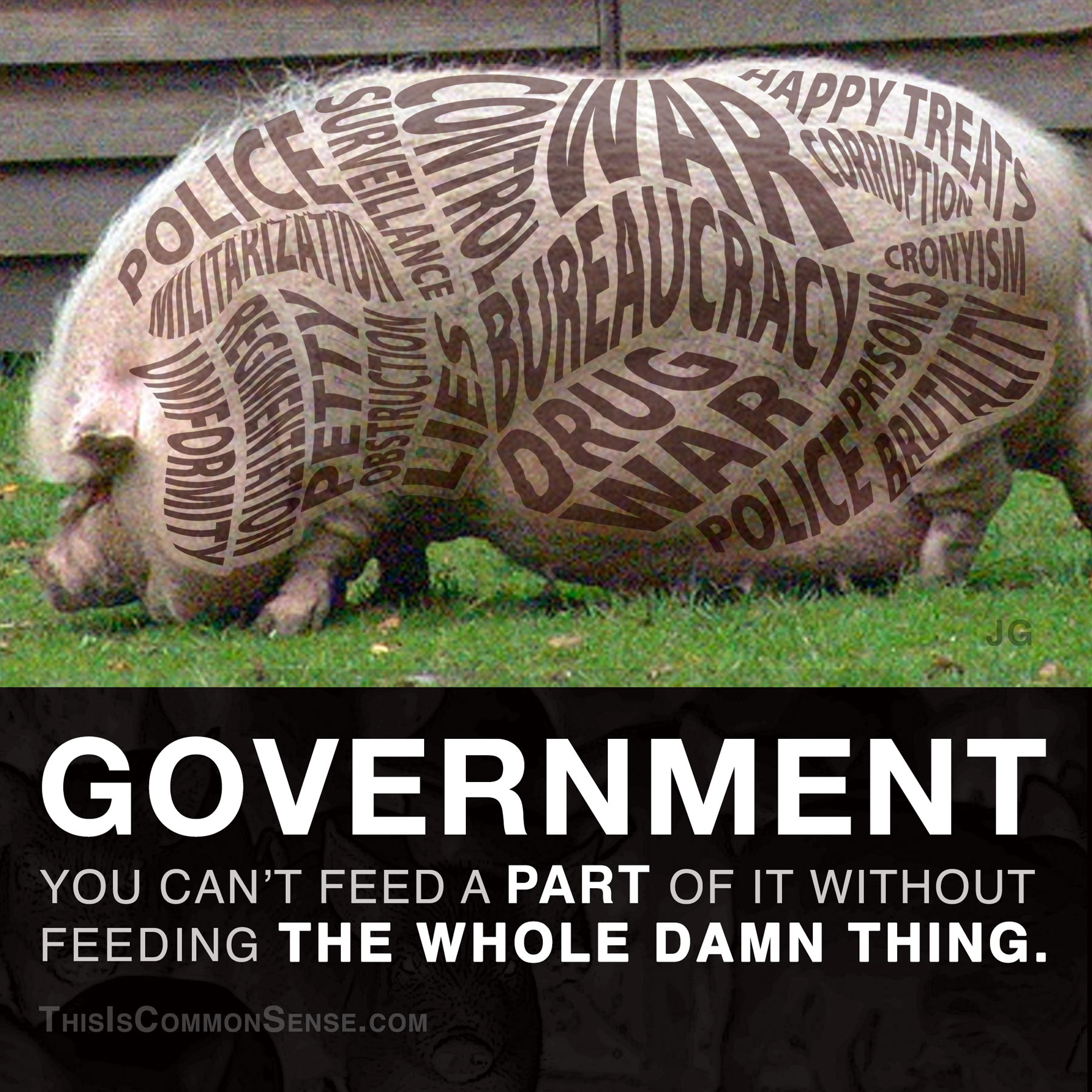
Government

You can’t feed a part of it without feeding the whole damn thing.


Click below for a high resolution version of this image:

big government, abuse, war, drug war, bureaucracy, libertarian, libertarianism, liberty, statism, statists, meme, illustration, Common Sense, James Gill, Paul Jacob


Categories
ideological culture media and media people moral hazard national politics & policies responsibility too much government U.S. Constitution

Pigs in Pokes

On Tuesday, Former Massachusetts Governor William Weld exhorted Americans to stop Donald Trump at all cost.

The Donald, he asserted, is dangerous because too touchy, too childish in his egoism, to withstand the pressures of the presidency of these United States. “In the statement, Weld made no mention of Clinton,” writes the AP. He focused on Trump and the GOP, instead.

Both progressive and conservative outlets interpreted this as a de facto endorsement of voting for Democrat Hillary Clinton — an uncomfortable conclusion, considering that Weld is Libertarian Party presidential nominee Gov. Gary Johnson’s VP running mate.

Looking at the statement itself, it is apparent that Gov. Weld prefers The Devil We Know to The Devil He Fears.

Which is where he loses me.

One need not like Trump to understand his appeal. Trump is a smoking sack of Who Knows What placed upon the doorstep of the Establishment, the insider classes running the federal government and the Fourth Estate. By taking offense at Trump but not Clinton, Weld sides with the insiders. My longtime respect for Weld aside, how can one plausibly do that?

We know what the Establishment wants most: perpetual war, permanent debt, and secure power.

Meanwhile, the ostensible Republican has been awfully vague on policy. Voting for Trump is buying a pig in a poke.*

The Democratic poke is fairly well known. But Hillary, the war-monger who accuses Trump of being Putin’s “puppet” and repeatedly plays chicken with the world’s other great nuclear power, puts her own policies in a poke by proclaiming her personal prerogative of telling the voters one thing and her insider crowd another.

Neither sack of . . .  uh, please.

This is Common Sense. I’m Paul Jacob.

 

* Old idiom: synonym for swine in a sack.


Printable PDF

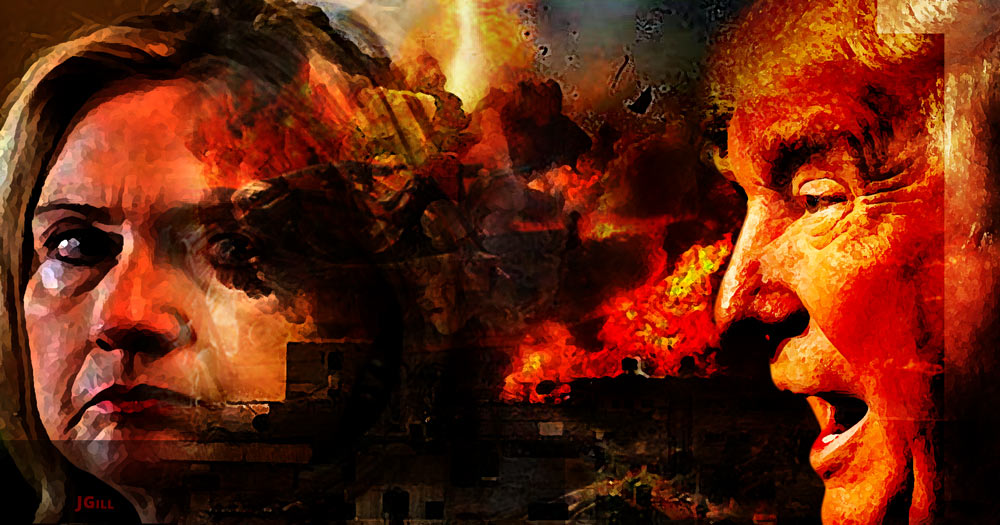
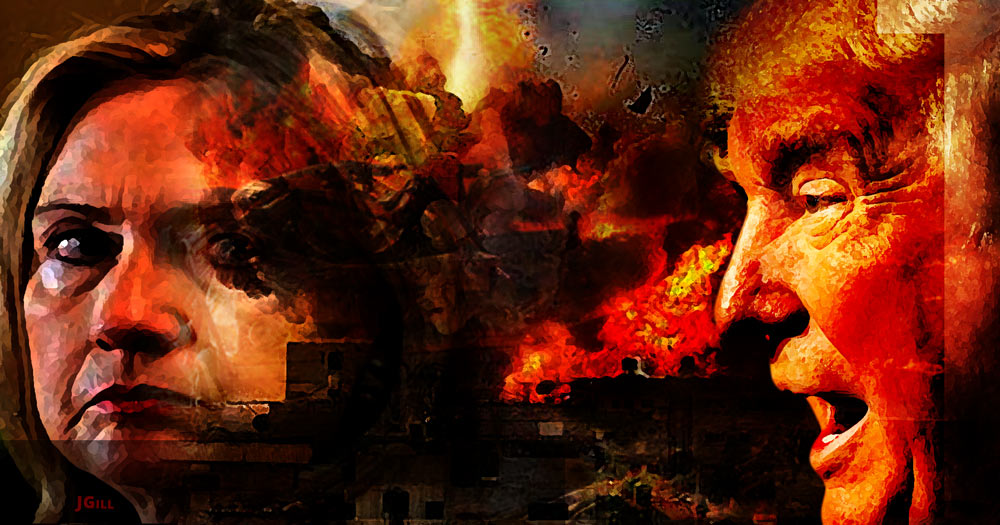
Hillary Clinton, Donald Trump, war, danger, president, illustration


Questions Answered:
Who is Gov. William Weld most fearful of this election year?
How plausible is a preference of Hillary over The Donald?
What can we make of Hillary’s and Donald’s foreign policies?

Ask the next question. --Theodore SturgeonThe Next Question:
If pigs could fly, which one would you vote for?

Categories
Common Sense

Nobody There. . .

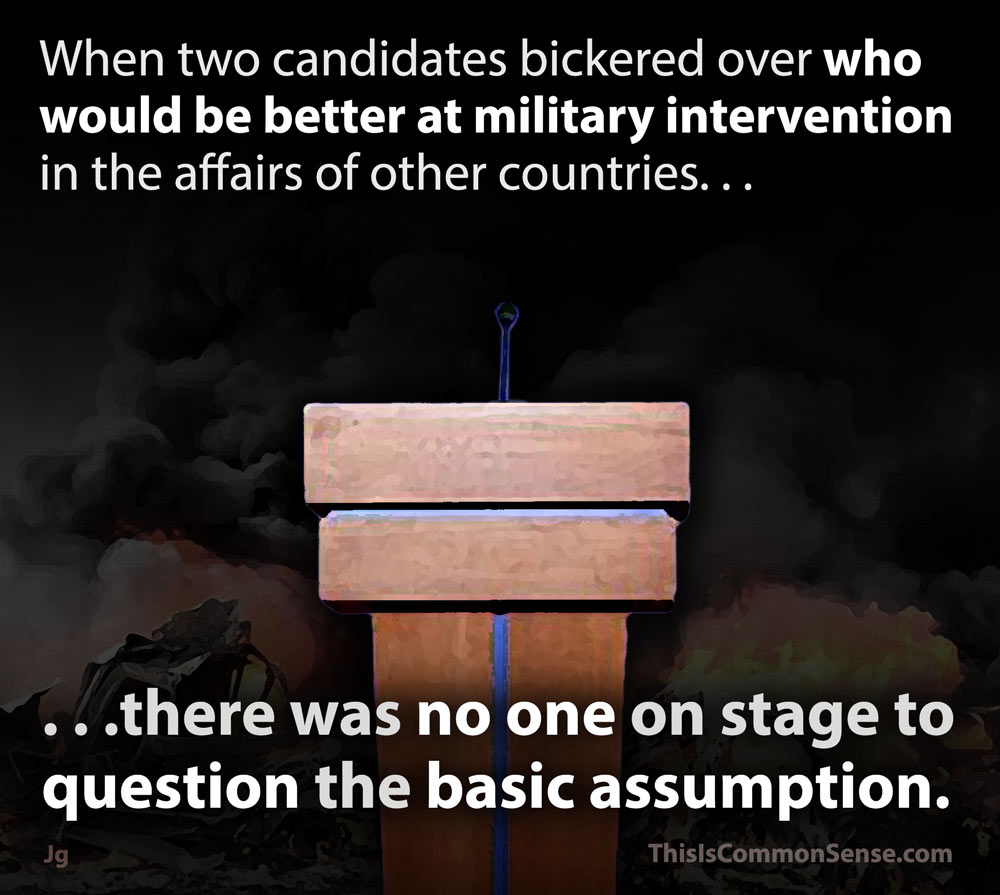
When the two candidates bickered over who would be better at military intervention in the affairs of other countries. . .

. . . there was no one on stage to question the basic assumption.

Categories
meme

You had one job America. . .