Categories
Accountability ideological culture media and media people national politics & policies political challengers Regulating Protest

The Media’s Job

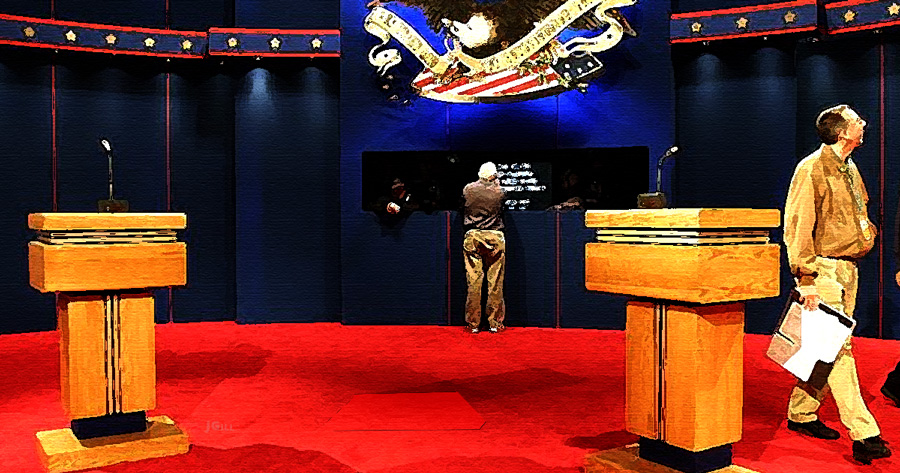
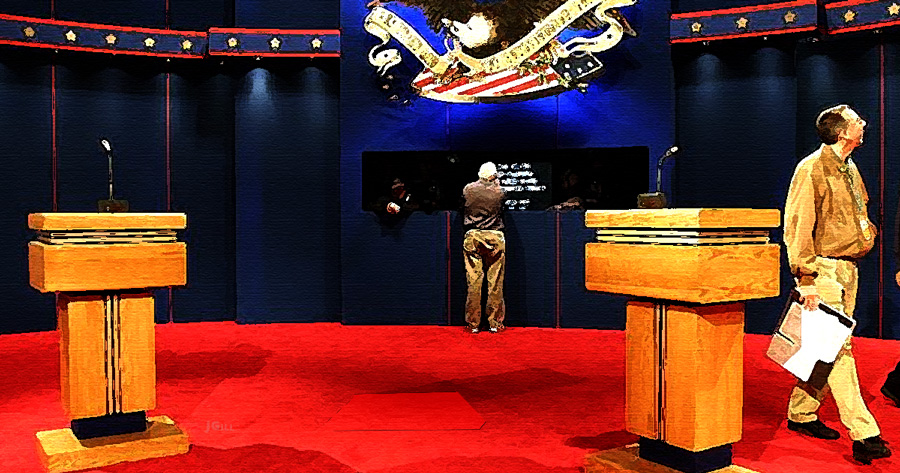
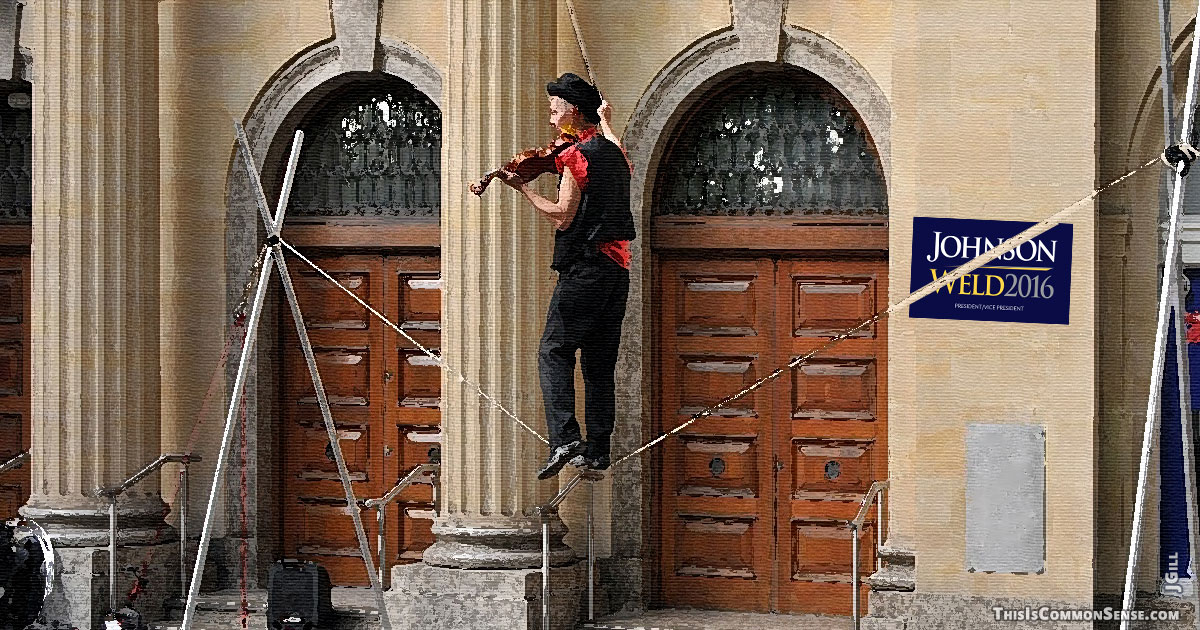
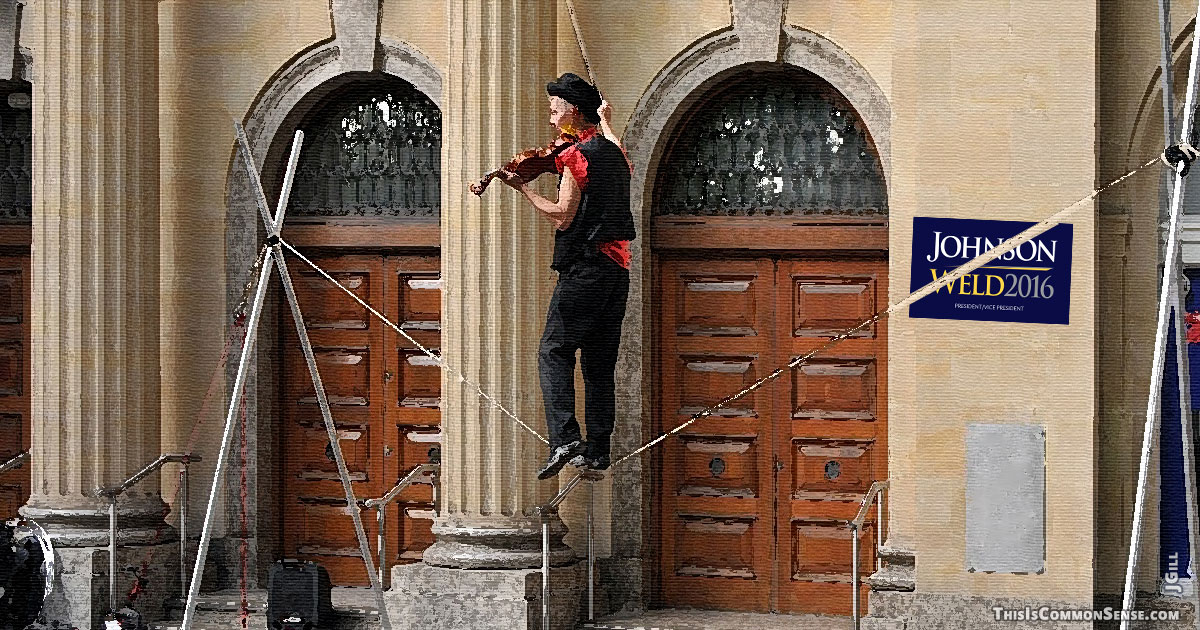
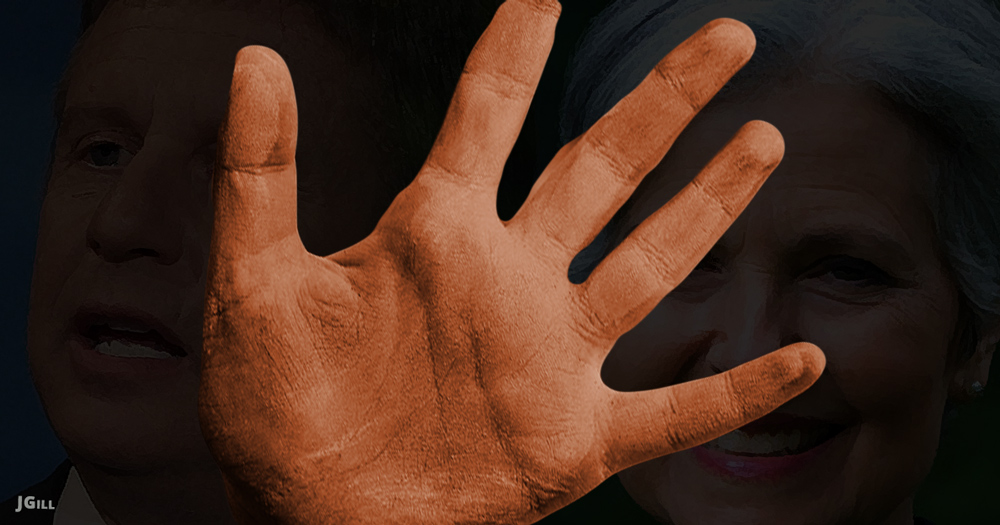
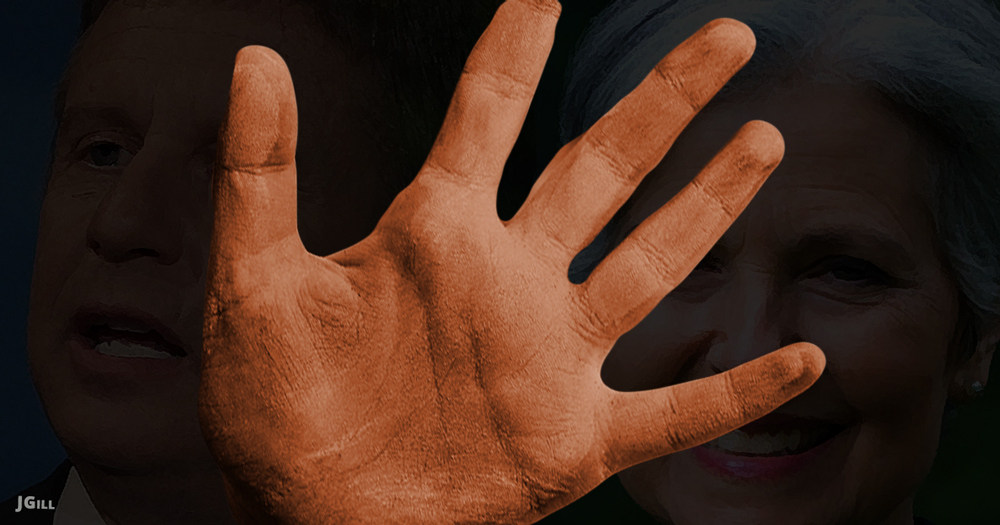
Do nearly two-​thirds of Americans want Libertarian Party presidential nominee and former two-​term Republican governor of New Mexico Gary Johnson in the presidential debates?

Snopes​.com, the hoax-​busting website, investigated the truthiness of a widespread Internet meme making just that claim.

The verdict?

It’s true.

An August 25th Quinnipiac University poll showed 62 percent of likely voters saying yes, “Gary Johnson, the Libertarian candidate for president, should be included in the presidential debates.” Among 18-​to-​34-​year-​olds, a whopping 82 percent felt Johnson deserved a podium.

Or perhaps more accurately, these voters want an opportunity to hear about all their choices, not just Donald Trump and Hillary Clinton —deliciously dubbed “the unloved presidential candidates” in the Quinnipiac news release. Which leads to the most important number in the survey: 68 percent felt they “haven’t heard enough” about Gov. Johnson to even form an opinion.

He still garnered 10 percent support overall and was the only candidate with a higher favorable* than unfavorable rating.

Voters are dissatisfied with the major party choices, so why limit the debate to just Trump and Clinton? Because the Commission on Presidential Debates is a crony organization, a wholly owned subsidiary of the DNC and the RNC. With 68 percent of the public totally uninformed about Johnson, he’d have to win nearly a majority of everyone else to hit the 15 percent support required to get in the debates.

Where’s the Fourth Estate? Doesn’t the American voter deserve enough information about Johnson and Stein to form an opinion?

Or will they be broadcasting rigged debates?

This is Common Sense. I’m Paul Jacob.


* By the way, once again, the contest was closer when the polling included Libertarian Johnson and Green Party candidate Jill Stein. While head-​to-​head Mrs. Clinton bested Mr. Trump by a full 10 percentage points, 51 – 41, with Johnson and Stein included, Clinton’s advantage shrank to 45 – 38 percent, a seven point lead.

Printable PDF

debate, debates, candidates, media, illustration


Categories
Accountability media and media people moral hazard nannyism national politics & policies responsibility too much government U.S. Constitution

Too Dangerous x 2

“If he governs consistent with some of the things he’s said as a candidate, I would be very frightened,” former CIA Director Michael Hayden says about Donald Trump.

These are the words that begin an ominous television spot from Hillary Clinton’s presidential campaign. The advertisement concludes that Mr. Trump is “too dangerous.”

Hayden was director of the National Security Administration under President George W. Bush, before becoming the Principal Deputy Director of National Intelligence, and then moving to head the Central Intelligence Agency. He served at the CIA for only a few weeks into President Obama’s first term, but obviously Mrs. Clinton wouldn’t broadcast his negative view of Trump before millions of us in TV Land if she didn’t respect Mr. Hayden’s opinion.

Funny, yesterday on John Catsimatidis’s New York City radio program, Hayden declared, “I’m uncomfortable with the nominee of both of the major political parties.”

“John, a lot of my friends are saying that’s nice, Hayden, but you have to vote for one of them,” the former top spy offered, “but I’m not so sure I do.”

He doesn’t. Libertarian Party nominee Gary Johnson will be on all 50 state ballots and Green Party standard-​bearer Jill Stein will be on most. And there are others.

“Somebody is going to win, but … I’m hoping they don’t think they’re sweeping into office with some powerful mandate,” Hayden continued. “And for people like me … to vote for some other choice, might deny them that sense of mandate, which would make, I think, things even worse.”

I’m no fan of Mr. Hayden, but regarding this? I agree.

This is Common Sense. I’m Paul Jacob.


Printable PDF

CIA, Director, Michael Hayden, Donald Trump, danger, Libertarian, Gary Johnson, illustration


Photo of Michael Hayden Credit: TechCrunch on Flickr (CC License)


Categories
Accountability ideological culture media and media people moral hazard national politics & policies political challengers Popular

Smash the Duopoly

When Donald Trump called our country’s electoral process a “rigged system,” he was not wrong. The system is a legally secured duopoly.

I’ve discussed a number of the elements of this system previously. But one I may not have explored enough is the Commission on Presidential Debates (CPD).

The League of Women Voters sponsored the first televised presidential debates in 1952, and from 1976 till 1988 ran a “tight ship,” as How Things Work puts it. After the League refused to cooperate with the bullying major parties, the CPD was established by former R and D bigwigs aiming to fully accommodate the major party candidates.

And no one else.

The CPD calls itself “non-​partisan,” but that’s a misnomer. It is a bipartisan commission, as everyone who knows its history knows. The commission raised the bar on minor party candidates to polling 15 percent in a number of polls.

Recently, we’ve been hearing that the commission is preparing a third place on stage, for Libertarian candidate Gov. Gary Johnson. But he still hasn’t quite yet hit the prescribed percentage, though he has met the most important qualification: he is the only minor party candidate likely to be on all state ballots.

And now there’s a kicker. According to Brian Doherty, historian extraordinaire of Reason, “The Socially Liberal and Fiscally Conservative PAC (Solifico) [yesterday] morning sent a letter to Janet Brown, executive director of the [CPD], threatening to send the IRS after them over their policy of not allowing all legitimate candidates for president in their debates.”

The case looks solid.

And could secure for Johnson a podium at the debates.

This is Common Sense. I’m Paul Jacob.   


Printable PDF

presidential, debates, duopoly, two party, illustration


Categories
ideological culture national politics & policies political challengers

Libertarianish, Democratish?

With the two most disliked and distrusted politicians in American history snatching the two major party presidential nominations, lots of voters — free-​market conservatives, libertarians, liberals concerned about civil liberties and war, moderates, decency advocates — are looking for an alternative.

The Libertarian Party, our age’s perennial “third party” on state ballots, has a golden opportunity.

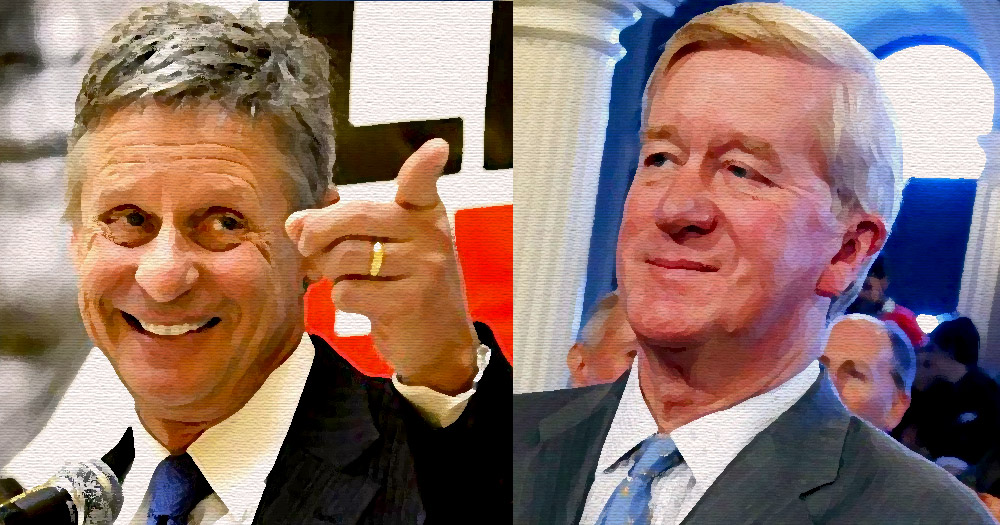
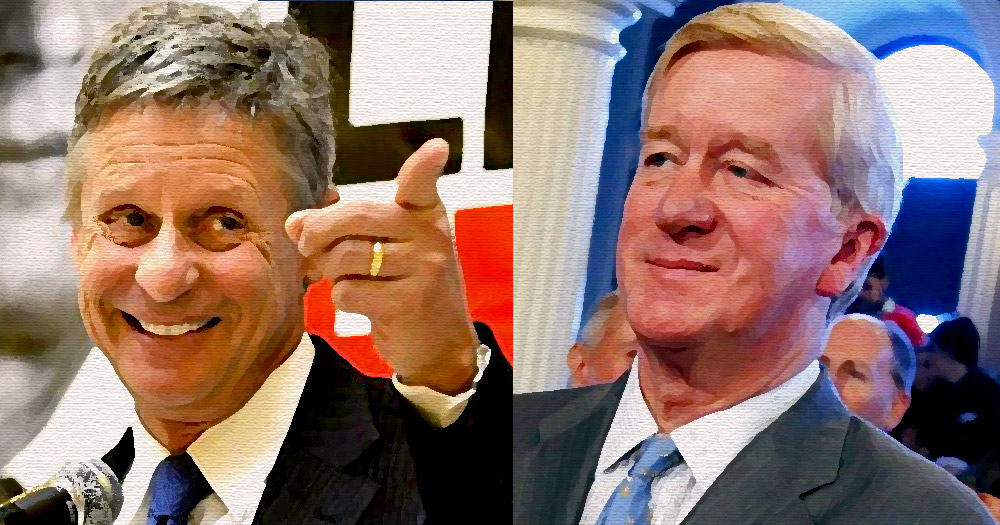
Perhaps that’s why delegates to 2016’s Libertarian Party nominating convention chose two two-​termed former Republican governors to take up the freedom banner: New Mexico’s Gary Johnson and Massachusetts’s Bill Weld.

Both are nice men. They are the most accomplished and credentialed politicians in the race — more than Hillary Clinton; far more than Donald Trump. They don’t seem radical or threatening.

But that might be a problem. They are too nice. They are not threatening enough.

I’m not suggesting they threaten anyone, but in ideological terms they often appear more as moderates than as libertarians, as Ilya Shapiro noticed last week when he asked the pointed question, “Is Johnson-​Weld a Libertarian Ticket?

The Johnson-​Weld take, economist Mark Thornton noted, is more libertarianish than libertarian: the pair are “fiscally conservative and socially liberal for Republicans which is great, but they fall short of Libertarian.”

This isn’t exactly a shock. Anyone who watched the bizarre CNN town hall with Johnson and Weld will remember that odd moment when Johnson called Democrat Hillary Clinton “a wonderful public servant” and Weld dubbed her a “lifelong friend.”

No need to attack Mrs. Clinton personally, of course, but when a Libertarian cannot find one discouraging word about what a President Hillary would mean, it seems they want to appear Democratish.

And not libertarian.

Well, it’s a strategy. But it won’t appeal to #NeverHillary voters, or impress many #NeverTrumpers, either.

This is Common Sense. I’m Paul Jacob.   


Printable PDF

Gary Johnson, Weld, Libertarian, moderates, presidential, election, illustration


Categories
general freedom national politics & policies political challengers

President Johnson?

An unusual year, far from over.

This week, the Libertarian Party holds its presidential nominating convention in Orlando, Florida. Next November, after all the votes are counted, the party’s likely nominee, former two-​term New Mexico Governor Gary Johnson, and his likely vice-​presidential running mate, former two-​term Massachusetts Governor William Weld, may finally be going to Disney World.

To celebrate … before moving into the White House.

Crazy? Sure. But this is the year for crazy.

Polls show Gov. Johnson garnering 10 percent support. With both Donald Trump and Hillary Clinton drowning in their own negatives, plenty more votes are winnable to the right, left and everywhere in between Crooked Hillary and the Trumpster Fire.

Okay, sure, but … win the presidency?

One needs 270 electoral votes to be elected president and to win states to nab those electoral votes. In 1992, Ross Perot received 19 percent of the vote nationwide, without winning a single state.

But what if Johnson won his home state of New Mexico? In 2012, he got only 3.6 percent in the Land of Enchantment. If that grew ten-​fold to 36 percent in a three-​way race, he could prevail.

And, as explained at A Libertarian Future, if Trump carried enough swing states (say, Colorado, Florida, and Ohio) to keep Clinton from reaching 270 electors, the whole shebang … would be thrown into the House of Representatives.

Who trusts Congress to choose responsibly?

Yet, with the Libertarian ticket sporting this much horse-​race relevance, more Americans might contemplate greater freedom and less Big Brother government.

Think liberty, America.

This is Common Sense. I’m Paul Jacob.


Printable PDF

Gary Johnson, Williamn Weld, libertarian, party, president, election


Categories
crime and punishment general freedom ideological culture national politics & policies political challengers U.S. Constitution

Faces Veiled, Fallacies Unveiled

A real-​life politician has admitted to having been wrong, even going so far as to dismiss his own previous comment as “stupid.”

He wasn’t abject about it — didn’t “apologize.” He simply explained how and why he had erred.

This … from a presidential contender.

No, it wasn’t Hillary Clinton, she of many errors and untruths. It wasn’t Bernie Sanders, whose love of Big, Intrusive Government is an error in and of itself. And it wasn’t Trump, known hyperbolist.

The erring politician? Gary Johnson, a former two-​term Republican governor of New Mexico.

Johnson, who is currently running for the Libertarian Party presidential nomination, told Reason last year that banning the burqa would be a reasonable step in protecting the rights of women. Here in America.

Sound sort of Trumpian?

Earlier this month, Johnson retracted his statement. Last week on Fox Business Network’s Kennedy, he explained why prohibiting the face-​veil wouldn’t work.

“We need to differentiate between religious freedom, which is [sic] Islam, and Sharia law, which is politics,” he said — and I add a “sic” there because he is obviously driving at this point: religious freedom means we cannot prohibit the religion of Islam, but Sharia law amounts to a religious intrusion into the legal and political realm. And thus must be opposed as “contrary to the U. S. Constitution.”

The reason Johnson had earlier floated the banning of the Islamic face-​veil was to save women from Islamofascist enforcement of Sharia’s mandate to go around in public only when completely covered.

“We cannot allow Sharia Law to, in any way, be a part of our lives.”

I’m with him. Let’s hold tight to both religious and political freedom. And how refreshing for a politician to admit an error.

This is Common Sense. I’m Paul Jacob.


Printable PDF

Gary Johnson, libertarian, burka, Common Sense, illustration


Categories
Accountability general freedom ideological culture individual achievement national politics & policies political challengers responsibility

Virus and Host

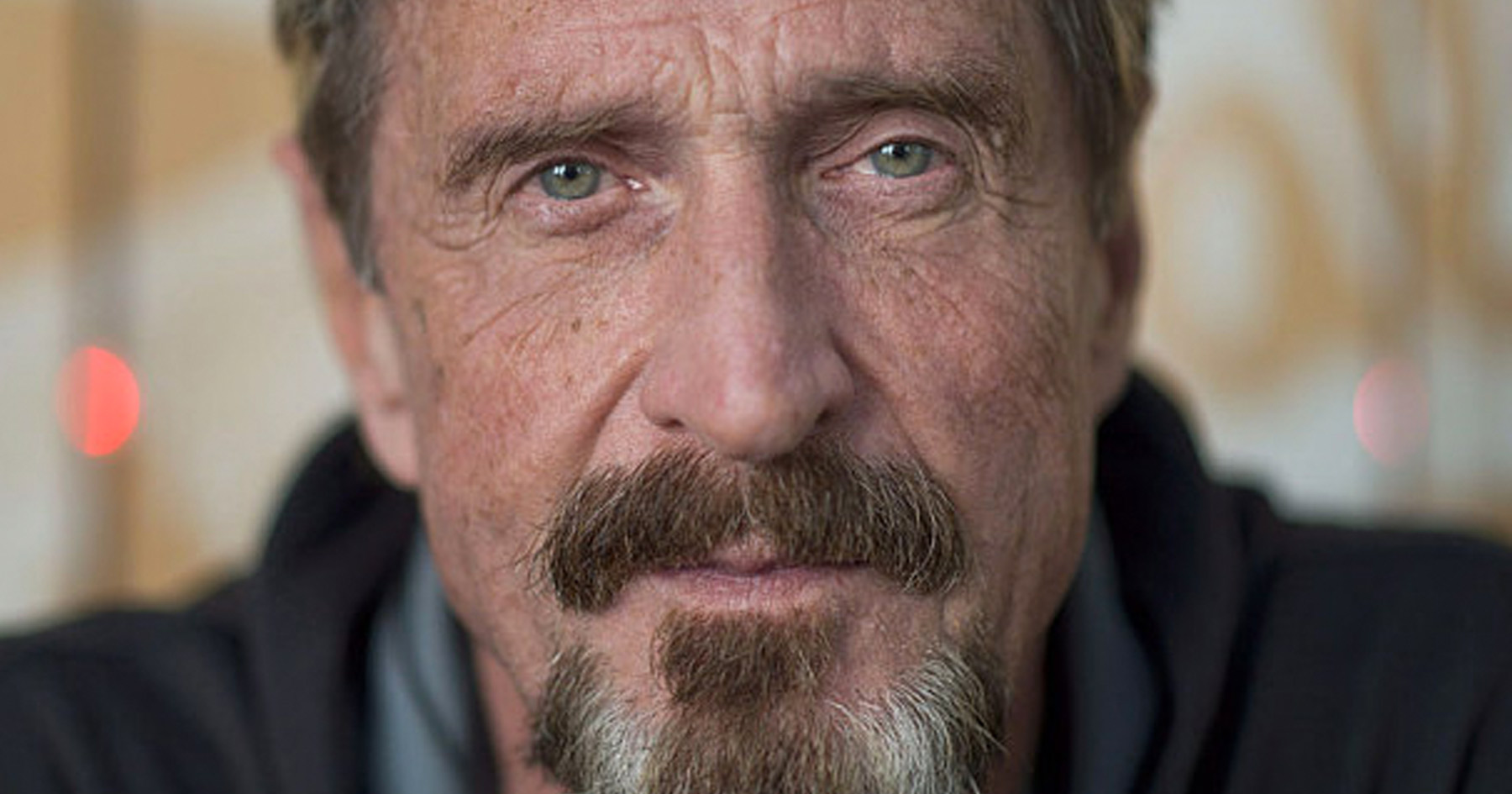
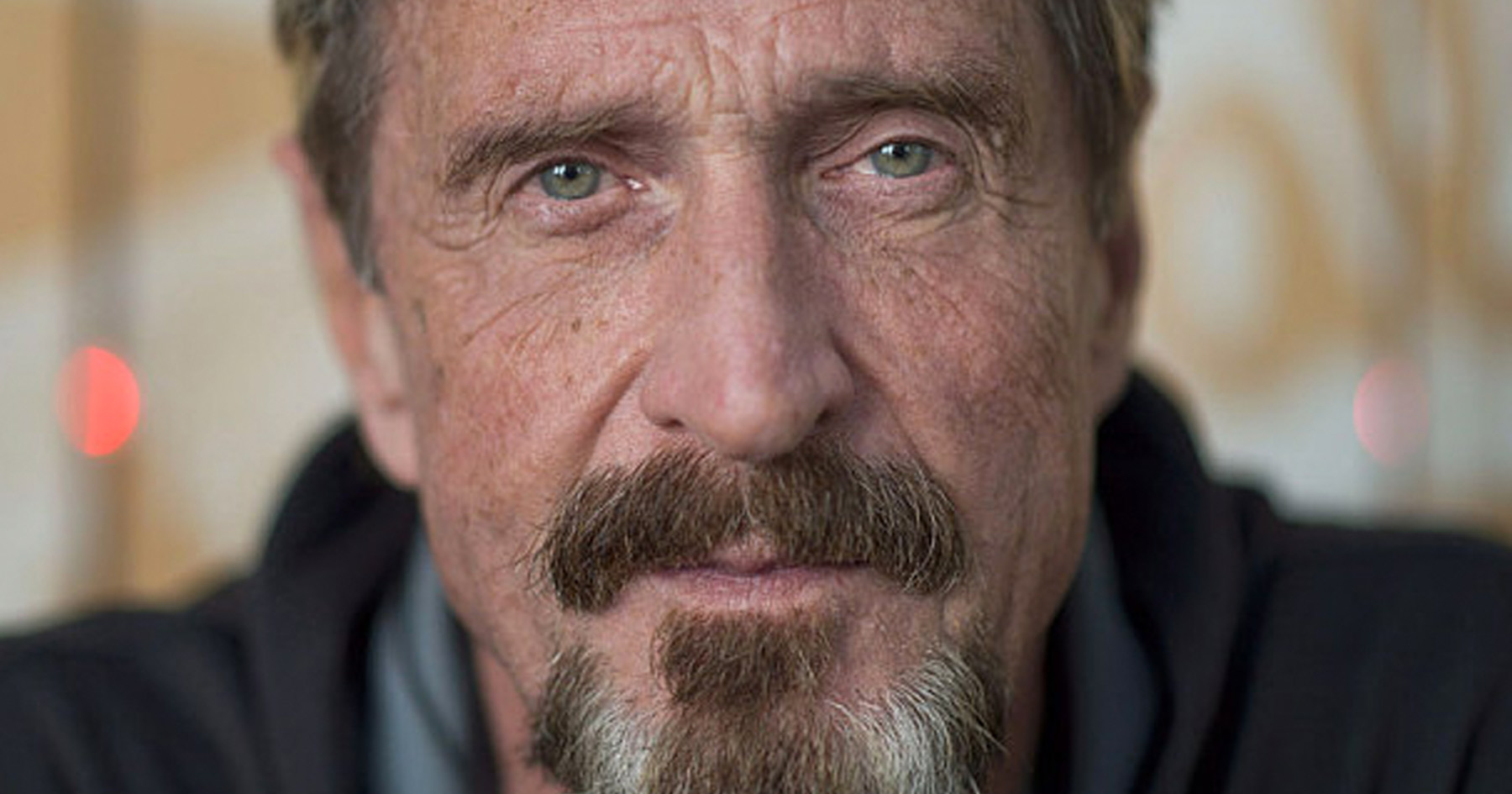
Presidential candidate John McAfee is an adventurer. Best known for founding the first successful anti-​computer virus company, he has also been shot at in tropical jungles, by men trained by U. S. forces, with American-​bought guns. This range of experience makes him the most interesting presidential hopeful, bar none.

His big issue is cyber-​security. He thinks Americans have placed themselves in a too-​precarious position. As he sees it, the war on terror has served as a grand distraction from the real threat, a prime example of doing foreign policy and national security completely upside-​down wrong.

He has a point.

But he’s neither a Democrat nor a Republican, and not long ago he realized that his own Cyber Party didn’t have the oomph to get him on the ballot in enough states.

So he has announced his candidacy for the Libertarian Party nomination.

Why? He’s obviously not a libertarian in any strict capital‑L sense. But the septuagenarian insists that he has been a libertarian at heart since before the word entered common use.

This is what the Libertarians get for their most obvious success: obtaining and keeping ballot status in more states for more election cycles than any other “minor party.”

Think of the Libertarian Party as the host, and one-​time Republicans like former Congressman Bob Barr and former New Mexico Governor Gary Johnson — and now McAfee — as viruses, aiming to commandeer the host’s operating system.

Of course, one might also view the LP as a virus attempting to do the same to the federal government.

Shall we root for the viruses, for once?

This is Common Sense. I’m Paul Jacob.


Printable PDF

John McAfee, libertarian, presidential race, president, candidate


Categories
general freedom

Free Brazil

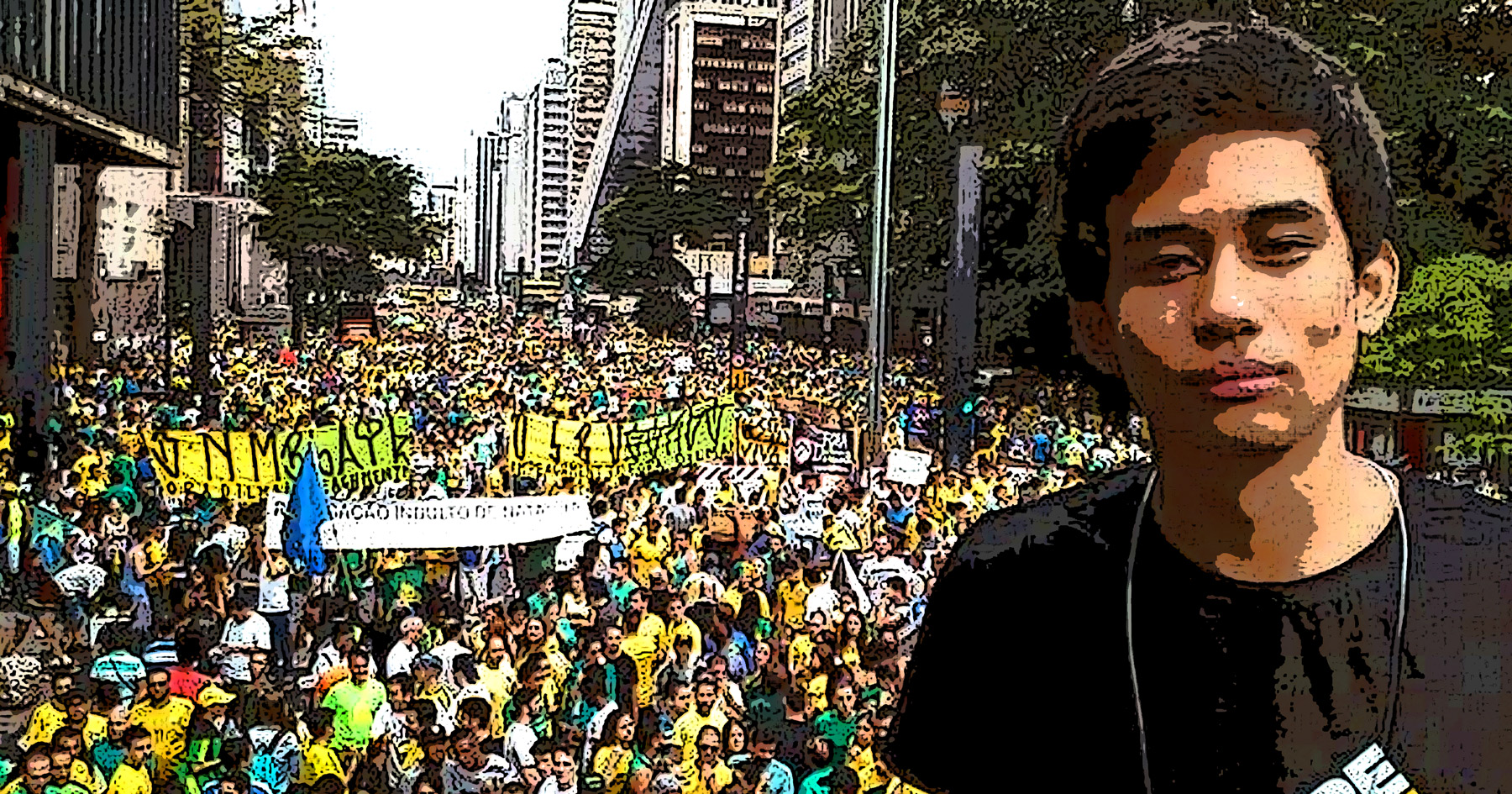
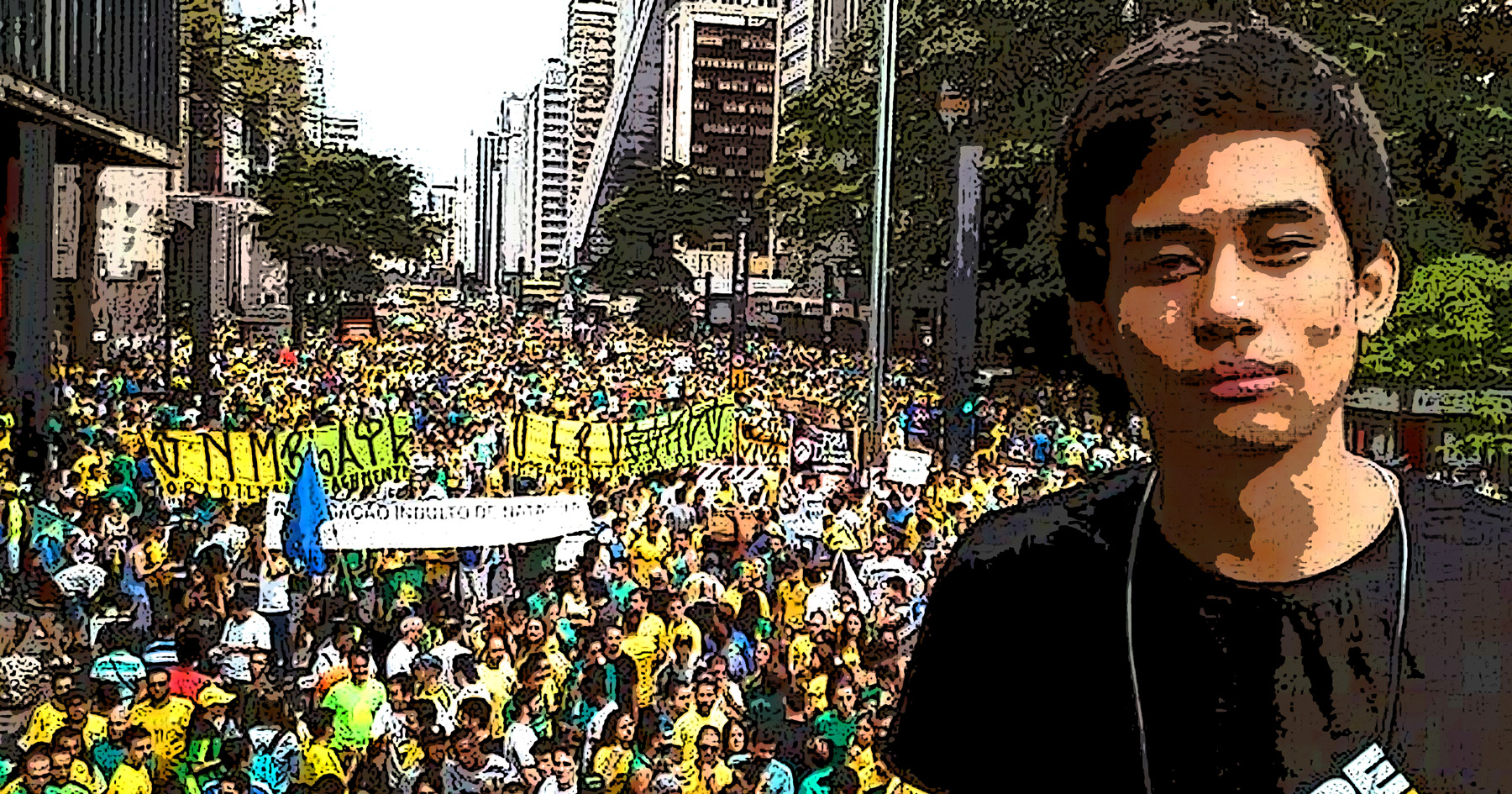
Kim Kataguiri — a founder and the most prominent public face of the Free Brazil Movement, which recently led millions in protest against high inflation, high taxes, and economy-​crippling cronyism — is an unusual man.

First, there’s his age: 19.

Second, there’s his background — atypical but hardly unique, given the country’s substantial Japanese-​Brazilian minority.

Third and most important, there’s the fact that he’s influenced by the ideas of free-​market thinkers like Ludwig von Mises and Milton Friedman, ideas communicated online by Brazilian and American think tanks. In consequence, Kataguiri’s popular, social-​media-​conveyed critique of Dilma Rousseff’s tax-​happy socialist government is openly liberal in perspective.

“Liberal,” of course, as in “having something to do with freedom and responsibility.” Classical liberal. Libertarian. Not warmed-​over socialist-​leaning liberal, as in America’s Elizabeth Warren and Bernie Sanders.

Do his free-​market ideas and those of other young Free Brazil leaders mean that most Brazilians inspired by the Free Brazil Movement are just as principled? No; they may just be angry at the destruction wrought by an openly socialist government. Consistency may be the furthest thing from their minds.

But they do seem open to a new, positive alternative.

Kataguiri is perhaps overly optimistic, predicting that “in the next decade or two, most of our society will not only understand classical liberalism, but defend it too.”

But I like optimism. Especially since, whether you call it “classical liberalism,” libertarianism, or “small-​government conservatism,” freedom isn’t exactly winning here on our fertile soil.

Still, I invite Kataguiri to drop by the United States when he has a chance … and do what he can to convert us to classical liberalism as well.

This is Common Sense. I’m Paul Jacob.


Printable PDF

Kim Kataguiri


Categories
ideological culture

The L, You Say

With recent scandals, public trust in leaders of both major parties continues to droop ever lower. So much so that people are taking more about libertarians. Consider Chris Cillizza’s June 9 effort for Washington Post’s The Fix, “Libertarianism is in vogue. Again.”

Is he right? I hope so.

Amidst the current scandals, the reason to say this L word, and not the C word of “conservatism,” is that, deep down, we know that conservatives in power tend to support the kind of spy program that now dominates the headlines. Just like the Obama administration. Those moved mainly by the news of current scandals will perhaps cast their eyes and ears to more consistent critics.

Cillizza points to two other factors, though: legal marijuana and gay marriage, support for both being extraordinarily high amongst young folks, and both quite compatible with libertarian ideas, to say the least.

He also points out the successful political “failures” of Ron Paul and Gary Johnson, and the cautious Sen. Rand Paul, who, Cillizza says,

has been careful to avoid being labeled as a flat-​out libertarian.… Instead, Rand Paul has sought to create a sort of Republicanism with libertarian principles that fits more comfortably within the bounds of the GOP.

Cillizza concludes with a suggestion: “for a party badly in need of finding new voters open to its message, embracing libertarianism — at least in part — might not be a bad avenue to explore.”

It would actually be an old idea, familiar to Goldwater and Reagan supporters.

Is that in vogue, yet? Again?

This is Common Sense. I’m Paul Jacob.