Categories
defense & war international affairs Internet controversy social media

Too Funny or Too On-Target?

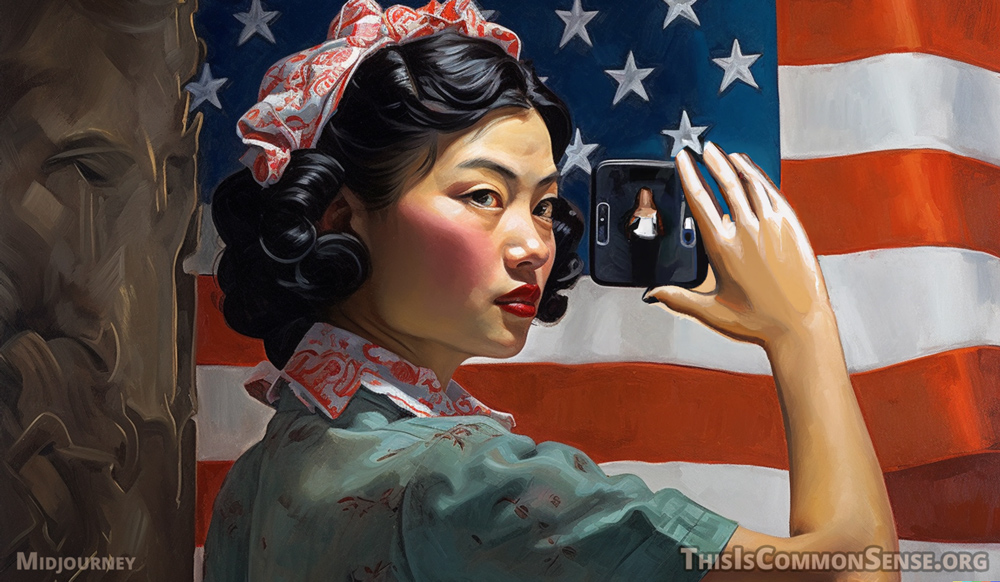
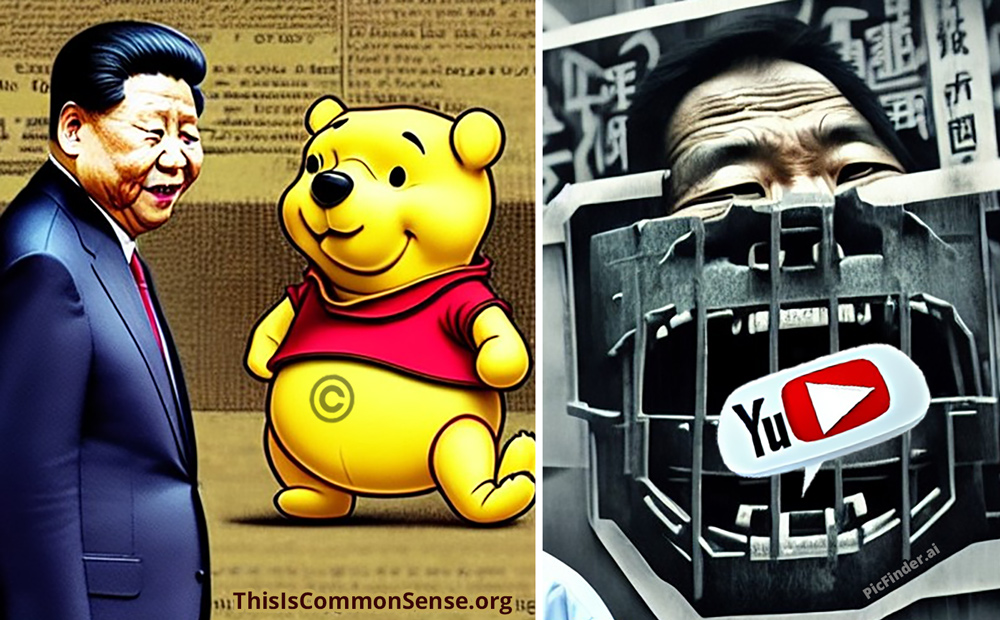
Since nobody has noticed or documented a Google policy of banning YouTube videos that are too funny, let’s go with “too on-target” as the reason that Google deleted a popular YouTube channel, the RutersXiaoFanQi channel, devoted to satirically slapping China autocrat Xi Jinping.

Some of RutersXiaoFanQi’s videos survive in lesser-known YouTube channels. (Here is one. Here is another.) The approach of the videos seems to be to keep throwing stuff at the wall and seeing what sticks. Apparently, the ratio of sticking to falling flat was too high for Xi and Google.

Unfair to Google? Maybe. We don’t know what happened behind the scenes.

Did Google just automatically delete the channel after having received a certain number of complaints about copyright violations from Xi’s offices? Or did Google honchos sit around an oak conference table, mull all the variables, and solemnly conclude “We simply must appease the Xi regime!”?

YouTube did not respond to an inquiry from Radio Free Asia about the matter. But RutersXiaoFanQi had received a notice stating that “Your YouTube account has been shut down following repeated copyright warnings,” presumably pertaining to music used in the videos.

It is unlikely, though, that various owners of whatever tunes the channel used bothered to lodge any complaints. It is much more likely that, as RFA speculates, the censors of Xi’s regime are exploiting YouTube’s system for reporting copyright infringements. 

And that Google’s YouTube is taking the easy way out.

This is Common Sense. I’m Paul Jacob.


PDF for printing

Illustration created with PicFinder.ai

See all recent commentary
(simplified and organized)
See recent popular posts
Categories
First Amendment rights ideological culture media and media people

Roald’s Revenge

Two centuries after the heady days of Elizabethan drama, Thomas and Henrietta Bowdler produced The Family Shakespeare

In it they infamously “bowdlerized” the Bard. 

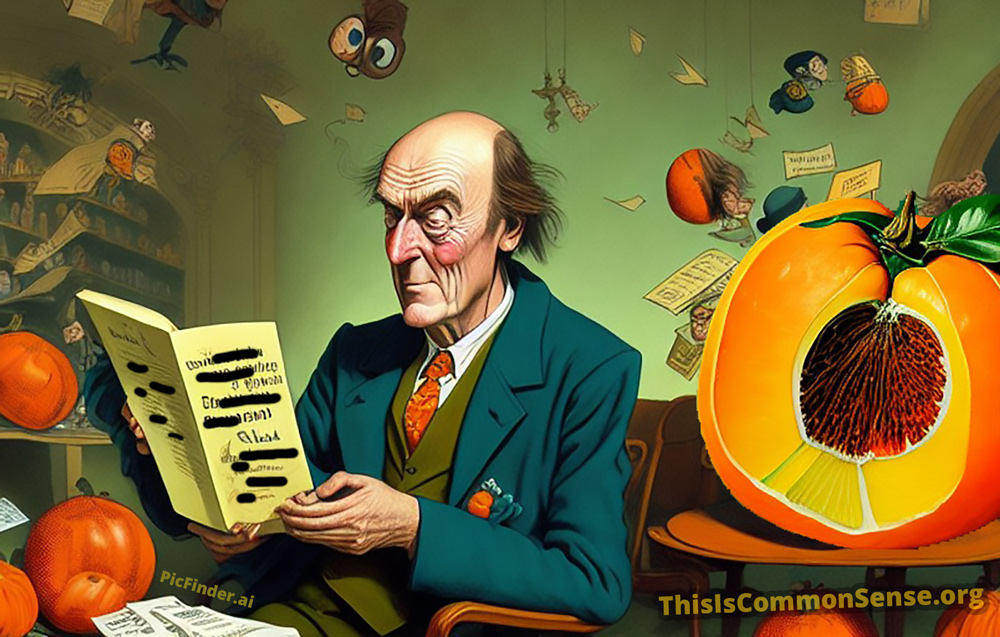
History has accelerated. Roald Dahl, the beloved author of arch children’s books (and more adult fare, too), had been dead only 33 years when it came out that his publisher is sanitizing his books. 

For the children.

For wokeness.

It’s not nice, you know, to call someone fat. Or to suggest that witches wore wigs because they were bald. 

So snip-snip and a trip to the thesaurus later, and British kids can now read the word “enormous” instead of “fat.” And learn, via addition (something the Bowdlers didn’t dare: they only made careful cuts), that “there are plenty of other reasons why women might wear wigs and there is certainly nothing wrong with that.”

Salman Rushdie called this “absurd censorship” and said that the culprits, Puffin Books and the Roald Dahl estate, “should be ashamed.”

The backlash has been huge, but the umbrella publishing house, Penguin, insists the unexpurgated Dahl will still be available, in a “Roald Dahl Classic Collection.”

Shades of New Coke versus Classic Coke!

In America, Penguin won’t even try to publish its sanitized editions.

There are several footnotes to the story. 

One: a four-decades old conversation “has come to light, revealing that [Dahl] was so appalled by the idea that publishers might one day censor his work that he threatened to send the crocodile ‘to gobble them up.’” 

Two: Ian Fleming’s James Bond is getting a similar treatment.

I’m reminded of the all-too-hungry crocs in Live and Let Die.

And where Dahl’s gobble-uppers should be when publishers place their toes in censorious waters.

This is Common Sense. I’m Paul Jacob.


PDF for printing

Illustration created with PicFinder.ai

See all recent commentary
(simplified and organized)
See recent popular posts
Categories
First Amendment rights judiciary partisanship

Disbar the Disbarrers?

After Texas Attorney General Ken Paxton legally challenged how several states conducted the 2020 election, dozens of lawyers submitted complaints. 

To the state bar. 

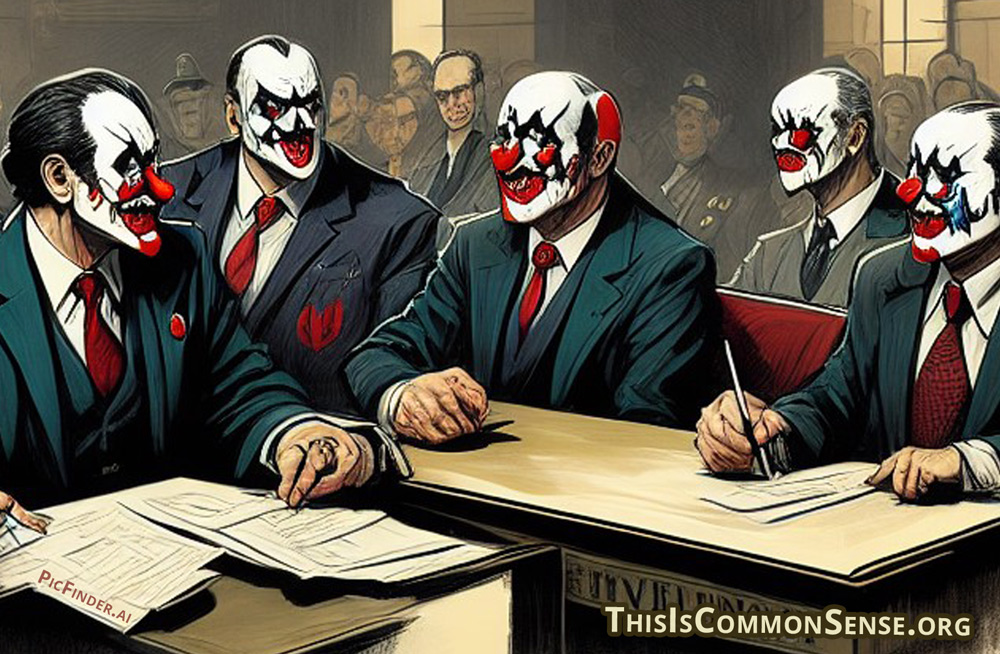
Their idea: disbar the Republican officeholder for daring to oppose the current Democratic narrative about “election denialism.” 

The Office of Chief Disciplinary Counsel dismissed those initial complaints as “not demonstrat[ing] Professional Misconduct,” but several attorneys appealed the decision, including a friend of Paxton’s Democratic opponent in the 2022 election for attorney general. The Texas State Board reversed the dismissal. Now a judge has allowed the case against Paxton to go forward.

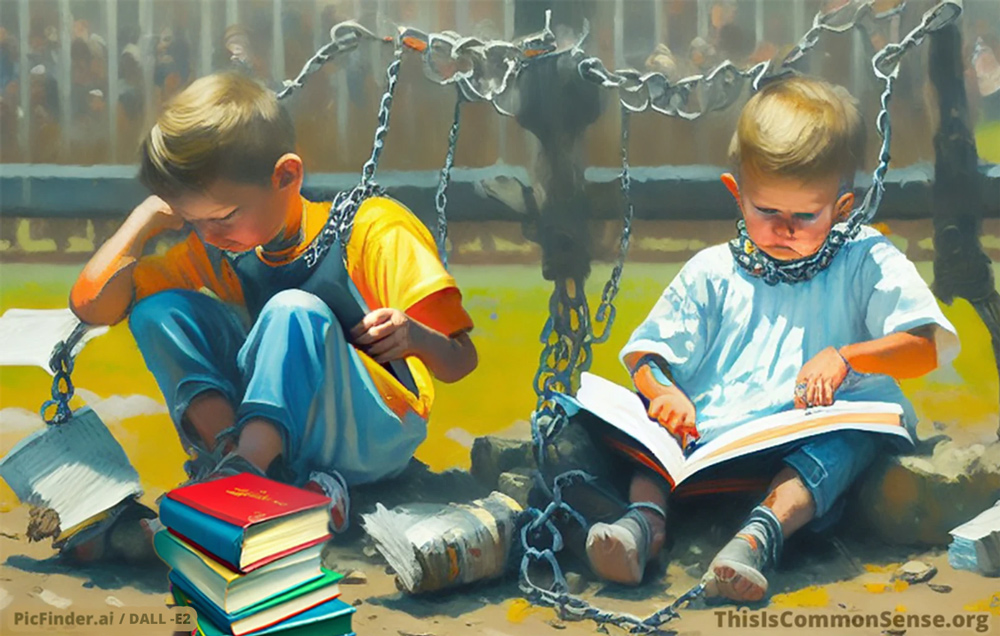
The threat of disbarment is increasingly being wielded as an ideological weapon and without regard to whether targeted individuals have committed any wrongdoing worthy of disbarment. It’s the lawyers’ version of cancel culture.

This is demonstrated in a lengthy report by Margot Cleveland in The Federalist, who details many other instances as well as Paxton’s. 

These include the DC Bar’s pursuit of former Assistant Attorney General Jeff Clark and the California Bar’s pursuit of John Eastman, among a “barrage of politicized bar complaints pursued against Republican lawyers who provided legal advice or litigated various issues in the aftermath of the November 2020 general election.”

The purpose, then, is not to combat corruption but to corruptly intimidate any lawyers inclined to represent Republicans in challenges of dubious election results. One malefactor is a group called 65 Project, targeting more than a hundred Republican-aligned attorneys but no Democrat-aligned attorneys. Seems partisan.

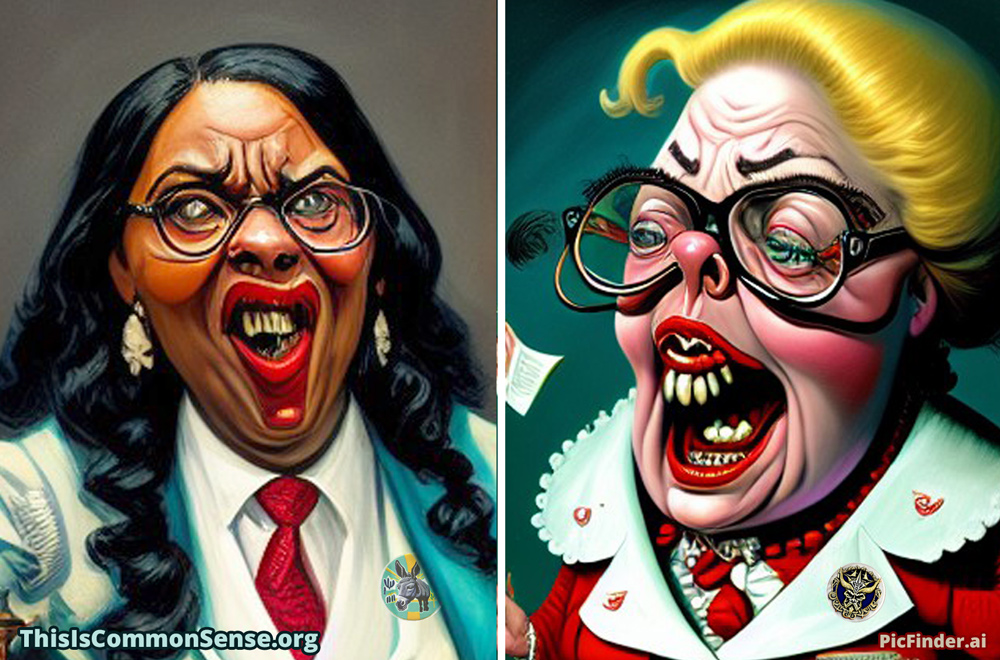
Should lawyers who seek to disbar lawyers solely because of political disagreements be disbarred themselves?

This is Common Sense. I’m Paul Jacob.


PDF for printing

Illustration created with PicFinder.ai

See all recent commentary
(simplified and organized)
See recent popular posts
Categories
crime and punishment First Amendment rights general freedom

The Last Shall Be First

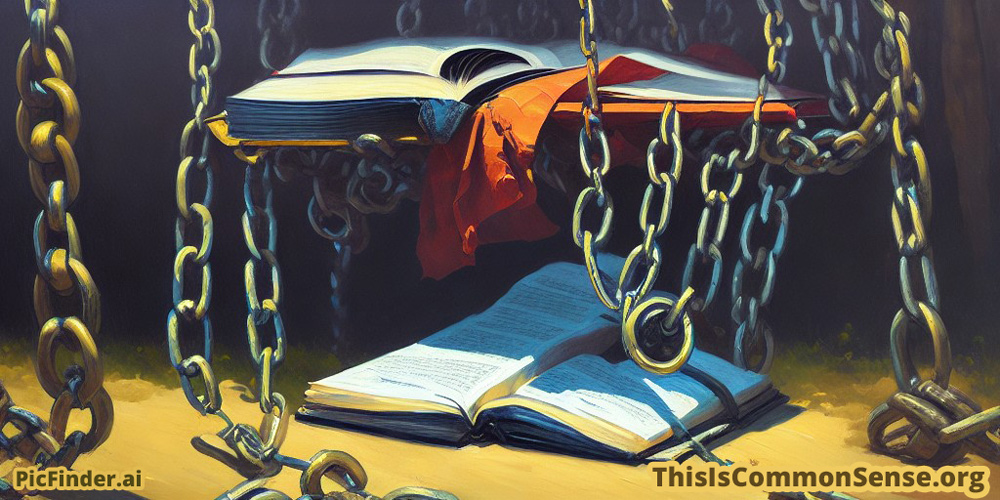
The Iowa house has acted to make it easier for persons in the state to speak without getting sued into oblivion.

By a 94-1 vote, representatives passed House File 177, an anti-SLAPP bill that provides for prompt dismissal of lawsuits intended to intimidate people into silence rather than to redress wrongdoing. (A SLAPP is a “strategic lawsuit against public participation.”)

The bill seeks to protect “the exercise of the right of freedom of speech and of the press, the right to assemble and petition, and the right of association.”

One lawmaker behind the bill, Republican floor manager Steven Holt, said that he made it a priority after the Carroll Times Herald was litigated into penury for reporting on the case of a local married police officer, Jacob Smith, who had pursued inappropriate relationships with teenage girls.

Just before the paper published its findings, Smith resigned from his job. Then he promptly sued the Herald for libel. The reporting would make things tough for him, he attested.

The suit failed, but not before a year in court that cost the small-town newspaper about $140,000 in legal fees and related expenses. (The paper has launched a GoFundMe campaign to recover this amount.)

David Keating, president of Institute for Free Speech, says that if the anti-SLAPP bill is enacted, “Iowa would leap from last to best in the nation at preventing frivolous lawsuits from threatening free speech.”

Let’s hope that all other states then play catch-up.

This is Common Sense. I’m Paul Jacob.

PDF for printing

Illustration created with PicFinder.ai

See all recent commentary
(simplified and organized)
See recent popular posts
Categories
First Amendment rights free trade & free markets general freedom international affairs

Censorship Rerun

The Disney company, old chum of Chinese tyranny, is at it again.

In November 2021, Disney hid from Hong Kong viewers an episode of The Simpsons that mentions the Tiananmen Square massacre in a way not laudatory of the Chinese government. Disney had recently acquired 20th Century Fox, now called 20th Century Studios, which produces The Simpsons.

And now Disney has removed an episode from its Hong Kong platform because it refers to “forced labor camps” in China.

Let us not say that The Simpsons is just a cartoon.

Everything you could want to know about the evils perpetrated by the Chinese government, as established by eyewitness accounts and other documentation, is available in many videos and articles and books. But not everybody reads Steven Mosher or BBC backgrounders on the detention and murder of the Uyghurs.

When a cartoon character says “Behold the wonders of China. Bitcoin mines, forced labor camps where children make smartphones, and romance,” a viewer not yet acquainted with China’s policies has two options. He can let the words slide by unheeded, or he can make a mental note to find out what the cartoon is talking about.

I don’t want a world where such opportunities for enlightenment in our most popular cultural products are routinely squelched — in Hong Kong or anywhere else — by the likes of Disney, an entity whose controlling officers are much more concerned to rationalize, hide, and accommodate tyranny than to expose and counter it.

With the Chinese Communist Party pushing Disney to censor, why don’t we pummel Disney in the pocketbook from the freedom side?

This is Common Sense. I’m Paul Jacob.

See also:

PDF for printing

Illustration created with PicFinder.ai

See all recent commentary
(simplified and organized)
See recent popular posts
Categories
crime and punishment First Amendment rights ideological culture

The California Non-Consensus

A judge has given California doctors a reprieve from an anti-medical-speech law produced by lawmakers and Governor Newsom. The judge has blocked the law until a lawsuit challenging it on First Amendment grounds can be resolved.

AB 2098 says that it “shall constitute unprofessional conduct” for doctors to spread “false or misleading information” about the COVID-19 virus, how to prevent and treat it, and the efficacy of alleged vaccines. (By using the word “alleged,” I’ve lost my medical license right there.)

What constitutes “misinformation”? 

Government-empowered medical boards would make these judgments in light of “contemporary scientific consensus.”

Why is “scientific consensus” so sacred? Does it never err? Aren’t facts and logic, which discourse helps to establish and convey, the proper arbiters, not a designated “consensus”? How does one actually arrive at a “scientific consensus” of any legitimate value? By divine revelation?

And if there are doctors, scientists and other researchers who dissent, especially in great number, doesn’t that make “consensus” entirely mythical, non-existent? The word misapplied? 

Of course, despite the issuance of government-approved dogmas and revised dogmas about these matters, every aspect of the pandemic has been the subject of intensive investigation and controversy for over three years.

As Judge William Shubb notes, “COVID-19 is a quickly evolving area of science that in many aspects eludes consensus.”

It’s a shame Shubb couldn’t simply have shut down the law permanently. Do we really need a lengthy legal process while California doctors wait to learn whether they may still fully participate in professional discussions?

But it seems that the agents of repression must have their day in court too.

This is Common Sense. I’m Paul Jacob.


PDF for printing

Illustration created with picfinder.ai

See all recent commentary
(simplified and organized)
See recent popular posts
Categories
crime and punishment First Amendment rights international affairs

Don’t Be China

China is one of the world’s top censors.

The Chinazi regime bans all kinds of communication, even images of Winnie the Pooh (because of its use as a symbol of chubby Dictator Xi). It has imposed all manner of censorship on the Internet, often with the help of western technology companies. And it has imprisoned many of its critics.

China would like the whole world to be the same way. It would be easier to shut critics up if they had no place to escape to, no place where they could continue publicly rebuking the Chinese government.

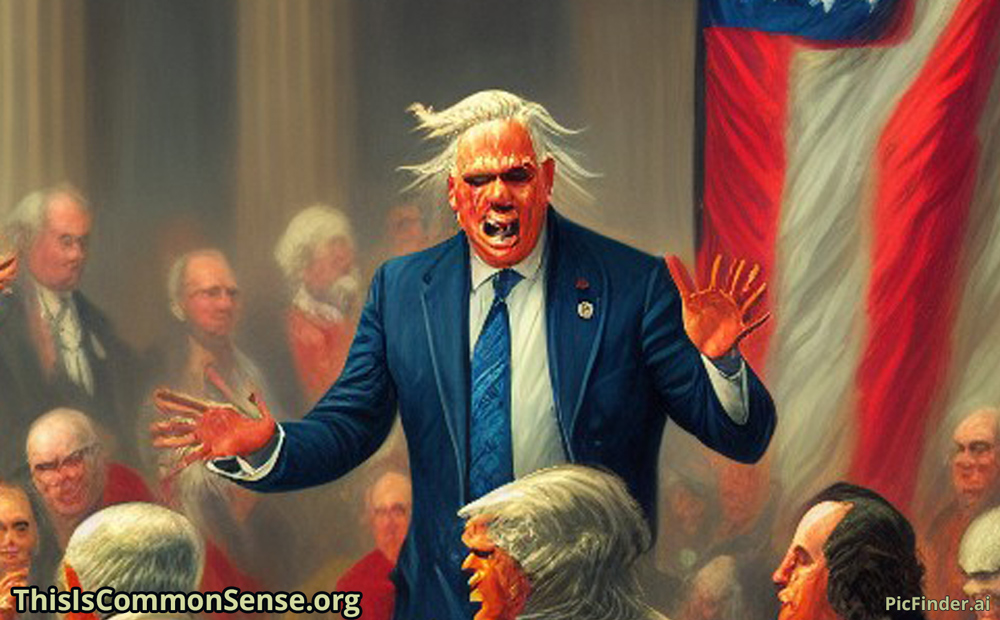
And China has a new weapon with which to expand its censorship regime, the globally popular excuse for outlawing disagreement with official doctrines that consists of characterizing all contrary opinion as “misinformation” or “disinformation.”

The Chinese government wants nations to go much further than merely urging social media companies to ban posts or suspend users, the approach that U.S. officials have been following in recent years. At a recent United Nations meeting on cybercrime and in a related document (p. 18), China has urged that disseminating “false information that could result in serious social disorder” be everywhere established as “criminal offenses.”

Reclaim the Net observes that this proposal “is likely to be contested by Western countries, even though many of them have been copying parts of China’s playbook.”

Certainly, the governments of other countries would be in a better position to oppose China’s global censorship agenda if they relinquished their own censorship agendas.

This is Common Sense. I’m Paul Jacob.


PDF for printing

Illustration created with Midjourney and DALL-E2

See all recent commentary
(simplified and organized)
See recent popular posts
Categories
First Amendment rights general freedom ideological culture

It’s His Party

If you’re a fan of freedom of speech, you’re probably also a fan of the First Amendment of the United States’ Constitution.

Unfortunately, governments keep trying to evade it.

When their censorship can’t itself be evaded, often the only thing to do is go to court. 

Merely showing a copy of the Constitution to the offending officials rarely suffices.

That’s why Kells Hetherington teamed up with the Institute for Free Speech to overturn a Florida statute requiring that “a candidate running for nonpartisan office may not state the candidate’s political party affiliation.” In a 2018 campaign for Escambia County School Board, Kells had been fined for calling himself a “lifelong Republican” as part of his candidate statement on the county’s website. In a later campaign, he kept silent to avoid another fine.

The Institute points out that in violating the First Amendment rights of candidates, Florida’s don’t-say-party law has especially hurt challengers. It has deprived them of a valuable shorthand way of indicating the tenor of their political views, a shorthand that incumbents have many more ways of communicating to voters outside the context of campaign statements.

Kells and IFS have won. Late last year, a district judge in Florida ruled that the First Amendment does indeed protect his right, as a candidate, to mention his political party.

Kells says that “hopefully, this will never happen again to any other candidates.” 

In any case, it’s clear that the Institute for Free Speech will never be out of a job. That First Amendment won’t enforce itself.

This is Common Sense. I’m Paul Jacob.


PDF for printing

Illustration created with Midjourney

See all recent commentary
(simplified and organized)
See recent popular posts
Categories
crime and punishment First Amendment rights general freedom

Commission by Omission?

Debra Paul, publisher of the weekly Londonderry Times, should not be facing jail time for publishing political ads.

In a land where a First Amendment explicitly if imperfectly protects freedom of speech, does anyone believe she should be?

Well, the New Hampshire attorney general, for one. 

For two, whoever called his attention to the trivial oversight that led to Ms. Paul’s arrest last August

Her venial sin, if it’s even that, was to publish political ads that failed to include the legend “Political Advertisement” as required by New Hampshire law. 

The violation is punishable by up to a year of incarceration and a fine up to $2,000.

As Paul noted in August, “This is clearly a case of a small business needing to defend itself against overreaching government. To threaten a small business owner with jail time over something this insignificant is very heavy-handed.”

Insignificant, why? 

Not labeling a political message “Political Advertisement” is only controversial in the slightest when the message imitates normal editorial or news content. The arrest warrant reports that the ads in question were on the order of “VOTE YES ARTICLE 2.” 

Obvious political advertising.

Months later, Paul still awaits her fate. An arraignment is scheduled for later this month. On the advice of her lawyer, she had little to say when we asked her for an update about the case. But she hinted that a political adversary may have filed the complaint against her.

The net of multitudinous picayune laws that snagged Paul can snag anybody who does anything more culturally and socially ambitious than sitting at home staring at the wall all day. Such regulations can be exploited by anyone eager to harass someone for reasons quite apart from an alleged infraction.

This is Common Sense. I’m Paul Jacob.


PDF for printing

Illustration created with Midjourney

See all recent commentary
(simplified and organized)
See recent popular posts
Categories
First Amendment rights free trade & free markets too much government

The California-Canada Connection

What do California and Canada have in common, aside from bone-chilling temperatures?

Well, the fact that they’re trying to chill the discourse of doctors.

In California, a new law empowers medical boards to punish doctors who spread “misinformation” about COVID-19. The misinformative nature of a stated view about the pandemic is allegedly proved by the mere fact that it contradicts a putative scientific “consensus.”

Such laws rely on misinformation for their very existence. 

When coping with complex, incomplete, sometimes murky evidence, do scientists and others ever simply disagree, even fundamentally, on the road to scientific “consensus”? Can a consensus ever be wrong? Does anybody ever hew to an asserted consensus out of fearful desire to conform rather than honest intellectual agreement?

To ask these questions is to answer them. But let’s move on.

To Canada — and the case of Dr. Jordan Peterson, whose professional status in the country is being jeopardized because of medical and/or political views, like opinions criticizing “climate change models,” “surgery on gender dysphoric minors,” and Canadian officials who threatened “to apprehend the children of the Trucker Convoy protesters.”

Stated on social media, these opinions are apparently incendiary enough — i.e., candid enough — to vex Canada’s powerful medical censors.

According to Peterson, the Ontario College of Psychologists demands that he submit to “mandatory social-media communication retraining” because of his views. If he doesn’t comply, he may lose his license.

Such repressive impulses, he says, are “way more widespread than you might think.”

It’s cold outside.

This is Common Sense. I’m Paul Jacob.


PDF for printing

Illustration created with DALL-E2

See all recent commentary
(simplified and organized)
See recent popular posts