Categories
crime and punishment First Amendment rights

The Bobbies That Say NIII

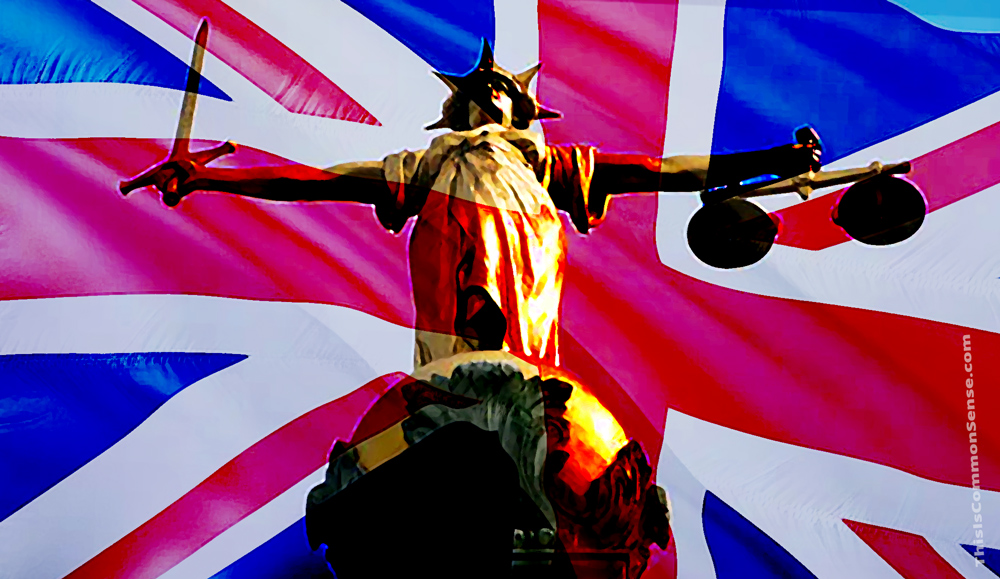
In Great Britain, you can get police to show up at your door just by posting an unauthorized opinion on social media.

Things are about to get worse. By talking about it online, Britons who think that the country has an immigration problem could draw the attention of a new police unit, National Internet Intelligence Investigations.

Saying “we’ve got to protest about this” will probably cause the sirens to go off.

Chris Philp, the shadow home secretary, says the government is trying “to police what you post, what you share, what you think” because it “can’t police the streets.… Labour have stopped pretending to fix Britain and started trying to mute it.”

However, this kind of thing happened under the Tories too.

People still speak their minds in the UK. They aren’t yet used to regarding their political opinions as prenatal forms of criminal activity.

One could use social media to plan or boast about what everybody agrees is a crime. A thug might post video showing how he beat somebody up. Bank robbers might share bank-​robbery plans on Facebook. Criminals tend not to do these things. But if they did, for real (that is, they’re not play-​acting), who could object if the police inspect the incriminating posts and take appropriate action?

But what’s happening in the UK is not that. 

It’s an attempt to prevent social unrest by finding expressions of dissent and pretending to divine which speech-​crime will lead to protest-crime.

It requires Big Brother Bobbies.

This is Common Sense. I’m Paul Jacob.


PDF for printing

Illustration created with Krea and Firefly

See all recent commentary
(simplified and organized)
See recent popular posts
Categories
free trade & free markets international affairs

Albion, Weak or Strong?

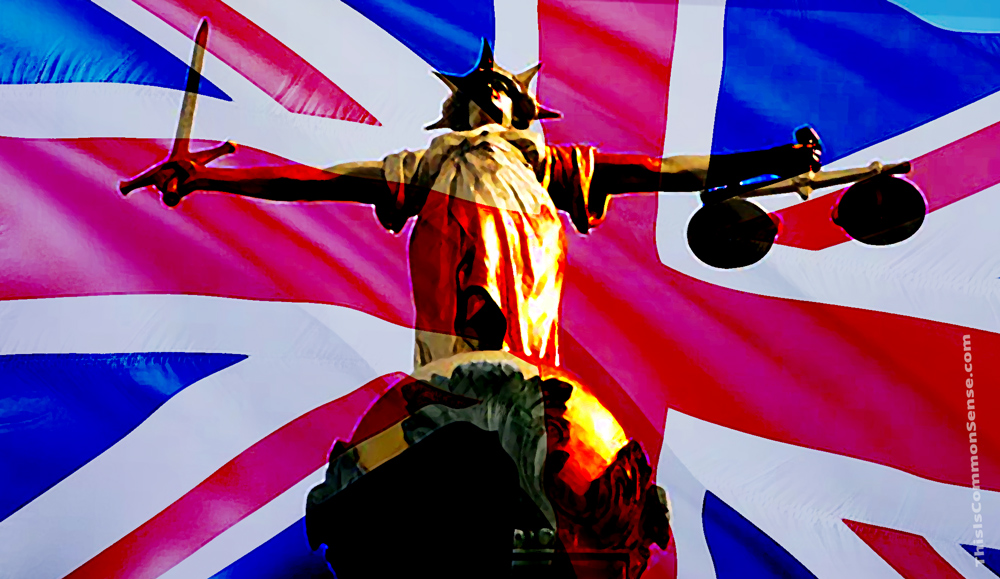
The European Union is an anti-​democratic, quasi-​tyrannical mess. And Great Britain, having Brexited over the weekend, has a chance at a clean-​up job. But that doesn’t mean that Britain won’t go down a very dark path, creating an even bigger mess.

Freedom provides opportunities to fail as well as to succeed.

On page 17 of the latest issue of The Economist, we get a hint at what can go wrong.

In a word: too much government. Too much regulation, taxation, etc.

“No longer such a smooth ride” reads the headline, with a tag just below it: “A weakened Britain hopes to draw strength from its alliance with the United States. Good luck with that.”

Snark aside, there is a lot wrong here. Post-​Brexit Britain is not obviously weaker — indeed, actually following through on the Brexit issue itself is a sign of strength. Admittedly, Theresa May was weak. And the nearly destroyed communists of the Labor Party are weaker yet. 

But Britain has great opportunity to strengthen itself, now.

The first issue that The Economist notes throws cold water on Brexit ebullience is trade. “If the British government persists with plans for a digital-​services tax that would hit tech giants, America has said it will retaliate with punitive tariffs on British car exports.” Well, yeah.

Britain would harm itself by not embracing a free trade agreement with the United States, post haste. The model should be the Cobden-​Chevalier Treaty of 1860, which set Britain on a major upward course — and France, too. A similar treaty could be a bounty for both Britain and America.

But the usual ardor for taxes, regulation, and intrusive government could transform Brexit from boon to bust.

This is Common Sense. I’m Paul Jacob.


PDF for printing

British Liberty, British Flag, Brexit,

See all recent commentary
(simplified and organized)
See recent popular posts