On November 6, 1913, Mohandes K. Gandhi was arrested for participating in a march of Indian miners in South Africa.
Categories
On November 6, 1913, Mohandes K. Gandhi was arrested for participating in a march of Indian miners in South Africa.
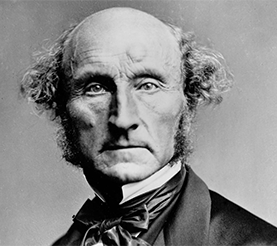
Utility is often summarily stigmatized as an immoral doctrine by giving it the name of Expediency, and taking advantage of the popular use of that term to contrast it with Principle. But the Expedient, in the sense in which it is opposed to the Right, generally means that which is expedient for the particular interest of the agent himself: as when a minister sacrifices the interest of his country to keep himself in place. When it means anything better than this, it means that which is expedient for some immediate object, some temporary purpose, but which violates a rule whose observance is expedient in a much higher degree. The Expedient, in this sense, instead of being the same thing with the useful, is a branch of the hurtful.
John Stuart Mill, Utilitarianism (London: Longmans, Green, and Co., 1879), Chapter II, “What Utilitarianism Is.”
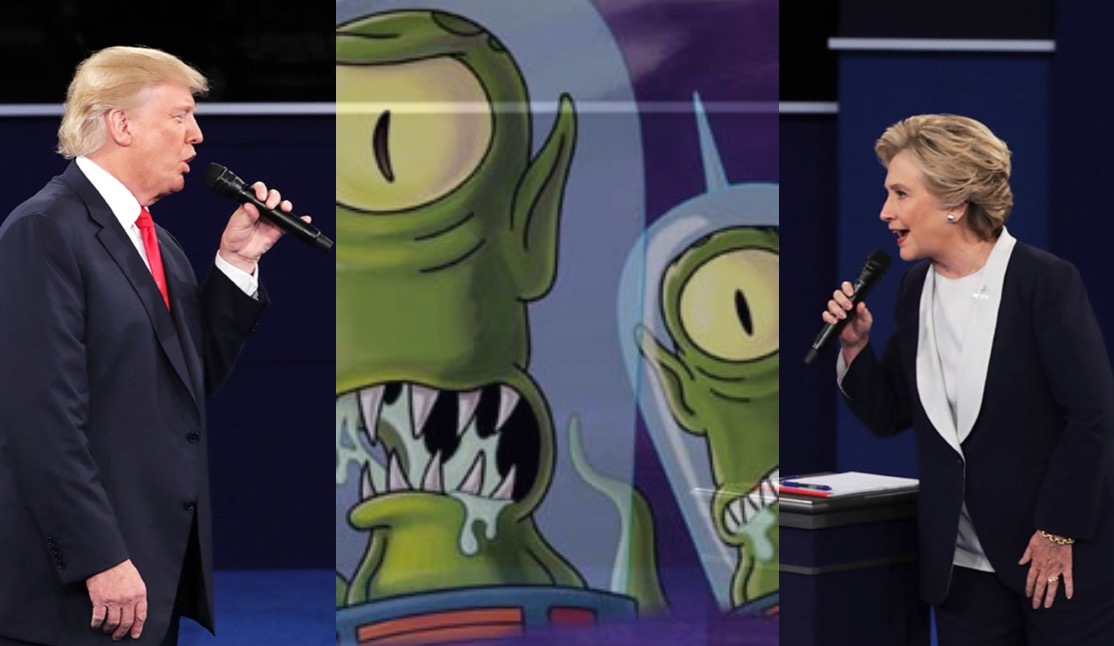
William Weld, the Libertarian Party’s VP candidate, says that, whatever you do, DON’T VOTE FOR TRUMP! Rachel Maddow speaks of a “gossamer ceiling,” colorfully indicating the too-fine-a-point put by the putative Libertarian:
If you find that startling, then you might wish to consider the famous far-left (Hegelian Marxist) philosopher Slavoj Žižek, who makes the opposite case: WHATEVER YOU DO DON’T VOTE HILLARY:
https://youtu.be/b71CNNKdVRw
Maybe Daniel Hannan will navigate these waters more closely to your taste: DON’T VOTE FOR AN UNFIT CANDIDATE:
Have you seen other recommendation “jaw droppers?” Let us know!
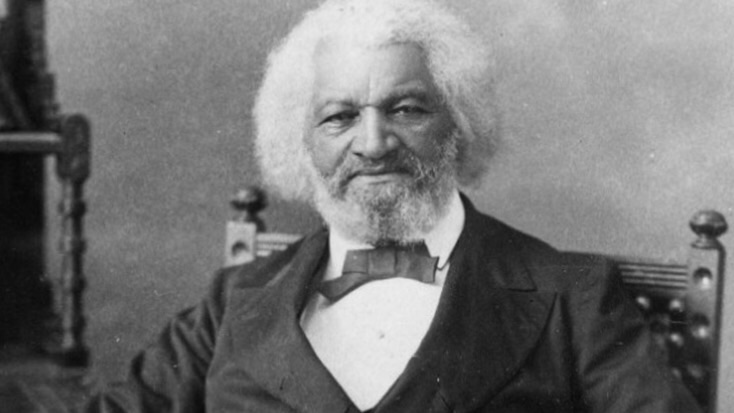
“We were all ranked together at the valuation. Men and women, old and young, married and single, were ranked with horses, sheep, and swine. There were horses and men, cattle and women, pigs and children, all holding the same rank in the scale of being, and were all subjected to the same narrow examination. Silvery-headed age and sprightly youth, maids and matrons, had to undergo the same indelicate inspection. At this moment, I saw more clearly than ever the brutalizing effects of slavery upon both slave and slaveholder.”
Frederick Douglass, Narrative of the Life of Frederick Douglass, An American Slave, 1845
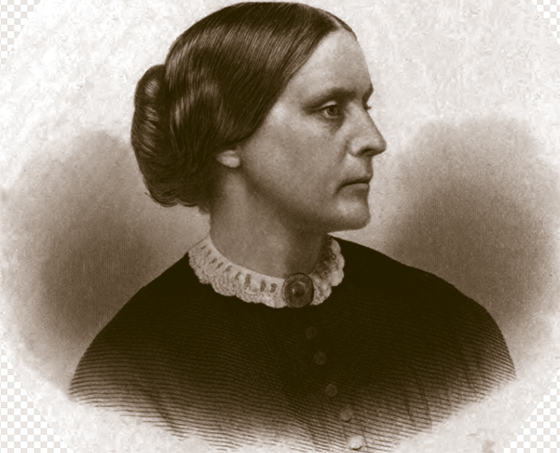
On November 5, 1872, Susan B. Anthony defied the law to vote, and was later fined $100.
Forty-one years earlier, to the day, Nat Turner, American slave and revolt leader, was tried, convicted, and sentenced to death in Virginia. His revolt has been celebrated in William Styron’s Pulitzer Prize-winning novel, The Confessions of Nat Turner (1967), and in a recent movie, The Birth of a Nation (2016).
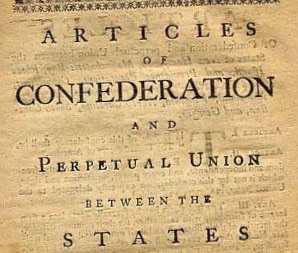
On November 5, 1781, the second session of the United States in Congress Assembled began, in Philadelphia, Pennsylvania. This “Second Confederation Congress,” as it is popularly known, ended on November 2, 1782.
And on that Fifth of November, 1781, John Hanson of Maryland was elected to serve as president of the United States in Congress Assembled. He would become the first president of Congress to serve a full one-year term as specified under the Articles of Confederation, for the second session of the Confederation Congress.
On November 5, 1872, Susan B. Anthony defied the law to vote, and was later fined $100.
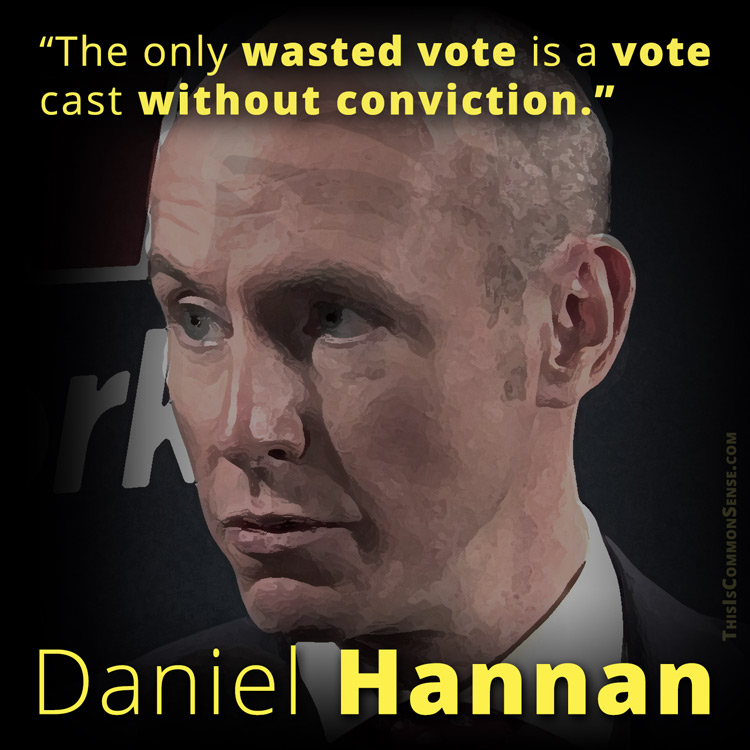
“The only wasted vote is a vote cast without conviction.”
–Daniel Hannan
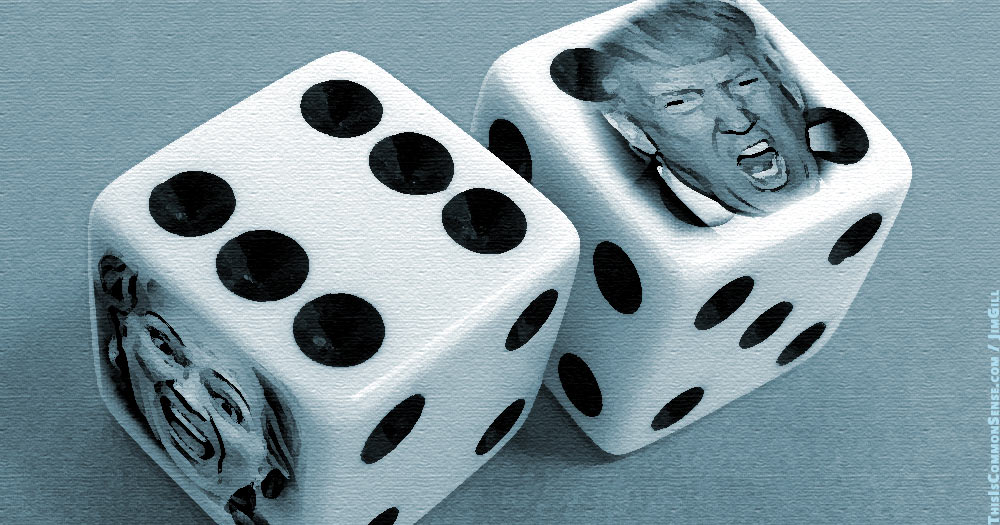
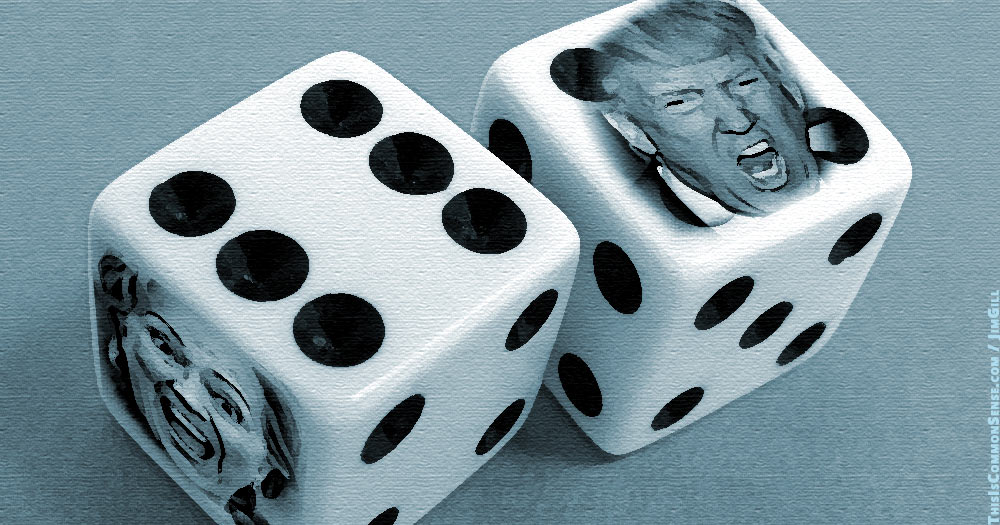
Before the Brexit vote, the likelihood of British secession from the European Union garnered a mere 25 percent chance. That was according to European betting markets, which are usually more accurate. In June, the Brits voted Brexit.
Donald Trump has made much hay of this, understandably.
On Tuesday, the odds of a Trump victory hit the same mark: 25 percent.
Gwynn Guilford’s report on this was drolly titled “Donald Trump has the same odds of winning as Jon Snow ruling Westeros, according to betting markets.”
On June 11, Business Insider had reported that Hillary was increasing her lead; on October 18, it exulted that the Irish betting markets had “already declared a winner” — not Trump. On November 1, the news aggregator merely noted that Moody’s is calling the election a landslide for Clinton.
But BI is also covering the scandal that has disturbed the Clinton camp. There’s no love lost between the Federal Bureau of Investigation and the Department of Justice, explains Natasha Bertrand in “‘The Antichrist personified’: ‘Open warfare’ and antipathy toward Clinton is reportedly fueling the FBI leaks.” The meat of her representation is that “much of the agents’ frustration . . . may boil down to partisanship”; the FBI is “Trumpland.”
Yet the article ends quoting another FBI official insisting that both Trump and Clinton are awful candidates.
A plausible judgment.
Whether late-in-the-game revelations of Clinton corruption and FBI probing can defy current odds and produce a Clinton defeat remains to be seen. As of Thursday evening, polls-only forecasts placed the odds of winning at 67/33 in favor of Mrs. Clinton, while electionbettingodds.com placed them at 70.2/29.2.
This is Common Sense. I’m Paul Jacob.
N.B. Late-breaking Brexit news: The United Kingdom’s high court ruled yesterday that Parliament must vote to approve Brexit before the secession can proceed.
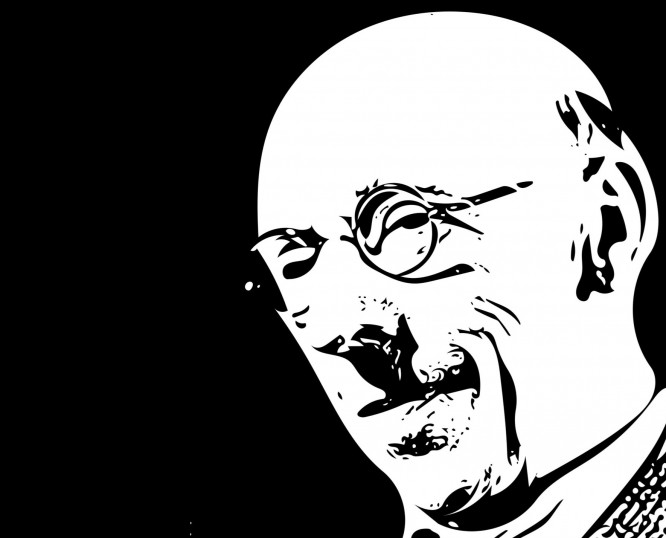
Better a dish of husks to the accompaniment of a muted lute than to be satiated with stewed shark’s fin and rich spiced wine of which the cost is frequently mentioned by the provider.
Ernest Bramah, Kai Lung Beneath the Mulberry Tree, “The Story of the Poet Lao Ping, Chun Shin’s Daughter Fa, and the Fighting Crickets” (1940)
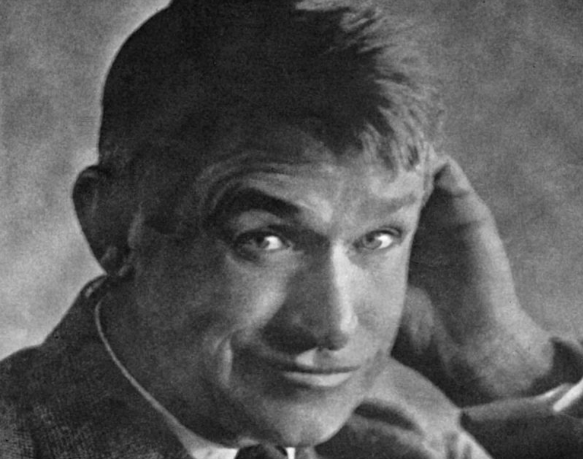
On November 4, 1879, American humorist Will Rogers was born. Aside from his cowboy act, and his work as an actor in Hollywood, he gained much fame for being a topical comedian “just reporting what’s in the papers.” Among his most famous quips? “Be thankful we’re not getting all the government we’re paying for.”