Categories
Thought

President Merkin Muffley

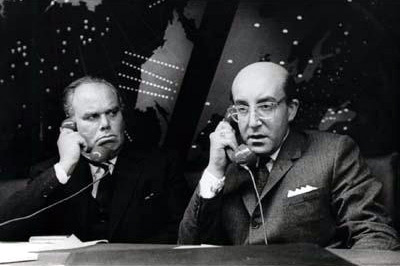
Hello? . . . Uh . . . Hello, D- uh, hello, Dmitri? Listen, uh, uh, I can’t hear too well. Do you suppose you could turn the music down just a little? . . . Oh-ho, that’s much better . . . yeah . . . huh . . . yes . . . Fine, I can hear you now, Dmitri . . . Clear and plain and coming through fine . . . I’m coming through fine, too, eh? . . . Good, then . . . well, then, as you say, we’re both coming through fine . . . Good . . . Well, it’s good that you’re fine and . . . and I’m fine . . . I agree with you, it’s great to be fine . . . a-ha-ha-ha-ha . . . Now then, Dmitri, you know how we’ve always talked about the possibility of something going wrong with the Bomb . . . The Bomb, Dmitri . . . The hydrogen bomb! . . . Well now, what happened is . . . ahm . . . one of our base commanders, he had a sort of . . . well, he went a little funny in the head . . . you know . . . just a little . . . funny. And, ah . . . he went and did a silly thing . . . Well, I’ll tell you what he did. He ordered his planes . . . to attack your country . . . Ah . . . Well, let me finish, Dmitri . . . Let me finish, Dmitri . . . Well listen, how do you think I feel about it? . . . Can you imagine how I feel about it, Dmitri? . . . Why do you think I’m calling you? Just to say hello? . . . Of course I like to speak to you! . . . Of course I like to say hello! . . . Not now, but anytime, Dmitri. I’m just calling up to tell you something terrible has happened . . . It’s a friendly call. Of course it’s a friendly call . . . Listen, if it wasn’t friendly . . . you probably wouldn’t have even got it . . . They will not reach their targets for at least another hour . . . I am . . . I am positive, Dmitri . . . Listen, I’ve been all over this with your ambassador. It is not a trick . . . Well, I’ll tell you. We’d like to give your air staff a complete run-down on the targets, the flight plans, and the defensive systems of the planes . . . Yes! I mean i-i-i-if we’re unable to recall the planes, then . . . I’d say that, ah . . . well, ah . . . we’re just gonna have to help you destroy them, Dmitri . . . I know they’re our boys . . . All right, well listen now. Who should we call? . . . Who should we call, Dmitri? The . . . wha-whe, the People . . . you, sorry, you faded away there . . . The People’s Central Air Defense Headquarters . . . Where is that, Dmitri? . . . In Omsk . . . Right . . . Yes . . . Oh, you’ll call them first, will you? . . . Uh-huh . . . Listen, do you happen to have the phone number on you, Dmitri? . . . Whe-ah, what? I see, just ask for Omsk information . . . Ah-ah-eh-uhm-hm . . . I’m sorry, too, Dmitri . . . I’m very sorry . . . All right, you’re sorrier than I am, but I am as sorry as well . . . I am as sorry as you are, Dmitri! Don’t say that you’re more sorry than I am, because I’m capable of being just as sorry as you are . . . So we’re both sorry, all right? . . . All right.


U.S. President Merkin Muffley on the phone to Soviet Premiere Dmitri Kissoff, a monologue performed by actor Peter Sellers in the (fictional) black comedy Dr. Strangelove, or: How I Stopped Worrying and Learned to Love the Bomb (1964), a film directed by Stanley Kubrick and written by Kubrick, Terry Southern, and Peter George, based on the book Red Alert by Peter George, first published in the UK in 1958 as Two Hours to Doom under the pseudonym Peter Bryant.
Categories
Today

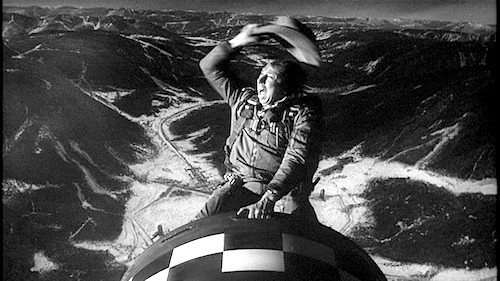
Close Call

On November 9, NORAD computers and the Alternate National Military Command Center in Fort Ritchie, Maryland, detected purported massive Soviet nuclear strike. After reviewing the raw data from satellites and checking the early-warning radars, the alert was cancelled

Categories
Accountability general freedom ideological culture moral hazard national politics & policies political challengers responsibility too much government U.S. Constitution

The Wisdom of the Founders

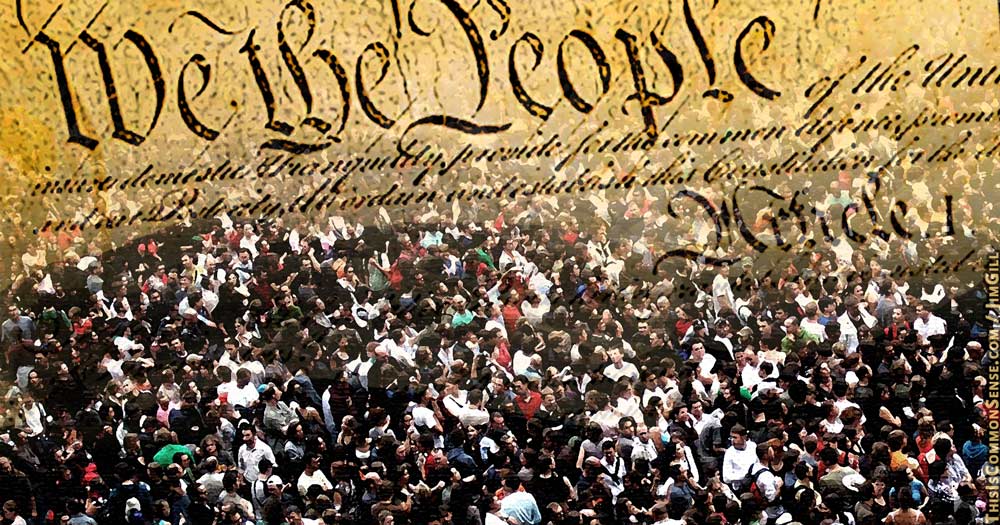
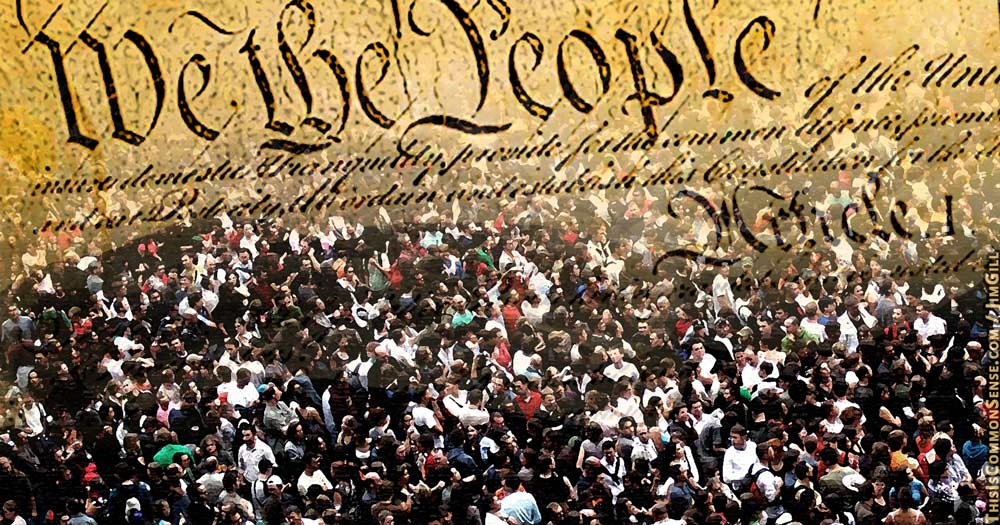
“At a certain point, you have to let go for the democracy to work,” President Barack Obama told HBO’s Bill Maher last week, praising “the wisdom of the founders.”

“There has to be fresh legs,” he continued. “There have to be new people. And you have to have the humility to recognize that you’re a citizen and you go back to being a citizen after this office is over.”

Maher failed to ask Mr. Obama how this “fresh” viewpoint squared with his support for Mrs. Clinton. Nevertheless, let’s applaud the president’s endorsement of term limits.

Speaking of the founders, and limits on power, and this being Election Day, I’m reminded of a commentary in Forbes, back on Election Day four years ago, written by Ed Crane, the man who built the Cato Institute into one of the nation’s preeminent think tanks. Bemoaning the “interminable presidential race,” Crane wished for “a nation in which it really didn’t matter who was elected President, senator or congressman.”

“Don’t get me wrong, because I’m not saying it doesn’t,” explained Crane, “only that it shouldn’t.” He added, “I believe the Founders had a similar view.”

His point is simple: Getting to vote for your next president and senator and congressman is swell, but it’s important to have a Constitution that restrains those elected, so they “don’t have a heck of a lot of power over you or your neighbors.”

“We are a republic of limited governmental ­powers,” or should be, argued Crane. “Such a nation allows for sleep on election night.”

Instead of gnashing of teeth.

This is Common Sense. I’m Paul Jacob.


Printable PDF

Constitution, voting, democracy, Ed Crane, fear


Categories
Thought

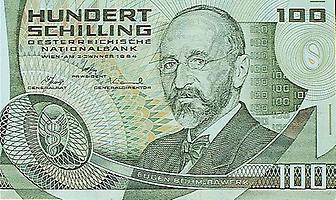
Eugen von Böhm-Bawerk

[T]hrift is never popular. . . . If parliaments have historically been the guardians of thrift, they now have turned much rather into its sworn enemies. Nowadays, the political and national parties — maybe not exclusively in our own country, but certainly also here — tend to develop a certain covetousness, almost considered to be dutiful, for all kinds of benefits for their own electorate at the expense of the general public.


Eugen von Böhm-Bawerk, as quoted by Ludwig von Mises, “The Economist Eugen von Böhm-Bawerk” (Neue Freie Presse, Vienna, August 27, 1924) — described by Mises as “the last words that Böhm-Bawerk addressed to Austria’s financial authorities.”

Categories
Today

JFK

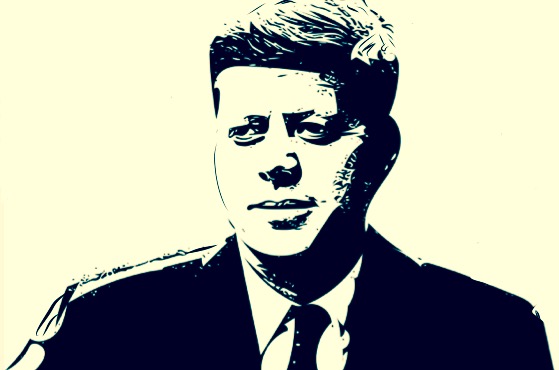
Montana was admitted into the United States federal union as the 41st state on November 8, 1889. On the same date in 1960, John F. Kennedy defeated Richard Nixon in one of the closest presidential elections of the 20th century, becoming the 35th president of the United States

Categories
Accountability ballot access incumbents moral hazard national politics & policies political challengers responsibility

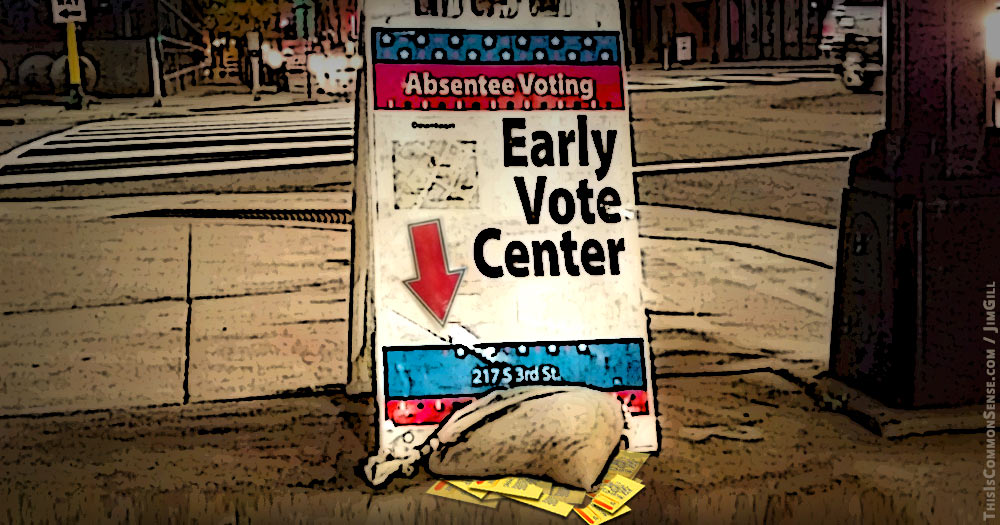
Vote Early & Often?

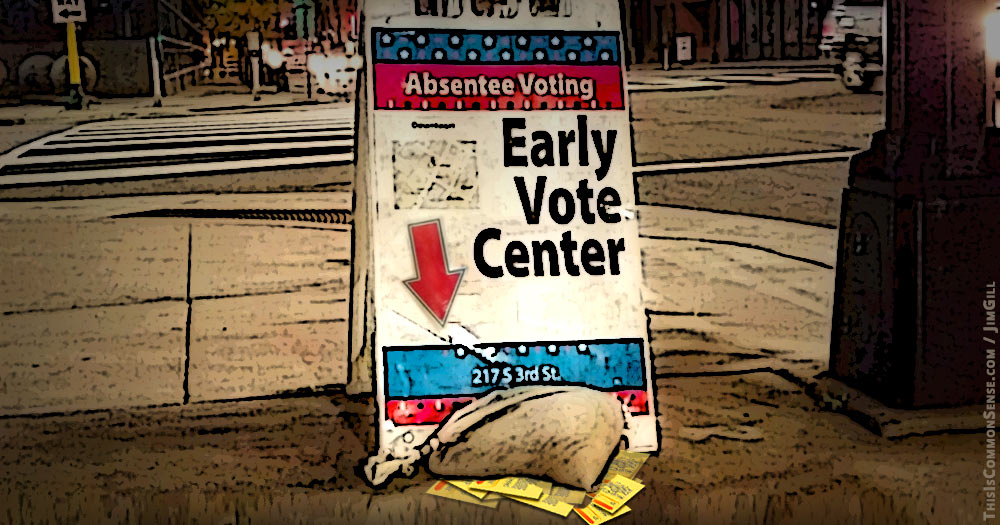
Voted yet? The Pew Research Center thinks about 50 million Americans have, representing 38.5 percent of the voter turnout forecast.

I’m for making it as easy as possible for people to cast a ballot. Who isn’t? Well, I mean who among normal people isn’t? I’m not counting politicians and their hacks.

But even I am opposed to extended “early voting.”

Here’s why:

First, the longer the voting period goes, the greater the cost — as more paid advertisements, phone calls and mailings are needed to keep reaching voters over many weeks. No problem here with more money in politics — money is essential, and my candidates and ballot issues could certainly always use more promotion. But let’s not artificially advantage big money by running the meter.

Several states now allow more than six weeks of voting prior to so-called Election Day. Even a three-week voting period is far more expensive than building toward a single day — or, say, a weekend through Tuesday voting period (four days).

Second, we ought to vote together, close to the same time, all of us privy to the latest public knowledge. This year’s drip of near daily “October”* surprises, thanks to WikiLeaks and the FBI, shows the potential problem should a major scandal or incident impact the race after so many folks have already voted.

Third, early voting tends to advantage incumbents. Challengers often don’t catch up to the better known and organized incumbent until the final days of the race.

As for voting often, as in more than once, that’s a crime. Plus, with these candidates, once is more than enough.

This is Common Sense. I’m Paul Jacob.


*Well into November, some of these surprises, eh? I mean, it is as if they saved the blood rituals for last.


Printable PDF

vote, early, often, democracy, early voting, illustration, joke, meme


Categories
Thought

Ernest Bramah

Although there exist many thousand subjects for elegant conversation, there are persons who cannot meet a cripple without talking about feet.


Ernest Bramah, The Wallet of Kai Lung, “The Transmutation of Ling” (1900)

Categories
Today

War Powers

The U.S. Congress overrode President Richard M. Nixon’s veto of the War Powers Resolution on November 7, 1973. This resolution ostensibly limits presidential power to wage war without congressional approval, hence Nixon’s veto. Nowadays, however, it is often referred to as the expansive terms for the “Imperial President’s” license to engage in military conduct, and a dereliction of congressional duty to direct the United States’ foreign policy, especially regarding war.

Categories
links

Townhall: On a Ballot Near You

Election Day is not just about the presidential race. Or your voice in the House of Representatives. Or even your local dogcatcher.

There are issues at stake!

Click on over to Townhall for FIVE of them. Then come back here for some additions, subtractions, and a few divisions:

Re: Marijuana Reforms

Four states and the District of Columbia (the nation’s capital) have already legalized marijuana for recreational use — in every case by ballot initiative. Another 24 states have legalized medical marijuana, which began as a ballot initiative phenomena, but has now been enacted through several state legislatures.

Re: Measure 71

In fact, sold as a way to reduce special interest influence, Measure 71 actually increases the cost and difficulty of qualifying a ballot measure. Dramatically. That burdensome impact will be far, far more problematic for grassroots efforts than for powerful interests.

Additionally, the measure allows a well-financed opposition  —  special interests, big business, big labor, oil and gas interests, or all of the above  —  to defeat reforms by running nasty, negative advertising campaigns designed to win even when they lose 54.9 percent of the voters.

One opponent dubbed it “the Rich Guy Protection Act.”

Re: Question 5 (ranked choice voting)

Here’s how it works: When a last-place candidate is eliminated, the second-choice votes from those who had picked that eliminated candidate as their first choice are reallocated to the remaining candidates. This process continues until one candidate has gained a majority of the votes.

The big advantage is that ranked-choice voting wipes out the wasted vote argument, that by voting for a candidate one believes in, but who is unlikely to win, one’s vote makes no difference and might even help elect the person one most dislikes. Under the ranked-choice system, that vote is tallied and counted for the candidate one most supports, but it can also, if no candidate garners a majority and your favorite candidate is eliminated, go on to count for another candidate you prefer over others.

In such a system, voters could vote their conscience, without fearing the worst evil would prevail. That alone is worth a YES vote on Question 5.

But ranked choice voting also affects the behavior of candidates, by making it more important to not offend the supporters of other candidates. Without abridging the First Amendment to outlaw mean, nasty speech, ranked choice voting, by giving all voters greater input, encourages our better angels.

Re: Massachusetts’s Charter School Amendment

On the pro-charter side is billionaire Michael Bloomberg, so the measure isn’t lacking for funding. Still, Question 2 was polling above 70 percent in favor back in April, now it is below 50 percent.

Re: Further Reading