Categories
Today

Founders

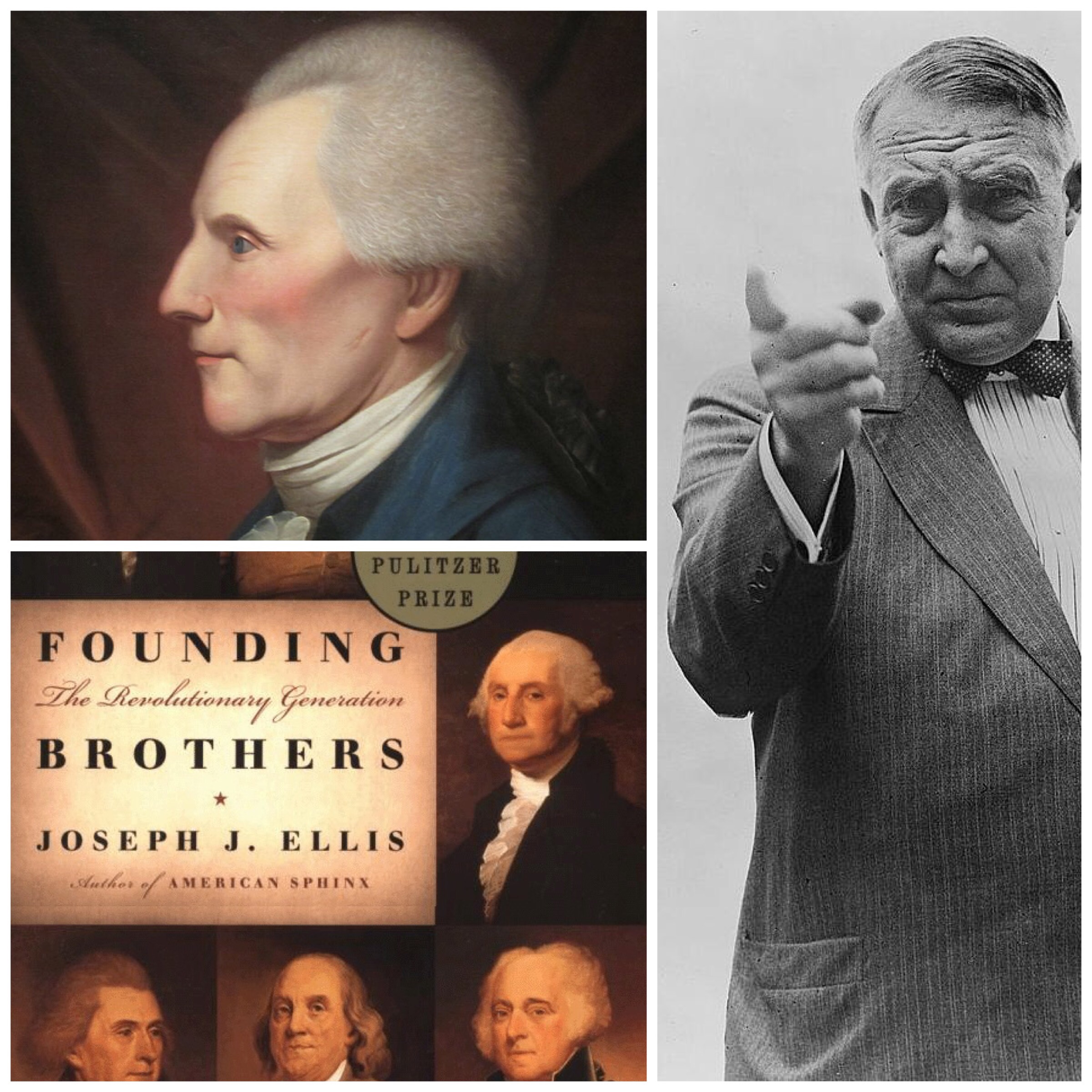
On June 7, 1776, Richard Henry Lee presented the “Lee Resolution” to the Continental Congress. The motion was seconded by John Adams, but was tabled for several weeks. The motion was finally passed on July 2, 1776.

During the 1916 Republican National Convention (June 7 – 10), Senator Warren G. Harding used the phrase “Founding Fathers” in his keynote address . . . and would go on using it in speeches thereafter. It caught on as a eulogistic way to refer to figures such as Thomas Jefferson and, yes, Richard Henry Lee, who orchestrated the American colonies’ break from England’s imperial monarchy.

Categories
Today

Two Philosophers, Many Concepts

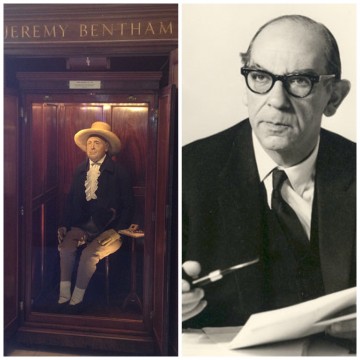
June 6 marks major life events of two eminent British philosophers, Jeremy Bentham’s death* (1832) and Isaiah Berlin’s birth (1909).

Bentham was known as a “philosophical radical” and a major influence on the British utilitarian tradition. He authored numerous books, including Defence of Usury (1787) and An Introduction to the Principles of Morals and Legislation (1789). Bentham started out advocating for laissez faire, became obsessed with his own specially designed prison design, the Panopticon, and argued for feminism and animal rights in public but kept his defense of homosexual rights private, to be published long after his death. His treatise on ethics, Deontology: Or, the Science of Morality, in Which the Harmony and Co-incidence of Duty and Self-Interest, Virtue and Felicity, Prudence and Benevolence, Are Explained and Exemplified, was published from his manuscripts two years after his death.

Berlin was best known for several dozen brilliant essays, including the famous, much-quoted “The Hedgehog and the Fox” (a study of Leo Tolstoy) and “Two Concepts of Liberty.”


* Pictured is his remains as housed in a special “closet” in the London Academy. Bentham specified this in his will, and he called this manner of posthumous presentation an “auto-icon.”
Categories
Today

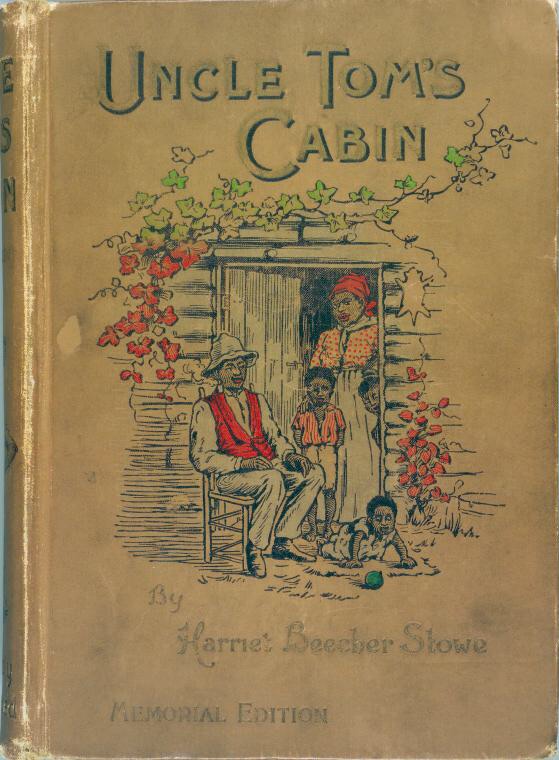
Uncle Tom’s Cabin

On June 5, 1851, Harriet Beecher Stowe’s anti-slavery serial, Uncle Tom’s Cabin, or Life Among the Lowly, started its ten-month run in the National Era abolitionist newspaper.

Categories
Today

Tankman, Thanks

June 4 marks the 1989 Chinese government crackdown on peaceful protesters in Tiananmen Square. Tanks entered the square and soldiers opened fire on citizens outside the square: they are estimated to have killed thousands.

It also marks Tonga’s Emancipation [or Independence] Day, commemorating the abolition of serfdom in Tonga by King George Tupou in 1862, and the independence of Tonga from the British protectorate in 1970.

Categories
Today

Singapore

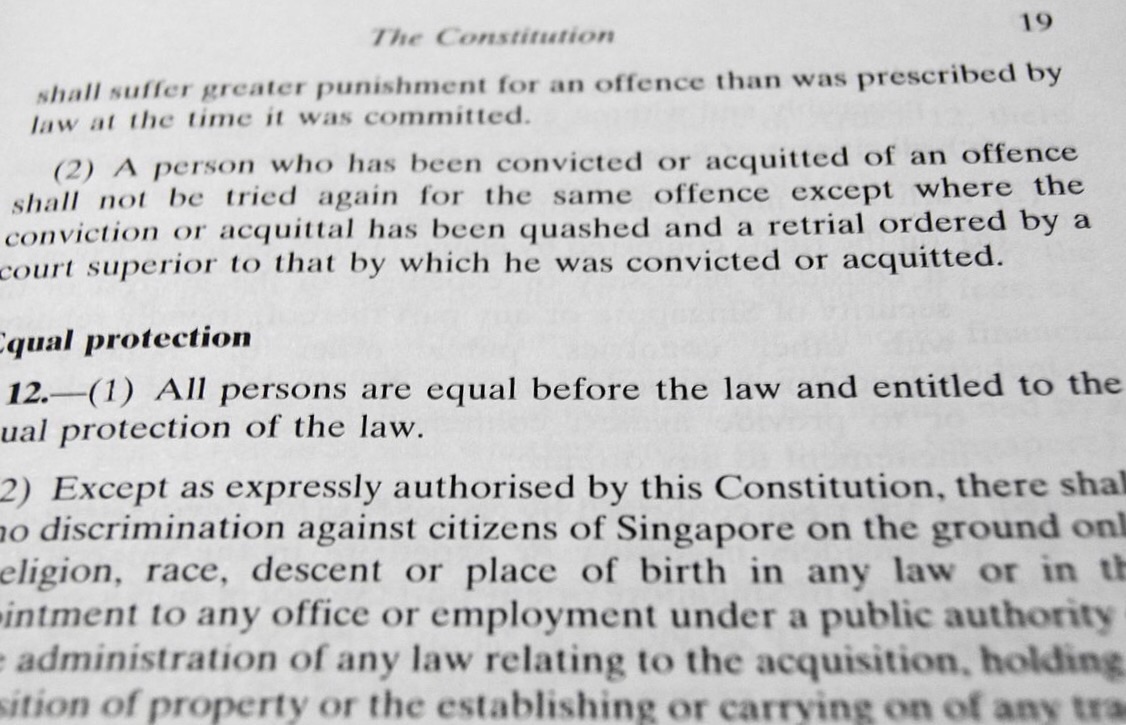
On June 3, 1959, Singapore adopted a constitution.

Categories
Today

Citizenship

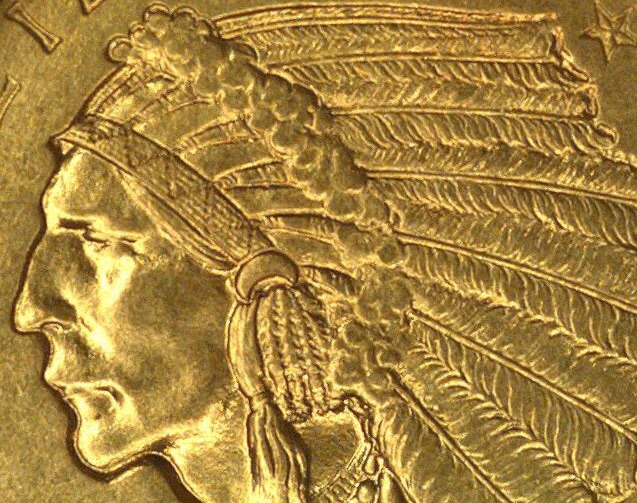
On June 2, 1924, President Calvin Coolidge signed the Indian Citizenship Act into law, granting citizenship to all Native Americans born within the territorial limits of the United States.

Categories
Today

Kentucky & Tennessee

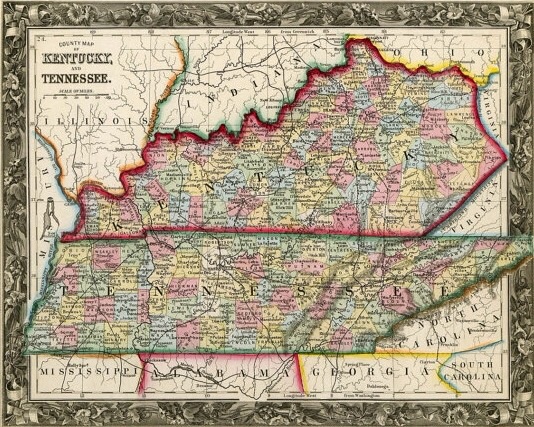
On June 1, 1792, Kentucky was admitted as the 15th state of the United States. Four years later, Tennessee became the 16th state.

Categories
Today

Stones

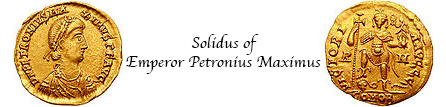
On May 31, 455 A.D., Emperor Petronius Maximus was stoned to death by an angry mob while fleeing Rome.

On that date in 1578, King Henry III laid the first stone of the Pont Neuf (New Bridge), the oldest bridge of Paris, France.

In other rock history, May 31, 2013, marked the closest approach to Earth that the asteroid 1998 QE2 and its moon will get until two centuries hence.

Categories
Today

Goddess?

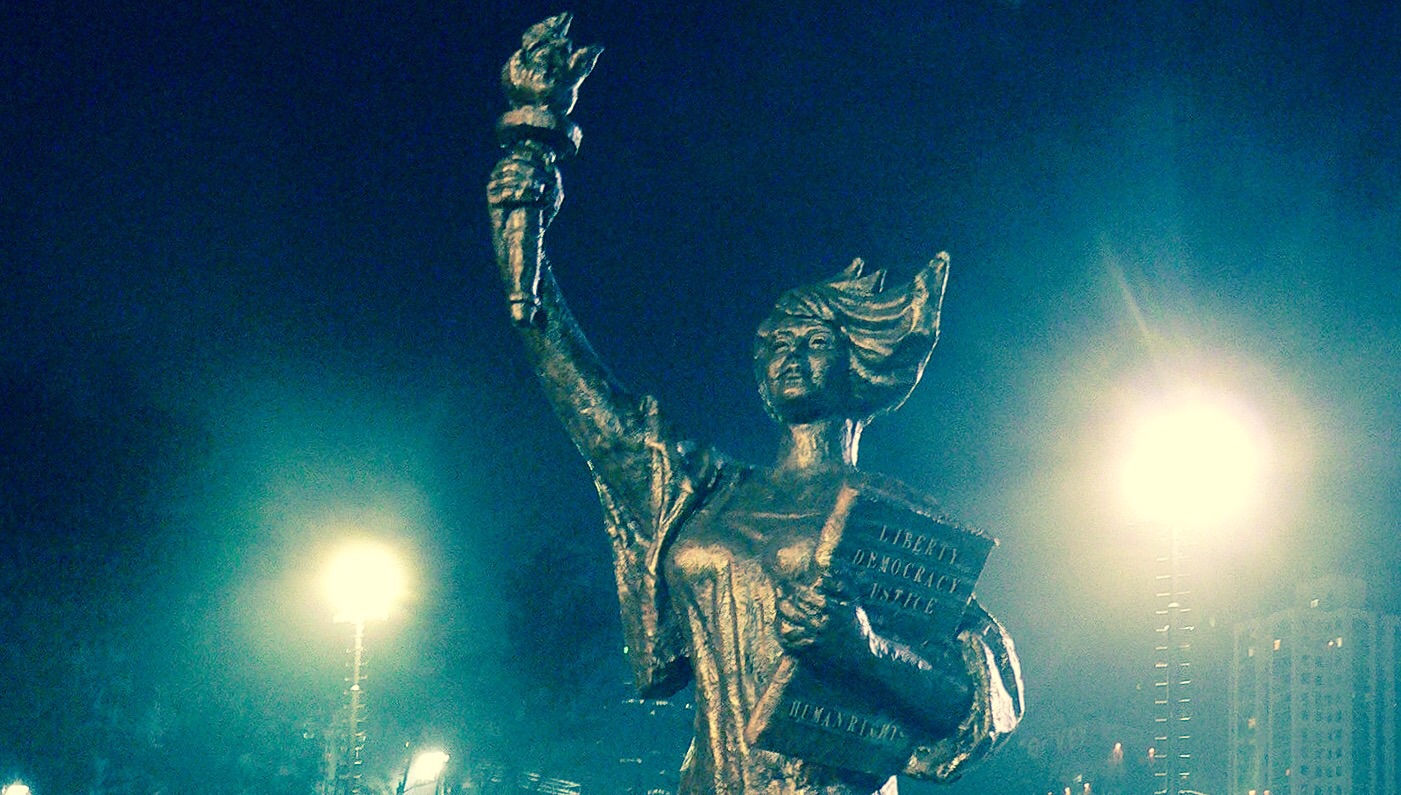
On May 30, 1989, student demonstrators unveiled a 33-foot high “Goddess of Democracy and Freedom” statue in Tiananmen Square.

Categories
Today

Rhode Island, Rite & Riot

On May 29, 1790, Rhode Island became the last of North America’s original Thirteen Colonies-turned-states to ratify the Constitution.

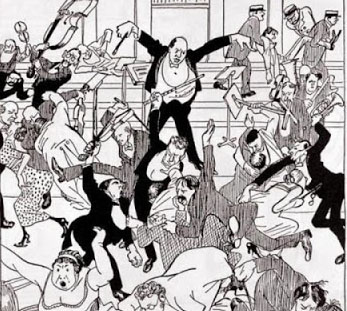
On the same in 1913, Igor Stravinsky’s ballet score The Rite of Spring received its premiere performance in Paris, France, provoking a riot.