Categories
folly free trade & free markets general freedom ideological culture too much government

Bitter Pill

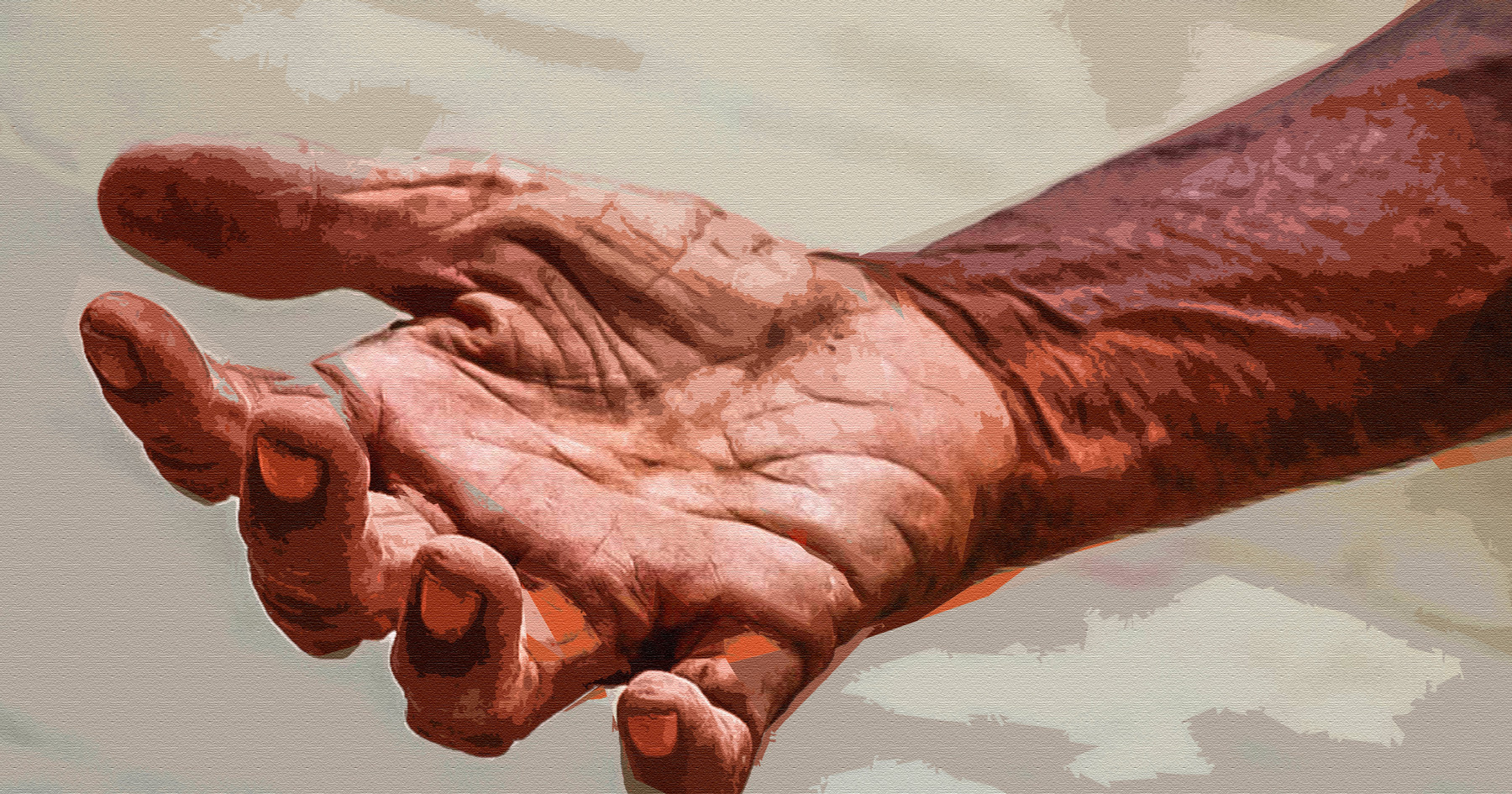
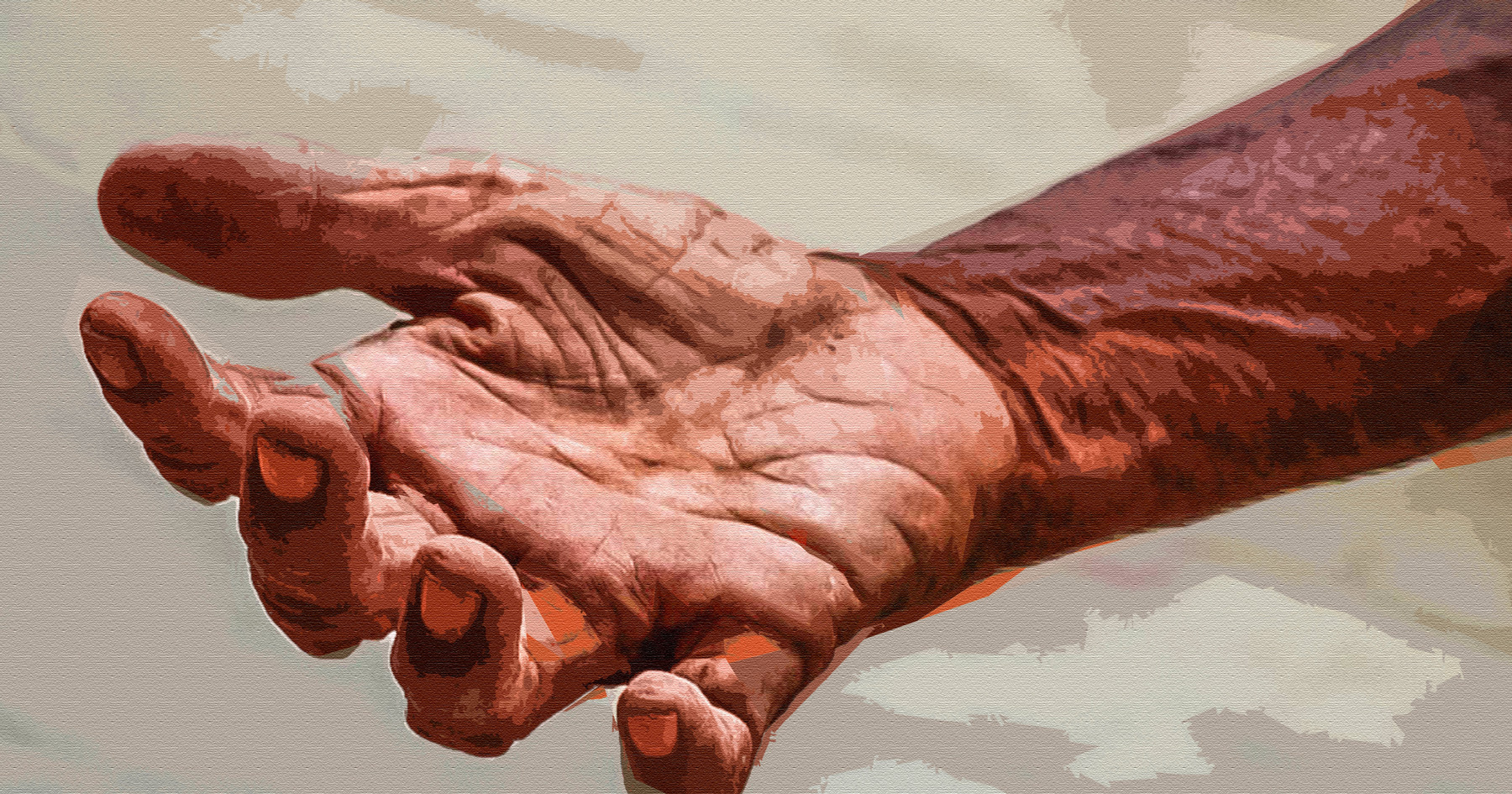
When Martin Shkreli, CEO of Turing Pharmaceuticals, announced his August acquisition of Daraprim, the only available version of the anti-parasitic pyrimethamine, and his plan to raise its price from under $14.00 to $750 per dose, I did not comment. Everybody else seemed to know exactly how evil the man was, and how awful the system that allowed his machinations.

I knew only that I didn’t know enough.

After reading Mary J. Ruwart’s “The $750 Pill: Corporate Greed, Excessive Regulation—or Both?,” I’m glad I waited. According to Dr. Ruwart, who has worked in the pharmaceutical industry, even the barest facts in the case incite suspicion:

Daraprim was patented in the 1950s, and is used for treating parasitic infections in fewer than 13,000 people a year in the U.S.  Turing bought exclusive rights to distribute the drug in the U.S. from Impax for $55 million; drug sales are less than $10 million/year. Impax itself bought daraprim several years earlier. It upped the price from $1 to $13.50/pill, causing the number of prescriptions to drop about 30%.

As Ruwart explains, the drug is no longer patent-protected, and “any generic company could make daraprim. . . .” So, what gives?

A company cannot just jump into the market. It has to prove — to the Food and Drug Administration — that its new generic would enter the bloodstream exactly as the old one. With the FDA’s red tape, this costs millions.

Which allows companies like Turing to effectively reclaim a monopoly for a little-used generic. Blame the FDA.

Still, there is some competition, from a company with a similar drug, priced at $1 per tablet.

This is Common Sense. I’m Paul Jacob.


Printable PDF

Martin Shkreli, Turing Pharmaceuticals, Daraprim, greed, FDA, ilustration, Common Sense


Categories
free trade & free markets general freedom government transparency national politics & policies responsibility too much government

Post Dated

What does a business do whose market share is decreasing, is billions of dollars in debt, and which incurred one-third of that debt just last year?

Realistically, it cannot be sustained. Not as a normal business.

Of course, the business in question has been struggling to reform, has been cutting costs. But can’t cut enough.

I’m referring to the United States Postal Service. Not a “normal business,” either: no “normal business” is authorized in the U.S. Constitution — or must suffer with the 535 members of Congress as its board of directors.

Kevin Kosar, writing at the Foundation for Economic Education, says the “existential crisis is already happening.”

And by this he doesn’t mean that the organization is going through a bout of anxiety leading to Nausea, or is so estranged from humanity that on a beach the company will kill an Arab — though that may be indeed true, “going postal” and all. He means, simply, what his title says: “USPS Is Going Down, and It’s Taking Billions with It.”

Many on the left say the problem is Congress’s insistence that the enterprise fund its employee retirement program. Kosar quotes an economist who figures that, even without current (and still inadequate) levels of pension contributions, the post office would have “lost $10 billion over the past seven years.”

Besides, those pensions must be paid for at some time — postponing them just delays the inevitable, making a future bust that much bigger, less manageable. (Current level of unfunded liability? $54 billion — which is not accounted for in its official debt.)

The Internet is more important than the post, now. Could it be time to junk mail?

This is Common Sense. I’m Paul Jacob.


Printable PDF

USPS, Postal Service, Post Office, Mail, bankrupt, government, inefficiency, Common Sense, Illustration


Categories
Accountability crime and punishment general freedom government transparency moral hazard national politics & policies property rights

Equitable Stealing?

Is freedom a simple matter of drafting a lofty document about respecting the rights of citizens?

Alas, no.

Our Constitution does that, as does Turkey’s and, for that matter, so did the now-defunct Soviet Constitution. Obviously, vigilance is also required. Keeping powerful government agencies respectful of the law — our liberties — and, when not, fully accountable for transgressions, is crucial.

That necessary vigilance is lacking here in America, today.

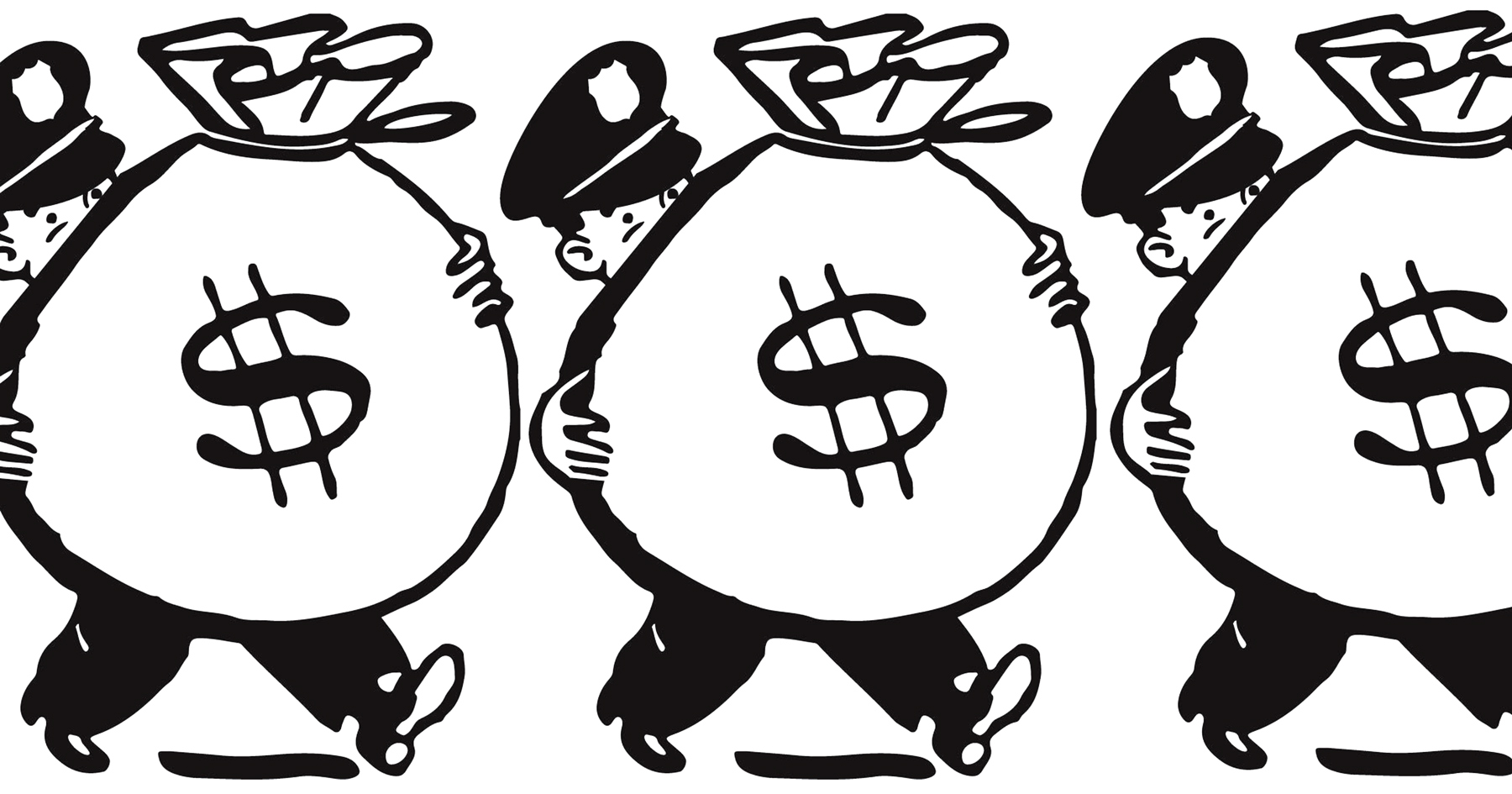
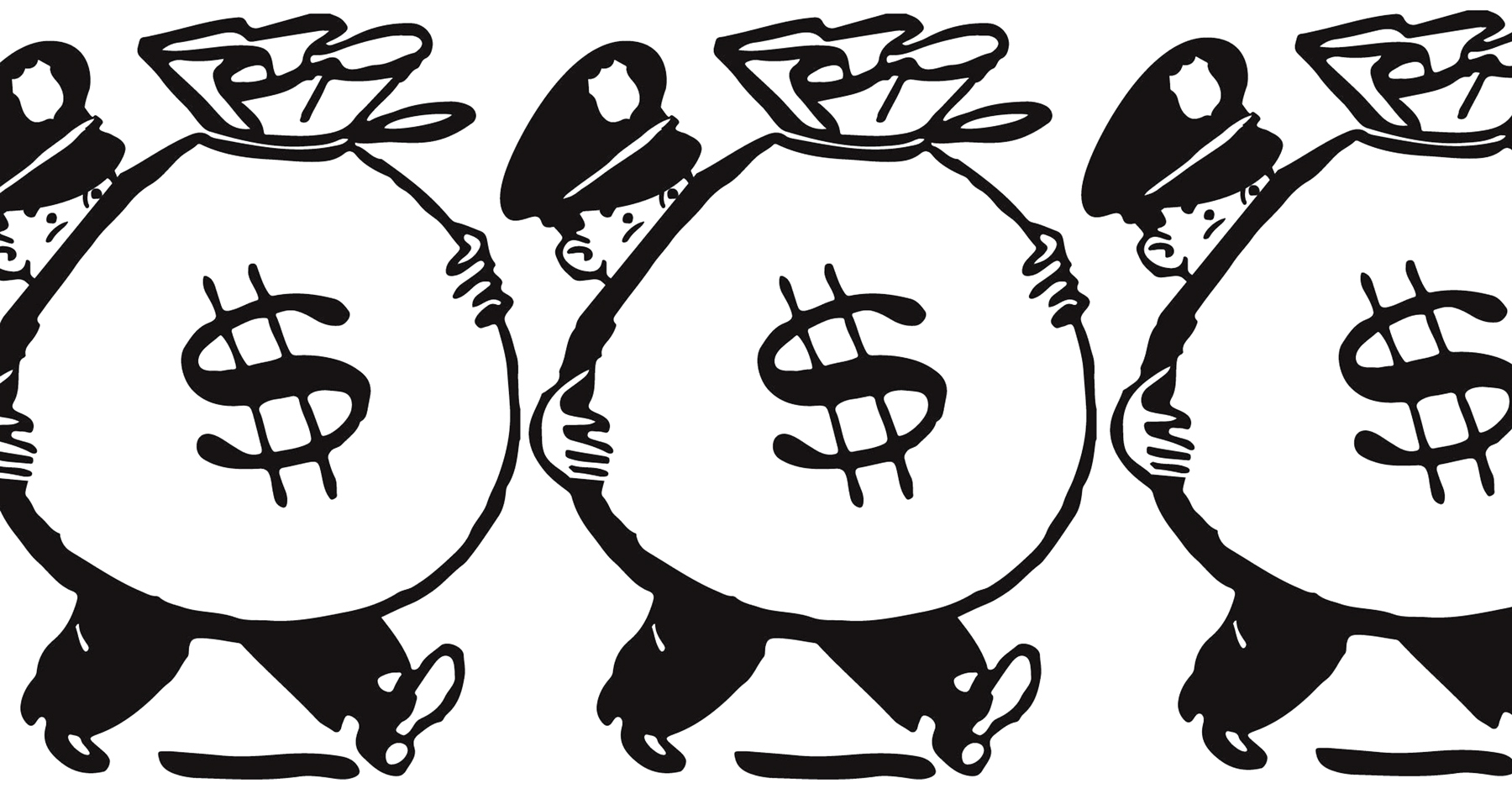
Your local police — the guys and gals who might respond if, heaven forbid, your home were broken into, or come upon your spouse broken down on a dark, rainy highway — are being encouraged to take people’s stuff . . . for “profit.”

It’s called civil asset forfeiture. This “legal” ability to stop people and snatch their money (or car or what-have-you) without ever charging anyone with a crime forces victims to hire a lawyer to sue the government to prove their stuff is innocent.

Last Friday, I heralded a new Institute for Justice report on the growth of this dangerous practice of official police thievery. At Townhall on Sunday, I pointed out that even when reforms are enacted at the state and local level, federal law enforcement still facilitates civil forfeiture. The Feds encourage locals to continue taking stuff through a federal program known as “equitable stealing.”

No, my bad, it’s actually called “equitable sharing.”

But it’s the same thing, just with the Feds and locals splitting the loot.

We need new laws at the federal, state and local level that abolish forfeiture without a criminal conviction. If our “leaders” won’t act, we can petition at the local level to end this pernicious policy, forbidding any involvement with the Feds.

This is Common Sense. I’m Paul Jacob.


Printable PDF

civil asset forfeiture, asset, forfeiture, police, abuse, stealing, theft, property, Common Sense


Categories
Accountability crime and punishment general freedom judiciary moral hazard national politics & policies property rights

Our Innocent Stuff

The Institute for Justice’s new report, Policing for Profit: The Abuse of Civil Asset Forfeiture, details a “big and growing problem” that “threatens basic rights to property and due process.”

Through both criminal and civil forfeiture laws, governments can seize property used in — or the proceeds of — a crime. Criminal forfeiture requires that a person be charged and convicted of a crime to transfer title to government. Civil forfeiture, on the other hand, allows governments to take people’s stuff without being convicted — or even charged — with a crime.

No surprise that 87 percent of asset forfeiture is now civil, only 13 percent criminal. And governments are grabbing more and more. The federal financial take has grown ten-fold since 2001.

“Every year,” IJ’s researchers document, “police and prosecutors across the United States take hundreds of millions of dollars in cash, cars, homes and other property — regardless of the owners’ guilt or innocence.” Then, the innocent victim must sue the government to have his or her stuff returned.

Incentive to steal? “In most places, cash and property taken boost the budgets of the very police agencies and prosecutor’s offices that took it,” an accompanying IJ video explains.

IJ’s report concludes that, “Short of ending civil forfeiture altogether, at least five reforms can increase protections for property owners and improve transparency.” Those five reforms are improvements, sure, but let’s end civil forfeiture completely.

It’s the principle!

Two principles, actually.

Civil forfeiture laws pretend law enforcement is taking action against our property, and that our property has no rights. But what about our property rights!

We’re innocent until proven guilty, too . . . and so is our stuff.

This is Common Sense. I’m Paul Jacob.


Printable PDF

civil forfeiture, civil asset forfeiture, crime, theft, police, abuse, property rights, Common Sense


Categories
general freedom responsibility too much government

Security vs. Compassion?

My family isn’t in a position to take in any Syrian refugees.

Not that we’ve been asked.

Months ago, President Obama simply announced that “we” would take 10,000 refugees. After last Friday’s terrorist attack in Paris, and upon evidence that one of the perpetrators came into Europe with other refugees, 31 governors declared that their states will not accept Syrian refugees.

But note: this country doesn’t belong to Obama; those states don’t belong to those governors.

Back in September, I floated a different approach. “If I were president, I’d push for Congress to pass legislation specifically authorizing the acceptance of as many Syrian refugees as [Americans] stepped forward to sponsor. . . .”

“Sponsors could be individuals, families, churches, glee clubs, what-have-you, and would agree to cover costs for the Syrian person or family for one year or two or three,” I proposed. “But no welfare, no food stamps, no government housing. . . .”

Granted, my suggestion came before the latest terrorism. It was aimed not at security concerns but at sparing taxpayers. Why shouldn’t voluntary generosity dictate the extent of “our” generosity?

But come to think of it, my plan offers greater security, too. Why? It involves the personal faces of citizens, not merely a faceless bureaucracy. No matter how much vetting the government does, an ongoing link to an actual American provides another check.

There’s a legitimate debate about security vs. compassion. Millions are in need, displaced by terror — from both Daesh (ISIS) and the Assad regime. The Niskanen Center’s David Bier notes the resistance to accepting Jewish refugees prior to and during World War II, out of fear some might be spies. Christians may find Matthew 25:44-45 compelling.

On the other hand, there is undeniable risk. GOP presidential aspirants have called taking Syrian refugees “insane” and “looney.” Speaker Paul Ryan argues for a “better safe than sorry” pause.

Me? I support accepting the risk . . . but only if committed individual citizens step forward.

Not by any politician’s decree.

This is Common Sense. I’m Paul Jacob.


Printable PDF

Syrian refugees, refugees, Syria, immigration, welfare, food stamps, compassion, charity, Common Sense, illustration


Artwork based on original photo by Phil Warren on Flickr (endorsement of this message is not implied):

Categories
crime and punishment folly general freedom government transparency

Candid Camera

Support for criminal justice reform, especially the common sense use of body cameras for police, marks a bright spot for the Obama Administration.

Or so I thought.

The president has called on local police to don the video devices. He has even offered $75 million of his own hard-earned money to help communities pay for the cameras. No, wait — turns out that $75M is not his personal stash but rather our tax money.

Oh, well. While I think local taxpayers should fund their own police forces, without federal subsidies, at least President O’s administration supports the right policy. No?

“The Justice Department is publicly urging local police departments to adopt body cameras, saying they are an important tool to improve transparency and trust . . .” reports The Wall Street Journal. “But privately, the department is telling some of its agents they cannot work with officers using such cameras as part of joint task forces . . .”

Weeks ago, the U.S. Marshals “announced that the agency wouldn’t allow any local law-enforcement officers wearing body cameras to serve on Marshals task forces. . . .”

I’m only surprised that I’m surprised. I should have known that while preaching to others to use body cameras, the Obama Administration would completely ignore camera use for federal police agencies. I shouldn’t be shocked that it even failed to establish rules for working with local and state police who might be required to wear cameras, at the administration’s urging.

It’s a very candid snapshot of the utter hypocrisy we’ve come to know and loathe from Washington.

This is Common Sense. I’m Paul Jacob.


Printable PDF

body cam, body cameras, justice reform, feds, federal agents, U.S. Marshals , police, Common Sense


Categories
crime and punishment folly free trade & free markets general freedom

Drive Free or Die

Ever told your kids to share? That’s aiding and abetting, you know.

Sharing is illegal.

At least, it is in Portsmouth, New Hampshire . . . regarding Uber.

The popular ride-sharing company may be widely heralded as the flagship of the new sharing economy, but a Portsmouth city ordinance effectively blocks the service, requiring that the company provide background checks on all drivers, which Uber calls “draconian.”

While the company is trying to get the city to alter that mandate, several Uber drivers have ignored the ban, continuing to pick up passengers. In October, police stopped Stephanie Franz, who now faces a $500 fine.

Chris David has also continued to drive for Uber. After he recorded a verbal altercation with a cabbie on a city street and posted it to YouTube, David was charged with wiretapping — a felony.

Taxi companies are upset, too, claiming the ordinance creates “a free-for-all.” A Portsmouth Taxi executive bemoaned, “Anybody can come in.”

Before the ordinance took effect in September, only 28 cabs were allowed to operate. “That’s like limiting the number of restaurants and bars in Portsmouth to 28 to keep them full day and night,” argued Assistant Mayor Jim Spilane.

In the “Live Free or Die” state, barriers to earning a living and heavy-handed criminal charges have led to the pro-Uber slogan, “Drive Free or Die.”

Tonight at 6:30 pm, there’s a #FreeUber rally at the Portsmouth City Hall. If you’re nearby, please go help explain that government regulations ought to accommodate economic advances, not frustrate them.

That is, if you can find a legal ride.

This is Common Sense. I’m Paul Jacob.


Printable PDF

Uber, taxi, sharing, free uber, Common Sense


Categories
Accountability general freedom government transparency local leaders porkbarrel politics tax policy term limits

The Reign of Trickery

Arkansas State Sen. Jon Woods’s reign of trickery is ending. As reported Monday, he has chosen not to seek another term in the legislature.

It’s ironic. Woods defrauded Arkansas voters with a deceptively worded 2014 ballot measure. His successful scam weakening term limits allows him to stay in the Senate for 16 years, instead of just eight. But now, angry voters won’t allow Woods another term.

At least, that sure appears to be the case.

If voters in next year’s March primary could possibly be as uninformed about Woods’s record as they were about last November’s Issue 3, he would have gotten away with it. But Woods has made enemies: term limits supporters and Conduit for Action, a group sharply critical of him for gutting the Arkansas Ethics Commission, to identify two. He not unreasonably fears they would communicate with his constituents.

In effect, “tell on him.”

Fool the voters once, shame on Woods. Fool the voters twice . . . well . . . ’tain’t going to happen. That’s not to say the sly schemer didn’t have another unethical, underhanded, anti-democratic trick up his sleeve. Of course he did.

“I’ve had serious conversations with my family about leaving . . . since April,” Woods told reporters. Yet, the incumbent didn’t bother to announce publicly that he was vacating the seat until the November weekend before a Monday filing deadline.

Seeking to pick his replacement, Woods informed insiders of his intentions, while leaving the rest of his district in the dark until it was too late.

Luckily, Justice of the Peace Sharon Lloyd, had already stepped up to challenge Woods — and his insider political games.

This is Common Sense. I’m Paul Jacob.


P.S. Circumventing meaningful elections to provide a leg-up to a crony by waiting until the last moment to announce a retirement, as Sen. Woods did, happens far too often. It’s another good argument for term limits.


Printable PDF

Arkansas State Senator, Jon Woods, tricks, deceive, elections, Common Sense


Categories
general freedom national politics & policies responsibility U.S. Constitution

Thank You for Your Service

When people risk their lives, saying thanks is the least we can do.

But it’s not enough.

Today on Veterans’ Day, we honor those who have served and are serving in the military.

The holiday was once Armistice Day, marking the peace agreement that concluded World War I at the eleventh hour on the eleventh day of the eleventh month of 1918. That’s where the phrase “the eleventh hour” comes from. It’s also why the holiday has remained on whatever day Nov. 11 falls — not the closest Monday to provide non-military government workers another three-day weekend.

Of course, Woodrow Wilson’s “war to end all wars” didn’t end warfare. Numerous wars have followed. Today, the president goes to war whenever he feels like it, not only without a declaration, without any authorization — or even discussion — by Congress.

So, here’s what I think we owe veterans:

A federal government that keeps its word.

The Veterans Administration’s continued failure to adequately care for returning soldiers is unacceptable. Until the VA is fixed, don’t vote for any incumbent.

Don’t let our uniformed sons and daughters be shipped off to any conflict where (a) our freedoms are not directly threatened, and (b) where there’s no sane plan to end the conflict and bring our troops home.

Don’t trust politicians.

From the sinking of the Maine (Spanish-American War) and the Lusitania (WWI) to the Gulf of Tonkin incident (Vietnam) and the faulty intelligence that greased the path into the Iraq Conquest, distrust is rational, almost a duty.

Disagree over foreign policy? Over whether to go to war or not? Sure, but we cannot leave these decisions to an insulated cabal of politicians. Deinsulate them. Speak your mind.

This is Common Sense. I’m Paul Jacob.


Printable PDF

veteran's day, war, soldiers, peace, politician, Common Sense, Paul Jacob


Categories
folly free trade & free markets general freedom nannyism responsibility

The Uber-Huge Mistake

Uber’s challenge to old-fashioned ride service — to the taxi industry — is at least twofold.

One, it shows government regulation to be counterproductive and kind of witless.

Two, it shows that innovation — particularly by decreasing transaction costs — can rapidly transform a market for the good of consumers.

Recently, politicians who play to special interests — in this case, to taxicab companies and taxi drivers — have made some spectacular blunders. Perhaps the best-known is Bernie Sanders, who claims to see severe “problems” with Uber’s online ride-sharing service, but whose campaign staff uses Uber for ride-sharing . . . and nothing else. Hah!

But the London transit regulators have made the biggest splash.

Their latest proposal? To require Uber drivers to wait five minutes before picking somebody up.

Evens the playing field, you see.

Uber is so much quicker to respond to the paying riders’ needs that taxicabs apparently cannot compete in Old London Town.

The folks at Uber publicized the expected company reaction: the regulation would be a “huge mistake.”

But really, it’s a HUGE ADMISSION.

It shows that Uber’s service is superior, and that government regulators are more interested in protecting providers (taxicabs) than customers (pedestrians seeking rides).

It also shows these regulations for what they really are: protectionism for special interests, not protection for the safety of consumers.

Remember what Frédéric Bastiat said about protectionism: it’s always about placing obstacles in front of some producers (and the market in general) to aid a select (literally privileged) group of producers, regardless of consumer wants and needs.

Hobbling Uber to save taxicabs! What’ll they think of next?

This is Common Sense. I’m Paul Jacob.


Printable PDF

Uber, car, ride, London, taxi, regulation, waiting, Paul Jacob, Common Sense