Categories
crime and punishment responsibility too much government

J’accuse, Chisholm

Shouldn’t we imprison anyone who dares criticize the conduct of abusive public officials?

Panic not. You haven’t slipped through a portal into another dimension.

This is still Common Sense. I’m still Paul Jacob.

Interpret the initial interrogative, above, as my sardonic paraphrase of somebody else’s sentiment — that of a power-abusing official who bemoans any chastisement of his lousy actions. Who even threatens to prosecute persons voicing such criticism.

The man is John Chisholm, a Milwaukee D.A. who intimates that Wisconsin Governor Scott Walker should be investigated for blasting Chisholm’s churlish tactics against political opponents. These tactics include late-night raids motivated solely by political animus. (I’ve reported on these doings.)

Scott Walker told Iowans that “if the government can do that against people of one political persuasion, they can do it against anybody. . . . [I]t was really about people trying to intimidate people . . . [A] political witch hunt.”

Responding, Chisholm suggested, with blunderbuss subtlety, that “the Iowa criminal code, like Wisconsin’s, has provisions for intentionally making false statements intended to harm the reputation of others.”

Chisholm, you bum. You knave. You vile excrescence. Not even you dispute that your office’s raids directed against people like my colleague Eric O’Keefe occurred. Thus, you’ve no hint of a basis for a slander claim. You did the dirty deeds we’re deriding. Cheer and hug you for it, should we? (Eric has sued to block Chisholm’s secretive “John Doe” raids.)

All this does sound like the Twilight Zone. Unfortunately, it’s part of a new normal. Not one we need accept, however.

This is Common Sense. I’m Paul Jacob.


Printable PDF

Crybaby Bully


Categories
Common Sense national politics & policies too much government

Chimps, Chumps, and the Minimum Wage

It’s time to talk minimum wage laws again!

Confession: I tend to understand some issues on the level of logic — of, even, common sense. A prohibition (which is what a minimum wage law is, forbidding payment at a rate below the “minimum”) doesn’t spur productivity, and it’s from increased productivity that we get general higher wages and wealth and progress itself.

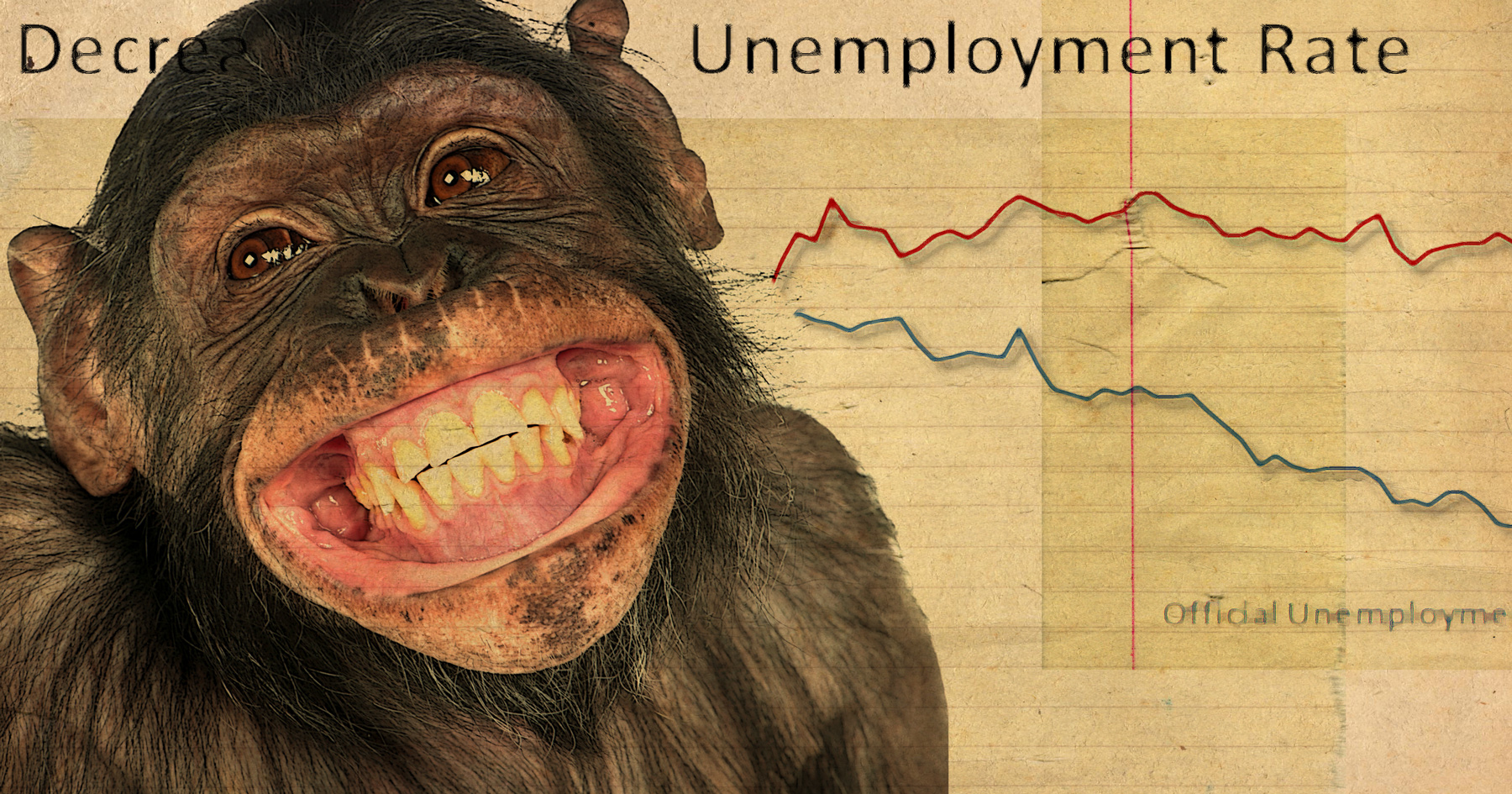
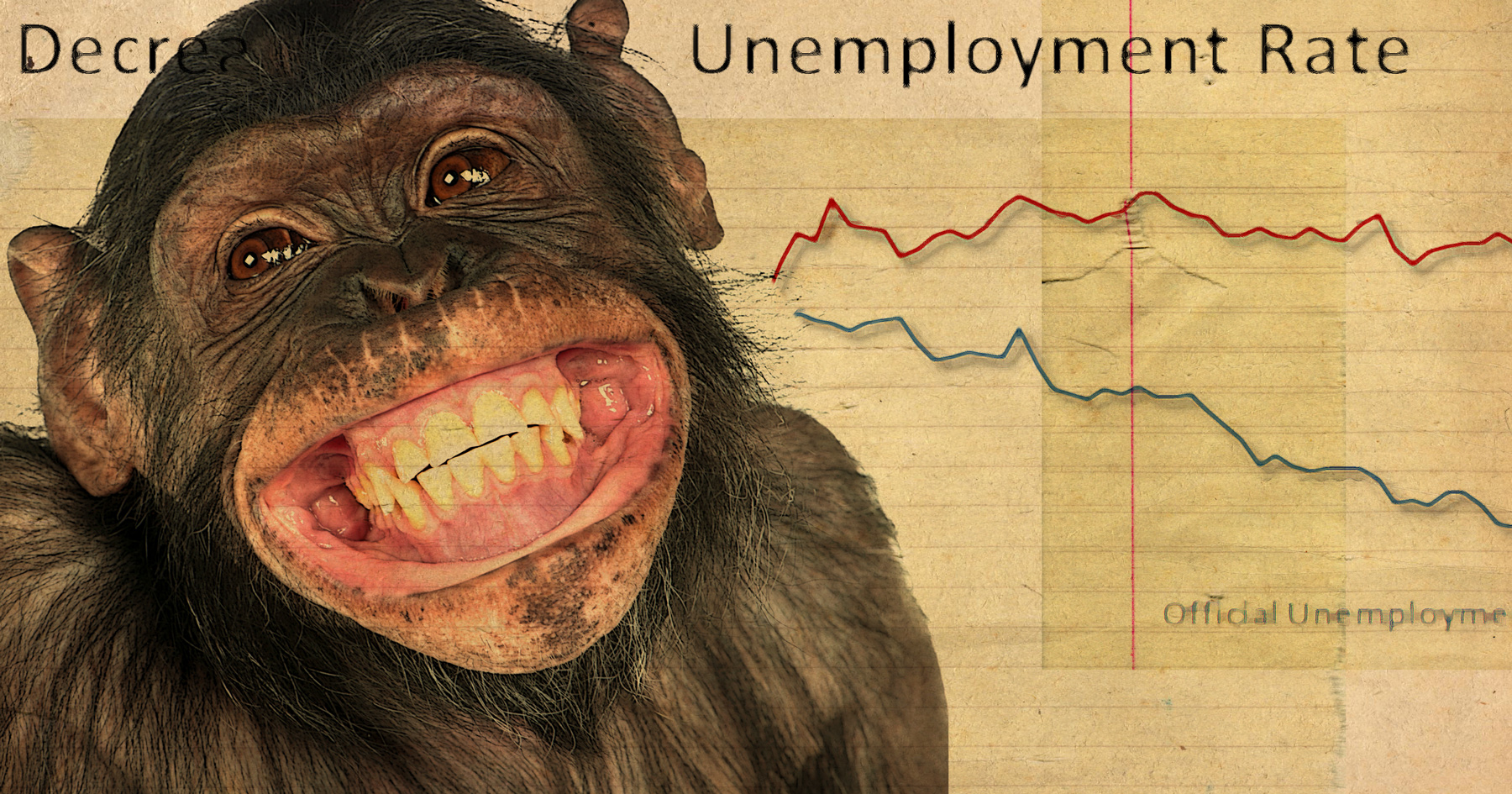
Sure, there are “studies” that indicate otherwise. But, we don’t conduct field studies amongst chimps arranging their bananas to prove 2 + 2 = 4. If an experiment of chimp-arranged bananas comes up with 3, I look for the chimp with the banana-eating grin.

Anyway, there’s this new study about employment from 2007-2009, when the economy went into the toilet, and right after the national minimum wage was upped from $5.15 to $7.25 per hour.

The study’s authors look at employment broadly. They pride themselves on their careful assessment of “the minimum wage from an anti-poverty perspective” and “its effects on the broader population of low-skilled workers. . . .”

Off the top of my head, I marvel that anyone can distinguish one cause for unemployment (financial crash) from another (minimum wage law), but the authors make a pretty convincing case.

Their conclusion? “Our best estimate is that these minimum wage increases reduced the employment-to-population ratio of working age adults by 0.7 percentage points. This accounts for 14 percent of the total decline over the relevant time period.”

So, yes, they say, the last minimum wage hike led to higher unemployment.

Which is what I would suspect. Because of, you know . . . Common Sense.

I’m Paul Jacob.


Printable PDF

Unemployment Chimp


Categories
ideological culture national politics & policies too much government

The Rise in Unrest

On Monday, pushing an expansion of his “My Brother’s Keeper” initiative, President Barack Obama gave a talk about the recent rise in racial discord.

Does he ever ask himself, “Under whose watch?”

When the financial system melted down in 2008, candidate Obama — not without some justification — blamed President Bush and the Republicans. Why shouldn’t he and his party be today held somewhat responsible for rising racial unrest?

Wasn’t his very status as the First Black American President supposed to continue the healing process between blacks and whites?

In his talk, Obama recognized the “sense of unfairness, of powerlessness, of not hearing their voices, that’s helped fuel some of the protests. . . .” Well, sure. But there would be no occasion for this were inner-city blacks not treated unfairly in the first place.

The president wants to spend more money on education, for example, despite the high levels of per-student public ed funding in hot spot Baltimore.

It is quite clear that other programs have done the most damage. We still have a War on Drugs, which is unpopular enough that it turns cops “racist” perhaps even against their wills — as I’ve explained before, police tend to focus their unpopular policing against drug use to the classes of society that have the least direct political power, most especially against inner-city blacks.

But even more bedrock: we see protests and talk about inequality during economic downturns. Obama should learn from Bill Clinton’s initial presidential campaign: It’s the economy, stupid.

Or put more bluntly: It’s your stupid economic policies.

This is Common Sense. I’m Paul Jacob.

Printable PDF

Brothers' Keeper


Categories
Common Sense national politics & policies too much government

The Ultimate Result of Campaign Finance Regs

Last Thursday I tried to be magnanimous. Of campaign finance regulation proponents, I wrote, “I suppose a reasonable person could blanch at rich people giving money to political causes . . . if they objected to all super-rich donors.”

My expectation of reciprocity was dashed at the non-reciprocal gambits of the Koch-hating campaign finance regulation advocates. It all really does come down to how they hate having others spend lots of money . . . against their causes.

Hardly democratic, that. Sorta ‘live and don’t let live.’

But they could (and will) defend themselves. They could say something like this: “We don’t like our billionaires having to give so much either. We’d like to cap our billionaires’ giving, too!”

It’s tough to have to keep up with your opponents’ spending, a pain having to give and give to get what you want and want.

We’d all like to get our way without having to spend time and money. But that doesn’t seem to be the way the world works — everything has a cost.

I sympathize. Economists call the problem of political campaign spending a “Tullock auction,” which sports no rational upper limit on spending, because winners take all.

Still, to bitch about your opponents’ spending but never your own gives away your game.

And we all know what the ultimate progressive game is: tax-funded elections. Tightly controlled, with more and more intrusions into how citizens assemble and cooperate to promote their candidates and causes.

So if the promotion, debate, and decision process is to be government-funded, government-controlled, we might as well call it Socialism and be done with it.

Could such a system be biased, just possibly for the pro-government growth side?

All mysteries solved.

This is Common Sense. I’m Paul Jacob.

Printable PDF

govFundedElections


Categories
general freedom nannyism too much government

Wealth Versus Disaster

Poverty kills.

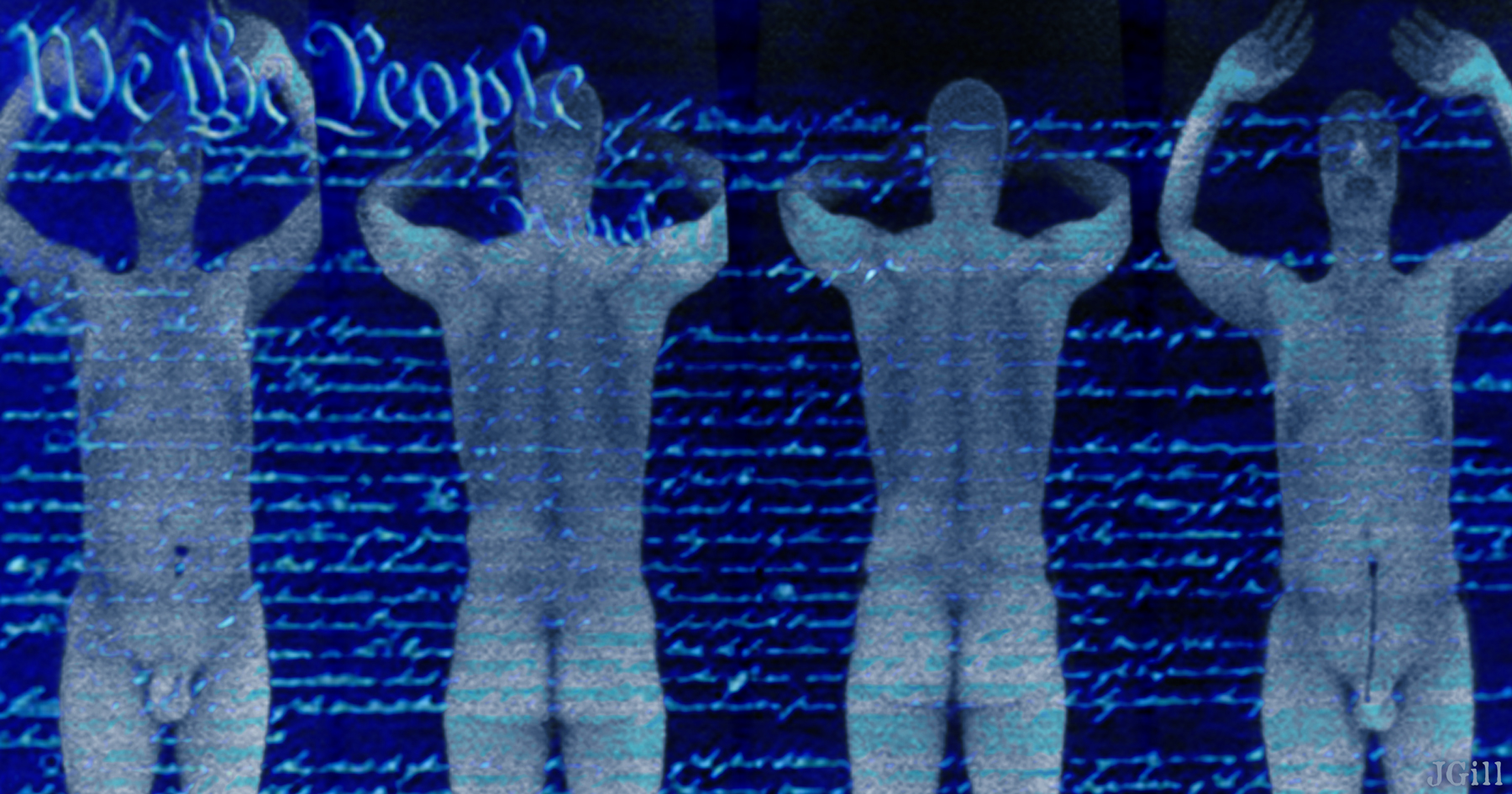
In “The Tragedy of Nepal,” aerospace engineer Rand Simberg explains why industry-deniers striving to block economic progress in the name of blocking “climate change” do no favor to the poorest countries of the world.

Human beings cannot prevent disasters like the earthquake that recently struck Nepal. We can, though, mitigate their destructiveness . . . by being as economically free as possible and, therefore, as rich as possible.

And thus able to afford more durable — even antifragile — structures and infrastructure.

The same capital-intensive achievements that protect us when Mother Nature is quiescent also protect us when she’s at her worst. Buildings are more likely to withstand a quake when constructed of the best possible materials and designs. But the most robust safeguards can be the norm only when we are free and wealthy enough to engage in the industrial processes required to produce them.

This is a familiar point. But it bears repeating because it is not familiar enough to discourage foes of a vague threat called “climate change” — nothing new in earth’s history — from also ranging themselves against industrial production.

Industry-deniers assert that we can manipulate climate trends for the better if only we radically curb our carbon-emitting impact on the atmosphere. But attempts to enact this fantasy will only make it ever harder to grapple with vagaries of nature commonplace long before the rise of civilizations.

Human survival requires the opposite policy. It requires full freedom to build nature-transforming industries — and buildings, and all the other man-made bulwarks of our lives and future.

This is Common Sense. I’m Paul Jacob.


Printable PDF

Nepal Earthquake


Categories
nannyism responsibility too much government

A Progressive Non-Solution

Urban African-American poverty is a problem, as is, increasingly, rural and urban white poverty. What can we do?

Not what folks at The Nation suggest: by increasing progressivity in local taxation, adding progressivity to fines (making the poor pay less and the rich more), and the like. That’s the gist of what Brad Lander and Karl Kumodzi write about in their article “How Cities’ Funding Woes Are Driving Racial and Economic Injustice—And What We Can Do About It.”

Though they call their solution “forward-looking,” it is not that time element that makes their views “progressive.” It’s their obsession with tax rates. What makes a progressive a progressive seems to be little more than a reliance on progressive rate taxation.

Embarrassing.

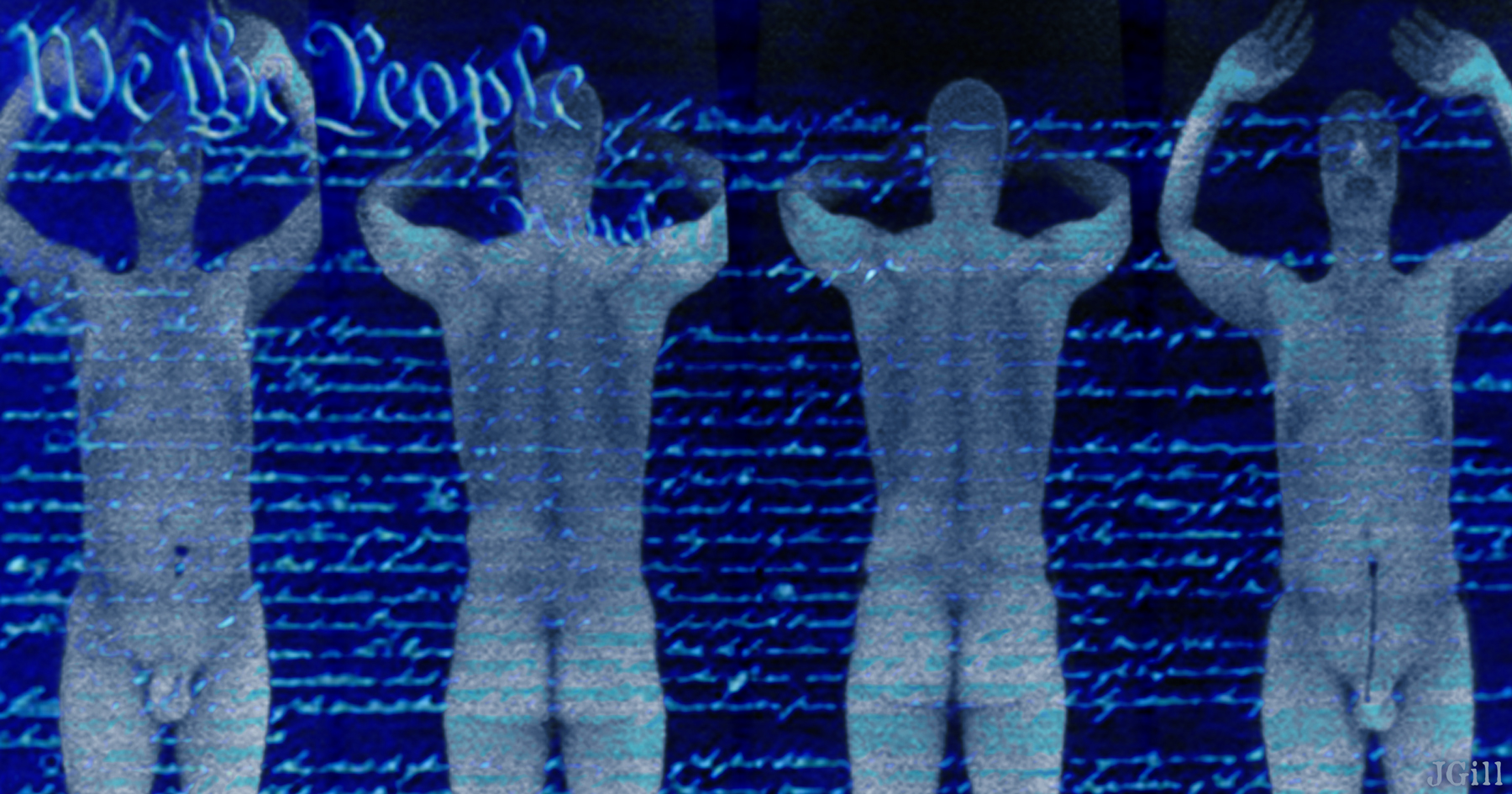
The three big examples of failed cities the authors give are the urban community of Ferguson, near St. Louis; Detroit, Michigan; and now Baltimore, Maryland, currently undergoing “protests” and conflagration.

Typical for Nation writers, they see the problem as not the poverty, culture, and behavior of black individuals in neighborhoods where few work and 70 percent grow up in fatherless families, but not taxing whites enough.

Meanwhile, Detroit and Baltimore have been run as “liberal” Democratic enclaves for years. Yet “blame the rich” is the approach. The authors want to double down on old, failed policies. More taxes. More government.

Now, government is to blame, of course: “welfare” programs encourage the break-up of the nuclear family; horrible public schools; minimum wage laws that hit low-skilled population hardest; and the Drug War.

The authors are right, though, that the cities’ desperate regressive burdens on the poor are no answer. Less taxes, less regulation, less subsidy, less policing for profit, more freedom — those are the better solutions.

This is Common Sense. I’m Paul Jacob.

Printable PDF

Baltimore Riots and Taxes


Categories
crime and punishment privacy too much government

Are They Reading This?

You’re a nice person, Gentle Reader; I’m glad to communicate with you in a public forum and listen to your responses.

But we both expect limits to this mutual access. If we’re not legitimately suspected of being criminals, we expect to go about our business without strangers intruding upon us at will. We have a right to boundaries.

More and more, though, the borders of the privacy we rely upon are routinely violated by government employees who trawl our lives at random. We often have no idea of the existence or extent of the intrusions until long after the fact.

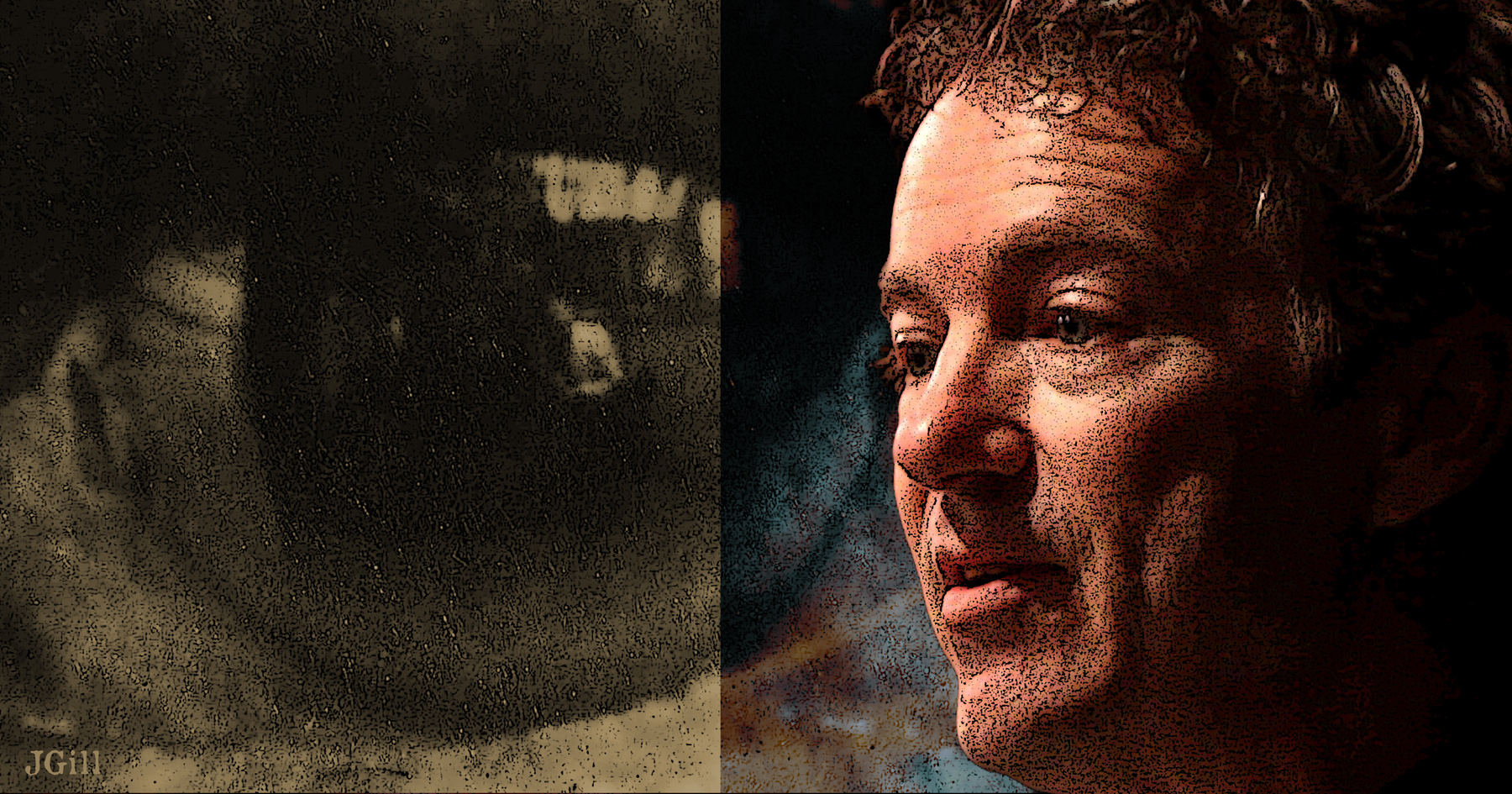
The latest disturbing practice we’re getting a smidgen of info about is the secretive use by police agencies of so-called “sting ray” devices, which simulate cell towers to track cell phone data and location.

For years, obeying FBI demands for secrecy, prosecutors have been dropping cases rather than report how the devices are deployed. In a Baltimore murder trial, though, Detective Michael Dresser testified that his department has used the device 4,300 times. He assures us that officers await judicial permission . . . unless the circumstances are too urgent.

That’s nice. But without a lot more transparency about how and when the sting ray is deployed, I don’t have much confidence that such scrupulousness is par even in Baltimore, let alone all other locales. It’s hard to give government agencies the benefit of the doubt when the track record is so lousy.

This is Common Sense. I’m Paul Jacob.

Printable PDF

stingRaY


Categories
folly nannyism property rights too much government

Fishy Schemes Against Human Beings

Arbitrary governmental pricing of water — as opposed to free-market pricing — provides one major reason why it’s so hard for Californians and others to deal with drought.

I’ve talked about it before. And, as before — indeed, as is so often the case when government constricts our freedom to “solve” problems — the do-badders are pursuing more than one line of attack.

Under-pricing plus edicts about how we may use water are bad enough, sure. But that kind of central planning is just one method of making it harder to quench thirst and water lawns and crops. Another method? Diverting massive amounts of water from the service of human needs in order to “help” a few expendable fish.

In his Reason article “California Drought a Shortage of Water or Common Sense?,” Steven Greenhut laments fishy schemes to lower reservoir levels and drain a lake near the Sierra foothills “to help coax a handful of steelhead trout to swim to the ocean.” Handful? Maybe not quite. Nine fish. A mere nine.

The Lake Tulloch Alliance estimated that up to $2 million in water value would have to be expended to save each individual fish.

Thanks to coverage like Greenhut’s and Stephen Moore’s, and the resultant public outcry — plus the eventual resistance of local water district officials to the environmental demands of state and federal agencies — this particular attempt by radical environmentalists to elevate fish life above human life has been deflected. At least for now.

But there are more battles to come.

This is Common Sense. I’m Paul Jacob.

Printable PDF

California Drought Fish


Categories
crime and punishment folly general freedom too much government

Police State Blues

No reason anymore to even feign surprise at today’s police state insanities.

At Townhall yesterday, I bemoaned the six-hour kidnapping of a 10-year-old Maryland boy and his 6-year-old sister for the terrible crime of peacefully walking home from a public park. The children were grabbed just a couple blocks from their home . . .

. . . by police, who held them for over two hours before handing them to Montgomery County Child Protective Services.

It was hours before anyone contacted the panicked parents.

There’s no law prohibiting kids from walking down a public street, but bureaucrats are threatening this poor family over just that.

So, I guess we shouldn’t be shocked that when an 11-year-old boy disagrees with what he’s being taught in school about marijuana, and explains that his mother has used cannabis oil to treat her Crohn’s disease and his mother is not a criminal, (a) he’s going to be detained and grilled by authorities and (b) his mother may soon become a criminal.

A raid on Shonda Banda’s home indeed turned up two ounces of cannabis oil. Ms. Banda could be facing felony drug charges in Kansas, where she now lives, but she used to live in Colorado, where her use of cannabis oil would be legal.

The Washington Post’s Radley Balko identifies the absurdity: “a woman could lose her custody of her child for therapeutically using a drug that’s legal for recreational use an hour to the west.”

Today she has a custody hearing over her son.

The state “protection” being afforded the children in both of these cases isn’t protecting them. It’s terrorizing them.

This is Common Sense.  I’m Paul Jacob.

Printable PDF

Children in a police state


Categories
folly property rights too much government

Rare Earth Reserve

There are many places on this planet I would hardly dare visit, much less seek to live near.

One of those places is remote Baotou, in Inner Mongolia, a boom region where much of our planet’s rare earth industry is located.

It becomes obvious as you read Tim Maughan’s BBC report on the region, “The dystopian lake filled by the world’s tech lust,” that the reason China now “monopolizes” this industry is that un-democratic, illiberal China does not have a Not-In-My-Back-Yard “problem.”

NIMBY is for freer societies.

The devastation to the landscape, Maughan writes, is astounding in scope and horror. “Dozens of pipes line the shore, churning out a torrent of thick, black, chemical waste from the refineries that surround the lake,” he explains. “The smell of sulfur and the roar of the pipes invades my senses. It feels like hell on Earth.”

But NIMBYnomics aside, Maughan’s parting shot is interesting. “[O]nce we made watches with minerals mined from the Earth and treated them like precious heirlooms; now we use even rarer minerals and we’ll want to update them yearly. Technology companies continually urge us to upgrade; to buy the newest tablet or phone. But I cannot forget that it all begins in a place like Bautou, and a terrible toxic lake that stretches to the horizon.”

I hazard that Apple and its competitors will discover ways around rare earth reliance, in the future — if consumers raise a stink.

It is amazing how responsive free markets can be.

And as for outrageous pollution? Socialist command economies were notorious for their horrifying pollution standards back in the day. Corporatist, one-party (fascist) China carries on that tradition.

The cure for pollution is obvious.

This is Common Sense. I’m Paul Jacob.

Printable PDF

NIMBY