Categories
Today

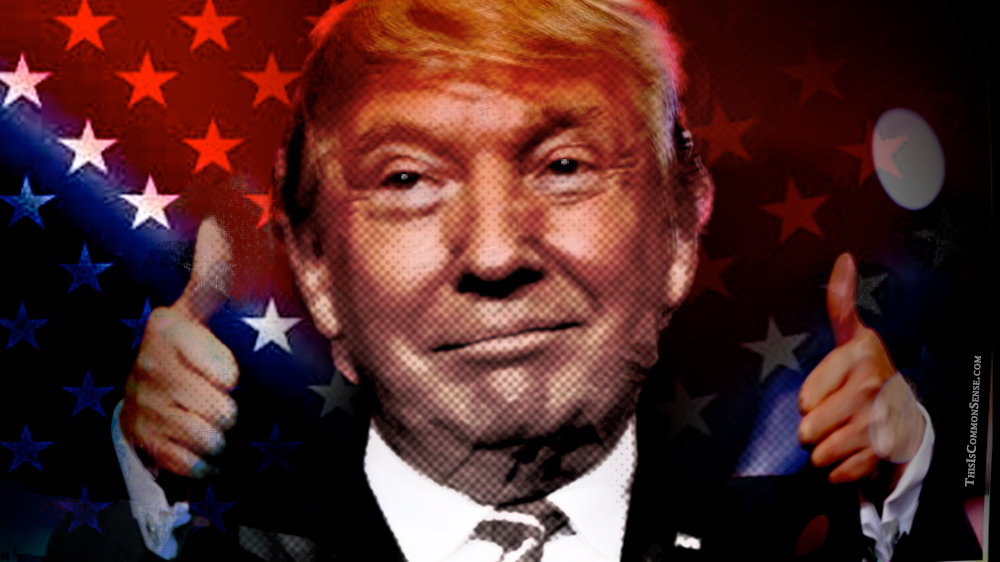
King Väinö

On December 14, 1918, Friedrich Karl von Hessen, a German prince elected by the Parliament of Finland to become King Väinö I, renounced the Finnish throne.

In 1939, on this date, the Soviet Union was expelled from the League of Nations for invading Finland and starting the Winter War.


On December 14, 1819, Alabama became the 22nd state of these United States.

Categories
Thought

Thomas Babington Macaulay

Our liberty is neither Greek nor Roman; but essentially English. It has a character of its own, — a character which has taken a tinge from the sentiments of the chivalrous ages, and which accords with the peculiarities of our manners and of our insular situation. It has a language, too, of its own, and a language singularly idiomatic, full of meaning to ourselves, scarcely intelligible to strangers.

Thomas Babington Macaulay, “History,” Edinburgh Review (May 1828).
Categories
Today

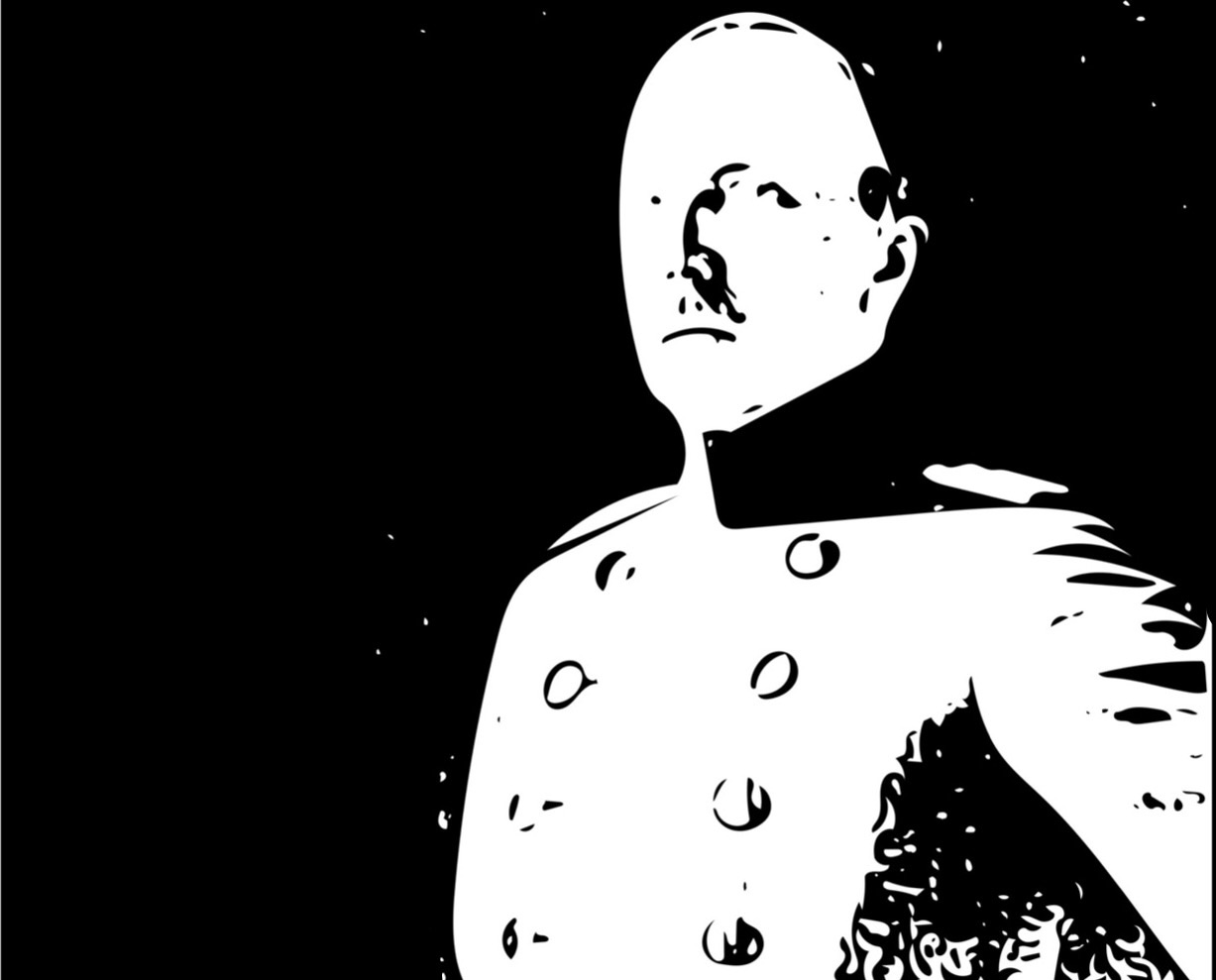
Solzhenitsyn

Aleksandr Isayevich Solzhenitsyn was born on December 11, 1918. Solzhenitsyn became a novelist, philosopher, historian, and dissident who helped bring down the totalitarian Soviet Union. Solzhenitsyn’s novels include One Day in the Life of Ivan Denisovich (1962) and Cancer Ward (1966). His behemoth history of Soviet prison camps, The Gulag Archipelago, was a major event in the cultural eclipse of far left ideology in the West, when it was published in 1973.

Solzhenitsyn died on August 3, 2008.

In the last two years, variants of an aphorism about Soviet life has been making the rounds on the Internet, misattributed to him.

Categories
general freedom individual achievement meme

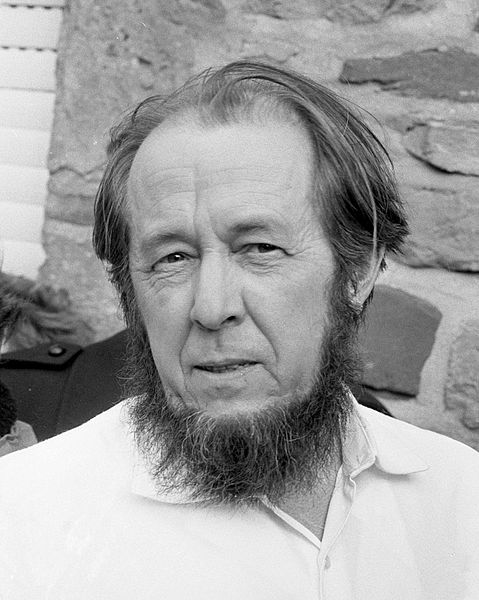
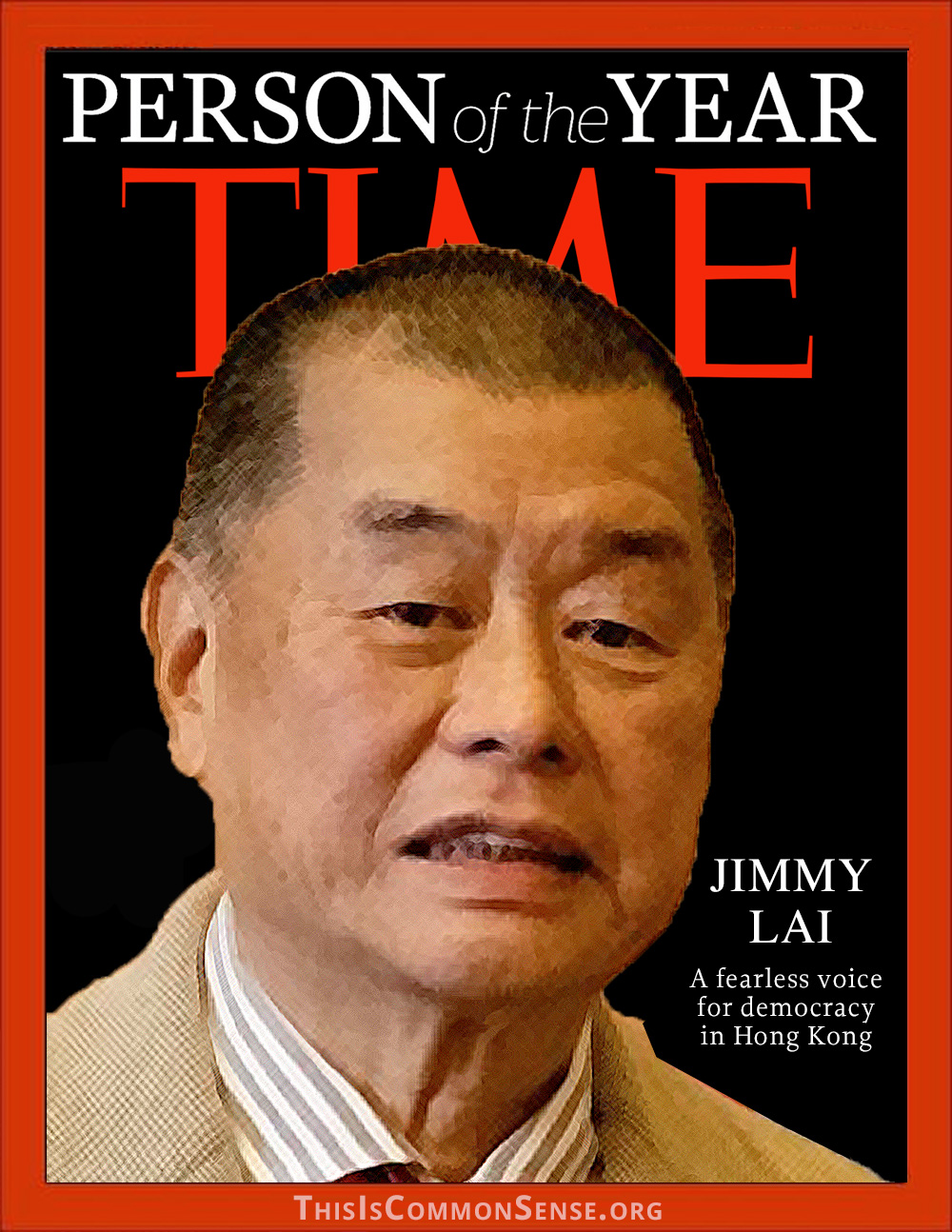
Jimmy Lai

Categories
general freedom international affairs public opinion

Point Blank Protest

“Protests spread to cities and college campuses around China on Saturday night,” reports The New York Times, “reflecting rising public anger at the country’s draconian Covid controls, with some in a crowd in Shanghai directing their fury at the Communist Party and its top leader, Xi Jinping.”

Reuters informs that this “wave of anger was triggered by an apartment fire that killed 10 people on Thursday in Urumqi, a far western city where some people had been locked down for as long as 100 days, fueling speculation that COVID lockdown measures may have impeded residents’ escape.”

Demonstrations are rare in China; “room for dissent has been all-but eliminated under President Xi Jinping,” reminds Reuters. Yet, a month ago, a lone “Bridge Man” in Beijing unfurled anti-government banners in a crowded intersection.

“Go on strike at school and work, remove dictator and national traitor Xi Jinping!” the man, now in CCP custody, yelled through a loudspeaker. “We want to eat, we want freedom, we want to vote!” 

Yes, vote. Xi Jinping was just elected to a term-limit busting third term, but by the Communist Party — not the Chinese people.

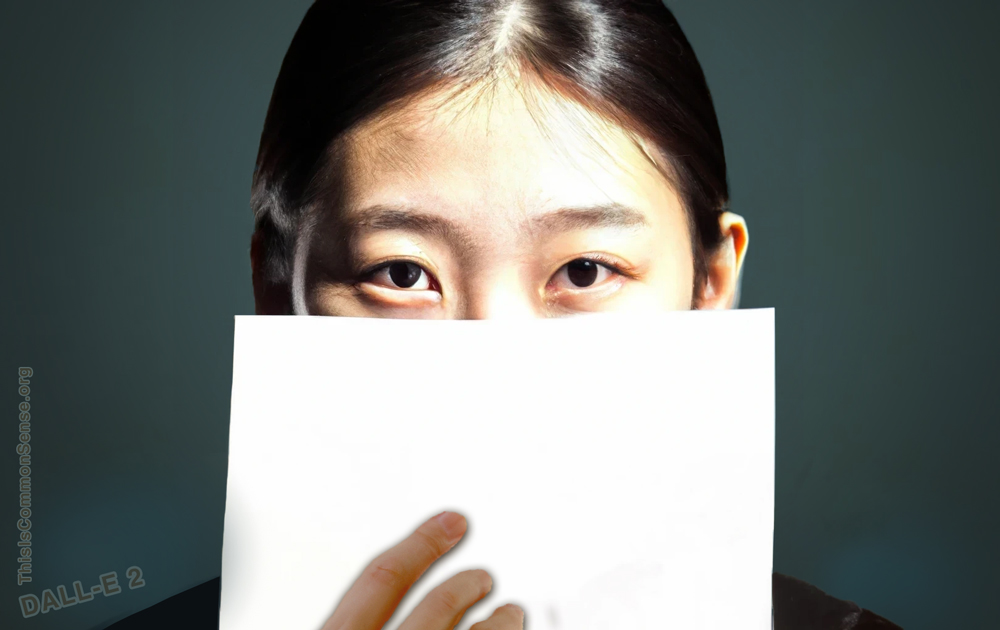
In a numberof videos, students hold “up blank sheets of paper in silent protest, a tactic used in part to evade censorship or arrest.” In 2020, Hong Kong activists did this to avoid prosecution under the national security law imposed by Beijing. 

Across social media, people have been posting pictures of themselves with blank pieces of paper in solidarity. “By Sunday morning, the hashtag ‘white paper exercise’ was blocked on Weibo,” notes Reuters.

“If you fear a blank sheet of paper,” posited a Weibo user, “you are weak inside.”

A blank page, on the other hand, displays surprising strength, as well as meaning — for people to one day freely write their own stories.

This is Common Sense. I’m Paul Jacob. 


PDF for printing

Illustration created with DALL-E 2

See all recent commentary
(simplified and organized)
See recent popular posts
Categories
by Paul Jacob video

Watch: One Way or Another?

I’m gonna gitcha gitcha gitcha . . .

Categories
general freedom

Happy Thanksgiving 2022

Illustration created with DALL-E 2

See all recent commentary
(simplified and organized)
See recent popular posts

Categories
defense & war general freedom international affairs

Stuck in the Middle with US?

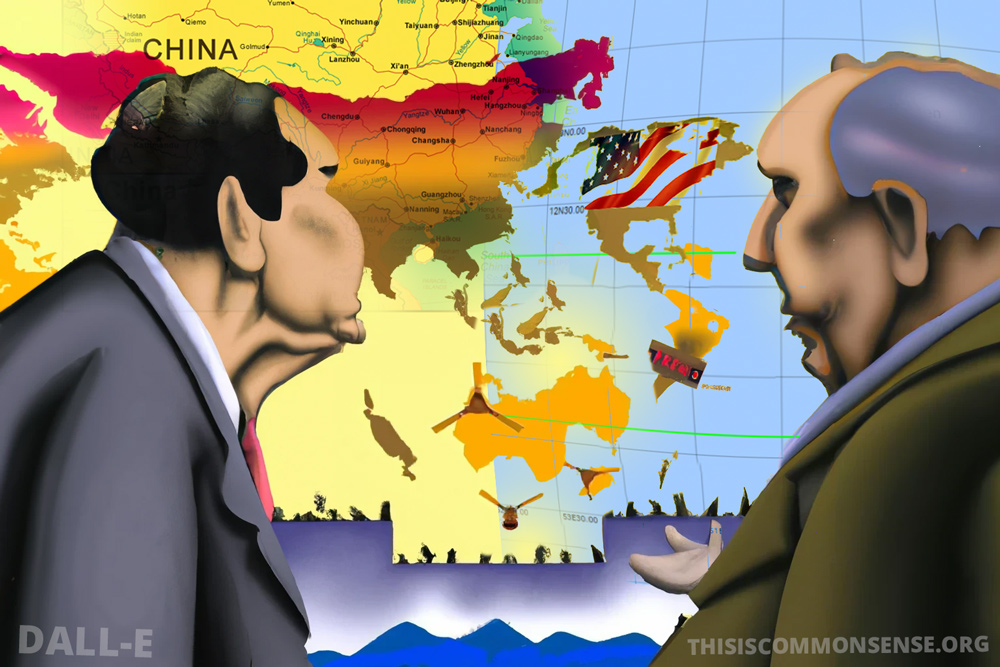
Is Taiwan, the island democracy of 24 million, really caught in the nation-state equivalent of a lovers’ triangle?

“Taiwan is caught in the middle of escalating tensions between the U.S. and China,” is how National Public Radio headlined its recent story about Communist Party-ruled China “speeding up its plans to seize Taiwan.”

“Entangled in a geopolitical power struggle between the US and China, the wants of the Taiwanese people get overshadowed,” informs CNA, the Singapore-based English language news network, pitching its weekly hour-long news program, Insight, which sought to present “the Taiwanese perspective to being caught between giants.”

Nothing new. 

“As China challenges the global dominance of the United States,” NBC News reported back in 2020, “tiny Taiwan finds itself stuck, rather uncomfortably, smack dab in the middle of the conflict between the two international giants.”

The Taiwanese are no doubt uncomfortable. In a recent survey, nearly 40 percent now believe a Chinese military invasion, killing tens of thousands or hundreds of thousands or more, to be likely. 

They are not torn, however, between two superpowers. Taiwan is — most assuredly — not preparing to defend against an armed attack by the United States. 

In fact, Taiwan is coordinating its national defense efforts with the U.S., hoping and praying for direct U.S. help in defending themselves from totalitarian China.

Taiwan is not stuck with us. Nor we with them. We are simply allies in deeply valuing societies where individual lives matter. 

Against a superpower for whom they don’t

This is Common Sense. I’m Paul Jacob.


PDF for printing

Illustration created with DALL-E

See all recent commentary
(simplified and organized)
See recent popular posts
Categories
Accountability election law

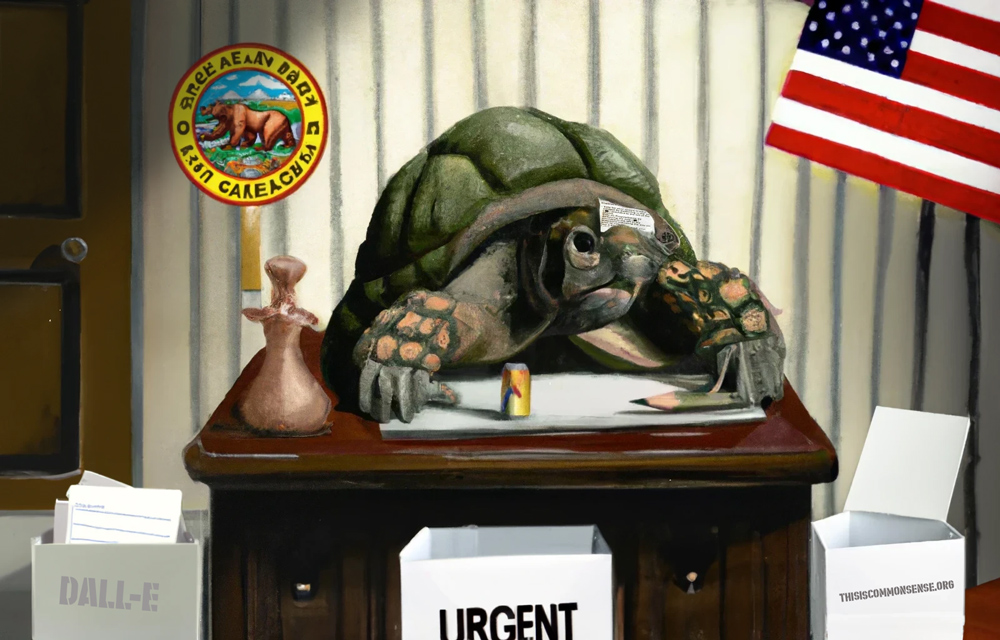
Democracy by Tortoise

It may take three weeks!

The counting of ballots for 2022’s General Election was pretty much wrapped up on election night. In most states. Yet, a week after election day, California election officials have barely counted half the ballots cast in a number of very close congressional districts as well as other state races.

“I anticipate it’s going to take at least a couple of weeks,” offered a Sacramento County Elections spokesperson, “if not three weeks, to process the bulk of the ballots that have come in.”

Why the tortoise pace?

“In short,” KTLA-TV in Los Angeles reports, “it’s a product of the state’s massive population and laws that make it easier and more convenient for every eligible voter to be heard.”

The Big Population argument falls flat. California has more votes to count but likewise more people available to count them. Nor does California have higher voter turnout or rules so different from other states that count much faster. 

California law allows ballots to be mailed as late as election day, which does indeed slow the counting. That could of course be tightened up. But it seems the main thing California might do differently is work harder at getting the votes counted. State law only requires that county election offices have folks working six hours a day, with weekends and holidays off. 

“We’d rather get it right,” says Secretary of State Alex Padilla (D), “than get it fast.”

Mr. Secretary, the problem is that the longer the election drags on without a winner being declared, the less confidence the public has in the process. 

Get it right. And fast.

This is Common Sense. I’m Paul Jacob.


PDF for printing

Illustration created with DALL-E

See all recent commentary
(simplified and organized)
See recent popular posts
Categories
by Paul Jacob video

Watch: Apt Man Out?

The man. The myth. The mystery. Plus Spike Cohen, Joe Biden, and other politicians.