(pictured above: mostly peaceful explosion)
Categories
Governments and Experts

(pictured above: mostly peaceful explosion)
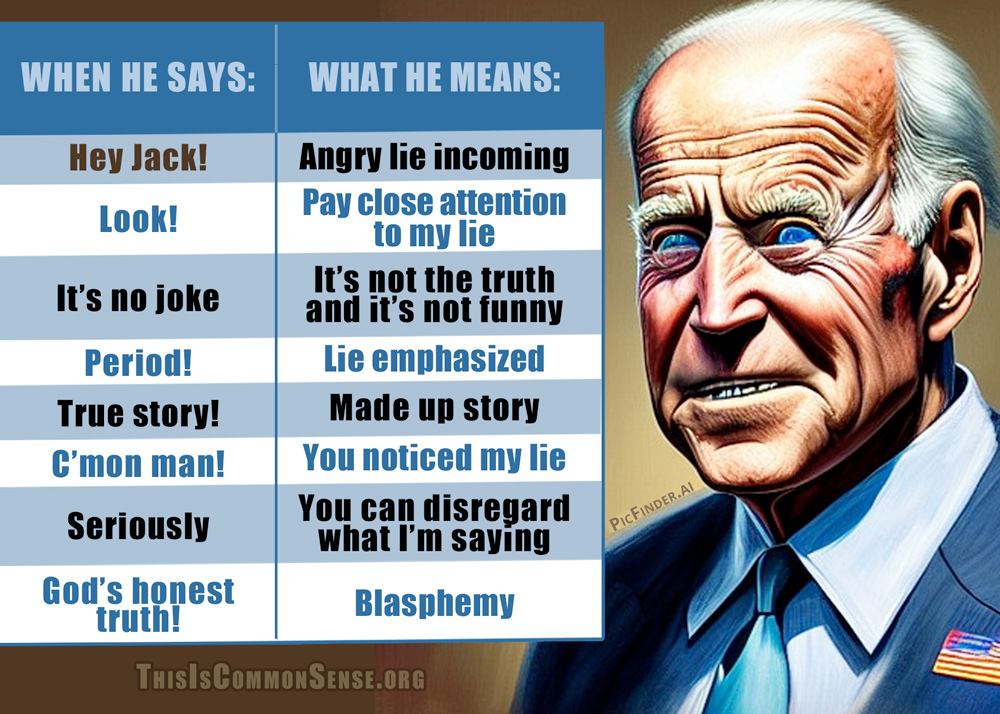
A handy reference chart.
On February 5, 1788, Robert Peel was born. He would become one of the United Kingdom’s most important prime ministers, ushering in some reforms that led to the liberalization of England in the 19th century.
Peel is also regarded as the father of the modern British police — the popular term “bobbies” refers to “Bob” Peel — and as one of the founders of the modern Conservative Party.
Robert Peel died in 1850.
On January 26, 1992, Boris Yeltsin announced that Russia would stop targeting United States cities with nuclear weapons.
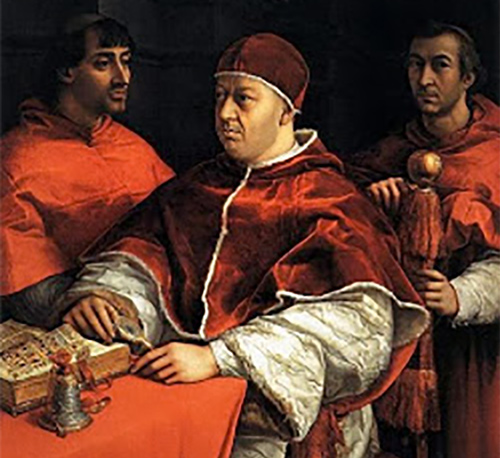
On January 14, 1514, Pope Leo X issued a papal bull against slavery.
On the same date in 1639, the first written constitution to create a government, the “Fundamental Orders,” was adopted in Connecticut.
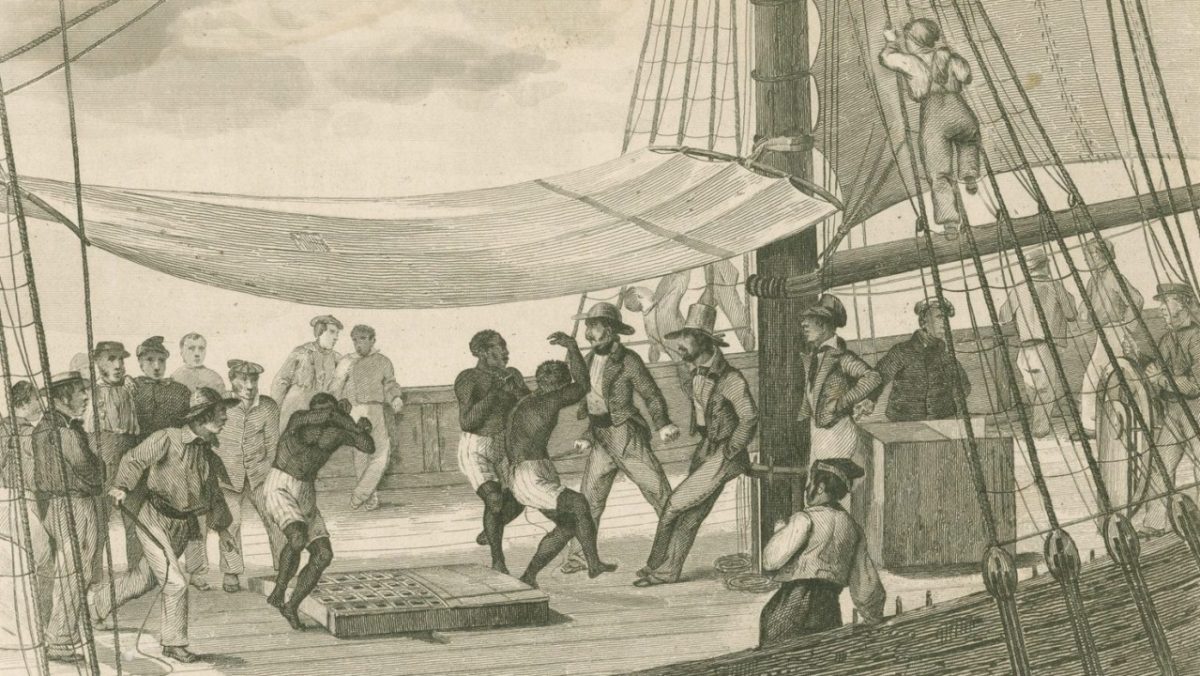
On January 1, 1808, the importation of slaves into the United States was banned.
Before the #TwitterFiles revelations, Michael Rectenwald, author of The Google Archipelago and other books, wrote a commentary that appeared in the pre-Christmas edition of The Epoch Times: “Who Really Owns Digital Tech?” In less than a thousand words, Rectenwald makes clear how deep governments have been involved in the tech space — particularly the Internet Space.
“Given the evidence of government start-up funding,” Rectenwald reasons, “we may have to concede the argument that the internet might have developed differently, more slowly, or not at all if the Defense Department hadn’t been involved at the outset. Likely, what we know as the internet would have become a system of private networks” — and in this dispersed-power system, free speech would not become a major issue, because not as easy a target.
As it is, however, “Twitter has operated as an instrument of the uniparty-run state, squelching whatever the regime deems ‘misinformation’ and ‘disinformation,’” Rectenwald writes, giving us an ominous list of the topics of xinformation:
There are big gains for . . . some. Big Biz/Big Gov partnerships imply gains for both partners: business people gain access to governmental power and favors, and politicians and functionaries gain leverage to mold the citizenry.
And that is where we have seen the partnership’s worst.
So far.
This is Common Sense. I’m Paul Jacob.
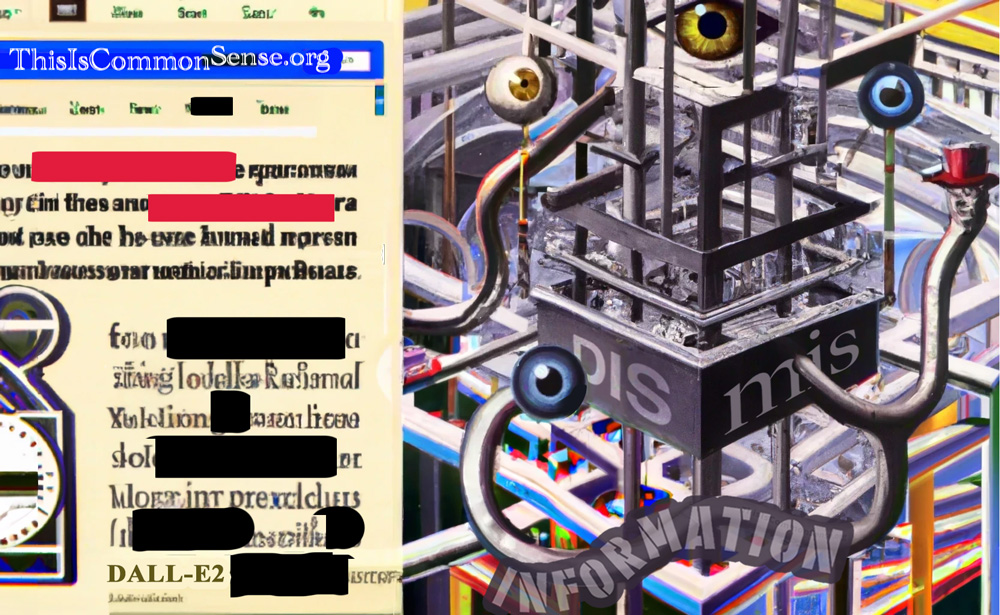
Illustration created with DALL-E2
See all recent commentary
(simplified and organized)
See recent popular posts
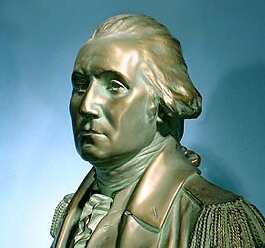
On December 23, 1783, George Washington resigned as commander-in-chief of the Continental Army, at the Maryland State House in Annapolis, Maryland.

The only real revolution is in the enlightenment of the mind and the improvement of character, the only real emancipation is individual, and the only real revolutionists are philosophers and saints.
Will & Ariel Durant, The Lessons of History (1968), p. 72.
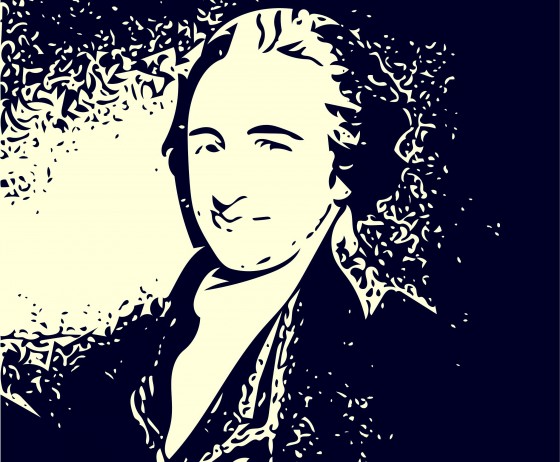
On December 19, 1776, Tom Paine published one of a series of pamphlets in the Pennsylvania Journal titled The American Crisis. Exactly one year later, George Washington’s Continental Army went into winter quarters at Valley Forge, Pennsylvania.
On December 19, 1828, Vice President of the United States John C. Calhoun penned the South Carolina Exposition and Protest, arguing against the Tariff of 1828, a key moment in what became known as the Nullification Crisis.