Categories
international affairs

Sharing Power with Evil

“What does America do next?” Tucker Carlson recently asked Jiang Xueqin, the Chinese Canadian known for his Predictive History YouTube channel.

“So, what I would do is basically sit down everyone, okay, including Russia, China, Iran, and say, ‘it’s time for a new world order where we are partners in this relationship,’” explained ‘Professor’ Jiang. “Before America was a hegemon, before the U.S. dollar was a world reserve currency, but now what we want to do is open a dialogue where everyone is respected, where America is no longer the bully but a willing partner in creating a new economic order that benefits everyone and not just a few.”

To which, Mr. Carlson responded: “I think that’s the wisest possible advice and probably the only path that preserves civilization.”

The previous day, he declared, “The U.S. is not going to defend and cannot defend Taiwan.” 

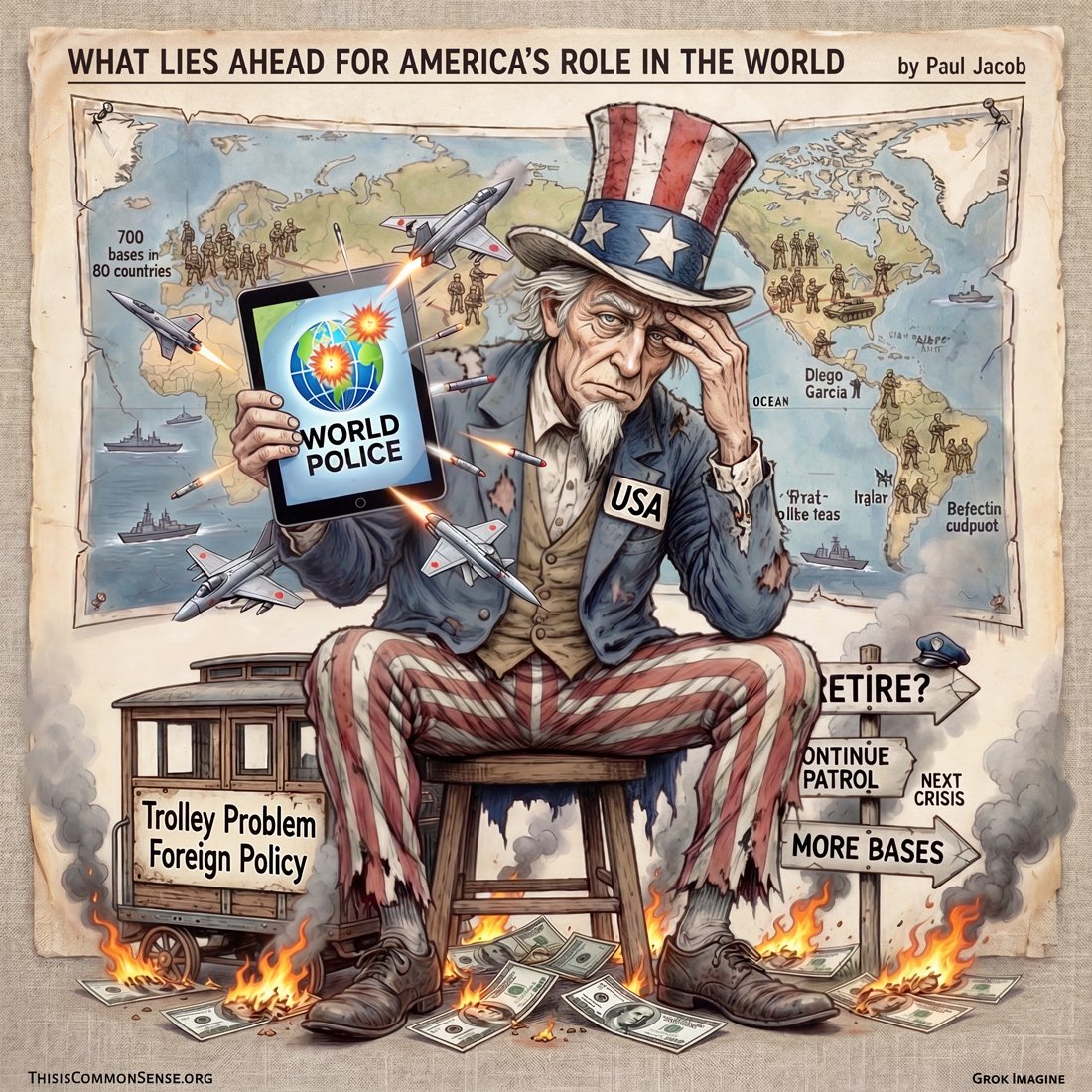
After informing Zanny Minton Beddoes, The Economist’s editor-in-chief, that “we’ve reached the limits of our power and power has limits,” she inquired, “What about Japan and South Korea?” 

“Oh, man, it’s hard,” acknowledged Tucker. “I don’t understand exactly how that’s going to go . . . But, in the end, big powers want to and get to control their regions . . . hopefully in a non-brutal, enlightened way, but they want some influence over their neighbors. 

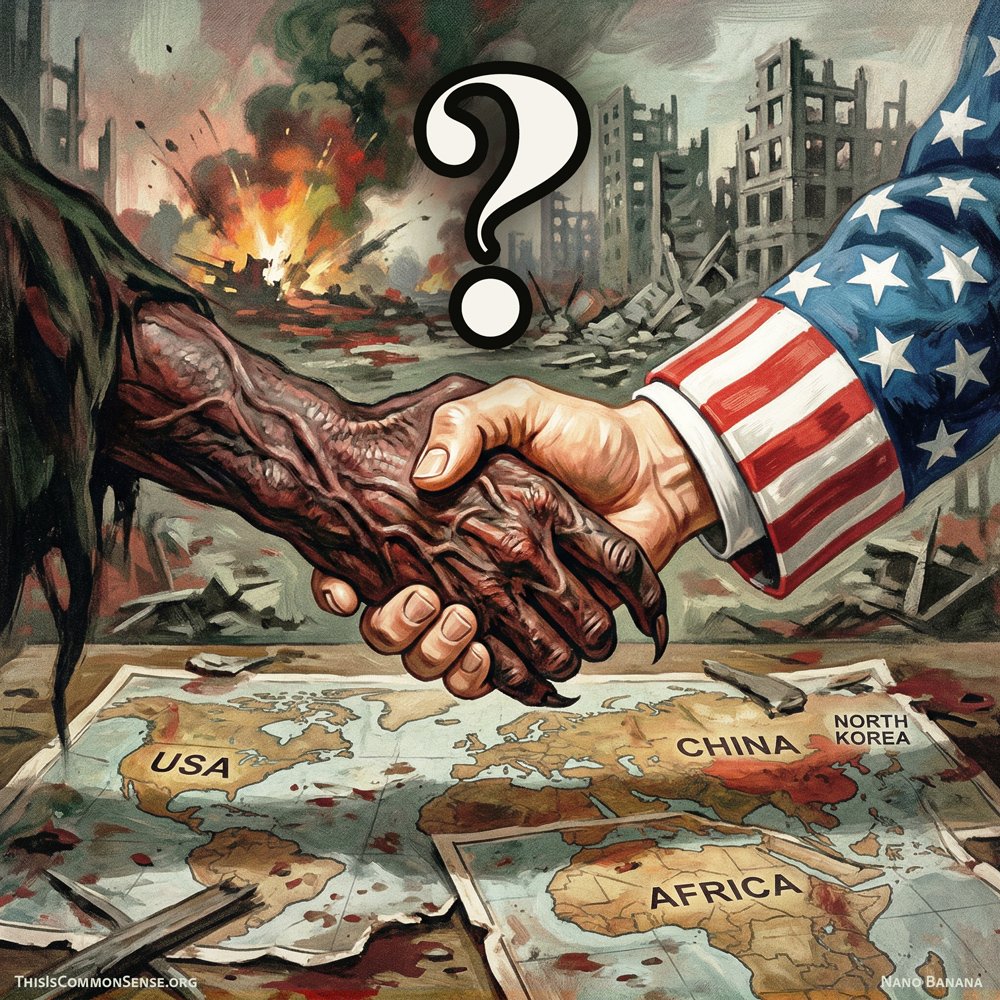
“We can no longer be the sole author of terms, of commerce, of anything,” he offered. “We have to share power.” 

“With China?” injected Beddoes.

“Of course,” he shot back, “because of their scale. And so, there’s got to be a non-destructive way to do this.”

The Chinese Communist Party’s regime is the most destructive in world history. Let’s not partner.

This is Common Sense. I’m Paul Jacob.


PDF for printing

Illustration created with Nano Banana

See all recent commentary
(simplified and organized)
See recent popular posts
Categories
international affairs

Superpower Blues

I don’t want the Turkish military to wipe out the Kurds.

I also don’t want the Taliban to return to power in Afghanistan.

Nor do I want the Chinese totalitarians to violate the rights of Hongkongers.

Or for the Spanish government to slap long prison terms on peaceful Catalonian separatists.

Or tyrants in Nicaragua and Venezuela to torture and kill the people of those countries.

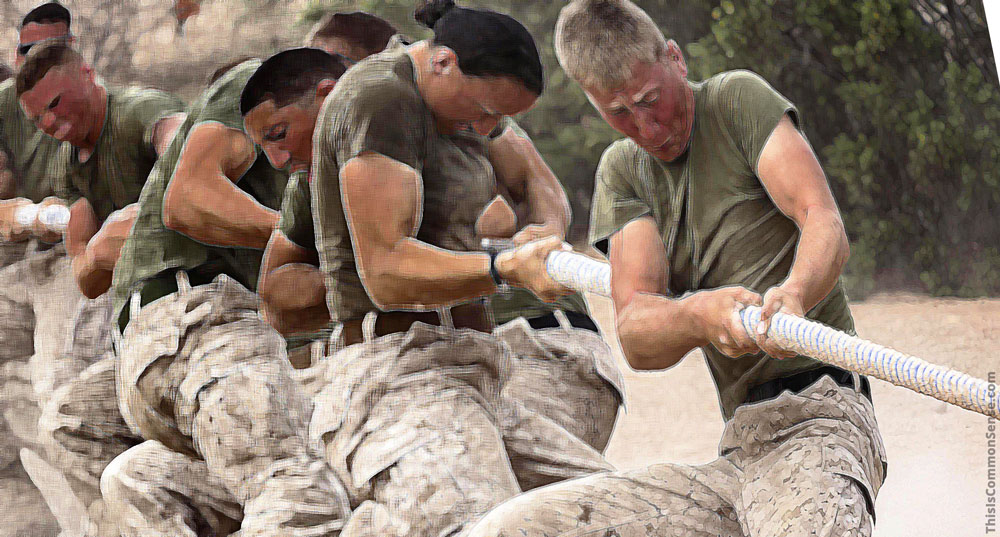
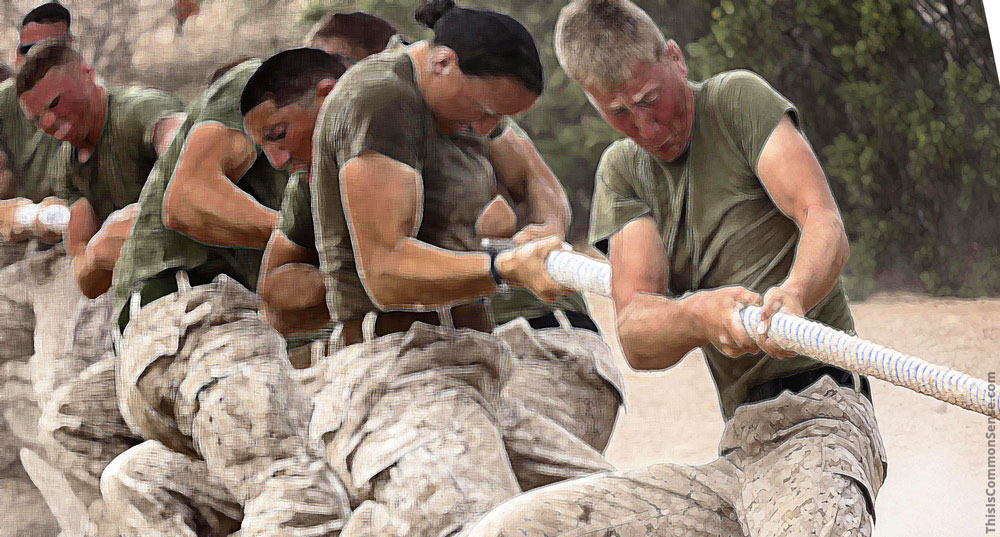
At the same time, I don’t want U.S. Marines landing on the beaches of Venezuela or Nicaragua or parachuting into Madrid or Kowloon . . . or for our military to endlessly occupy turf in Afghanistan and Syria.

There are limits even to superpower status. We cannot re-make the world in our image. By force. Everywhere at all times.

Except to some degree, by example. And regime change wars have not set a very good example.

The Iraq War destabilized the Middle East and handed Iran a major strategic victory. Leading from behind to help NATO overthrow the government of Libya has produced more chaos for northern Africa and Europe. Efforts at regime change in Syria have only worsened the suffering of millions of people.

U.S. troops remain in Iraq. After 17 years, we still have soldiers dying in Afghanistan. We can never leave. At least, not without any “gains” evaporating in a hurry. 

And the president who finally ends military involvement in these “endless war” will get endless grief for abandoning allies* and ceding ground to Russia or some other bad actor. That’s what happened after 28 soldiers were pulled out of Syria.

Being a superpower isn’t all it’s cracked up to be. 

Beacon of freedom seems a better gig.

This is Common Sense. I’m Paul Jacob.


* This is not an argument for being a bad ally ourselves. For starters, I think we ought to welcome Kurdish refugees who wish to immigrate to the U.S.

soldiers, world police, war, peace, Syria, Kurds,

From a photo by: Lance Cpl. Christian Cachola

See all recent commentary
(simplified and organized)
See recent popular posts