Categories
free trade & free markets general freedom individual achievement media and media people social media

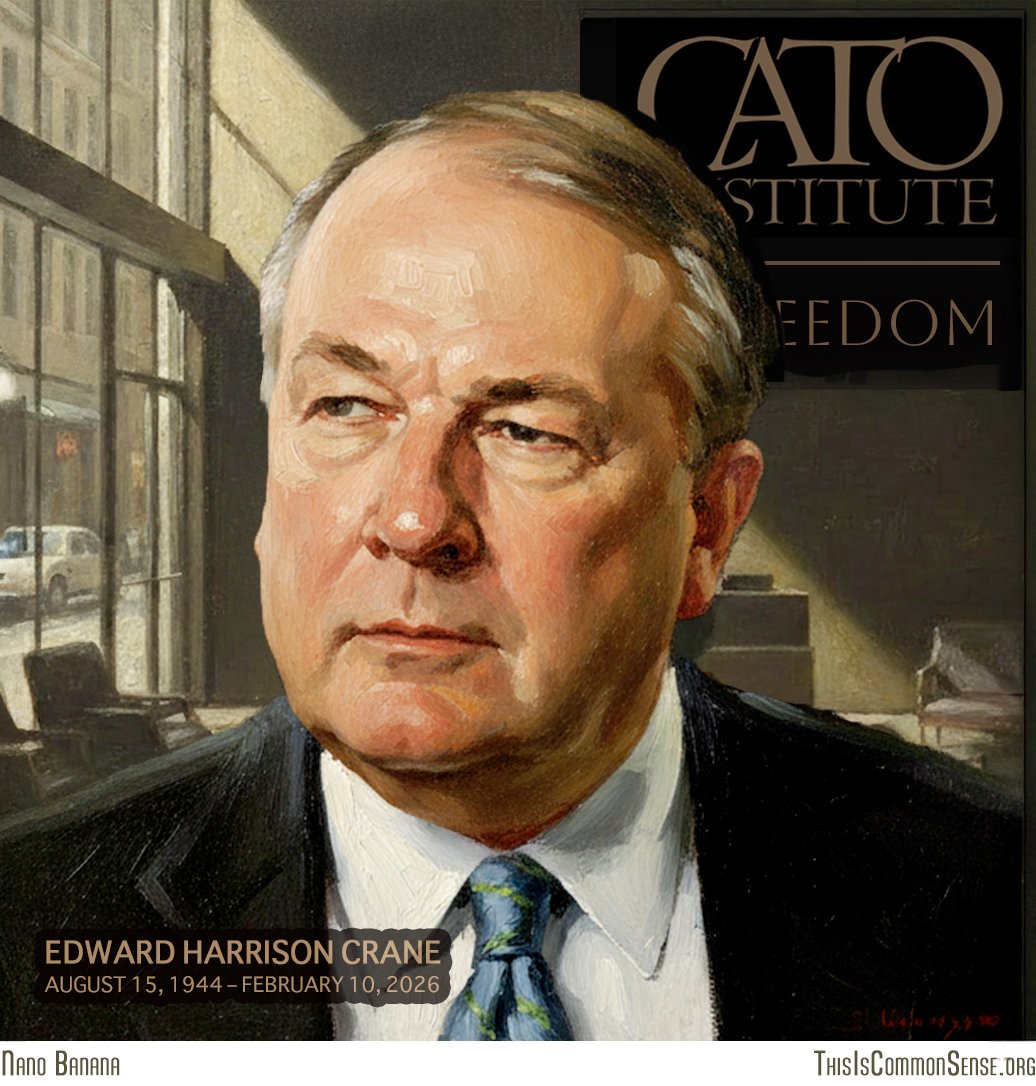
A Man of Learning

Facts mattered to the man who told us “facts don’t matter.”

Ideas, principles, arguments — these mattered, too.

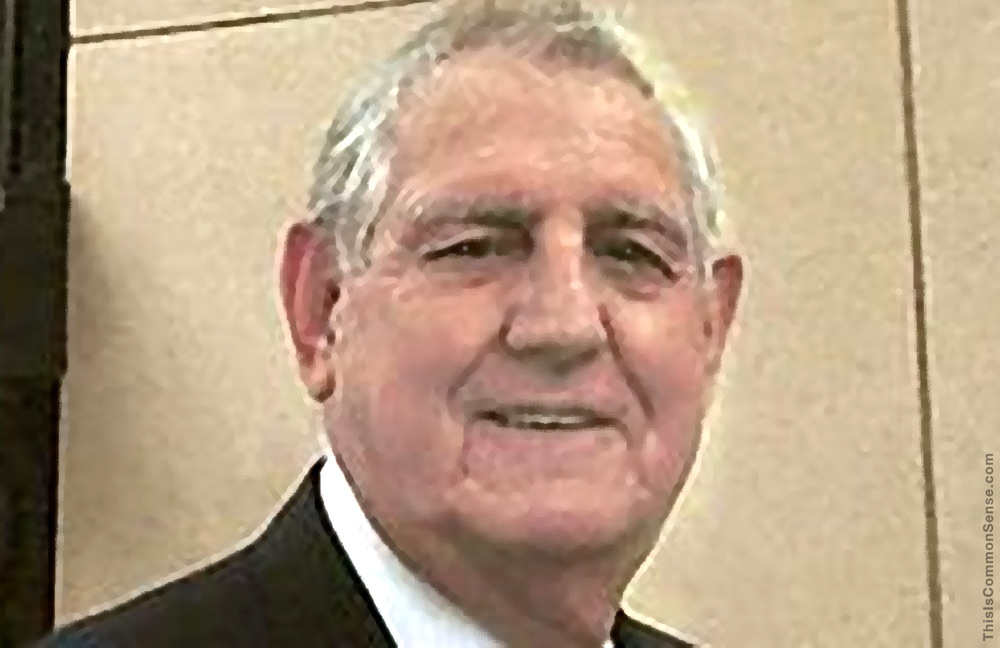
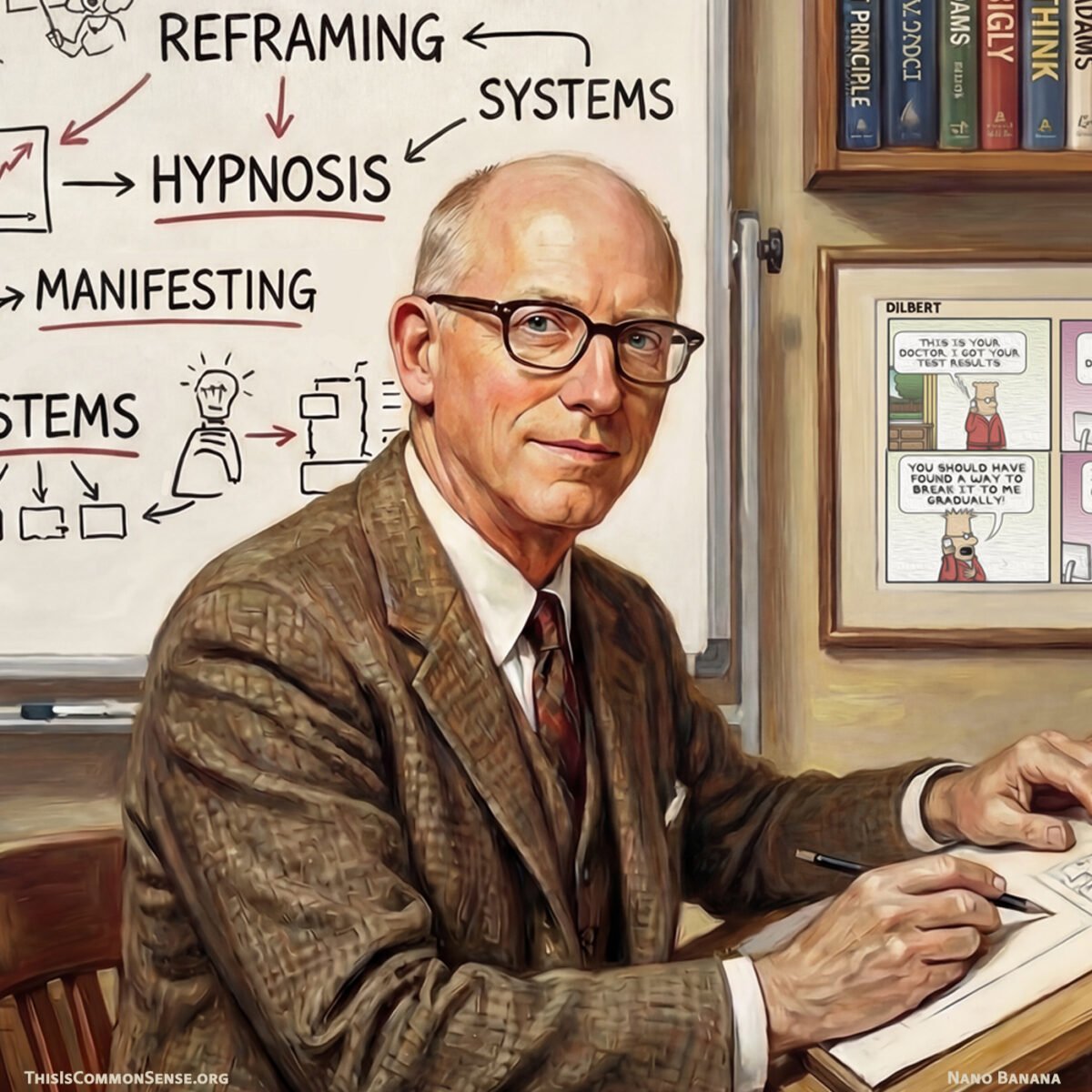
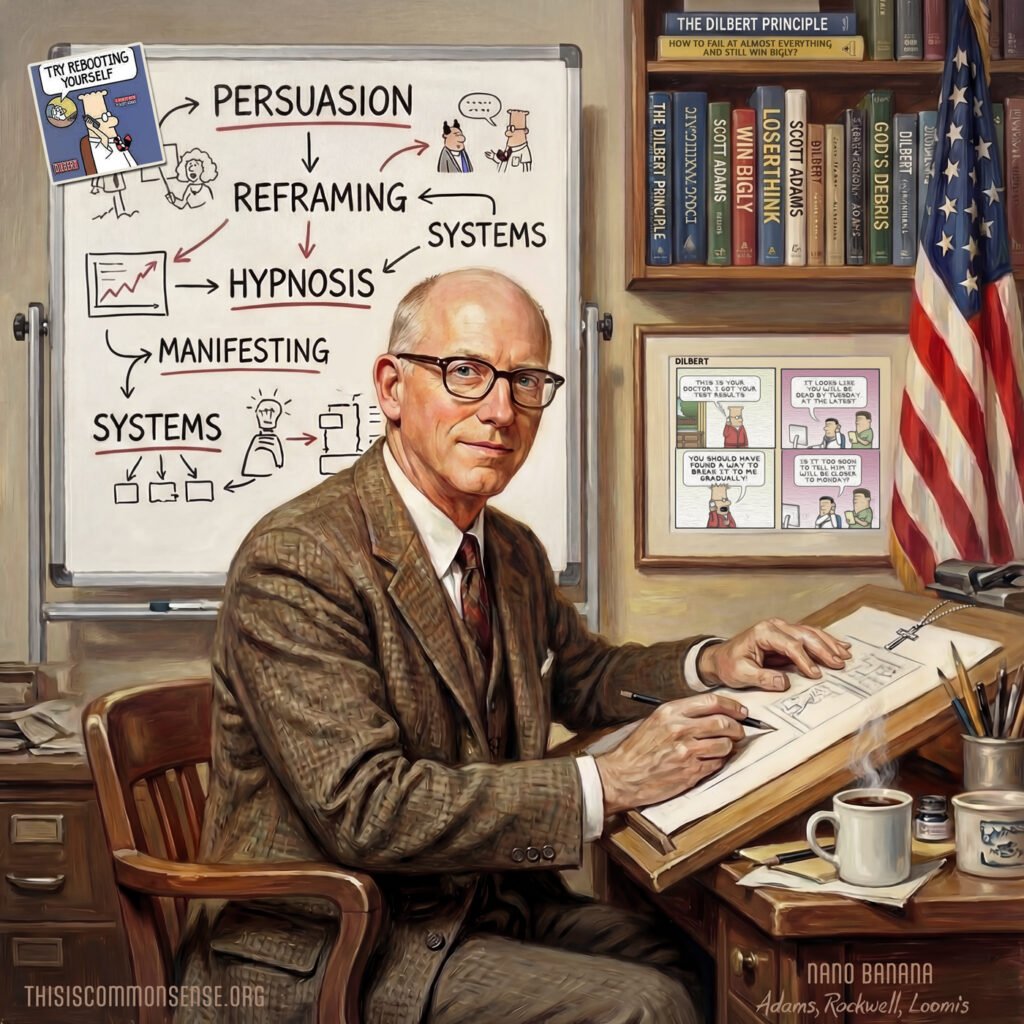
Which is probably what I will remember most about Scott Adams, who died yesterday

He had been suffering from prostate cancer for some time. During the moment, last year, when President Joe Biden’s possible prostate cancer diagnosis became a matter of public discussion, Mr. Adams informed us that he, too, had been diagnosed with that form of cancer, and that he had not long to live.

Like most newspaper readers, I knew of Adams from his Dilbert comic strip. I missed his career in writing books, in the aughts and early teens. But I caught up with the man when he predicted, in 2015, that Donald Trump possessed a “talent stack” that would likely lead to winning the presidency — an insightful judgment — that may have helped the prophesied event to occur.

Adams became one of the more interesting podcasters, an intellectual powerhouse who urged us to reframe how we think about politics, culture, our very lives. I never became a fan, exactly, but I not only admired him, I liked him. He was quite a character; he was a man of character.

It was interesting, especially, to watch him develop in the context of our odd (transitional?) moment in history. On the late pandemic, for example, many of his early opinions and meta-​opinions were misguided. But he changed his mind, as many of us have. And though, as I mentioned above, his most famous assertion was that, in matters of persuasion, “the facts don’t matter,” he was persuaded to change opinions when he learned more. 

So may we all.

This is Common Sense. I’m Paul Jacob.


PDF for printing

Illustration created with Nano Banana

See all recent commentary
(simplified and organized)
See recent popular posts
Categories
obituary

Last Respects

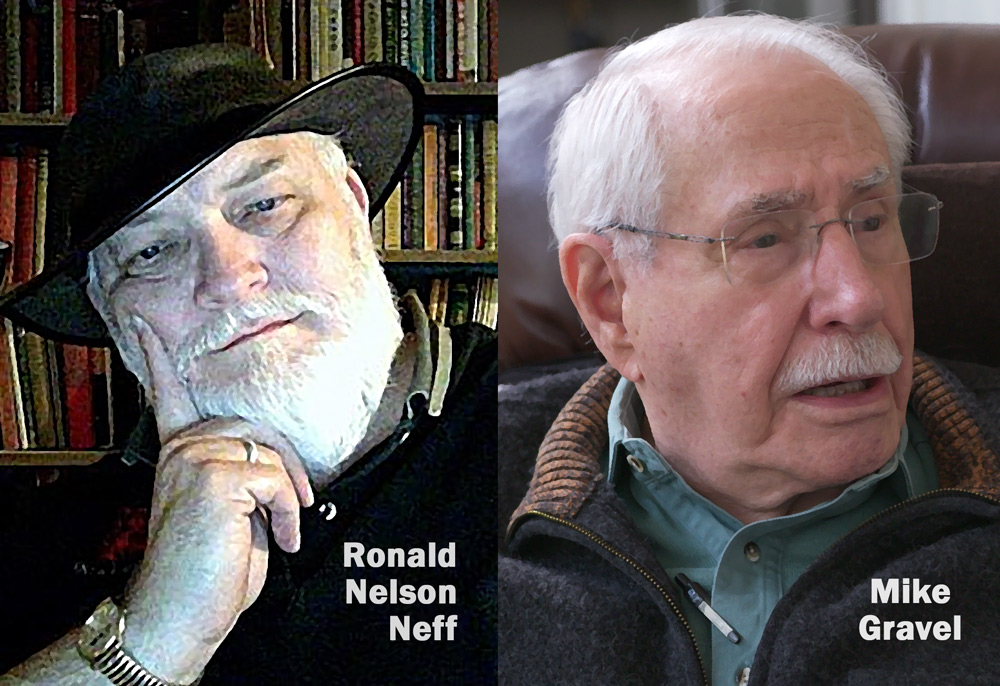
Over the weekend, I said goodbye to two friends: Ronn Neff and Mike Gravel.

Ronald Nelson Neff passed away September 26th, at age 72, after “a prolonged illness,” wrote his longtime friend, Tom McPherson, at The Last Ditch, a libertarian/​anarchist newsletter the two co-founded.

Neff, a well-​respected editor of numerous books and publications throughout his career, was perhaps best known as managing editor of Joe Sobran’s newsletter from 1994 to 2007. Ronn also authored important libertarian essays, including “Polite Totalitarianism.”

Jacob Hornberger, president of The Future of Freedom Foundation, remembered Neff as “one of the most committed, passionate, knowledgeable, and principled libertarians you’d ever meet.”

Ronn was that sort of Christian, too. Before ever meeting him, while I sat in prison for refusing to register for the military draft (1985), he and his wife began tithing each month to help my family. When our car broke down, Neff’s generosity made it possible for my wife and daughter to continue to travel the six hours to visit me.

Yes, there are people like that. 

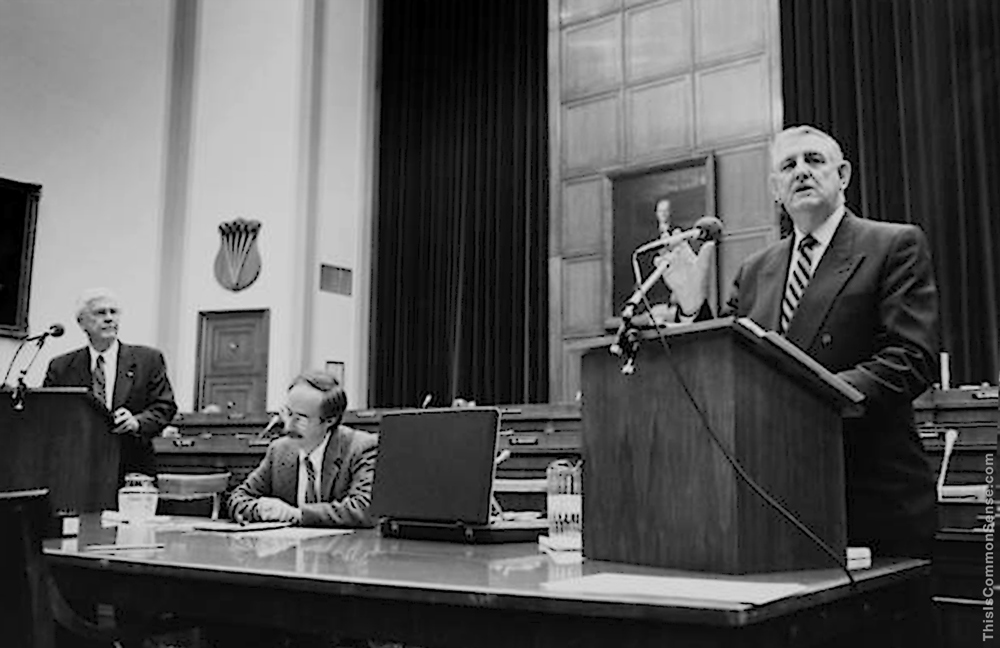
Mike Gravel died at his California home on June 26th from multiple myeloma. History may remember the 91-​year-​old best as the courageous Democratic U.S. Senator from Alaska who — five decades ago, during Vietnam — dared to read the Pentagon Papers into the congressional record and filibustered against the military draft. 

In 2008, Gravel decided to advance his political causes by running for president somewhat unconventionally — seeking the Democratic Party’s nomination and later the Libertarian Party’s. 

Then in 2020, at 90, he allowed a group of high school students to use his Twitter feed to run him for president in a “front-​porch” campaign. A new documentary about the effort, American Gadfly, is being released later this year. 

I first connected with Mike in the 1990s, when I was running U.S. Term Limits (another issue the two-​term senator and I clicked on). Yet, what inspired me most about Gravel was his incredible zeal for direct democracy, for citizens having more say-​so through initiative, referendum and recall. 

Instead of the disdain for the public exhibited by so many Washington insiders, Senator Gravel had a profound respect for the people

This is Common Sense. I’m Paul Jacob.


PDF for printing

See all recent commentary
(simplified and organized)
See recent popular posts
Categories
ideological culture individual achievement

The Individualist Economist

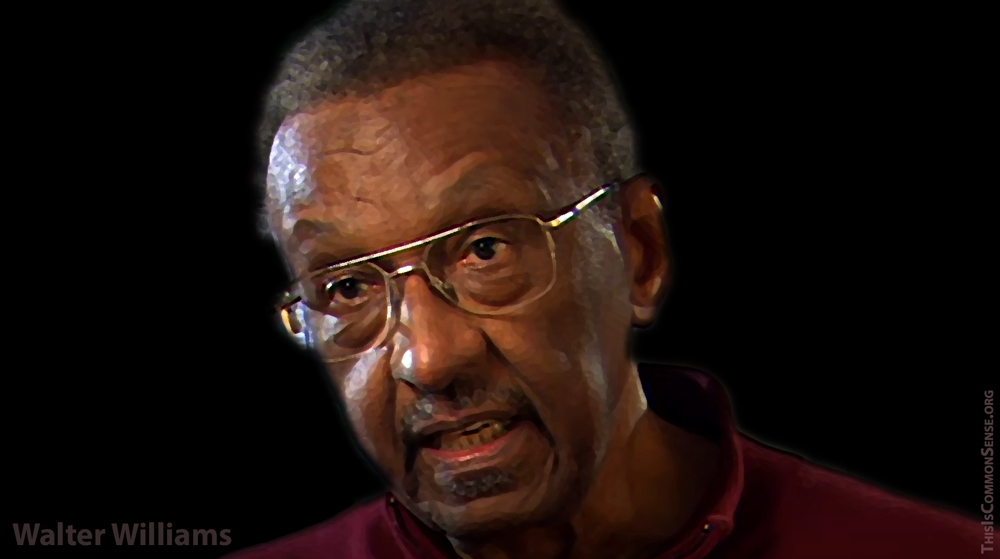
Walter Williams died today. Or, by the time you read this, yesterday. 

Williams was a major figure in economics education, instrumental in building an economics program at George Mason University. Plus, he popularized economics for a wider audience with books, columns, and regular guest radio appearances on Rush Limbaugh’s show.

Dinesh D’Souza, in his video tribute, called Williams “an economist, an individualist, and an African-​American conservative” when such people were rare. Especially the African-​American variety.

Now, Williams’ main themes were not so much conservative as libertarian, citing Frédéric Bastiat a whole lot more than Edmund Burke. But D’Souza no doubt indicates that when he calls Williams an individualist. Consider it a euphemism for libertarian. 

And Williams certainly was an Individual — an individualist in more than just the political sense — though, we saw his resistance to mob pressure and groupthink most clearly in the realm of ideology. 

He could certainly have gotten wider praise had he stuck closer to the culturally dominant notion of what an African-​American intellectual’s role was supposed to be. But instead of pushing “discrimination” as the major factor in differences of wealth and health outcomes in ethnic and racial groups in America, he insisted that actions have consequences, constantly reiterating the major themes of the classical liberal economists Adam Smith and Milton Friedman: people provide greater benefit to the general welfare when they marshal their own resources in a private property/​free trade framework than when they pretentiously talk about the “public good” through special government programs. 

When two people trade, both gain. 

In politics, it’s too often about taking from some to give to others.

By being himself, going his own way, Walter Williams himself provided a great example of how to serve the common good. 

This is Common Sense. I’m Paul Jacob.


PDF for printing

See all recent commentary
(simplified and organized)
See recent popular posts
Categories
Common Sense individual achievement media and media people

Hate in Plain Sight

“Classy guy,” won’t be the moniker afforded comedian Bill Maher when his time on Earth comes to an end.

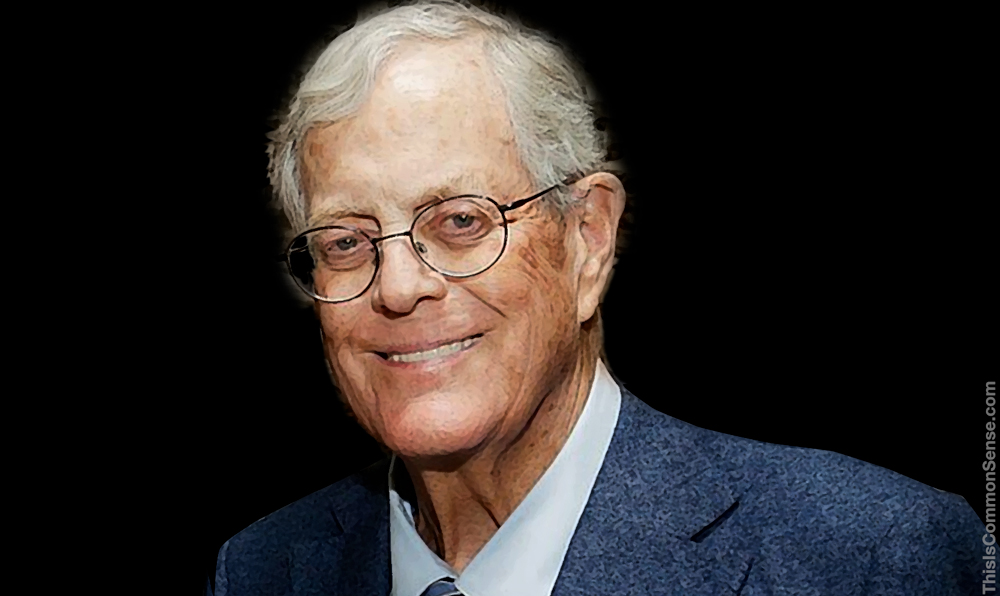
“I guess I’m going to have to reevaluate my low opinion of prostate cancer,” Maher told his HBO audience regarding the death of libertarian billionaire David Koch at 79.

“As for his remains,” continued Maher, “he has asked to be cremated and have his ashes blown into a child’s lungs.”

You get the tenor of his “humor.”

“[David Koch] and his brother have done more than anybody to fund climate-​science deniers for decades, so f — k him!” Maher argued. “I’m glad he’s dead, and I hope the end was painful.”

The HBO celeb likely hoped his crass takedown of the already deceased would go viral. “I know these seem like harsh words and harsh jokes,” Maher conceded, “and I’m sure I’ll be condemned on Fox News …”

But perhaps not reprimanded more universally, since such political viciousness has become ubiquitous. For instance, when a questioner at the Minnesota State Fair mentioned Koch’s passing, applause erupted. 

“I don’t applaud, you know, the death of somebody,” Sen. Bernie Sanders chided the crowd (to his credit). “We needn’t do that.”

Celebrating someone’s demise is sickening. Moreover, in the case of David Koch, and brother Charles, so many of the non-​stop political attacks have been erroneous — condemnation for positions they do not hold, for things they have not done. Not to mention ignoring all the wonderful benefits they have provided our society.

Bill Maher is a professional punk, so I’m not shocked. But David Koch was a hero.

This is Common Sense. I’m Paul Jacob.


N.B. Lovers of liberty lost another champion last week: Eric Dixon. For years, Eric has been a huge help to Common Sense in a myriad of important ways. He also assisted a number of other liberty-​oriented and free-​market groups, including U.S. Term Limits, the Cato Institute, Missouri’s Show Me Institute, the Atlas Network, the Libertarian Party, and more. A lot of people will miss Eric, not the least of whom will be me.

PDF for printing

David Koch

See all recent commentary
(simplified and organized)
See recent popular posts
Categories
ideological culture individual achievement local leaders national politics & policies term limits

THRO

What can one person do?

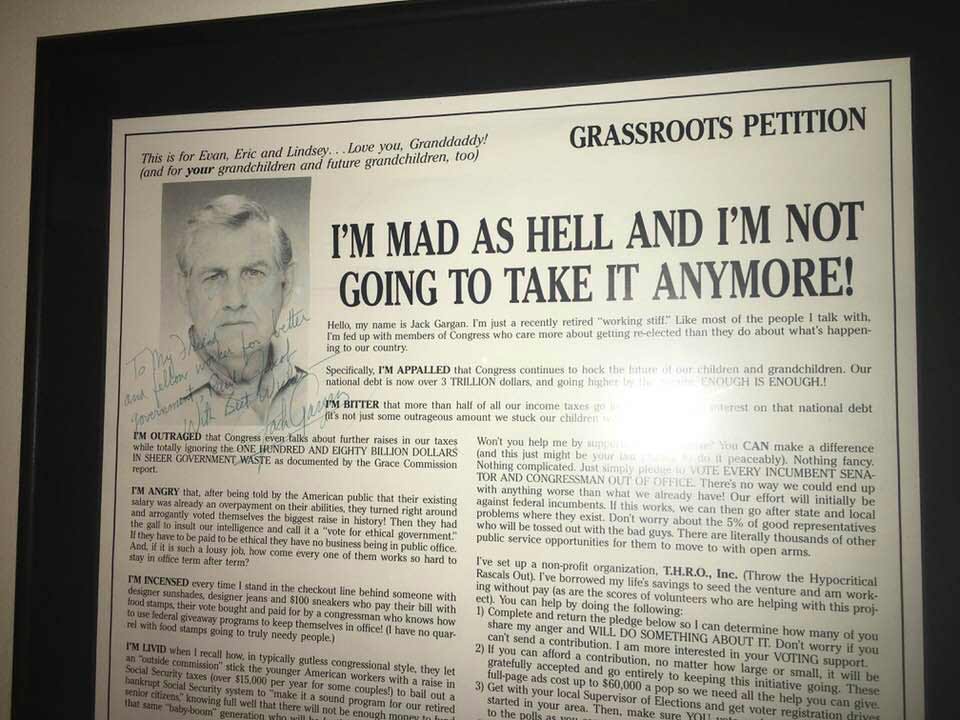
I wish Jack Gargan were here to answer that question — I can almost hear his characteristic chuckle, see the glint in his Irish eyes, in preparation. But sadly, Jack passed away late Sunday night or early Monday morning in Thailand, where he had retired. He was 88 years of age.

This loss, coming on the cusp of yesterday’s election, transported me back 28 years ago — to the 1990 election, when the anti-​incumbency, pro-​term limits movement was in its infancy.

I had worked all year in Illinois on my first-​ever ballot initiative campaign, the Tax Accountability Amendment. Though polls showed our issue at 75 percent support, the Illinois supreme court tossed it off the ballot. I was pretty bummed.

That’s when I saw a full-​page newspaper advertisement with a picture of a regular-​looking fellow next to a big, bold headline (borrowed from the 1976 movie, Network): “I’M MAD AS HELL AND I’M NOT GOING TO TAKE IT ANYMORE.”

The ad took politicians in Congress to task for “arrogantly [voting] themselves the biggest pay raise in history,” having “abetted” the Savings & Loan crisis, and turning the United States into “the world’s biggest debtor nation.”

Citizen Gargan pulled $50,000 out of retirement funds to purchase those first advertisements.

And my nerve wasn’t the only one touched. Hundreds of thousands of Americans contributed to allow his all-​volunteer organization — Throw the Hypocritical Rascals Out (THRO) — to run, as Wikipedia records it, “633 full-​page newspaper advertisements in nearly every major newspaper in the nation.”

In addition to earning the title “the father of the term limits movement,” Jack Gargan also served as the driving force, Richard Winger’s Ballot Access News notes, in getting Ross Perot to run for president in 1992.

What one person can do!

This is Common Sense. I’m Paul Jacob.


Jack Gargan


PDF for printing


Categories
Common Sense responsibility

Fatherlessness

Yesterday was Father’s Day; tomorrow, I’ll attend my father’s funeral.

Ample opportunity to reflect on missing Dad … and dads.

My father was two months shy of 85 years. He lived a long, full life with a loving wife of more than 60 years, six children he adored and who felt likewise about him, 13 grandchildren and eight great-grandchildren.

He started his own small business and achieved his version of the American Dream: to be his own boss.

More than a decade ago, when my pop was fighting through open heart surgery, I wrote in this space that he was, in the words of one of his favorite movies, “the richest man in town.” Sadly, he’s no longer in town.

Except that he still is … in me. And in my kids and their kids.

As an adult, admittedly I haven’t often asked my dad for advice. Why? Because I already know exactly what he would say. I like that. And thankfully that voice remains.

Moons ago, I also acknowledged that I was privileged, but argued “My Privilege Isn’t White.” Instead, my advantages mostly came from growing up in a home with two loving parents.

We Homo sapiens learn by imitating others. Hence the term “role model.”

Nowadays we often hear about poor role models when some spoiled-​brat sports celebrity or narcissistic rock star behaves badly. As a teenager, I had their posters on my wall. But my dad served as my 24/​7 role model.

He still does.

This is Common Sense. I’m Paul Jacob.


PDF for printing

father, father's day, dad, Paul Jacob, role model, illustration, photo


Categories
First Amendment rights general freedom individual achievement obituary

A Life Too Short

One lesson from the classic film, It’s a Wonderful Life, is that “Every man’s life touches so many others.”

Every woman’s life does, too.

On Monday, I was stunned and saddened to read in my morning paper that Cornell University President Elizabeth “Beth” Garrett had died, barely a month after being diagnosed with colon cancer, at only 52 years of age.

“Being the first woman president of Cornell, just as I was the first woman provost at U.S.C., puts me in the position of being a role model — not just for young women, but also for men,” she told an interviewer.

While at the University of Southern California, Beth “was the driving force behind the Initiative and Referendum Institute becoming part of USC,” according to my friend, Dane Waters, founder of the Institute.

I met her in the late 1990s. While we certainly were not in full agreement politically, my respect for her intellectual honesty grew and grew. She produced top notch research on the initiative process

And she cared. Years ago, when the Oklahoma Attorney General unsuccessfully sought to persecute myself and two others, Beth Garrett, an Okie native, reached out to lend her moral support.

Reason magazine mourned her passing by calling her “a staunch defender of free speech on campus.”

“There isn’t any idea that ought not to be tested and questioned,” Garrett once told students. “Because that’s how we get closer to the truth.… So if you disagree with someone, the answer isn’t to shut them down.”

Beth Garrett lived a wonderful life, leading by example. We’ll miss her.

This is Common Sense. I’m Paul Jacob.


Printable PDF

ElizaBeth Garrett


Common Sense Needs Your Help!

Please consider showing your appreciation by dropping something in our tip jar  (this link will take you to the Citizens in Charge donation page… and your contribution will go to the support of the Common Sense website). Maintaining this site takes time and money. Your help in spreading the message of common sense and liberty is very much appreciated!


Categories
crime and punishment general freedom ideological culture individual achievement judiciary media and media people national politics & policies obituary

Life After Scalia

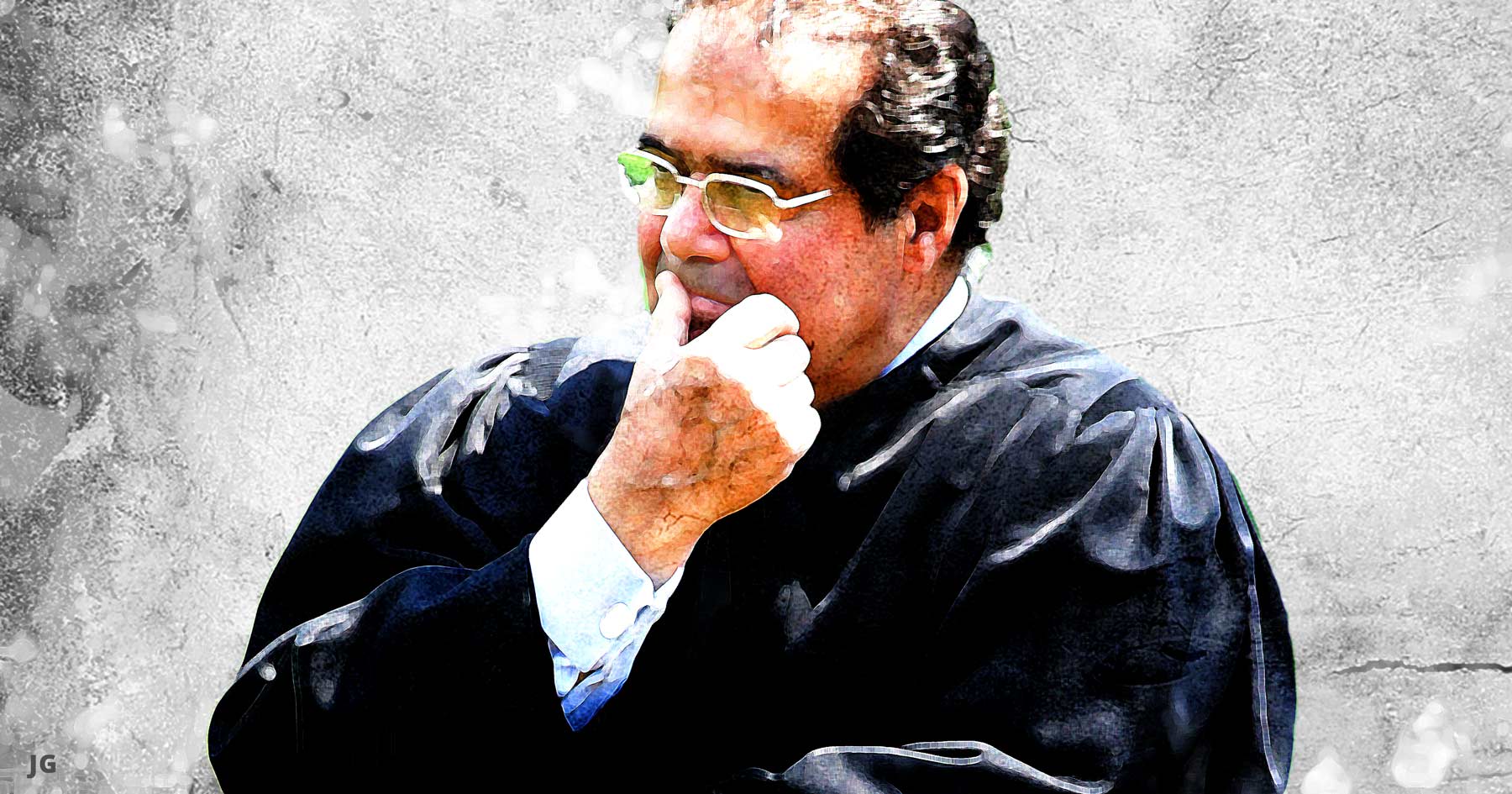
President Reagan appointed Supreme Court Justice Antonin Scalia to the nation’s highest court in 1986. Scalia served for 29 years before passing away over the weekend at age 79. May he rest in peace.

None of the rest of us will get any.

Why? An often conservative 5 – 4 majority is gone. The court is now tied, deadlocked, at 4 – 4.

“With the passing of Justice Antonin Scalia, President Barack Obama will make another nomination to the Supreme Court,” explained an email from the very liberal Democracy for America (I’m on a lot of lists). “It is critically important that President Obama choose a strongly progressive person who can lead the Supreme Court and our country in a new direction.”

That’s Obama’s prerogative, of course. But the president’s nominee must be approved by the United States Senate — controlled 54 to 46 by Republicans.

And guess what?

Almost as fast, Senate Majority Leader Mitch McConnell issued this statement: “The American people‎ should have a voice in the selection of their next Supreme Court Justice. Therefore, this vacancy should not be filled until we have a new President.”

Now, our Democratic president could negotiate with the Republican Senate majority, come up with a consensus (yeah, right) or compromise choice (watch out).

But don’t hold your breath.

You may also want to plug your ears. There will be shouting. The media will overwhelmingly take Obama’s side — surprise, surprise— and berate Republicans for obstructing.

Republican Senators have a constitutional duty to provide advice and consent to the president’s pick. Unless Mr. Obama’s choice will improve the High Court, those senators should withhold their consent.

This is Common Sense. I’m Paul Jacob.


Printable PDF

Antonin Scalia, Justice, Supreme Court, battle, death, Common Sense


Categories
obituary

Barbara Branden (1929 – 2013)

Barbara Branden died last week in her 85th year.

A writer with a devoted following, Ms. Branden published many articles over the years — on politics, economics, literature, film, methods of clear thinking, smoking and other subjects — and was a popular public speaker, impressing audiences with what Stephen Cox calls her “charm and personal persuasiveness.” But she was best known for her acclaimed 1986 biography The Passion of Ayn Rand. The book was recently published in a Kindle ebook edition, and Barbara emailed an enthusiastic announcement to friends and colleagues.

Passion tells the story of the famous novelist and philosopher (1905 – 1982) whose novel Atlas Shrugged has been getting even more attention in recent years — thanks to cinematic adaptations and, not least, parallels between Rand’s dystopian tale and political horrors of the present era.

Ms. Branden (then Weidman) approached the Russian émigré as an enthusiastic admirer of the elder author’s second novel, The Fountainhead. She quickly became Rand’s close friend, an integral part of a tumultuous inner circle. She co-​wrote an early biographical treatment, Who Is Ayn Rand?, in 1962, and maintained close business and personal ties until a traumatic parting of the ways six years later over a love triangle — or, more properly, rectangle.

No wonder, then, that Barbara said that for many years she had been unsure that she could tackle such a project objectively. Only when she felt that she had come to terms with her tumultuous years with Rand (she met her mentor only once after their break) did she write the book that only she could write.

An admirable thing, to rise above bitterness.

This is Common Sense. I’m Paul Jacob.

Categories
individual achievement

Just a Lot of Hard Work

Did it take courage to do what Bob Fletcher did?

Fletcher was a California resident who died this June at the age of 101. The New York Times reports how he helped Japanese neighbors after the U.S. began interning Japanese-​Americans living on the West Coast, a shameful policy adopted after the bombing of Pearl Harbor. (Some Germans and Italians were also interned during World War Two, but not on the same scale.)

In 1942, Al Tsukamoto asked Fletcher to run the grape farms of two family friends during their internment, in exchange for the profits. He agreed to manage those farms and Tsukamoto’s as well, working the total 90 acres for three years. He kept only half the profits.

“He saved us,” says Doris Taketa, who was 12 when Fletcher agreed to take care of her family’s farm.

Many other interned Japanese Americans lost their property.

Some Florin, California residents were upset with Fletcher for helping the Japanese. Even before the war, they had resented Japanese success.

In 2010, Fletcher recalled that he “did know a few [of my Japanese neighbors] pretty well and never did agree with the evacuation. They were the same as anybody else. It was obvious they had nothing to do with Pearl Harbor.”

Fletcher downplayed his virtue in saving the livelihoods of his Japanese neighbors despite the hostility of other neighbors. “I don’t know about courage. It took a devil of a lot of work.”

Yes, he worked the farms, kept paying the taxes, and made money, too. I call that the happiest of possible outcomes: doing well by doing good; saving his neighbors at a profit.

This is Common Sense. I’m Paul Jacob.