I have known many people to ask for advice but very few who wanted it and none who followed it.
John Steinbeck, The Short Reign of Pippin IV (1957).

I have known many people to ask for advice but very few who wanted it and none who followed it.
John Steinbeck, The Short Reign of Pippin IV (1957).

On October 1, 1908, Ford produced the first Model T at a plant in Detroit. The auto could travel 40 miles per hour and ran on gasoline or hemp-based fuel. (As oil prices fell, Ford phased out the hemp option.) The Model T was the first car designed for a mass market, rather than as a luxury item. By 1927, Ford had built 15 million Model T cars — the longest production run of any car model until the Volkswagen Beetle surpassed it in 1972.

In all 15 states, voters overwhelmingly passed the Citizen Only
This year, six more states — Alaska, Arizona, Arkansas, Kansas, South Dakota, and West Virginia — have Citizen Only Voting measures on their ballot.
Throughout the course of these state campaigns, the media and many liberal Democrats have browbeat us that, “It is already illegal for noncitizens to vote in federal elections!”
Of course, we were not talking about federal elections.
Now, increasingly, we are.
Indeed, there is a 1996 federal statute making it a federal crime for noncitizens to vote in federal elections. But, as we have been warning, it is of dubious constitutionality.
Under Article 1, Section 2 (House), the 17th Amendment (Senate), and Article II (President), the Constitution gives the States the power to determine who votes in federal elections in that state. Qualifications to vote are thus state matters.
Now, the Trump administration is prosecuting more than 30 cases of noncitizens voting under this federal law, causing at least five defendants to challenge its constitutionality.
“In Miami, U.S. District Judge David Leibowitz is presiding over the case of Chelsea Cox, a Jamaican citizen accused of voting in the 2020 federal election,” Reuters reported earlier this month. “In June, the judge said he wanted an independent assessment of the law’s constitutionality.”
In a friend of the court brief, Paul Clement argues that “history and precedent reinforce that citizenship is a voter qualification and one that is fully within the scope of states’ power over such matters.”
Clement, a well-respected former solicitor general, also indicated “a more permanent solution,” noting that Rep. Laurel Lee (R-Fla.) has introduced a constitutional amendment, House Joint Resolution 152, to restrict voting in federal elections to only U.S. citizens.
Congressional Republicans, focused on the SAVE Act, failed to give a hearing or bring to a vote this, the only way to prevent states from allowing noncitizens to vote in federal elections.
This is Common Sense. I’m Paul Jacob.
* The 15 states that have already passed Citizen Only Voting constitutional amendments are: Alabama, California, Colorado, Florida, Idaho, Iowa, Kentucky, Louisiana, Missouri, North Carolina, North Dakota, Ohio, South Carolina, Texas, Wisconsin.
Illustration created with Grok Imagine
See all recent commentary
(simplified and organized)
See recent popular posts
Habit is necessary; it is the habit of having habits, of turning a trail into a rut, that must be incessantly fought against if one is to remain alive.
Edith Wharton, “A First Word,” A Backward Glance (1934).
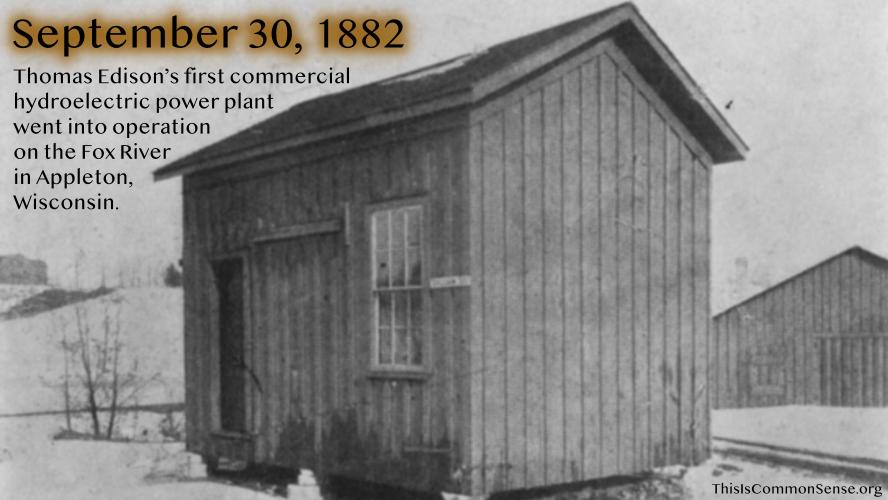
Thomas Edison’s first commercial hydroelectric power plant began operation on September 30, 1882. Dubbed the Vulcan Street Plant, it was established on the Fox River in Appleton, Wisconsin, and was housed in the Appleton Paper and Pulp Company building, which burned to the ground in 1891.
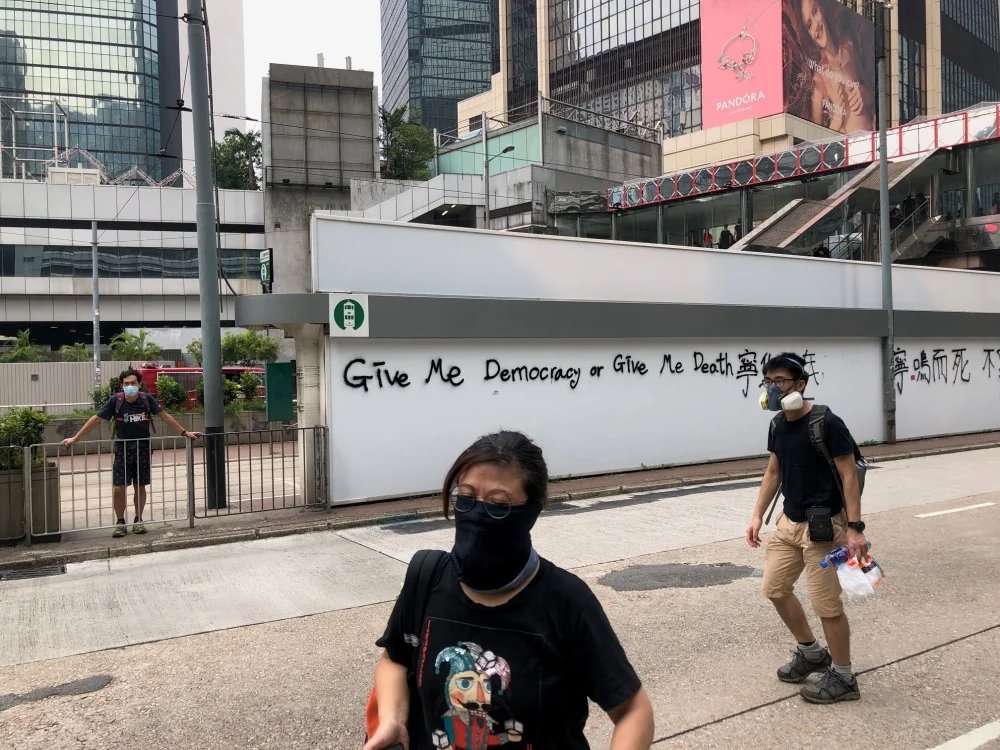
For months, I had followed the protests against legislation introduced in Hong Kong that would allow authorities in Beijing to extradite Hongkongers from their own then-respected legal system into Beijing’s always abysmal and wicked black hole. Protests began with a March 15 sit-in at government headquarters followed by a June 9 rally attended by “hundreds of thousands.”
And then the protest continued for weeks. For months. They turned out to be “the largest series of demonstrations in the history of Hong Kong.” As many as one in four residents are estimated to have participated.
By agreement with Great Britain, China had recognized a different system in Hong Kong for 50 years after the 1997 “handover,” under “one country/two systems”—one system based on free speech, rule of law, civil rights, the other on…the opposite. China merely had to wait to inflict its fascistic totalitarian system…until 2047.
But the Chinazis couldn’t wait. I say “Chinazis”; it was at this march in Hong Kong that I first saw and heard that epithet.
And it fit. Because while hanging on to many stupid totalitarian aspects of communism, the CCP long ago instituted a much more fascist, mercantilist economic system. With some freedom to make money. Money is universally good, apparently.
Jack boots and tiger chairs and concentration camps are now only there if anybody forgets who is in charge. Or the CCP says so.
I had seen posters about a Global March Against Totalitarianism being held today. Hey, that I’m very much against. You?
But where was it going to be? I knew next to zero about the city.
And when? After all, I had a flight leaving Hong Kong in the early evening, headed to Taiwan for the 2019 Global Forum on Modern Direct Democracy being held in Taichung.
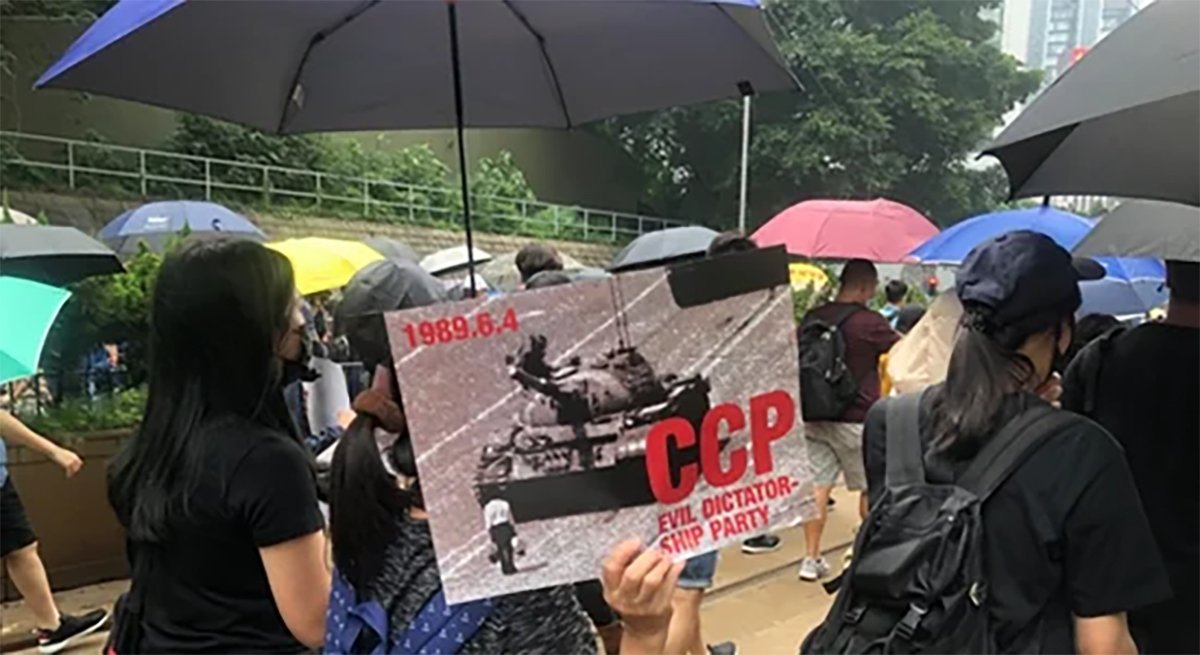
Somehow, watching young people and conversely observing police, I stumbled upon the march. Moments later I was handed a poster of Tankman from June 4, 1989, with the words: “CCP Evil Dictatorship Party.”
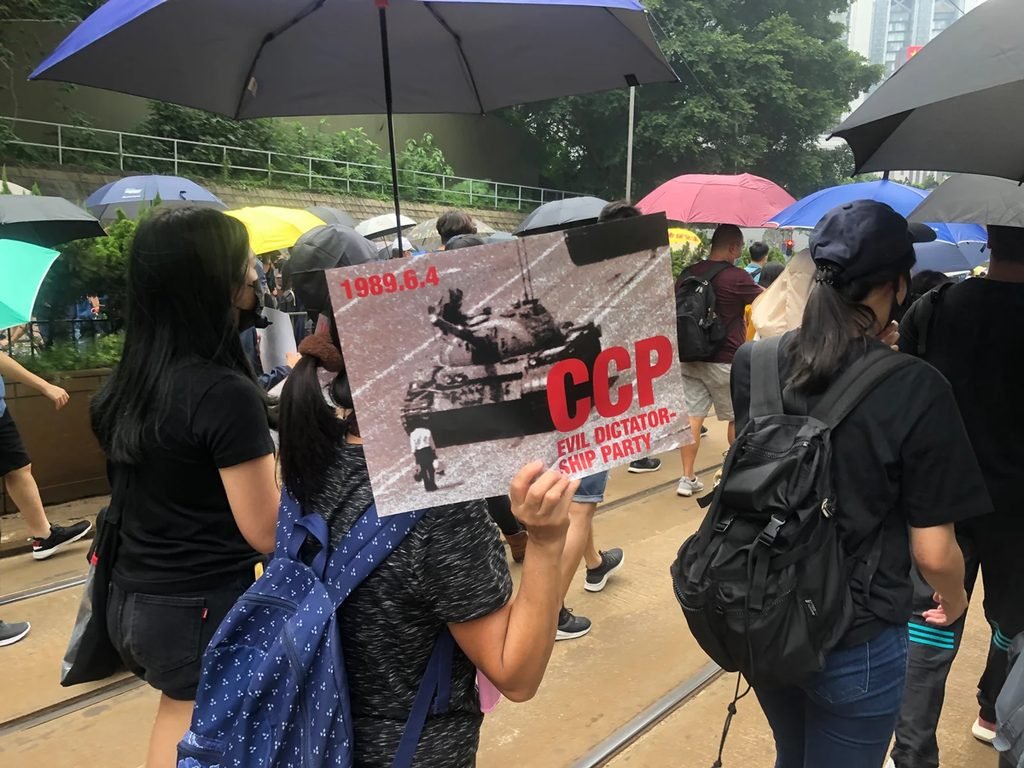
As I walked, a sense of peace came over me and I felt deeply honored to be with these heroes, mostly young people but of all ages, standing up to the largest evil on our Earth today. With their frail bodies. And gas masks. And their powerful goodness.
On September 29, as I marched, the Extradition Bill had still not been withdrawn. Chief Executive Carrie Lam, Beijing’s puppet, would not fully remove it until October 23.
I respect protesters who clearly state their demands for change, as did these Hong Kong protesters. Often chanting: “Five demands! Not one less!”
Five Demands of Hong Kong Protests
Complete withdrawal of the extradition bill from the legislative process.
Retraction of the “riot” characterization for protests.
Release and exoneration of arrested protesters.
Establishment of an independent commission of inquiry into police conduct and use of force during the protests.
Resignation of Carrie Lam and the implementation of universal suffrage for Legislative Council elections and for the election of the chief executive.
As afternoon shadows loomed longer, I had to grab my luggage and get to the airport for my flight. I walked back against the line of marchers for quite some time, until I entered an intersection without many protesters and with riot police standing across the street from me.
Moments later tear gas canisters were hitting all around me and gas was spraying out — oops! I’m not really prepared.
But I held my breath and ran to get away from the gas. My eyes burned like someone had hit them with a chemical agent, don’t you know! Luckily, I had a bottle of water and poured that into my eyes.
The few protesters who were around rushed to help me, telling me to “breathe,” in English, and providing yet more H2O for my pulsating pupils.
I rushed to get back to the hotel and then to the airport; wearing a very wet t-shirt I made my flight to Taipei.
But those Hong Kong protesters stay with me. The best people on the planet. Against the brutal and powerful CCP, they knew they stood little chance to prevail. But they refused to go down without speaking out, standing up and fighting back against the death of their freedom.
In November 2019, after months of protest and increasing violence in response to systematic police brutality, there were local elections in Hong Kong, where voters could express their views. The dramatic results showed Xi Jinping and the CCP just how infinitesimal their support was among Hongkongers.
“Pro-democracy candidates won almost 90 per cent of seats in local elections,” reported the BBC. “The result is being seen as an outright rejection of Carrie Lam’s leadership and a huge show of support for the anti-Beijing protests that have been going on for months.
“The Chinese government has responded to the landslide victory for pro-democracy candidates in the Hong Kong elections by emphasising that the city will always be ruled from Beijing,” the BBC noted, “and has warned against further protests.”
There were further protests, but soon COVID-19 would serve the CCP’s sinister interests by clearing the streets and undercutting the protest movement. Beijing, realizing they had no support in Hong Kong, decided on a total clampdown and passed a National Security Law — not through the Hong Kong legislature but in Beijing, with zero input from Hong Kong.
That law has murdered all political rights in one of the world’s most wonderful cities. Some day, let us hope and pray, Hongkongers will again be free.
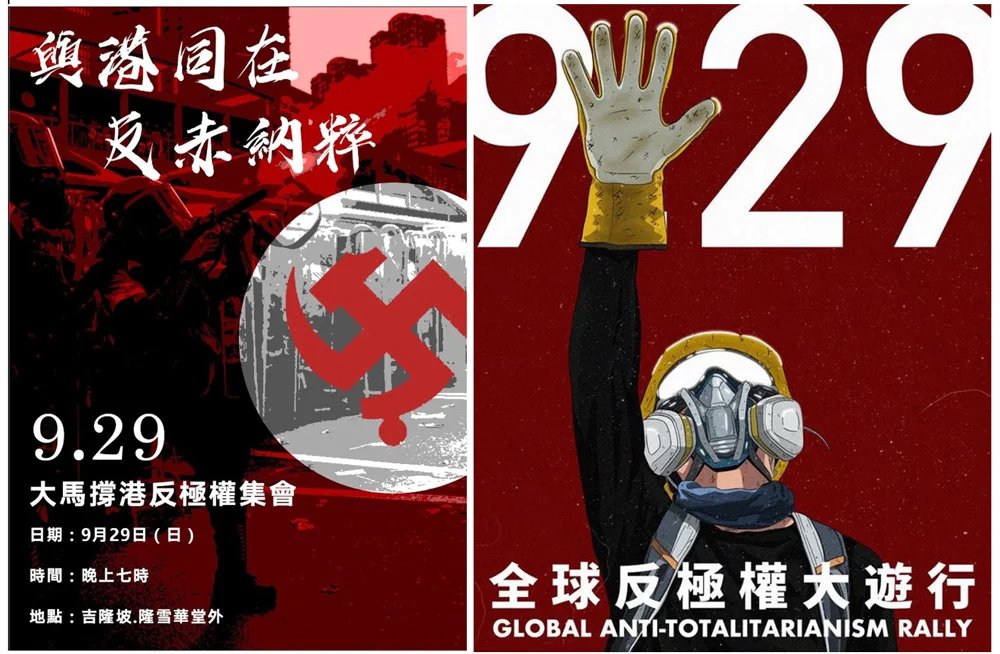
Reprinted from StoptheCCP.org September 29, 2023. Stay tuned for an update, this weekend, on what’s happened since.
See all recent commentary
(simplified and organized)
See recent popular posts
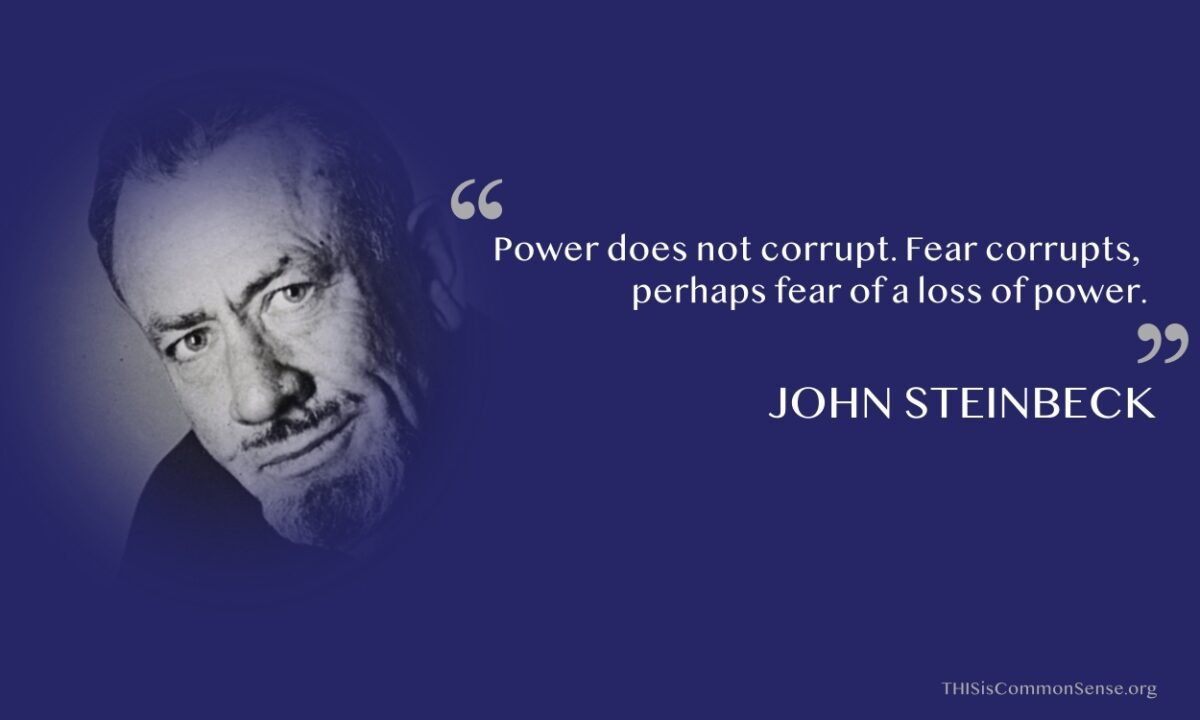
Power does not corrupt. Fear corrupts, perhaps fear of a loss of power.
John Steinbeck, The Short Reign of Pippin IV (1957).
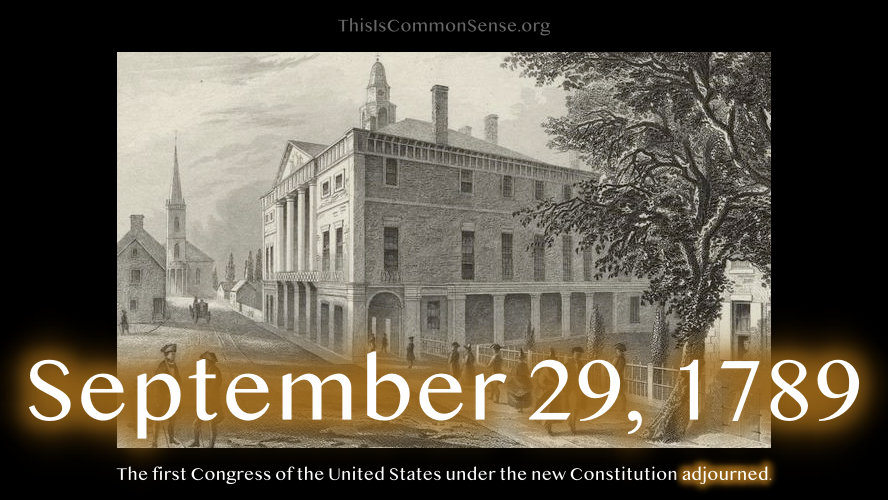
On September 29, 1789, the first Congress of the United States under the new Constitution adjourned.
On the same date in 1881, economist Ludwig von Mises was born in Lemberg, Galicia, of the Austria-Hungary Empire (now Lviv, Ukraine).
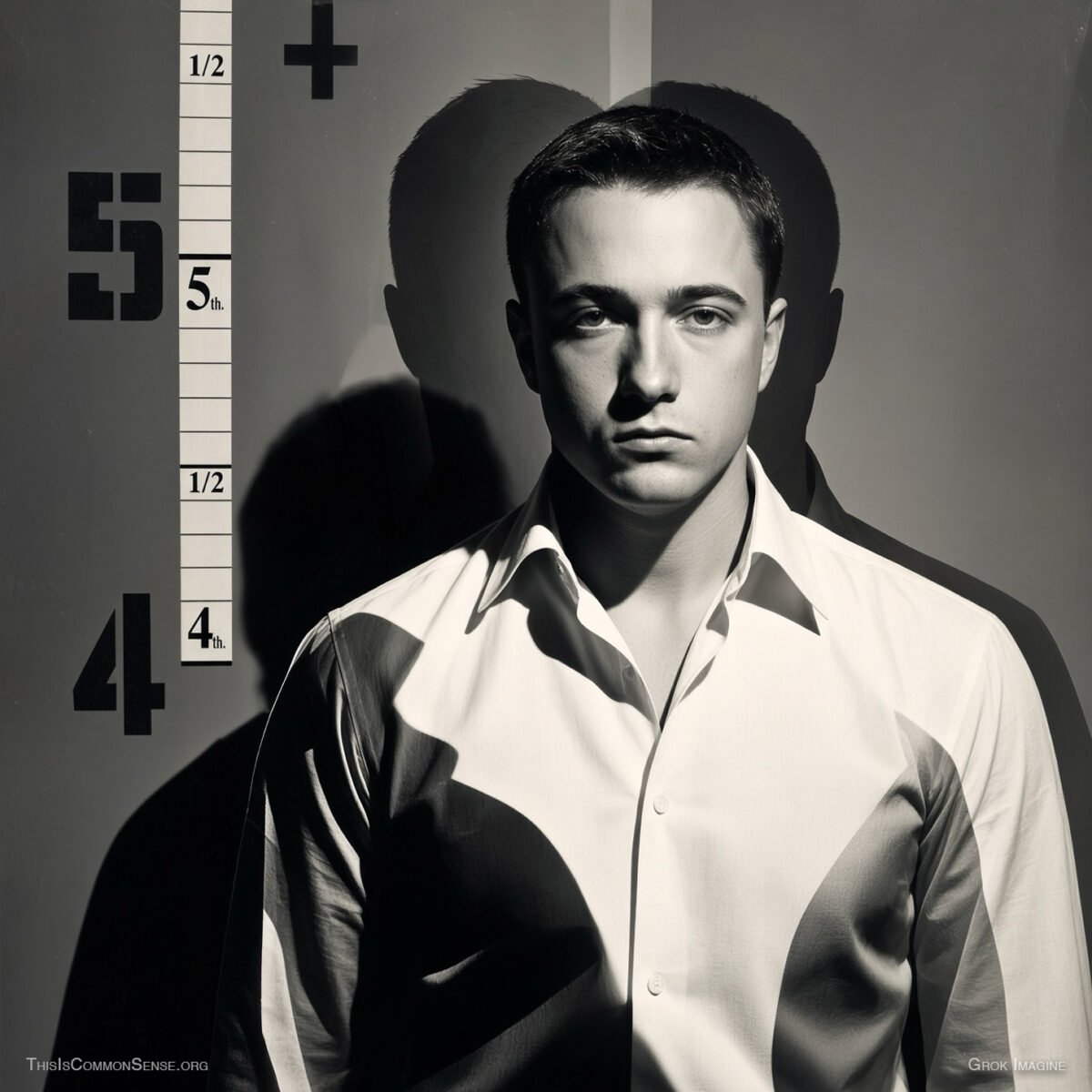
The pardon should have happened sooner, but at least it’s happened. It was especially important because in May of this year the Supreme Court declined to review Adamiak’s case.
A White House spokesman told The Epoch Times that “President Trump stands for the Second Amendment and will not deny honorable veterans like Mr. Adamiak his constitutional rights.”
Adamiak is, or was, a gun collector. Several years ago he was targeted by a vindictive and irrational ATF. Convicted in 2022, he was sentenced to twenty years in prison. Who did he murder?
Nobody. In 2021, somebody sent a tip to the ATF about his gun collection. Adamiak “said he didn’t want to go to the trouble of maintaining a federal firearms license. So he only collected non-firing replica weapons.”
But we don’t need to take Adamiak’s word for the fact that they were nonfiring. In a report filed with the court, ATF agent Daniel Beasley admitted that he had to alter an inert STEN machine gun to get it to fire a bullet. Epoch Times notes that he “had to install a firing mechanism and a real STEN barrel and then wrap part of the barrel in electrical tape to fire a single round” [emphasis added].
Calum Welch, a lawyer for Adamiak, says that the agency attributed “conduct he didn’t commit, intent he didn’t have, and items he didn’t possess.” A veritable trifecta of non-existent offenses against the State!
This is Common Sense. I’m Paul Jacob.
Illustration created with Grok Imagine
See all recent commentary
(simplified and organized)
See recent popular posts
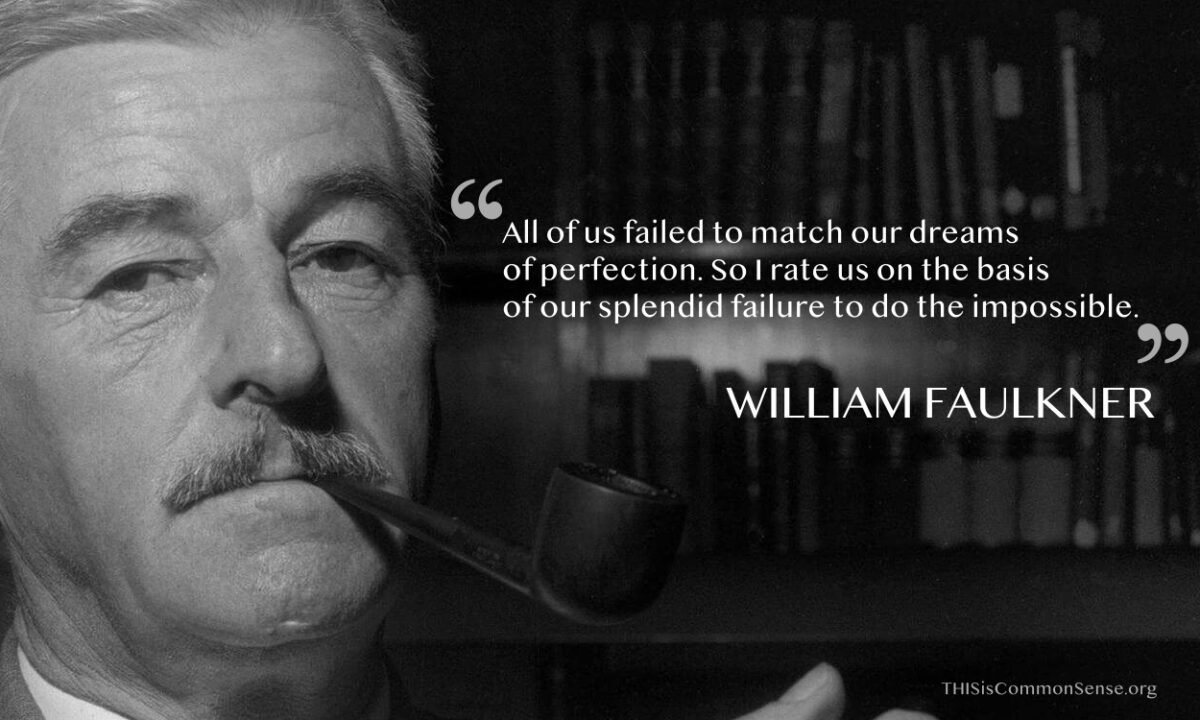
All of us failed to match our dreams of perfection. So I rate us on the basis of our splendid failure to do the impossible.
William Faulkner, Paris Review interview (1958).