“Neocons” is really just a polite euphemism for “bloodthirsty, sociopathic warmongers.”
Glenn Greenwald, System Update, June 19, 2023.
Categories
Glenn Greenwald
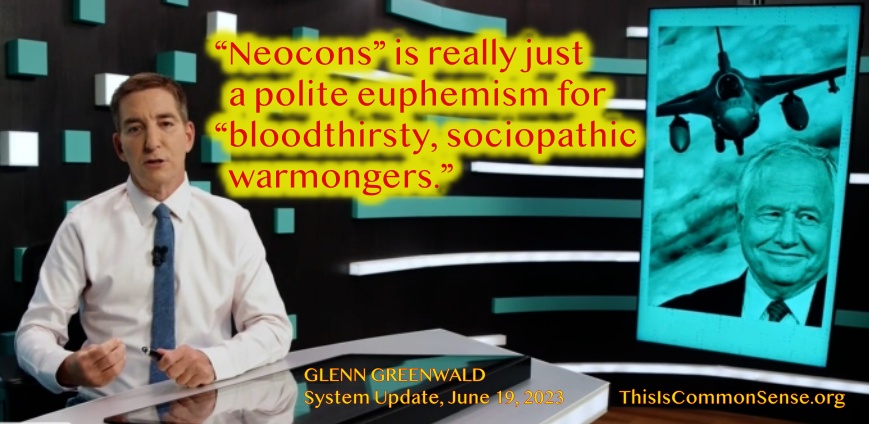
“Neocons” is really just a polite euphemism for “bloodthirsty, sociopathic warmongers.”
Glenn Greenwald, System Update, June 19, 2023.
On June 21, 1915, the U.S. Supreme Court struck down an Oklahoma law denying the right to vote to some citizens. In Guinn v. United States, the Supreme Court found “grandfather clauses” in effect in several formerly slave states to be little more than sneaky ways of allowing illiterate white folks to vote while disallowing illiterate black folks.
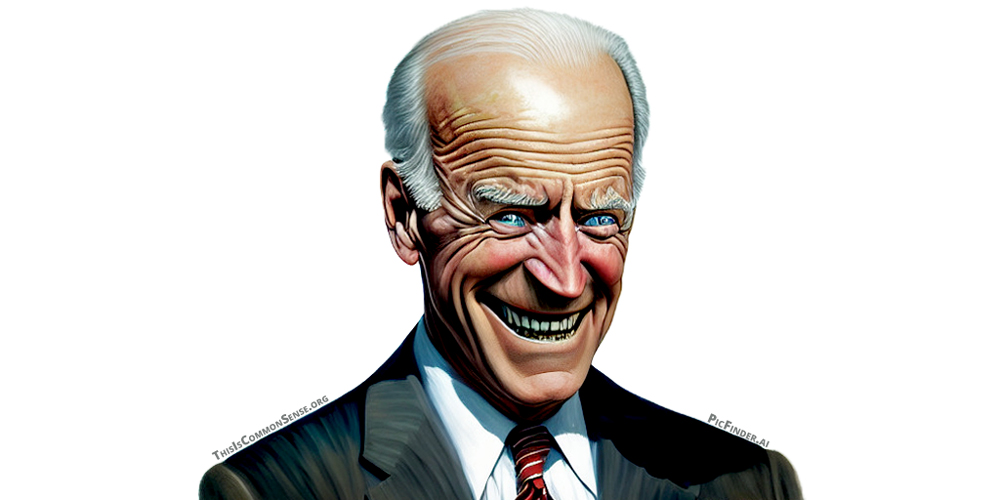
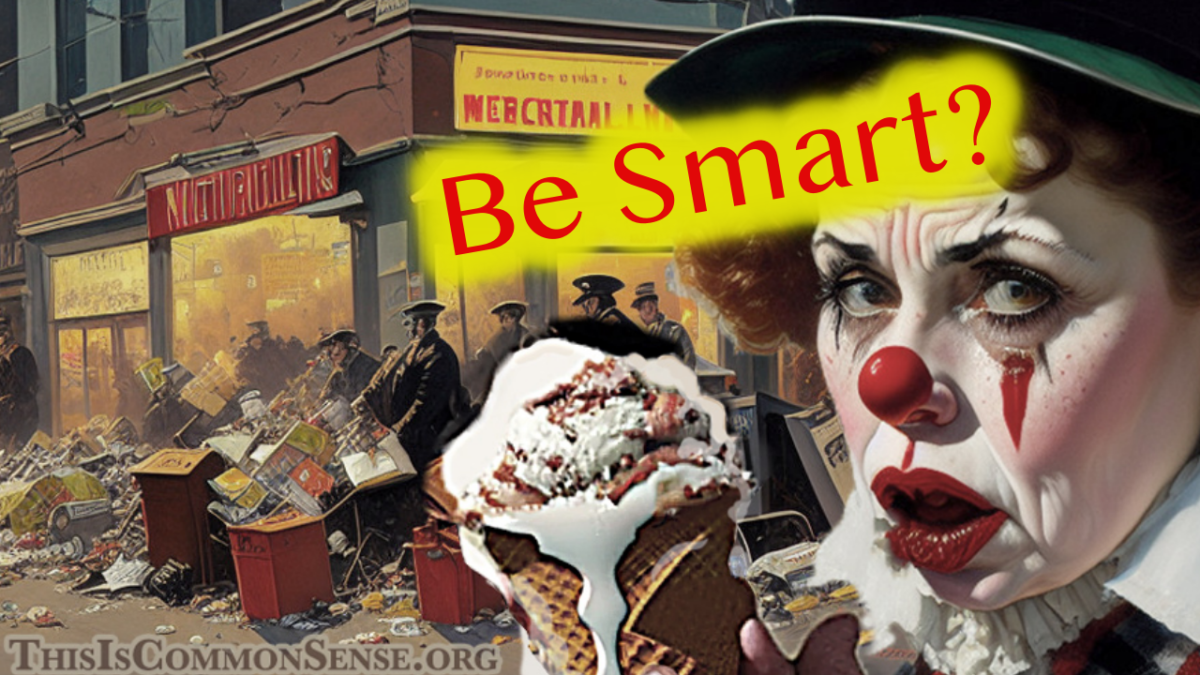
Carlson spends a couple of minutes discussing absurd reactions to the brief-lived caption. But most of his satirical 13-minute monologue is about whether President Biden qualifies for dictator-hood.
Carlson suggests that you have to do much more than jail political rivals to qualify.
Dictators enrich themselves and their families, taking bribes or kickbacks from businesses or other dictators.
In a dictatorship, it’s no longer possible to fight the injustice of the system. If people “gather in large numbers to protest the rule of the dictator, they’ll be arrested by state security services even years after the fact.”
In a dictatorship, you can’t even complain from your home; unauthorized opinions on the Internet must be censored.
In a dictatorship, major mental or physical lapses by the Dear Leader would be routinely covered up by a compliant media.
A dictator would say your kids belong to him. But Joe Biden says your kids belong to all of us; we have joint custody.
It’s a litany that could be extended, and Tucker Carlson does so.
This is Common Sense. I’m Paul Jacob.
Illustration created with PicFinder.ai
See all recent commentary
(simplified and organized)
See recent popular posts
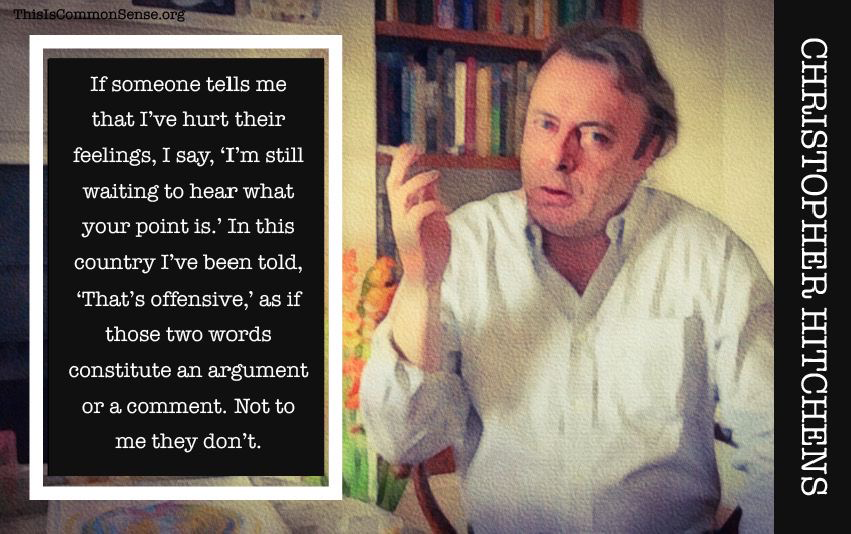
If someone tells me that I’ve hurt their feelings, I say, ‘I’m still waiting to hear what your point is.’ In this country I’ve been told, ‘That’s offensive,’ as if those two words constitute an argument or a comment. Not to me they don’t.
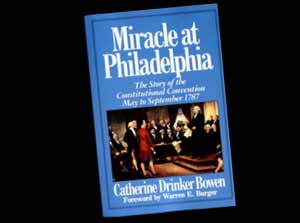
On the 20th of June in 1787, at the Constitutional Convention in Philadelphia, Oliver Ellsworth moved to confine legislative powers to two distinct branches, and to strike the word “national” from the document. Edmund Randolph of Virginia had previously moved successfully to call the government the National Government of United States. Ellsworth moved that the government should continue to be called the United States of America.
The final wording eventually became “All legislative powers herein granted shall be vested in a Congress of the United States, which shall consist of a Senate and House of Representatives.”
And, yes, the word “national” does not occur anywhere in the Constitution as ratified by the original set of states, or as amended.
John F. Kennedy authored the Encyclopædia Britannica’s article on Ellsworth. This was Kennedy’s only contribution to the encyclopedia.
I like to see folks have a good time.
“Each year,” offers The Wayside Youth & Family Support Network in Massachusetts, “Juneteenth is a day for Black people to celebrate freedom.”
The article sports the headline, “10 Things We Want White People to Do to Celebrate Juneteenth.”
Sounds like there’s a test.
In “The Caucasians’ Guide to Celebrating Juneteenth,” The Root claims, “we created a CRT-free educational curriculum to help colonizer Americans resist the urge to gentrify this celebration.”
“Hold up, white people,” urges The Root’s Michael Harriot. “Before hopping on the Juneteenth bandwagon, you first need to realize that you have no say in driving the narrative about this special day.”
Thank goodness I have my own commentary program.
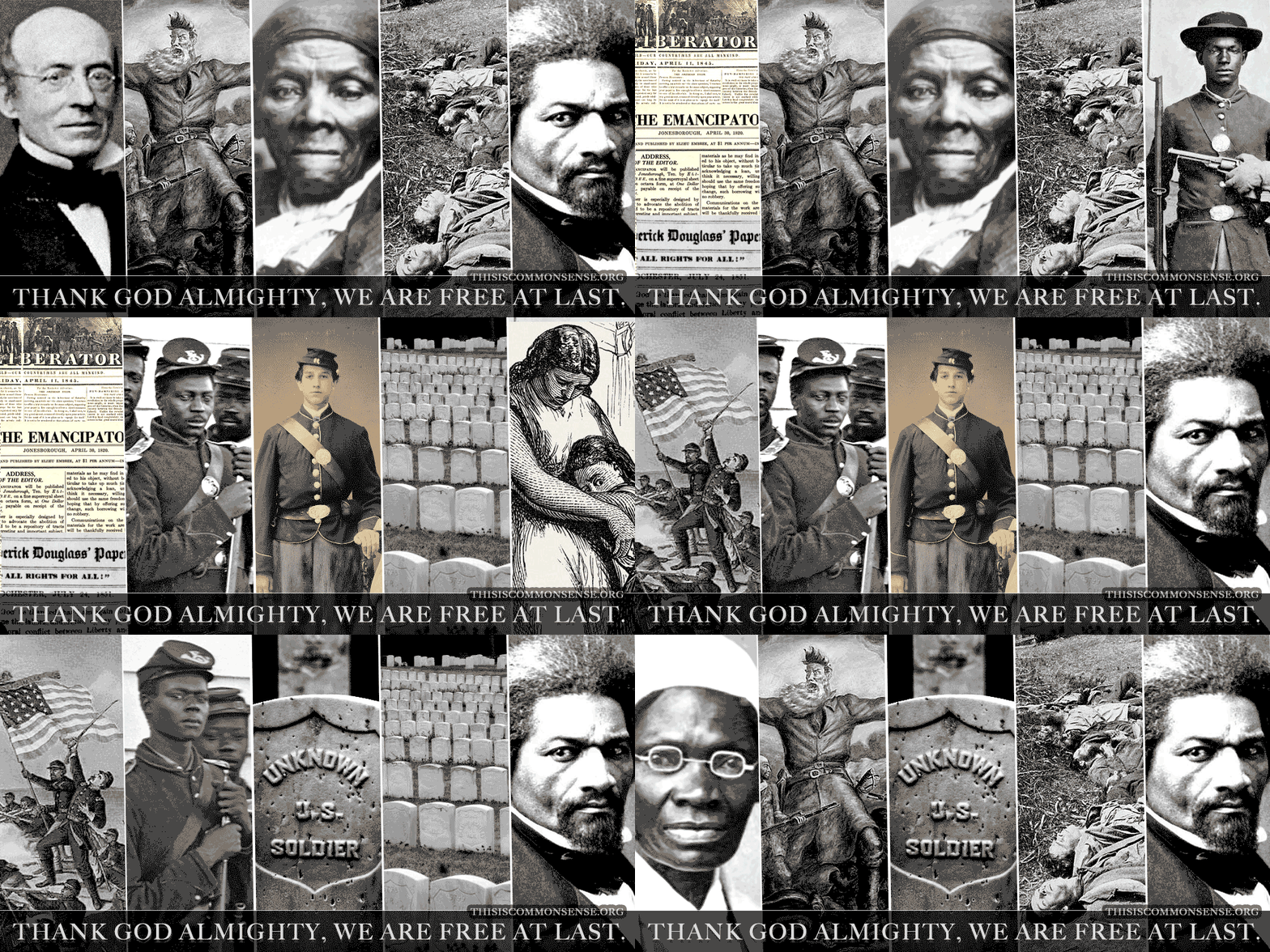
Juneteenth celebrates enslaved people in Texas being freed on June 19, 1865 — the very last in our country to be held in bondage. Now that’s cause for jubilation for every man and woman who breathes free . . . of every race.
How was that “peculiar,” perniciously evil institution of slavery stopped? To put slavery in its grave, more than 360,000 American men “gave the last full measure of devotion,” as Abe Lincoln put it, to the “cause.”
These men, mostly white but of both races, deserve a moment on Juneteenth.
So do the abolitionists from Frederick Douglas and William Lloyd Garrison to John Brown and Harriett Tubman . . . and all those (white and black) who risked so much to run the Underground Railroad. And eternal thanks to the white juries who voted to nullify the Fugitive Slave Act, refusing to send slaves back.
Slavery is forever deserving of condemnation, certainly. But Juneteenth isn’t about slavery; it’s about emancipation, the triumph of freedom.
At my shindig, anyway.
This is Common Sense. I’m Paul Jacob.
See all recent commentary
(simplified and organized)
See recent popular posts
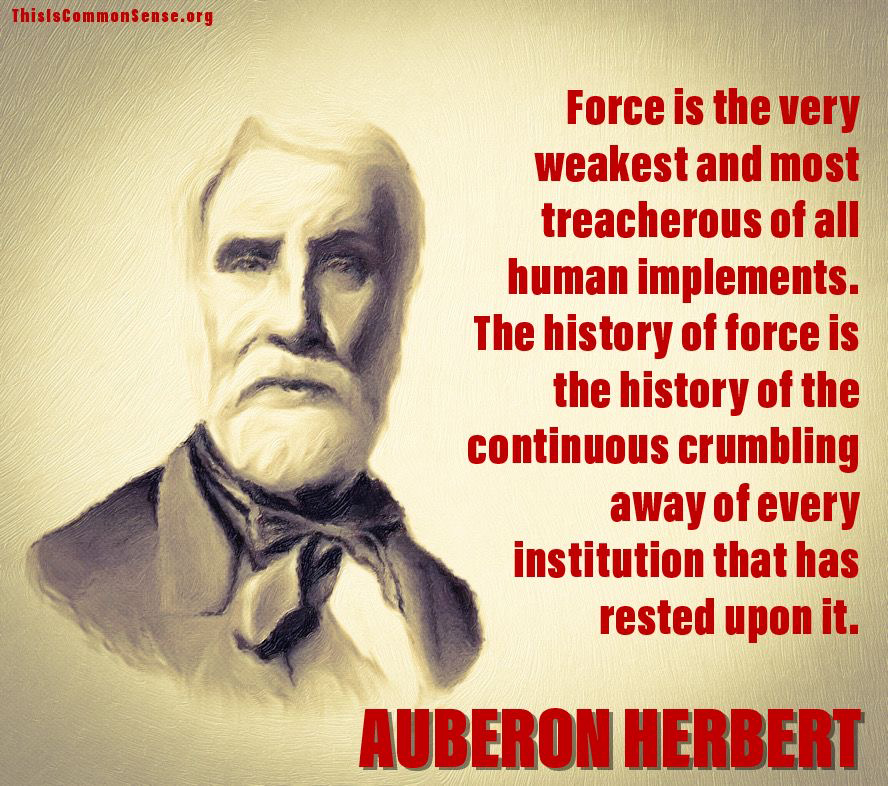
If we cannot by reason, by influence, by example, by strenuous effort, and by personal sacrifice, mend the bad places of civilization, we certainly cannot do it by force. Force is the very weakest and most treacherous of all human implements. The history of force is the history of the continuous crumbling away of every institution that has rested upon it.
Auberon Herbert, The Ethics of Dynamite (1894).
“Juneteenth” (a portmanteau of June and nineteenth) also known as Freedom Day, Jubilee Day, Liberation Day and Emancipation Day, is a holiday celebrating the emancipation of those held as chattel slaves in the United States. Originating in Galveston, Texas, it has been celebrated annually on June 19 throughout the United States, and on June 17, 2021, it was made into an official national holiday when President Joe Biden signed the Juneteenth National Independence Day Act into law. It is commemorated on the anniversary date of the June 19, 1865, announcement of General Order No. 3 by Union Army general Gordon Granger, proclaiming freedom from slavery in Texas.
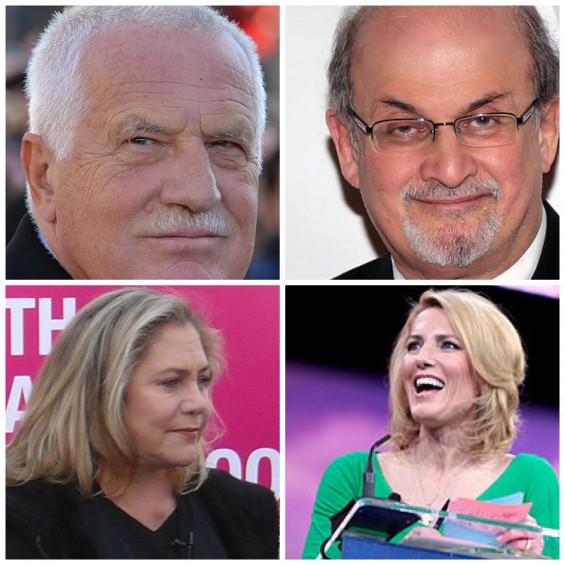
In June, 1941, Czech economist and politician Václav Klaus was born on the 19th (he died in 2011); other June 19 births include Salman Rushdie in 1947, Kathleen Turner in 1954, and Laura Ingraham in 1964.
Some disagreement about Joe Biden’s latest, and agreement on much else:
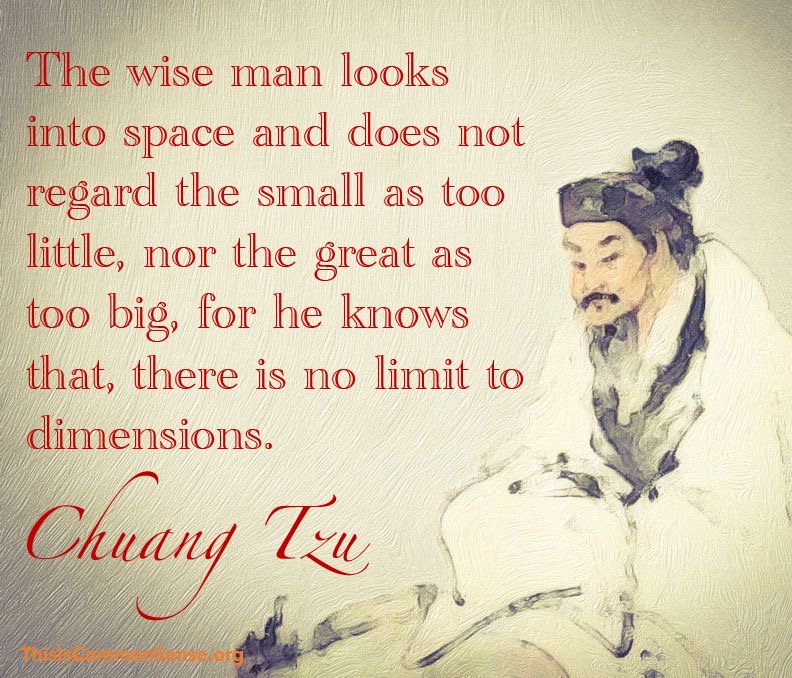
The wise man looks into space and does not regard the small as too little, nor the great as too big, for he knows that, there is no limit to dimensions.
Zhuangzi, or Master Zhuang, often known in the west as Chuang Tzu, in 莊子/秋水.