I wonder shall History ever pull off her periwig and cease to be court-ridden?
William Makepeace Thackeray, The History of Henry Esmond (1852), first page of Book One.
Categories
William Makepeace Thackeray
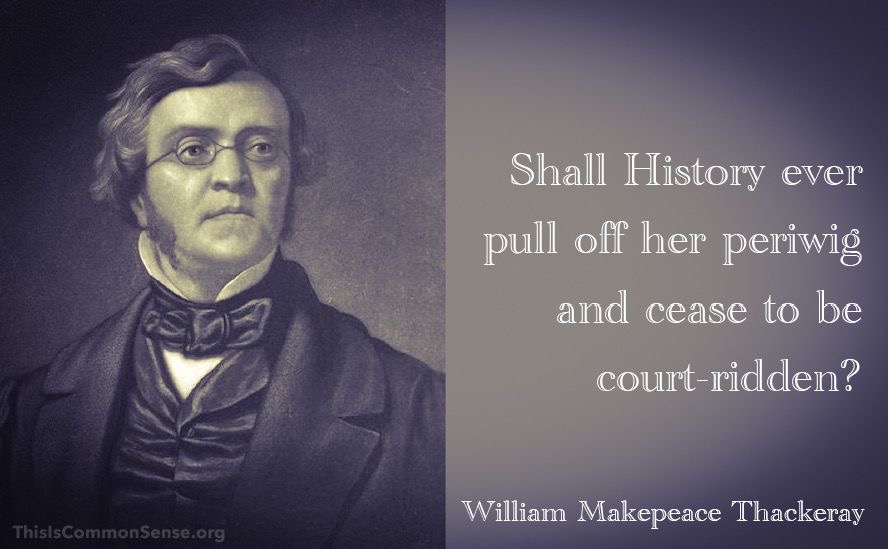
I wonder shall History ever pull off her periwig and cease to be court-ridden?
William Makepeace Thackeray, The History of Henry Esmond (1852), first page of Book One.
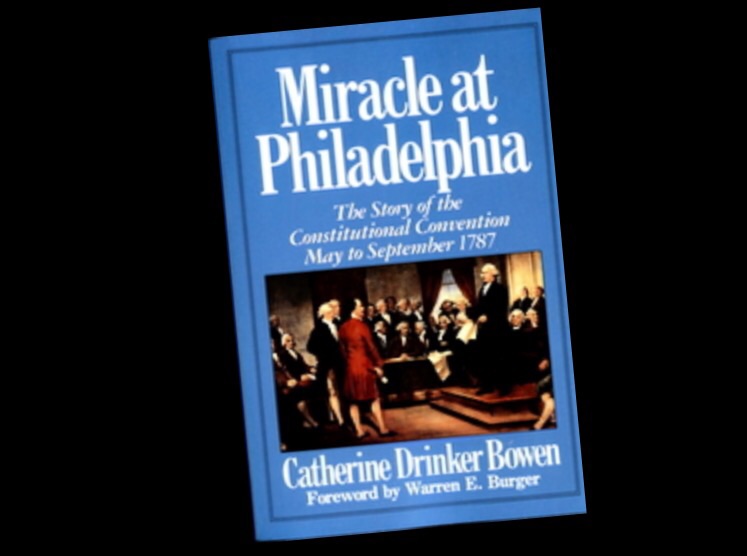
On September 17, 1787, the Constitution of the United States was signed in Philadelphia, Pennsylvania.
In 1849 on this same day in September, Harriet Tubman escaped to freedom in Philadelphia, but soon returned to Maryland to rescue her family. She made at least 13 trips into the slave-owning South to liberate more than 70 slaves before the Civil War — in which she served as a spy for the North.
Paul has an idea of what we need. But also what we do not need on top of that.
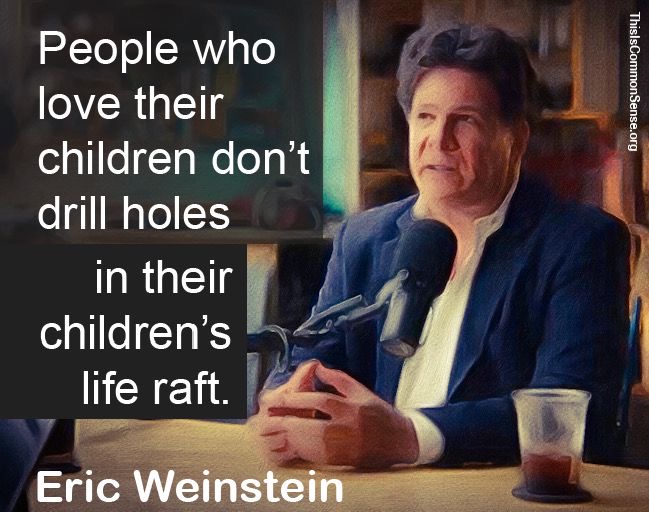
People who love their children do not drill holes in their children’s life raft.
Eric Weinstein on the Modern Wisdom podcast.

September 16 marks the Independence Days for Mexico (celebrating the declaration of independence from Spain in 1810) and Papua New Guinea (commemorating the exit from Australia in 1975).
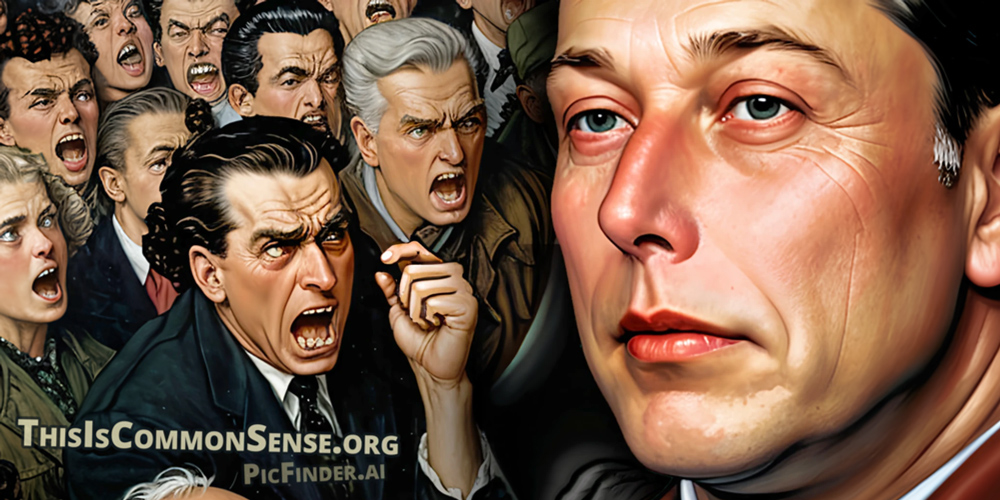
They must know that there’s no constitutional loophole for speech that they disagree with.
Another “must know”? That calling the public statements of political opponents “misinformation,” “disinformation,” “hate speech,” etc. is no substitute for open discussion.
They just don’t care.
They just know that if they keep plugging away, struggling to muzzle the badspeech, they’re more likely to get their way than playing by the rules of free speech and open debate.
Their determination is well shown in a new California law, AB587, passed about a year ago. The law compels social media companies to institute moderation policies to squelch “hate speech,” “extremism,” “disinformation,” “misinformation,” “radicalization,” etc.
Although AB587 is anti-transparently called a “transparency measure,” main author Assemblyman Jesse Gabriel admits the point: to force social media companies to “moderate or remove hateful or incendiary content on their platforms,” like “hate speech and disinformation.”
Since Elon Musk’s Twitter is affected by the new law, Musk is suing to block it.
According to his lawsuit, AB587 “compels companies like X Corp. [Twitter] to engage in speech against their will, impermissibly interferes with [their] constitutionally protected editorial judgments” and “has both the purpose and likely effect of pressuring companies . . . to remove, demonetize, or deprioritize constitutionally protected speech that the State deems undesirable or harmful.”
Politically, Mr. Musk has emerged as one of the country’s most frustratingly contradictory figures, often doing great things, sometimes very bad ones. With this lawsuit, even his enemies must know he is in the right.
This is Common Sense. I’m Paul Jacob.
Illustration created with PicFinder.ai and DALL-E2
See all recent commentary
(simplified and organized)
See recent popular posts
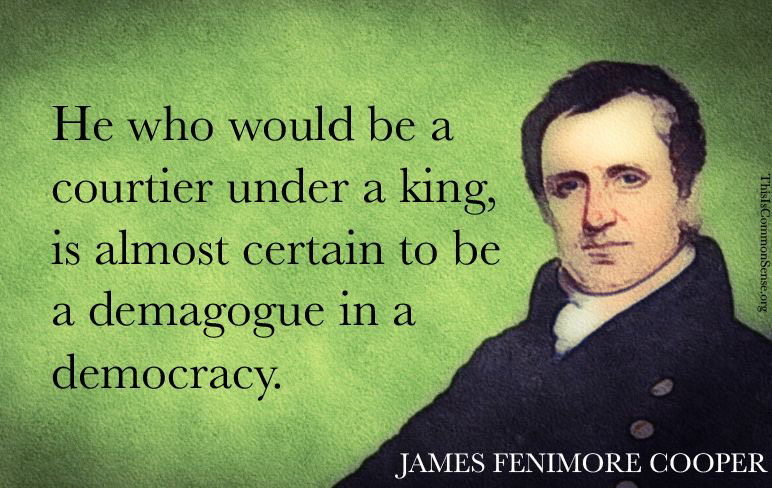
The peculiar office of a demagogue is to advance his own interests, by affecting a deep devotion to the interests of the people. . . .
He who would be a courtier under a king, is almost certain to be a demagogue in a democracy.
James Fenimore Cooper, The American Democrat: Or, Hints on the Social and Civic Relations of the United States of America (1838).
On September 15, 1820, an uprising occurred in Lisbon, Portugal, following similar insurrection in Porto the previous month. This was no bloodthirsty mob, but, instead, a popular demand for constitutional government. Unfortunately, the country was beset with imperial and monarchical problems for some time to come.
The United Nations established September 15 as International Day of Democracy, in 2007. An Independence Day is celebrated on this date in Guatemala (a Patriotic Day), El Salvador, Honduras, Nicaragua, and Costa Rica, commemorating independence from Spain in 1821.
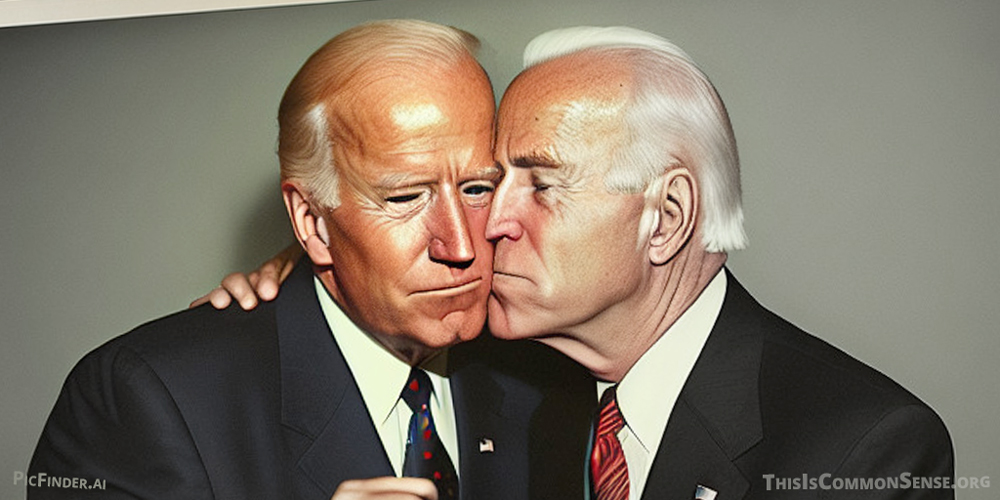
That’s odd. Libertarians don’t usually want control over anyone.
But at issue is whether Sleepy Joe and Motionless Mitch have control over themselves.
“The U.S. Libertarian Party has filed for conservatorships for President Joe Biden and Senate Minority Leader Mitch McConnell, referring to them as ‘geriatric elites’ mentally unfit to properly serve the American populace,” Newsweek reported on Tuesday.
“Both subjects’ ability to receive and evaluate information effectively, make decisions, and to communicate are impaired to such an extent that they lack the capacity to represent themselves or the interests of Americans,” explained a party news release.
“These men, and others like them (like Diane Feinstein and John Fetterman) are not well enough to be left alone in the house all day,” Libertarian National Committee Chair Angela McArdle argued. “How are they well enough to govern our lives and spend our tax dollars?”
She added: “so we’ve compassionately decided to step in and make those important decisions for them.”
At 80 years of age, Mr. Biden is the oldest president ever. If re-elected in 2024, he would be 86 at the conclusion of his term. Kentucky Senator Mitch McConnell, 81 years of age, has been in public office in Washington for the last 38 years.
The problem, of course, is not age as a number, but that both men have exhibited behavior that concerns us for their health and well-being. Mitch has repeatedly frozen in public, to be led away like a zoned-out sleepwalker, while the president, on his recent Vietnam trip, closed a press conference with “I don’t know about you, but I’m going to go to bed.”
Still, their string-pullers persist in milking each to the last drool-drip of inertial power. Their families should step in.
Until then, the Libertarian Party will have to do.
This is Common Sense. I’m Paul Jacob.
Illustration created with PicFinder.ai
See all recent commentary
(simplified and organized)
See recent popular posts
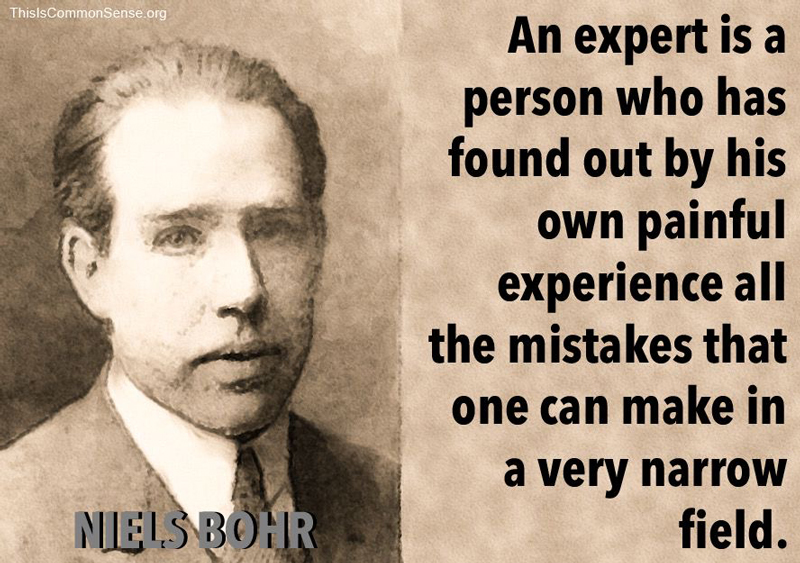
An expert is a person who has found out by his own painful experience all the mistakes that one can make in a very narrow field.
Niels Bohr, as quoted by Edward Teller, in “Dr. Edward Teller’s Magnificent Obsession” by Robert Coughlan, in LIFE magazine (September 6, 1954), p. 62.