War is what happens when language fails.
Margaret Atwood, The Robber Bride (1993), Ch. 6

War is what happens when language fails.
Margaret Atwood, The Robber Bride (1993), Ch. 6
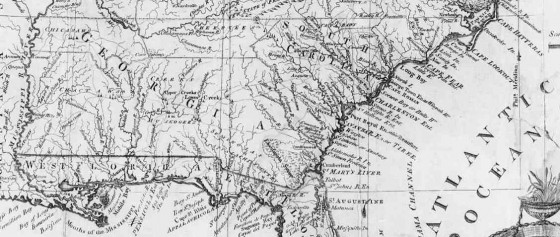
On January 2, 1788, Georgia became the fourth state to ratify the United States Constitution.
Should we “err on the side of security”?
We shouldn’t err at all. That gets us nowhere. And unthinkingly sticking to failed notions of security is not helping avoid mistakes.
Click on over to Townhall. Then back here for more intel.
Purpose is what separates success from failure. Those with a guiding purpose, however small, can make a difference in the lives of others.
That is why I always suggest think locally and act locally. You can change the world, even if it is just your own. At the end of the day — or year — that is really all that matters.
Brion McClanahan, email newsletter for The Brion McClanahan Show, December 30, 2016
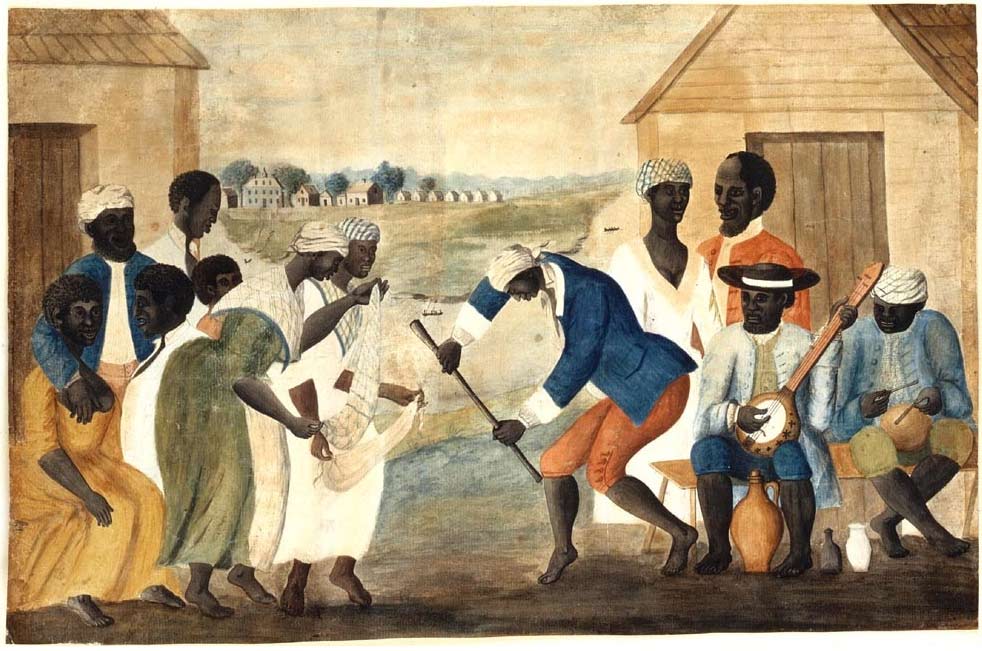
On January 1, 1808, the importation of slaves into the United States was banned.
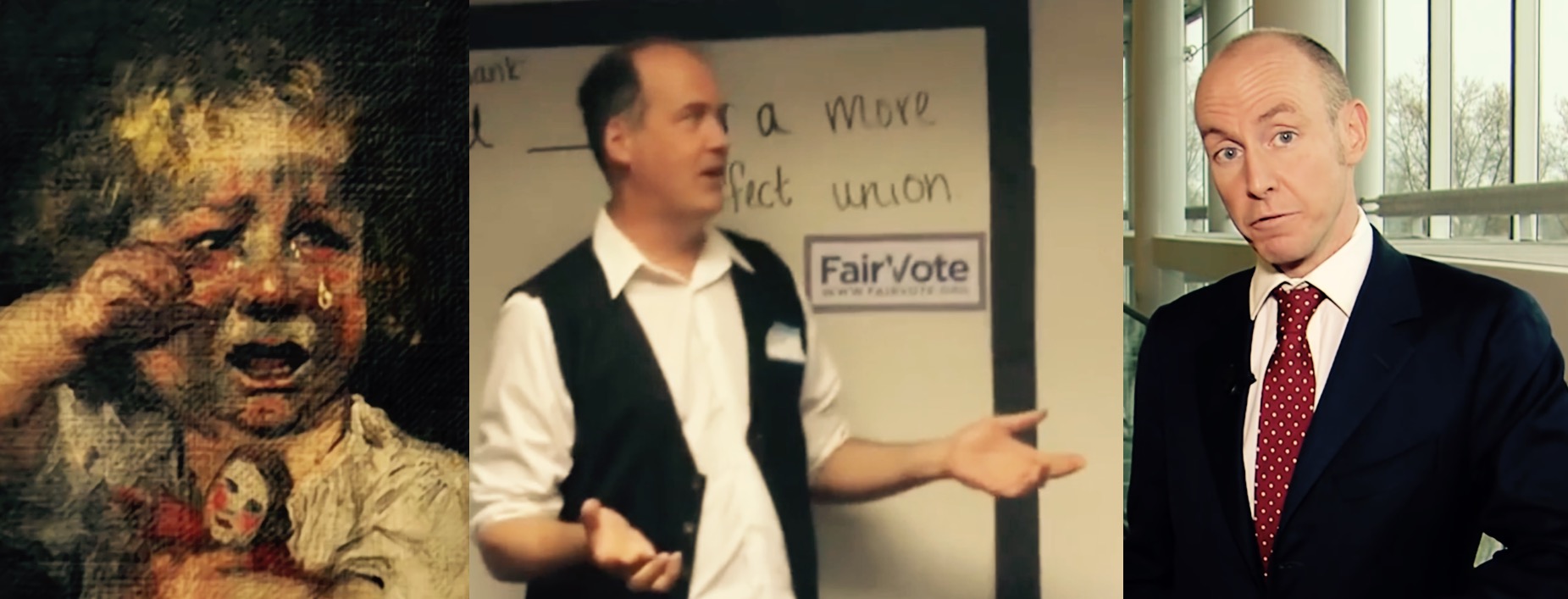
Lots of people are saying that 2016 was “the worst.” Dan Hannan disagrees:
Krist Novoselic, my colleague at FairVote.org, here gives a little talk about how we can change our democratic processes for the better. “We’re getting there,” he says, about the organization’s substantial election reform — a non-partisan variety of reform that, he says, will benefit all Americans. For some reason not many people have seen this video:
But are things really all that good? A lot of folks will say that the President-elect is the most dangerous trending topic. But Professor Gad Saad suggests, in this entry of The Saad Truth, that the worst trend is the victimology cult:
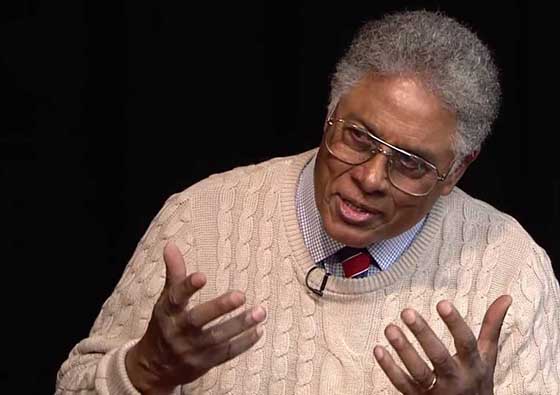
The old are not really smarter than the young, in terms of sheer brainpower. It is just that we have already made the kinds of mistakes that the young are about to make, and we have already suffered the consequences that the young are going to suffer if they disregard the record of the past.
Thomas Sowell, “Random Thoughts, Looking Back,” his final syndicated column upon retirement, National Review (December 27, 2016).

On December 31, 1695, Englanders received a new tax, a window tax. One of the main responses to this was the bricking up of many British windows.
This last day of the year in 1991 marked the complete cessation of all institutions of the Soviet Union.
New Year’s Eve 1992 saw the peaceful dissolution of Czechoslovakia into the Czech Republic and Slovakia. This has been dubbed the “Velvet Divorce.”
The Berlin terrorist attack just a little over a week ago fit a noteworthy pattern. German authorities had investigated Anis Amri — the Tunisian man who drove that large truck into a crowded Christmas market, killing 12 and wounding 56 others — and found “links with Islamic extremists.”
Later killed in Milan, Italy, Amri had been wanted in Tunisia for “hijacking a van” and jailed in Italy for arson and a “violent assault at his migrant reception center.” And yet with all that known or easily knowable, the German authorities couldn’t prevent him from killing innocent Germans.
It’s not just a European phenomenon, either.
Consider Omar Mateen, this country’s worst mass shooter, having massacred 49 people in Orlando’s Pulse nightclub. The FBI had spent ten months looking into Mateen.
Years before the Boston Marathon bombing, the FBI had tracked Tamerlan Tsarnaev, one of the bombers.*
“In case after case . . . authorities have come forward after the fact to say that they had enough cause to place the suspect under surveillance well before the violence,” the Washington Post recently noted. This was the case with the majority of recent lone-wolf terrorism plots.
“If any lesson can be learned from studying the perpetrators of recent attacks,” a report in The Intercept concluded, “it is that there needs to be a greater investment in conducting targeted surveillance of known terror suspects and a move away from the constant knee-jerk expansion of dragnet surveillance . . .”
Yet intelligence agencies are still grabbing our metadata in violation of the Fourth Amendment. That needs to stop.
The fact that known threats are consistently not being stopped suggests curtailing mass surveillance won’t hurt our security, but improve it.
This is Common Sense. I’m Paul Jacob.
* The same is true regarding the Ft. Hood (work-place) shooter, Nidal Hasan. Likewise, Abdulhakim Mujahid Muhammad (formerly Carlos Bledsoe), who was under the active eye of the FBI after returning from Yemen . . . until he opened fire on a Little Rock, Arkansas, recruiting station killing one soldier and wounding another. Ditto Ahmad Khan Rahami, the less deadly bomber in New York City and New Jersey.
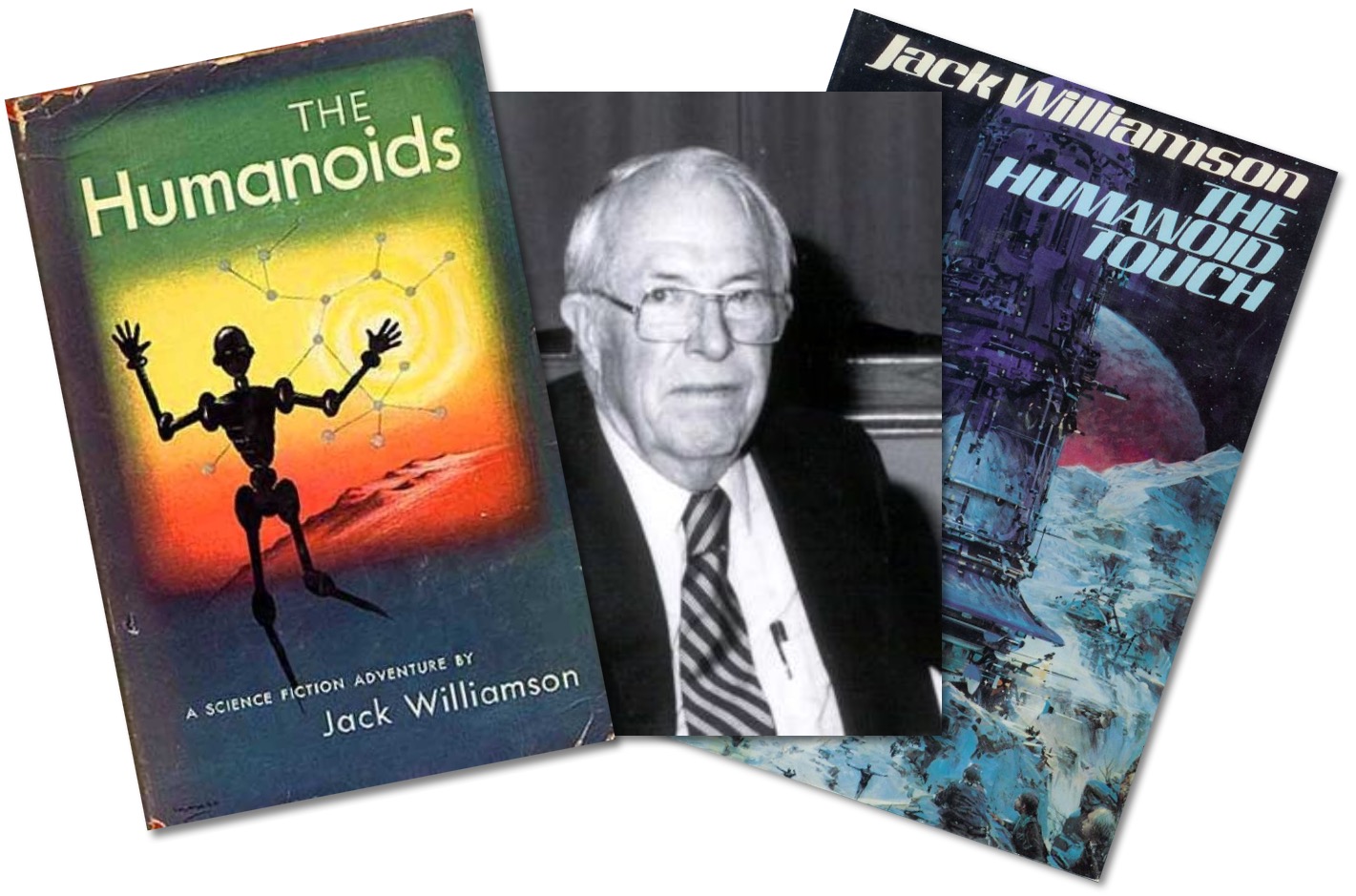
The humanoids protect people so well they won’t let them drive a car lest they have an accident or let a woman hold a needle lest she stab herself, . . . With the Patriot Act, people are trying to overprotect us by taking our freedoms away. I’d repeal it if I could.
Jack Williamson, author of The Humanoids (1948) and The Humanoid Touch (1980), science fiction novels in which humanity is overrun with “well-intentioned” robots.