On December 30, 1919, Lincoln’s Inn in London, England, admitted its first female bar student.
Categories
A law student
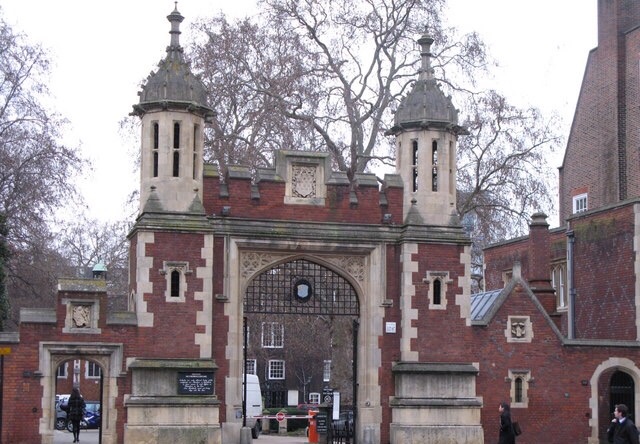
On December 30, 1919, Lincoln’s Inn in London, England, admitted its first female bar student.

The trouble is that we have a bad habit, encouraged by pedants and sophisticates, of considering happiness as something rather stupid. Only pain is intellectual, only evil interesting. This is the treason of the artist: a refusal to admit the banality of evil and the terrible boredom of pain. If you can’t lick ’em, join ’em. If it hurts, repeat it. But to praise despair is to condemn delight, to embrace violence is to lose hold of everything else.
Ursula K. Le Guin, “The Ones Who Walk Away from Omelas,” New Dimensions 3 (Robert Silverberg, ed.), p. 254

The President-elect has had some difficulty booking celebrity acts for his inauguration. And instead of taking this as a cue to trim down on celebratory excess, his team has extended the guest performer list to include New York’s world-famous chorus line dancers, the Rockettes.
The leggy, sequined showgirls might seem a perfect fit for the President-elect’s celebration — more, say, than a ballet troupe, or a string quartet — but one among the Rockettes protested. Being a part of a performing team might seem a dream job, but not for Phoebe Pearl. She was, she wrote on Instagram, “overwhelmed with emotion,” and not in a good way. She felt “embarrassed and disappointed” that the gig “has been decided” for her.
She feels . . . coerced.
Dan Avery, writing before Christmas, characterizes the contract as a matter of “force.”
Welcome, Ms. Pearl, to the world that most American workers already know.
But the silliness reached high pitch with actor George Takei, who tweeted: “The members of the Rockettes and the Mormon Tabernacle are like all of us: Forced to go along with something horrible they didn’t choose.”
Democracy — oh, my!
Most people have had to put up with democratic results they did not like. Are Democrats only now understanding this?
To a degree, I sympathize. Which is why I want limits placed on government. Perhaps Democrats should have thought of this every time they cheered as their elected candidates increased presidential power. Did they not realize that someday they might lose?
And if you want a right of refusal, make sure it is in your contract.
The Rockette does not have a leg to stand on.
This is Common Sense. I’m Paul Jacob.

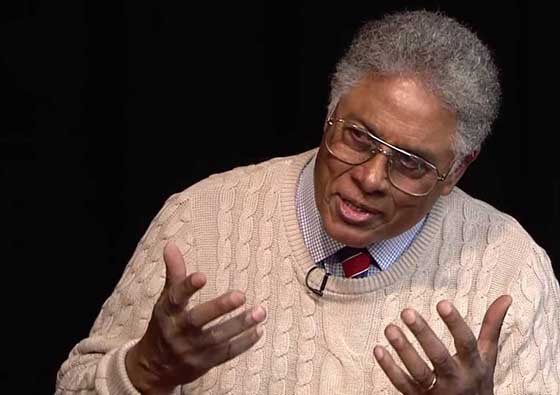
When I was growing up, we were taught the stories of people whose inventions and scientific discoveries had expanded the lives of millions of other people. Today, students are being taught to admire those who complain, denounce, and demand.
Thomas Sowell, “Random Thoughts, Looking Back,” his final syndicated column upon retirement, National Review (December 27, 2016).
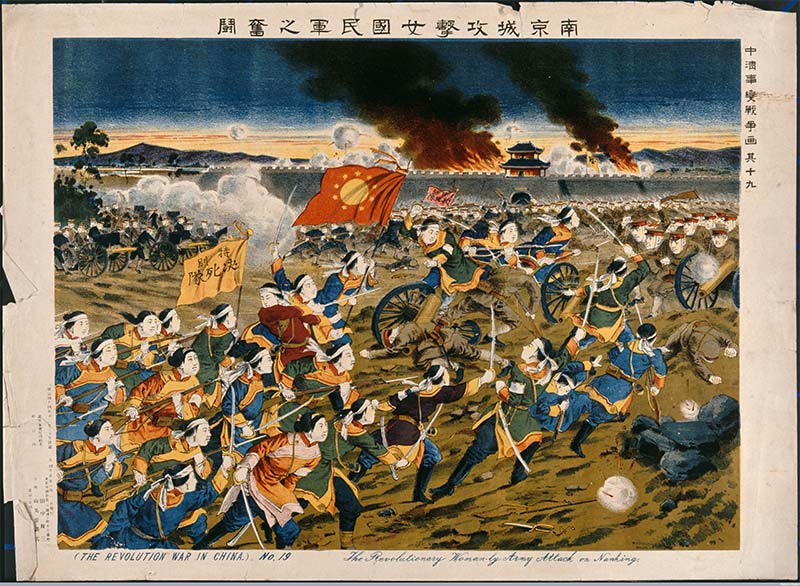
On December 29, 1911, Mongolia gained independence from the Qing Dynasty.

Politicians in Tampa, Florida, have forced citizens there to vote for term limits, and then vote to keep those term limits again and again — against attempts to repeal or weaken the limits. So I keep my eye out for news from the city.
Earlier this month, Mike Deeson, an investigative reporter with WTSP 10 News, Tampa Bay’s CBS affiliate, exposed Mayor Bob Buckhorn’s open violation of the city charter’s requirement that all department heads must be city residents. Buckhorn hired Sonja Little, now the city’s highest paid employee, to serve as his Chief Financial officer, and admits on camera that he promised her she would not have to move into the city.
“The question is,” the mayor explained, “do you want talent or do you really make the residency — she’s only about a mile away from the city border — the issue?” Buckhorn answers his own question, “I would rather have talent” . . . than follow the law.
In even slipperier fashion, Mayor Buckhorn has attempted to get around the clear, unequivocal wording in the charter by claiming Ms. Little has served as the “interim” Chief Financial officer for the last five years!
Reporter Deeson asks the operative question: “[I]f you’re going to ignore the residency requirement, what other parts of the charter should you just ignore?”
Deeson worries about provisions requiring competitive bidding, guarding against conflicts of interest and mandating term limits, which is “particularly problematic for a mayor who is in his second term and has to leave office when it’s over.”
On social media, Tampa residents are unloading on the mayor with numerous variants of: “This is truly what’s wrong with government.”
This is Common Sense. I’m Paul Jacob.

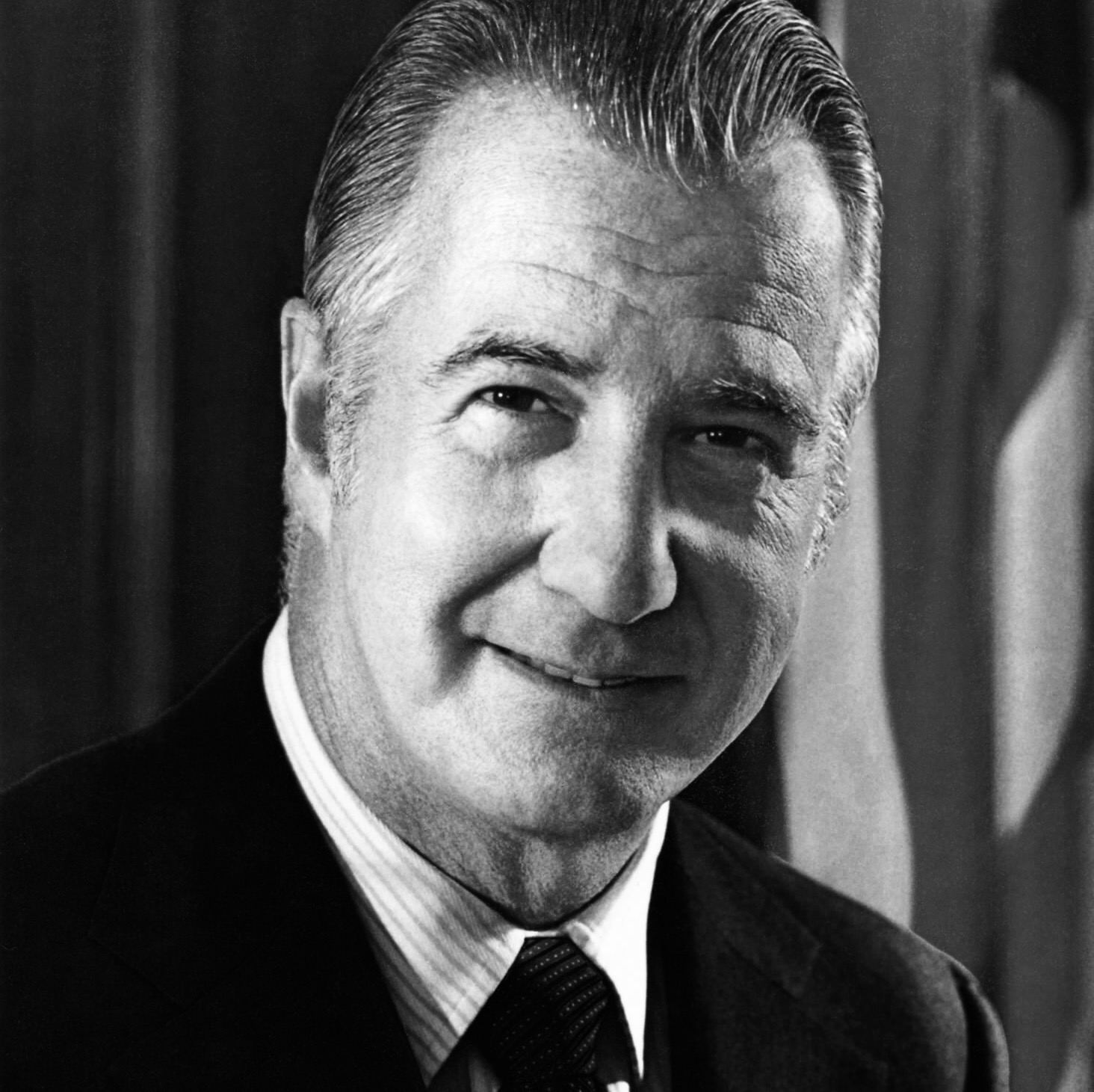
In the United States today, we have more than our share of nattering nabobs of negativism. They have formed their own 4-H club — the hopeless, hysterical hypochondriacs of history.
Delivered in San Diego, California, by Vice President Spiro T. Agnew, September 11, 1970, as written by William Safire, speechwriter
On December 28, 1797, Thomas Paine was arrested in France for treason, after being tried in absentia on December 26 and convicted. Before moving to France, Paine was an instrumental figure in the American Revolution as the author of Common Sense. Paine had moved to Paris to become involved with the French Revolution, but the chaotic political climate turned against him. Paine had not earned friends in the Revolution with his vocal opposition to capital punishment.
“During the whole of my imprisonment,” Paine later wrote, “prior to the fall of Robespierre, there was no time when I could think my life worth twenty-four hours, and my mind was made up to meet its fate. The Americans in Paris went in a body to the convention to reclaim me, but without success.”
Paine’s imprisonment in France caused a general uproar in America. Future President James Monroe used all of his diplomatic connections to get Paine released in November 1794.
With the publication of Paine’s The Age of Reason — a great part of which he wrote in French prison — the American population turned against him,and he died penniless in New York in 1809.
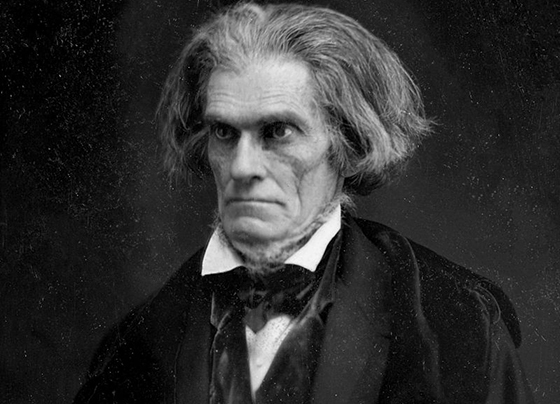
On this date in 1832, John C. Calhoun (pictured above, in his most famous but hardly most becoming portrait) resigned as Vice President of the United States, the first to do so.
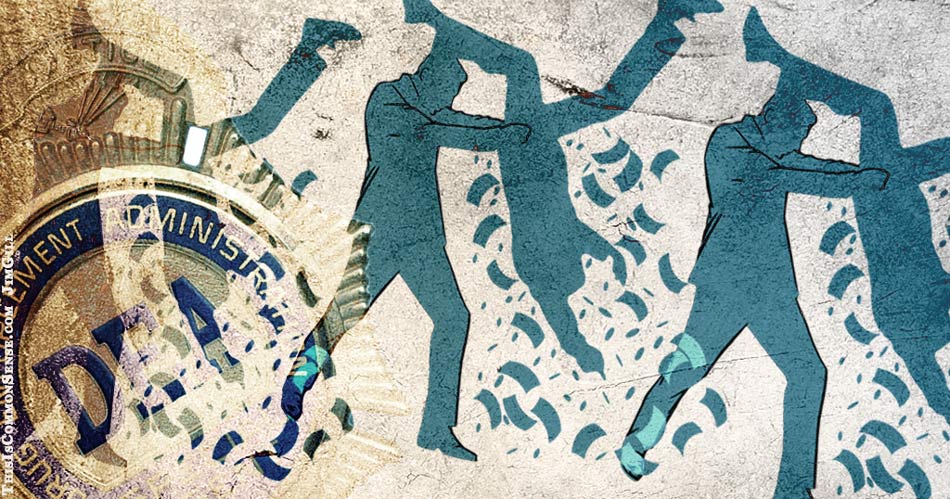
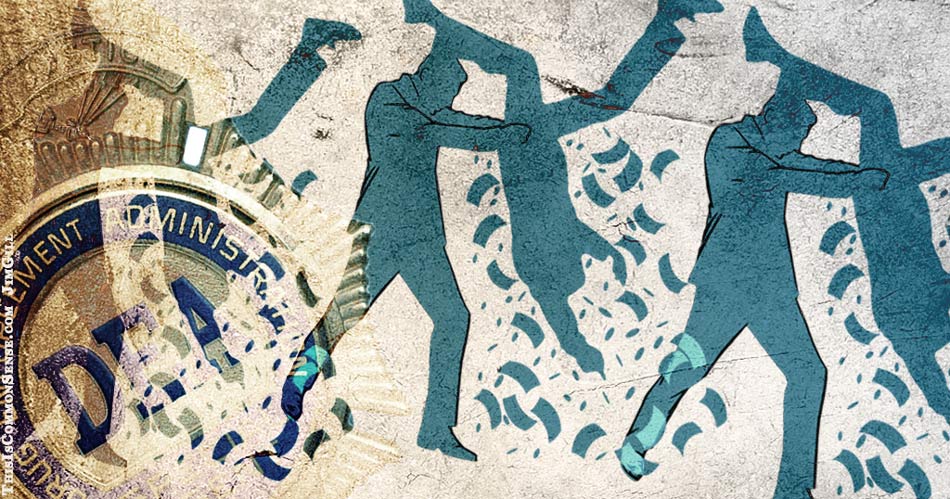
Civil asset forfeiture is stealing. So, why is it still happening?
Police seize boats, cars, houses and cash that they allege were used in the commission of a crime or were proceeds from the crime. Sometimes they simply take cash found on a motorist in a normal traffic stop, claiming it’s “drug money.”
Tragically, only 13 percent of forfeiture is criminal, i.e. involving a conviction. The rest is civil, wherein the person hasn’t been convicted of anything. Often not even charged.
When officials confiscate property without due process of law, it’s theft. The legal rationale government uses to snatch our stuff via civil forfeiture is a sick joke. Our property can be deemed “guilty” without enjoying our presumption of innocence. Instead, we have to go to court to prove our stuff is innocent.
Often officials negotiate a large cut, because hiring an attorney to get one’s money back might well cost more than the money itself.
The good news? People are becoming aware of civil asset forfeiture and overwhelmingly oppose it. A Cato Institute/YouGov poll found 84 percent of Americans against taking property without a criminal conviction.
While New Mexico and Nebraska have outlawed civil forfeiture, and some other states have sought to at least minimize its abuse, there is still significant pushback from police and prosecutors, who like getting all that dough. And who often have the ears of decision-makers.
The time has come to short-circuit the watered-down half-measure. Twenty-four states and a majority of cities enjoy the initiative process.
Let’s do it ourselves.
This is Common Sense. I’m Paul Jacob.
No granite is so hard as hatred and no clay so cold as cruelty.
Ursula K. Le Guin, “The Stars Below,” Orbit 14 (Damon Knight, ed.), p. 204