Categories
Today

Patriotism & Protest & Ousting

On August 19, 1919, Afghanistan gained full independence from Great Britain. Earlier, British attempts to maintain an imperial presence in this region elicited an infamous essay in protest by English sociologist and anti-imperialist Herbert Spencer (pictured), “Patriotism” (Facts and Comments, 1902).

On this day in 1991, Soviet President Mikhail Gorbachev was placed under house arrest, a crucial event leading to the dissolution of the Soviet Union.

In 1999, a mass rally of Serbians demanded the resignation of Slobodon Milosevic.
Categories
Today

Nineteenth on the Eighteenth

On August 18, 1920, the Nineteenth Amendment to the United States Constitution was ratified, guaranteeing women’s suffrage.

Categories
Today

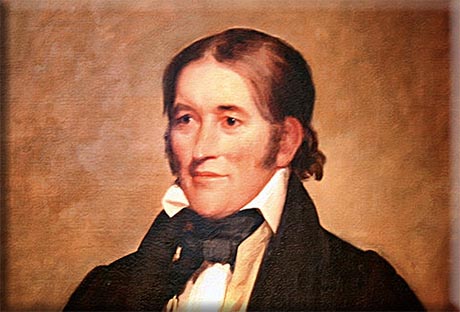
David Crockett

On August 17, 1786, American backwoods hero and politician, David Crockett, was born. Famous as a politician, he brought personal principle and honor and a “common sense” approach in representing Tennessee in the U.S. House of Representatives. He later played a part in the Texas Revolution, dying at the Battle of the Alamo.

Crockett grew up in East Tennessee, where he gained a reputation for hunting and storytelling, which helped make him a legend in his own time. After being made a colonel in the militia of Lawrence County, Tennessee, he was elected to the Tennessee state legislature in 1821.

In 1825, Crockett was elected to the U.S. Congress, where he vehemently opposed many of the policies of President Andrew Jackson, most notably the Indian Removal Act.

Crockett wrote a number of books, including a biography of Martin Van Buren.

Categories
Today

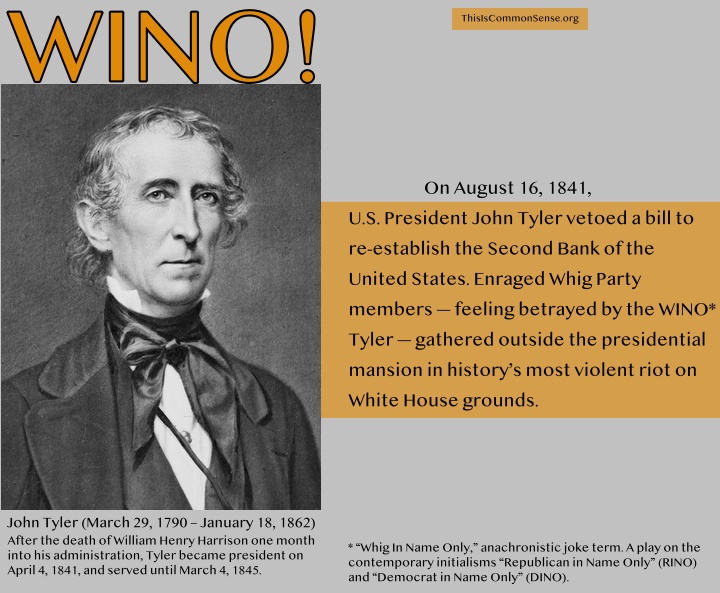
Against Central Banking

On August 16, 1841, U.S. President John Tyler vetoed a bill to re-establish the Second Bank of the United States. This made him deeply unpopular with his former supporters in the Whig Party — which was the party of “internal improvements” as well as an anti-Jacksonian party, and Andrew Jackson had previously set himself against central banking. It is apparent that Tyler did this because he had come to believe a central bank was unconstitutional.

We have a central bank, now, of course. It is called the Federal Reserve.

Categories
Today

The Wind & the Window

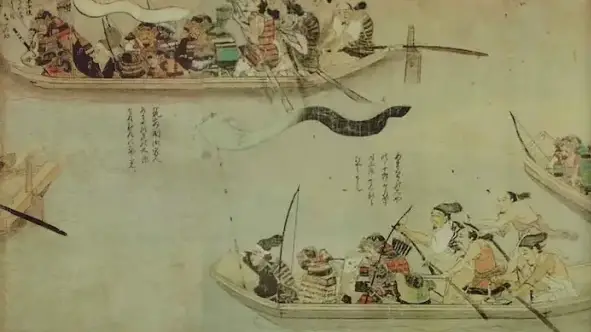
On August 15, 1281, the Mongolian fleet of Kublai Khan was destroyed by a “divine wind” for the second time in the Battle of Kōan.


On August 15 in 1971, President Richard Nixon ended convertibility of the United States dollar into gold by foreign investors. The dollar has remained fiat money ever since, but — mysteriously! — did not succeed in retaining its previous value.

But then, the dollar under the previous quasi-gold, Bretton-Woods Agreement wasn’t stable either, which is why Nixon felt compelled to close the gold window.

Categories
Today

They Led

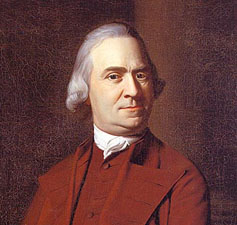
On August 14, 1765, Sam Adams led the first rebel mob against enforcers of the Stamp Act in Britain’s American colonies.

On this day in 1980, Lech Wałęsa led strikes at the Gdańsk, Poland, shipyards.

Categories
Today

A Slave Saw

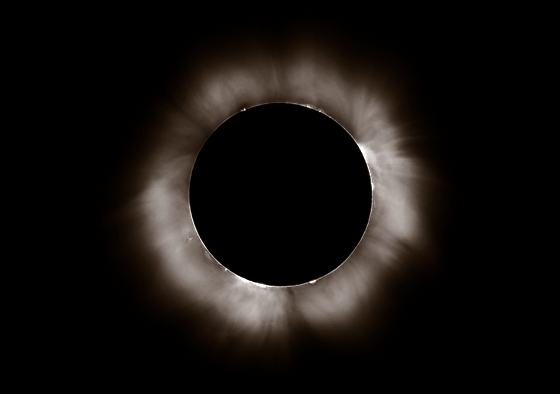
On August 13, 1831, Nat Turner witnessed a solar eclipse, which he interpreted as a sign from God. Eight days later he and 70 other slaves killed approximately 55 whites in Southampton County, Virginia.

Categories
Today

Leclerc at Alençon

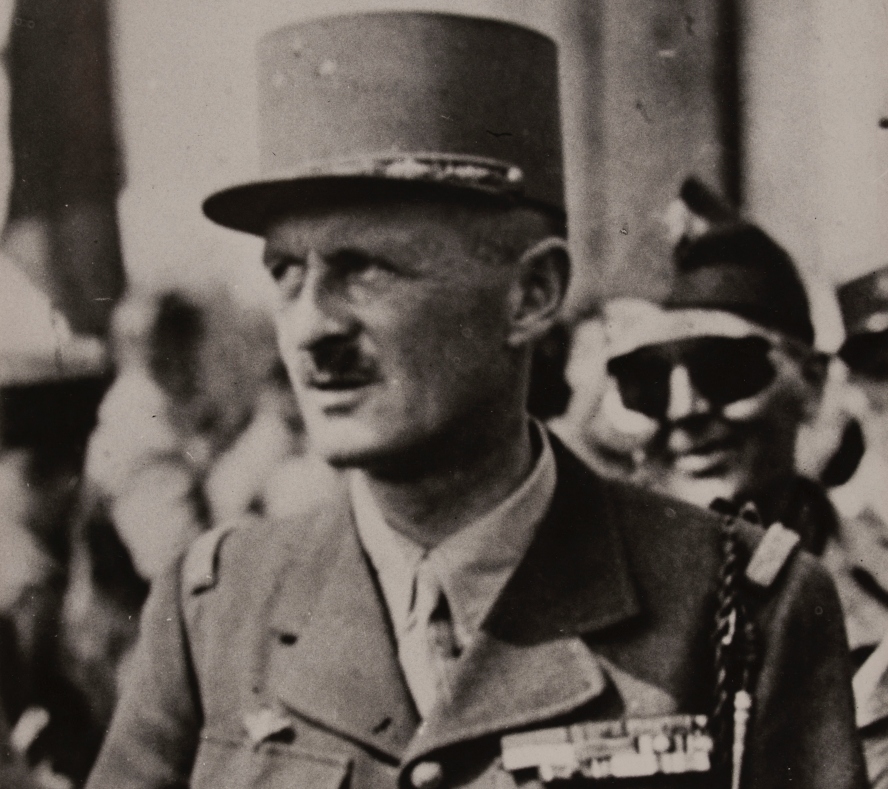
On August 12, 1944, French forces under General Philippe Leclerc de Hauteclocque liberated Alençon from Nazi rule — the first city in World War II France to be rescued by the French themselves.

Categories
Today

Vietnam

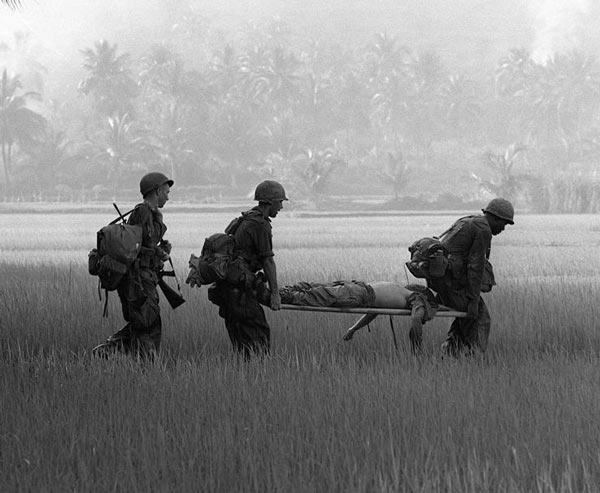
On August 11, 1972, the last of American ground combat troops exited South Vietnam.

Categories
Today

Independence

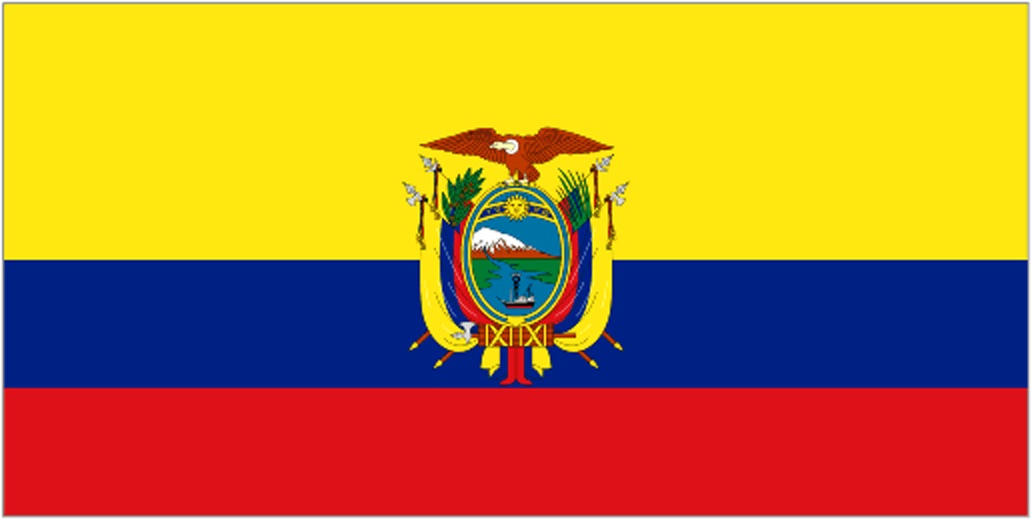
On August 10, 1809, Ecuadorians attempted independence from Spain with the Declaration of Independence of Quito, but failed with the execution of all the conspirators a few days less than a year later.

Independence was finally achieved in 1822.