On December 13, 1636, the Massachusetts Bay Colony organized three militia regiments to defend the colony against the Pequot Indians.
The National Guard of the United States traces its heritage back to this event.
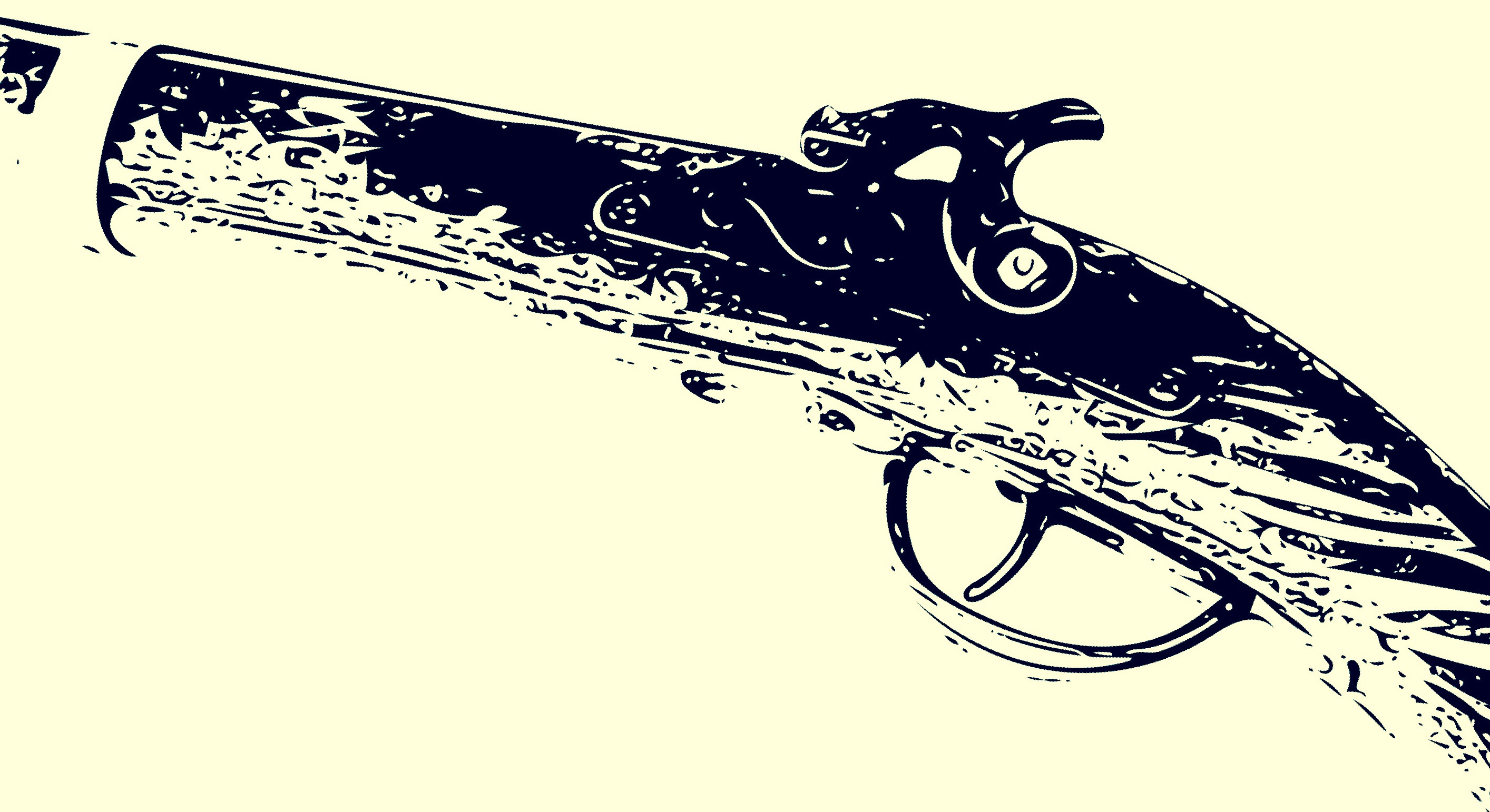
On December 13, 1636, the Massachusetts Bay Colony organized three militia regiments to defend the colony against the Pequot Indians.
The National Guard of the United States traces its heritage back to this event.
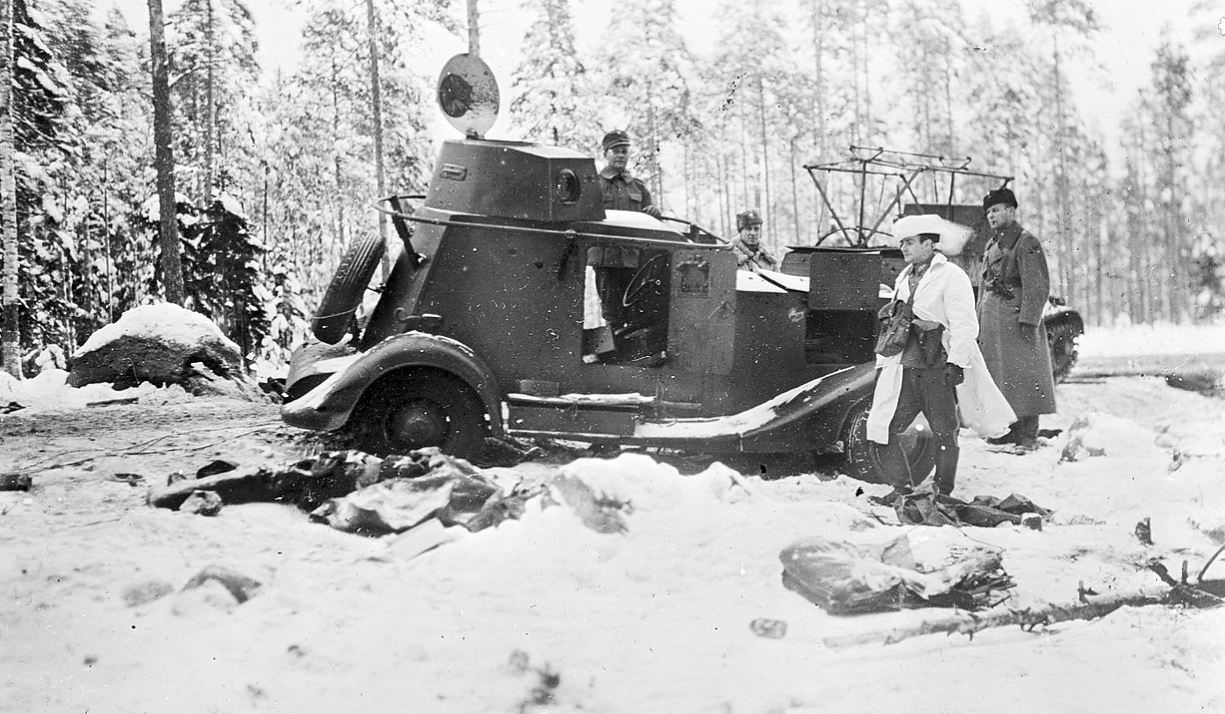
On December 12, 1939, Finnish forces defeated those of the Soviet Union in the first major victory of what became known as the Winter War, in the Battle of Tolvajärvi.
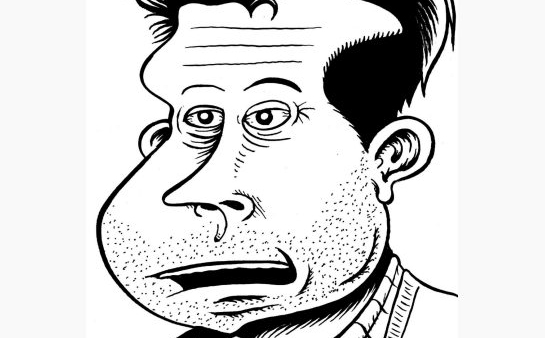
On December 11, 1957, American cartoonist and Reason magazine contributor Peter Bagge was born.
On December 10, 1884, Mark Twain’s Adventures of Huckleberry Finn was first published. This novel, narrated in the first person by the title character, is a dark comedy of the antebellum South and slavery, and has been considered by many American critics and writers to qualify as the “Great American Novel.”
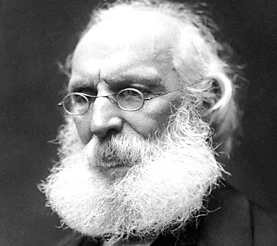
On this date in 1901, the first Nobel Peace Prizes were awarded — to economist Frédéric Passy (pictured above), co-founder of the Inter-Parliamentary Union; and to Henry Dunant the founder of the International Committee of the Red Cross.
Passy was an admirer of Richard Cobden and an active member in the French Liberal School of Political Economy that developed in the tradition of J.B. Say, Destutt de Tracy, and Frédéric Bastiat. His published works include Leçons d’économie politique (1860-61); La Démocratie et l’Instruction (1864); L’Histoire du Travail (1873); Malthus et sa Doctrine (1868); and La Solidarité du Travail et du Capital (1875).
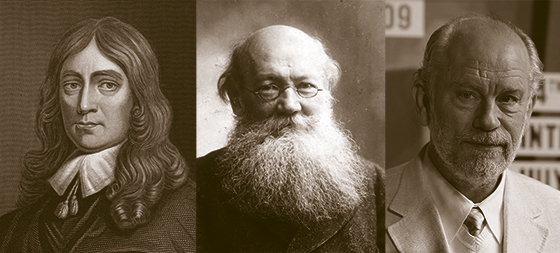
On December 9, 1958, the John Birch Society was founded in the United States. December 9 also marks the birthdays of
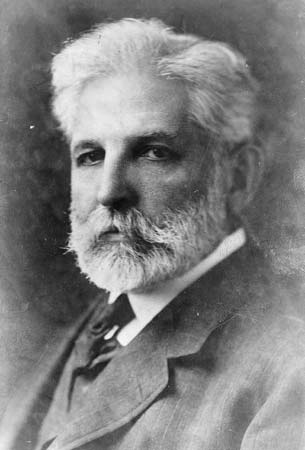
On December 8, 1927, one of the United States’ oldest think tanks was founded through the merger of three organizations that had been created by philanthropist Robert S. Brookings. Called the Brookings Institution, it would provide a blueprint for future work by research and advocacy organizations in the modern era.
On this date in 1974, a plebiscite abolished the monarchy in Greece.
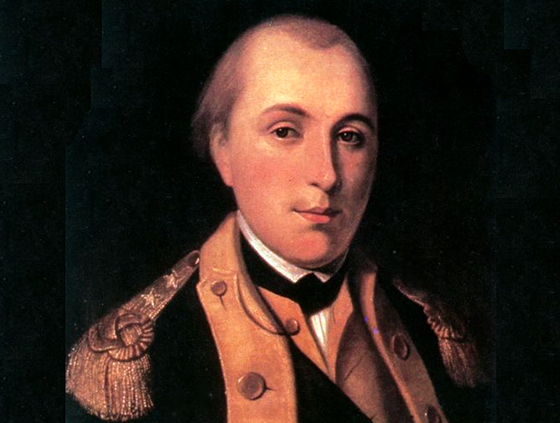
On December 7, 1776, the Marquis de Lafayette arranged to enter the American military as a major general. On the same date in 1787, Delaware became the first state to ratify the United States Constitution.
The 1941 date marks, of course, “the day that will live in infamy,” when Japan bombed Pearl Harbor.

On December 6, 1865, the Thirteenth Amendment to the United States Constitution was ratified, banning slavery in all states and territories. One-hundred-and-nineteen years later, to the day, in 1984, Paul Jacob (of ThisIsCommonSense.com, LibertyiFund.org, and the Citizens in Charge Foundation) was arrested by the FBI for his refusal to register with Selective Service System (the draft people). The Government was probably not attempting to make a commemorative point about involuntary servitude.
In 1917 on this date, Finland declared independence from Russia.
Vladimir Nabokov completed his controversial novel Lolita on the Sixth of December in 1953, and would soon find himself embroiled in censorship and related publishing difficulties, though with no trouble in the United States when it was eventually published by G. P. Putnam’s Sons in 1958.
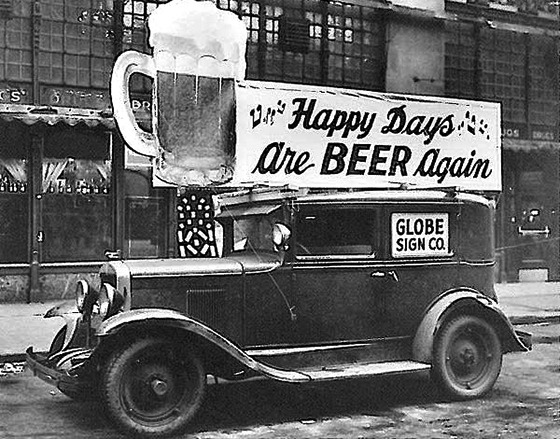
On December 5, 1933, nationwide alcohol Prohibition in the United States ended after Utah became the 36th U.S. state to ratify the 21st Amendment to the United States Constitution, thus establishing the required 75 percent of states needed to enact the amendment that overturned the 18th.
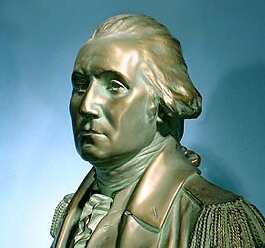
On December 4, 1783, at Fraunces Tavern in New York City, General George Washington formally bade his officers farewell.