On July 2, 1776, the Continental Congress un-tabled the Lee Resolution and voted to sever ties with the Kingdom of Great Britain.
One year later, to the day, Vermont became the first American territory to abolish slavery.
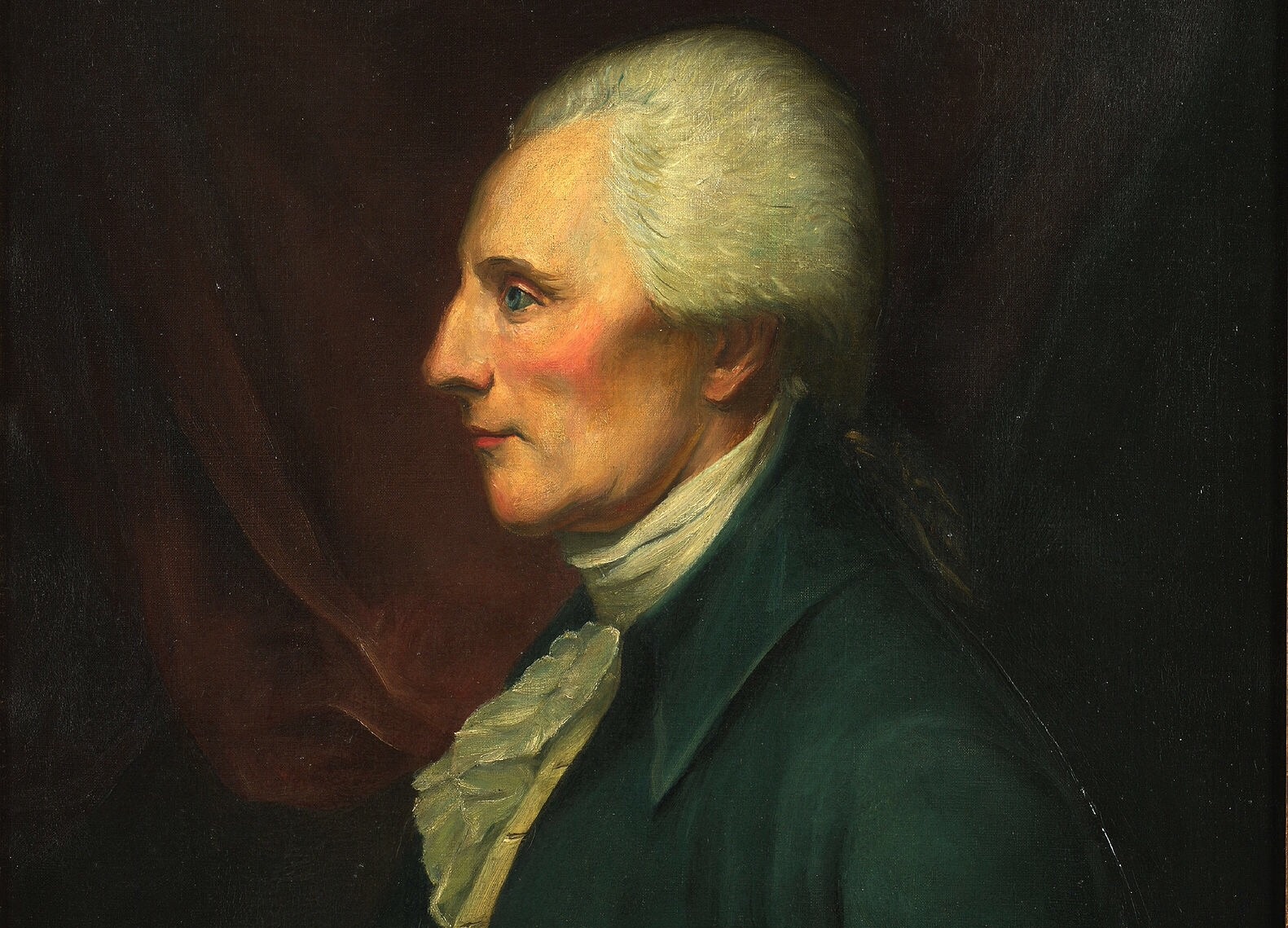
On July 2, 1776, the Continental Congress un-tabled the Lee Resolution and voted to sever ties with the Kingdom of Great Britain.
One year later, to the day, Vermont became the first American territory to abolish slavery.
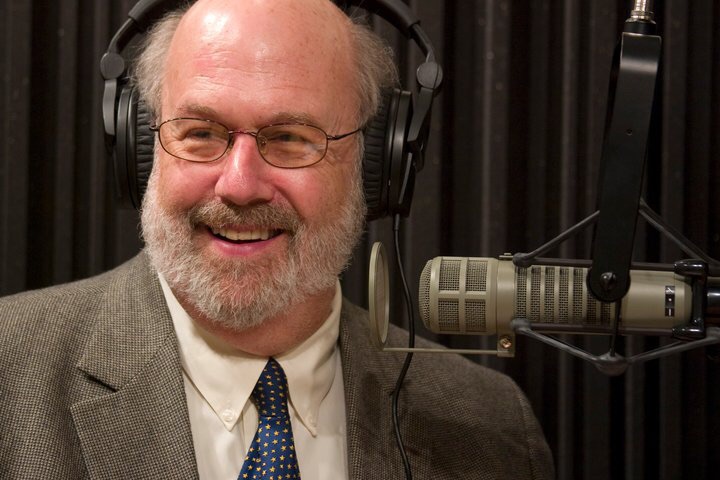
On July 1, 1944, American activist and founder of the Ludwig von Mises Institute, Lew Rockwell, was born.
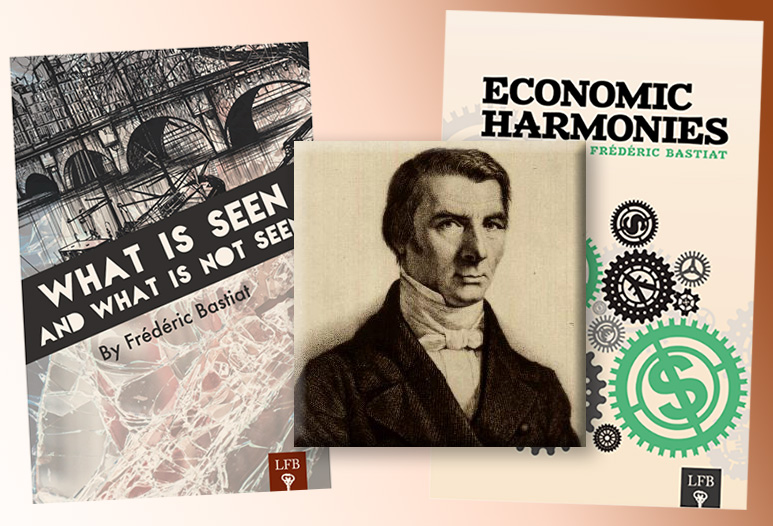
On June 30, 1801, Frédéric Bastiat was born. Bastiat became one of the most important French Liberal School economists, following Condilliac and Jean-Baptiste Say, best known for his books Economic Harmonies and Economic Sophisms and two monographs, “The Seen and the Unseen,” and “The Law.” He was a brilliant stylist and perceptive critic of state-managed trade. His influence on conservative, libertarian and “limited-government thought” has been vast.
The emergency number of “999” was introduced in London, June 30, 1937, the first of its kind — arguably the best innovation in better government service in modern times.
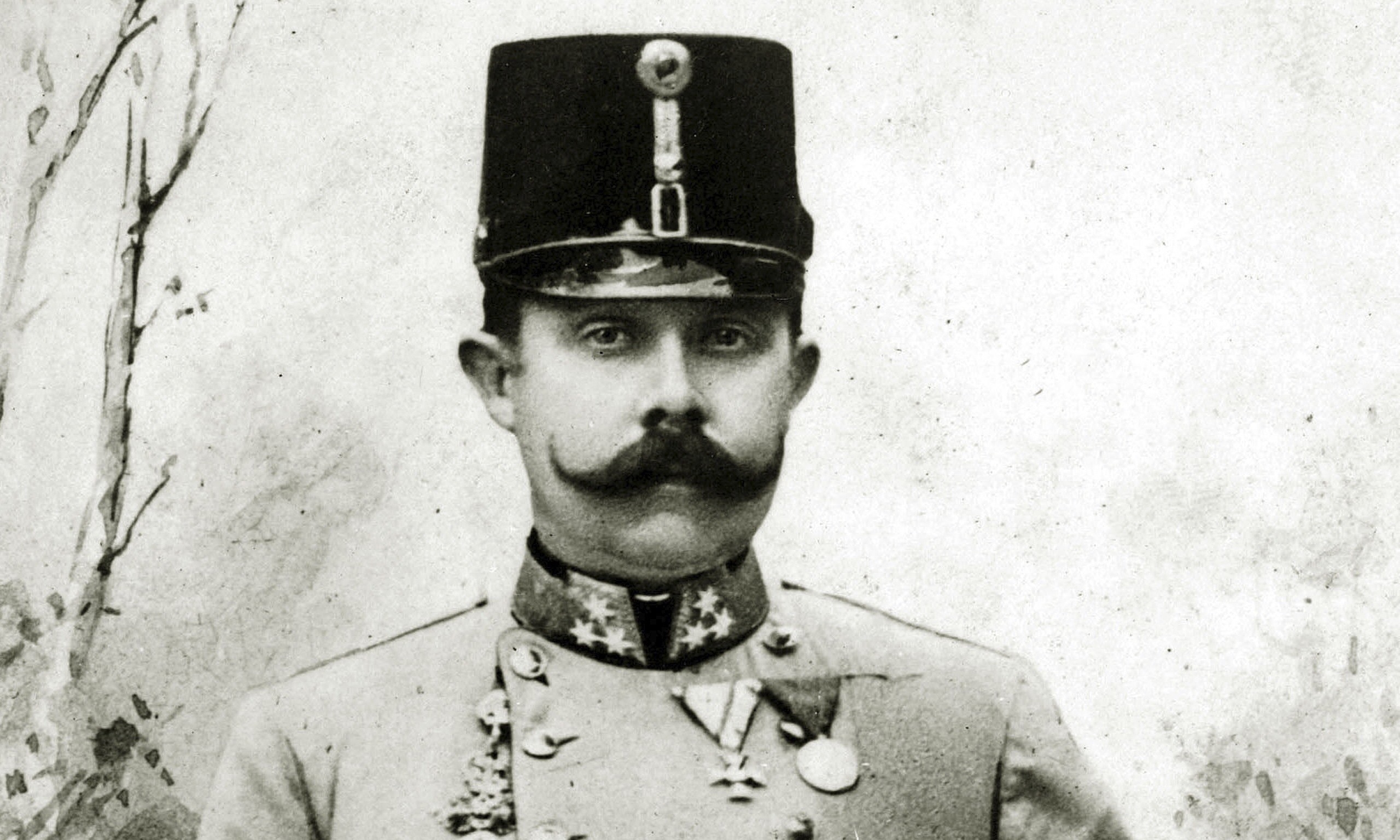
On June 29, 1914, the day after the shooting of the Archduke Ferdinand and his wife, Austrian interrogations confirmed that the Serbian government was behind the assassination. Serbia denied involvement.
Thus continued the series of events that led to “The Great War,” now known as “World War I.”
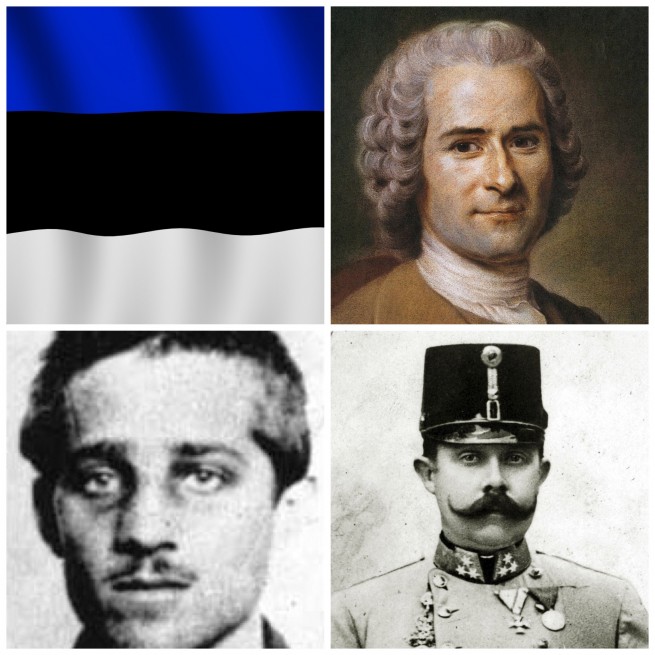
June 28 birthdays include that of Jean-Jacques Rousseau, philosopher, in 1712.
On this date in 1914, 19-year-old Gavril Princip assassinated Archduke Franz Ferdinand, heir to the Austrian throne, and the Archduke’s wife Sophie. The Archduke had earlier missed a bomb thrown at his car, which necessitated a change in the motorcade route, which the driver forgot, which is why the car paused at the precise intersection in which Princip fired his fatal shots.
The shooting began a series of events that led to “The Great War,” now known as “World War I.”
On June 28, 1992, the Constitution of Estonia was signed into law.
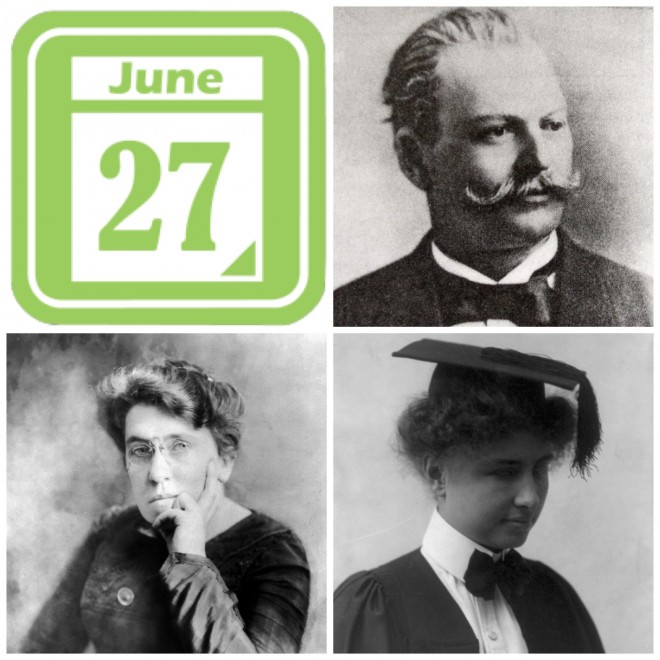
Paul von Mauser was born on June 27, 1838, and would go on to become a weapons designer. In 1869, Emma Goldman was born, to later become known as a feminist, anarchist, and early leftist opponent of Soviet Communism. In 1880, Helen Keller was born on this date.
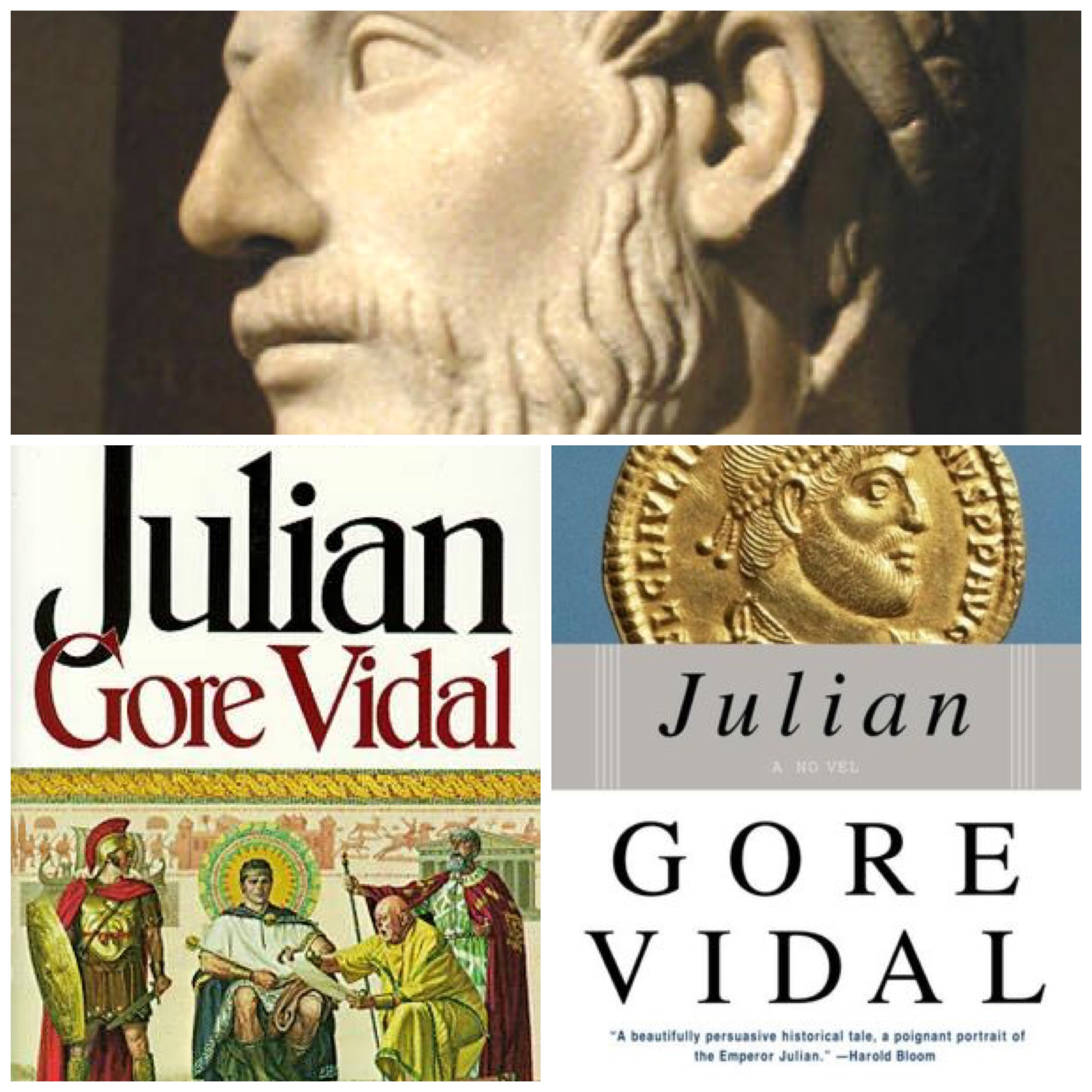
On June 26, 363, Roman Emperor Julian was killed during the retreat from the Sassanid Empire. On this same date in 1960, Madagascar gained its independence from France; in 1963, U.S. President John F. Kennedy gave his “Ich bin ein Berliner” speech.
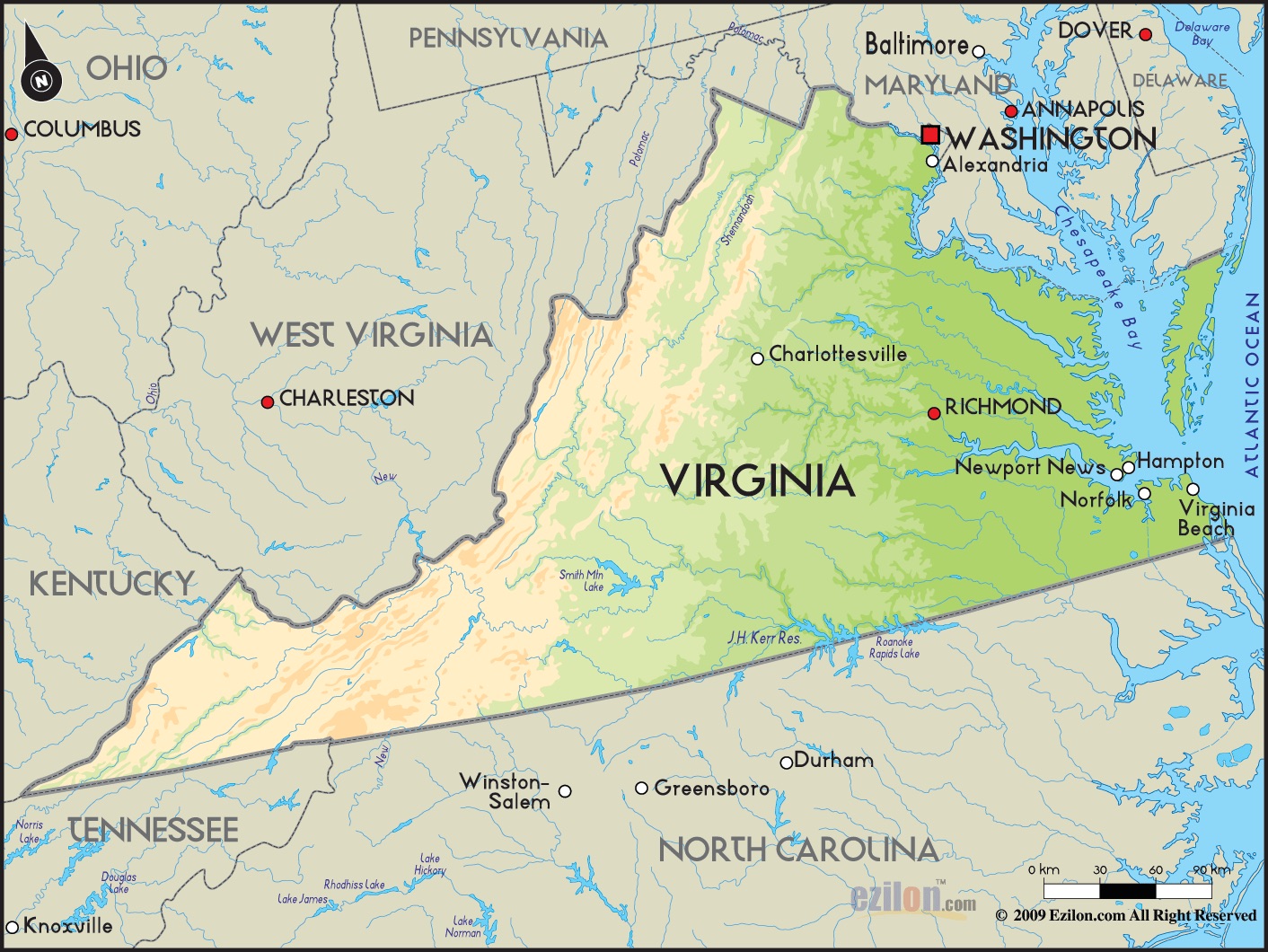
Virginia became the tenth state to ratify the U.S. Constitution, on June 25, 1788. Other events on the 25th of June include Custer dying at the Battle of Little Bighorn (1876); Igor Stravinsky’s ballet The Firebird debuting (1910), with the composer becoming an instant celebrity; and Civil War veterans began arriving at the Great Reunion of 1913 at Gettysburg.
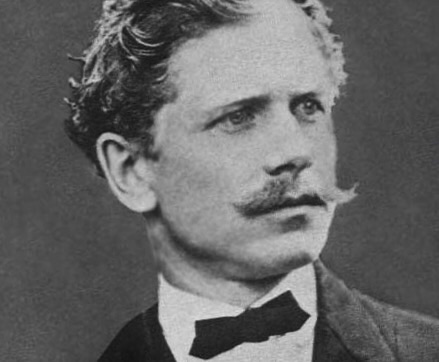
June 24 birthdays include Henry Ward Beecher, clergyman and reformer (1813); Ambrose Bierce [pictured], author of “An Occurrence at Owl Creek Bridge” and The Devil’s Dictionary — his dark, cynical wit earned him the epithet “Bitter Bierce” (1842); Karin Pilsäter, Swedish politician of the Liberal People’s Party (1960).
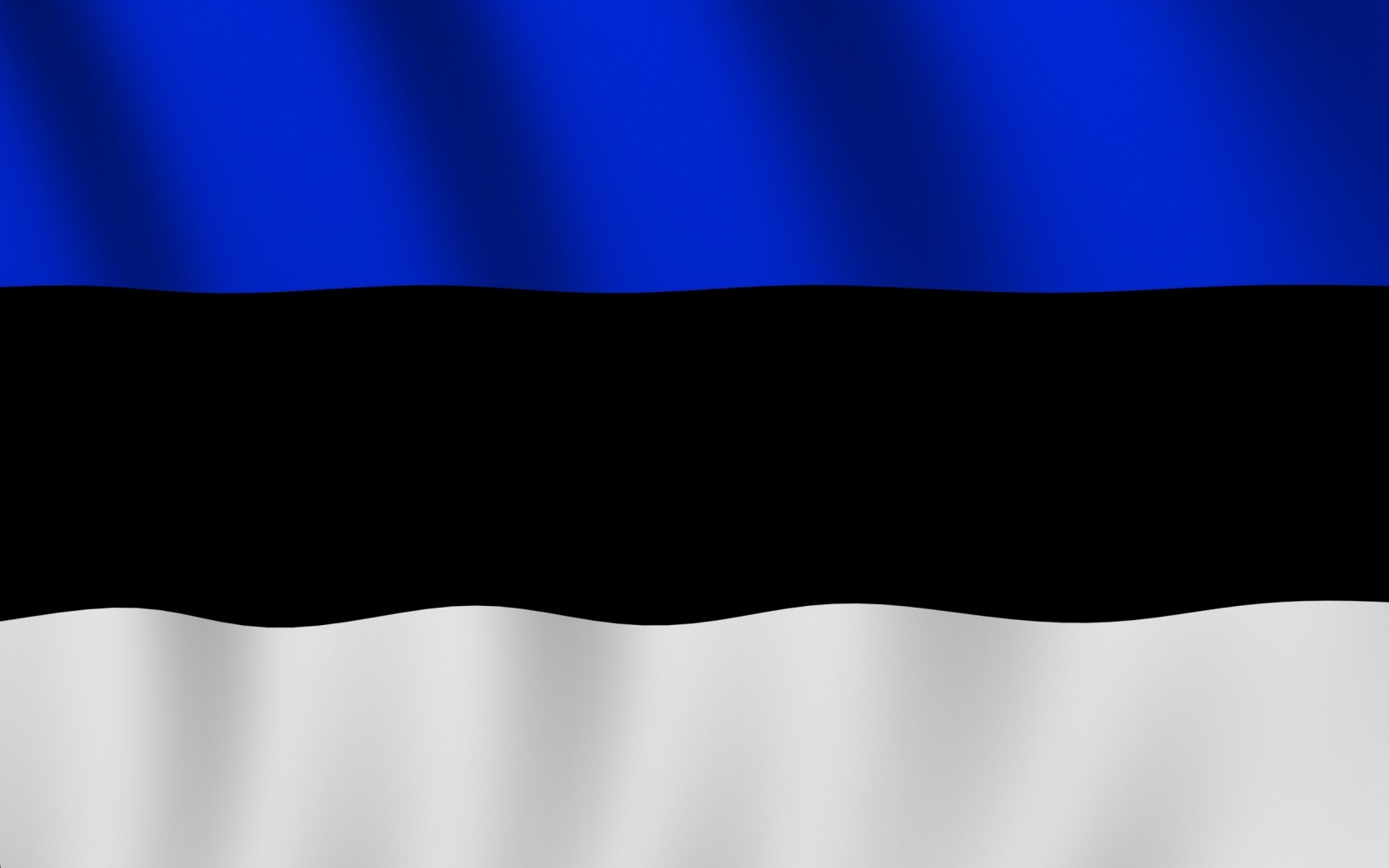
Today is Estonia’s Victory Day, which has been celebrated on June 23 every year since 1934. The date recalls the victory in the 1919 Battle of Vonnu of the Estonian military forces (and Latvian North brigade) and their allies over German forces (Baltische Landeswehr) who sought to re-assert Baltic-German control over the region. The battle was part of the 1918-1920 Estonian War of Independence, where the main adversary of the newly independent Estonia was Communist Russia.
Today, Victory Day also marks the contributions of all Estonians in their fight to regain and retain their independence. Estonian celebration of June 23 is ceremonially tied to the following Midsummer Day celebrations on June 24.
According to Estonian laws, the state flags are not to be lowered during the night between days.