Categories
Accountability crime and punishment folly general freedom moral hazard national politics & policies U.S. Constitution

Forfeiting Forfeiture

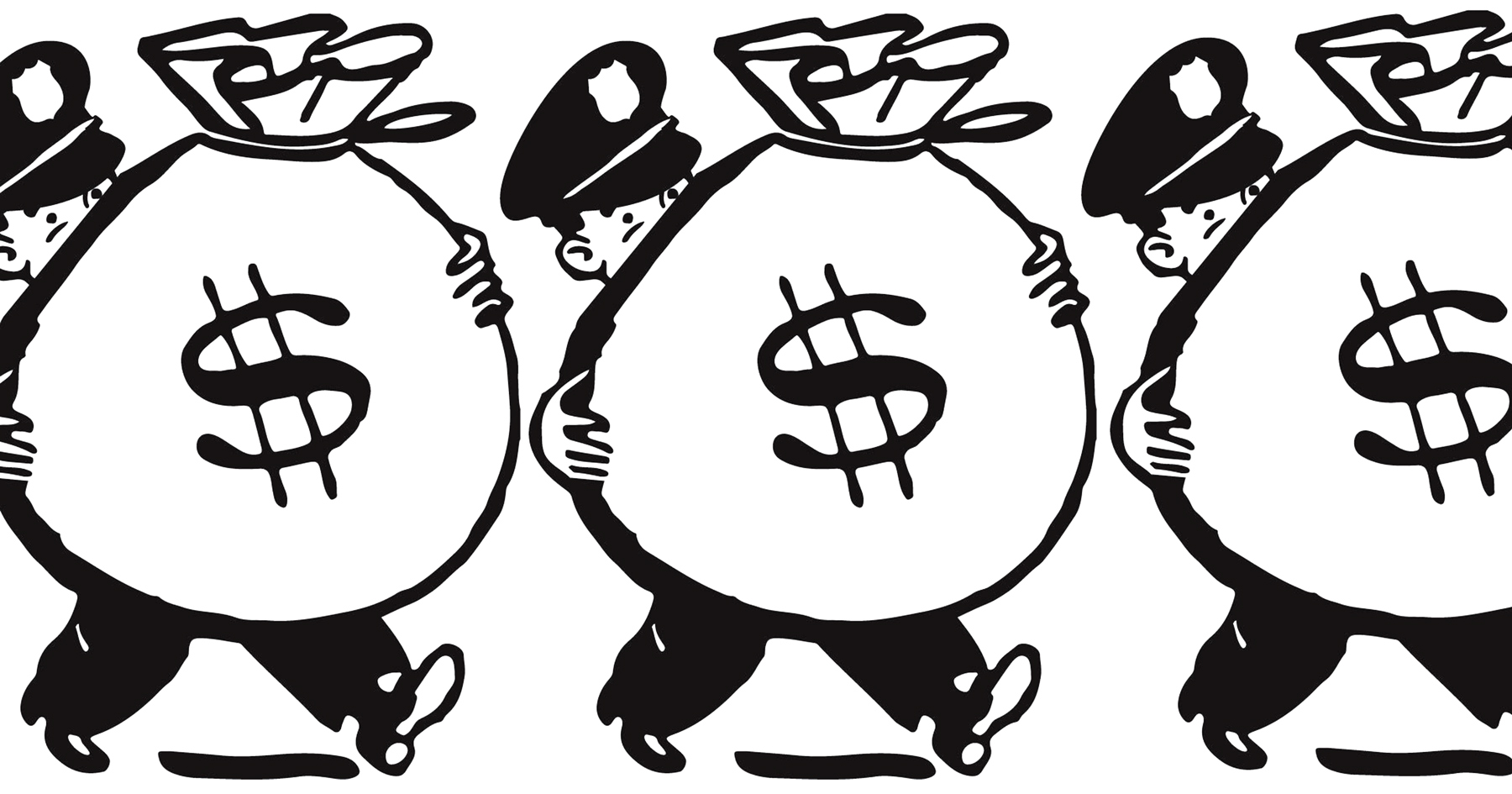
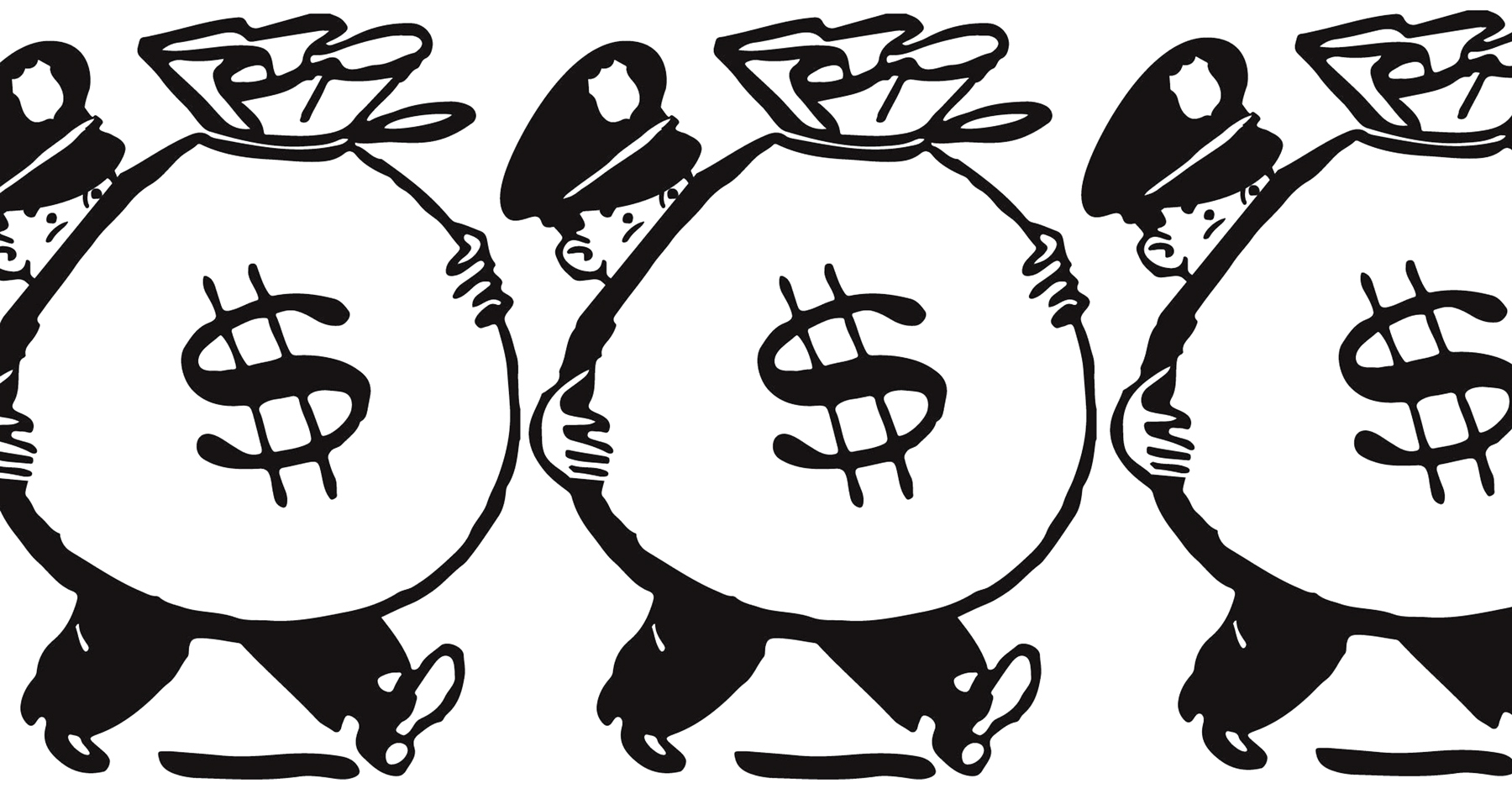
“The Department of Justice announced [last] week that it’s suspending a controversial program that allows local police departments to keep a large portion of assets seized from citizens under federal law and funnel it into their own coffers,” reports the Washington Post.

The Feds call the paused program “equitable sharing”; as I explained last month, I call it “equitable stealing.”

Even when state and local laws prohibit it, local police have been using this federal program to continue taking people’s money and property without ever convicting them of a crime.

The loophole? They split the loot with the Feds.

Now that has ended. According to the Post, this is the result of “budget cuts” in the recently passed omnibus spending bill; the Wall Street Journal calls it a “reallocation of funds.”

Either way, Happy Holidays!

Yet, sadly, the return to freedom, justice and the American Way may be short-lived.

“The Department does not take this step lightly,” wrote M. Kendall Day, the chief of DOJ’s Asset Forfeiture and Money Laundering Section. “We explored every conceivable option that would have enabled us to preserve some form of meaningful equitable sharing. . . .”

In his letter, he proclaiming a commitment to the principle of guilty-until-proven-innocent and to grabbing people’s stuff, telling state and local and tribal police departments, “We will take all appropriate and necessary measures to minimize the impact of the rescission and reinstate sharing distributions as soon as practical and financially feasible.”

As the Wall Street Journal editorialized, “Congress should make sure that never happens.”

Of course, Congress will likely need a mighty nudge from us.

This is Common Sense. I’m Paul Jacob.

Printable PDF

Asset, Forfeiture, police, crime, Department of Justice, DOJ, illustration, Common Sense


Categories
Accountability crime and punishment responsibility

Do-It-Yourself Policing

While crime was plummeting throughout the country, last year New Orleans experienced a surge — rapes up 39 percent and armed robberies up 37 percent.

Having reduced its police force by 500 officers due to budget problems, the Big Easy called in Louisiana State Troopers to assist a force “historically mired in corruption.” Yet, there was scant progress in keeping citizens safe.

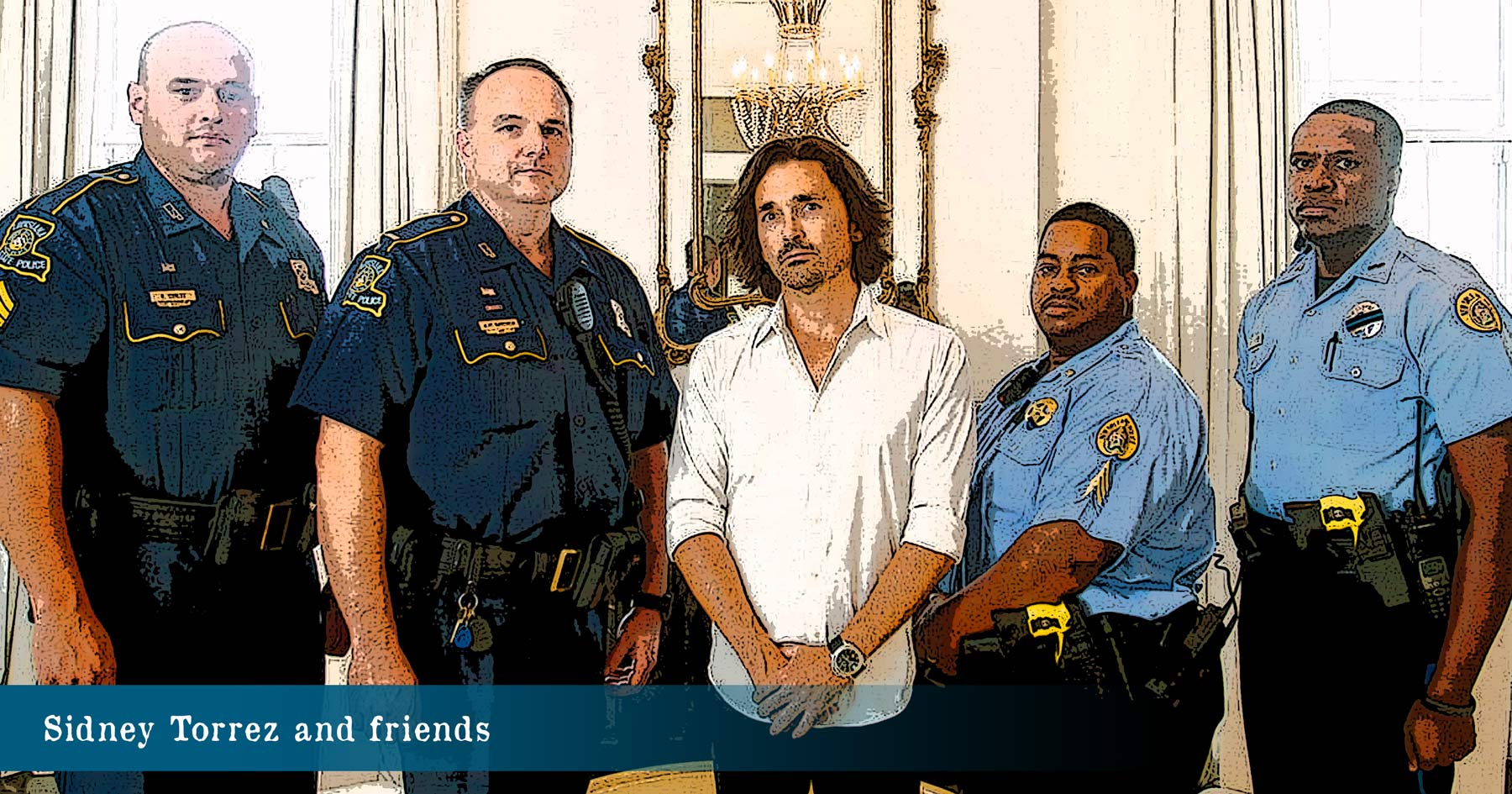
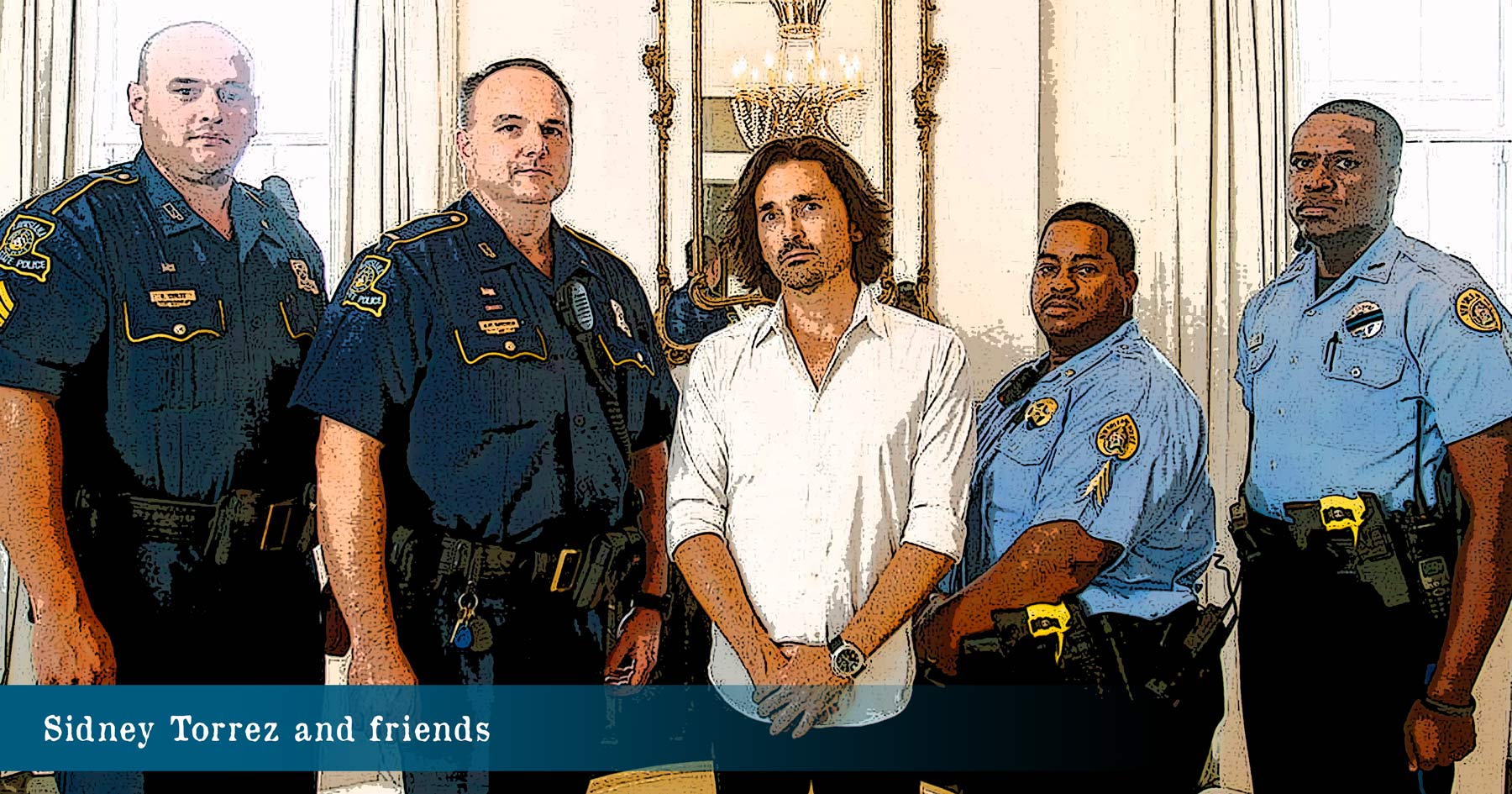
Then crooks broke into Sidney Torrez’s home and Torrez, known as the “trash king” because he made a fortune hauling trash out of the city after Hurricane Katrina, responded with a $100,000 television ad campaign. “The French Quarter is under siege by criminals,” his TV spot declared; it encouraged citizens to “hold the administration accountable.”

Mayor Mitch Landrieu wasn’t pleased, shooting back that, “If it’s so easy, maybe [Torrez] should just take some of that money and do it himself.”

So, Torrez did, teaming up with Bob Simms, a retired aerospace engineer.

In no time, they developed a downloadable app for smartphones, allowing folks to contact police much like we use Uber to contact a car ride. Torrez donated $500,000 and the Batman and Robin-esque duo hired off-duty policemen outfitted with Polaris golf carts to patrol the French Quarter, the city’s “golden goose.”

Other private donations arrived to support the effort. In just months, crime dropped 45 percent in the Quarter. Now the city’s Convention and Visitors Bureau is paying the monthly cost.

Torrez notes that the effort allows “the community a way to self-police,” adding, “I think it can work anywhere.”

“It’s not rocket science,” says Bob Simms . . . the former rocket scientist.

It’s citizen-led government.

This is Common Sense. I’m Paul Jacob.

Printable PDF

New Orleans, crime, police, Common Sense, illustration


Categories
crime and punishment general freedom ideological culture media and media people nannyism national politics & policies Second Amendment rights too much government U.S. Constitution

Anti-Gun Barrage

America’s would-be gun-grabbers, chiefly in the media and “on the left,” don’t know much about guns.

But they know what they hate.

After the horrific terrorist shooting spree in San Bernardino, MSNBC and CNN went on a shooting-their-mouths-off spree, relentlessly pushing the need for stricter gun control. President Barack Obama and his fellow Democrats echoed the theme.

Cenk Uygur of The Young Turks went full accelerando, unleashing a foul rant about how “we” are the terrorists and “we” are letting “us” get away with mass murder “every week,” ignoring the statistics that murder rates have gone down, are still going down, and that the rest of the world is being hit with mass shootings too, mainly from Muslim radicals.

When the news came out that the perps were, indeed, Muslim, the barrage of anti-gun talk didn’t stop, though their intellectual ammunition had fizzled.

The president went further off his rocker, calling the guns he wanted to ban “powerful” — though they are of lower caliber than many handguns — while Hillary Clinton talked about the need to ban “assault rifles.”

As has been noted by others, “assault rifle” only means what anti-gun folks say it means, and what they designate as assault weapons are not (contrary to their constant implications) the equivalent of machine guns (which have been illegal for citizen ownership for a long, long time).

Being scared of scary-looking guns is no excuse not to be able to define them. While it would be good to reduce incentives for folks to “go postal” or to commit terroristic acts, we aren’t going to prevent mass shootings by a simple prohibitionary or mere regulatory regime.

That’s for scare-mongers to push. And us to resist.

This is Common Sense. I’m Paul Jacob.

Printable PDF

guns, anti-gun, second amendment, Common Sense, illustration
Categories
crime and punishment general freedom government transparency judiciary moral hazard national politics & policies property rights too much government

Government Burglars

If you try to compare those police who take people’s money and property through civil asset forfeiture laws to burglars, who rob folks in more traditional ways, you are just not being fair.

To the burglars.

The Institute for Justice recently released an updated Policing for Profit report showing that federal asset forfeiture topped $5 billion in 2014. The FBI disclosed that in that same year $3.5 billion of value was lost in burglaries.

Then, folks did the math.

Steven Greenhut’s piece at reason.com was headlined, “Cops Now Take More Than Robbers.”

At The Washington Post Wonkblog, Christopher Ingraham explained there was an especially big haul in seized assets in 2014, including $1.7 billion from Bernie Madoff. Moreover, the dollar figure for burglary doesn’t include larceny, motor vehicle theft, etc. All such theft combined totaled more than $12 billion that year.

So, law enforcement isn’t stealing quite as much from citizens as the criminals they are supposed to be protecting us from are. Sort of a backhanded compliment, though.

Recent polling finds more than 70 percent of Americans opposed to seizing assets without a criminal conviction, i.e. innocent until proven guilty, but taking cash and cars and stuff from folks never charged with or convicted of a crime has become a big business for “our” government.

When legislation to mildly reform civil forfeiture failed recently in California, Mr. Greenhut called legislators’ votes “about money, not justice.” Ferocious lobbying by the California District Attorneys Association and the California Police Chiefs warned money-grubbing legislators that budgets would take an $80 to $100 million hit.

Theft is apparently quite lucrative. Who knew?

This is Common Sense. I’m Paul Jacob.


Printable PDF

civil asset forfeiture, police, abuse, robbery, Common Sense


Categories
Accountability crime and punishment general freedom government transparency moral hazard national politics & policies property rights

Equitable Stealing?

Is freedom a simple matter of drafting a lofty document about respecting the rights of citizens?

Alas, no.

Our Constitution does that, as does Turkey’s and, for that matter, so did the now-defunct Soviet Constitution. Obviously, vigilance is also required. Keeping powerful government agencies respectful of the law — our liberties — and, when not, fully accountable for transgressions, is crucial.

That necessary vigilance is lacking here in America, today.

Your local police — the guys and gals who might respond if, heaven forbid, your home were broken into, or come upon your spouse broken down on a dark, rainy highway — are being encouraged to take people’s stuff . . . for “profit.”

It’s called civil asset forfeiture. This “legal” ability to stop people and snatch their money (or car or what-have-you) without ever charging anyone with a crime forces victims to hire a lawyer to sue the government to prove their stuff is innocent.

Last Friday, I heralded a new Institute for Justice report on the growth of this dangerous practice of official police thievery. At Townhall on Sunday, I pointed out that even when reforms are enacted at the state and local level, federal law enforcement still facilitates civil forfeiture. The Feds encourage locals to continue taking stuff through a federal program known as “equitable stealing.”

No, my bad, it’s actually called “equitable sharing.”

But it’s the same thing, just with the Feds and locals splitting the loot.

We need new laws at the federal, state and local level that abolish forfeiture without a criminal conviction. If our “leaders” won’t act, we can petition at the local level to end this pernicious policy, forbidding any involvement with the Feds.

This is Common Sense. I’m Paul Jacob.


Printable PDF

civil asset forfeiture, asset, forfeiture, police, abuse, stealing, theft, property, Common Sense


Categories
Accountability crime and punishment general freedom judiciary moral hazard national politics & policies property rights

Our Innocent Stuff

The Institute for Justice’s new report, Policing for Profit: The Abuse of Civil Asset Forfeiture, details a “big and growing problem” that “threatens basic rights to property and due process.”

Through both criminal and civil forfeiture laws, governments can seize property used in — or the proceeds of — a crime. Criminal forfeiture requires that a person be charged and convicted of a crime to transfer title to government. Civil forfeiture, on the other hand, allows governments to take people’s stuff without being convicted — or even charged — with a crime.

No surprise that 87 percent of asset forfeiture is now civil, only 13 percent criminal. And governments are grabbing more and more. The federal financial take has grown ten-fold since 2001.

“Every year,” IJ’s researchers document, “police and prosecutors across the United States take hundreds of millions of dollars in cash, cars, homes and other property — regardless of the owners’ guilt or innocence.” Then, the innocent victim must sue the government to have his or her stuff returned.

Incentive to steal? “In most places, cash and property taken boost the budgets of the very police agencies and prosecutor’s offices that took it,” an accompanying IJ video explains.

IJ’s report concludes that, “Short of ending civil forfeiture altogether, at least five reforms can increase protections for property owners and improve transparency.” Those five reforms are improvements, sure, but let’s end civil forfeiture completely.

It’s the principle!

Two principles, actually.

Civil forfeiture laws pretend law enforcement is taking action against our property, and that our property has no rights. But what about our property rights!

We’re innocent until proven guilty, too . . . and so is our stuff.

This is Common Sense. I’m Paul Jacob.


Printable PDF

civil forfeiture, civil asset forfeiture, crime, theft, police, abuse, property rights, Common Sense


Categories
crime and punishment folly general freedom government transparency

Candid Camera

Support for criminal justice reform, especially the common sense use of body cameras for police, marks a bright spot for the Obama Administration.

Or so I thought.

The president has called on local police to don the video devices. He has even offered $75 million of his own hard-earned money to help communities pay for the cameras. No, wait — turns out that $75M is not his personal stash but rather our tax money.

Oh, well. While I think local taxpayers should fund their own police forces, without federal subsidies, at least President O’s administration supports the right policy. No?

“The Justice Department is publicly urging local police departments to adopt body cameras, saying they are an important tool to improve transparency and trust . . .” reports The Wall Street Journal. “But privately, the department is telling some of its agents they cannot work with officers using such cameras as part of joint task forces . . .”

Weeks ago, the U.S. Marshals “announced that the agency wouldn’t allow any local law-enforcement officers wearing body cameras to serve on Marshals task forces. . . .”

I’m only surprised that I’m surprised. I should have known that while preaching to others to use body cameras, the Obama Administration would completely ignore camera use for federal police agencies. I shouldn’t be shocked that it even failed to establish rules for working with local and state police who might be required to wear cameras, at the administration’s urging.

It’s a very candid snapshot of the utter hypocrisy we’ve come to know and loathe from Washington.

This is Common Sense. I’m Paul Jacob.


Printable PDF

body cam, body cameras, justice reform, feds, federal agents, U.S. Marshals , police, Common Sense


Categories
crime and punishment folly free trade & free markets general freedom

Drive Free or Die

Ever told your kids to share? That’s aiding and abetting, you know.

Sharing is illegal.

At least, it is in Portsmouth, New Hampshire . . . regarding Uber.

The popular ride-sharing company may be widely heralded as the flagship of the new sharing economy, but a Portsmouth city ordinance effectively blocks the service, requiring that the company provide background checks on all drivers, which Uber calls “draconian.”

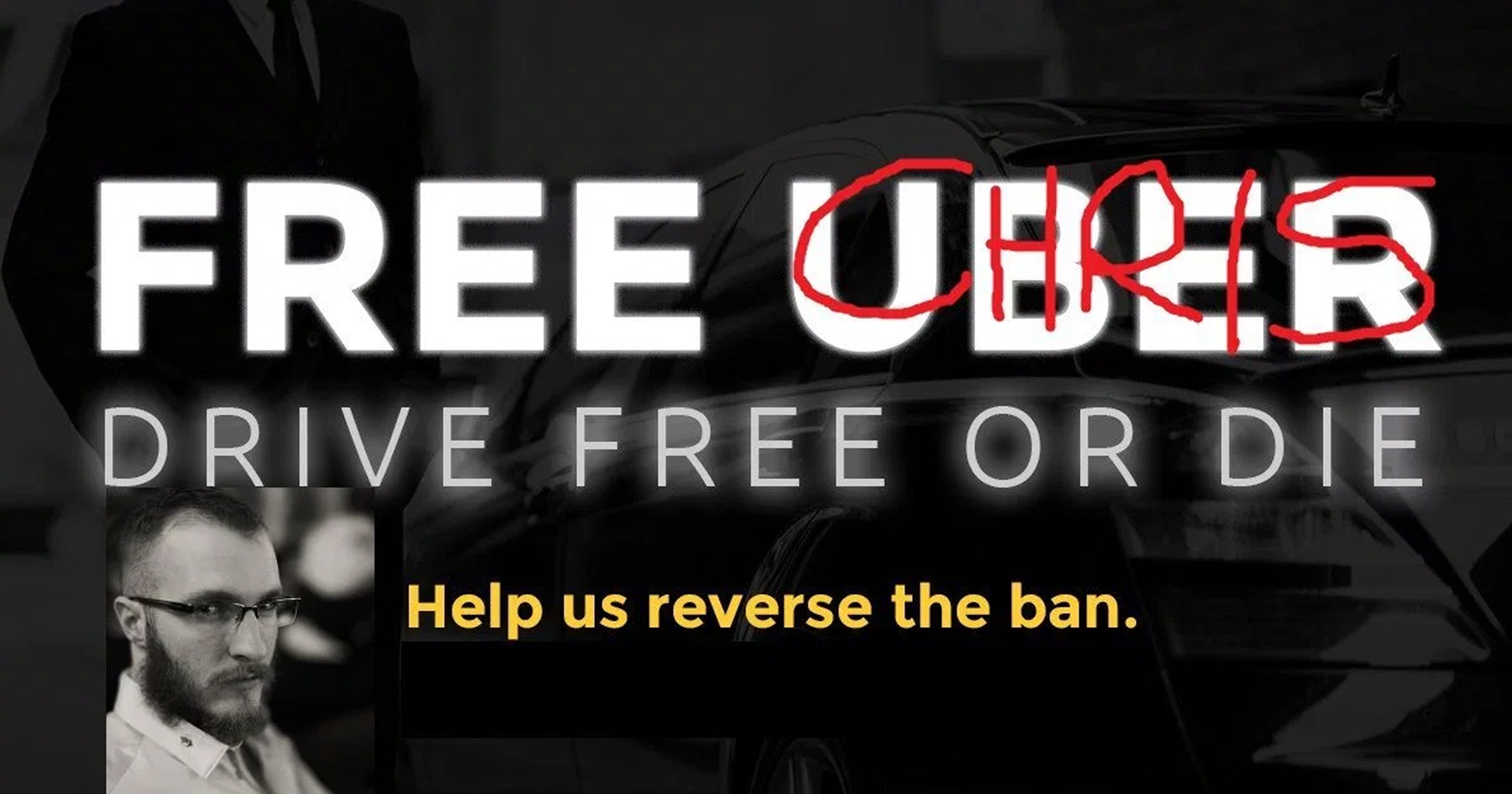
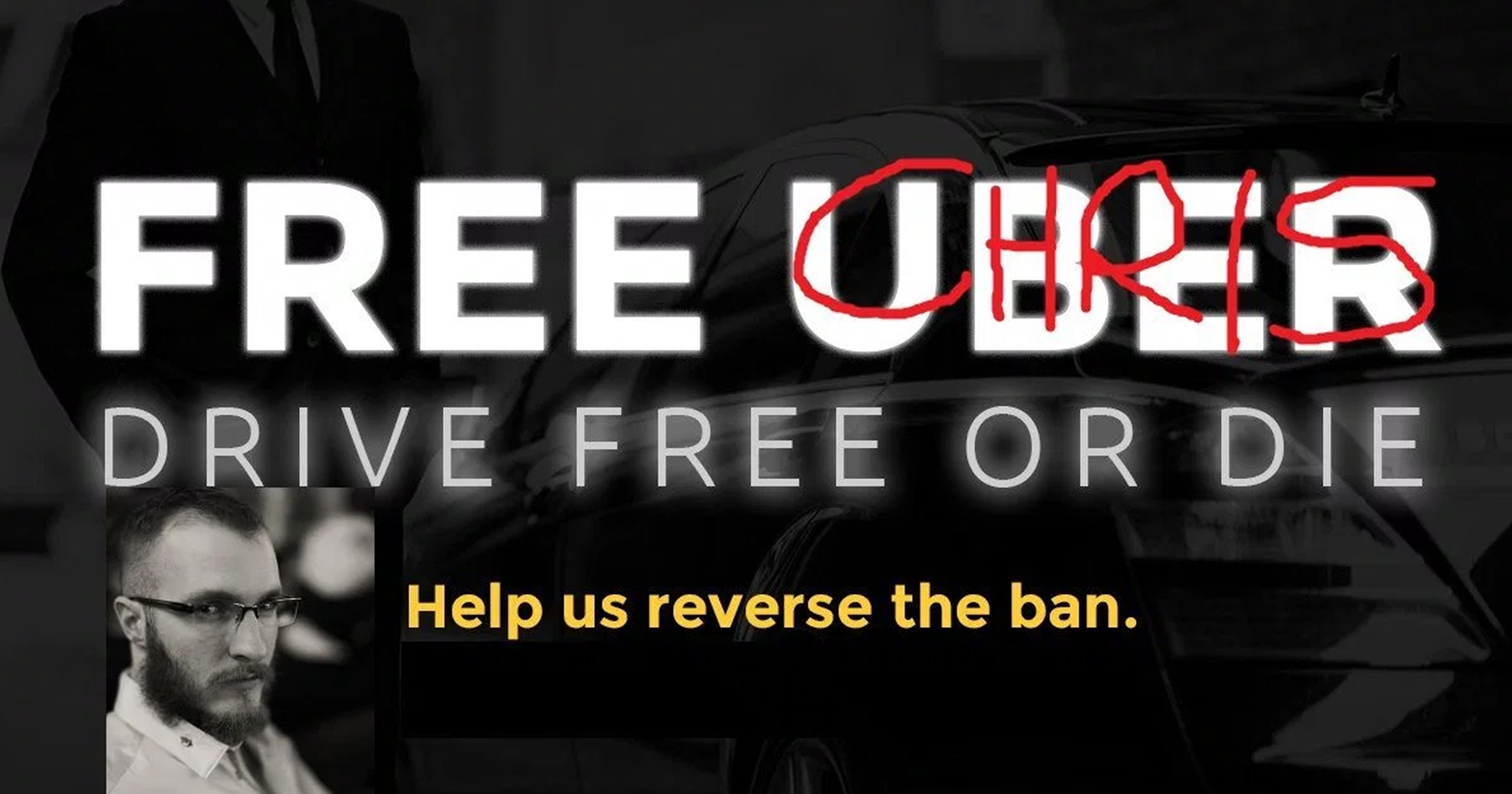
While the company is trying to get the city to alter that mandate, several Uber drivers have ignored the ban, continuing to pick up passengers. In October, police stopped Stephanie Franz, who now faces a $500 fine.

Chris David has also continued to drive for Uber. After he recorded a verbal altercation with a cabbie on a city street and posted it to YouTube, David was charged with wiretapping — a felony.

Taxi companies are upset, too, claiming the ordinance creates “a free-for-all.” A Portsmouth Taxi executive bemoaned, “Anybody can come in.”

Before the ordinance took effect in September, only 28 cabs were allowed to operate. “That’s like limiting the number of restaurants and bars in Portsmouth to 28 to keep them full day and night,” argued Assistant Mayor Jim Spilane.

In the “Live Free or Die” state, barriers to earning a living and heavy-handed criminal charges have led to the pro-Uber slogan, “Drive Free or Die.”

Tonight at 6:30 pm, there’s a #FreeUber rally at the Portsmouth City Hall. If you’re nearby, please go help explain that government regulations ought to accommodate economic advances, not frustrate them.

That is, if you can find a legal ride.

This is Common Sense. I’m Paul Jacob.


Printable PDF

Uber, taxi, sharing, free uber, Common Sense


Categories
crime and punishment general freedom nannyism national politics & policies tax policy too much government

Not Plutonium

If Ohioans pass Issue 3 today, the days of pot prohibition will disappear like the smoke from a wild night’s last bong hit.

That’s sorta what Nick Gillespie of Reason argued yesterday, anyway. “[I]f marijuana can be legalized in Ohio,” he wrote, “it can — and will be — legalized everywhere and the war on pot is effectively over.” Why?

Ohio is the ultimate embodiment of mythical “middle America” and a state that once plastered “the Heart of It All” on its license plates. It’s poised to become just the fifth state to legalize weed — before liberal blue states like California, Maryland, New York, Massachusetts, and perhaps most importantly, before its dark twin in college sports and economic dissipation, Michigan. Given its paradigmatic normalcy, Ohio can be the place where the drug war . . . finally goes to die.

But there is a disturbing aspect to Issue 3: “Crony Capitalism.”

The constitutional amendment would not simply legalize growth and sale, subject to regulation similar to alcohol or tobacco. Though it would legalize home growth, it stakes out a complicated limited licensing system for commercial sale, allowing for only a handful of growers in the state.

Gillespie quotes one pro-legalization activist who objects to the very idea that “any group or corporation has the exclusive right to grow marijuana and sell it. It’s not plutonium. It’s an agricultural commodity that should be regulated like one.”

A recent poll shows voters evenly split on Issue 3, but increasingly troubled that the measure creates an un-free market, a lucrative marijuana monopoly for those funding the initiative.

Today’s balloting may determine only whether voters like marijuana more than they dislike monopolies.

This is Common Sense. I’m Paul Jacob.


Printable PDF

marijuana, legalization, Ohio, law, crime, illustration, Common Sense


Categories
crime and punishment folly free trade & free markets general freedom tax policy

Gold Leaf

The experiment in legalized marijuana begun by citizens in the states of Washington and Colorado has, from the beginning, faced a huge obstacle: marijuana is still illegal, federally. State nullification of federal law is not merely “problematic,” it’s hard to “get away with.”

Take Colorado’s experience. The Centennial State, which has made the swiftest and most extensive progress regarding marijuana retail sales, has come up to an inevitable problem with the federal government.

Over banking.

Interesting Reason reporting tells us that “Marijuana-related businesses in Colorado are so profitable that the government doesn’t know what to do with all of the tax revenue they’re generating. But business owners face a more immediate problem: Where to stash their own profits when banks won’t take it.”

Congress has been very active making banking less and less private and less and less free for decades now, in part because of the War on Drugs. Existing banks refused to take new cannabis clients.

So a new credit union was formed, to handle the cash.

And now, NBC News tells us, our central bank, the Federal Reserve (dubbed by NBC “the guardian of the U.S. banking system”), said “that it doesn’t intend to accept a penny connected to the sale of pot because the drug remains illegal under federal law.” Which makes modern banking difficult, even for a credit union, apparently.

What are “weed” businesses to do . . . other than what they are doing, hiring security guards for all the cash?

Maybe Bitcoin will step in. Or old gold-warehouse banking, as was not unheard of even in the 19th century.

Or, maybe, the federal government will cease its over-reach?

This is Common Sense. I’m Paul Jacob.


Printable PDF

cannabis, marijuana, legalization, tax, taxes, federal, Colorado, illustration, Jim Gill, Paul Jacob, Common sense