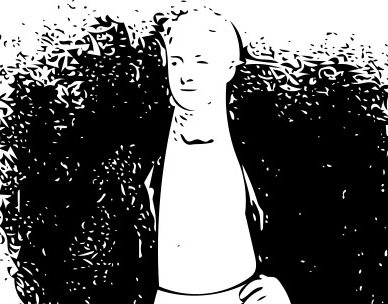
On February 5, 1788, Robert Peel was born. He would become one of the most important of the United Kingdom’s prime ministers, ushering in some reforms that led to the liberalization of England in the 19th century.
Peel is also regarded as the father of the modern British police — the popular term “bobbies” refers to “Bob” Peel — and as one of the founders of the modern Conservative Party. Robert Peel died in 1850.
New hope for Venezuela: A direct constitutional challenge against the horrific reign of socialist strongman Nicolás Maduro enjoys massive popular support and has quickly gained international recognition.
If 35-year-old National Assembly President Juan Guaidó, who launched the campaign, succeeds in restoring a democratic government, he should also restore term limits on the president, the National Assembly and other offices.
Those limits were repealed through a 2009 constitutional referendum that paved the way for then-President Hugo Chavez to continue in power. With government domination of the media and a slanted ballot question, it was less than a fair election. Still, 54 percent voted to end the limits.
Today, I’m certain the majority would vote differently.
Venezuela makes me think of Nicaragua, likewise being looted and brutalized by a socialist thug. Hundreds have beenkilled in protests demanding that Nicaraguan President Daniel Ortega step down. I have friends with relatives in harm’s way.
Nicaragua is similar to Venezuela in another respect: The care and maintenance of dangerous concentrations of power ran smack into an established constitutional restraint known as term limits.
In a widely condemned 2011 decision, the country’s supreme court “declared the constitution unconstitutional,” as the leader of the Nicaraguan Center for Defense of Human Rights put it. This permitted Ortega to run again. Three years later, the National Assembly jettisoned the limits from the constitution — without any vote of the people.
Term limits are needed everywhere, every city, state and nation across the globe. Even when a powerful despot breaks the limit, the violation at least serves as the coal miners’ dead canary, demonstrating that the political air has become too dirty for liberty to breathe.
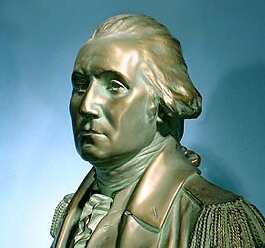
On February 4, 1789, George Washington was unanimously elected as the first President of the United States, under the new Constitution, by the U.S. Electoral College.
On the same date five years later, the French legislature abolished slavery throughout all territories of the French Republic.
On February 4, 1789, George Washington was unanimously elected as the first President of the United States, under the new Constitution, by the U.S. Electoral College.
On the same date five years later, the French legislature abolished slavery throughout all territories of the French Republic.
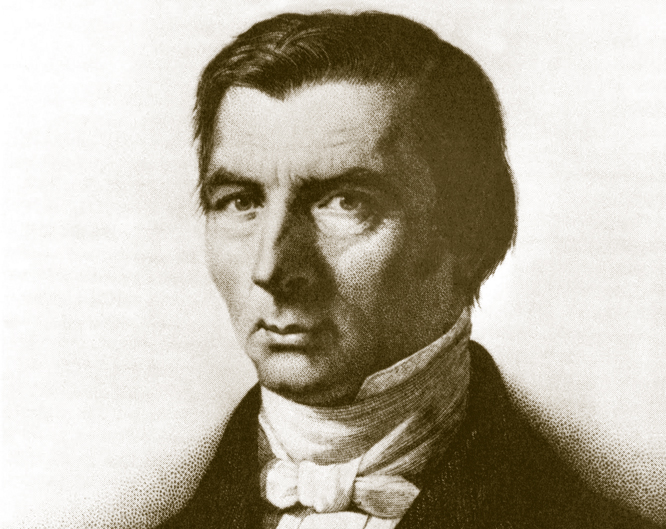
Among the new arrangements that feeble mortals are invited to make trial of, there is one that is presented to us in terms worthy of attention. Its formula is: Association, voluntary and progressive.
Why the major social media platforms ban some people and not others remains something of a mystery. Why they will not explain themselves is probably not a mystery, though: if they explained themselves their inconsistencies would be even plainer yet. Or their disregard for their own ways of doing business, their own terms of service.
Here one excellent journalist and vlogger makes a challenge:
Carey Wedler challenges the platforms that have ousted her.
On February 2, 1887, Punxsutawney, Pennsylvania, celebrated the first Groundhog Day. On the same day in 1976, the Groundhog Day gale hit the north-eastern United States and south-eastern Canada.
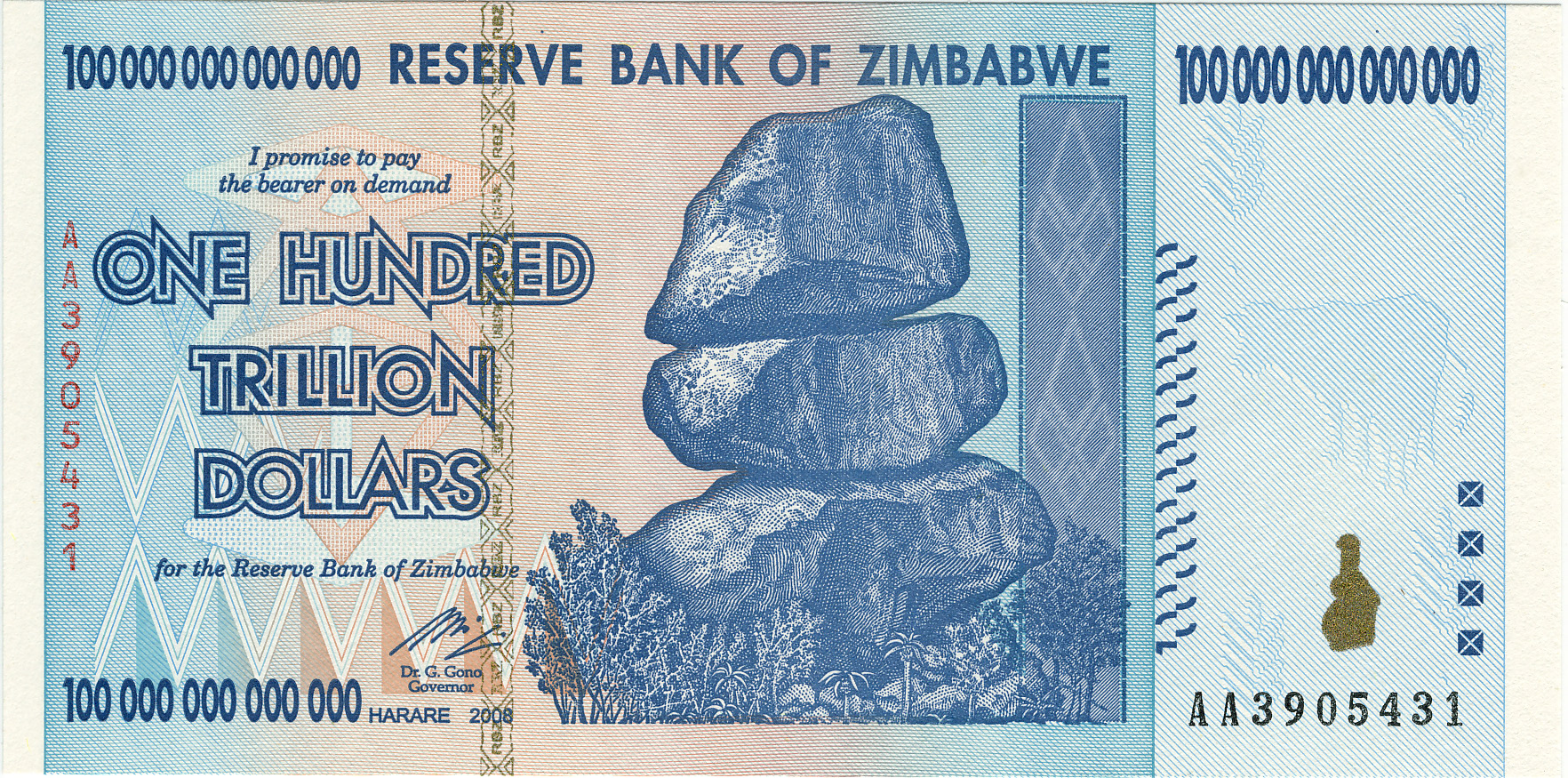
In 2009, the Reserve Bank of Zimbabwe officially devalued the Zimbabwean dollar for the third and final time, making Z$1 trillion now only Z$1 of the new currency, equivalent to Z$10 septillion before the first devaluation. Politicians in Zimbabwe looked up, saw their shadow, and realized that they had only a couple months more of their inflation binge. Indeed, the legalization of trading currencies, the previous month, had sealed the fate of Zimbabwe’s independent dollar. The Zimbabwean dollar was abandoned officially on the 9th of April, 2009.
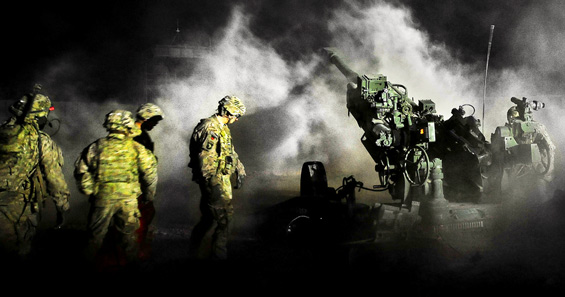
Former U.S. Ambassador to Afghanistan Ryan Crocker sums up in a single word the recently announced framework of an agreement between the United States of America and the Taliban: Surrender.
“This current process bears an unfortunate resemblance to the Paris peace talks during the Vietnam War,” writes Crocker in a Washington Postop-ed. “Then, as now, it was clear that by going to the table we were surrendering; we were just negotiating the terms of our surrender.”
He’s not wrong.
It may seem strange that, after successfully toppling the Taliban government, a savage regime that had given safe haven to Al-Qaeda to launch its 911 attacks against us, we would now, nearly two decades later, be anxious to cut a deal with that same Taliban, even possibly bringing them into a power-sharing role.
Anything to get the heck out of Kabul and back to the good ol’ USA. And it is a recognition, right or wrong, that the Afghan government is unsustainable.
The alternative? Keep a significant contingent of U.S. troops in Afghanistan . . . forever. Or until we have fashioned a brand new westernized-Afghanistan that is no possible threat to us.
Yep, forever.
“Winning may not be an available option,” contends a new Rand report, “but losing . . . would be a blow to American credibility, the weakening of deterrence and the value of U.S. reassurance elsewhere, an increased terrorist threat emanating from the Afghan region, and the distinct possibility of a necessary return there under worse conditions.”