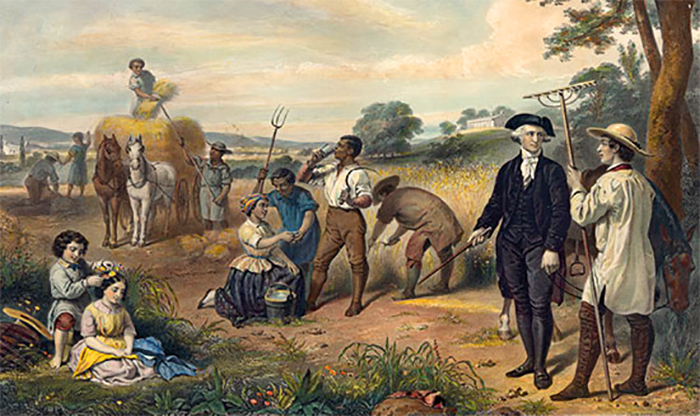
On February 8, 1865, Delaware voters rejected the Thirteenth Amendment to the U.S. Constitution, voting to continue the practice of slavery. Delaware belatedly and symbolically ratified the amendment on February 12, 1901.
Disagreement is manageable. It’s agreement that wreaks havoc. If people disagree, they’ll debate you. If they secretly agree with something, but are furious with you for saying it, then they’ll try to shut you up by any means necessary. As Tom Stoppard puts it, ‘I agree with every word you say, but I will fight to the death against your right to say it.’
The core idea behind the institutions of representative government — state legislatures, city councils, Congress — is that lawmakers, sometimes called “representatives,” endeavor to implement “the will of the people.”
To do so . . . necessarily entails knowing the public’s preferences.
Hmmm. How to find out what people want? Or don’t?
A ballot initiative sponsored by Tim Eyman and Voters Want More Choices offered one method, mandating advisory votes for Washington State’s electorate to approve or disapprove the last 19 tax increases passed by legislators.
These advisory tax questions sometimes garnered more votes than races for superintendent of public instruction and the state supreme court. Results? Mixed. Seven times voters favored the legislators’ tax hikes, while opposing the other 12.
Either way, good info for legislators to know, no?
No . . . apparently. Conceited Washington state politicians don’t want to know what voters think. The core idea behind Senate Bill 5224 is stopping voters from officially expressing their will on taxes by getting rid of these pesky advisory votes.
In testimony last week, Tim Eyman reminded legislators that voters have four times mandated advisory votes on tax increases (2007, 2010, 2012, 2015); have six times voted to require a two-thirds legislative majority to raise taxes, only to have those measures overturned in court; and that legislators have prevented citizens from using the state’s referendum process by attaching phony emergency clauses to tax hikes.
“Give the peasants a couple of crumbs,” Eyman beseeched, “and let them at least express an opinion at the ballot box.”
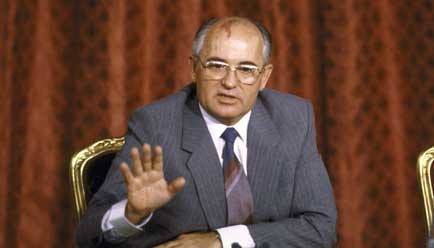
On February 7, 1990, the Central Committee of the Soviet Communist Party agreed to give up its monopoly on power, thus ushering the way for the dissolution of the putatively communist empire.
A photo, found on Virginia Governor Ralph Northam’s 1984 medical school yearbook page, went viral. It was of a person in black-face next to another in a Ku Klux Klan sheet. In almost no time at all, Democrats and others quickly demanded that the governor resign.
Or the likelihood that Democrats would experience no disadvantage should their governor step down?
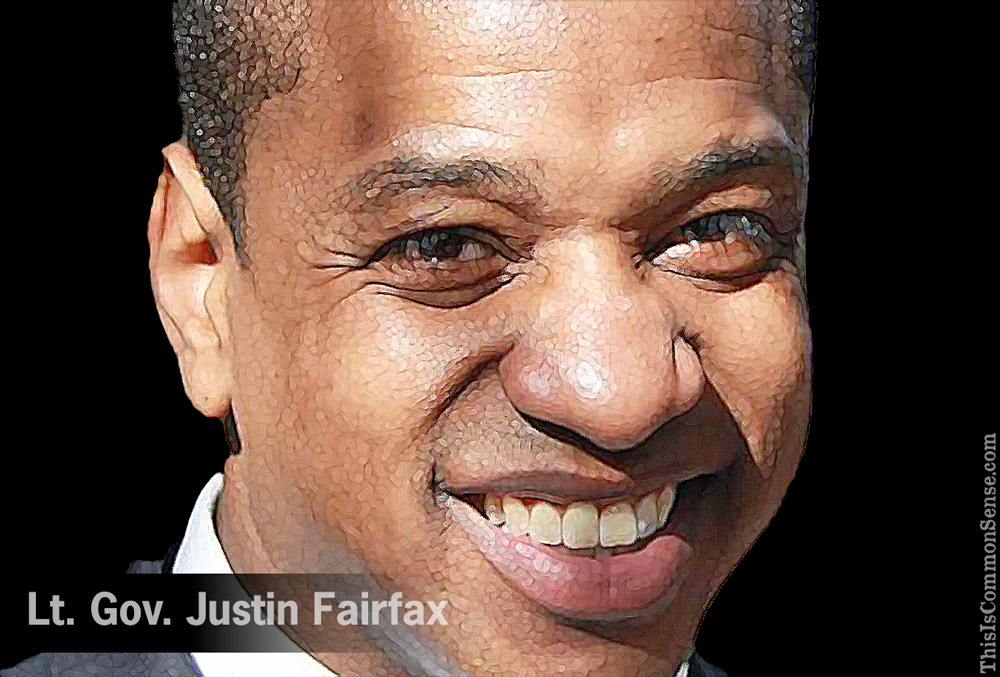
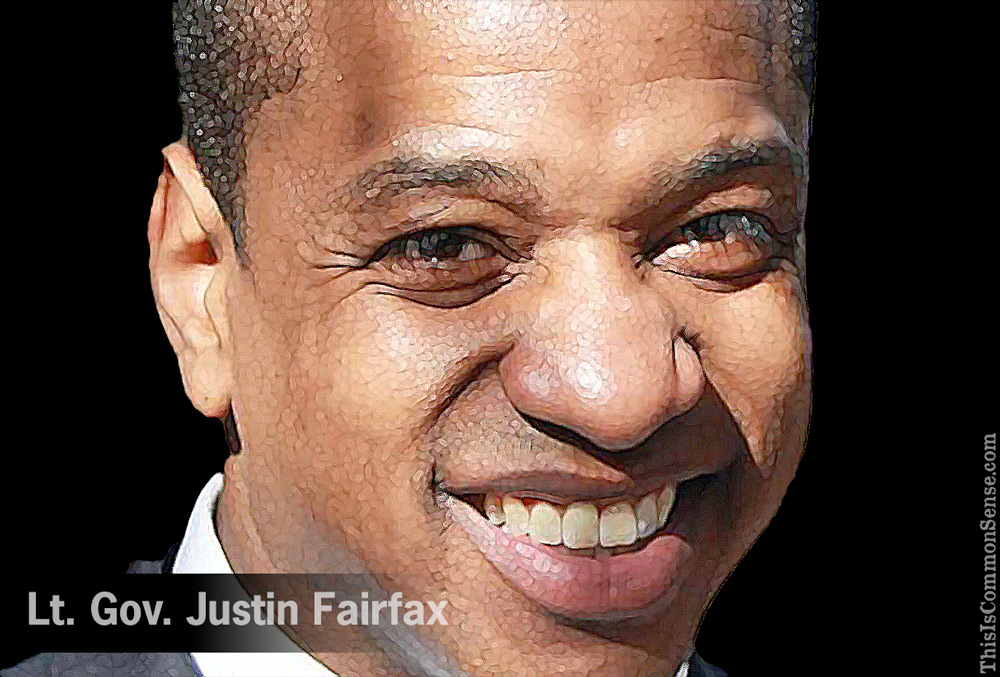
Lt. Gov. Justin Fairfax, an up-and-comer in the Democratic Party, would take Northam’s place. And under Virginia’s gubernatorial term limits, Fairfax could run again for a full term after finishing the rest of this current term.
With Virginia’s one-term limit, it would allow a rare option to run as an incumbent.
There’s a speed bump, though. Not necessarily the sexual assault allegation lodged against Fairfax, which he denies . . . and about which we know little. What’s certain? Fairfax is positioned far to the left of Northam — in a state that is still more purple than blue.
A bitter feud with Laborers’ International Union of North America illustrates the problem. Mr. Fairfax has long opposed two pipelines that the union desperately desires. The union — a donor of $600,000 to Democrats in 2017 — demanded that candidate Northam remove Fairfax’s name and picture from mailers to union households.
Playing down the dis, Fairfax called it a “mistake”; others chose “mindboggling,” a “slap in the face,” and a signal that blacks “are expendable.”
Northam still won . . . with 87 percent support from black voters.
Should Northam finish his term, Lt. Gov. Fairfax would remain well positioned, but the race would be wide open. If Fairfax becomes governor, however, no Democrat will challenge him for fear of splitting the party.
Yet, come 2021, Fairfax is too far left to defeat a decent Republican . . . should one appear.
On February 6, 1778, the Treaty of Alliance and the Treaty of Amity and Commerce were signed by the United States and France, signaling official recognition of the new republic. Exactly a decade later, the State of Massachusetts became the sixth in the union to ratify the new United States Constitution.
February 6 marks the birthdays of Aaron Burr (1756 – 1836), third Vice President of the United States and infamous Weehauken duelist, and Ronald Reagan (1911 – 2004) 40th President of the United States.
Ron Calzone and others read and consider legislation on their own dime. Calzone’s all-volunteer Missouri First group, which analyzes legislation filed in Jefferson City from a constitutional, pro-liberty perspective, doesn’t even have a bank account.
A small businessman outside of Rolla, Calzone devotes a great deal of time and energy during the legislative session, traveling to the capitol to speak face to face with Show-Me State public servants.
For some reason, establishment politicians and bureaucrats have generally failed to express gratitude.
Back in 2015, the head of Missouri’s “lobbyist guild” filed a complaint, at the urging of two powerful legislators, alleging that Ron Calzone should have to register as a lobbyist. Meaning a $10 fee and lots of paperwork about the money neither he nor his group spends.
“Average citizens have acted in harmony to stop hundreds of millions of dollars worth of graft that would have otherwise benefited the people who hire herds of professional lobbyists,” he responded at the time. “No doubt, it’s hard for those lobbyists to explain how average men and women can, with no budget and with no palm greasing, beat them so often!”
With the assistance of the Freedom Center of Missouri, a wonderful public interest litigator, and the Institute for Free Speech, the national leader in protecting political speech, Mr. Calzone has stood tall against the Missouri Ethics Commission.
Last week, the Eighth Circuit Court of Appeals vacated a 2-1 decision against him, agreeing to have all the circuit’s judges weigh in on the case.
In a free society, citizens must not be required to register and pay a fee in order to speak to legislators.
By far the most important of all the conditions, under which the production of material commodities goes broadly forward, is liberty of action on the part of the individual; because, wherever such liberty is conceded, association and invention and all other needful conditions follow right along by laws of natural sequence.
Arthur Latham Perry, Principles of Political Economy, 1891.