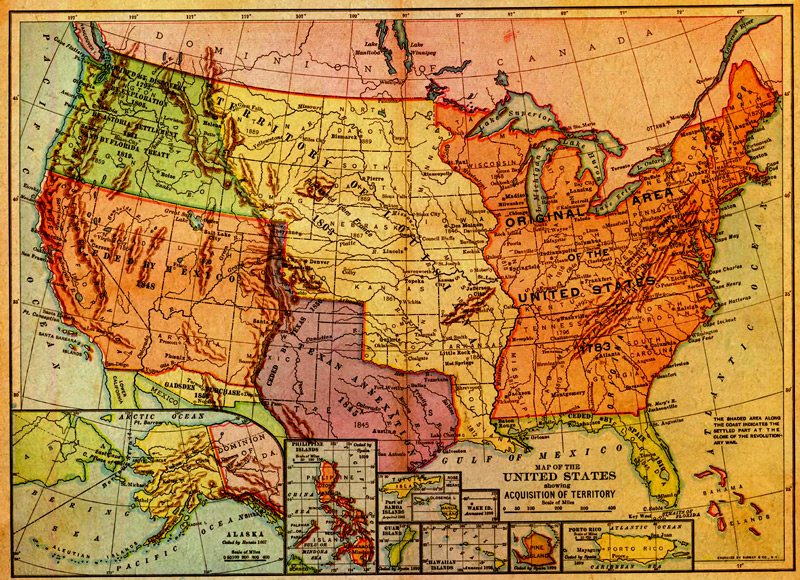
On October 20, 1803, the United States Senate ratified the Louisiana Purchase.
Exactly 15 years later, the Convention of 1818 signed between the United States and the United Kingdom which, among other things, settled the Canada-United States border on the 49th parallel for most of its length.
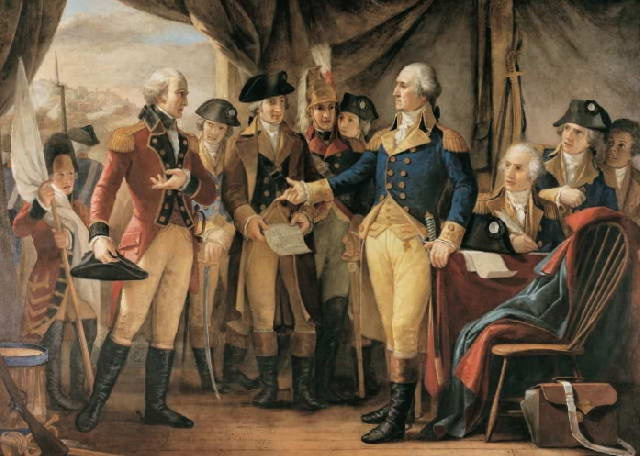
On October 19, 1781, representatives of British commander Lord Cornwallis handed over Cornwallis’s sword and formally surrendered to George Washington and the comte de Rochambeau, at Yorktown, Virginia. The Revolutionary War (or War for Independence, or Colonial Rebellion, or whatever you wish to call it) was over.
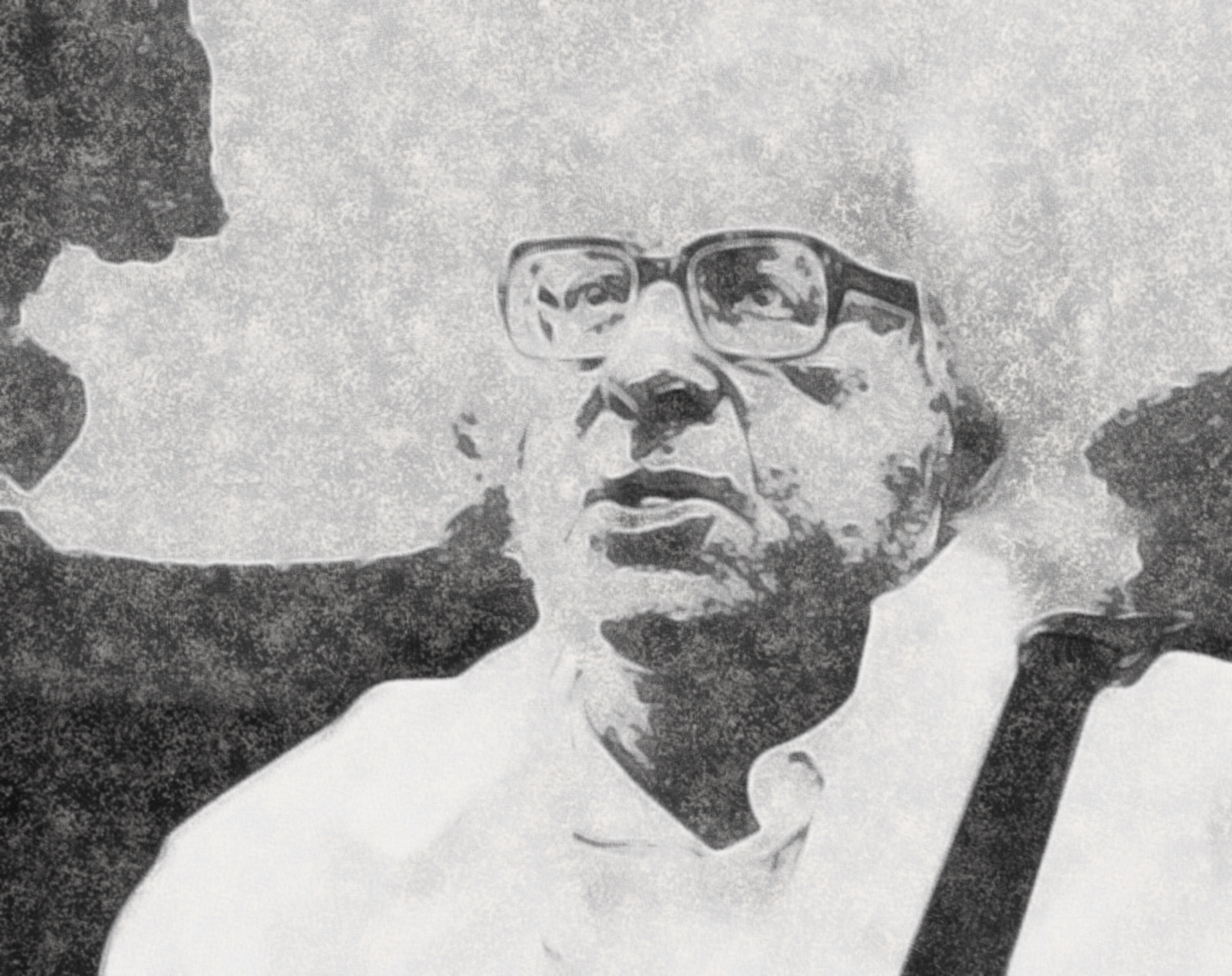
In 1918 on this date, conservative writer Russell Kirk was born.
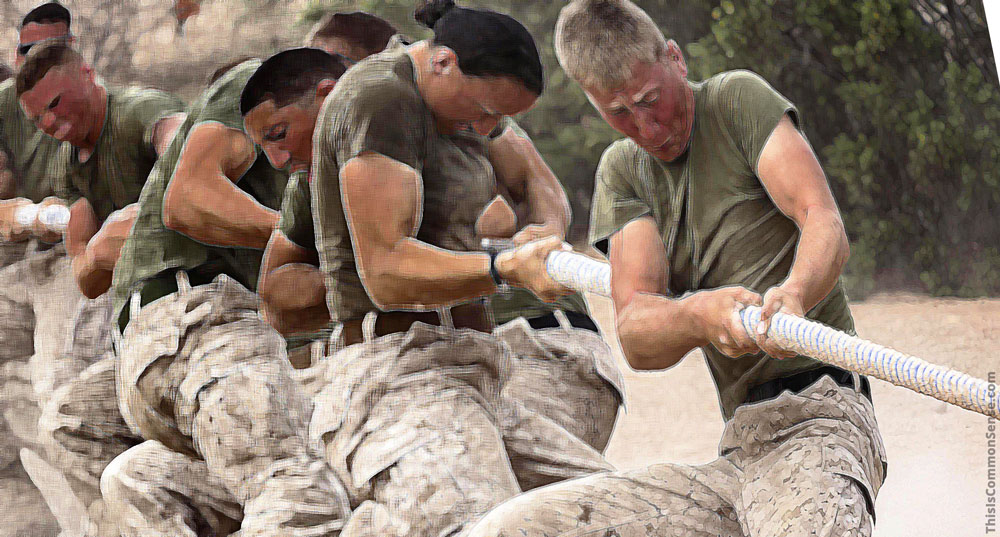
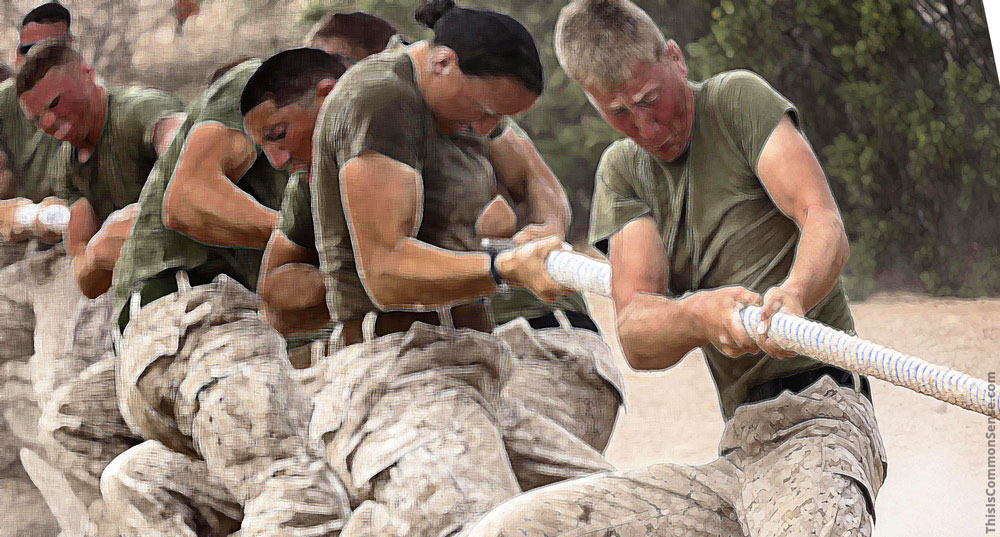
At the same time, I don’t want U.S. Marines landing on the beaches of Venezuela or Nicaragua or parachuting into Madrid or Kowloon . . . or for our military to endlessly occupy turf in Afghanistan and Syria.
There are limits even to superpower status. We cannot re-make the world in our image. By force. Everywhere at all times.
Except to some degree, by example. And regime change wars have not set a very good example.
The Iraq War destabilized the Middle East and handed Iran a major strategic victory. Leading from behind to help NATO overthrow the government of Libya has produced more chaos for northern Africa and Europe. Efforts at regime change in Syria have only worsened the suffering of millions of people.
U.S. troops remain in Iraq. After 17 years, we still have soldiers dying in Afghanistan. We can never leave. At least, not without any “gains” evaporating in a hurry.
And the president who finally ends military involvement in these “endless war” will get endless grief for abandoning allies* and ceding ground to Russia or some other bad actor. That’s what happened after 28 soldiers were pulled out of Syria.
Being a superpower isn’t all it’s cracked up to be.
Beacon of freedom seems a better gig.
This is Common Sense. I’m Paul Jacob.
* This is not an argument for being a bad ally ourselves. For starters, I think we ought to welcome Kurdish refugees who wish to immigrate to the U.S.
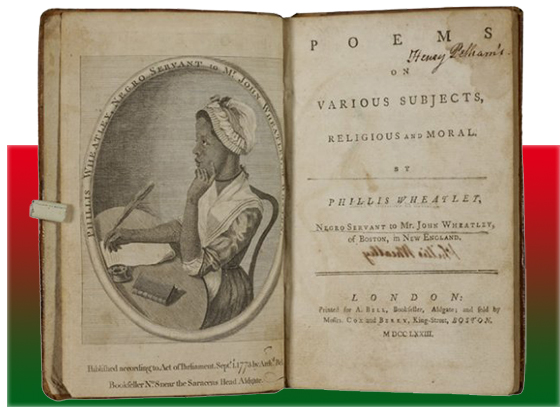
On October 18, 1775, African-American poet Phillis Wheatley was freed from slavery, upon the death of her master. Widely appreciated in her day, she was the first African-American to publish a book.
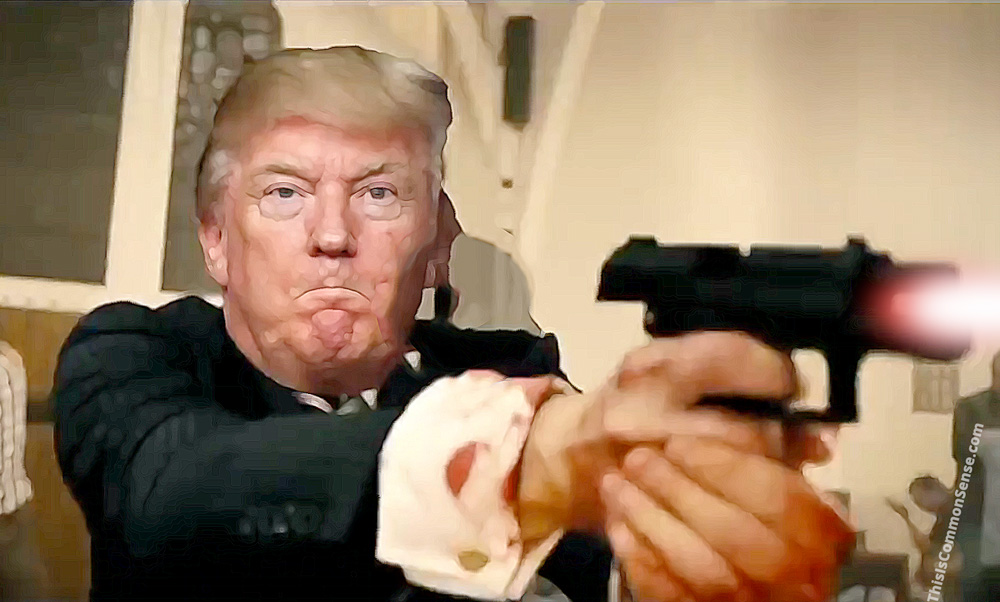
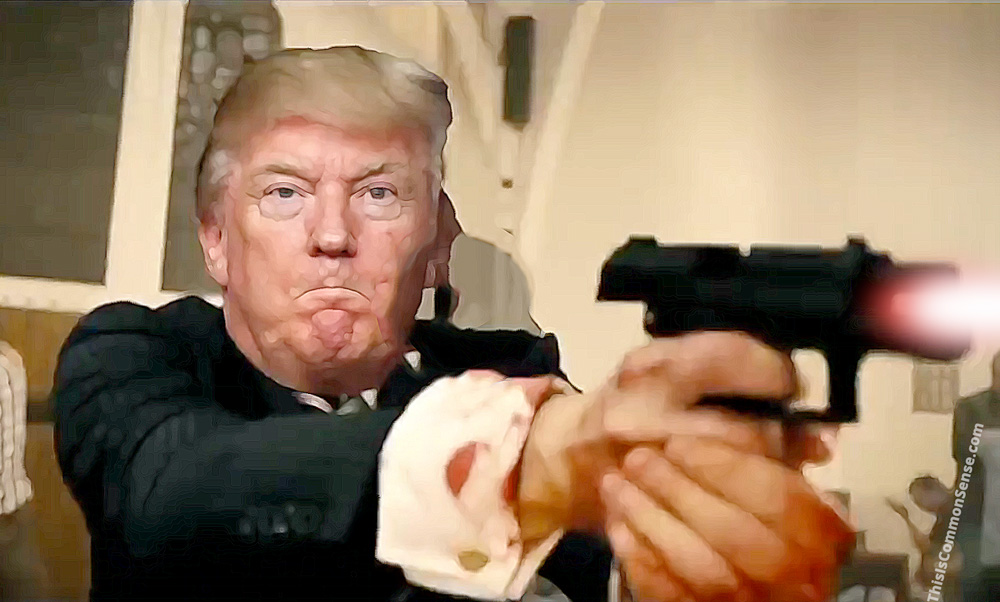
The “meme” — an altered video — depicted extreme, murderous violence. But it was not “weaponized” as incitement to real violence; it was, instead, “memeticized” contempt against the meme’s “victims,” the full panoply of media outlets along with a few iconic politicians.
The video was very popular over the weekend on social media. It took the church massacre scene from the first Kingsman movie, but with President Trump’s head placed over Colin Firth’s visage, crudely in “meme” fashion, and a few other heads put over other actors’, and the logos of major news outlets superimposed over most of the movie’s victims’ heads.
Cartoonish, yes, but done with élan.
Brooke Baldwin, however, is a paid agent of billionaire president of CNN, Jeff Zucker, and she has her marching orders, as revealed this week by a Project Veritas scoop. So she lit into the president in high moral dudgeon: “Mr. President, why is it taking you so long to condemn this video? You tweet all the time. I don’t want to hear from your press secretary . . . who says you strongly condemn the video . . . I want to hear from YOU.”
What Ms. Baldwin and her boss don’t get is that a growing swath of the American populace does not want to hear from a news reporter scolding demands that the president “condemn” things he had nothing to do with.
Trump didn’t make the meme, after all, nor had it made for him.
Brooke Baldwin’s effrontery shows why someone might make a meme like the one in question.
Not because you deserve to be killed, Ms. Baldwin, but because you deserve derision.
If you say ‘fascist’ it means ‘Hitler,’ although Hitler was probably more influenced by Stalin than by Mussolini — and ‘Hitler’ means ‘Auschwitz.’ So as soon as you disagree with the prevailing leftist culture or with either of our political parties and they want to call you a name, then you become a ‘fascist,’ which means you support the extermination of millions of people in a concentration camp.
Paul Gottfried, on the Tom Woods Show, April 28, 2016, a discussion of Gottfried’s book, Fascism: The Career of a Concept (2016).