The progress of science, of good science, depends on novel ideas and on intellectual freedom: science has very often been advanced by outsiders (remember that Bohr and Einstein regarded themselves as outsiders).
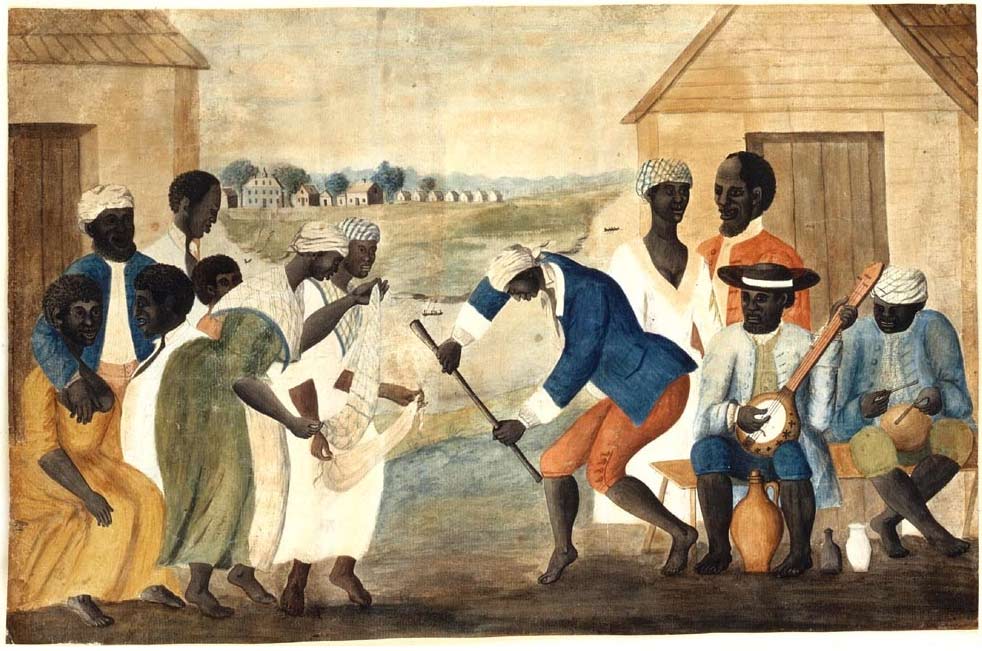
On January 2, 1788, Georgia became the fourth state to ratify the United States Constitution.
On the second day of 1819, the Panic of 1819, the first major peacetime financial crisis in the United States, began. The classic historical treatment of this crisis is Murray Rothbard’s dissertation.
As we turn the page to a new calendar year, here’s hoping that 2020 is (a) as interesting as the year just past, while being (b) a bit more productive of freedom, accountability, and all the good stuff we strive to achieve in our personal, family, business and community lives.
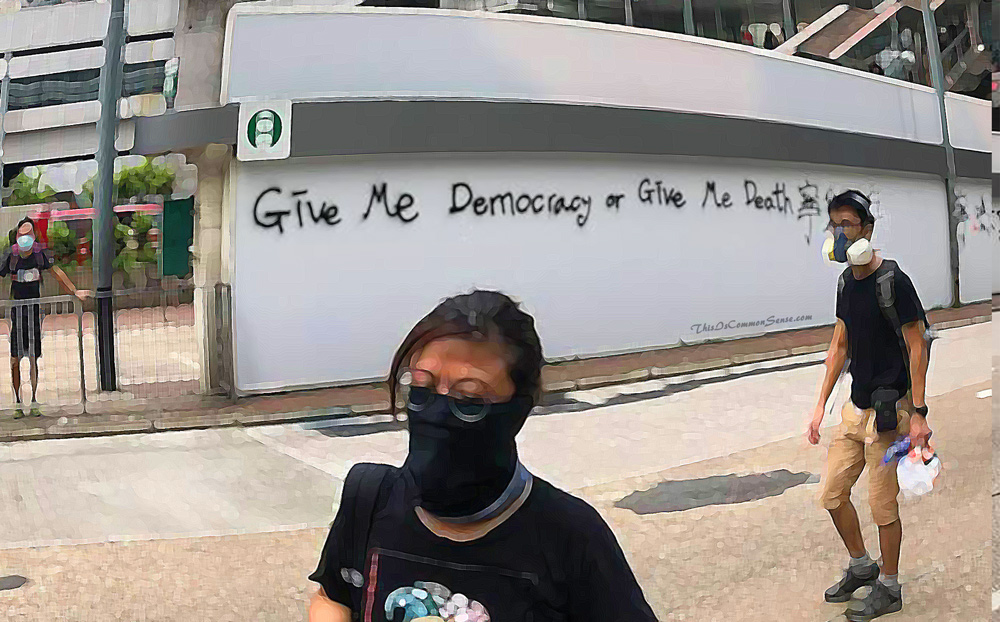
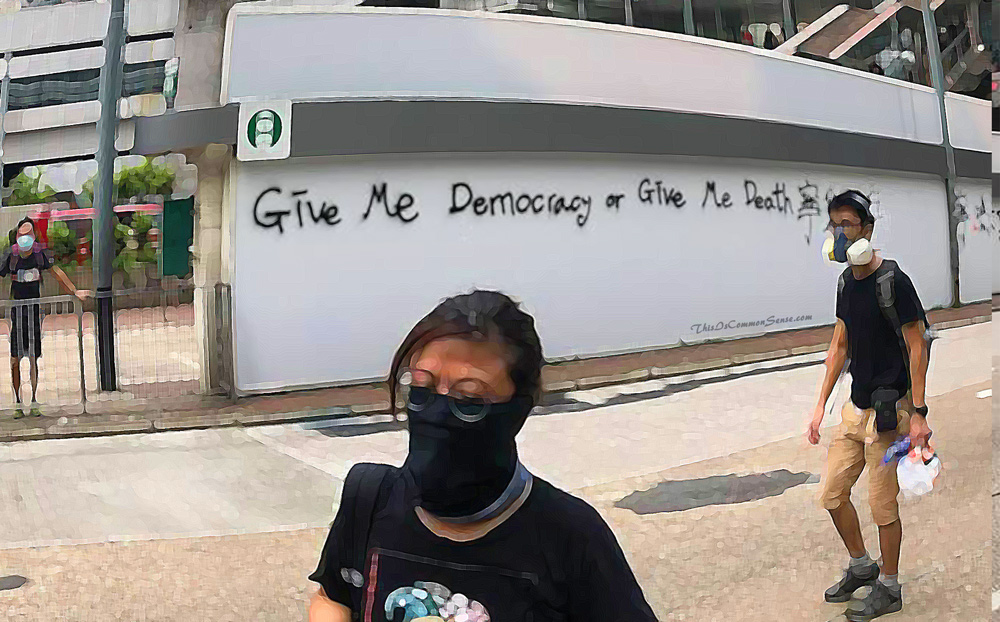
Legislation introduced last April to allow the extradition of criminal suspects from Hong Kong to mainland China motivated millions into the streets in protests that have not yet ended . . .
. . . including a major pro-democracy rally scheduled for tomorrow in Causeway Bay.
Traveling to Hong Kong and Taiwan months ago, the glimpse I caught of Hongkongers’ courageous struggle spurs me to applaud George Will’s judgment in Sunday’s Washington Post: “Nothing more momentous happened” in 2019.
The extradition bill has been withdrawn, sure, but Hongkongers know well that without real democracy they have no long-term hope of avoiding the repressive rule of the Chinese Communist Party . . . which may no longer be “communist,” but remains totally totalitarian.
Carrie Lam, the city’s Beijing-installed chief executive, has long labeled the protesters “selfish rioters.” But new pro-democracy candidates won nearly 90 percent of seats in last month’s local elections, demonstrating which side the public is on.
This year began with newly un-term-limited Chinese President Xi Jinping threatening military action against Taiwan. The island nation of 24 million, some 100 miles off the coast of the mainland, has been offered the same “one country, two systems” arrangement China has with Hong Kong . . . what Mr. Will dubbed “a formula for the incremental suffocation of freedom.”
Taiwan’s president, Tsai Ing-wen, is “loathed by Beijing,” reports the South China Morning Post, “because her party refuses to accept the idea that Taiwan is part of the so-called one-China principle which denies the island’s independence.”
Her opponent in the upcoming national election on the 11th, like some in the NBA, “favours much warmer relations with mainland China.”
The Taiwanese, however — like Hongkongers — appear increasingly resistant to being totalitarianized.
Whenever a new panic runs through corporate media and the grapevine — and especially when the lesson is supposed to be ‘we’ve gotta do something!’ — it is time to slow down. And look at the facts.
The opioid crisis is one of those panics.
The almost immediate reaction from politicians has been to point their quivering fingers at doctors and drug companies on the theory that doctors have been over-prescribing opiates, instigated by pharmaceutical companies.
Seems a ‘round up the usual suspects’ approach to public health.
Now there appears to be good research to back up our skepticism. According to Cato’s Jeffrey A. Singer, recent studies show “there is no correlation between opioid prescription volume and non-medical use or opioid use disorder among persons age 12 and over.” Nevertheless, Dr. Singer notes, “policymakers and law enforcement continue to pressure health care practitioners into undertreating patients in pain.”
An under-treatment result is scarier, to me, than the desperate and dangerous self-medication problem that must lie at the core of the crisis we read about. Patients in too much pain because doctors are afraid of government harassment are pushed to unsupervised pain management . . . which looks an awful lot like a simple description of the opioid crisis itself.
Singer provides confirmation of an unintended effect: the fentanyl and heroin overdose rate “continues apace” even as the opioid prescription volume plummets.
“At a recent international breast cancer conference experts stated the under-prescribing of opioids to breast cancer patients in the U.S. is now comparable to treatment in third world countries,” warned Singer.
One word: yikes.
I am tempted to define today’s politics itself as a kind of pain mismanagement.