Categories
Accountability initiative, referendum, and recall responsibility

Democracy on the Sly

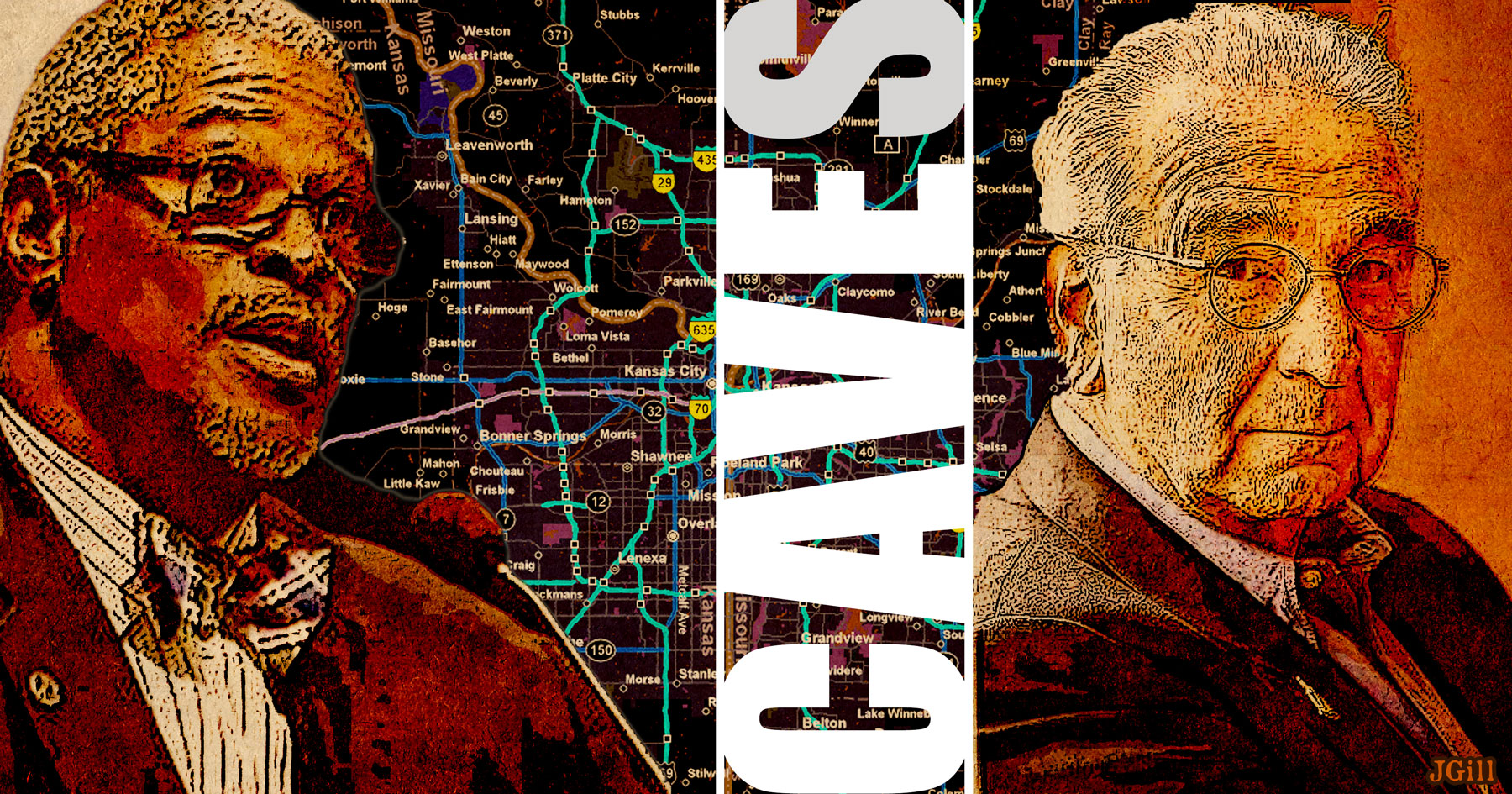
Mayor Sly James loves his city: Kansas City, Missouri.

He dreams of a shining new airport on a hill, a land of milk and honey with a new, luxurious, taxpayer-financed downtown hotel. He envisions it as a harmonious hub in which the thrill of . . . waiting for a richly subsidized streetcar is ubiquitous.

Yet, at every turn, a group of pesky citizens, Citizens for Responsible Government, has dashed the mayor’s dreams.

How?

  • A 2013 initiative petition drive blocked the $1.5 billion airport project.
  • Through a 2014 initiative effort, voters soundly defeated a streetcar expansion.
  • Weeks ago, this same rambunctious mob of retirees turned in enough signatures to force a public vote regarding the $311 million subsidy plan for a new downtown hotel.

“This is democracy at work,” claims Dan Coffey, serving as the group’s spokesperson.

For his part, the mayor offers, “I respect the people’s right to voice their opinion, but . . . I’m going to fight for this hotel deal.”

A man of principle!

Mayor Sly has taken to calling Coffey’s group CAVE — “Citizens Against Virtually Everything.” Coffey only notes that the mayor has left out a letter: the acronym should be CAVES — “Citizens Against Virtually Everything Stupid.”

“We started off a group of interested citizens that didn’t like the way things were going, particularly the way taxpayer money was being spent in Kansas City,” Coffey recently told the Kansas City Star. “Everybody talks about it, but nobody does anything about it.”

Coffey’s group has changed that dynamic . . . using direct democracy.

This is Common Sense. I’m Paul Jacob.

Printable PDF

Citizens for Responsible Government, CAVE, CAVES , Mayor Sly James , Dan Coffey, Kansas City, JGill, Paul Jacob, Common Sense, collage, photomontage


Categories
Accountability national politics & policies responsibility

Assuming the Fix

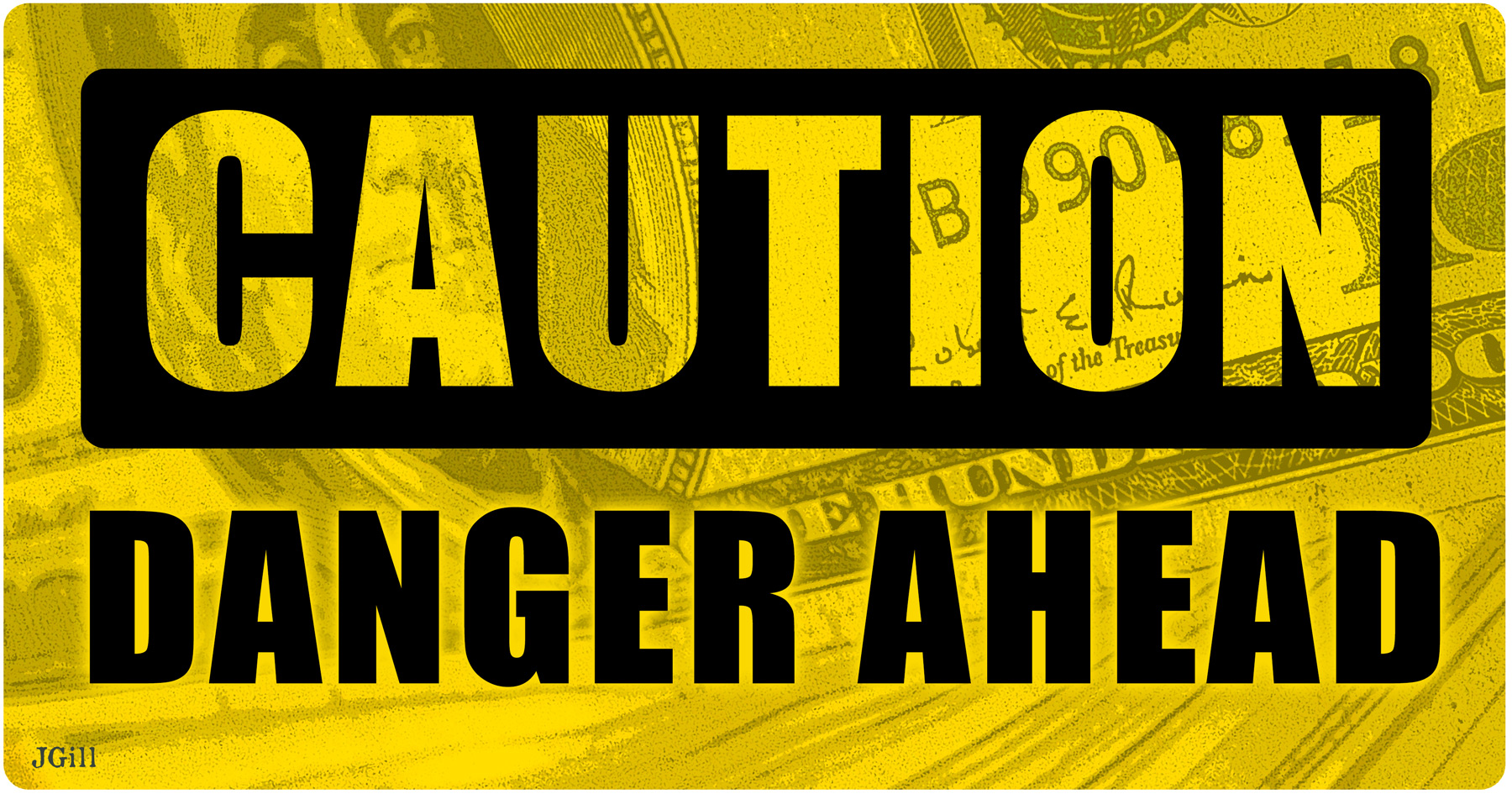
Social Security, like similar systems in Europe, is on a trajectory to insolvency, which could lead to a sovereign debt crisis.

The reason for the crisis? Social Security has always been a pay-as-we-go system, dependent on many workers paying in to a system that sends their contributions to a smaller number of retirees. When the number of retirees expands above the ability of workers to cover at established rates, the system goes broke. Meanwhile, all the system’s budget overages from the beginning to the present date have not been saved and invested. Congress has been taking the overages and spending them, putting IOUs in a notebook.

It is a serious problem.

Or, it isn’t! That is, not if you believe The Nation, which states in a recent article that this is all the result of a legally mandated “bogus” accounting conceit. The Congressional Budget Office, you see,

assumes that Social Security and Medicare Part A will draw on the general fund of the US Treasury to cover benefit shortfalls following the depletion of their trust funds, which at the current rate will occur in 2034.
That would obviously lead to an exploding debt, but it’s a scenario prohibited by law.

The Nation’s somewhat confused author suggests the dire warnings are wrong because “Congress could preemptively pass laws to avert the situation before the deadline; it could take the approach favored by progressives and increase revenue to the programs by lifting the payroll tax cap, or alternatively raise the retirement age and lower benefits.”

Well, yes. But until a fix happens, the doomsday warning stands.

Why does he think we make the warning?

This is Common Sense. I’m Paul Jacob.

Printable PDF

caution, danger, debt, social security, collage, photomontage, illustration, JGill, Paul Jacob, Common Sense


Categories
folly national politics & policies

A Tunnel with No Light

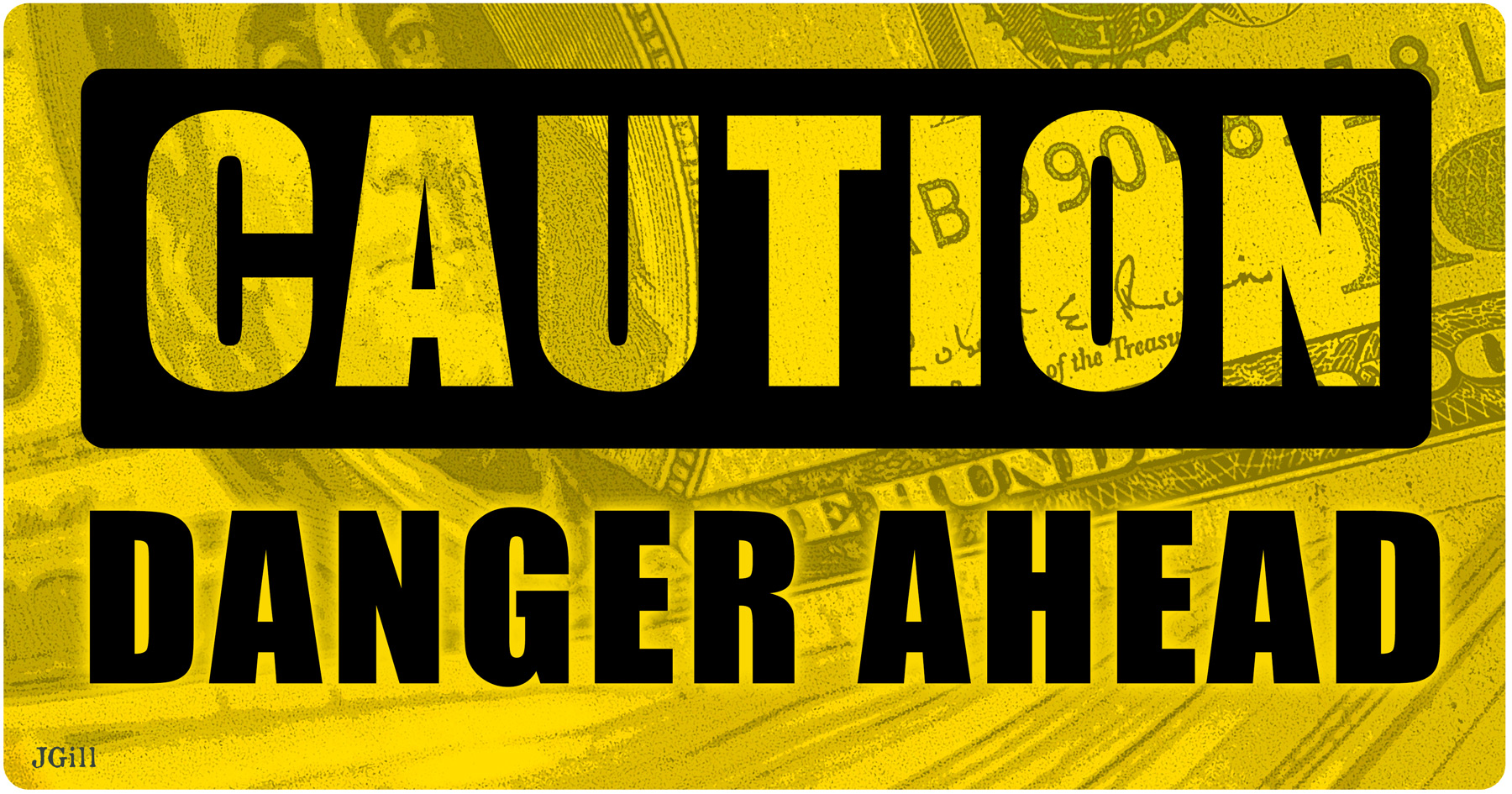
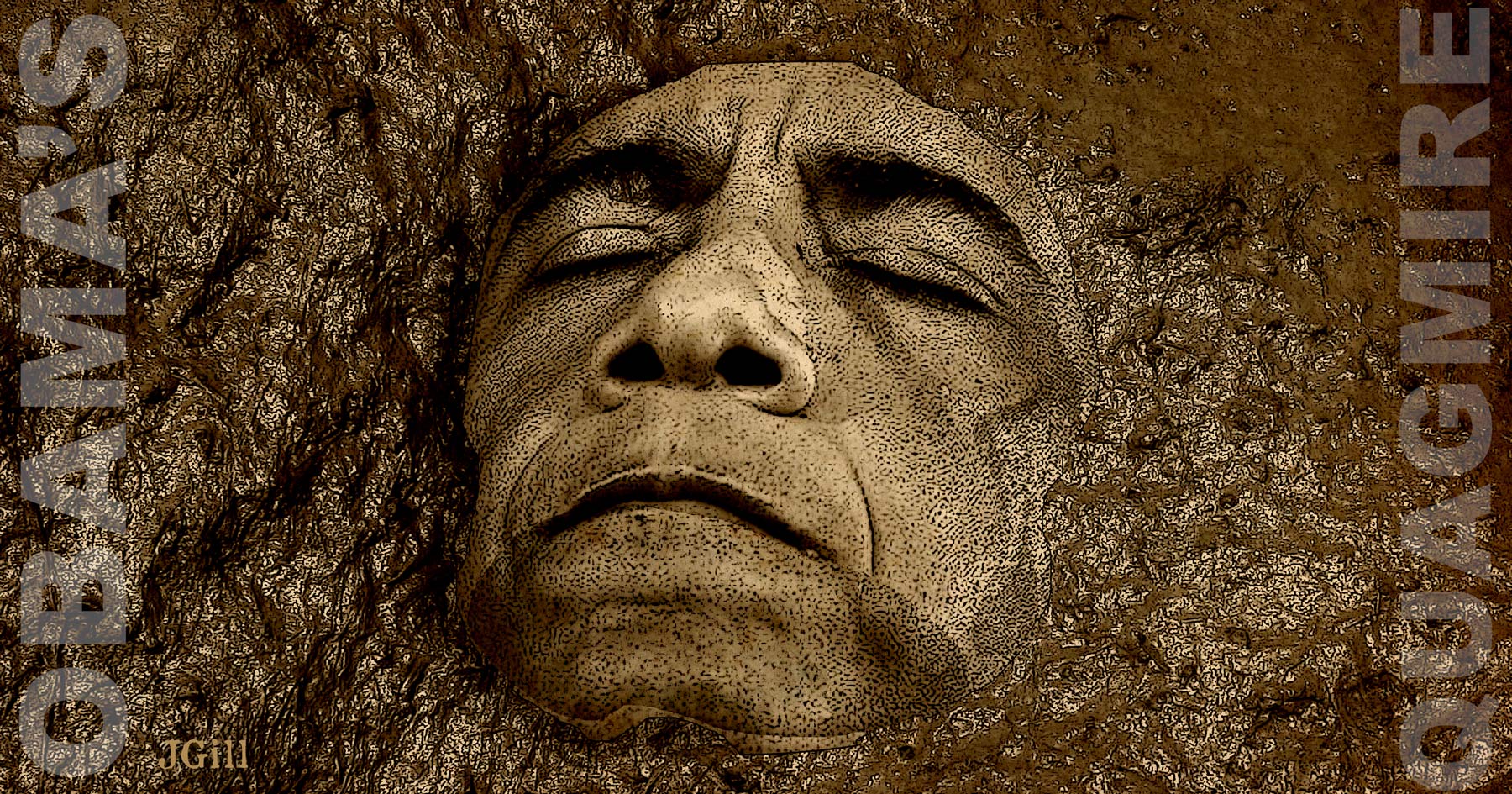
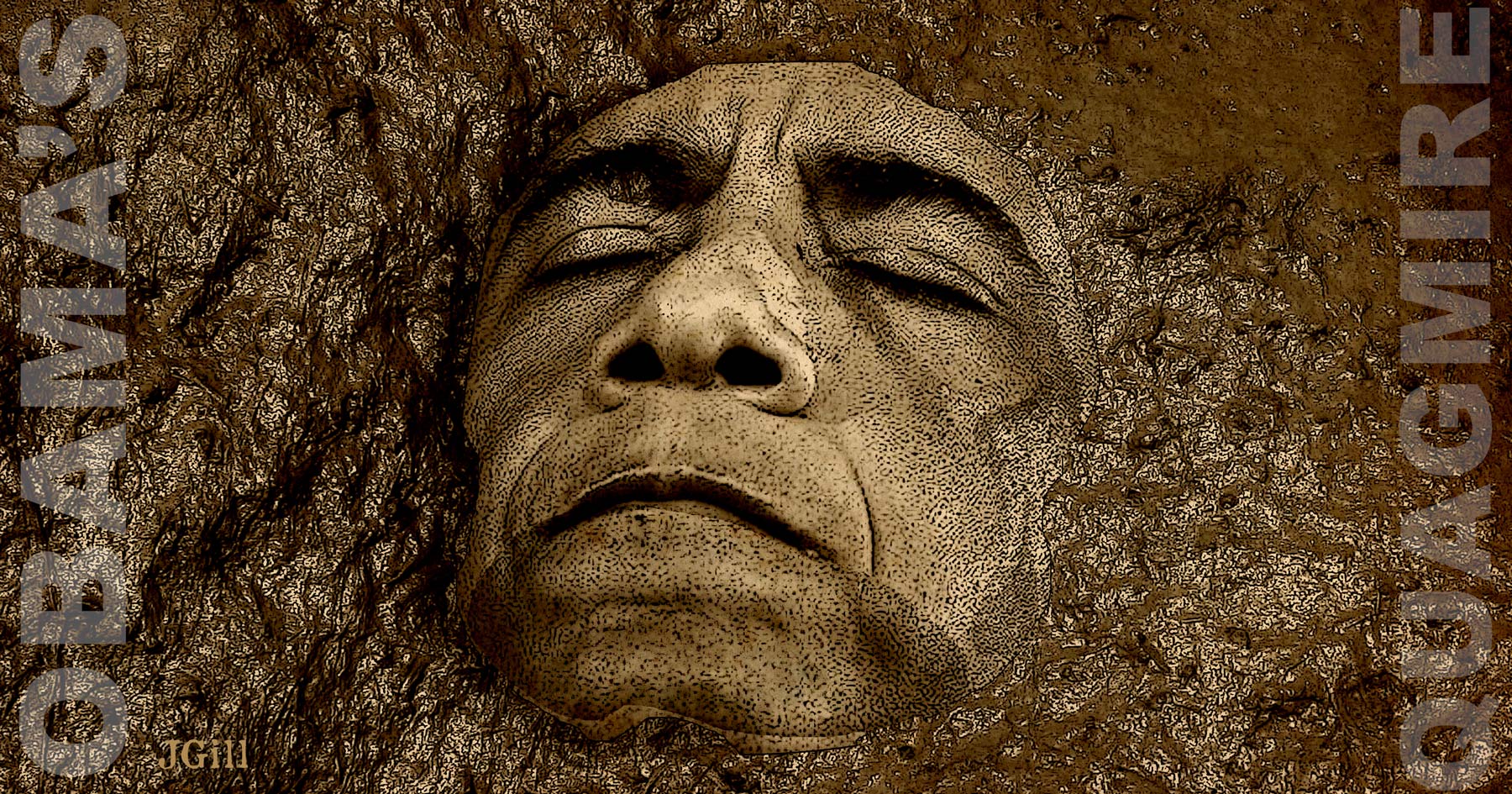
President Barack Obama pledged we’d be out of Afghanistan by 2016, but yesterday announced a “modest but meaningful extension of our presence” — keeping the 10,000 troops currently stationed there for all of 2016, and then, in perpetuity, maintaining a force five times larger than previously planned.

Why? Because, after 14 years of conflict and nation-building, Afghanistan is still neck-deep in violence. Last month, the Taliban briefly captured Kunduz, a city of over 250,000 people. Going forward, Obama admitted, “There will continue to be contested areas.”

The Afghan government is not self-sustainable and nobody seems to know how many years or decades or centuries that might take to achieve.

Meanwhile, over in Syria, the U.S. cannot train more than four or five moderate soldiers after much bluster and promise — and splurging a cool $500 million.

The U.S. invaded and “regime-changed” Iraq, helping shape a new government and national army. With all that effort — a cost of thousands of lives — once our soldiers weren’t doing the daily fighting to tamp down the bloody sectarian chasm, ISIS formed, the Iraqi army ran away and the country soon collapsed into civil war.

The Iraq Conquest put southern Iraq into Iranian orbit. How many lives was that worth?

The problem? Not military incompetence. The mission is the problem. Has any politician or military leader plausibly put forth a plan whereby our country’s intervention actually creates an improved and sustainable political order in any of these nations?

If so, let’s see it.

If not, why are our soldiers still in harm’s way?

This is Common Sense. I’m Paul Jacob.

Printable PDF

Obama, quagmire, foreign policy, Afghanistan, Syria, war, collage, photomontage, JGill, Paul Jacob, Common Sense


Categories
folly ideological culture meme nannyism national politics & policies political challengers too much government

All Those Egos, One Basket

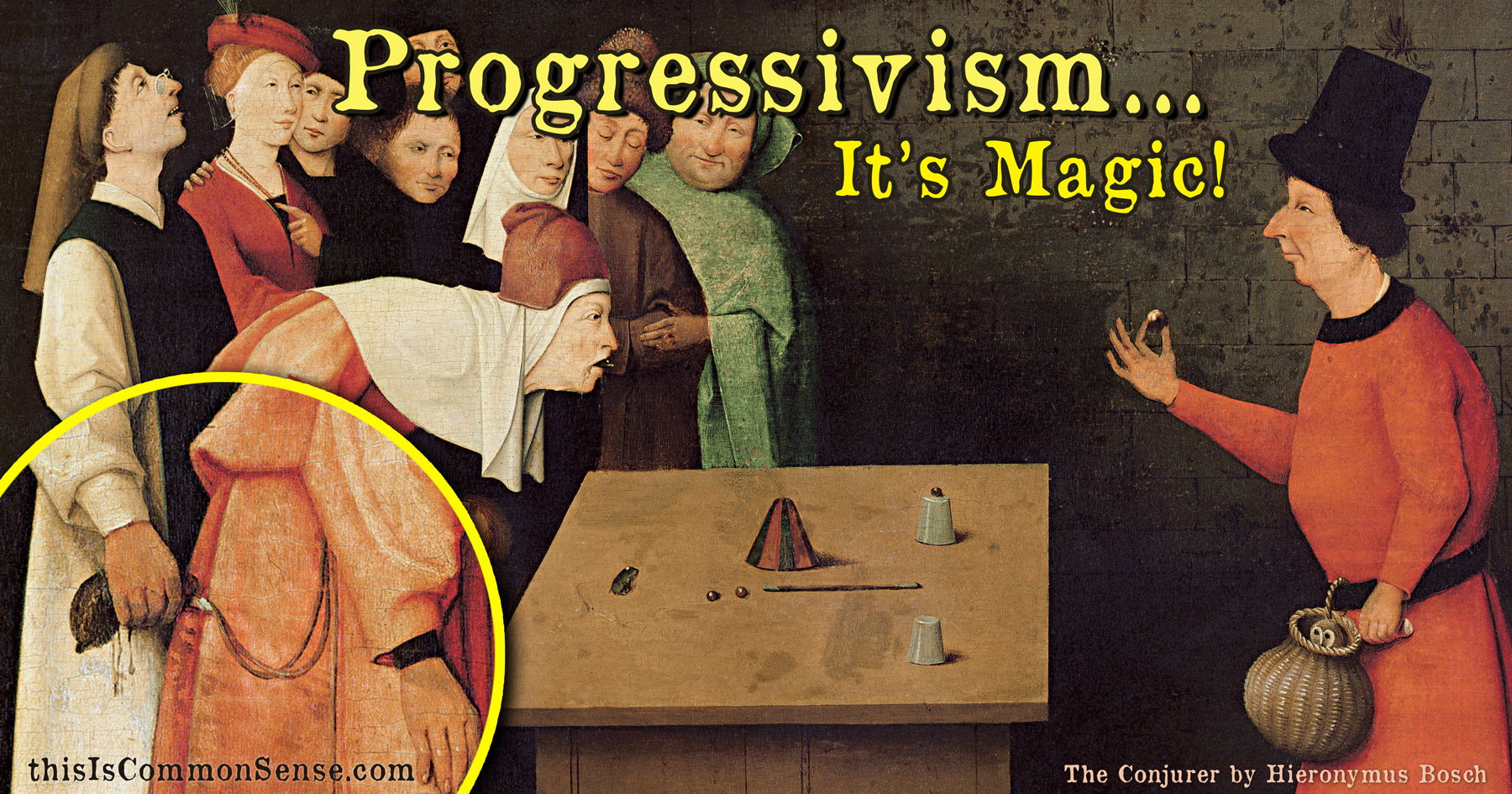
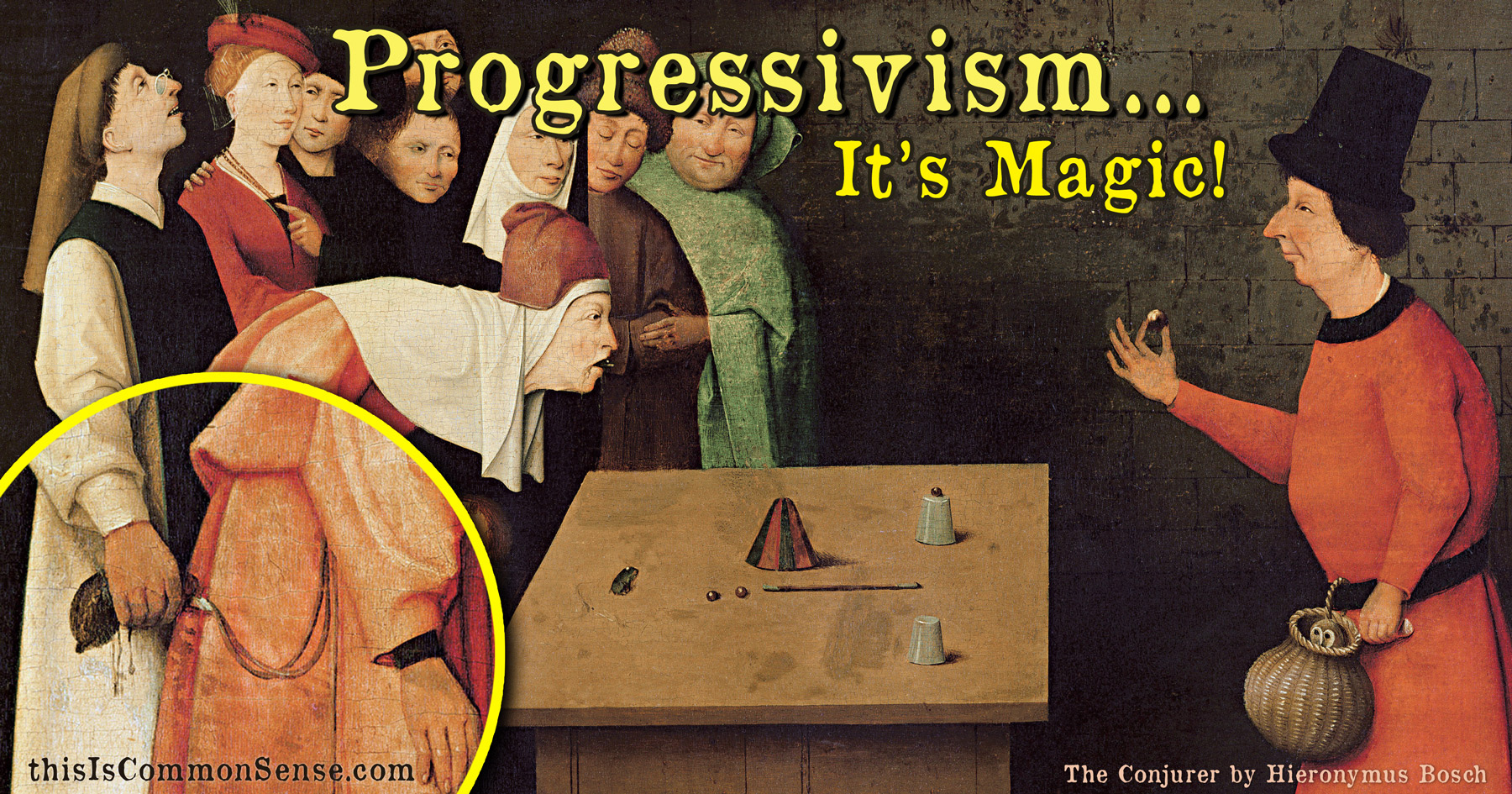
In Tuesday night’s debate, Democrats  put all their egos in one ideological basket: progressivism. Even Jim Webb managed to sound progressive . . . until he identified his prime personal enemy — the man he shot in wartime.

Bernie Sanders once again insisted on lecturing Americans on what it means to be a “democratic socialist.” Martin O’Malley relentlessly pursued an impossible dream, 100 percent carbon-free electric production by 2050 — far enough off to avoid any possible accountability. And Hillary Clinton said that, sure, she’s a progressive, “a progressive who likes to get things done!”

But what has she “got done,” ever?

It was her secrecy regarding the initial health care reforms back in her husband’s first term that helped spark the firestorm of opposition that led to the Revolution of ’94, and to the triangulating successes of the master of manipulative compromise, Bill Clinton. His was not a “progressive era,” though Democrats still use the 1990s as proof that their (“our”) policies “work.”

With exception of Bernie on gun control and Hillary on foreign policy and spying (Snowden gave out secrets to the enemy: traitor; she gave out who-knows-what via her insecure email server: blankout), the spend-spend-spend mantra of progressivism, mixed with “fair taxes” (higher tax rates) on the top 1 percent, was not challenged on the stage.

How far would they go to close ranks? Bernie sided with her regarding “your damned e-mails.” That’s so ideological as to eschew any consideration of character or loyalty or trust.

Quite a revolution . . . in the party.

This is Common Sense. I’m Paul Jacob.

Printable PDF

progressivism, meme, progressives, magic, Paul Jacob


Categories
meme

Hillary’s Accomplishments

“I’m a progressive who likes to get things done.”

—Hillary Clinton


Click the image below for a high resolution version:

I'm a progressive who likes to get things done, Hillary Clinton, accomplishments, meme, Paul Jacob, Common Sense, progressive, progressivism


Categories
general freedom individual achievement responsibility tax policy

Plotting Progress

The prestige of the Nobel Peace Prize has been tarnished by some more-than-dubious awards, in our time . . . Henry Kissinger and Barack Obama, most obviously.

Same goes for the Bank of Sweden’s knock-off “Memorial” prize for economics.

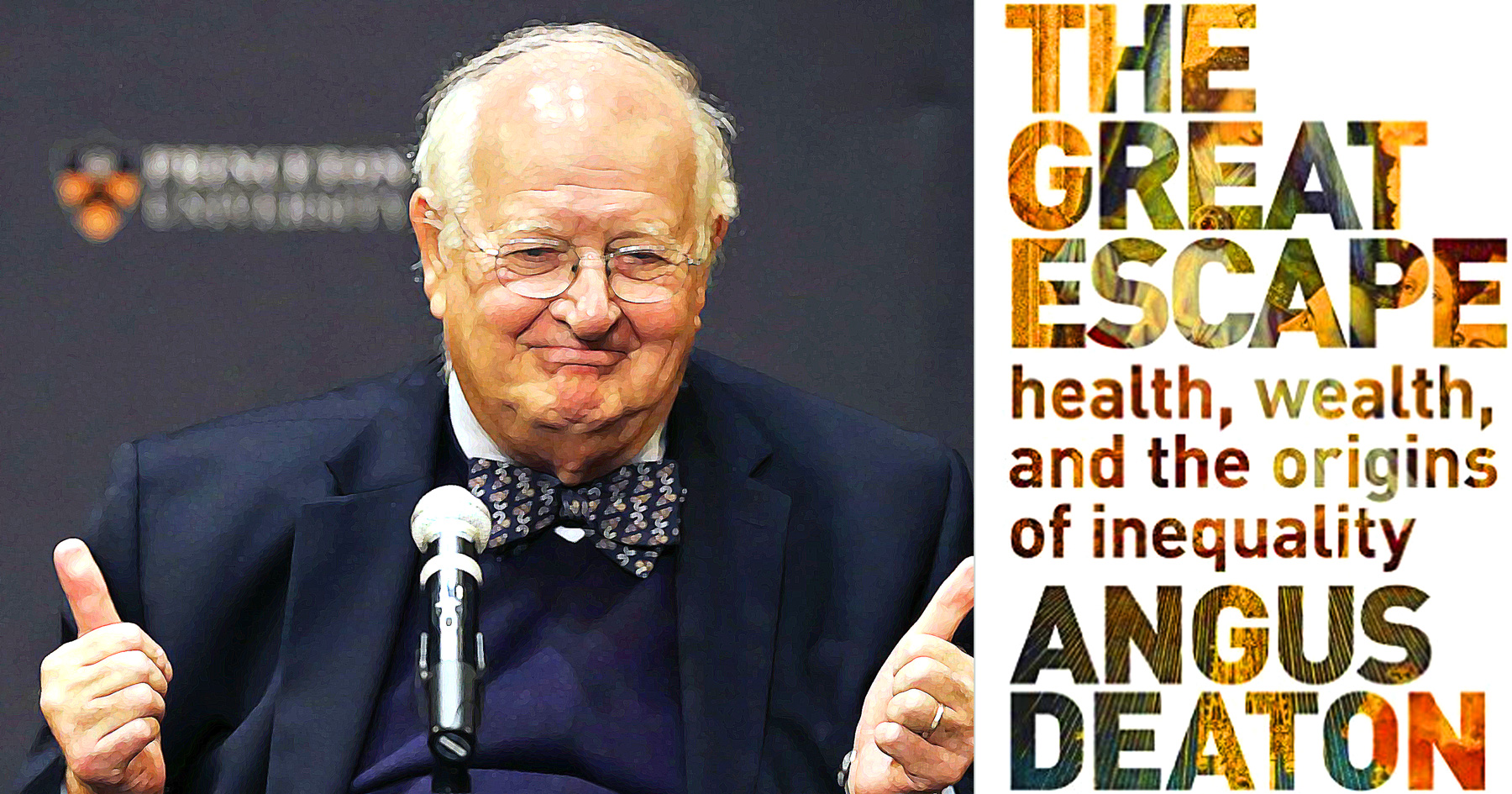
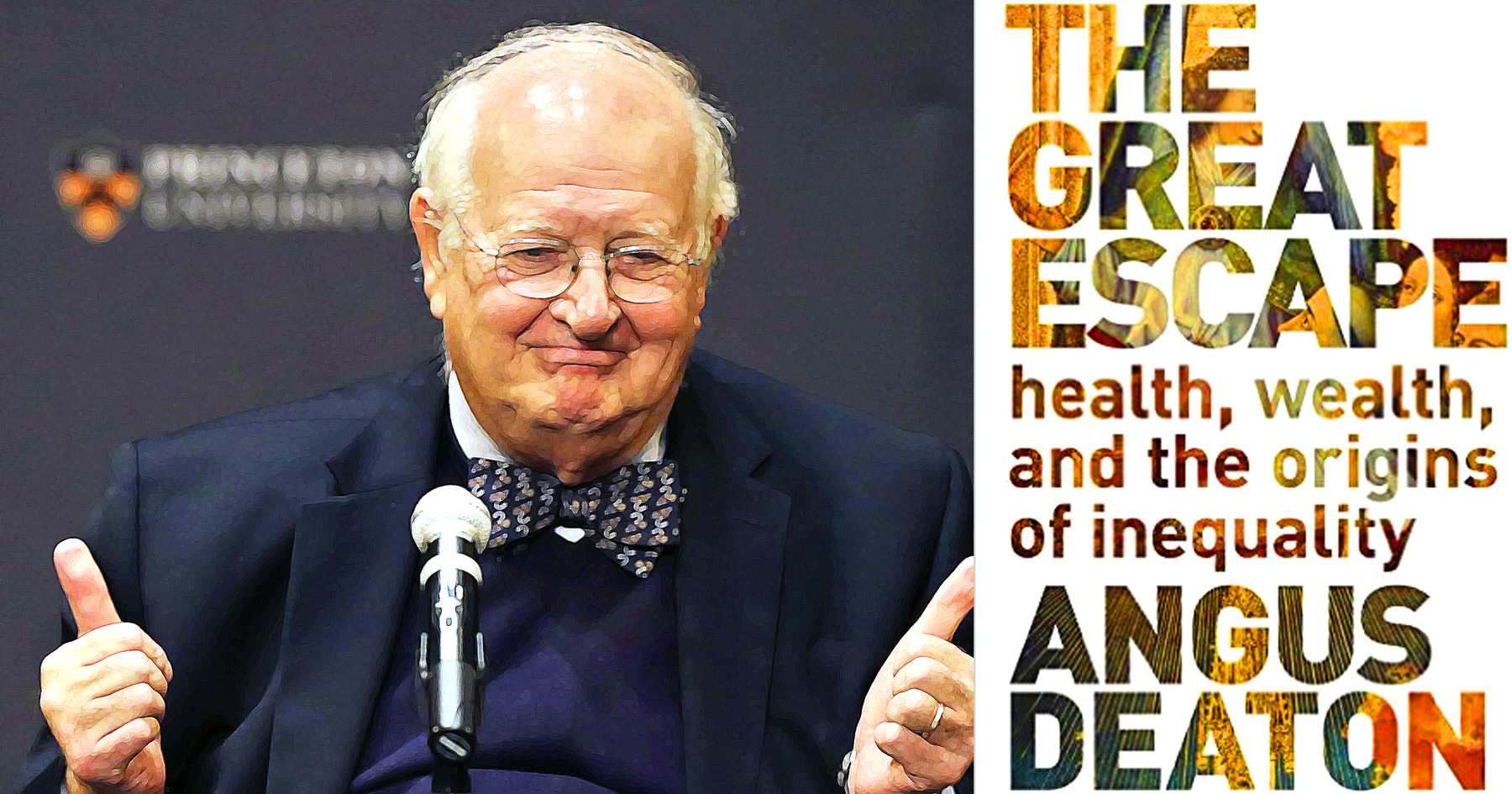
But, according to David R. Henderson, this week’s Nobel nod to Scottish-born Angus Deaton, for his “analysis of consumption, poverty and welfare,” is “a fine pick.”

Deaton is, writes Henderson, “an important chronicler of the market’s abilities to create wealth and improve society.”

While it is all the rage, these days, to complain about increasing inequality, Deaton has been instrumental in showing that wealth, health and welfare have increased as poverty, worldwide, has decreased.

And this has been largely the result of markets. Not big government programs.

Deaton, Henderson tells us, “believes that the approximately $5 trillion given by governments of rich countries to poor countries over the past 50 years has undercut good governance by making poor countries’ leaders less accountable to their own citizens.”

ABC News seconds Henderson’s account:

In his 2013 book, The Great Escape, Deaton expressed skepticism about the effectiveness of international aid programs in addressing poverty. . . . China and India have lifted tens of millions of people out of poverty despite receiving relatively little aid money. Yet at the same time, poverty has remained entrenched in many African countries that have received substantial sums.

Peter G. Klein, at mises.org, identifies a deeper insight by the latest Nobel economist: “aggregate measures of consumption and inequality conceal important differences among individuals.” This explains why Deaton came to his other (controversial) conclusions: he never took his eye off the real player in market life, the individual.

This is Common Sense. I’m Paul Jacob.

Printable PDF

Angus Deaton, Nobel Prize, Economics, The Great Escape, Inequality, collage, photomontage, JGill, Paul Jacob, Common Sense


Categories
folly national politics & policies political challengers

Tonight’s Permitted Debate

Tonight, the Democratic Party holds its first presidential debate of this cycle. Finally! It’s one of only six total throughout the entire campaign for the party nomination.

And all the other debates will be on weekends, with much lower TV viewership.

What does it suggest when a political party wants to minimize rather than maximize the degree to which the public gets to see its candidates and hear the party’s message?

“[I]t seems infelicitous,” writes The Washington Post’s Greg Sargent, “for Democrats to be embroiled in a very public fight in which party leaders are increasingly being accused of limiting the exposure of the candidates to voters.”

Is Supreme Democratic Party Commander Debbie Wasserman Schultz afraid that familiarity will breed contempt?

As party chair, Wasserman Schultz unilaterally decreed that debates shall be limited to just six. She also warned that “candidates will be uninvited to any debates if they accept invitation to any debates outside the 6-debate schedule.” (Meanwhile, Republicans are holding nine presidential debates, but likewise, dictatorially, blocking participation in additional debates.)

Wasserman Schultz, facing protests and heckling, claims her only aim is to prevent the debate schedule from getting “out of control.”

Or out of her control, perhaps?

Presidential candidate and former Maryland Gov. Martin O’Malley called it a “rigged process,” asking, “What national or party interest does this decree serve?”

The limited debate schedule serves as a huge advantage for frontrunner Hillary Clinton by limiting the breakout opportunities of her opponents.

But, at least tonight, all the world’s a stage.

This is Common Sense. I’m Paul Jacob.

Printable PDF

democratic debate, collage, photomontage, JGill, Paul Jacob, Common Sense


Categories
Accountability crime and punishment general freedom responsibility

Heroism for Everybody

Liberty is achieved, when it is achieved, at a price. Vigilance.

And this isn’t just an inspiring political message. It’s practical advice for extraordinary circumstances.

What’s the best thing to do if you meet a mass murderer on a rampage, or a terrorist on his mission? It may not be to merely call 911. As one counterterrorism consultant puts it, “We are conditioned to dial 911 and wait, but, in the case of an active shooter, that does not work.”

This conflict expert, Alon Stivi, went on to explain that “[m]ost casualties occur within the first ten or fifteen minutes, and police response usually is too late.”

And speaking of 911, remember that on 9/11/2001, the most successful anti-terrorist effort was by the passengers of United Airlines Flight 93.

That was heroism. It cost them their lives, but they accomplished something in that they saved lives, too.

Some people don’t like bringing this up for fear of, well, hurting some feelings. But Ari Armstrong has an answer for this:

If we avoid serious discussions about self-defense and survival tactics in cases of intended mass murder out of fear that such discussions are somehow insensitive to victims of past attacks, all we accomplish is to ensure that more people will be murdered in possible future attacks.

There is a reason we should keep ourselves fit, and alert. Who knows when we may be called upon, by circumstance, to defend not only ourselves and our loved ones, but our way of life?

Sure, this “call” is made by the unjust. But we, the just, should answer anyway.

This is Common Sense. I’m Paul Jacob.

Printable PDF

self defense, gun, responsibility, terrorism, collage, photomontage, JGill, Paul Jacob, Common Sense


Categories
folly ideological culture

Swedish “Generosity”

The headline? Gaspworthy: “World’s First Lesbian Bishop Calls for Church to Remove Crosses, To Install Muslim Prayer Space.”

Are we being punked? Onion–ized?

I checked: apparently not.

The place is the Seamen’s mission church in the eastern docks of Stockholm. The Church of Sweden’s local bishop challenged the mission’s priest with a what-if: Suppose a Muslim came off the boats and wanted a place to pray?

Had the encounter been just a one-off, we could shrug it off. But this is one latitudinarian cleric, and she didn’t let it go:

Calling Muslim guests to the church “angels,” the Bishop later took to her official blog to explain that removing Christian symbols from the church and preparing the building for Muslim prayer doesn’t make a priest any less a defender of the faith. Rather, to do any less would make one “stingy towards people of other faiths.”

Generosity über alles strikes again!

I’ve long wondered about radicals who infiltrate religions. If you don’t like Catholicism, join or start something else; if you find the Baptist Conventions opprobrious, check out the Methodism, Greek Orthodoxy, or . . . Thelema. Why horn in on someone else’s religion?

But there is a reason it’s happening in the city that gave us “Stockholm Syndrome.” The Church of Sweden’s a state institution, while Scandinavia’s real religion is secular progressivism. You need no gift of prophecy to see where that’s bound to go.

Separation of church and state just makes sense. To each religion its own. There need be no fighting for adherents, or laying down of one’s own beliefs merely to appeal to “inclusion.”

Unless or until you get the government involved.

This is Common Sense. I’m Paul Jacob.


Printable PDF

religion, Sweden, Bishop, tolerance, folly, progressivism, secular, collage, photomontage, JGill, Paul Jacob, Common Sense


Categories
Accountability national politics & policies responsibility tax policy

Raising Taxes & Truth

Sheila Weinberg wants to raise your taxes. So fervent is her money-lust that she even threatens to run for president, and only half-jokingly, on that single issue.

More surprising: I would enthusiastically vote for her.

What gives?

Well, Weinberg isn’t demanding a tax increase or a spending cut, per se — just one and/or the other until accounts are balanced. She points out that tax increases tend to concentrate the minds of taxpayers to oppose greater spending by government. Otherwise, as long as governments — local, state and federal — can hide the true costs of their “services,” more will be spent, and more debt incurred, than the people can afford, or want.

That’s why this friendly CPA founded Truth in Accounting, a nonpartisan, non-profit group working to “compel governments to produce financial reports that are understandable, reliable, transparent and correct.”

Too much to ask? No, if you ask me, or you, or Sheila, or anyone else . . . until we inquire of politicians, and then, well . . . apparently, yes. And not merely at the federal level.

“For years, citizens have been told that their home state budgets have been balanced,” Weinberg recently told Watchdog.org. “If that were true, state debt would be zero . . .”

Yet, last month, Truth in Accounting issued its 2014 Financial State of the States report disclosing that state governments are truthfully — whether they admit it or not — a cumulative $1.3 trillion dollars in arrears. Individually, all but 11 states are carrying debt.

Lies won’t set us free. Or pay the bills.

This is Common Sense. I’m Paul Jacob.


Printable PDF

tax, taxes, debt, national debt, truth, collage, photomontage, JGill, Paul Jacob, Common Sense