Categories
Accountability political challengers responsibility term limits too much government

Who’s the Boss?

This week, Republicans have chosen Donald Trump to be their standard-bearer. Next week, Democrats will nominate Hillary Clinton as their presidential candidate.

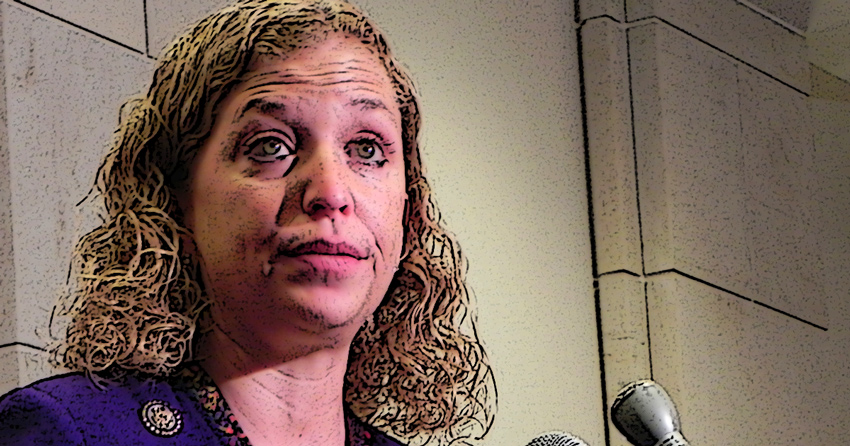
But the only candidate on your ballot to take the U.S. Term Limits pledge is Gary Johnson, the Libertarian. Last week, I rubbed elbows with the former two-term governor of New Mexico on a panel about term limits at FreedomFest in Las Vegas.

“I believe that if term limits were in effect that politicians would do the right thing as opposed to whatever it takes to get re-elected,” Johnson told the capacity crowd.

The U.S. Term Limits pledge is straightforward, a commitment to use the bully pulpit of the presidency to help push Congress and the states to propose and ratify the congressional term limits Americans have been voting for and demanding for quite some time.

U.S. Term Limits Executive Director Nick Tomboulides asked me what it says about our democracy that even with overwhelming public support for many decades, Congress has blocked this reform.

Noting that Congress is thoroughly despised by the public, I pointed out that only one incumbent congressman has been defeated for re-election so far this year. And that incumbent, Rep. Chaka Fattah (D-Pa.), was under 23 felony indictments, including racketeering, for which he was later convicted.

I argued that term limitation “is a critical issue at the very core of governance. Are we the boss or are the politicians the boss? Today, I think we all have to be honest and admit the politicians are the boss.”

Adding, “And we have to do something about that.”

This is Common Sense. I’m Paul Jacob.


Printable PDF

Paul Jacob, Gary Johnson, FreedomFest, 2016, Nevada, illustration


Categories
Accountability general freedom moral hazard nannyism national politics & policies Second Amendment rights too much government U.S. Constitution

The Freak-out Factor

Most folks are so unused to seeing normal people carrying guns around, out in the open, that when they it, they freak out.

Among those who are at least, well, unsettled by the spectacle? The police.

Funny, the gun freaker-outers don’t usually freak when they see police with guns. But that may be changing as more and more video footage comes out regarding police shootings of suspects under suspicious circumstances.

It is not exactly by accident that there are protests in numerous cities.

So, police being human, we cannot be surprised when, after the Dallas and Baton Rouge killings of police, “[t]he head of the Cleveland police union called on the governor of Ohio to declare a state of emergency and to suspend open-carry gun rights during the Republican national convention. . . .”

The governor’s office responded that Gov. John Kasich had no authority to do such a thing. Open carry was a law in the state. Only inside buildings could carry rights be suspended (as they have been, selectively).

Steve Loomis, the Cleveland Police Patrolmen’s Association head, said that he did not “care what the legal precedent” may be, and “couldn’t care less if it’s legal or not.”

If Loomis, a leader in “law enforcement,” boasts this attitude, no wonder police have had so many trigger finger incidents, sparking so much anguish, protest, and debate.

It’s time for police to rethink their approach to people who have rights to carry weapons.

Perhaps more importantly, we should all try not to freak out so easily.

This is Common Sense. I’m Paul Jacob.

Printable PDF

gun, control, 2nd Amendment, Republican, police


Categories
Accountability Common Sense folly general freedom ideological culture media and media people meme national politics & policies too much government

More Common Sense from Tom Paine

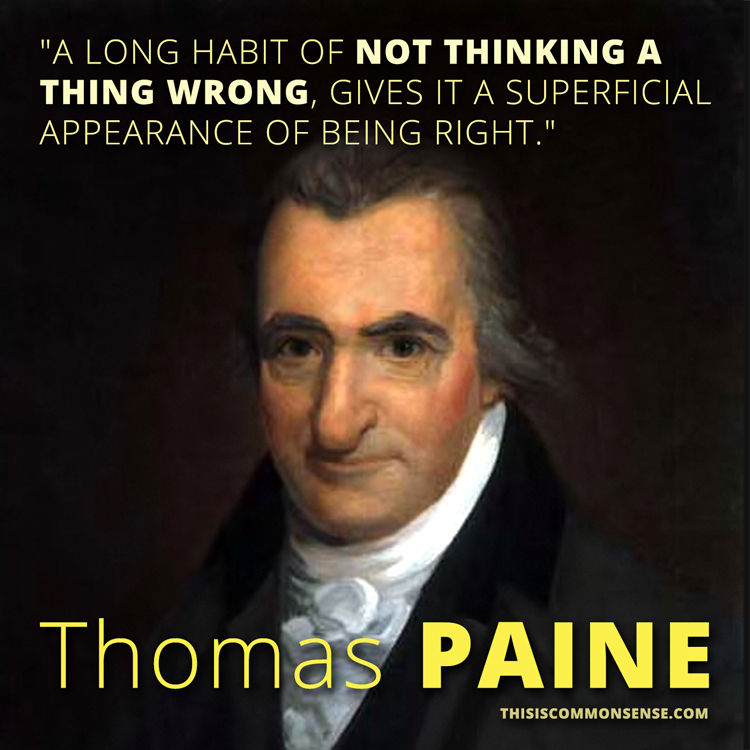
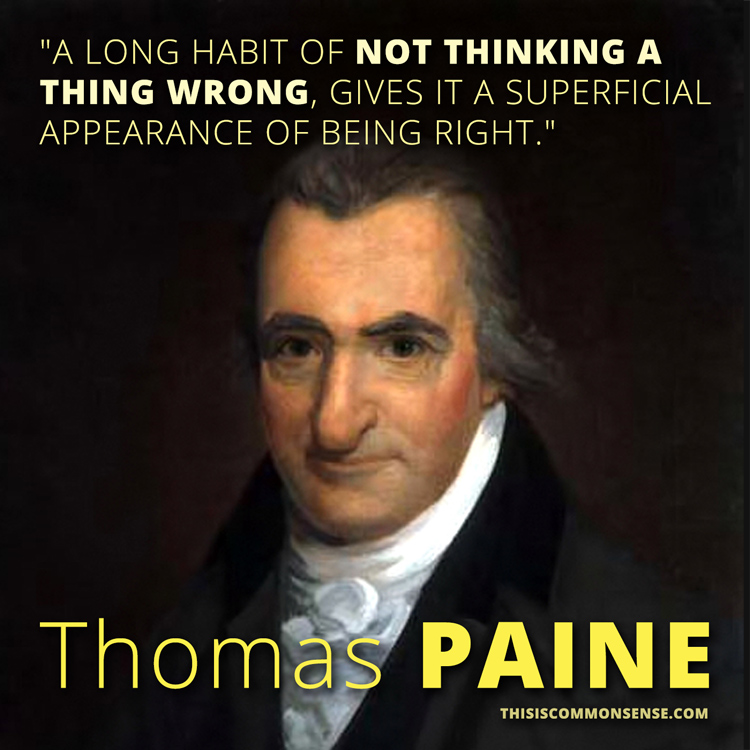
“A long habit of not thinking a thing wrong, gives it a superficial appearance of being right.”

Quote (from Paine’s “Common Sense”) verified here.


Tom Paine, Thomas Paine, quote, quotation, wrong, right, meme, illustration


Categories
media and media people national politics & policies political challengers responsibility

Whose Coup?

Melania Trump’s beautifully adequate speech last night at the prime-time opening of the Republican National Convention in Cleveland clashed with the ugly chaos earlier.

Everyone knew the convention’s rules package would be a point of conflict. A wee bit of open democracy might have unified delegates. Instead, the rules were rushed through on a voice vote, immediately after which the chair ignored delegates loudly calling for points of order as well as demanding a roll-call vote on the package.

In the uproar that ensued, that convention chair, Arkansas Congressman Steve Womack, inexplicably left the stage unmanned.

“I’ve never seen the chair vacated like that,” said Utah Sen. Mike Lee, who had tried and failed to get recognized.

Morton Blackwell, a 32-year RNC member, complained the process was “crooked”; former Virginia Attorney General Ken Cuccinelli used the word “disgusting.”

After what seemed an eternity, Womack appeared back on stage, again calling a voice vote, quickly ruling that the “Ayes” had it over the “Nays,” and then ignoring yet more delegates trying to be recognized.

He finally explained that not enough states had called for the roll call — three states had withdrawn their petition. No mention that the long delay had allowed Trump and RNC operatives to pressure enough delegates into withdrawing their petition.

This served as “a glimpse into the future of a Trump presidency,” suggested former New Hampshire Sen. Gordon Humphrey, adding that Trump supporters “act very much like fascists, shouting down the opposition, treating them roughly.”

Hyperbole? Sure. But yesterday’s events do indicate a lack respect for democratic process.

This is Common Sense. I’m Paul Jacob.

Printable PDF

Republican, convention, 2016, Donald Trump, illustration


Categories
Accountability government transparency moral hazard responsibility

Opaque Pension System

Requiring government transparency is as necessary in those areas where governments can grant special favors as in those where governments can inflict direct harm.

That is, it’s as important regarding government worker pensions as it is of the abuse of police power.

In Nevada, the legal requirement for the state’s Public Employee Retirement System (PERS), to disclose who gets what in pension payments was recently thwarted by PERS itself.

“By replacing names with ‘non-disclosable’ social security numbers in its actuarial record-keeping documents, PERS has attempted to circumvent the 2013 ruling of the Nevada Supreme Court requiring disclosure,” explained Joseph Becker of the Nevada Policy Research Institute.

I’m quoting from NPRI’s July 6 press release. Most such publicity isn’t all that interesting, but this one catching government agencies deliberately working against their duties sparks a certain . . . interest. Wouldn’t you say?

Simply by altering how it keeps records, PERS officials hoped to stifle public . . . “spying.” It’s reasonable to prevent government from giving out public servants’ Social Security numbers, so PERS switched to listing information under those numbers, in so doing “violating both the letter and spirit of the Nevada Public Records Act,” explains Becker.

And thus undermining democracy — republican governance —  itself.

This public disclosure wouldn’t be an issue if the pension system were run privately, based on defined contribution funding. But that’s not how governments do things.

We must hold government’s proverbial feet to the fire — of public information — to make sure government employees and taxpayers are both treated fairly.

This is Common Sense. I’m Paul Jacob.

Printable PDF

government, pension, transparency, Nevada, illustration


Categories
Accountability crime and punishment general freedom moral hazard national politics & policies Regulating Protest responsibility too much government

Too Much – Part 2

Yesterday, we discovered that modern America asks police to do “too much.” Which prompts the next question: What should police stop doing?

Here are two immediate reforms where police can do less, while protecting the public more:

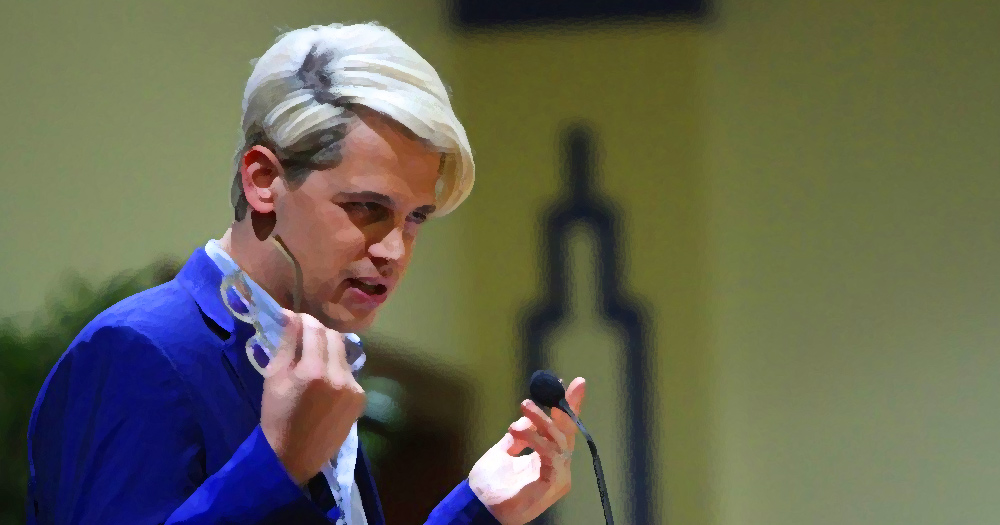
     (1) End the War on Drugs. Preventing violence and fraud is the rightful role of police. Not preventing people from engaging in activities that are peaceful, however misguided or self-harming. The criminalization of marijuana means more than 150 million Americans are criminals, warranting police involvement.

Now, Mr. Obama has released some convicts serving long drug-related sentences, but we need a president who will go much farther in changing law enforcement priorities.

     (2) Stop Using Civil Asset Forfeiture, whereby police steal people’s stuff without charging and convicting those people of any crime. Not only do federal agencies from Justice to the IRS take our property in violation of our rights, but the Feds encourage state and local police to join them in this bad behavior through their “equitable sharing” program.

While Obama has spoken against seizing assets without a criminal conviction, he hasn’t stopped it. And he could at the federal level, with a stroke of his pen — as I have advocated at Townhall. Ending civil asset forfeiture is an executive order actually within his constitutional power.

Would these two steps end all racism or violence or crime? No, no, no.

They would be, however, two steps forward toward a more principled, lawful and respectful style of policing that would better serve to unite rather than divide citizens and police.

It’s a different two-step than reformers have been witnessing.

This is Common Sense. I’m Paul Jacob.

Printable PDF

crime, police, Police Chief David BrownX poverty, President Barack Obama


Photo Credit: Tomasz Iwaniec


Categories
Accountability crime and punishment moral hazard national politics & policies responsibility too much government

Too Much

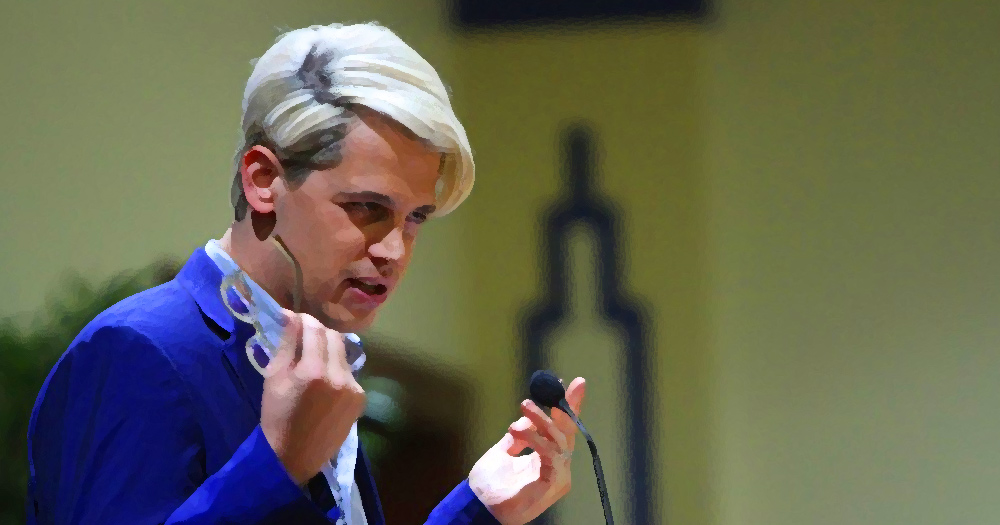
When President Obama said, “[W]e ask the police to do too much,” at the memorial service for the five slain Dallas policemen, he was echoing an idea previously expressed.

“We’re asking cops to do too much in this country,” Dallas Police Chief David Brown told reporters a day earlier. “Every societal failure, we put it off on the cops to solve,” he added, noting such problems as a lack of mental healthcare, rampant drug abuse, substandard schools and even roaming dogs.

So, what should police stop doing?

Plenty. But I’ll save that answer for tomorrow. Today, let’s pose another: Why so much crime, poverty, and violence in these communities?

Mr. Obama fingered not taxing-and-spending enough on benefits for the poor, including for “decent schools,” “gainful employment,” and “mental health programs.” Yet, after decades of expensive wars on poverty, illiteracy, drug abuse, etc., things have only gotten worse.

“We flood communities with so many guns,” the president intoned, “that it is easier for a teenager to buy a Glock, than get his hands on a computer or even a book.”

He’s playing fast and furious with the truth. Books are free at the library. Glocks cost money.

And who is this “we” he keeps bringing up?

Chief Brown mentioned a critical problem Obama did not: “Seventy percent of the African American community is being raised by single women.”

Police cannot solve all our problems, sure, but they especially cannot fix problems exacerbated by the welfare state and the educational system. Big government is no substitute for Mom and Dad.

Even freedom merely offers the opportunity to fix our own problems.

This is Common Sense. I’m Paul Jacob.

Printable PDF

Obama, Police Chief David Brown , police, abuse, poverty,


Categories
ideological culture media and media people national politics & policies political challengers

MoveOn2Video

Donald Trump is MoveOn.org’s worst nightmare.

The decades-old “left-leaning” organization is still very much a live concern.

The group’s original mission was to urge then-President Bill Clinton’s censure, rather than his impeachment . . . and then “move on” to normal governmental business.

Over the years, the organization has backed “progressive” candidates, and promoted causes like campaign finance reform.

Trump annoys MoveOn folks doubly, I gather. Though he’s super-rich, he parlayed social media to leverage major media to gain billions in free coverage — which is precisely what MoveOn attempts to do.

Trump also sports a tongue that flouts all past decorum, thus making Clinton’s Lewinsky scandal itself seem . . . almost . . . quaint.

Oh, and this: Trump seems to stand for everything MoveOn supporters are against. That is, if you can figure what, precisely, Trump stands for on most issues.

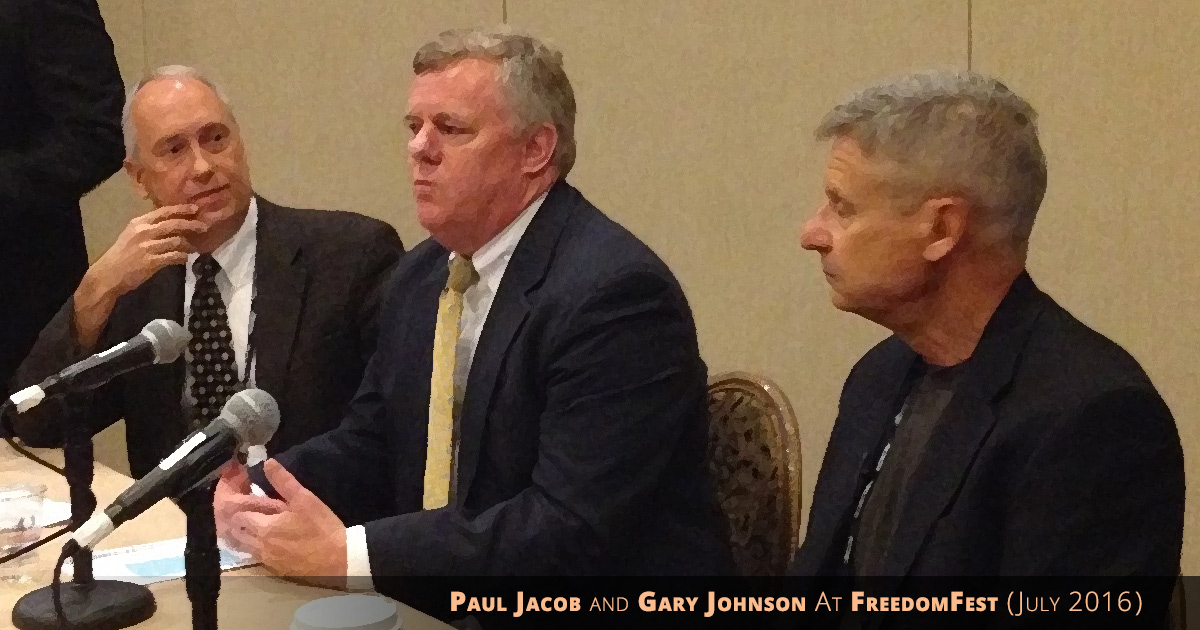
Robert Reich wrote an email, the other day, reveling in his role as a video propagandist for the organization for over a year, but fearing that isn’t enough to defeat Trump. So, he explains, “instead of just producing an online video every few weeks, MoveOn’s gearing up to produce one practically every day.” He writes to pitch for money.

MoveOn’s videos may be very effective — at getting progressive types to hate Trump all the more, and to vote against him.

Less certain is their reach. Can the new professional videographers preach beyond the eager choir?

Oh, and it’s worth noting that this is precisely the kind of thing campaign finance reform is designed to squelch.

This is Common Sense. I’m Paul Jacob.

Printable PDF

Robert Reich, Donald Trump, moveon.org


Categories
crime and punishment First Amendment rights general freedom initiative, referendum, and recall nannyism national politics & policies political challengers responsibility too much government

A Private Party

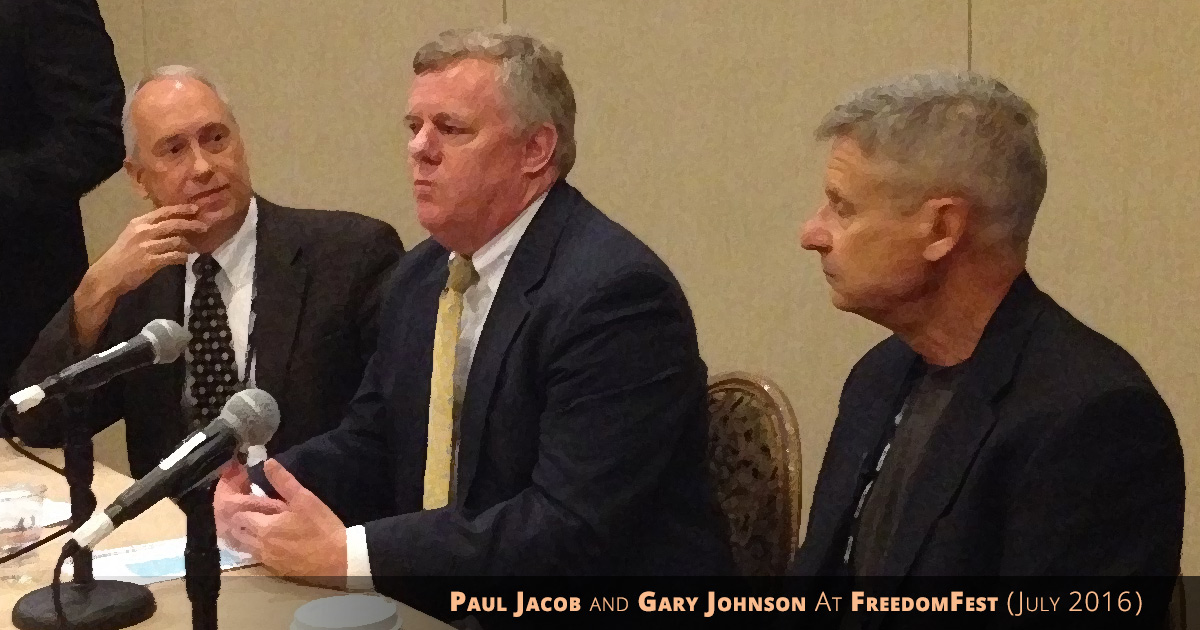
Virginia delegate Beau Correll won’t cast his first ballot vote at the Republican National Convention for Donald Trump, and won’t go to jail, either.

As discussed last Thursday, at issue is a state statute requiring* delegates to vote for the plurality winner of the party’s primary. On the Republican side, that’s Mr. Trump. Yesterday, Federal Judge Robert Payne ruled the law unconstitutional, no law at all, because it violates Correll’s First Amendment rights to speak and associate politically.

“In sum, where the State attempts to interfere with a political party’s internal governance and operation,” the federal judge wrote, “the party is entirely free to ‘cancel out [the State’s] effort’ (Def. Resp. 28) even though the state has expended financial and administrative resources in a primary.”

Love ’em or hate ’em, political parties are private associations, properly protected by the First Amendment.

But is it fair to hold primary elections, at taxpayers’ expense, and then ignore the votes of so many people?

Easy answer: NO.

Sure, Judge Payne correctly struck this statute, but it doesn’t follow that states must foot the bill for party primaries and national conventions or provide legal preference. Up to now, incumbent politicians have quietly legislated a relationship of too-friendly collusion between government and the major parties.

It’s time for citizens to look at initiatives to mandate separation of political party and state.

More immediately, the implications for the coming GOP convention in Cleveland are obvious and far-reaching. “The Court’s decision,” as Correll’s attorney David Rivkin summarized, “follows more than 40 years of precedent in firmly rejecting Donald Trump’s legal opinion that delegates are obligated by law to vote for him.”

The delegates are free.

This is Common Sense. I’m Paul Jacob.
 

* Penalty for non-compliance? One year in prison.


Printable PDF

Donald Trump, delegates, unbound, convention, crime, vote


Original photo credit: Gage Skidmore on Flickr


Categories
Accountability responsibility

Algal Mess

Florida’s inland waters are clogging up with algae. You can now see the “algae bloom” from space.

What’s the big deal? Well, it stinks. “The blue-green algae, also known as cyanobacteria, contain toxins that are highly dangerous to humans,” explains Harry Sayer at the Orlando Weekly. “Ingestion may cause nausea, vomiting, and liver failure.” No wonder, then, that the State of Florida is in alarm mode, preparing to spend millions of dollars to fight it.

The problem is: fighting water plants is not easy.

Easy or no, it’s a crisis. Animals are “in distress, some are dying,” says a resident of a beach town to which the algal mess has spread. Tourism? Gone. Who wants to smell that mass of green gunk? Gov. Rick Scott has declared a state of emergency. Understandable.

Over at ClimateProgress, Samantha Page has found something else to attack:  “Climate Denier Marco Rubio Tries To Tackle Toxic Florida Algae, Is Baffled By Cause.” Now, Florida Senator Marco Rubio (R) is not a “climate denier” — a term of art that should make everyone, including environmentalists, cringe. He doesn’t deny the existence of climates. Or climate change. Page quotes him as being skeptical of the effectiveness of proposals to turn the direction of climate change around, back to its previous conditions, to which we have comfortably adapted.

Well, that’s his job.

Still, it is almost certain that increased CO2 in the atmosphere has aided algae growth here and elsewhere. It’s nature’s response. Algae converts the gas to biomass and oxygen.

But Page is also right: the state should look into industrial and agribiz pollution, too, as causes. That is, after all, a basic function of law and government.

This is Common Sense. I’m Paul Jacob.


Printable PDF

Florida, Algae, pollution, responsibility