Categories
Accountability crime and punishment folly general freedom government transparency moral hazard national politics & policies too much government U.S. Constitution

Public Record

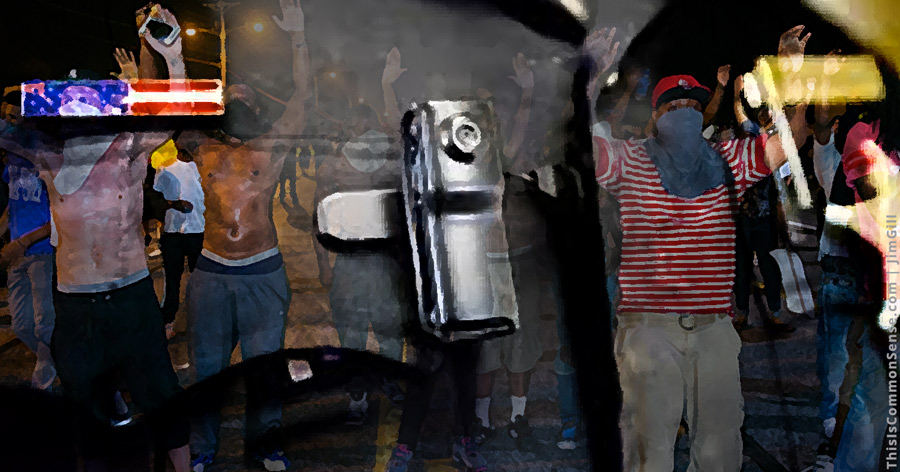
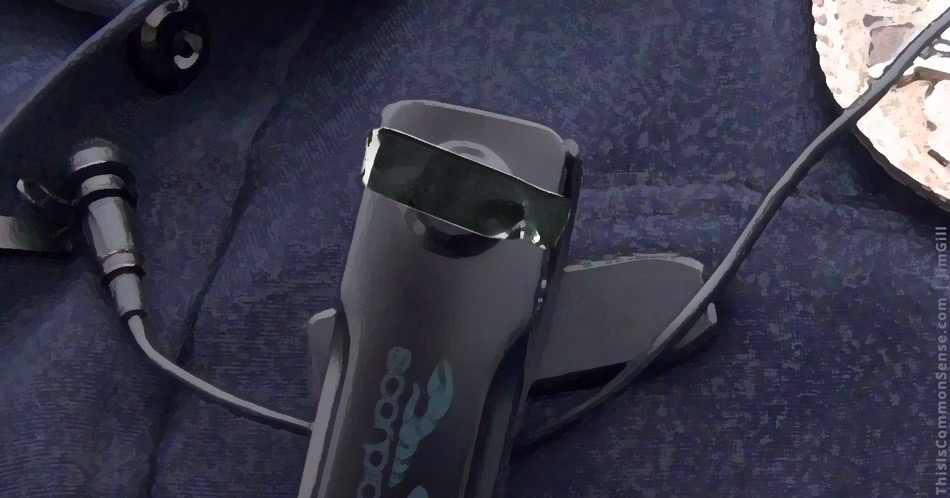
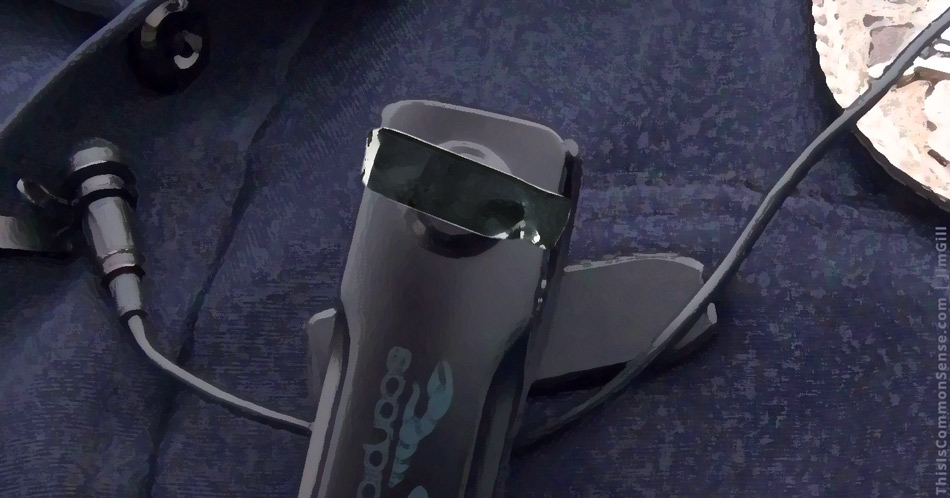
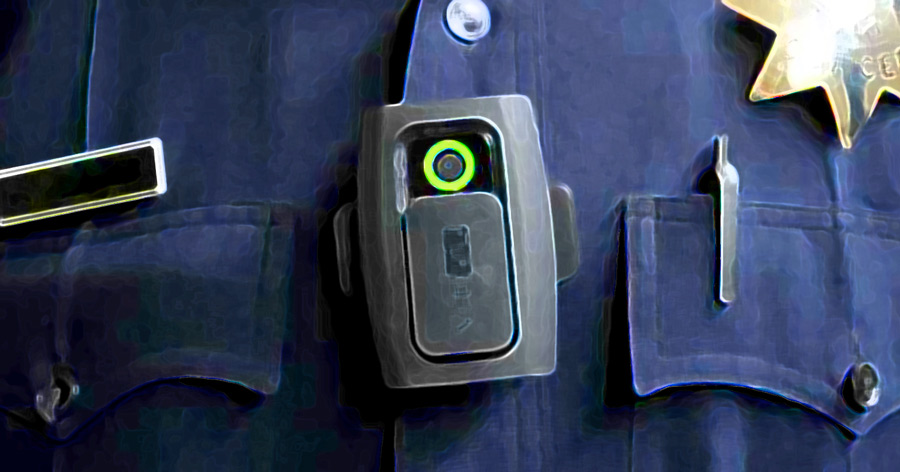
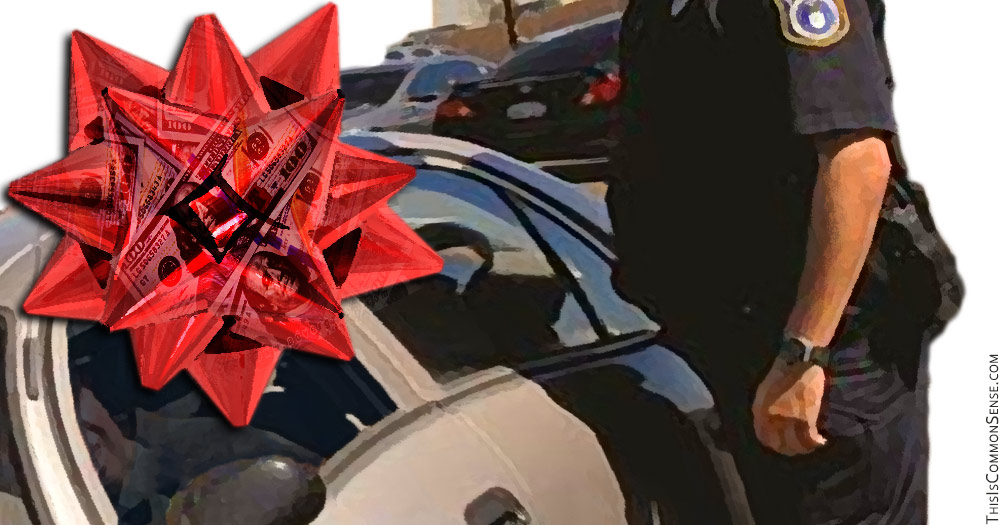
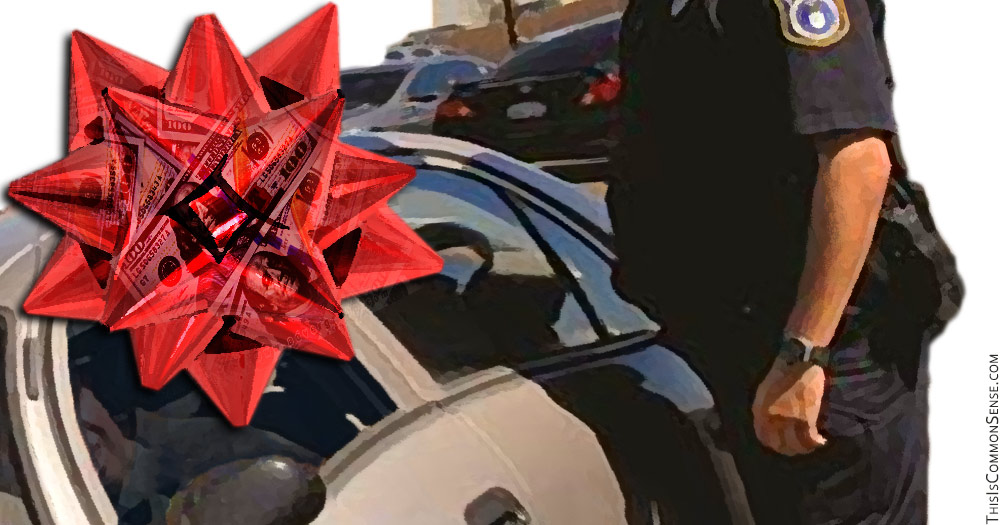
Police departments nationwide have begun to outfit their on-duty officers with body cameras. These small recording devices make great sense, so we can better judge police encounters.

And it turns out that not only do police behave better when wearing body cameras, so do the citizens with whom they interact.*

Yet, cameras aren’t magic. They do not work when turned off. And video recorded by police offers little value when tampered with or deleted.

On Monday, the Washington Post ran an in-depth feature about the 2014 fatal shooting of 19-year-old Mary Hawkes by Albuquerque, New Mexico, police, who pursued her for allegedly stealing a truck.

The Post explained that her case “has become a cautionary tale about the potential of new technology to obscure rather than illuminate, especially in situations when police control what is recorded and shown to the public,” raising concern “about whether a nationwide rollout of body cameras is fulfilling promises of greater accountability.”

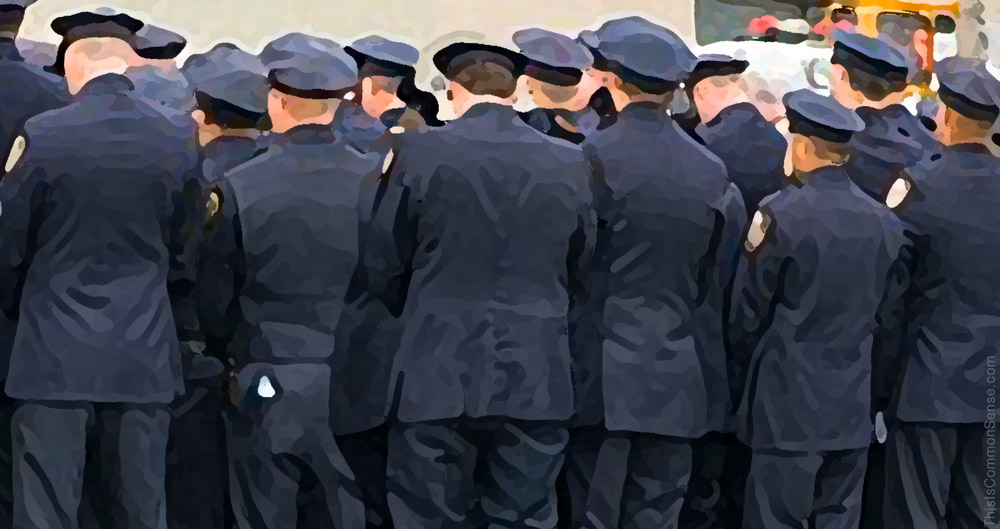
Six police officers huddled in close proximity to the deadly incident — all wearing body cameras. The officer who shot Ms. Hawkes, however, had his turned off. Footage from three others “showed signs of alterations and a deletion.”

A federal investigation is underway.**

It is now obvious that cameras alone won’t suffice. Rules must require that the cameras be turned on — with consequences for non-compliance. The public needs access to the footage, too.

The Police Cameras for Ferguson initiative*** on the ballot April 4th does exactly that. We need similar legislation in Albuquerque and everywhere else.

This is Common Sense. I’m Paul Jacob.
 

* See Barak Ariel, William A. Farrar, Alex Sutherland, “The Effect of Police Body-Worn Cameras on Use of Force and Citizens’ Complaints Against the Police: A Randomized Controlled Trial,” Journal of Quantitative Criminology (September 2015, Volume 31, Issue 3), pp 509–535; reportage on this study can be found here.

** The probe has already revealed that a former Albuquerque police employee has declared, in an affidavit, “it was routine for officials to delete, alter or refuse to release footage because of ‘political calculations.’”

*** Your support is still desperately needed to educate voters in Ferguson, Missouri, about the Police Camera ballot measure. Please help today.


Printable PDF


Categories
Accountability crime and punishment government transparency Popular responsibility

Five for Ferguson

Michael Brown is dead. No video can bring him back.

As the world remembers, Brown was the unarmed 18-year-old black man killed in a violent 2014 altercation with Officer Darren Wilson, who is white — making Ferguson, Missouri, famous.

Or rather, infamous.

With little information, folks quickly picked sides. Some claimed Brown was gunned down in cold blood with his hands up, yelling, “Don’t shoot.” After seeing footage from a convenience store surveillance camera, which showed Brown seeming to strong-arm an employee and steal cigarillos* mere minutes before the fatal police encounter, others placed the blame on Brown.

Subsequent rioting left dozens injured, seventeen businesses torched and millions in property damage. Meanwhile, President Obama’s Department of Justice found Officer Wilson’s actions justified.

However, had Wilson been equipped with a lapel camera, that footage would have enhanced finding justice. Moreover, the knowledge that the public could see the truth of what happened might have prevented the riots and recriminations.

More information is better.

That’s why the best news of all is this: on April 4, three weeks from today, the people of Ferguson will vote on The Public Video Recording Accountability Amendment to Ferguson’s City Charter. The charter amendment mandates that officers wear lapel cameras while on duty and sets sensible rules for allowing maximum public access.

The campaign needs your help to alert Ferguson voters about the election by mailing information on the ballot measure. For instance, studies demonstrate that not only do police behave better when wearing cameras, but so do the citizens with whom they interact.

Would you give five dollars for Ferguson?

Please help bring a better day for justice and transparency.

It’s Common Sense. I’m Paul Jacob.

* Over the weekend, more video surfaced from the convenience store as part of a documentary entitled, “Stranger Fruit,” which suggested Michael Brown had made a drug deal at the store, and not stolen anything. A St. Louis County prosecutor disputed the filmmaker’s interpretation, and released more footage.


Printable PDF


Categories
Accountability crime and punishment moral hazard nannyism national politics & policies property rights too much government U.S. Constitution

Watcha Gonna Do?

At a White House meeting last week between President Trump and law enforcement officials, a Texas sheriff raised a concern about legislation introduced by a state senator to require a conviction before police could take someone’s property.

Mr. Trump asked for that senator’s name, adding, “We’ll destroy his career.” The room erupted with laughter.

“That joke by President Trump,” Fox News’s Rick Schmitt said on Monday, “has the libertarian wing of the Republican Party raising their eyebrows, instead of laughing.”

Not to mention the civil libertarians in the Democratic Party and the Libertarian Party itself.

Civil asset forfeiture, as we’ve discussed, allows police to take people’s cash, cars, houses and other stuff without ever convicting anyone of a crime — or even bringing charges. The person must sue to regain their property.

Lawyers aren’t free.

Two bedrock principles are at stake:

  1. that innocent-until-proven-guilty thing, and
  2. Our right to property.

Since police departments can keep the proceeds of their seizures, they’re incentivized to take a break from protecting us — to, instead, rob us.

“Our country is founded on liberties,” offered Jeanne Zaino, a professor at Ionia College. “[G]overnmental overreach is not something that is natural for Republicans to embrace.”

Schmitt acknowledged that “Libertarians would hate this. They don’t want big government. But they don’t have a lot of pull.”

Libertarian-leaning Republicans like Sen. Rand Paul and Rep. Justin Amash are trying to end civil forfeiture, but the president will likely veto their legislation.*

Let’s not wait. Activists in three Michigan cities put the issue on last November’s ballot and won. You can, too.

This is Common Sense. I’m Paul Jacob.
 

* FoxNews.com reported that, “Trump signaled he would fight reforms in Congress, saying politicians could ‘get beat up really badly by the voters’ if they pursue laws to limit police authority.”


Printable PDF


Categories
Accountability crime and punishment ideological culture media and media people national politics & policies

Savagely Killing Conversation

“You think the police deserve to be killed?” That’s what talk show host Michael Savage asked his caller yesterday.

What brought that on?

A self-described liberal woman named Teri had called The Savage Nation. Though not a Trump supporter, she “did not have the antipathy for him that most liberals did.”

“[U]nderneath his brashness and braggadocio,” Teri had thought, “there actually beat a heart for America.” But after his numerous initial appointments, she is now “terrified.”

On air, Teri admitted that her preferred candidate for president had been independent (not turned Democrat) Sen. Bernie Sanders of Vermont. Savage called Sanders a “con man” — a “race-baiter” who “attacked the police regularly.”

That’s when he inquired if it was her desire to see police officers murdered. To which, she replied, “No, my husband was a police captain.”

Savage: “That’s amazing. How could you vote for a man like Bernie Sanders, who hated the police and used the police as a weapon to stir up minorities?”

Teri: “Believe it or not, my husband actually supported him, too.”

Savage: “Why would a police captain support Bernie Sanders?”

Teri: “Well, my husband was a very honored and honorable policeman.”

Savage: “You mean, all the police who were killed deserved to be killed?”

Savage, indeed. Does he really believe that a person criticizing certain police behavior or seeking reform necessarily thirsts for the blood of innocent police? Really?

Or does he simply hope to shut down any thoughtful conversation about the injustice in our criminal justice system?

This is Common Sense. I’m Paul Jacob.

Printable PDF

Michael Savage, police, murder, killing,, justice, Bernie Sanders


Categories
meme

You had one job America. . .

Categories
Accountability crime and punishment moral hazard national politics & policies responsibility

Freddie’s Dead

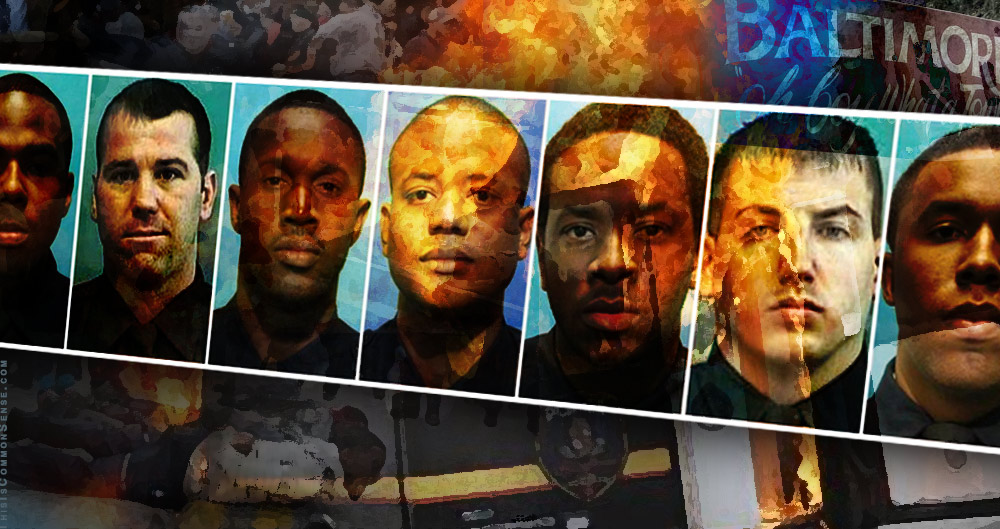
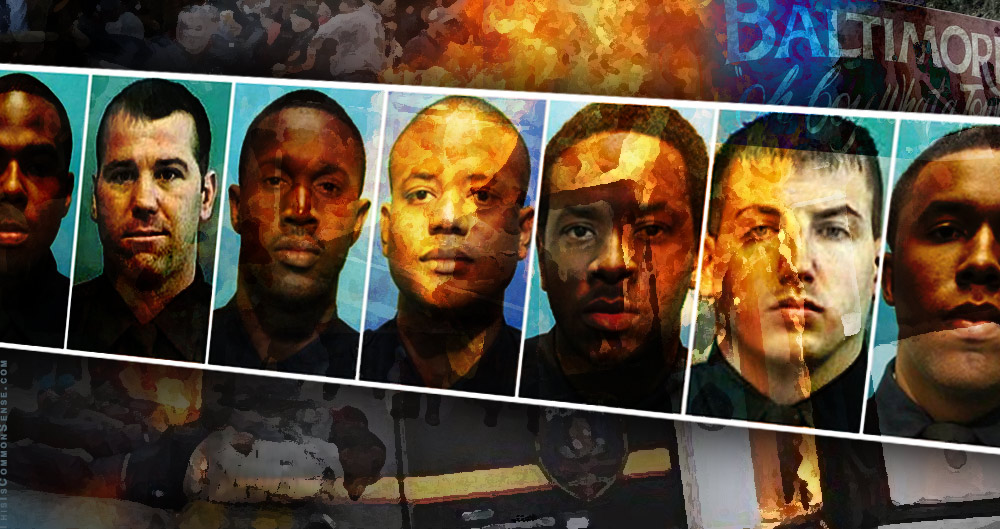
Marilyn Mosley is frustrated. This State’s Attorney in Baltimore, Maryland, angrily dropped charges against the remaining three police officers not already acquitted in the death of Freddie Gray, who died from injuries sustained while in police custody.

Clearly, Mosley lacked the evidence to convict these officers of murder, manslaughter, false arrest, etc. Were the charges politically motivated, as police allege? Or did police impede her investigation, as she charges?

I don’t know. But here’s what we do know:

Upon sighting police April 12th of last year, Gray ran but was apprehended. Police confiscated a knife, which was perfectly legal to carry. Then police called for a van, and video captured police dragging 25-year-old Freddie Gray, screaming in agony, to that van.

Police transported him on a very circuitous route “downtown” that ended up at the hospital, after police discovered during a stop that he wasn’t breathing. A week later Freddie died.

The cause of death was a spinal injury.

The video suggests impairment before the travel therapy administered by police, though the injury could have been worsened in transit. Gray wasn’t wearing a safety belt. In fact, the medical examiner ruled it a homicide based on his not being belted in.

Whether the spinal injury was a freak accident, caused by police misconduct or, as alleged, Gray was trying to injury himself to seek damages, the medical evidence shows no serious bruises or broken bones — just the spinal injury.

We don’t know what happened.

What we do know is that a man was taken into police custody without any legitimate charge, not treated or attended to as he should have been, and he’s dead.

There’s no victory or vindication here for police.

This is Common Sense. I’m Paul Jacob.
 

AND ANOTHER THING: To what degree is Freddie Gray a casualty of the war of drugs? Back in June, defense attorneys for the police released an email that Prosecutor Mosley’s office had sent to police asking for an “enhanced” police presence to combat drug dealing in the area Freddie Gray was arrested. That was three weeks prior to his arrest.


Printable PDF

Freddie Gray, police brutality, misconduct, Baltimore, illustration


Categories
Accountability crime and punishment general freedom moral hazard national politics & policies Regulating Protest responsibility too much government

Too Much – Part 2

Yesterday, we discovered that modern America asks police to do “too much.” Which prompts the next question: What should police stop doing?

Here are two immediate reforms where police can do less, while protecting the public more:

     (1) End the War on Drugs. Preventing violence and fraud is the rightful role of police. Not preventing people from engaging in activities that are peaceful, however misguided or self-harming. The criminalization of marijuana means more than 150 million Americans are criminals, warranting police involvement.

Now, Mr. Obama has released some convicts serving long drug-related sentences, but we need a president who will go much farther in changing law enforcement priorities.

     (2) Stop Using Civil Asset Forfeiture, whereby police steal people’s stuff without charging and convicting those people of any crime. Not only do federal agencies from Justice to the IRS take our property in violation of our rights, but the Feds encourage state and local police to join them in this bad behavior through their “equitable sharing” program.

While Obama has spoken against seizing assets without a criminal conviction, he hasn’t stopped it. And he could at the federal level, with a stroke of his pen — as I have advocated at Townhall. Ending civil asset forfeiture is an executive order actually within his constitutional power.

Would these two steps end all racism or violence or crime? No, no, no.

They would be, however, two steps forward toward a more principled, lawful and respectful style of policing that would better serve to unite rather than divide citizens and police.

It’s a different two-step than reformers have been witnessing.

This is Common Sense. I’m Paul Jacob.

Printable PDF

crime, police, Police Chief David BrownX poverty, President Barack Obama


Photo Credit: Tomasz Iwaniec


Categories
Accountability crime and punishment moral hazard national politics & policies responsibility too much government

Too Much

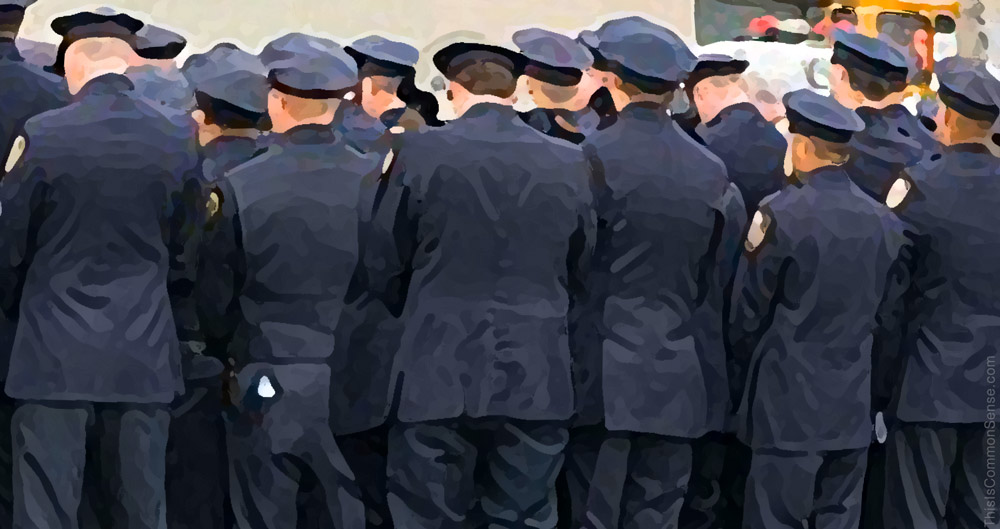
When President Obama said, “[W]e ask the police to do too much,” at the memorial service for the five slain Dallas policemen, he was echoing an idea previously expressed.

“We’re asking cops to do too much in this country,” Dallas Police Chief David Brown told reporters a day earlier. “Every societal failure, we put it off on the cops to solve,” he added, noting such problems as a lack of mental healthcare, rampant drug abuse, substandard schools and even roaming dogs.

So, what should police stop doing?

Plenty. But I’ll save that answer for tomorrow. Today, let’s pose another: Why so much crime, poverty, and violence in these communities?

Mr. Obama fingered not taxing-and-spending enough on benefits for the poor, including for “decent schools,” “gainful employment,” and “mental health programs.” Yet, after decades of expensive wars on poverty, illiteracy, drug abuse, etc., things have only gotten worse.

“We flood communities with so many guns,” the president intoned, “that it is easier for a teenager to buy a Glock, than get his hands on a computer or even a book.”

He’s playing fast and furious with the truth. Books are free at the library. Glocks cost money.

And who is this “we” he keeps bringing up?

Chief Brown mentioned a critical problem Obama did not: “Seventy percent of the African American community is being raised by single women.”

Police cannot solve all our problems, sure, but they especially cannot fix problems exacerbated by the welfare state and the educational system. Big government is no substitute for Mom and Dad.

Even freedom merely offers the opportunity to fix our own problems.

This is Common Sense. I’m Paul Jacob.

Printable PDF

Obama, Police Chief David Brown , police, abuse, poverty,


Categories
Accountability crime and punishment general freedom nannyism national politics & policies

Beggar Thy Philanthropist

Making up petty rules and enforcing them is one thing governments do well.

On Monday I warned about the dangers of asking too much from government. I think, today, I’ll make the opposite warning: of not asking enough.

Mandatory seatbelt laws were enacted (sometimes by citizens initiative and referendum) to save people’s lives. But the reason many police and local jurisdictions like these laws is that it gives them a chance to engage in shakedowns, entrapping citizens into non-compliance, and then socking them with fines.

In Regina, Saskatchewan, a man pulled up to an intersection and saw a down-and-outer with a sign. He felt sorry for him, so, as he pulled up, he unbuckled his seat belt and pulled three bucks in change out of his pocket. And dropped the three dollars on the curb.

A few moments later, police stopped him, and handed him a ticket. The “homeless guy” with the sign turned out to have been an undercover cop, and the few moments without a seat belt was enough to charge our philanthropist $175 Canadian.

Though an obviously preposterous misuse of police time and attention, and an abuse of the citizenry, Regina’s police force remains adamantine, claiming that “this is nothing new. It’s part of a project that has police watching for traffic violations at intersections.”

Because this sort of thing only hits people almost at random, but the benefits are concentrated on police coffers, it’s hard to organize against such nonsense. Which is precisely why such nonsense goes on.

Still, we must prevent such abuse at the local level, if we’re ever to control the federal leviathan.

This is Common Sense. I’m Paul Jacob.

Printable PDF

seatbelt, trap, police, Regina, Saskatchewan, illustration


Categories
crime and punishment responsibility

Don’t Demand Too Much

It’s commonly said that government is here to protect us. Well, that’s one theory.

In the wake of the horrible massacre at the Pulse in Orlando, Florida, I’ve been hearing a lot of murmuring. People are wondering why a man who had been interviewed by the FBI several times in relation to possible terrorist activities could have legally purchased firearms without flagging greater attention.

Others complain that it took the police three long hours to gather themselves and enter the Pulse, to rescue the living, and kill (as they ended up doing) the shooter, Omar Mateen.

Where’s the protection? Where’s the security?

Governments don’t seem to be much good at that.

And why should we expect them to be?

It’s hard to collate information well — though the government had everything it needed, what it lacked was the sense and the willpower to do it. Why? Because novel, dispersed information is hard to deal with.

And let’s not second-guess the Orlando police. It’s a tough job dealing with a killer who wants to kill as many people as he can before he is, himself, killed.

If we wanted real security, real protection, we’d be more armed ourselves (the Pulse had security personnel, but the night club was a gun-free zone, so that’s not much protection), and we’d hire, by contract, security professionals to protect us.

Government police aren’t here to protect us. We have them to clean up after something terrible has happened. Re-establish order. Seek justice against the perpetrators. And, thus, provide “security theater,” more than security itself.

Governments are good at some things.

Just don’t expect more than they can deliver.

This is Common Sense. I’m Paul Jacob.

Printable PDF

police, law enforcement, prevention, law, response, illustration, photo


Photo credit: Elvert Barnes on Flickr