On August 31, 1870, educator Maria Montessori was born.
August 31 serves as Independence Day for Kyrgyzstan, Malaysia, and Trinidad and Tobago.

On August 31, 1870, educator Maria Montessori was born.
August 31 serves as Independence Day for Kyrgyzstan, Malaysia, and Trinidad and Tobago.
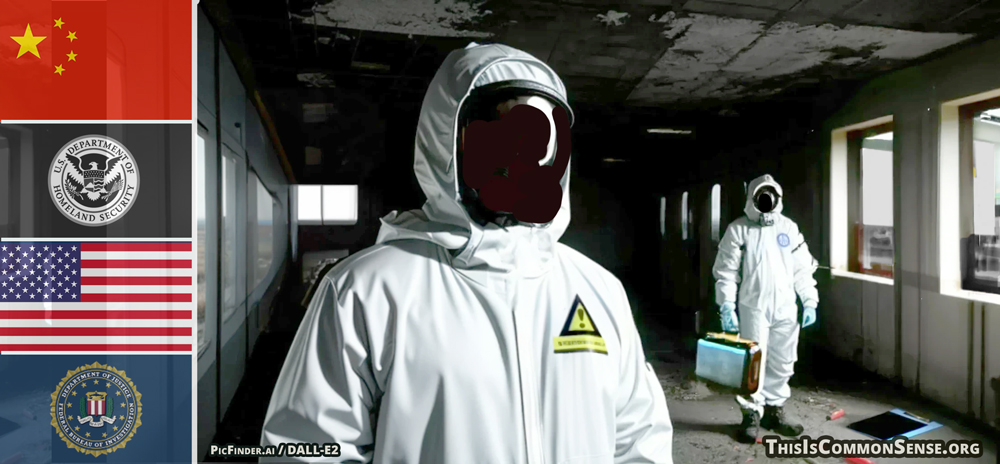
But the locals quickly discovered this was not just an unregistered business, or the anodyne testing service the paperwork for the company promised. What they found in the warehouse was a suspicious array of mice, living and dead, and vials of diseases, kept, we are told, in a careless manner.
Almost as ominously, the business — Prestige Biotech, previously known as Universal Meditech Inc. — is Chinese-owned and operated.
And had received government subsidies.
Ours! Who knows what came from China?
“House Speaker Kevin McCarthy (R-Calif.) and Rep. Jim Costa (D-Calif.), who represent congressional districts in California’s Central Valley, wrote a letter to the Pandemic Response Accountability Committee seeking a probe into how and why Universal Meditech Inc. was granted two Payment Protection Program (PPP) loans of $74,912 each in April 2020 and February 2021,” explains The Epoch Times.
The company had previously been awarded — but did not qualify for or actually receive — a $360,000 tax credit under California’s CalCompetes GO-Biz program.
Why wasn’t this tale told for half a year?
“The FBI,” as Mark Tapscott writes, “imposed a blackout on any public statements about the facility.”
“[T]he FBI and the CDC and everybody else in the alphabet soup of state and federal agencies” told locals not to comment, says Reedley City Manager Nicole Zieba.
Curiously, the reporting makes no mention of Homeland Security. What is that agency for, again?
This is Common Sense. I’m Paul Jacob.
Illustration created with PicFinder.ai and DALL-E2
See all recent commentary
(simplified and organized)
See recent popular posts
For the things we have to learn before we can do, we learn by doing.
Aristotle, Nicomachean Ethics, Book II, 1103a.33.
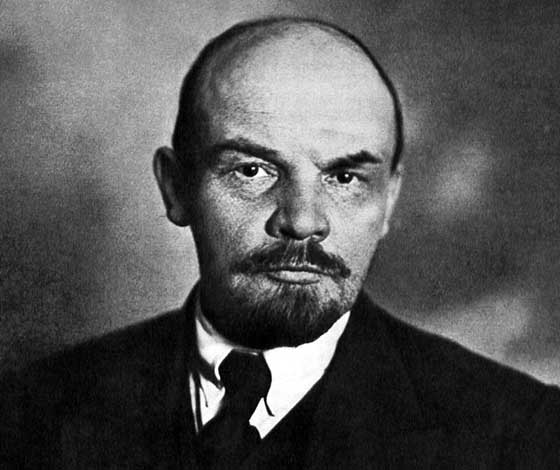
On August 30, 1918, Fanny Yefimovna Kaplan shot and seriously injured Bolshevik leader Vladimir Lenin. Though certainly justifiable on some primary level — evil killers with power probably deserve to be killed in turn — this assassination attempt prompted the mass arrests and executions known as the Red Terror.
August 30, 1999, saw East Timor’s referendum vote for independence from Indonesia succeed.

I’m not talking about the delicate issue identified in the classic Seinfeld episode, “The Hamptons.” I refer, instead, to the business lingo for theft.
It’s rampant and taking a sad toll.
Dick’s Sporting Goods is the first major retailer to blame declining profits on the “shrink” of its inventory because of mass theft. “The sporting goods and athletic clothing seller reported second-quarter results Tuesday morning that included a 23% drop in profit, despite sales that rose 3.6% in the period,” CNN explains.
But it’s not just a Dick’s problem. “Retailers large and small say they are struggling to contain an escalation in store crimes — from petty shoplifting to organized sprees of large-scale theft that clear entire shelves of products. Target warned earlier this year that it was bracing to lose half a billion dollars because of rising theft.”
The cause?
No mystery.
Leftists have long been uncomfortable with private property. Their socialism seeks to replace private property with public property and private control over the means of production with governmental control. No wonder they often excuse private thievery as something like a revolutionary act.
When Pierre-Joseph Proudhon put the idea boldly onto paper in 1840, that private property is itself theft, he really meant landed property, not personal property. Today’s leftists, unburdened by subtlety, keep coming back to opposing what is the core institution of civilization: respect for other people’s things.
Which allows for everything from privacy to progress.
Encouraging petty theft, as the left has knowingly, and organized theft, as the left has unwittingly (I hope) is not without consequences.
Our wealth, our liberties, our peace — they shrink.
This is Common Sense. I’m Paul Jacob.
Illustration created with Midjourney
See all recent commentary
(simplified and organized)
See recent popular posts
If you would not have a man flinch when the crisis comes, train him before it comes.
Seneca the Younger, Letter XVII of Epistulae Morales ad Lucilium (Moral Letters to Lucilius).
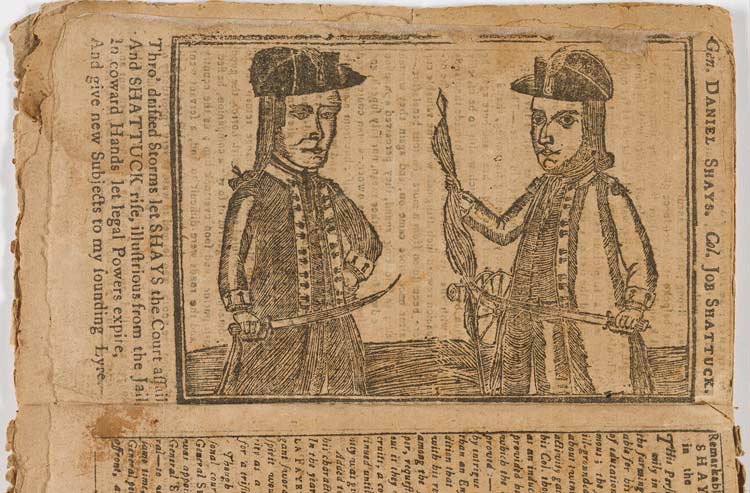
August 29 marks the 1632 birthday of British philosopher John Locke, author of Two Treatises of Government, and one of the strongest intellectual influences on America’s 18th century independence movement and subsequent constitutional thinking. Locke died on October 28, 1704.
On August 29, 1786, Shays’ Rebellion began. The rebellion was an armed uprising of Massachusetts farmers reacting very negatively against the high debt and tax burdens enacted to pay off the Revolutionary War. This rebellion scared American leaders into revising the Articles of Confederation, a process that led not to a mere handful of changes but to the adoption of a whole new Constitution.
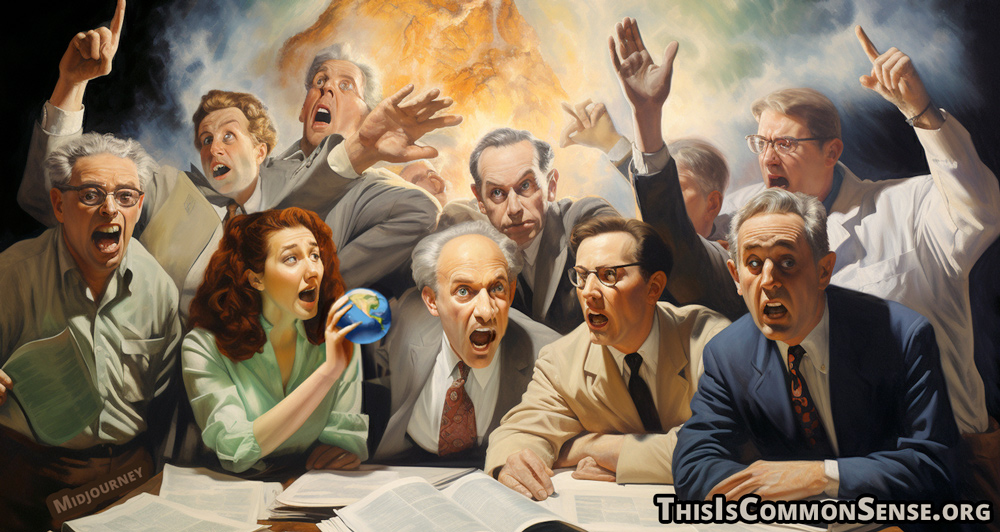
He explained: “The climate-related death rate — tornadoes, hurricanes, heat waves — it is down by 98 percent over the last century. For every 100 people who died of a climate-related disaster in 1920, two die today. And the reason why is more abundant and plentiful access and use of fossil fuels.”
Attacking the “anti-fossil fuel agenda,” Ramaswamy added, “Eight times as many people today are dying of cold temperatures, rather than warm ones. And the right answer to all temperature-related deaths is more plentiful access to fossil fuels.”
Her head having exploded, Bash responded by actually telling Vivek: “As you know, it’s not about people dying today. It’s about what is going to happen in the short term and long term.”
“Oh,” replied Mr. Ramaswamy, “I think it’s all about people dying today.”
Today does certainly come before both short term and long term.
“If you don’t want to cut fossil fuels,” Bash inquired, “what would your policies be to slow things like droughts, like flooding and other damage to our planet?”
“I think we should focus on adaptation and mastery of any change in the climate,” offered the candidate, “through technological advances powered by fossil fuels and other forms of energy.”
Celebrities, politicians and diplomats jetting off to international junkets where they jawbone over unenforceable agreements to cut carbon emissions may impress CNN talking heads. But will Vivek Ramaswamy’s more practical alternative convince voters?
This is Common Sense. I’m Paul Jacob.
Illustration created with Midjourney
See all recent commentary
(simplified and organized)
See recent popular posts
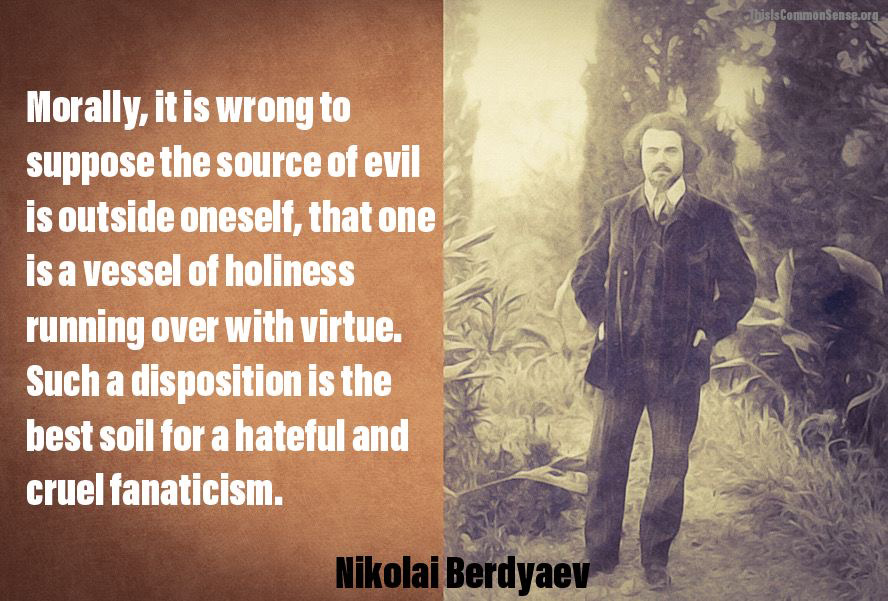
Morally, it is wrong to suppose the source of evil is outside oneself, that one is a vessel of holiness running over with virtue. Such a disposition is the best soil for a hateful and cruel fanaticism. It is as wrong to impute every wickedness to Jews, Freemasons, “intellectuals,” as it is to blame all crimes on the bourgeoisie, the nobility, and the powers that were. No; the root of evil is in me as well, and I must take my share of the responsibility and the blame.
Nikolai Berdyaev, The End of Our Time (1919; Donald Atwater, trans., 1933).

On August 28, 1833, the Slavery Abolition Act received Royal Assent, formally abolishing slavery throughout most the British Empire.