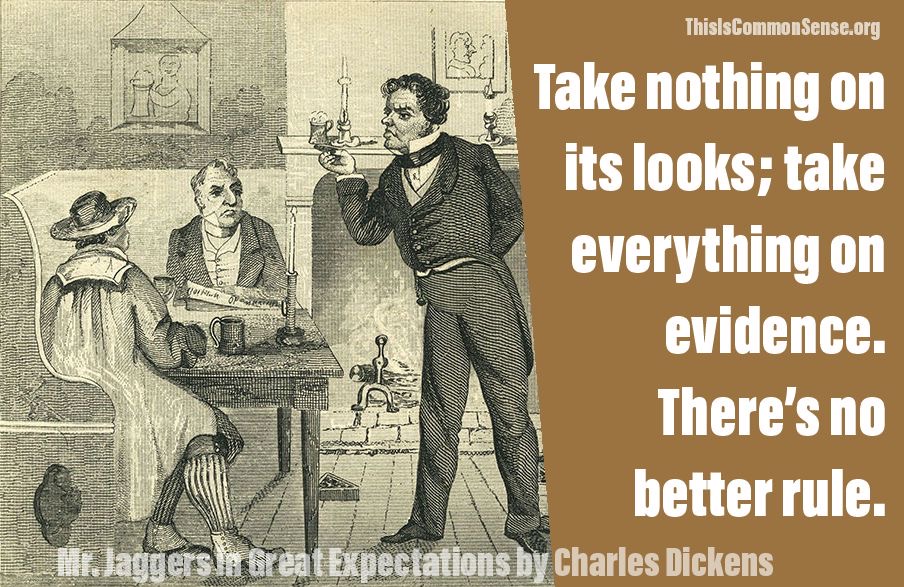
One may ride upon a tiger’s back but it is fatal to dismount.
Ernest Bramah, Kai Lung Unrolls His Mat (1928), “The Story of Kin Wen and the Miraculous Tusk.”
Ernest Bramah
One may ride upon a tiger’s back but it is fatal to dismount.
Ernest Bramah, Kai Lung Unrolls His Mat (1928), “The Story of Kin Wen and the Miraculous Tusk.”
That’s how Argentine presidential candidate Javier Milei characterized his China policy. Now that he’s achieved second place in the recent election, and will face the nation’s current economic minister in a runoff on November 19, it’s time to take a second look at the Milei phenomenon. Three things:
Argentina is going through economic chaos right now. And it’s no surprise, considering how the country — once rich and admired — adopted fascistic economic and political models, flirting with hyperinflation . . . and worse. Peronism in Argentina is not unlike Progressivism in America: de-stabilizing, prone to leadership cults, waffling on term limits: deeply corrupt and corrupting. Milei’s establishment competition has presided over a 123 percent inflation rate, while Milei proposes to abolish its central bank.
And adopt the U.S. dollar as the backing for the Argentine monetary system.
When you resort to the debt-ridden dollar as the anchor to your economy, you know you are desperate!
One thing that policy says about Milei, who calls himself a liberal, or — in American terms — a “libertarian,” is that he is not quite so radical as establishments might fear. He’s not talking about gold, or Bitcoin! (Except, he is — just not as the basis of legal tender.)
Note that characterization. In the recent Epoch Times article on Milei’s challenge to Peronism, the independent paper called him a “right-wing libertarian” while dubbing “[f]ormer president and current Vice President Cristina Kirchner” a “hard-left politician.”
Yet it is traditional to call the Peronism she practices a form of “fascism,” which is considered “right wing.”
Argentine insiders are not taking this lying down; prosecutors have launched a legal case against Milei for upsetting the economy. A bizarre case, on its face, but not so unfamiliar, though, is it?
This is Common Sense. I’m Paul Jacob.
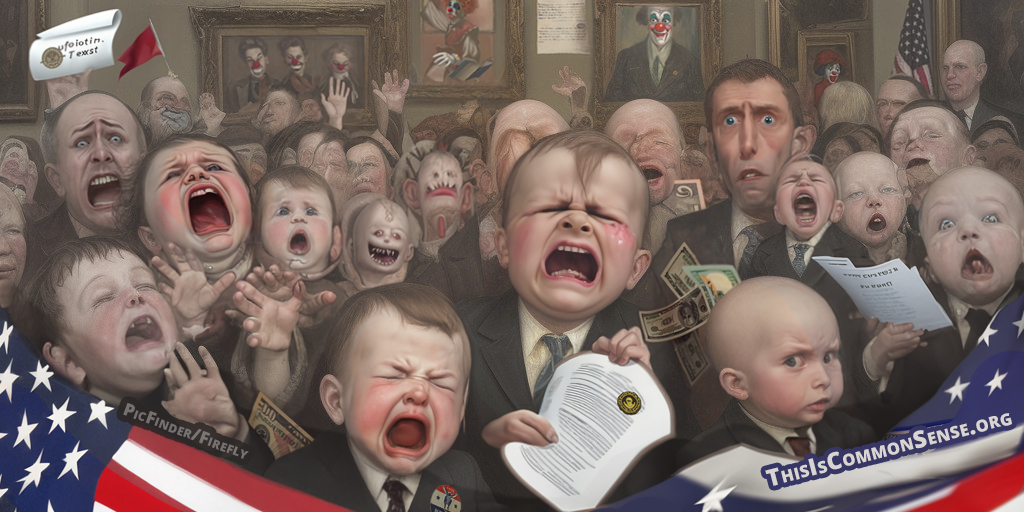
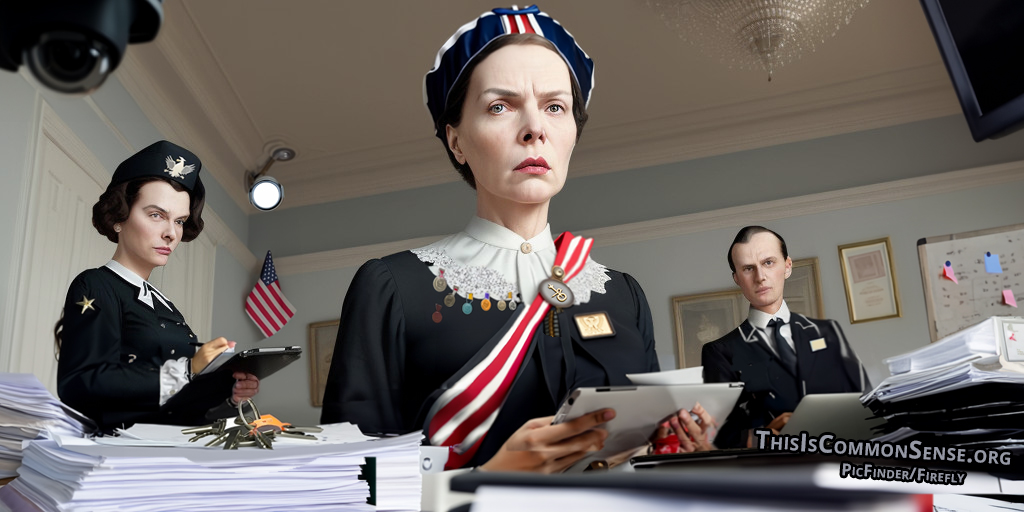
Illustration created with Firefly
See all recent commentary
(simplified and organized)
See recent popular posts
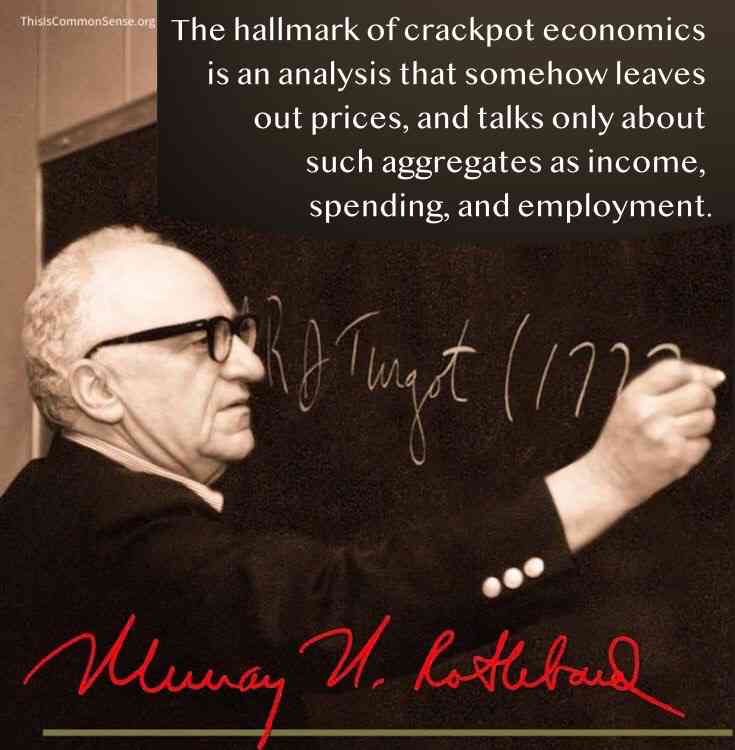
The rhetoric of hate is often most effective when couched in the idiom of love.
Gore Vidal, Julian (1964), sixth chapter.
On October 24, 1648, the Peace of Westphalia was signed, marking the end of the Thirty Years’ War.
A political joke online.
Admittedly, it wasn’t very funny. It certainly wasn’t new. That is, the general idea has been floating around for as long as there have been ballot boxes.
The ur-form of the joke is “Hey, [political opponent], why don’t you deposit that ballot right here in this handy receptacle [trash can]?”
The specific joke that got Douglass Mackey into big trouble sported an image of a smiling black woman in front of a white-on-blue “African Americans for Hillary/President” sign, along with the message: “Avoid the line. Vote from home. ¶ Text ‘Hillary’ to 59925 ¶ Vote for Hillary and be a part of history.”
It arguably flirted with dirty tricks of the sort honest people don’t engage in. But a lot of partisans do that sort of thing, not just Mr. Mackey, who posted the joke to his now-defunct “Ricky Vaughn” Twitter account. A better version of the joke about the same time was not only never prosecuted, the link to it’s still on Twitter (X). It just so happens, however, to have been made by a Democrat . . . against Trump voters.
Trolls flirting with Dirty Trick status are not criminals; there is the First Amendment. But what Mackey was successfully prosecuted for (he was sentenced last week to seven months) was “Election Interference.”
Tellingly, ZERO is the number of voters stepping up to testify that they were tricked into texting 59925 and then not voting by his lame meme. If there were any, they might understandably be too humiliated to bear witness.
Curiously, the law he violated does not mention misinforming a person as a criterion for criminality.
A country that selectively prosecutes this sort of thing — can it be said to be free?
This is Common Sense. I’m Paul Jacob.
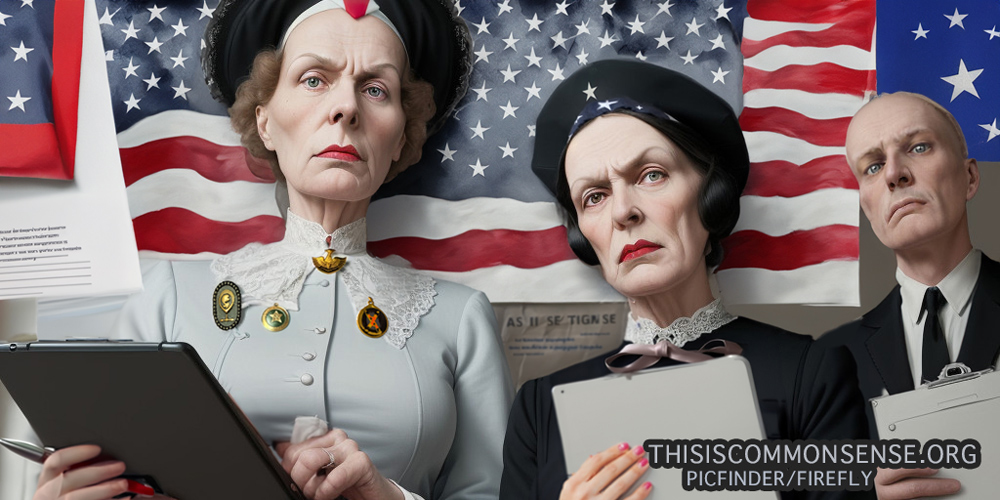
Illustration created with Picfinder and Firefly
See all recent commentary
(simplified and organized)
See recent popular posts
It was quite dark when he went by the towers of Tor, where archers shoot ivory arrows at strangers lest any foreigner should alter their laws, which are bad, but not to be altered by mere aliens.
Edward John Moreton Drax Plunkett, 18th Baron of Dunsany, Distressing Tale of Thangobrind the Jeweller,” The Book of Wonder (1912).
On October 23, 1850, the first National Women’s Rights Convention began in Worcester, Massachusetts.
On the same October date 106 years later, thousands of Hungarians rose up against Soviet rule.
A tripartite conversation, starting by a focus on Jon Stewart, continuing with the normal podcast, and ending with a discussion of Israel and Palestine:
On Tuesday Marsha Blackburn, the senior United States senator from Tennessee, asked Judge Jackson a simple question: “Can you provide a definition for the word ‘woman’?” Jackson, a magna cum laude graduate of Harvard College and sometime supervising editor of the Harvard Law Review answered: “Can I provide a definition? No. I can’t. Not in this context. I’m not a biologist.” The judge, brow furrowed, seemed equal parts annoyed and genuinely confused.
Declan Leary, “I’m Not a Biologist,” The American Conservative, March 26, 2022, relating a moment in Judge Jackson’s interrogation by the Senate Judiciary Committee hearing on her nomination to the Supreme Court.
On October 22, 1964, philosopher and novelist Jean-Paul Sartre (1905 – 1980) was awarded the Nobel Prize for Literature, but turned down the honor — establishing a precedent that should have been followed by numerous Peace Prize winners, including Barack Obama and the European Union.
Only one other recipient of the award has turned it down voluntarily, namely Henry Kissinger’s co-winner in 1973, Le Duc Tho. Four other recipients were coerced by their governments from accepting the prize’s monetary award: Richard Kuhn, Adolf Butenandt and Gerhard Domagk, by the Nazi government, and Boris Pasternak, by the Soviet Union.