“A man can only learn when he is free to act.”
Auberon Herbert, The Right and Wrong of Compulsion by the State (1885)
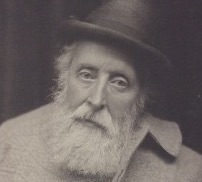
“A man can only learn when he is free to act.”
Auberon Herbert, The Right and Wrong of Compulsion by the State (1885)
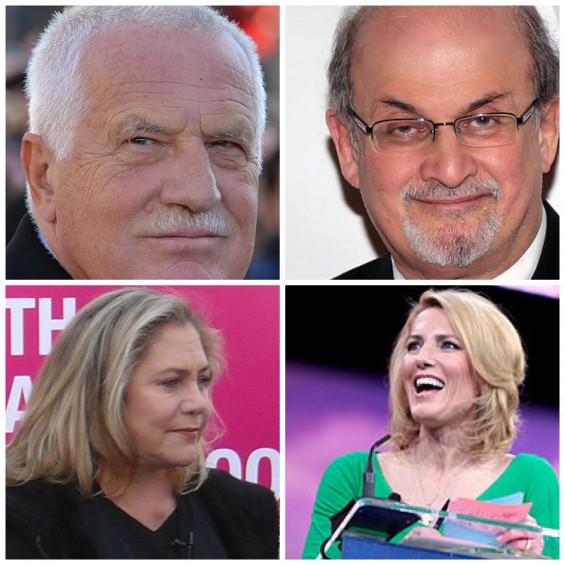
In 1941, Václav Klaus was born; other June 19 births include Salman Rushdie in 1947, Kathleen Turner in 1954, and Laura Ingraham in 1964.
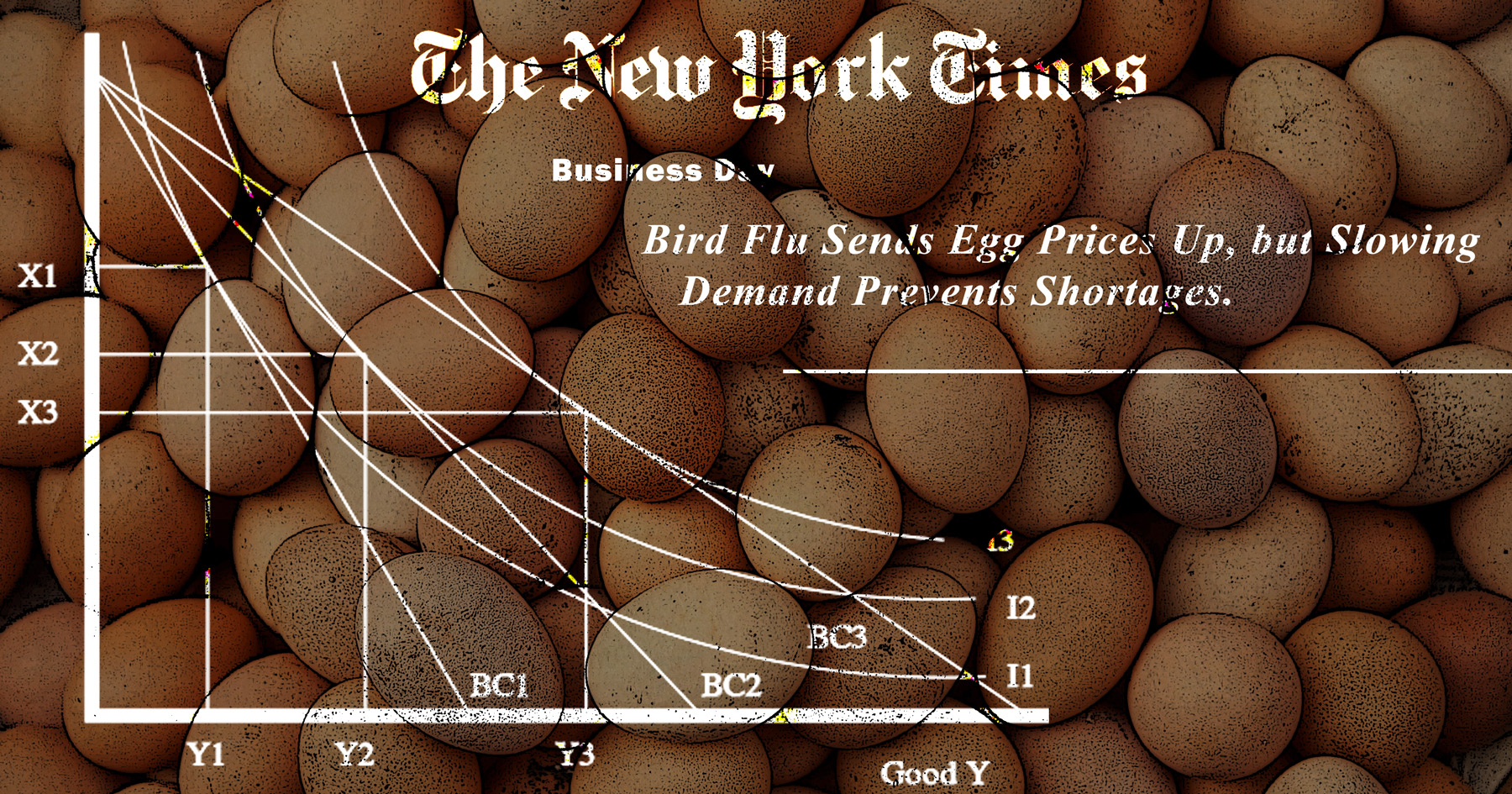
In the first week of June we were told to expect egg shortages. The avian flu had infected millions of hens: egg production would plummet.
This was news, reported as “Egg Rationing in America Has Officially Begun.” The Washington Post cited a few signs in Texan retail groceries warning customers that the stores were not in the wholesale biz, supplying eggs for restaurants and the like.
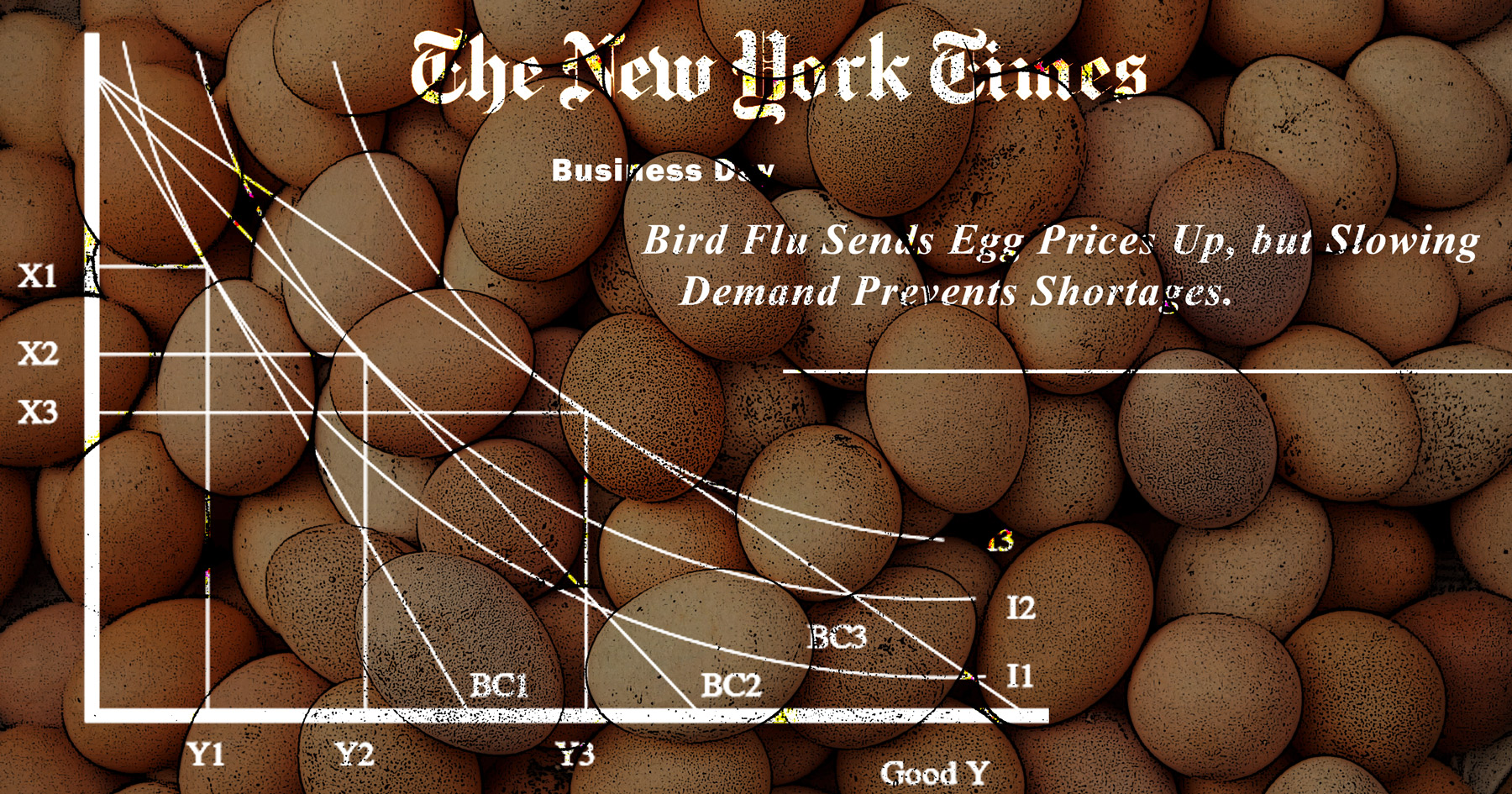
And then the follow-up: On Tuesday the New York Times reported, “Bird Flu Sends Egg Prices Up, but Slowing Demand Prevents Shortages.”
Author Stephanie Strom is probably not responsible for the title. Her copy was not horrible.
It’s hard to get over the title, though. Economist Mike Munger offered his reaction headline: “NY Times Causes Head of Mungowitz to Explode.”
Why?
One word: “but.”
The title should have read, “Bird Flu Sends Egg Prices Up, So Naturally Slowing Demand Prevents Shortages.”
Why that “slowing demand”?
I’ll let Munger explain it:
There can never, NEVER be a shortage if prices are free to adjust. Because a shortage is insufficient supply at current prices. Lagniappe: This was in the “Science” section. Yes, it was.
People buy less when prices rise. So those who value eggs less cede those humpy dumpties to folks who want them more. Fitting. Harmonious!
So the title was witless, Munger insists, “on the order of ‘Water: Still Wet!’ or ‘That Crazy Sun: Rising in the East Again This Morning.’”
I like “good news” stories. Too bad the Times wasn’t quite up to delivering the good news that was clearly fit to print.
This is Common Sense. I’m Paul Jacob.
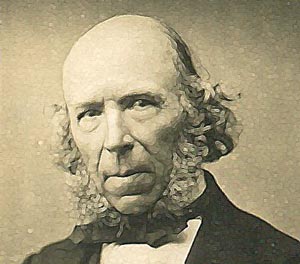
“He who carries self-regard far enough to keep himself in good health and high spirits, in the first place thereby becomes an immediate source of happiness to those around, and in the second place maintains the ability to increase their happiness by altruistic actions. But one whose bodily vigour and mental health are undermined by self-sacrifice carried too far, in the first place becomes to those around a cause of depression, and in the second place renders himself incapable, or less capable, of actively furthering their welfare. In estimating conduct we must remember that there are those who by their joyousness beget joy in others, and that there are those who by their melancholy cast a gloom on every circle they enter.”
Herbert Spencer, The Principles of Ethics: Data of Ethics, § 72, pp. 193-194
On June 18, 1838, Auberon Edward William Molyneux Herbert was born.
Auberon Herbert was a Liberal Member of Parliament who, after reading the writings of Herbert Spencer, became a radical individualist and author of essays such as “The Ethics of Dynamite,” “A Politician in Trouble About His Soul,” and “The Right and Wrong of Compulsion by the State.”
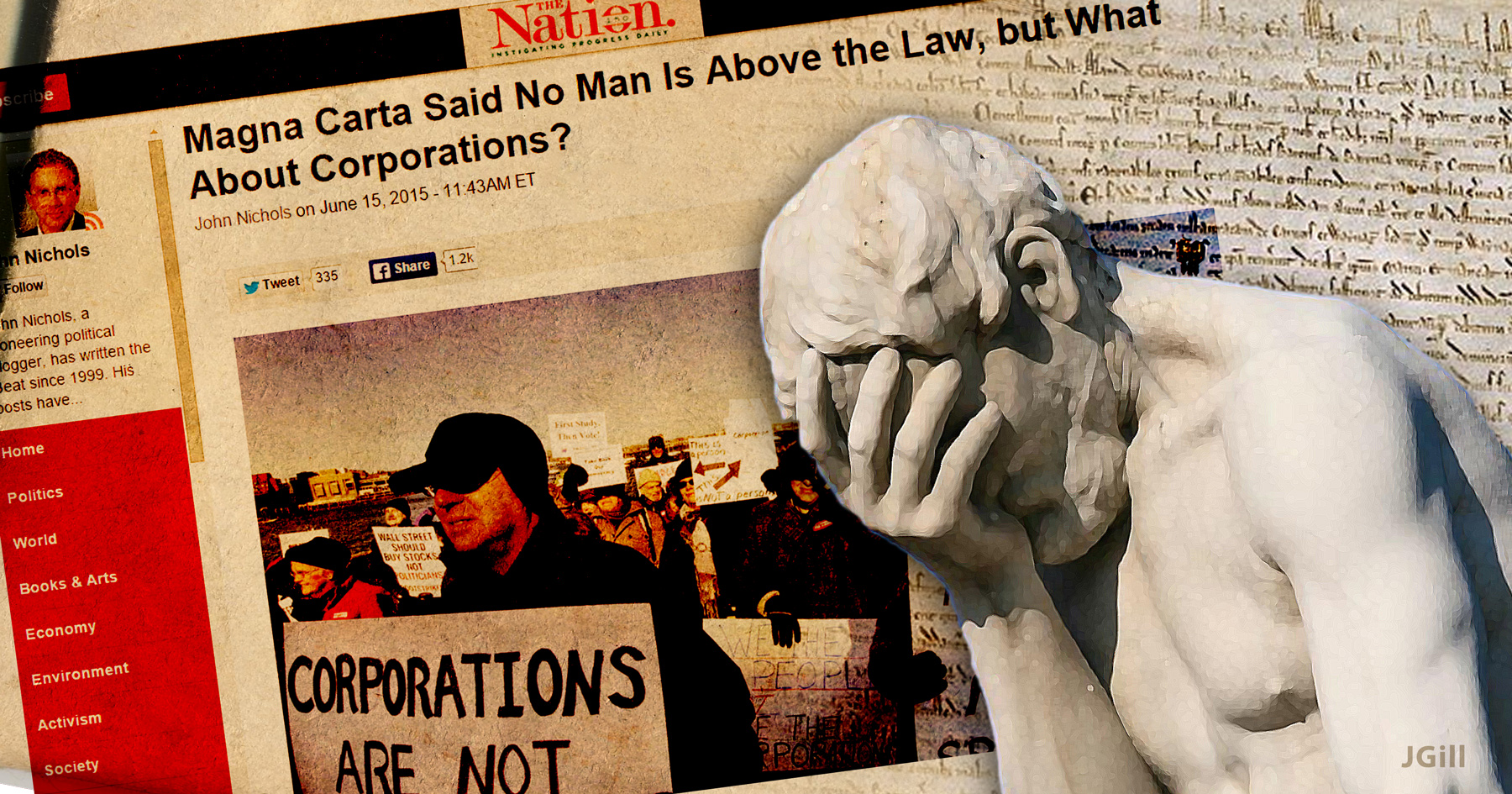
Celebrating the 800th anniversary of the Magna Carta Libertatum this week, I noted how a document intended to serve the very upper classes, by limiting each others’ powers, led to liberty for all.
The Nation, on the other hand, used it to excoriate the Citizens United ruling.
“Magna Carta reminds us that no man is above the law,” wrote John Nichols on Monday. “But it should not be imagined that Magna Carta established democracy, or anything akin to it.”
Of course the Magna Carta did not establish democracy. No one said it did. And neither Britain nor America has pure democracy, if you define it . . . in Nichols fashion. What is he driving at?
If we respect the notion that the rule of law must apply to all . . . then surely it must apply to corporations.
And, surely, the best celebration of those premises in the United States must be the extension of the movement to amend the US Constitution to declare that corporations are not people, money is not speech, and citizens and their elected representatives have the authority to organize elections — and systems of governance — where our votes matter more than their dollars.
Sure, Mr. Nichols, corporations shouldn’t be above the law. But they shouldn’t be below it, either. And in America we have rights to free speech and press. Those rights “surely . . . must apply to corporations.”
Let’s increase the liberating powers of democracy: open up ballot access, de-privilege incumbents, count votes in a non-mere-plurality-wins fashion.
But let’s not throw out equal rights under the law, even in the name of democracy.
This is Common Sense. I’m Paul Jacob.
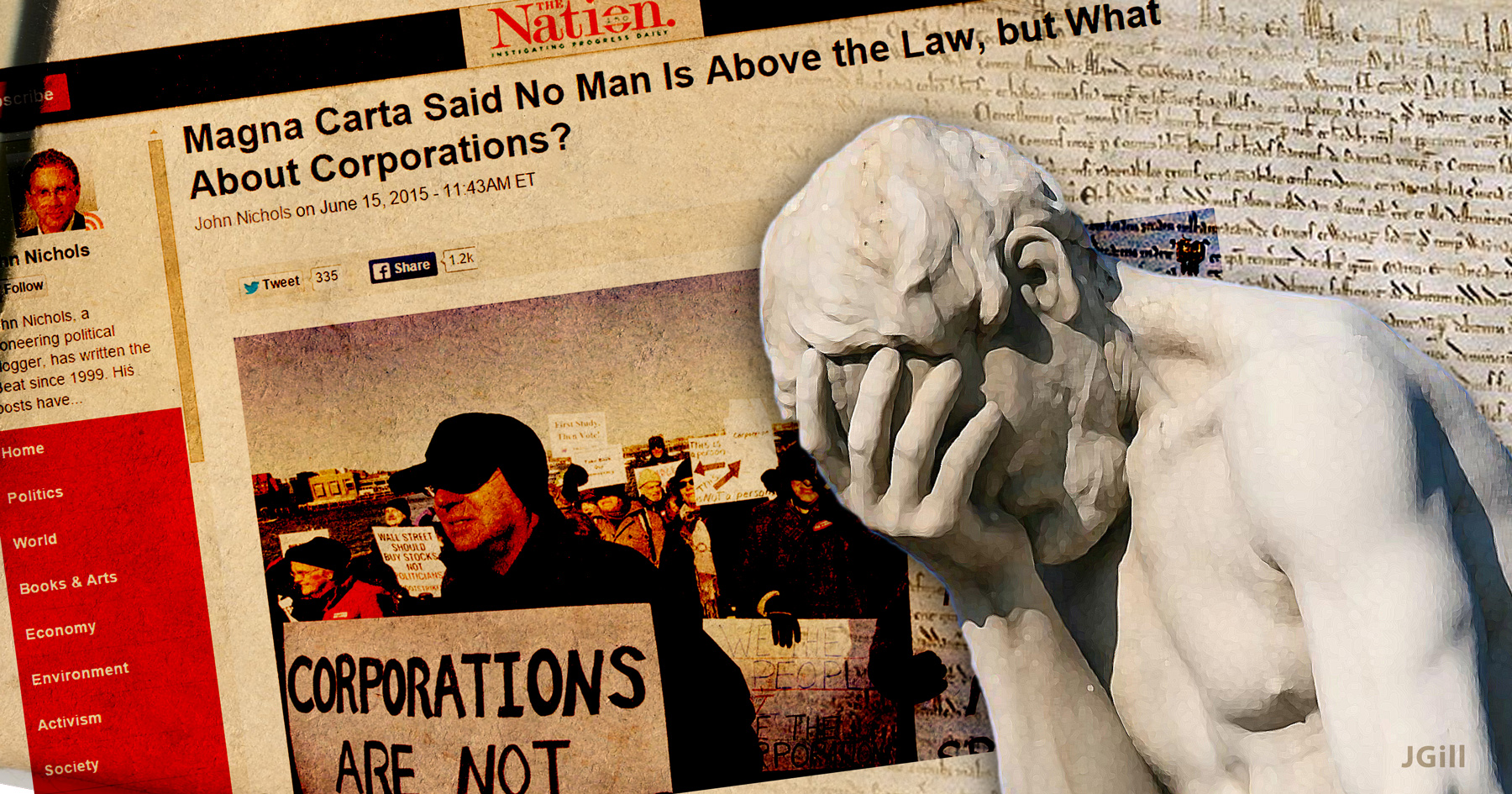
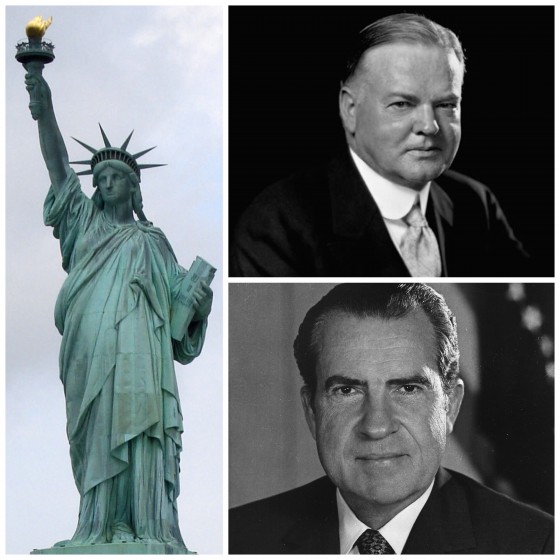
The Statue of Liberty arrived in New York Harbor on June 17, 1885. On the same day in 1930, progressive Republican President Herbert Hoover — eager to please agricultural states, and confident that protectionism would yield greater wealth — signed the Smoot-Hawley Tariff. The Great Depression deepened, especially as provisions of the bill took effect.
Three years later, investment author and two-time Libertarian Party presidential candidate Harry Browne was born.
On June 17, 1944, Iceland declared independence from Denmark.
On this day in 1971, President Richard Nixon declared a “War on Drugs,” which steadily decreased civil liberty and the rule of law in America.
Exactly one year later, five men were arrested for attempted burglary on the offices of the Democratic National Committee in the Watergate complex in Washington, D.C., igniting the Watergate scandal that ultimately led to the resignation of U.S. President Richard Nixon more than two years later.
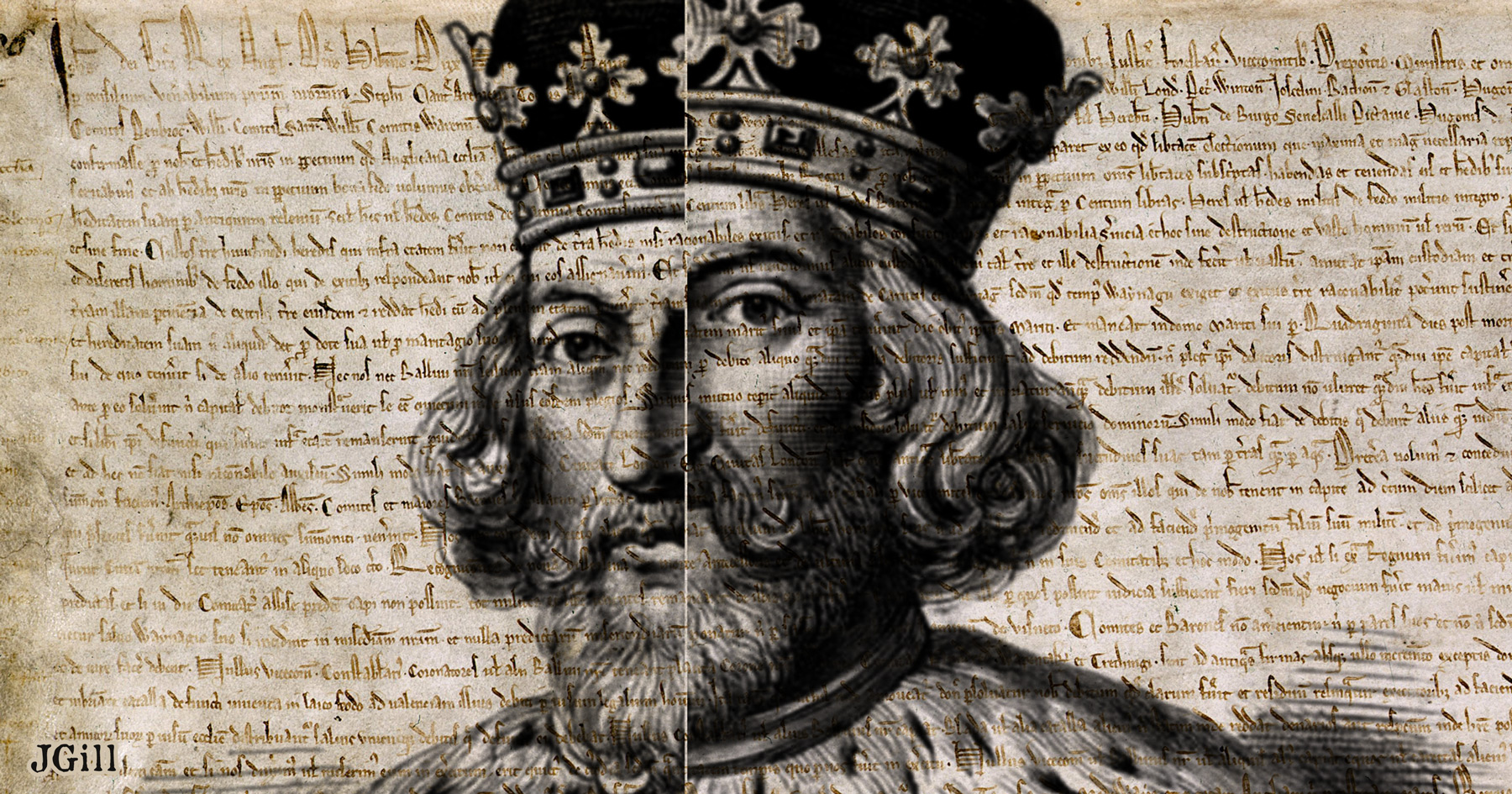
Something happened 800 years ago yesterday, something of note.
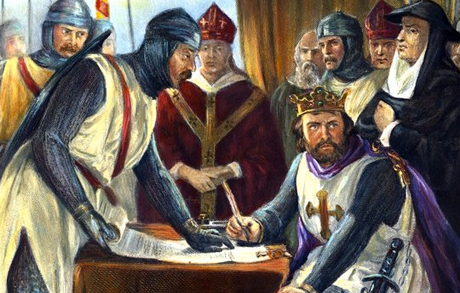
The much-loathed and legendary — but real-life — King John signed a document with his barons that limited his power. It was later called the “Magna Carta,” the great charter.
Strange history. It was signed, made a big deal of, and then quickly repudiated. But it was never completely dead, possessing a zombie afterlife, and eventually helping give birth to the Enlightenment idea of limited government, as well as to the United States Constitution.
Most of the document is concerned with the king’s relationship with his subordinate (and insubordinate) barons. There’s a lot of power-wrangling in it, it’s all about divvying up prerogatives and responsibilities and taxes and fees. But it does contain a few passages of note (I’ve listed them on my “Today in Freedom” feature, in the past, and revive one for today’s).
My friend Sheldon Richman quotes scholar John Millar (1735-1801), one of Adam Smith’s most illustrious students, to put the document in its best perspective: “A great tyrant on the one side, and a set of petty tyrants on the other, seem to have divided the kingdom . . . who, by limiting the authority of each other over their dependents, produced a reciprocal diminution of their power.”
They were selfish men, Millar notes, not much concerned with ordinary folk, “But though the freedom of the common people was not intended in those charters, it was eventually secured to them. . . .”
Britain and then America stumbled onto liberty — a general and shared freedom — by the jealousy of competing powers.
We, the people, win when our “rulers” are divided, not united.
This is Common Sense. I’m Paul Jacob.
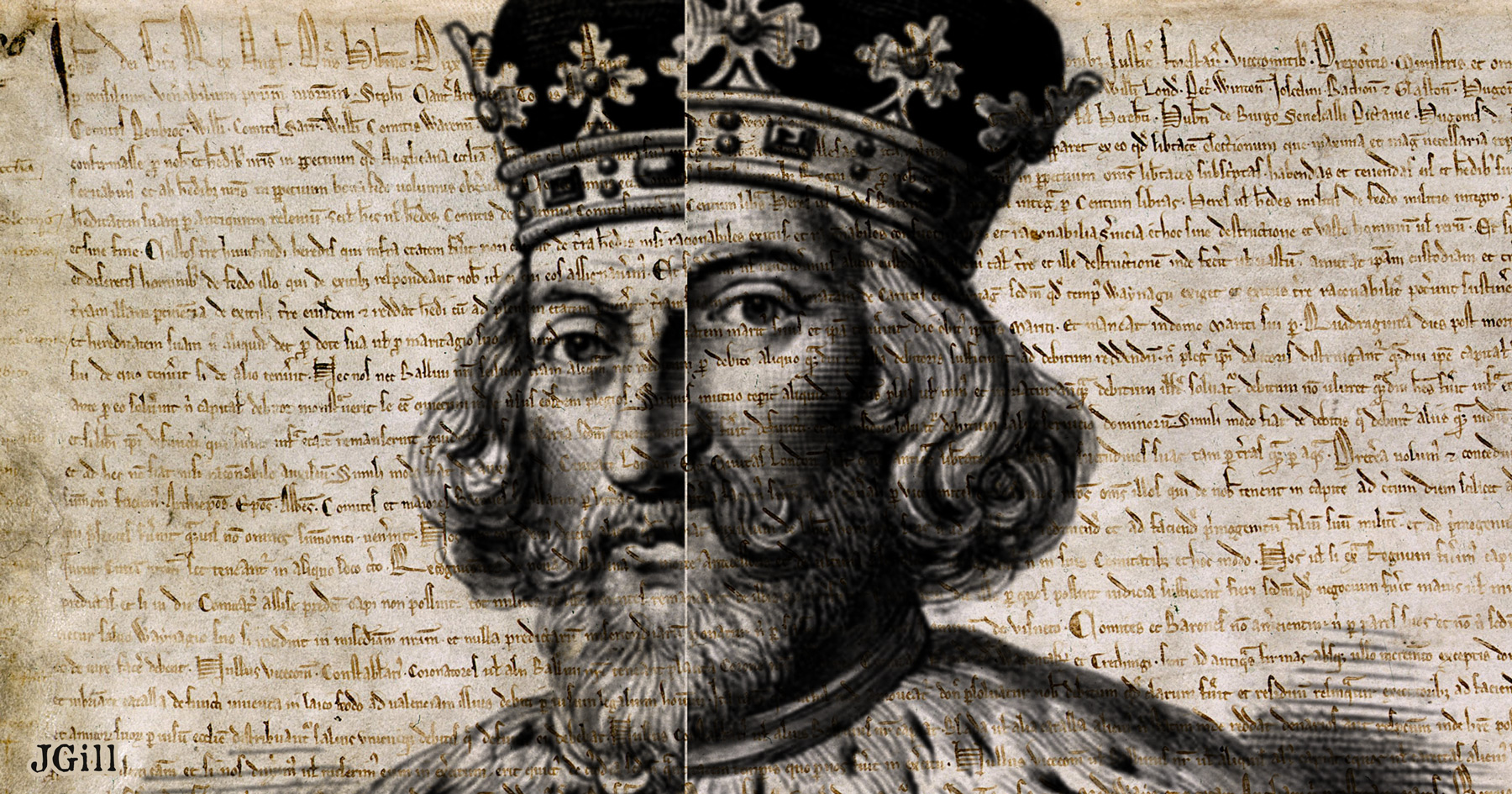
“For a trivial offence, a free man shall be fined only in proportion to the degree of his offence, and for a serious offence correspondingly, but not so heavily as to deprive him of his livelihood.”
Magna Carta Libertatum, Clause 20.
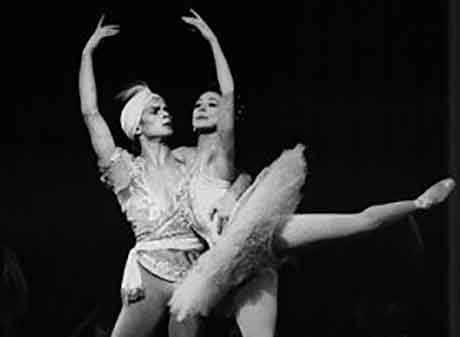
On June 16, 1961, dancer Rudolf Nureyev defected from the Soviet Union.
The great Scottish moral philosopher, political economy pioneer, and Enlightenment intelectual Adam Smith (1723-1790), best known for authoring the 1776 masterwork The Wealth of Nations, was born on June 16.